
Reviewed · LOUVRE TOURS
Louvre Museum: Mona Lisa Without the Crowds Last Entry Tour
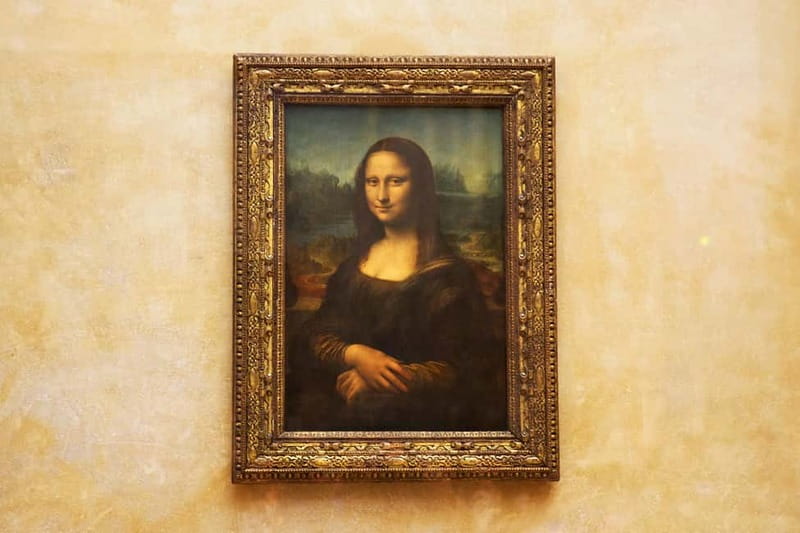
The clever part of this Louvre tour comes at the end: you reach the Mona Lisa near closing time, after working through a focused route of the museum’s major rooms. That timing can make the famous small painting easier to see without the usual wall of people.
I like the small group of up to 15 and the fact that the guide does more than point at famous canvases. Guides such as Hugo, Laurence, Violette, Antoine, Claire, and Adam have been praised for lively explanations, humor, and clear links between art and history. I also like the skip-the-line entry, which saves precious time in a museum as huge as the Louvre.
The tradeoff is that this is a brisk walking tour, not a leisurely museum visit. You will see selected highlights rather than every gallery, and the late timing does not guarantee an empty Mona Lisa room. The meeting point can also be easy to miss if you mistake the Arc de Triomphe du Carrousel for the better-known arch on the Champs-Élysées.
Key points to know before booking
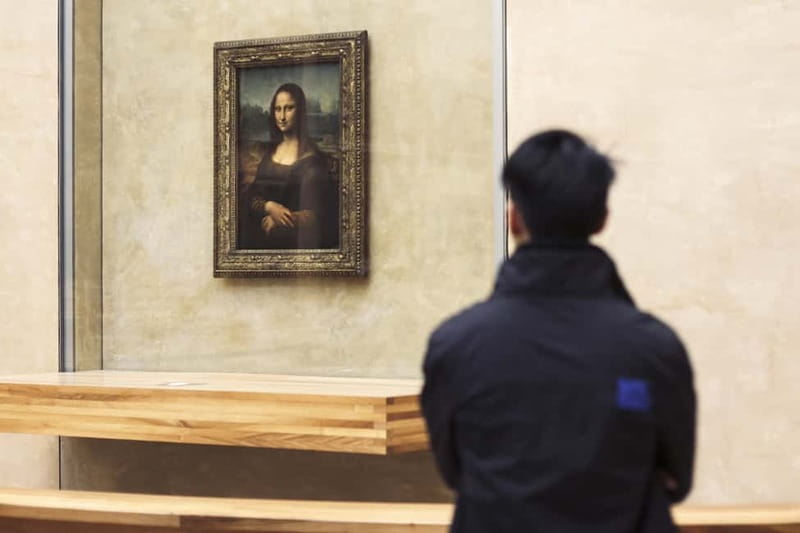
- The Mona Lisa comes last: Visit Leonardo’s painting for about 30 minutes near the museum’s closing time.
- A focused Louvre route: See Venus de Milo, Winged Victory, Cupid and Psyche, Michelangelo’s Slaves, Liberty Leading the People, The Raft of Medusa, and the Crown Jewels.
- Up to 15 people: A smaller group makes it easier to hear the guide and ask questions.
- English art-history guidance: Guides including Hugo, Laurence, Violette, Claire, Antoine, and Adam have been praised for clear storytelling and lively delivery.
- Three hours on foot: Expect a moderate pace through a large museum. Comfortable shoes matter.
- $97 can be worthwhile: The price makes the most sense if you want an organized first visit, skip-the-line access, and help choosing what matters inside the Louvre.
Why the last entry changes the Mona Lisa visit
The Louvre is enormous, and Leonardo da Vinci’s Mona Lisa is one of the museum’s biggest magnets. During the busiest hours, seeing it can mean moving with a crowd toward a distant viewing rail, taking a quick photograph, and leaving before you have really looked at the painting.
This tour reverses that order. You spend most of the visit learning how the Louvre works as a palace and museum, then reach the Mona Lisa shortly before closing. The room may still have other people in it, but the timing is intended to offer more breathing room than a standard daytime visit.
That distinction matters because the painting is surprisingly small. You need a reasonably clear view to appreciate the scale, the soft transitions in Leonardo’s face, and the expression that has kept people guessing for centuries. The late visit does not turn the room into a private appointment, but it can make the experience less rushed.
I would treat the Mona Lisa as the reward at the end, not the only reason to book. The strongest part of the tour is the combination of timing and interpretation. Without a guide, you can easily spend too long finding the famous works and too little time understanding them.
More Louvre tickets and guided visits:
- Paris: Louvre Museum Timed-Entrance Ticket
★ 4.6 · 71,977 reviews - Paris: Louvre Guided Tour with Reserved Access & Boat Cruise
★ 4.3 · 16,353 reviews - Louvre Museum Masterpieces Guided Tour with Access
★ 4.5 · 12,023 reviews
Meeting at the Carrousel, not the other Arc de Triomphe
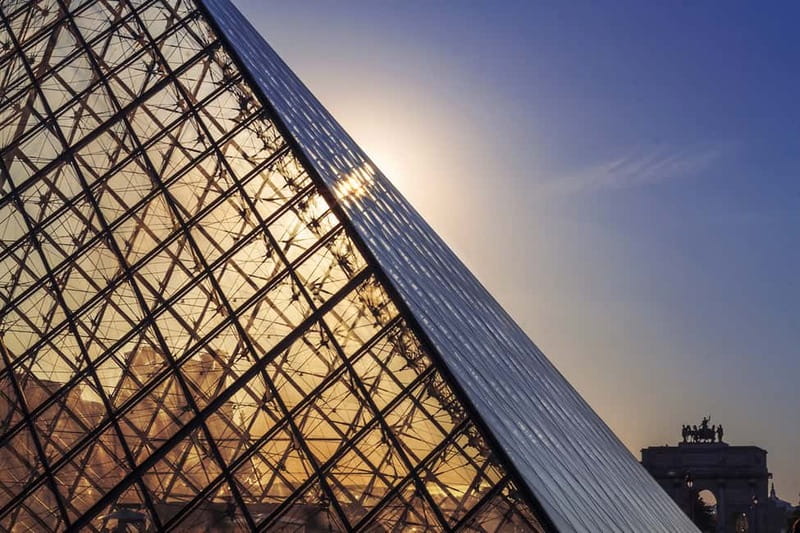
The tour begins at the Arc de Triomphe du Carrousel, the smaller arch in front of the Louvre and opposite the pyramid, near the entrance to the Tuileries Gardens. This is not the Arc de Triomphe de l’Étoile at the top of the Champs-Élysées.
That warning is important. When you face the Carrousel arch, meet by the winged statue on the left. The guide carries a green Walks sign. Arrive 15 minutes early, since a late arrival could be difficult once the group has entered.
The tour finishes back at the Louvre. Hotel pickup and drop-off are not included, so plan your route to and from the museum separately. Bring identification, wear shoes suited to several hours of walking, and leave large bags, luggage, and strollers behind. The activity does not accept oversize luggage.
Starting below the palace at the Louvre foundations
The opening portion introduces the Louvre as more than a gallery of paintings. The route includes the palace foundations and moat, a useful way to picture the building’s earlier defensive role before it became one of the world’s best-known museums.
This first stop gives the rest of the visit some structure. The Louvre can feel like a collection of disconnected rooms, but the palace itself developed over many periods. Seeing its foundations helps explain why the building is so large and why the museum’s galleries can feel like a series of separate worlds.
Your guide uses a headset, which is especially useful when the museum is busy. It lets you keep moving while still hearing the commentary. The headset also means the guide can speak in a normal voice instead of trying to project across a huge gallery.
Greek sculpture: Venus de Milo and Winged Victory
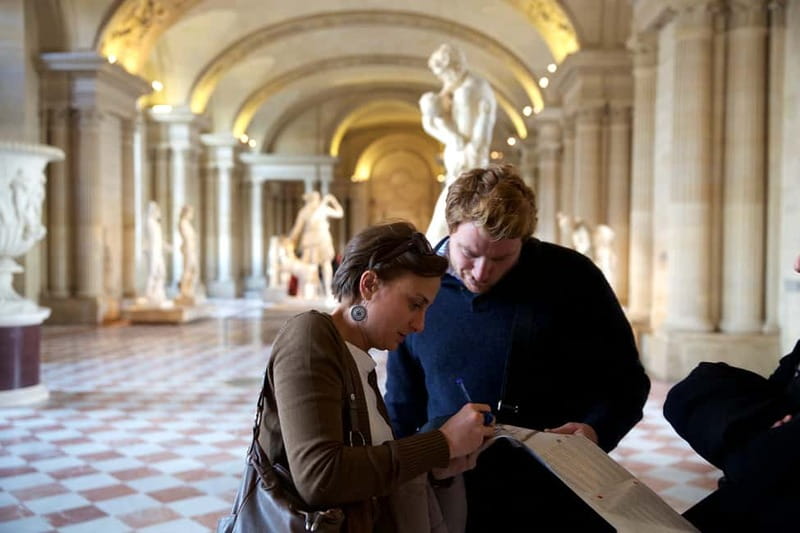
The route then moves through Classical Greek sculpture, including the Venus de Milo and the Winged Victory of Samothrace. These are not quick photo stops if your guide handles them well. Their poses, missing elements, and placement in the museum offer a chance to think about how ancient sculpture is seen today.
The Venus de Milo is famous partly because of what is missing. Her absent arms invite endless speculation, while her calm pose and flowing form make the statue instantly recognizable. Winged Victory has a different effect. Positioned dramatically at the top of a staircase, it seems to surge forward even without a visible head or arms.
A guide can help you notice how movement is created through drapery, posture, and the angle of the body. That sort of explanation is valuable in a crowded museum because it gives you something specific to look for instead of simply collecting names.
More museums and galleries in Paris:
- Paris: Louvre Museum Entry Ticket With Host and River Cruise
★ 4.6 · 9,926 reviews - Les Invalides: Napoleon’s Tomb & Army Museum Entry
★ 4.6 · 9,185 reviews - Louvre Museum – Exclusive Guided Tour (Entry Included)
★ 5.0 · 6,296 reviews - Paris: Louvre Museum Hosted Entry and Mona Lisa Audioguide
★ 4.6 · 5,235 reviews
Michelangelo, Cupid and Psyche, and the power of sculpture
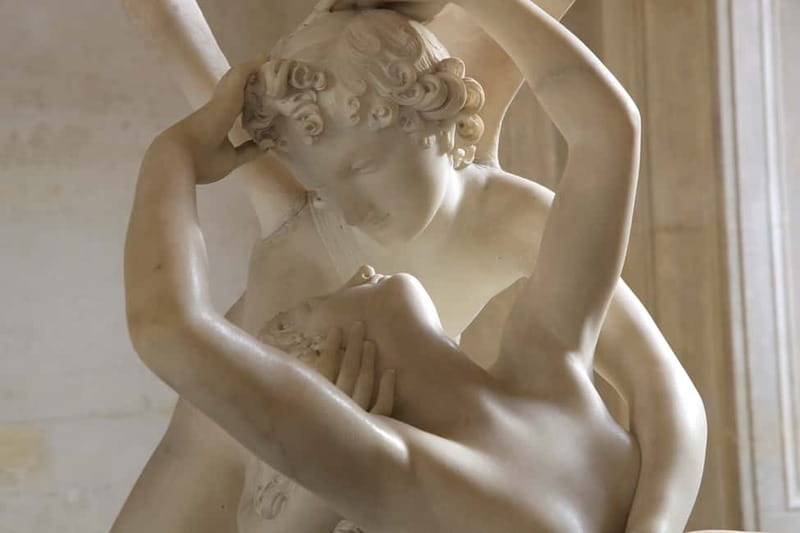
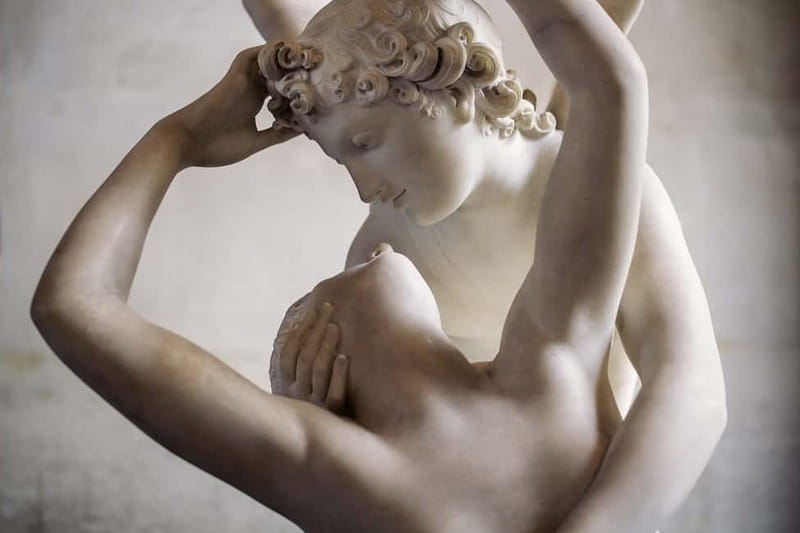
The itinerary includes Cupid and Psyche and Michelangelo’s Slaves. These works shift the focus from ancient Greek ideals to later European responses to the human figure.
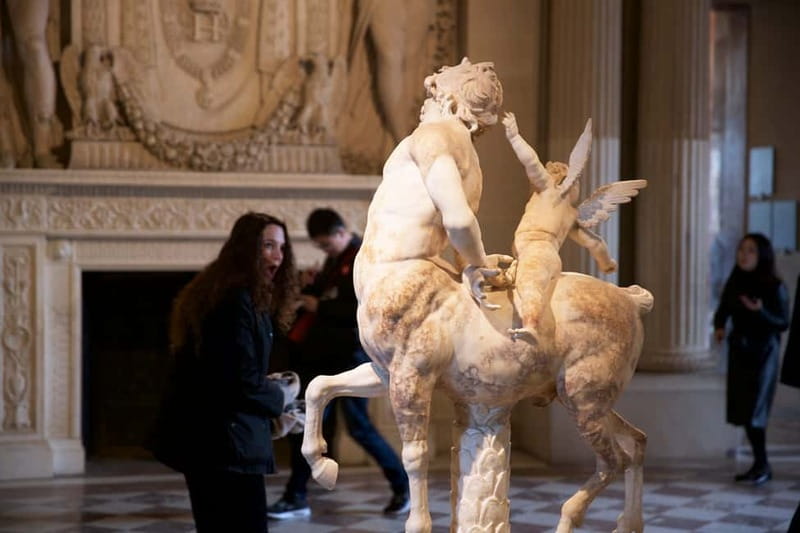
Cupid and Psyche is prized for its graceful composition and the way the figures appear to move around one another. Michelangelo’s Slaves offer a rougher, more forceful experience. The unfinished surfaces make you think about the relationship between stone and the figure emerging from it.
This is where the guide’s skill can make a real difference. A list of masterpieces is easy to find in a guidebook. Seeing how one work connects to another, and hearing why artists returned to classical bodies and poses, is harder to reconstruct while walking alone.
The group size helps here. With no more than 15 people, the guide has a better chance of gathering everyone close enough to see and answer questions without losing half the group in a wide gallery.
Painting French history through Delacroix and Géricault
The tour also stops at major French paintings, including Eugène Delacroix’s Liberty Leading the People and Théodore Géricault’s The Raft of Medusa.
Liberty Leading the People is more than a large, dramatic painting. It links political upheaval with allegory, showing Liberty as a figure moving over the fallen while people from different social classes follow. A strong explanation can help you separate the historical event from the later symbolic meaning.
The Raft of Medusa offers another kind of drama. Géricault’s painting turns a maritime disaster into a powerful study of desperation, hope, and public scandal. It is the sort of work that rewards a few minutes of context, since the composition can look like pure theatrical action until you understand the event behind it.
The guides praised for this tour often connect art with the society around it. Laurence, for example, has been singled out for explaining how works reflected their time and influenced later art. That approach suits the Louvre, where famous objects make more sense when you know what was happening beyond the frame.
Caravaggio, Raphael, da Vinci, and the Crown Jewels
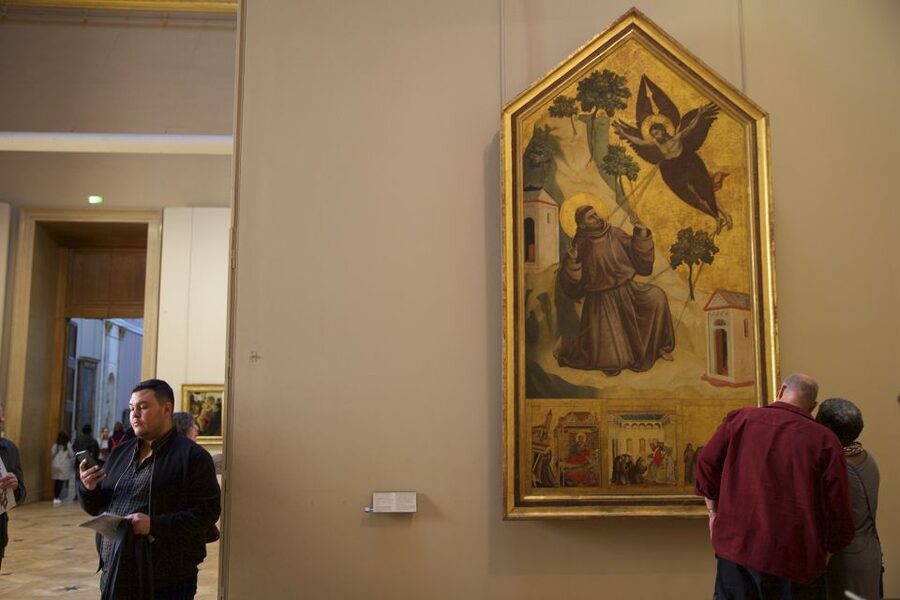
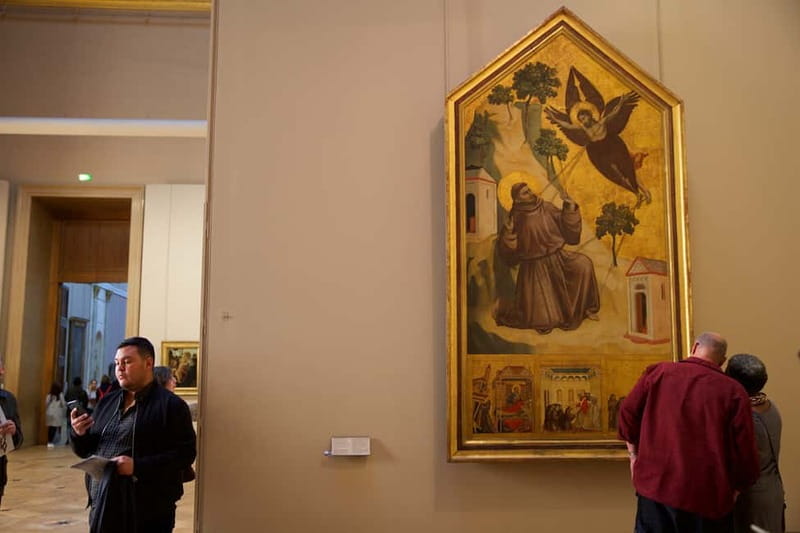
The route includes works by Caravaggio, Raphael, and Leonardo da Vinci, along with a room displaying the French Crown Jewels. The exact rooms visited can change if sections close, so you should think of this as a highlights route rather than a fixed checklist.
Caravaggio’s work can be recognized for its strong contrasts and direct human presence. Raphael offers a different kind of balance and refinement. Da Vinci prepares you for the final Mona Lisa visit by showing how carefully observation, expression, and technique can work together.
The Crown Jewels provide a welcome change from paintings and sculpture. Their sparkle and ceremony reveal another side of royal power. You are not only moving from one famous artwork to another. You are also seeing how the Louvre holds objects made for devotion, political display, private pleasure, and national memory.
This range is one reason a guided first visit can be useful. Three hours is not enough to cover the whole museum, but it is enough to build a mental map of its major strengths.
The final 30 minutes with the Mona Lisa
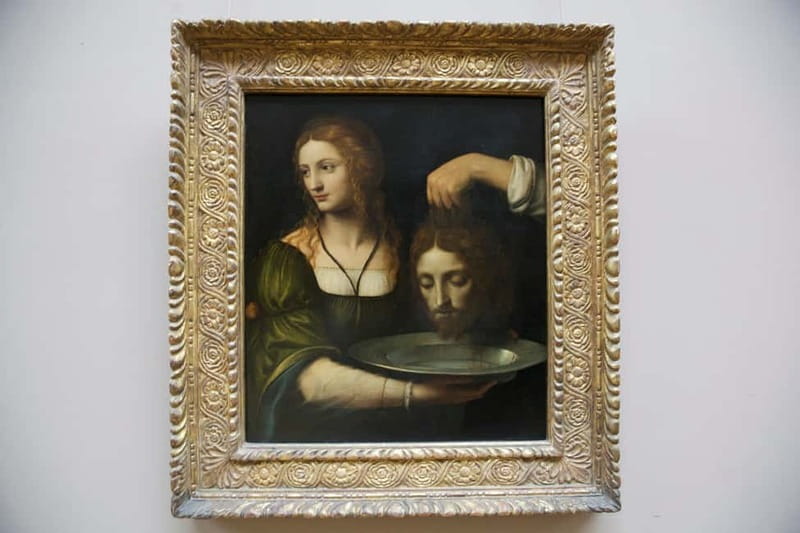
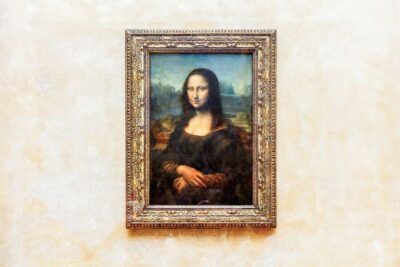
The final stop is the Mona Lisa room, with about 30 minutes set aside for the painting. That is a generous portion of the tour compared with a quick stop squeezed into a long route.
Your guide takes you to the room and helps the group manage the visit, but you have time to look for yourself. Pay attention to the scale, the layered paint, the distant background, and the expression that seems to change depending on where you stand.
Photography is part of the stop, but the best reason to linger is to compare the real object with the oversized image you already know. The painting’s fame can make it feel almost abstract in advance. Seeing its actual size and surface restores some sense of the work as a physical object.
The late timing is the main selling point, but keep expectations sensible. The Mona Lisa remains popular, and other people will still be there. The advantage is a potentially calmer final visit, not a private viewing.
How the guides shape the experience
The guide is the variable that matters most on a Louvre tour. The strongest guide turns a long list of objects into a connected story and keeps the pace lively for different ages.
Several named guides have drawn especially warm praise for different strengths. Hugo has been appreciated for humor, energy, music clips, and a broad command of the art. Laurence is noted for linking artistic choices with social history. Violette has been described as animated and quick with useful details, while Claire is praised for clarity, humor, and answers to questions.
Adam has been valued for enthusiasm and thought-provoking explanations. Antoine is praised for passion and strong command of the collection. Abby has also been appreciated for keeping a multigenerational group involved, including teenagers.
You cannot choose your guide from the information provided, so expect the standard of delivery to depend on the person assigned that day. Still, the repeated emphasis on storytelling, humor, and clear navigation suggests that interpretation is central to the experience rather than an afterthought.
Is $97 good value for three hours?
At $97 per person, this is not the cheapest way to enter the Louvre. The value comes from several services bundled together: skip-the-line entry, a three-hour route, an English-speaking art historian, a headset, and a small group capped at 15.
I think the price is reasonable for a first Louvre visit if you want to see major works without spending hours planning your own route. It also makes sense if the Mona Lisa is a priority and you prefer a late visit with guidance.
The calculation changes if you already know the museum well or want to spend a full day exploring at your own speed. Independent visitors can linger in one department, return to a favorite painting, or seek out less famous rooms. This tour gives you direction, but less freedom.
The tour has a 4.6 rating from 390 ratings, which supports the idea that the format works well for many people. Still, no rating can promise a particular guide or a completely quiet Mona Lisa room.
Who should book this Louvre tour?
I would recommend it to first-time Louvre visitors, people with limited time in Paris, and anyone who wants context instead of simply checking off famous names. It also suits families and mixed-age groups when keeping everyone interested matters. Abby’s work with visitors aged 14 to 81 shows how a lively guide can bridge different levels of interest.
It is less suitable if you have mobility limitations, use a wheelchair, or need a stroller. The tour is not designed for those needs, and the walking pace is moderate. It is also a poor fit if you want to bring luggage or a large bag inside.
Cancellation is free up to 24 hours before the start, and you can reserve now and pay later. Museum areas can close without notice, so the guide may change the route on the day.
Final verdict: a smart first look at the Louvre
Book this tour if you want the Louvre’s major works explained in plain language, prefer a smaller group, and like the idea of saving the Mona Lisa for a quieter final visit. The route covers a lot, but the guide’s storytelling keeps it from becoming a parade of famous names.
Skip it if you want a slow, self-directed museum day or plan to focus on departments outside the main highlights. For most first visits, though, the $97 fee buys useful structure, a better chance of seeing the Mona Lisa without the worst crowd pressure, and three hours that feel far less overwhelming than going in alone.
FAQ
How long does the Louvre Mona Lisa Without the Crowds tour last?
The tour lasts three hours. About two and a half hours are spent on the guided Louvre route, followed by about 30 minutes at the Mona Lisa.
What language is the tour conducted in?
The tour is conducted in English with a live English-speaking guide.
Where does the tour meet?
Meet at the statue next to the Arc de Triomphe du Carrousel, in front of the Louvre and opposite the pyramid at the entrance to the Tuileries Gardens. When facing the arch, meet by the winged statue on the left.
Is this the Arc de Triomphe on the Champs-Élysées?
No. The meeting point is the Arc de Triomphe du Carrousel by the Louvre, not the Arc de Triomphe de l’Étoile on the Champs-Élysées.
How early should I arrive?
Arrive 15 minutes before the scheduled start time. The guide will be holding a green Walks sign.
Is skip-the-line entry included?
Yes. Skip-the-line entry to the Louvre Museum is included in the activity.
Are headsets provided?
Yes. Headsets are included so you can hear the guide during the museum visit.
Is the tour suitable for wheelchair users, strollers, or people with mobility impairments?
No. The tour is not suitable for wheelchair users, strollers, or people with mobility impairments. It involves walking at a moderate pace.
Can I cancel for a full refund?
Yes. You can cancel up to 24 hours in advance for a full refund. You can also reserve now and pay later.
Just added around Paris
- Paris at the First Lodges – Ducasse sur Seine dinner cruise★ 4.0 · 165 reviews
- Paris at the First Lodges – Ducasse sur Seine Lunch Cruise★ 4.5 · 70 reviews
- Disneyland® Paris 1 Day with Round-Trip Train Tickets from Paris★ 4.0 · 50 reviews
- Explore speakeasies and hidden bars, sip meet & socialize★ 4.5 · 47 reviews
- Disneyland® Paris Express Shuttle with Admission Ticket from Central Paris★ 3.5 · 172 reviews
- Paris Cheeses and Wines Tour de France with Tasty Games★ 5.0 · 32 reviews
- Musée Orsay Highlights Tour – Best of Impressionism & Hidden Gems★ 5.0 · 27 reviews
- Private Tour: Discover Paris with Local, 3 hours on a Segway★ 5.0 · 71 reviews
Louvre Tours, compared.

Louvre Guided Tour with Reserved Access & Boat Cruise
Read our review →
Louvre Museum Masterpieces Guided Tour with Access
Read our review →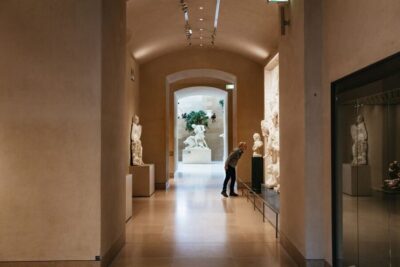
Louvre Museum Entry Ticket With Host and River Cruise
Read our review →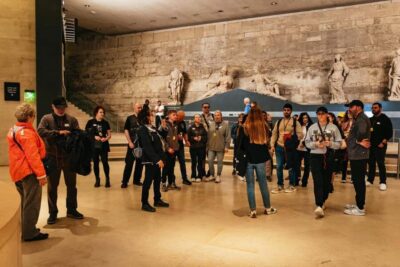
Priority Access Louvre with Host -Direct to Mona Lisa
Read our review →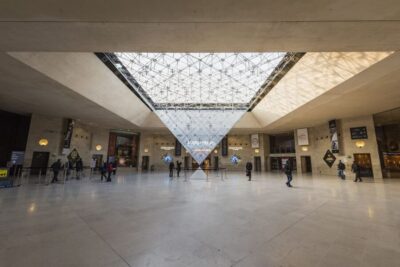
Mona Lisa & Louvre Masterpieces Tour with Reserved Access
Read our review →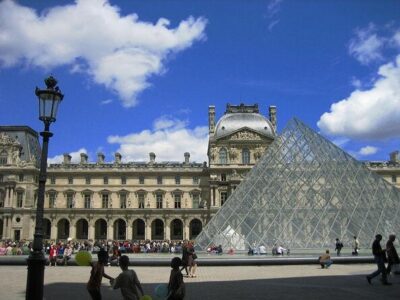
Louvre Museum – Exclusive Guided Tour (Entry Included)
Read our review →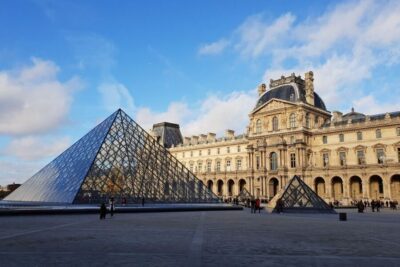
Louvre Reserved Ticket and River Cruise Combo
Read our review →Browse the lists this tour appears in