
Reviewed · WORKSHOPS
Paris: 45-minute Chocolate Making Workshop at Choco-Story
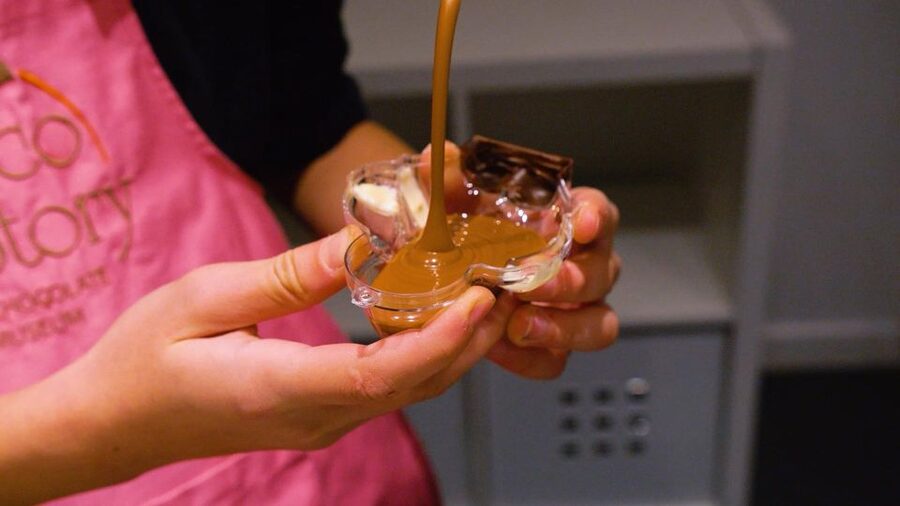
Paris has no shortage of grand museums, but at Choco-Story your souvenir is edible. In a 45-minute workshop, you decorate and shape roughly 250 to 300 grams of chocolate, choosing toppings such as orange strips, marshmallows, hazelnut cubes, coconut, and mini-tablets. You also receive an apron, so the fun has a useful souvenir attached.
I like the hands-on format, which works well for children and adults without demanding a full pastry course. I also like that the $58 price includes the workshop, tasting, virtual demonstration, and three-floor museum. The main catch is simple: this is more chocolate decorating than chocolate making. The chocolate is prepared for you, and the workshop can feel rushed.
Key points at a glance
- Your chocolate is yours to design: Pick shapes, toppings, dipping methods, and decorations before taking home a substantial batch.
- The workshop lasts 45 minutes: It is a quick, practical session inside a two-hour visit.
- The museum has three floors: Displays trace chocolate from its South American origins through its development and modern use.
- French and English are used: Instructors such as Stephen and Stefan have helped mixed-language groups, though the teacher may vary.
- Arrive 15 minutes early: Late arrivals may not be admitted, and tickets are non-refundable.
- Children must be at least 7: The activity suits families, couples, solo visitors, and small celebrations.
What the 45-minute workshop really involves
The title may suggest that you will learn to make chocolate from cocoa beans. That is not what happens. The chocolate is already prepared and melted, and your job is to turn it into finished treats through dipping, shaping, layering, and decoration.
That distinction matters. If you want lessons on tempering, cocoa percentages, fillings, temperature control, or professional chocolate production, this workshop will feel light. If you want to get your hands busy and leave with a large bag of sweets, it hits the mark.
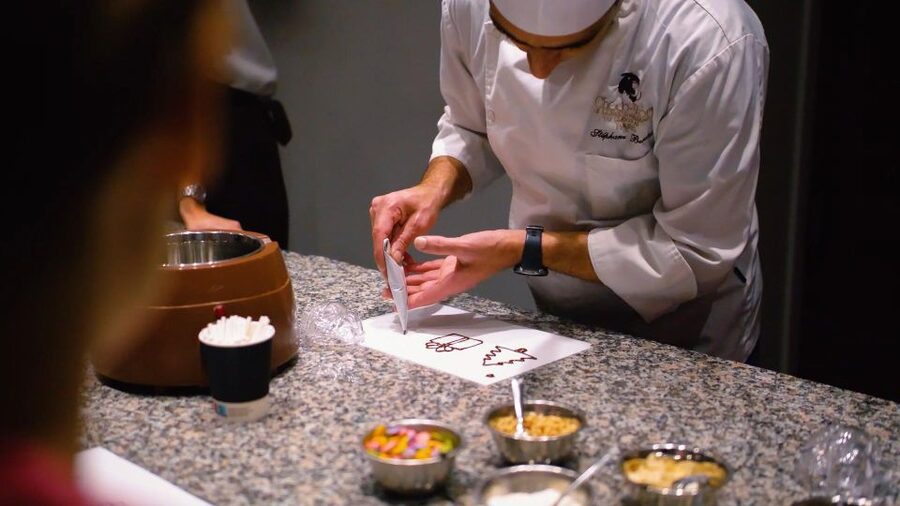
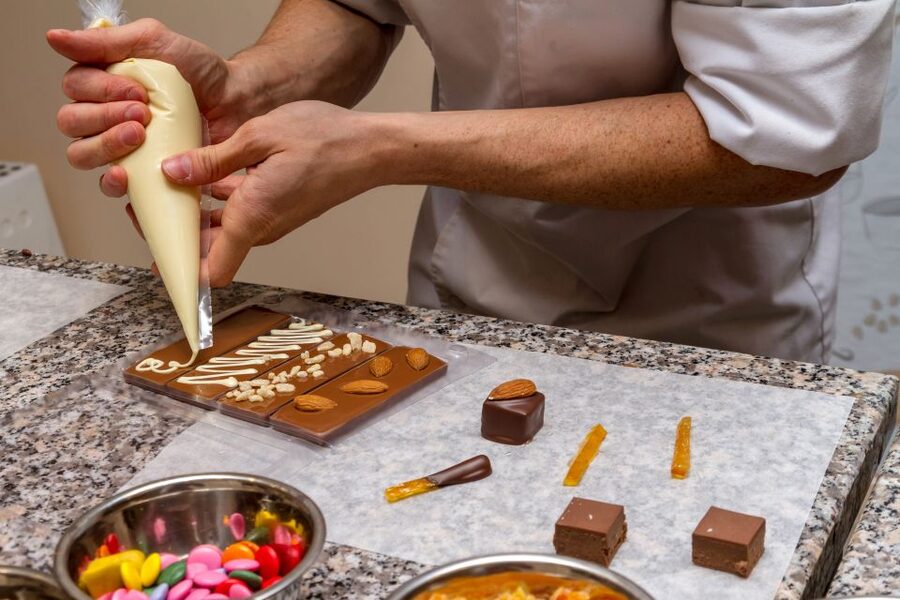
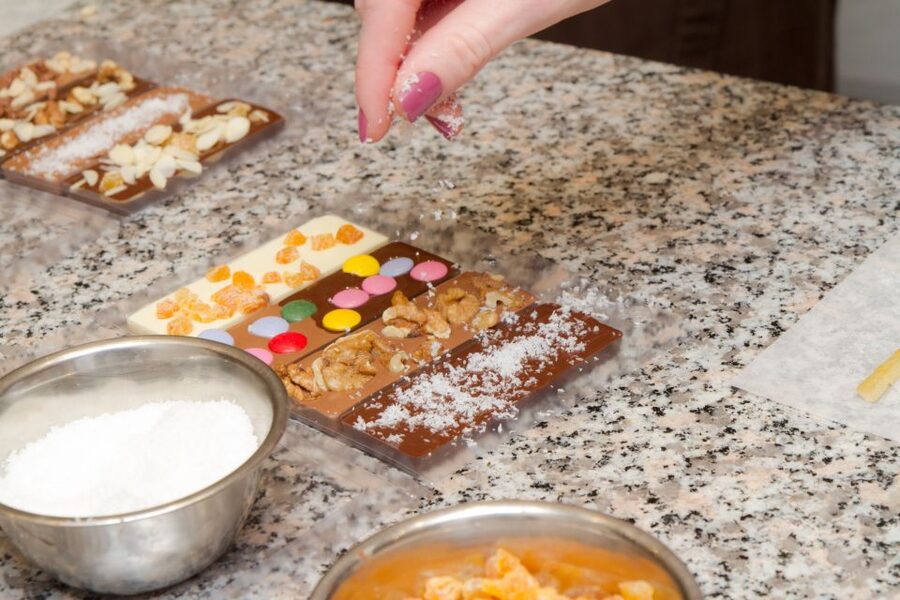
The chocolatier first demonstrates each stage, then gives you time to try it. You might dip orange strips, marshmallows, or other pieces into chocolate, then roll or sprinkle them with toppings. You can also pipe chocolate into molds and decorate your own bar. The process is casual and playful rather than technical.
You choose how your chocolate looks. Some people favor neat designs and simple toppings. Children often pile on several flavors and textures at once. There is no single correct result, which is part of the appeal.
The workshop is conducted in French and English. That helps when the instructor explains the dipping and decorating steps to a mixed group. Past instructors named Stephen and Stefan were praised for keeping both language groups involved, but you should expect the instructor to change depending on the session.
More Workshops in Paris
- Fragonard Paris: Mini Perfume Workshop
★ 4.5 · 1,924 reviews - Paris: 2-Hour Perfume Creation Workshop
★ 4.8 · 731 reviews - Paris: Perfume Creation Workshop
★ 4.8 · 289 reviews
Choosing toppings and making your chocolate
The most enjoyable part is the freedom to build your own combination. The supplied choices can include orange stripes, marshmallows, hazelnut cubes, coconut, mini-tablets, and colorful sweets. The exact selection may vary, but the idea stays the same: choose your pieces, coat them, and finish them with toppings.
You are not simply watching a professional work. You handle the chocolate yourself, which means the final result can be uneven, lopsided, or delightfully overloaded. That is fine. This is a creative activity, not a precision examination.
The molded bar gives you another way to personalize the session. You fill a shape with chocolate, add toppings, and create a bar that looks different from the one beside it. The format is especially good for children who want to make a souvenir rather than stare at a demonstration.
The 45-minute limit keeps the workshop manageable, but it also creates pressure. The chocolatier must explain the steps, demonstrate them, and keep the group moving. You will have enough time to make several treats, but not enough time for a slow, detailed lesson.
I would treat the session as a lively introduction. Come ready to work quickly, listen closely, and make decisions without overthinking every topping.
The chocolate you take home
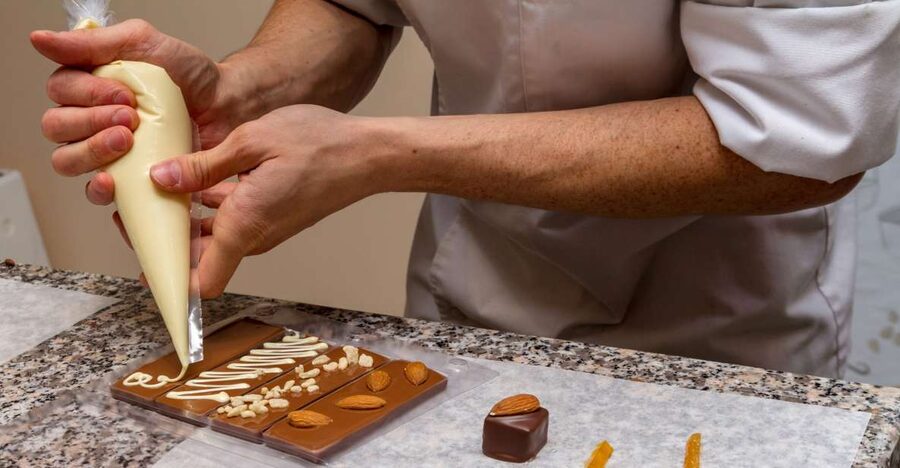
The amount is one of the strongest parts of the experience. You take home approximately 250 to 300 grams of chocolate, which is far more than a tiny sample. That can make the $58 fee easier to justify, especially when two or more people in your group share the activity.
The chocolate is packed for you, but hot weather deserves attention. One family found that some of its chocolate softened during a sunny day because it was carried in clear plastic bags. If you visit Paris in warm weather, keep your creations out of direct sun and avoid leaving them in a hot vehicle.
You also receive a Choco-Story apron. It is not an expensive luxury item, but it adds a pleasant physical reminder of the workshop. For a child, wearing the apron during the session helps make the activity feel like a real chocolate class.
You should also expect to taste chocolate during the visit. The tasting is included, and the museum has additional chocolate available as part of the experience. This is not a meal, of course, so plan the activity around lunch or dinner rather than treating it as a substitute.
Exploring the three museum floors
The museum portion expands the visit beyond sweets and sprinkles. Three floors explain where chocolate came from, how it developed, and how it reached the form you know today.
The displays begin with chocolate’s origins in South America. From there, the exhibits follow its movement and changing role through time, including its connection with France and its place in modern chocolate making. This gives the workshop useful context: you are not just decorating candy, you are working with a food that has a long cultural and commercial story.
A virtual demonstration adds another way to see the production process. It helps fill in the part that the workshop does not cover in detail. You will not personally roast cocoa beans or temper chocolate, but the museum displays and demonstration show how those steps fit into the larger process.
The museum is designed to be accessible to children, with engaging chocolate displays and interactive learning. Adults can still find enough material to make the visit worthwhile, especially if you enjoy food history or want a break from Paris’s art museums.
Allow the full two hours rather than rushing out after the workshop. The museum is not just a short corridor attached to the class. It provides the background, tasting, and visual material that make the overall price more reasonable.
More pastry and chocolate tours in Paris:
- Paris: Day or Sunset Cruise with Drink, Ice Cream or Dessert
★ 4.4 · 4,225 reviews - Paris: Montmartre Cheese, Wine & Pastry Guided Walking Tour
★ 4.8 · 2,255 reviews - Award-Winning Paris French Bakery Experience — Le Marais, 4th Arr
★ 4.5 · 1,186 reviews - Paris: Entrance Ticket to the Chocolate Museum
★ 4.1 · 1,105 reviews
Is the $58 price good value?
At $58 per person, this is not a cheap way to buy chocolate. You could purchase excellent chocolate in Paris for less money. The value comes from combining a creative activity, a substantial take-home portion, an apron, tasting, virtual demonstration, and museum admission.
For a family, the calculation depends on what you want from the afternoon. If your children need an activity they can actively join, the cost may feel fair. Several family groups found the session especially successful because children could dip, roll, swirl, sprinkle, and eat their own creations.
For adults, the value is more personal. A couple celebrating a birthday or a group marking a special occasion may enjoy the workshop as a shared activity. A solo adult can also have a good time, though you will likely be working beside families and younger children.
If you are seeking serious chocolate instruction, I would spend the money elsewhere. The session does not focus on selecting cocoa, tempering, making fillings, or producing professional confections from raw ingredients. It is best understood as a creative tasting experience with a museum attached.
Who will enjoy this most?
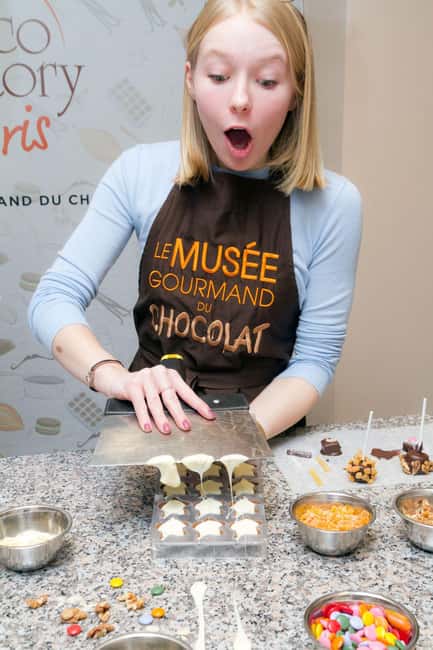
Families with children aged 7 and older are the clearest match. The workshop is short enough to hold a child’s attention and active enough to avoid the feel of a lecture. Younger children are not accepted, so check ages carefully before booking.
It also works for adults who want something different from another monument or gallery. A hen party, birthday outing, or rainy-day plan can make good use of the format. You do not need to be an expert, and the finished chocolate does not need to look perfect.
Solo visitors should not feel excluded. You may be surrounded by families, but the activity gives you a task and plenty of chocolate to take away. Couples can also enjoy the contrast between making separate designs and comparing the results afterward.
This is less suitable for anyone who dislikes sweet foods, wants a quiet museum visit, or expects a formal professional class. The workshop is social, hands-on, and slightly messy.
Timing, location, and the late-arrival rule
The museum is at 28 Boulevard de Bonne Nouvelle, 75010 Paris, in the Ile-de-France region. Check the available starting times when booking because the two-hour duration depends on the selected session.
Arrive at least 15 minutes before the workshop. The start is prompt, and late arrivals may not be allowed to join. This rule matters because the instructor demonstrates the process in sequence. Missing the first steps can leave you unsure of what to do, and the activity is non-refundable.
Do not plan a tight connection from another Paris attraction. Public transport delays can happen, and there is no useful way to make up lost time in a 45-minute class. Build in a comfortable margin, then use any extra time to look around the museum area or wait at the venue.
The workshop itself takes 45 minutes, while the complete experience lasts two hours. That leaves time for the museum, tasting, and virtual demonstration. You are not signing up for a half-day pastry course, so it fits neatly into a larger Paris itinerary.
What could be improved
The biggest weakness is the wording around making chocolate. You do not create the chocolate itself. You decorate prepared chocolate and use melted chocolate in molds. Several people enjoyed this format but still wished the description had made the distinction clearer.
The short session can also feel hurried. There are several things to do, and each person wants time to make a thoughtful design. A 50-minute workshop might feel more relaxed, but the current length does keep the activity friendly for younger children.
The museum is useful, though some people may expect a guided tour of the building or a hot cocoa component. Those are not included. You explore the exhibits yourself, supported by the displays and virtual presentation.
Finally, the experience depends on arriving on time. The strict policy is understandable, but it leaves little room for transport problems. Treat the 15-minute early arrival as a firm requirement, not a suggestion.
Should you book the Choco-Story workshop?
Book it if you want a cheerful, short activity with a generous edible souvenir. It is particularly good for families with children aged 7 and up, adults planning a birthday or group outing, and anyone who wants a break from traditional sightseeing.
Skip it if you want to learn the technical craft of chocolate making from raw ingredients. You will not temper chocolate, create fillings, or study professional methods in depth.
For most suitable visitors, the strongest reason to book is the combination: a hands-on 45-minute session, 250 to 300 grams of chocolate to take home, a museum visit, tasting, and an apron. Arrive early, protect the chocolate from heat, and think of the class as decoration and design rather than full chocolate production.
FAQ
How long does the complete Choco-Story experience last?
The experience lasts two hours in total. The hands-on chocolate workshop itself takes 45 minutes, with the remaining time used for the museum, tasting, and virtual demonstration.
How much chocolate can I take home?
You can take home approximately 250 to 300 grams of chocolate that you shape and decorate during the workshop.
Do I actually make chocolate from cocoa beans?
No. The chocolate is prepared and melted for you. You decorate, dip, shape, and fill molds rather than making chocolate from raw cocoa ingredients.
What toppings can I use?
Available toppings can include orange stripes, marshmallows, hazelnut cubes, mini-tablets, coconut, and colorful sweets. The exact selection may vary by session.
Is the workshop offered in English?
Yes. The activity is offered in French and English, and the instructor explains the demonstrations for both language groups.
Can children join the workshop?
Children must be at least 7 years old. The activity is designed for both children and adults.
Where is the meeting point?
The meeting point is Musée du Chocolat, 28 Boulevard de Bonne Nouvelle, 75010 Paris, France.
What happens if I arrive late?
You should arrive at least 15 minutes before the workshop. Late arrivals may not be accepted, and tickets are non-refundable.
Just added around Paris
- Paris: Croissant Baking Class with a Chef★ 5.0 · 201 reviews
- Cooking Class with a Parisian Chef★ 5.0 · 46 reviews
- Cocktails lessons in Speakeasy★ 4.5 · 72 reviews
- Paris: Choux Pastry and Chocolate Éclair Making Class★ 4.9 · 50 reviews
- Paris: Classic Sites Tour by Vintage Citroen 2CV★ 4.6 · 189 reviews
- Paris: Cheese and Wine Class in a 17th Century Cellar★ 4.8 · 91 reviews
- Paris: Romantic Photoshoot for Couples★ 4.9 · 131 reviews
- Paris: Bread and Croissant-Making Class★ 4.8 · 206 reviews
Workshops, compared.


Introduction to Bordeaux Wines Tasting Workshop
Read our review →
Wine Masterclass with Cheese and Charcuterie Board
Read our review →
Pierre IBAIALDE: Guided Tour Ham Workshop, tasting
Read our review →Browse the lists this tour appears in