Reviewed · PARIS TOURS
Paris: Baking Insider Experience with a Professional Baker
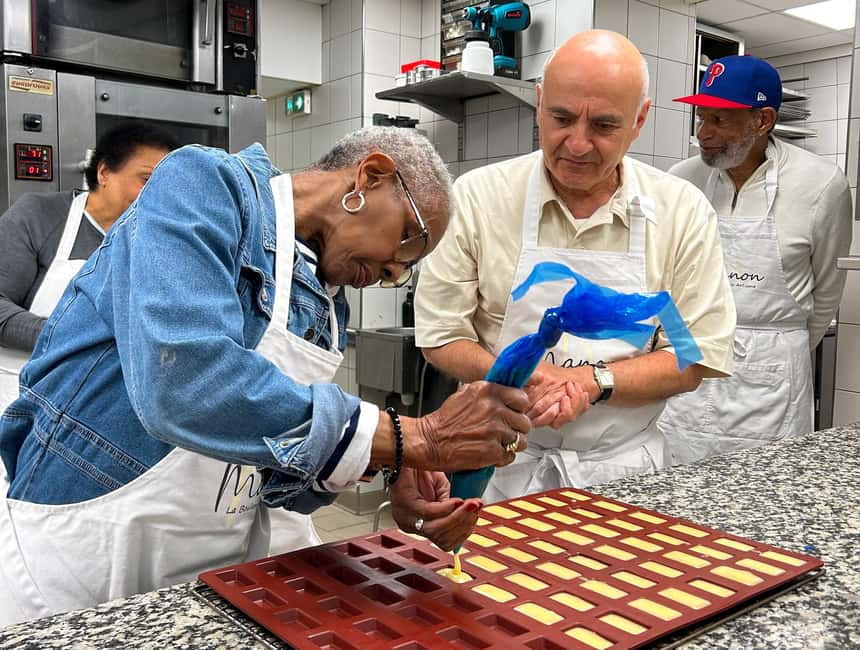
French baking is less about tossing flour into a bowl and more about small, exact moves. In this two-hour Paris bakery class, you shape a baguette, work with croissant dough, and learn why flour, yeast, sourdough, and butter behave the way they do. It is a useful peek behind the counter of a real boulangerie, not just a pastry tasting.
I like the small group of eight because the baker can correct your hands instead of shouting instructions across a crowded room. I also like the mix of sweet and savory work: baguettes, croissants, and financiers give you three very different lessons. The main catch is practical: you will stand for much of the class, climb 15 steps to a second-floor bakery, and may not taste every item you help prepare before the session ends.
Key points at a glance
- Shape a real baguette: Compare two types of baguette before rolling and shaping your own.
- Learn croissant lamination: See how dough is layered and puffed, then practice rolling it yourself.
- Work inside a bakery: The class takes place in one of two traditional Paris bakeries, including locations in Le Marais.
- Meet a hands-on guide: Bakers and hosts such as Pierre, Jess, Martin, Candice, Rachel, Igor, and David lead different sessions.
- Taste as you learn: Snacks and bakery samples help you connect ingredients and technique with flavor.
- Plan for stairs and standing: The bakery has 15 steps and no elevator, so this is not suitable for wheelchair users.
What the two-hour Paris baking class is really like
This experience works best if you want to do more than admire pastry behind glass. You enter a working Paris bakery and learn how several familiar French foods are made, with an English-speaking guide explaining each stage.
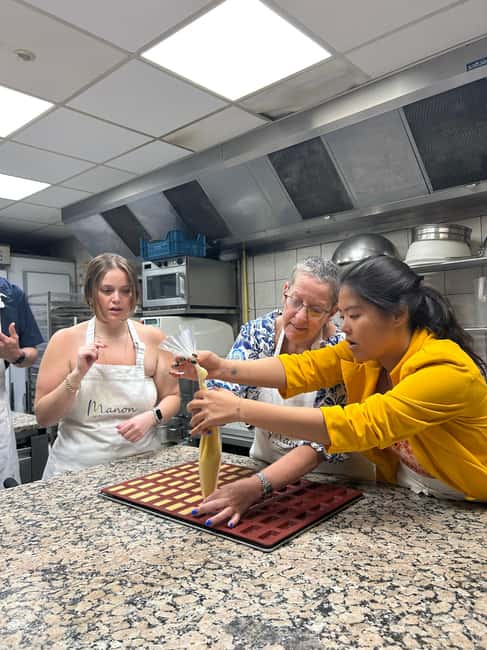
The exact meeting point depends on the option you book. Locations can include a bakery in Le Marais or Chez Manon, and the style of the class can vary slightly by site. That matters because you are not walking through a museum kitchen built only for demonstrations. You may see staff preparing the day’s bread and pastries around you.
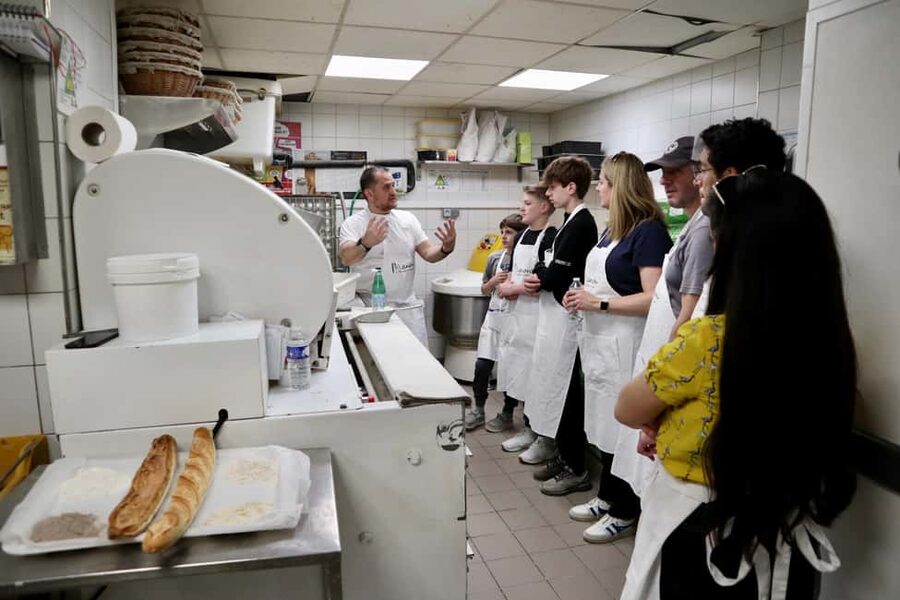
The group is limited to eight people. That is a strong size for a practical lesson. You have a better chance of getting a turn with the dough, asking questions, and receiving help with shaping. Sessions are led by different hosts, including Pierre, Jess, Martin, Candice, Rachel, Igor, and David, so the personality of your class will depend on the date and location.
The tone is friendly and informal, but this is still a working bakery. Expect flour, counters, trays, stairs, and some movement. You should wear comfortable clothes and secure long hair with a tie or clip. The class is conducted in English.
A few more Paris half-days worth comparing
- Paris: Louvre Museum Timed-Entrance Ticket
★ 4.6 · 71,977 reviews - Disneyland® Paris 1-Day Ticket
★ 4.6 · 49,412 reviews - Paris: Versailles Palace and Gardens Full Access Ticket
★ 4.6 · 41,579 reviews
Starting with French flour, yeast, and bakery flavor
The lesson begins by giving you a better way to taste bread. You learn that baguettes are not all alike, and that flour, yeast, sourdough, and baking methods affect the final flavor and texture.
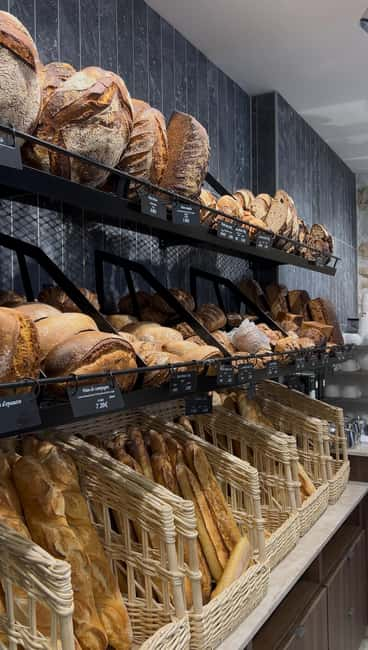
This part may sound basic, but it changes how you shop at a Paris bakery afterward. Instead of ordering a baguette as if it were one fixed product, you start noticing the difference between a light, crisp loaf and one with a deeper flavor and chewier crumb.
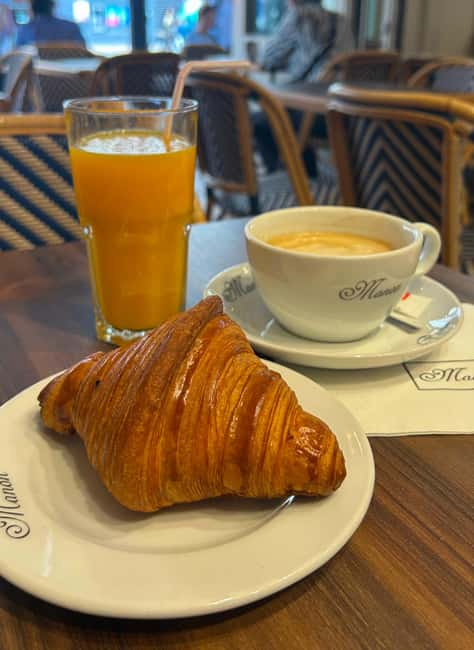
You also get tastings along the way. The snacks are not just there to fill time. They help you connect the talk about ingredients with what you can actually taste. At some sessions, you begin with a pastry and beverage from the bakery, then move into the hands-on work.
I like this approach because it gives the class a clear purpose. You are not simply copying a recipe. You are learning what makes a French bakery product different from another one.
Shaping a baguette with your own hands
Baguette shaping is one of the most useful parts of the experience. You first compare two types of baguette, then learn how to roll and shape your own loaf.
A baguette looks simple, but the shape affects how it bakes. Too much handling can flatten the dough. Uneven pressure can create a loaf that is thick in one place and thin in another. The guide shows you how to work with the dough rather than force it.
This is where a small group helps. You get a turn instead of standing behind someone else while the baker demonstrates. The guide can point out where your technique needs work, then let you try again.
At some locations, you bake the baguettes you shape and take the finished food with you. This is a particularly nice touch for families and food-focused couples because the result is both a lesson and a snack for later. Do not assume every item will be ready to eat during the two-hour session, though. Timing depends on the bakery and the work being done that day.
Laminating croissant dough without making it sound easy
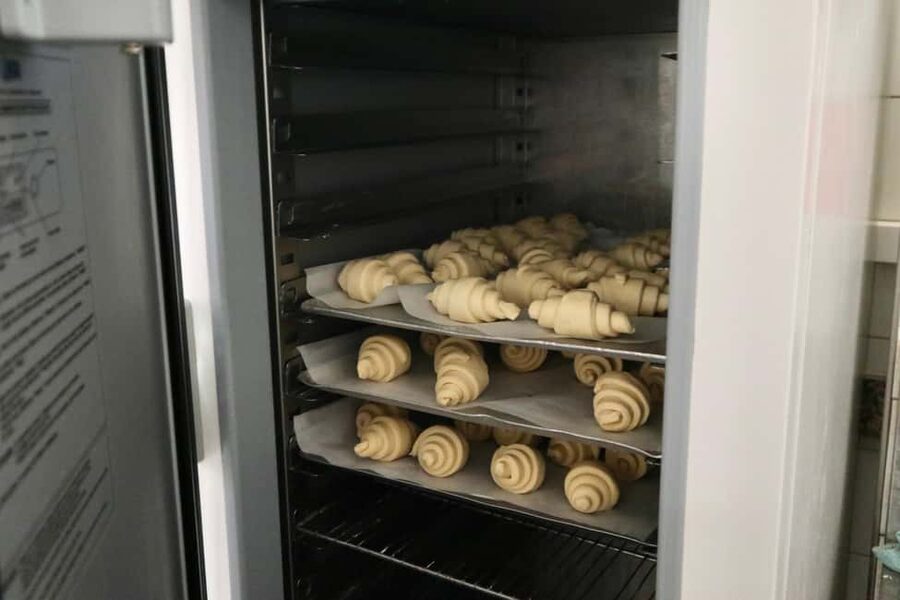
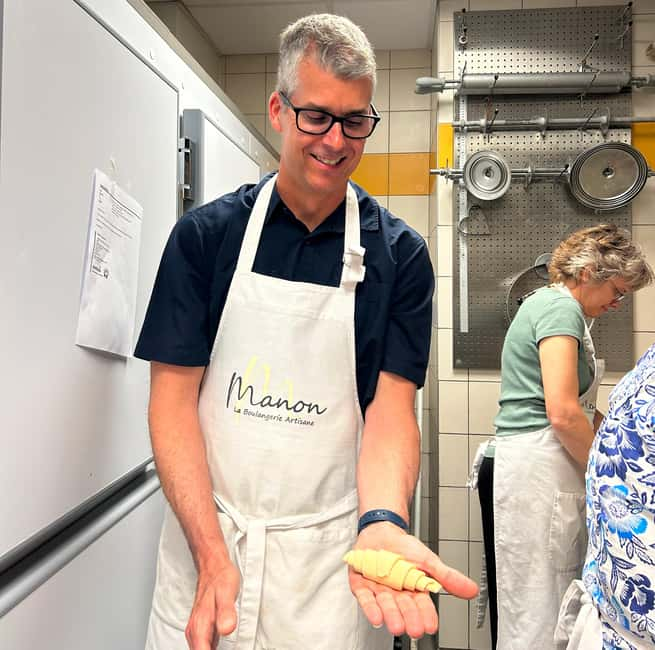
Croissant dough is the most technical part of the class. You learn how butter and dough are layered, how the dough is rolled, and how those layers create the familiar puffed texture.
The guide explains the process in plain terms, then lets you roll or shape croissant dough yourself. You may leave with a new respect for the time and care behind a pastry that is often eaten in a few bites.
This hands-on step is valuable even if your finished croissant is not perfect. At home, it is easy to see a croissant as a simple crescent of dough. Here, you learn that the result depends on keeping the layers intact and handling the dough properly.
There is one small limitation. Some sessions do not allow enough time for the croissants you roll to bake and be tasted during the class. You may see them looking ready for the oven without sampling them yourself. If tasting every pastry is your main reason for booking, ask about the specific option before paying.
Same trip, a completely different kind of day:
- Paris: Evening River Cruise with Music
★ 4.4 · 22,721 reviews - Paris: Eiffel Tower Entry Ticket with Optional Summit Access
★ 4.4 · 20,035 reviews - Paris: Eiffel Tower Summit or Second Floor Access
★ 4.3 · 17,248 reviews - Paris: Louvre Guided Tour with Reserved Access & Boat Cruise
★ 4.3 · 16,353 reviews
Financiers and the sweet side of the lesson
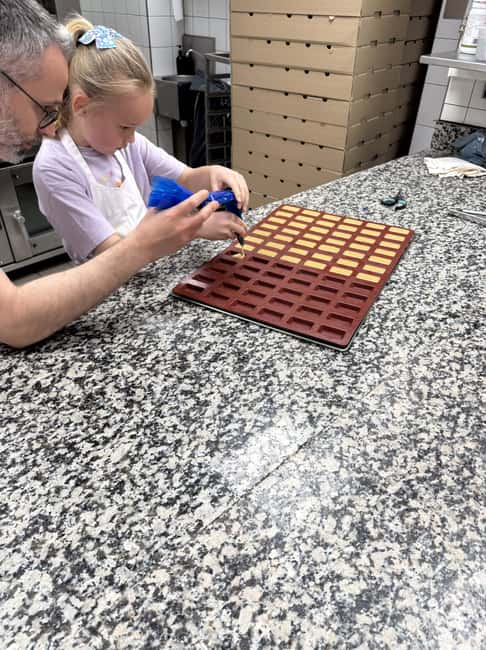
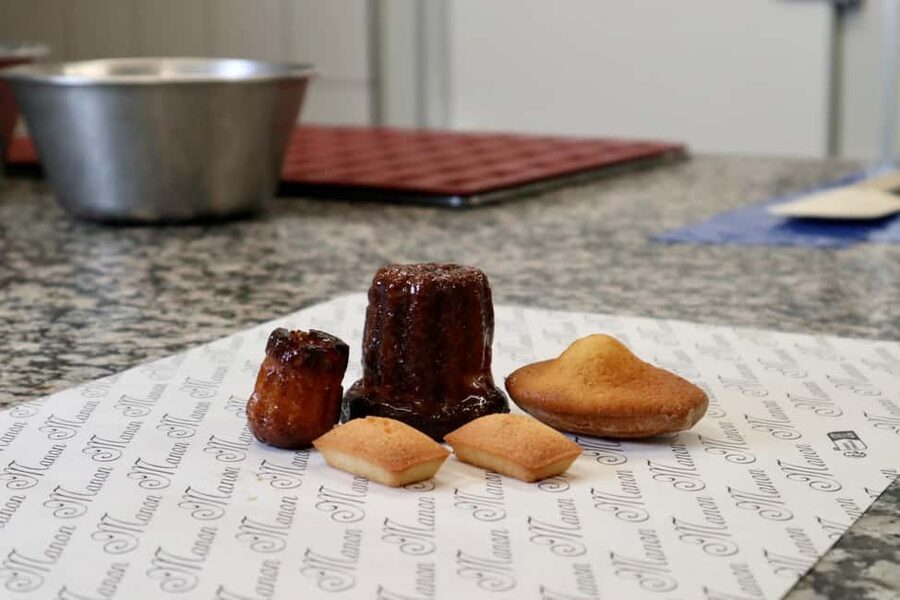
The class can also include financiers, small French cakes that provide a different type of baking lesson. Unlike the laminated croissant, a financier shows you how a compact cake comes together and bakes.
Working with three classic items, baguette, croissant, and financier, keeps the session from feeling repetitive. Each one calls for different handling, and the contrast helps you understand why French bakeries offer such a broad range of textures.
The sweet and savory balance is one of the strongest features here. You get bread, pastry, and cake rather than one long exercise focused on a single dough. You also learn about the stories and background of iconic French treats as you work.
The finished goods can be a major part of the pleasure. At some sessions, you leave with baguettes, pastries, or small cakes to eat later. This is especially handy if you are heading back into Paris with an appetite. At the same time, the precise items you take home can vary by bakery and timing.
A look behind the counter at a working boulangerie
The setting gives this activity more character than a standard cooking studio. You see how a neighborhood bakery operates and, in some cases, meet the owner or bakery staff.
One bakery described during the experience makes its products in-house and uses organic ingredients. That is not a promise for every possible location, so check the selected option if this detail matters to you. Still, the chance to see bakers working around the class adds useful context.
You also hear about French bakery regulations and storage practices. These details may seem ordinary, but they explain why the bakery counter functions as it does and why certain products are presented or sold at particular times.
I prefer this kind of setting to a polished tourist classroom. It can be less tidy and less predictable, but you get a closer look at daily bakery work. The tradeoff is that the class may involve walking up and down the stairs, moving around a busy work area, and sharing space with bakery staff.
Why the guide matters so much
The baker or host shapes the feel of the session. Pierre is described as welcoming and entertaining, while Jess is praised for clear instruction and a positive manner. Martin is known for making the bakery process easy to follow, and David combines the practical lesson with detailed explanations of bread and pastry.
Other named hosts include Candice, Rachel, and Igor. Rachel has led mixed-age groups that included children and older adults, making sure everyone had a turn. David’s class included comparisons of two baguettes, hands-on shaping, financiers, and croissant work.
The guide does not simply read out a recipe. You get explanations about why the dough is treated in a certain way, what different ingredients do, and how French pastry developed. The best part is the chance to ask questions while your hands are actually on the dough.
Because the host can vary, I would not book this solely for one named person unless the booking page confirms the guide. The important point is that the session is taught live in English, with a small group and direct participation.
The family question: can children take part?
This can be a very good family activity for children who like food, making things, or seeing how bread is produced. Children around nine and eleven have enjoyed the hands-on work in past sessions, and the format gives them a clear task instead of requiring them to listen to a long lecture.
Children under five are free, but they cannot take part in the hands-on baking because of safety concerns. The activity is also not suitable for wheelchair users because of the stairs.
Keep in mind that the bakery is a working environment. Children need to stand for an extended period, follow instructions, and stay aware around equipment and hot baking areas. Families with older children should find the class easy to enjoy, but very young children may spend most of the time watching.
For mixed-age groups, the small size helps. A good host can give each person a turn, and the range of tasks means children and adults can both find something to do.
Is $108 a fair price?
At $108 per person, this is not a bargain snack stop. You are paying for a live, small-group lesson, access to a working bakery, hands-on instruction, tastings, and the chance to prepare several French bakery items.
The value is strongest if you would otherwise pay for a pastry tour and a cooking class separately. You learn how to distinguish baguettes, work with croissant dough, shape bread, and taste the results. The class also gives you an activity for a rainy or cold Paris morning, when a long outdoor sightseeing plan may not appeal.
The value is weaker if you want a full professional pastry course or a large quantity of food. Two hours is enough for an introduction, not enough to master laminated dough from start to finish. You may also help prepare pastries that are not ready to eat by the time you leave.
I would see the price as reasonable for a special Paris activity, especially for couples, families with older children, and small groups who want a shared memory that is more active than a tasting. If you mainly want to eat excellent croissants, spend the money at a bakery and skip the class.
Timing, clothing, and access details to know
The activity lasts two hours, with starting times set by availability. That makes it easy to fit into a Paris itinerary, but leave enough time to reach the correct meeting point because the location can vary by option.
You will stand for an extended period. The bakery is reached by 15 steps to the second floor, with no elevator, so this is not suitable for wheelchair users. The stairs may also be tiring for anyone with limited mobility.
Wear clothes you do not mind getting dusty with flour. If your hair is long, bring a hair tie or clip. A little preparation makes the hands-on work easier and keeps hair away from the food.
Free cancellation is available up to 24 hours before the activity for a full refund. You can also reserve and pay later, which is useful when your Paris schedule is still changing.
Who should book this bakery experience?
I would recommend it to anyone who enjoys food but wants to understand the work behind it. It suits first-time visitors who want a local-style activity, repeat visitors looking for something different, and families with children old enough to follow bakery safety rules.
It is also a good fit for a rainy day. You stay indoors, keep busy, and leave with a better sense of what you are eating at French bakeries for the rest of your trip.
You may want to skip it if you dislike standing, have difficulty with stairs, or want a relaxed tasting with no practical work. It is also not the right choice if you expect to make and eat a complete batch of croissants from start to finish in two hours.
Should you book it?
Book this experience if you want active, useful food education rather than a quick pastry stop. The mix of baguette shaping, croissant lamination, financiers, tastings, and bakery stories gives you plenty to do in two hours.
I especially like it for families with older children and small groups. The guides, including Pierre, Jess, Martin, and David, bring different personalities to the lesson, but the format stays focused on real baking. Check the meeting point, stair access, and what you will take home before booking. If those details work for you, $108 buys a memorable look at the craft behind Paris bread and pastry.
FAQ
Where does the baking experience take place?
The class takes place in one of two traditional Parisian bakeries. The meeting point varies depending on the option booked, and locations can include a bakery in Le Marais or Chez Manon.
How long does the experience last?
The baking experience lasts two hours. Starting times depend on availability.
Is the class taught in English?
Yes. The activity includes a live English-speaking guide.
How many people are in the group?
The small group is limited to eight participants.
What will I learn to make?
You will learn techniques for baguette shaping, bread and croissant dough, croissant lamination, and French pastries such as financiers. The class also covers flour, yeast, sourdough, and the differences between baguettes.
Is food included?
Yes. Snacks and tastings are included, with sweet and savory French flavors served during the experience. Depending on the bakery and timing, you may also leave with items you prepared.
Can children take part?
Children under five are free but cannot participate in the hands-on baking because of safety concerns. Older children can take part, provided they can stand for an extended period and follow instructions.
Is the bakery accessible to wheelchair users?
No. The bakery requires climbing 15 steps to a second-floor location, and there is no elevator.
Just added around Paris
- Explore Hidden bars and Speakeasies in Paris★ 5.0 · 79 reviews
- Paris Private Custom Tour with a Local Guide, Hidden Gems & Highlights★ 5.0 · 293 reviews
- Paris French Baking Class Baguettes and Croissants in a Bakery★ 4.5 · 172 reviews
- Paris: Experience Segway Top Highlights Small Group 2 Hours★ 5.0 · 75 reviews
- Seine River Evening Cruise with Music (Drink Options)★ 3.5 · 321 reviews
- Paris Eternelle Notre-Dame Virtual Reality Tour★ 4.5 · 50 reviews
- Eiffel Tower Tour & River Cruise with Summit Option★ 4.0 · 215 reviews
- Paris Evening City of Lights Small Group Bike Tour & Boat Cruise★ 5.0 · 97 reviews
Paris Tours, compared.


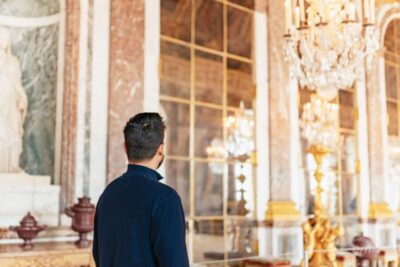
Versailles Palace and Gardens Full Access Ticket
Read our review →

Eiffel Tower Entry Ticket with Optional Summit Access
Read our review →

Louvre Guided Tour with Reserved Access & Boat Cruise
Read our review →