
Reviewed · WALKING TOURS
Paris: French Revolution Walking Tour
Paris: French Revolution Walking Tour
The French Revolution feels different when you hear about it on the streets where it happened. This two-hour walk follows the upheaval through central Paris, linking old stones, churches, royal violence, conspiracy, and the fight for freedom. The story is the main attraction, but the city gives it weight.
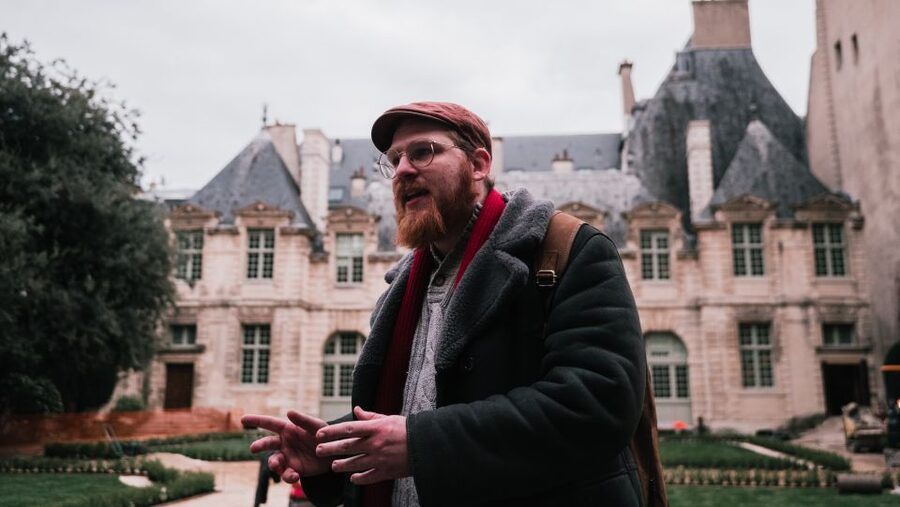
I like the way the tour turns a huge subject into a manageable walk, and I like the guides’ ability to make difficult events clear without flattening every issue into a simple good-versus-bad tale. Guides including François, Louis, Fran, and Sam have been praised for strong English, clear voices, and an easy way with questions. The main drawback is time: two hours can only cover selected events, so some major places, including Place de la Concorde and the Champs de Mars, may receive little or no attention.
Key points to know
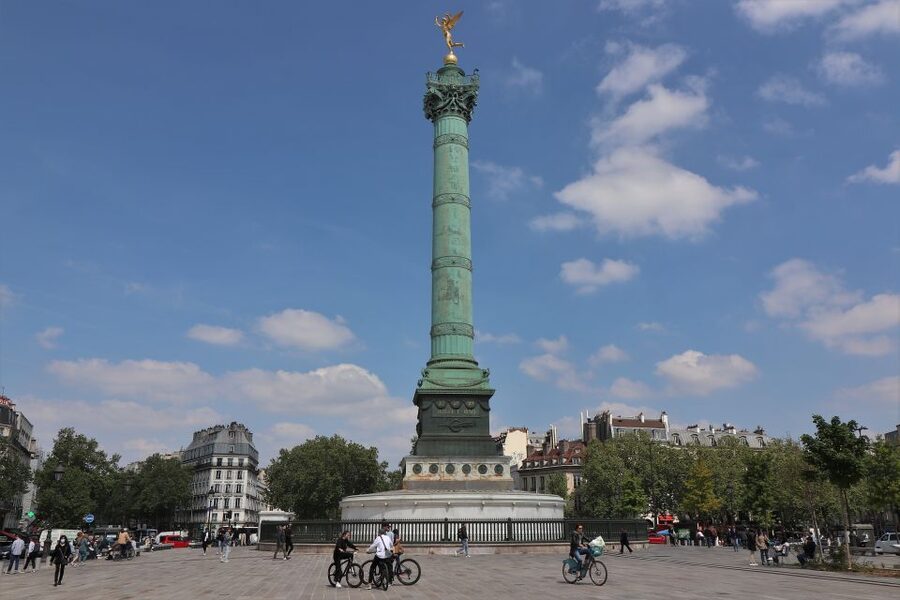
- Follow the road to the Bastille: The walk builds toward the storming of the prison and explains the tense days leading up to 14 July 1789.
- See Paris through revolutionary eyes: Churches, streets, La Marais, and small surviving details become clues to the city’s political and social upheaval.
- Expect a story-led tour: Guides use scenes, first-person storytelling, and day-by-day events to make the Revolution easier to follow.
- Guide quality matters: François, Louis, Fran, and others have been praised for clear English, passion, patience, and careful explanations.
- Plan for real walking: The tour lasts two hours, includes a comfort break according to one review, and meets at Place du Châtelet.
- Good value for history fans: At $46 per person, you are paying for a focused live guide rather than entry to a museum or monument.
Why revolutionary Paris works best on foot
The Revolution is often taught as a list of dates: 1789, the Bastille, the guillotine, the Terror. That approach can make the period feel distant. Walking through central Paris gives the subject a human scale.
You move through the same broad city center where political arguments, rumors, protests, religious tensions, and violence reshaped France. The streets do not all look as they did in the late eighteenth century, but the route connects modern Paris with the places and structures that survived. Your guide supplies the missing context.
I especially like the treasure-hunt quality promised by the walk. You are not simply standing in front of a famous monument while someone recites a script. The experience looks for overlooked objects and small physical details that help explain how the city functioned during the crisis.
That approach also makes the tour useful if your knowledge begins and ends with the Bastille and the guillotine. The Revolution did not appear overnight. It grew from pressure, suspicion, conflict, and a series of choices made by the crown, political leaders, crowds, and ordinary Parisians.
More Walking Tours in Paris
- Paris Top Sights Half Day Walking Tour with a Fun Guide
★ 5.0 · 2,893 reviews - Montmartre Hidden Gems and Scenic Highlights Walking Tour
★ 5.0 · 2,684 reviews - Montmartre Hill French Gourmet Food and Wine Tasting Walking Tour
★ 5.0 · 2,588 reviews
Starting at Place du Châtelet
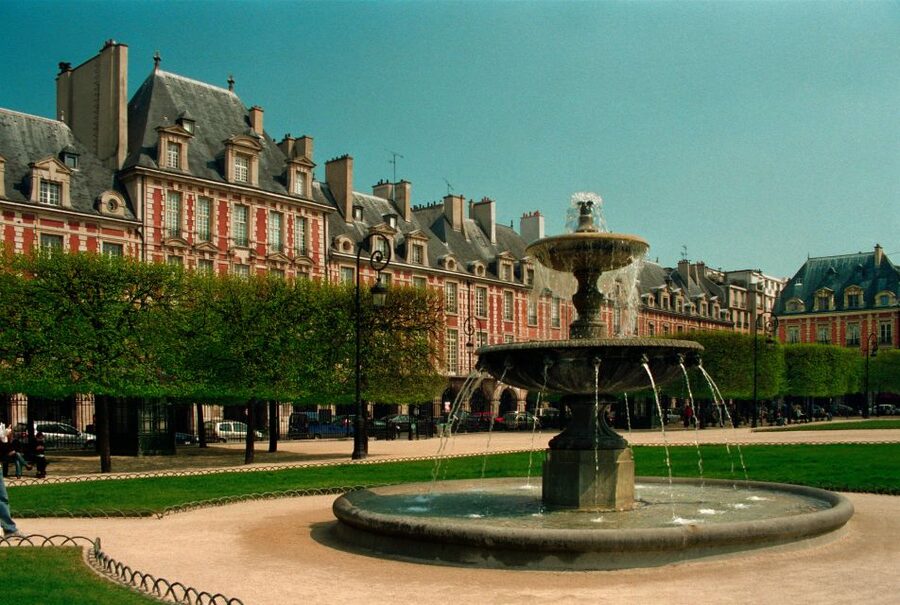
Your meeting point is in front of the Fontaine au Sphinx on Place du Châtelet. This is a practical central location, but give yourself time to identify the guide. One person had difficulty finding the group because there was no clear company logo or obvious sign, so look carefully and arrive early enough to sort out the meeting point.
The tour begins by placing you in revolutionary Paris rather than launching straight into a list of names. You can expect the guide to explain how the city’s political and social tensions built toward the events of 1789.
A good guide makes a big difference here. François has been praised for turning complicated material into a clear narrative, while Louis has received similar praise for his calm delivery and strong command of the subject. Other guides, including Fran and Guillaume, have been described as passionate and personable.
Since the guide changes, the exact tone may vary. The common thread is a live English-language explanation, with room for questions and discussion.
The long road to 14 July 1789
One of the strongest parts of the experience is the focus on the days leading up to the storming of the Bastille. A day-by-day account gives the event a sense of movement. Instead of treating 14 July as an isolated explosion, you see it as the result of mounting fear, anger, and uncertainty.
The guide follows the route connected with the journée of 14 July. That physical movement matters. It helps you picture how information and people moved through the city, and why the Bastille became such a powerful target.
You should not expect a full military study of the assault. The tour is designed for a broad audience, and it condenses a complicated revolution into two hours. But the route gives the story a strong backbone, particularly if you want to understand how an atmosphere of crisis became open revolt.
This is also where the guide’s storytelling style becomes important. One guide was praised for using the first person while describing events, helping the group feel closer to the people caught up in them. That method can be vivid without requiring theatrical costumes or staged scenes.
Churches, old stones, and the changing city
Churches are part of the story, not just decorative stops. The Revolution changed the relationship between the state, society, and the Church, so looking at religious buildings helps explain tensions that a purely political tour might skip.
The route also includes parts of La Marais and other areas of central Paris. You may see familiar streets in a new way, with the guide pointing out details that are easy to pass without notice. According to one assessment, the walking route was not strictly chronological, but the guide kept the narrative clear. That is worth knowing before you go.
A chronological route would be easier to organize on paper, but a city walk has to follow streets, spaces, and practical movement. The benefit is variety. You are not spending two hours in one square listening to a lecture. The tradeoff is that you need to pay attention as the guide moves between events and places.
I would treat the city itself as a set of prompts. A church may lead to religious policy. A street may open a discussion about crowds or communication. A surviving object may bring up a murder, a massacre, or a political symbol. The value comes from the link between the physical setting and the explanation.
Same trip, a completely different kind of day:
- Paris: Louvre Museum Timed-Entrance Ticket
★ 4.6 · 71,977 reviews - Disneyland® Paris 1-Day Ticket
★ 4.6 · 49,412 reviews - Paris: Versailles Palace and Gardens Full Access Ticket
★ 4.6 · 41,579 reviews - Paris: Evening River Cruise with Music
★ 4.4 · 22,721 reviews
Louis XVI, Marie Antoinette, and the guillotine
The royal family is central to any French Revolution tour, and this one covers the fate of Louis XVI and Marie Antoinette. You will hear about their executions by guillotine, along with the political violence that made those deaths possible.
The point is not simply shock. The executions help show how the Revolution moved from demands for change toward increasingly severe measures. A strong guide can explain the public symbolism of the guillotine while also leaving room for uncertainty, conflict, and changing political motives.
The tour’s language is dramatic, with references to murder, massacre, and mass execution, so this is not a gentle sightseeing walk. You should be comfortable with violent history. Families with older teenagers may find the subject engaging, and one group with children aged 13 and 18 enjoyed the experience, but younger children may find the material too grim.
The best version of this story avoids turning the royal family or revolutionary leaders into cartoon villains. François was praised for giving an unbiased and nuanced account, including newer theories alongside older interpretations. That kind of balance is useful because the Revolution has many competing explanations, and two hours is not enough to settle them all.
Conspiracy, prophecy, and the darker stories
The walk also brings in the more mysterious side of the period. You may hear about conspiracies, hidden objects, murder, massacre, and a dark prophecy connected with the downfall of an important revolutionary.
These details give the tour its dramatic edge. They also help break up the political explanation, which can otherwise become a tiring chain of speeches, factions, and dates. The warning is that dramatic stories need careful handling. Ask questions if you want to know what is firmly documented, what is disputed, and what has become part of popular memory.
That is another reason the guide matters so much. The strongest accounts do not simply repeat the most exciting version. They explain how historians view the evidence and where the story remains uncertain. Several guides have been praised for answering questions and adjusting the discussion as the group shows interest.
One guide was also happy to answer questions beyond the Revolution. That flexibility can be useful if you want to connect the period with wider French history, though the core subject remains the events that transformed Paris and the country.
What the two-hour format can and cannot do
Two hours is a smart length for a walking tour. It is long enough to establish a narrative and visit several places, but short enough to fit into a busy Paris day. One guide reportedly included a comfort break in the middle, which is helpful if you are walking in warm weather or have already spent hours sightseeing.
Still, you need realistic expectations. The Revolution lasted for years and involved changing governments, wars, political clubs, religious conflict, executions, and major social changes. This walk offers a guided introduction, not a complete course.
The limited time also explains why certain famous locations may receive less attention. One participant wanted more discussion of Place de la Concorde and the Champs de Mars, but adding those areas would have required a longer tour. If those places are your priority, check the route before booking or plan to visit them separately.
Some of the most enjoyable stops may be the less famous ones. The walk’s purpose is not to collect major monuments. It is to connect the city’s ordinary streets and overlooked features with an extraordinary period.
Guide style and group experience
The reviews show a strong pattern of praise for the guides’ delivery. François is repeatedly described as clear, accurate, and passionate. Louis is praised for friendliness and strong command of French history. Fran is noted for bringing dry facts to life, speaking excellent English, and handling noisy streets well.
That last point matters. Paris is not a quiet museum. Traffic, conversations, and other tour groups can compete with the guide, so a clear voice is a real advantage. One guide was specifically praised for being easy to hear and understand despite street noise.
You should also expect an interactive experience rather than a silent walk. Guides answer questions, change direction when the group is curious, and sometimes use first-person narration to place you in the scene. The group size can vary, but one assessment described it as a comfortable size.
There was one warning about organization at the meeting point and one complaint that a guide did not introduce himself or encourage the group to interact. That suggests a practical tip: identify yourself promptly, confirm you are with the French Revolution tour, and ask the guide to point out the group leader if you are unsure.
Is $46 a fair price?
At $46 per person, the value depends on how much you want a live explanation. You are not paying for admission to a palace, museum, or special exhibit. You are paying for two hours of guiding, route planning, historical interpretation, and the chance to connect several parts of Paris into one story.
For someone already well read on the Revolution, the price may feel high if you want only a brief stroll. For most visitors, though, the cost is reasonable if the guide is as strong as the better accounts suggest. A good guide can save you hours of piecing together the city on your own and can point out details you would otherwise miss.
The walk is also a useful first activity in Paris. It gives you a framework for later visits to other revolutionary sites. Afterward, you will have a better sense of why certain squares, churches, and streets matter.
The tour includes the walk and guide. Hotel pickup and drop-off are not included, so you need to make your own way to Place du Châtelet.
Who should book this walk?
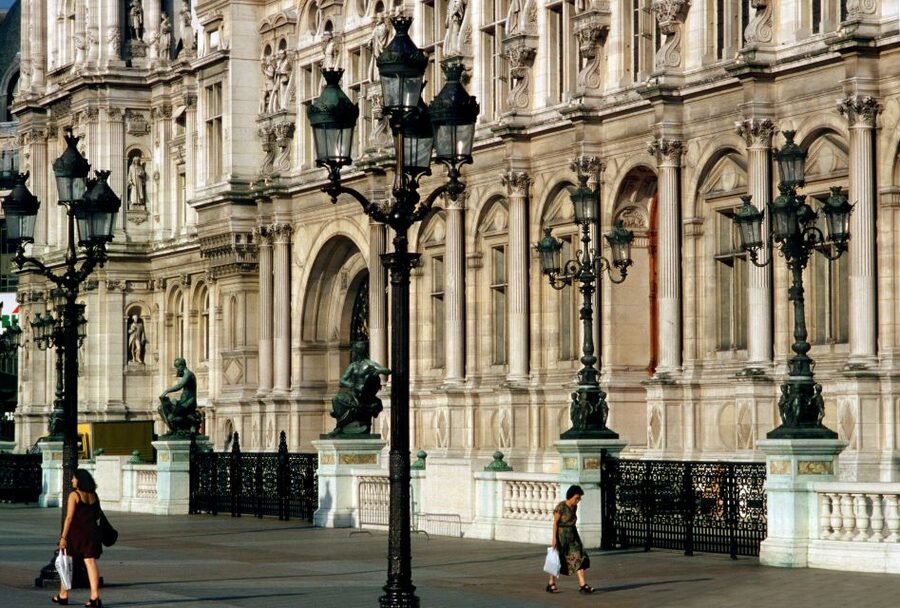
I would recommend it to anyone with a real interest in French history, political change, or the darker side of Paris. It works especially well for first-time visitors who want more than the usual postcard sights, and for returning visitors who have already seen the major monuments.
It is also a good choice for older teenagers and families who enjoy storytelling. The subject includes executions and mass violence, so consider the age and temperament of everyone in your group.
You should book with the understanding that the tour is selective. It gives you a strong, vivid route through the Revolution, but it will not cover every major site or event. If you want a full chronological lecture or extensive time at Place de la Concorde and the Champs de Mars, choose a longer or more narrowly focused experience.
Booking is flexible, with free cancellation up to 24 hours before the start and a reserve-now, pay-later option. The tour is wheelchair accessible, though you should still confirm the route details if mobility needs are important to you.
Should you book the French Revolution Walking Tour?
Yes, if you want history attached to real Paris streets and prefer a lively guide to a textbook-style lecture. The best reason to book is the combination of a focused route, strong English-language delivery, and a subject that is both dramatic and politically complex.
I would skip it only if you dislike walking, prefer famous monuments over historical context, or need a complete account of every stage of the Revolution. For everyone else, $46 buys a useful two-hour introduction, especially when your guide is one of the strong storytellers such as François, Louis, or Fran.
FAQ
How long is the French Revolution Walking Tour?
The tour lasts two hours.
Where does the tour meet?
Meet your guide in front of the Fontaine au Sphinx on Place du Châtelet.
What language is the tour offered in?
The live tour is offered in English.
Is the tour wheelchair accessible?
Yes, the activity is listed as wheelchair accessible.
Does the tour include hotel pickup and drop-off?
No. Hotel pickup and drop-off are not included.
What does the tour cover?
The walk covers revolutionary Paris, including the events leading to the storming of the Bastille, the executions of Louis XVI and Marie Antoinette, churches, La Marais, conspiracy, murder, massacre, and other details connected with the Revolution.
Can I cancel the booking?
Yes. You can cancel up to 24 hours in advance for a full refund.
Just added around Paris
- Paris at the First Lodges – Ducasse sur Seine dinner cruise★ 4.0 · 165 reviews
- Paris at the First Lodges – Ducasse sur Seine Lunch Cruise★ 4.5 · 70 reviews
- Disneyland® Paris 1 Day with Round-Trip Train Tickets from Paris★ 4.0 · 50 reviews
- Explore speakeasies and hidden bars, sip meet & socialize★ 4.5 · 47 reviews
- Disneyland® Paris Express Shuttle with Admission Ticket from Central Paris★ 3.5 · 172 reviews
- Paris Cheeses and Wines Tour de France with Tasty Games★ 5.0 · 32 reviews
- Musée Orsay Highlights Tour – Best of Impressionism & Hidden Gems★ 5.0 · 27 reviews
- Private Tour: Discover Paris with Local, 3 hours on a Segway★ 5.0 · 71 reviews
Walking Tours, compared.

Paris Top Sights Half Day Walking Tour with a Fun Guide
Read our review →
Montmartre Hidden Gems and Scenic Highlights Walking Tour
Read our review →
Montmartre Hill French Gourmet Food and Wine Tasting Walking Tour
Read our review →
Paris Île de la Cité and Notre-Dame Walking Tour With Crypt
Read our review →
Montmartre Cheese, Wine & Pastry Guided Walking Tour
Read our review →
Paris in a Day: Louvre or Orsay, Eiffel Tower, City Walk & Cruise
Read our review →
Montmartre Highlights Walking Tour with a Local Guide
Read our review →
Browse the lists this tour appears in