Reviewed · PARIS TOURS
Paris: French Revolution Tour Relive the 14th July 1789
Paris’s Revolution began well beyond the grand palace rooms and famous monuments. This walk takes you through Faubourg Saint Antoine, the working district where social anger, poverty, skilled trades, and political unrest helped set the stage for 14 July 1789. You finish at the Bastille, but the real lesson is how ordinary streets shaped extraordinary events.
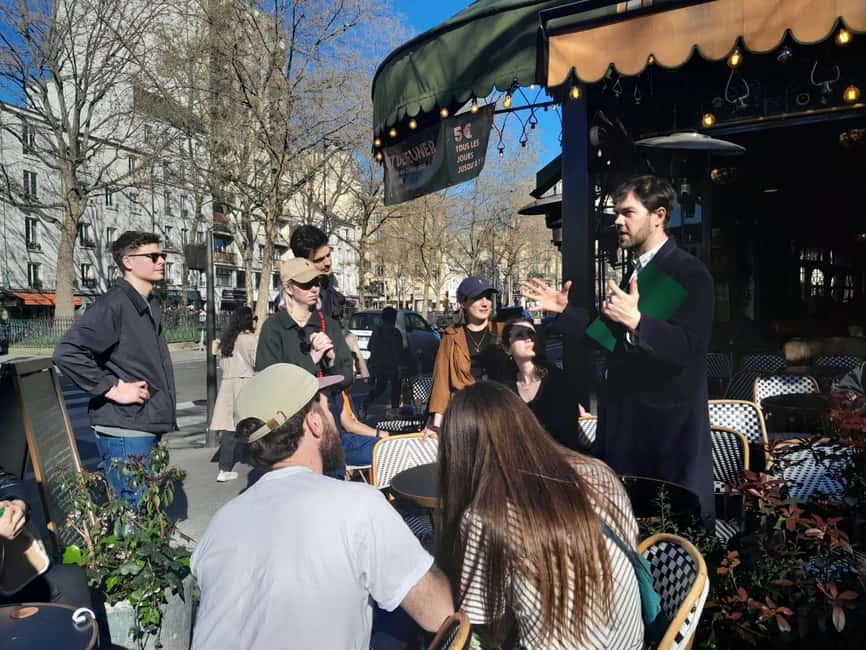
I like two things right away: the route shows you a part of Paris many visitors skip, and guide Robin explains the Revolution at street level rather than treating it as a list of dates. The small group also gives you room to ask questions and keep up a real exchange.
The main limitation is its narrow time frame. The focus is the build-up to 14 July 1789 and the storming of the Bastille, so anyone hoping for a full account of the Reign of Terror, Napoleon, and the later Republic may want a longer or separate tour.
Key points to know before you go
- The walk begins in Faubourg Saint Antoine, a working-class area central to the story of the Revolution.
- Robin leads the tour, bringing academic-level knowledge and clear storytelling to the streets.
- You visit La Folie Titon, Passage de Lhomme, and Bastille, with lesser-known stops along the way.
- The tour lasts 90 minutes, a useful length for fitting history into a busy Paris day.
- The group is small, with the stated limit varying between 10 and 12 to 15 participants.
- The $37 price is good value if you want context, local streets, and a guide who welcomes questions.
Why this Paris Revolution walk begins away from the Bastille
Most French Revolution tours begin at the Bastille because that is the name everyone knows. This one takes a smarter route. You start at 1 Place du Dr Antoine Béclère, near the meeting point between Café les Blouses Blanches and Mon Café, then work toward the Bastille through the old Faubourg Saint Antoine district.
That choice matters. You first see the social setting that helped make the Revolution possible. The walk is not only about a prison fortress or a famous date. It is about the people who lived and worked in this part of Paris, the pressures they faced, and the reasons political unrest gained force.
I like this approach because it gives the Bastille proper context. By the time you reach the final square, you have heard about the neighborhood, its working population, and the tensions building before the attack. The monument becomes the ending of a story rather than the whole story.
The starting location is outside the central tourist circuit, so check your route before setting out. The experience is fully on foot, and the city streets are part of the lesson. Wear comfortable shoes and allow enough time to find the café meeting point.
A few more Paris half-days worth comparing
- Paris: Louvre Museum Timed-Entrance Ticket
★ 4.6 · 71,977 reviews - Disneyland® Paris 1-Day Ticket
★ 4.6 · 49,412 reviews - Paris: Versailles Palace and Gardens Full Access Ticket
★ 4.6 · 41,579 reviews
Faubourg Saint Antoine and the people behind the uprising
The Faubourg Saint Antoine is the heart of the experience. This district was associated with artisans and working people, and the tour uses its streets to explain how social conditions shaped the Revolution.
That focus is one of the strongest reasons to book. You are not simply shown where something happened. You are given a sense of how people lived, worked, and viewed the authorities. The guide connects the neighborhood’s everyday life with the larger political crisis.
Several people who took this tour had already visited Paris before, including someone who had worked near Faubourg Saint Antoine for almost two years. Even with that local familiarity, the walk revealed details and explanations they had missed. That tells you something useful: this is not only for first-time visitors. It can also add meaning to a district you think you already know.
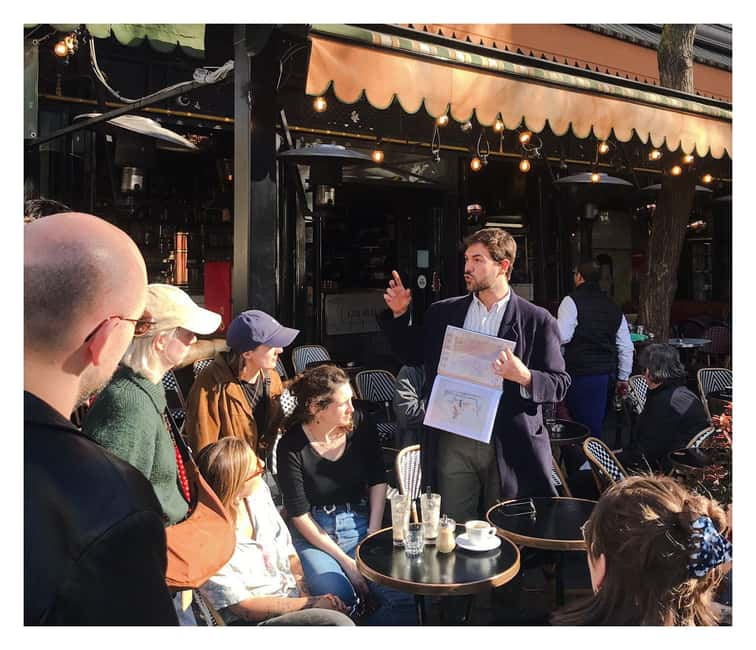
Robin’s style is central to the experience. He is described as a history professor and teaching academic, and his approach combines facts with stories, images, and questions. You can expect more than a speech delivered while walking. The group is encouraged to take part, and the format leaves room for conversation.
The material also reaches beyond the Revolution itself. You learn how Paris functioned before 1789 and why unrest grew. That wider frame helps if schoolbook accounts of the Revolution have always felt like a blur of kings, dates, and political clubs.
La Folie Titon and the road to 14 July
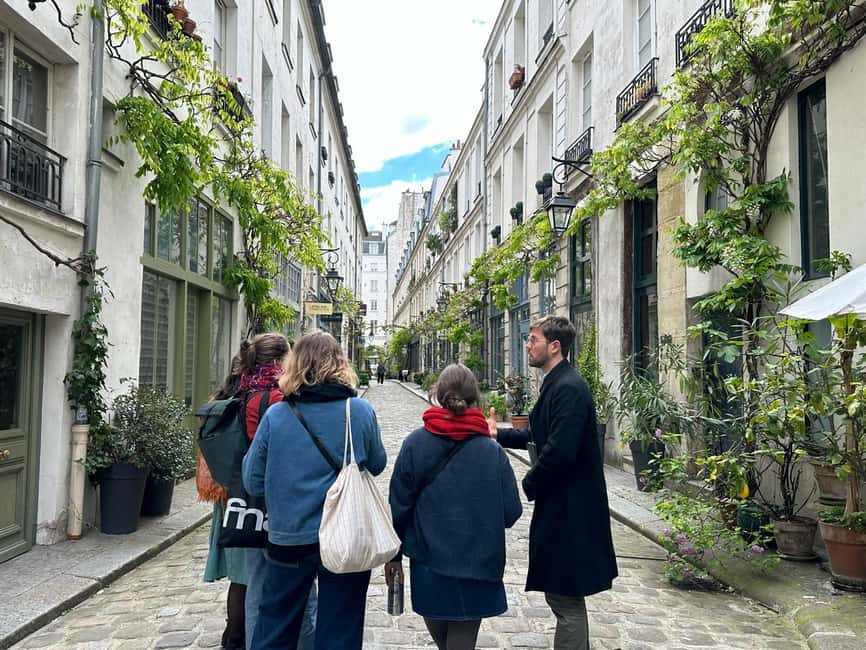
La Folie Titon is one of the route’s more unusual stops. Its inclusion helps show that the Revolution was not confined to the official centers of power. This part of eastern Paris carries the story into a neighborhood setting, where local events and public feeling become easier to picture.
The tour is built around the days leading up to 14 July and the events of that day. Robin tells the story in sequence, bringing the timeline down to street level. You hear how tension rose, how people reacted, and how the atmosphere changed as the crisis moved toward the Bastille.
That hour-by-hour idea gives the walk its shape. Instead of receiving a general lecture on the French Revolution, you follow a particular moment. The approach is especially useful if you want to understand why 14 July became such a powerful symbol.
The guide also uses pictures to help you imagine how the area looked in the 18th century. That is a valuable tool in modern Paris, where later buildings and busy streets can make the past hard to see. You should not expect every original scene to survive, but the visual aids and explanations help connect present-day surroundings with the older city.
Passage de Lhomme and the details you might walk past
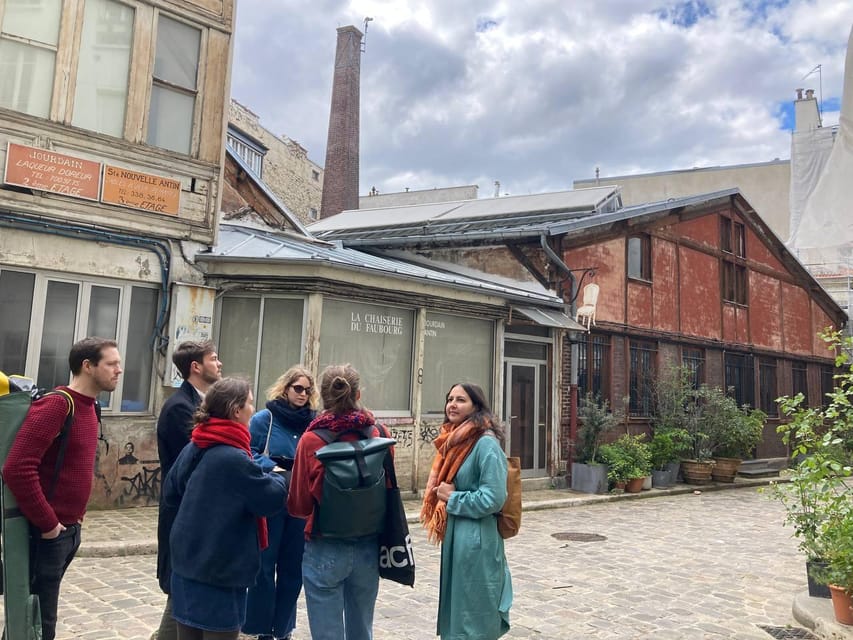
Passage de Lhomme brings the walk into a quieter, less obvious corner of the neighborhood. Stops like this are useful because they slow you down. Instead of rushing between headline sights, you look at small details that might otherwise pass unnoticed.
A major strength of the tour is its attention to the physical city. Robin points out architectural features and other clues that help explain what the area was like. You learn to look more closely at streets, buildings, and the layout of the district.
This is where the tour feels most different from a standard central Paris walk. You are not being moved from one famous photo stop to another. The route asks you to pay attention to places that do not announce their historical importance.
That can also be a drawback for visitors who want a large number of dramatic monuments. Much of the interest comes from the story and the interpretation, not from grand interiors or preserved revolutionary displays. If you prefer museums and major landmarks, this walk may feel understated. If you enjoy finding meaning in ordinary streets, it is a strong match.
Same trip, a completely different kind of day:
- Paris: Evening River Cruise with Music
★ 4.4 · 22,721 reviews - Paris: Eiffel Tower Entry Ticket with Optional Summit Access
★ 4.4 · 20,035 reviews - Paris: Eiffel Tower Summit or Second Floor Access
★ 4.3 · 17,248 reviews - Paris: Louvre Guided Tour with Reserved Access & Boat Cruise
★ 4.3 · 16,353 reviews
Reaching the Bastille with a clearer story
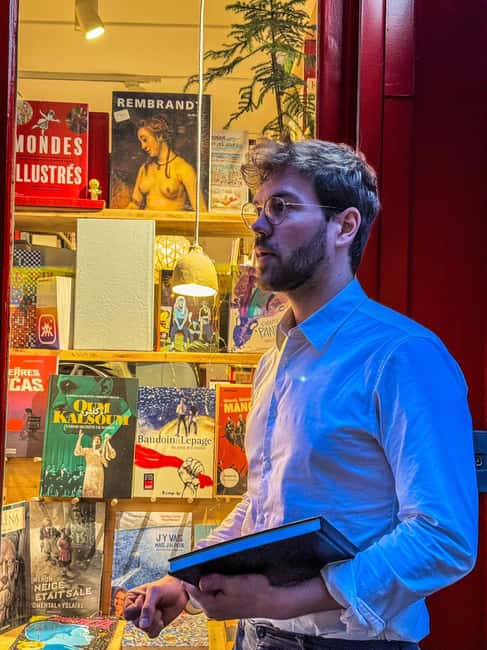
The route finishes at 28 Place de la Bastille. This is the natural payoff, but the tour does not treat it as an isolated icon. By now, you have followed the story through the district that helped fuel the uprising.
The Bastille itself is no longer the imposing prison fortress it was in 1789. That makes the guide’s explanation especially important. Robin helps you understand what the site represented and why its fall carried such force, even beyond the immediate military event.
The final viewpoint also gives you time for photographs and a last look at the area. It is a practical ending point because Bastille is a well-known part of Paris and easy to use as a base for your next activity.
The walk’s design works best when you stay alert to the links between stops. La Folie Titon, Passage de Lhomme, the Faubourg, and Bastille are not random points on a map. Together, they show how a local district became tied to a national turning point.
Robin’s teaching style and the small-group format
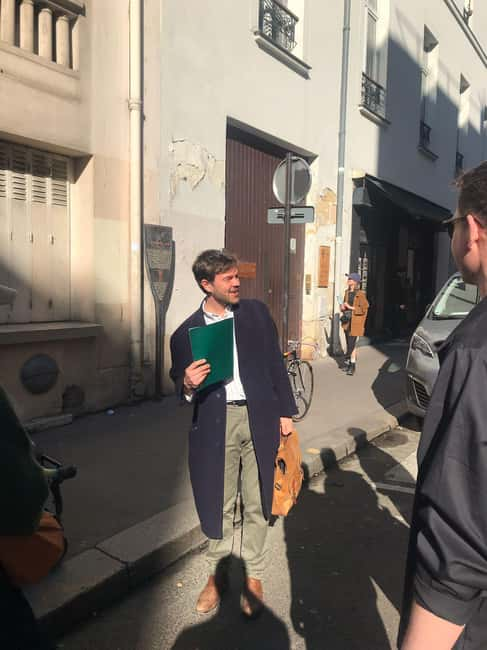
The guide can make or break a history walk, and Robin receives particularly strong praise for being clear, friendly, funny, and engaging. The important point is not just that he knows the subject. He makes it understandable.
You can expect him to explain difficult material in plain language, bring the past into the present, and answer questions as they arise. Several people valued the way he invited participation rather than asking the group to stand silently through a long lecture.
The group limit is listed in slightly different ways: some information gives a maximum of 10, while other details say 12 to 15. In practice, you should expect a small group rather than a large crowd. That size suits this route. Narrow passages and neighborhood streets are easier to handle, and questions are less likely to get lost.
The tour is offered in English, French, and German. Since guide availability can vary by departure, check the language when booking. The listed price is $37 per person, with no added tour fees stated.
What $37 gets you in Paris
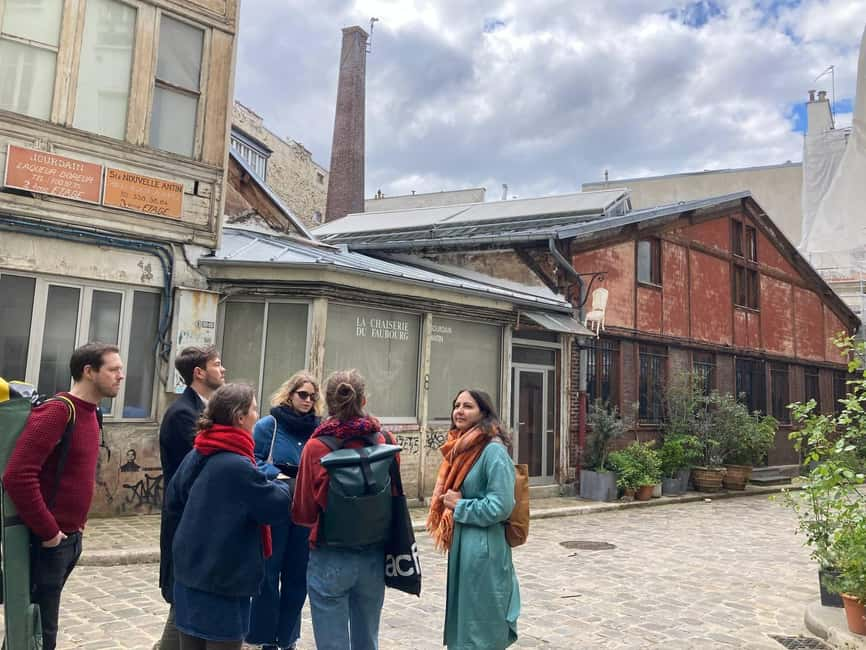
At $37, this is not the cheapest way to walk through eastern Paris. You could explore the area alone for less. But the comparison is not really between a paid walk and a free stroll. It is between seeing streets without context and having a guide connect them to one of the most important events in French history.
I consider the price fair if you are interested in history, urban life, or less familiar parts of Paris. The 90-minute length keeps the cost and time commitment under control, while the guide’s subject expertise adds something you would struggle to reproduce from casual sightseeing.
The value is strongest for people who want context for the rest of their Paris visit. One useful tip is to take the tour early in your stay if possible. The explanations about the city, social classes, and revolutionary politics can sharpen your understanding of other landmarks later.
The value is less clear if you want a broad survey from the French Revolution through Napoleon. This experience concentrates on the conditions leading to 14 July 1789 and the storming of the Bastille. It may touch on the wider rise of the Republic and Napoleon, but it is not a full chronological tour of the period.
Free cancellation up to 24 hours before the tour and the option to reserve now and pay later make the booking less rigid. Those terms are helpful in a city where weather, transport, and changing plans can affect a walking day.
Who will get the most from this 90-minute walk
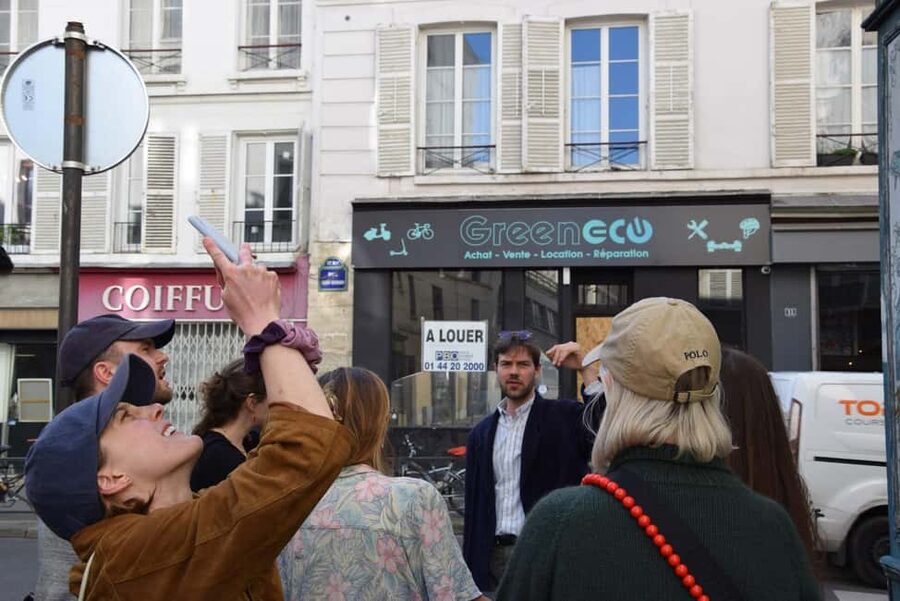
I would recommend this tour to:
- History fans who want more than dates and famous names.
- Repeat visitors looking for a different Paris district.
- First-time visitors who want historical context early in their trip.
- Architecture and city lovers who enjoy details in ordinary streets.
- Small-group tour fans who prefer questions and conversation.
- Families with older children or teenagers who can follow a story about social change and conflict.
It is also a good choice for people who have found the French Revolution hard to organize in their minds. The focus on one day and one neighborhood gives the subject a clear spine.
I would be more cautious if you dislike walking, want indoor attractions, or expect to enter a major historic building. The supplied information describes a guided walk, visits to outdoor sites, and a photo stop. It does not promise museum entry or access to preserved revolutionary interiors.
The route also suits visitors who value local atmosphere over a checklist of famous sights. You may leave with fewer postcard images than you would after a tour of central Paris, but you will likely notice more the next time you pass through this district.
How to make the most of the experience
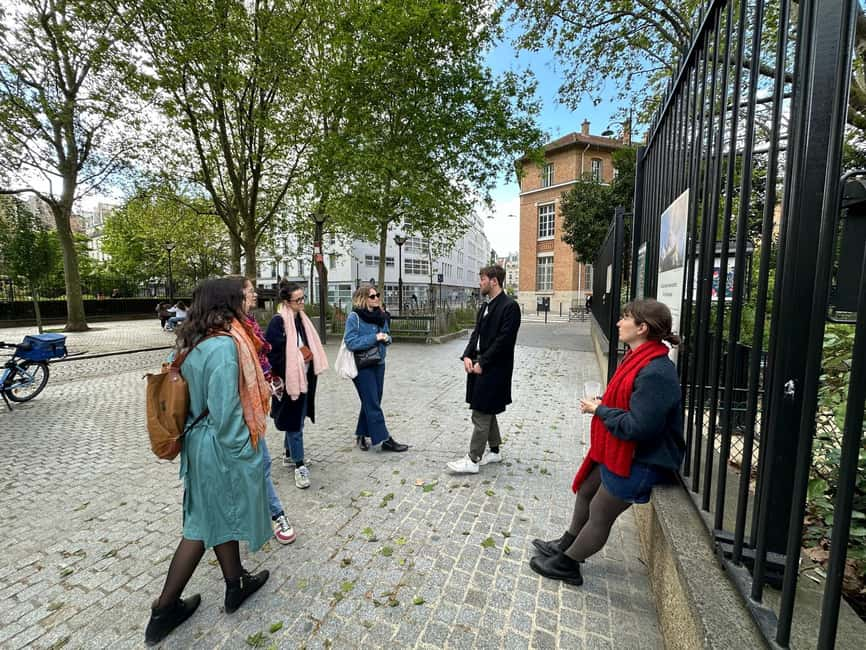
Read a short outline of the French Revolution before you go if the subject is new to you. You do not need a textbook. Knowing the basic role of the monarchy, the economic crisis, and the Bastille will help you follow the guide’s timeline.
Arrive at the meeting point between Café les Blouses Blanches and Mon Café with enough time to orient yourself. The starting address is 1 Place du Dr Antoine Béclère, while the finish is at 28 Place de la Bastille, so plan your onward route from the end rather than the beginning.
Bring water and wear comfortable shoes. The 90 minutes pass through neighborhood streets, passages, and outdoor stops. Paris weather can change quickly, and the experience does not appear to include indoor shelter as a central feature.
Keep questions in mind as you walk. Robin’s teaching style is interactive, so you get more from the tour if you speak up when a point interests you. Ask about the social conditions, the district’s workers, or how the events of 14 July fit into the larger Revolution.
Should you book the Paris French Revolution Tour?
Book it if you want to understand why the Bastille mattered, not just take a photograph in front of it. The strongest parts are the Faubourg Saint Antoine setting, the lesser-known passages and neighborhood stops, and Robin’s ability to make complex history clear and lively.
Skip it if you want a complete tour of the entire revolutionary era, entry to museums, or a short ride between major monuments. The scope is focused, the experience is outdoors, and the route depends on storytelling as much as on surviving buildings.
For $37 and 90 minutes, I think it is a good buy for history-minded visitors. Take it near the start of your Paris stay, listen for the links between each stop, and you will see the Bastille district with sharper eyes.
FAQ
How long is the French Revolution tour?
The tour lasts approximately 90 minutes.
Where does the tour begin?
It begins at 1 Place du Dr Antoine Béclère, with the meeting point between Café les Blouses Blanches and Mon Café.
Where does the tour finish?
The walk finishes at 28 Place de la Bastille.
Which languages are available?
The tour is offered in English, French, and German.
How large is the group?
The activity is described as a small-group tour. The stated limits vary between 10 participants and 12 to 15 participants.
Can I cancel for a refund?
Yes. You can cancel up to 24 hours in advance for a full refund. You can also reserve now and pay later.
Just added around Paris
- Explore Hidden bars and Speakeasies in Paris★ 5.0 · 79 reviews
- Paris Private Custom Tour with a Local Guide, Hidden Gems & Highlights★ 5.0 · 293 reviews
- Paris French Baking Class Baguettes and Croissants in a Bakery★ 4.5 · 172 reviews
- Paris: Experience Segway Top Highlights Small Group 2 Hours★ 5.0 · 75 reviews
- Seine River Evening Cruise with Music (Drink Options)★ 3.5 · 321 reviews
- Eiffel Tower Tour & River Cruise with Summit Option★ 4.0 · 215 reviews
- Paris Evening City of Lights Small Group Bike Tour & Boat Cruise★ 5.0 · 97 reviews
- Paris Eternelle Notre-Dame Virtual Reality Tour★ 4.5 · 50 reviews
Paris Tours, compared.


Versailles Palace and Gardens Full Access Ticket
Read our review →
Eiffel Tower Entry Ticket with Optional Summit Access
Read our review →

Louvre Guided Tour with Reserved Access & Boat Cruise
Read our review →