
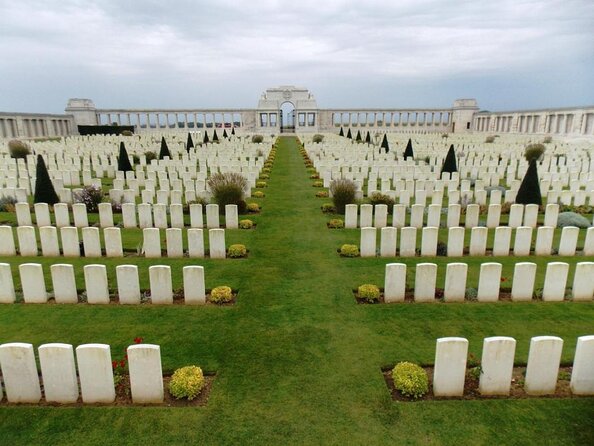
Reviewed · WWI BATTLEFIELD TOURS
Australian private Somme tour including Sir John Monash Centre
The most powerful part of this Somme tour is the way it connects major memorials with the ground where the fighting happened. You move from the Australian National Memorial at Villers-Bretonneux to Pozières, Lochnagar Crater, and the preserved trenches at Beaumont-Hamel, with Olivier explaining how the battle unfolded from place to place.
I like the private format, which gives you room to ask questions and spend more time on the sites that matter most to you. I also like the mix of outdoor battlefield stops and the Sir John Monash Centre, whose maps, displays, and presentation help make the Australian story easier to follow.
The main drawback is the distance involved. This is a full seven-hour day in the Somme area, and it cannot begin in Paris because of the travel time. You need to reach Amiens, Arras, or Saint-Quentin for pickup, and lunch is not included.
Key points to know before booking
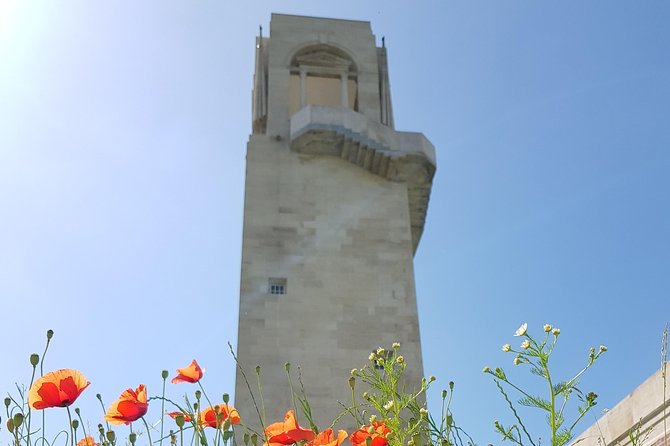
- Villers-Bretonneux begins the day with 11,000 names: The Australian National Memorial remembers Australian dead who have no known grave.
- The Sir John Monash Centre adds structure: Its presentation gives useful context before you visit the battle sites.
- Pozières is the Australian focus: You see the First Australian Division Memorial, the Windmill Memorial, the tanks memorial, and remains of the Gibraltar bunker.
- The private car saves time: Pickup is flexible in Amiens, Arras, and Saint-Quentin, with transport in a spacious, air-conditioned vehicle.
- Beaumont-Hamel shows trench warfare clearly: The preserved trench system at Newfoundland Park makes the conditions easier to picture.
- The day suits serious history readers: Olivier is praised for using maps, photographs, battlefield geography, and detailed explanations.
Why this private Somme tour works
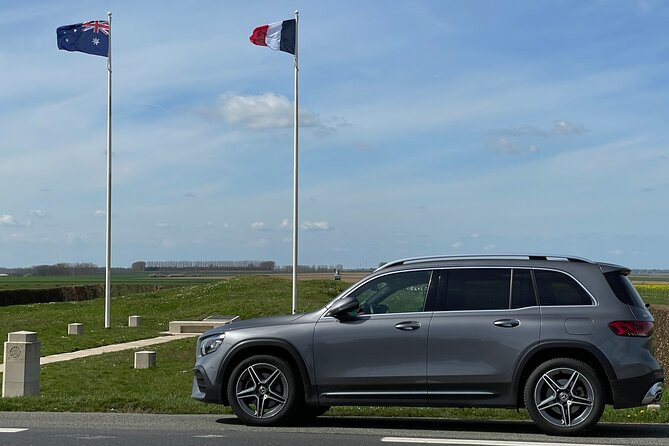
The Somme is not a battlefield you understand from one monument or one museum. The fighting stretched across villages, fields, roads, ridges, and defensive positions. A private tour helps you link these places together instead of seeing them as isolated stops.
This experience is led by Olivier, a local Picard guide with a strong grasp of the region and the First World War. He explains the geography as you travel, then adds detail at each stop. That matters here because the distances between sites are part of the story. The villages and positions were close together, yet the fighting was fierce and costly.
You spend about seven hours on the tour, beginning at 9:30 a.m. The private vehicle has air-conditioning, bottled water, and enough space to make the day easier on your legs. You are not trying to work out local transport between widely scattered memorials, and pickup can be arranged from a hotel, bed-and-breakfast, or station in the Amiens, Arras, and Saint-Quentin areas.
The private setup is especially useful if your group has mixed interests. You can ask about a particular regiment, commander, family connection, or battlefield position. The tour is not limited to one fixed group pace, so you have more freedom to linger at a memorial or move on when you have seen enough.
More WWI Battlefield Tours in Northern France
- Somme Battlefields Small-Group Day Trip with John Monash Centre from Paris
★ 4.5 · 270 reviews - Somme Battlefields from Paris with Australian memorial & Amiens Cathedral
★ 5.0 · 228 reviews - Private Round Trip Transfer to Vimy Ridge from Arras
★ 5.0 · 164 reviews
Villers-Bretonneux and the Australian National Memorial
The first major stop is the Australian National Memorial at Villers-Bretonneux, followed by Villers-Bretonneux Military Cemetery. The memorial remembers about 11,000 Australians who died in the Somme and have no known grave.
That figure gives the site its emotional weight. You are not looking at a single graveyard with neatly marked identities. You are confronting the names of men whose final resting place was never identified. The cemetery and memorial also introduce the scale of Australia’s involvement in the Western Front.
You have about 30 minutes here. That is enough for a focused visit, but not a long, unhurried study of every inscription. If you have a family name or unit you want to find, tell Olivier at the start of the day so he can help you use the time well.
This stop works best if you pause before taking photographs. Read the names, notice the setting, and then let the guide explain why Villers-Bretonneux mattered. The site is not simply an Australian memorial placed in France. It is a starting point for understanding how Australian forces were used in the Somme area.
The Sir John Monash Centre brings the story together
The Sir John Monash Centre is the tour’s main indoor stop, with about 90 minutes set aside for it. It tells Australia’s story on the Western Front and gives you visual material to help place the next stops in context.
This is where the tour becomes easier to follow for anyone who does not already know the sequence of the Somme battles. Maps and photographs can show the positions, movement, and scale of the fighting in a way that is hard to grasp from a road or cemetery alone.
The centre is also useful for people who already know the broad story. Olivier adds battlefield detail, personal names, and explanations that connect the displays to the villages and memorials outside. One of the strongest features of this tour is that the centre is not treated as a separate museum visit. It becomes a bridge between the memorial at Villers-Bretonneux and the ground at Lochnagar and Pozières.
The centre is closed during stated winter periods, so check the date carefully before booking. The supplied tour details give more than one closure notice: one says December 25 to January 1 and February 10 to March 1, while the current pickup note lists December 24, 2025 to January 2, 2026 and February 2 to March 1, 2026. Confirm the exact dates for your visit, since missing this stop would change the shape of the day.
Lochnagar Crater shows the violence underground
At Lochnagar Crater, you see the remains of the largest mine used by the British Army on the first day of the Battle of the Somme. The stop lasts about 15 minutes, so it is brief, but the crater itself makes a strong impression.
This is one of those places where the physical feature explains the event better than a long description. The vast depression in the ground records the force used before the infantry attack began. Olivier can help you place the crater within the wider battlefield and explain why underground mining formed part of the assault.
Wear shoes suited to outdoor ground. The tour operates in all weather, and the Somme can be uncomfortable when conditions are wet or cold. A waterproof layer and sensible footwear will make a short stop much more pleasant.
The limited time here is the main consideration. You will not have a long walk or a full museum visit. Instead, you get a concentrated look, a clear explanation, and then continue toward the Australian positions around Pozières.
Same trip, a completely different kind of day:
- Entrance Ticket Nausicaa, the biggest aquarium in Europe
★ 3.5 · 1,135 reviews - Lille Driving Tour by Convertible Citroen 2CV
★ 4.9 · 711 reviews - Nausicaá National Sea Center: Full-Day Entry Ticket
★ 4.5 · 541 reviews - Unique Tour of Lille by Convertible 2CV – 1h00
★ 5.0 · 470 reviews
Lunch near La Boisselle or Pozières
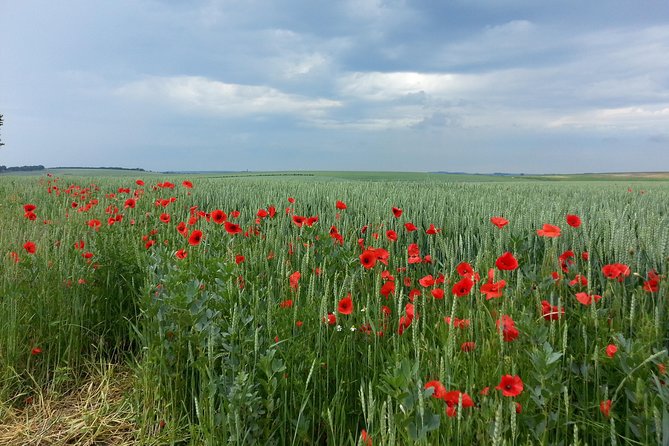
The tour includes a 45-minute lunch break at a local restaurant or café in La Boisselle or Pozières. Lunch is not included in the price, so bring a payment method and allow for a relatively quick meal.
This break is practical rather than grand. It gives you a chance to sit down, eat, and talk through what you have seen before the afternoon stops. The pace is full, and a proper pause helps.
Do not expect a long midday stop if you want to keep the full route. The tour has several memorials to cover, and the lunch break is part of a tightly arranged day. If food is important to your group, ask about the plan when pickup is arranged.
Pozières and the Australian struggle
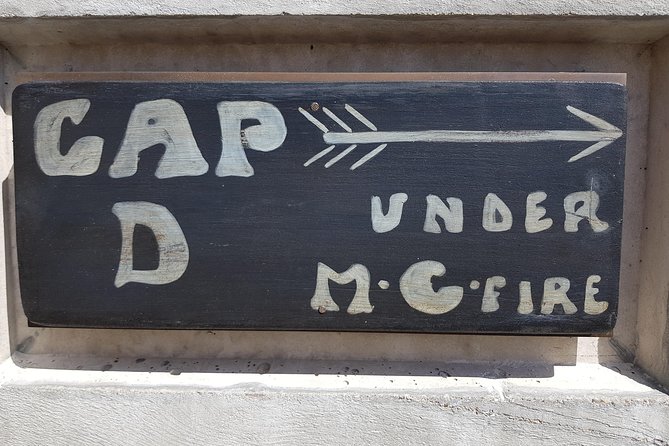
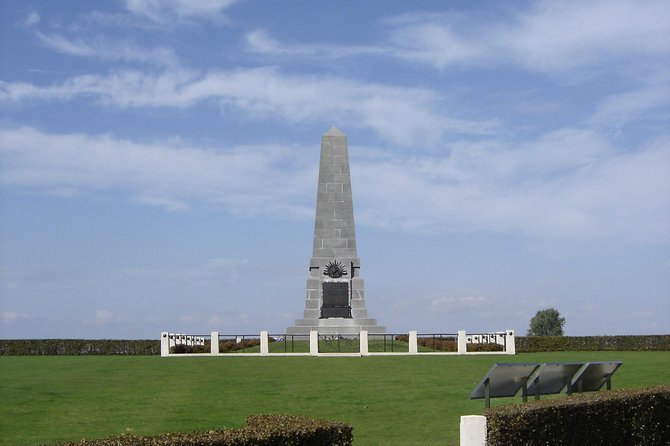
After lunch, you continue through Pozières, the place described as the bloodiest Australian struggle on the Western Front. The visit includes remains of the Gibraltar bunker, the First Australian Division Memorial, the Windmill Memorial, and the tanks memorial.
Pozières is where the Australian focus of the tour becomes most direct. The village and its surviving traces help you understand the cost of taking and holding a position in a battle where ground was fought over repeatedly.
The Gibraltar bunker is particularly useful because it gives you a physical link to the defensive system. Even partial remains can help you picture how troops sheltered, moved, and tried to hold ground under attack. The First Australian Division Memorial then places that local fighting within the story of Australian military service.
You have around 15 minutes at the First Australian Division Memorial. That is short, but the private format lets you use the stop efficiently. If you have a particular interest in Australian units or commanders, this is a good place to ask Olivier for extra detail.
The Windmill Memorial and the first tanks
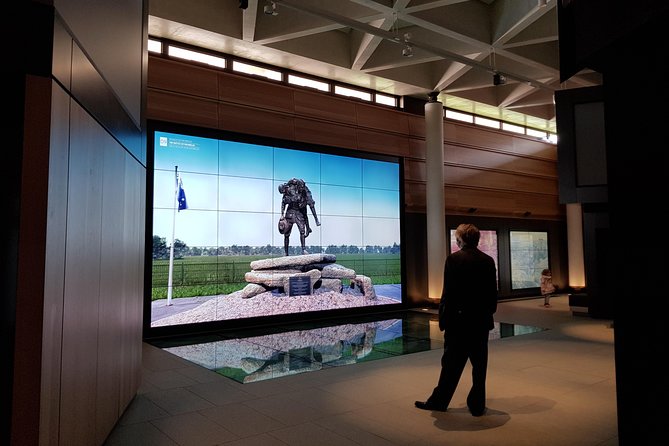
The Windmill Memorial marks a German position captured by Australian troops during the Battle of Pozières. Across the road, the tanks memorial recalls the first use of tanks in history.
These two sites work well together because they show a battlefield changing during the war. One side is a captured German position. The other marks the arrival of a weapon that would later change ground warfare, even though early tanks were far from the machines you might picture today.
The visit lasts about 20 minutes. It is enough time to understand the location and hear how the position fitted into the fighting around Pozières. The roadside setting also makes this a stop where Olivier’s explanation matters. Without a guide, you could easily miss why an ordinary-looking point beside the road deserves attention.
Beaumont-Hamel and the preserved trenches
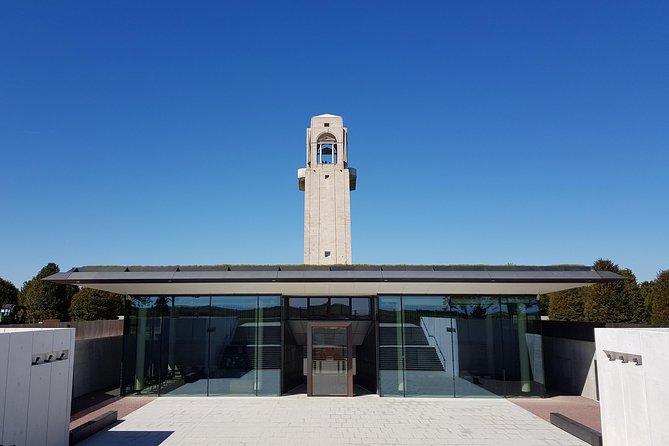
The final stop is Newfoundland Park at Beaumont-Hamel, including its well-preserved trench system. You spend about 30 minutes here, using the remaining ground features to understand trench warfare.
This is a valuable contrast with the memorials earlier in the day. At Villers-Bretonneux, names and cemeteries focus your attention on the dead. At Beaumont-Hamel, the trenches help you picture the physical conditions faced by soldiers who lived and fought in narrow defensive lines.
The visit is not just about seeing an old ditch. The trench system shows how close the opposing positions could be and how difficult movement across open ground was. It gives the day a clear final lesson: the Somme was shaped by earthworks, artillery, mines, exposed approaches, and defensive positions as much as by famous names and dates.
The stop is outdoors and weather dependent in comfort, even though the tour runs in all conditions. Bring a coat in cool weather and sun protection in warmer months. You should also expect uneven ground at some battlefield sites.
What Olivier adds to the day
The strongest reason to choose this tour instead of visiting the sites alone is Olivier’s guiding. He explains the route with maps and photographs, then relates the material to the actual places outside the car.
The information provided about the experience repeatedly points to three useful qualities: careful organization, attention to comfort, and detailed battlefield knowledge. Olivier meets you at the agreed pickup point, explains the plan, and keeps the day moving without making it feel rushed.
That balance matters. A battlefield tour can become a list of dates and commanders, or it can become a drive between memorials with too little explanation. This one aims for the middle ground: enough facts to understand the military story, plus enough time to look, think, and ask questions.
You should still tell him what you want from the day. The tour is ideal for Australian military history, but it also suits anyone interested in the Somme, trench warfare, memorial design, or the way local villages were caught in the fighting.
Price, pickup, and practical value
The listed price is $372.45 per person. That is a serious spend, but the value depends on your group size and starting point. You are paying for a private guide, private transport, fuel and driving time between scattered sites, bottled water, and a full day of local explanation. The price does not include lunch.
For a small group with a strong interest in First World War history, the cost can make sense because you are not paying for a generic bus route. You get direct pickup, a private vehicle, and a guide who can adjust the conversation to your interests.
Pickup is flexible within Amiens, Arras, and Saint-Quentin. The tour can also start from Arras or Saint-Quentin. It cannot originate in Paris because the distance would leave too little time for the Somme sites, so you need to plan an overnight stay or another way to reach one of the pickup areas.
The tour is offered in English. Confirmation is sent within 48 hours, subject to availability. Children must be accompanied by an adult, and most people can take part, though you should dress for outdoor conditions and be ready for a full day of sightseeing.
Free cancellation is available up to 24 hours before the start time for a full refund. Changes or cancellations inside that 24-hour period are not accepted for a refund.
Who should book this Somme experience?
I would choose this tour if you have a family connection to Australian service, a strong interest in the First World War, or only one day to make sense of the Somme battlefields. The route covers the main Australian sites while also adding Lochnagar Crater and Beaumont-Hamel, so you get more than a single national memorial.
It also suits you if you prefer a private conversation to a fixed group. Olivier can explain maps, people, and positions in more detail when you want it, while the car makes the scattered route manageable.
I would hesitate only if you want a relaxed countryside outing with little historical detail. This is a serious day. The subject is difficult, the stops are memorials and battlefield remains, and the schedule includes several short visits. You should also think twice if you are staying only in Paris, since the tour is not designed to begin there.
Should you book it?
Book this tour if you want the Australian story of the Somme explained on the ground, not just read from a plaque. The combination of Villers-Bretonneux, the Sir John Monash Centre, Pozières, Lochnagar Crater, and Beaumont-Hamel gives you a strong range of memorials, battlefield remains, and museum context.
The private vehicle, flexible pickup, and detailed guidance from Olivier make the $372.45 price easier to justify for a small group. Just plan around the winter closure dates, budget separately for lunch, dress for outdoor weather, and allow the whole seven hours. For anyone serious about Australian First World War history, this is a focused and worthwhile day.
FAQ
How long is the Australian Somme tour?
The tour lasts approximately seven hours and begins at 9:30 a.m.
Where can pickup be arranged?
Pickup can be arranged within the Amiens, Arras, and Saint-Quentin areas. The tour can also start from Arras or Saint-Quentin.
Can the tour start in Paris?
No. The tour cannot originate in Paris because of the travel distance and time limits. You need to arrange pickup in Amiens, Arras, or Saint-Quentin.
Is lunch included?
No. The tour includes a 45-minute lunch break at a local restaurant or café in La Boisselle or Pozières, but you pay for lunch separately.
Is the tour private?
Yes. Only your group participates. The experience includes private transportation, an air-conditioned vehicle, a driver-guide, a professional guide, and bottled water.
When is the Sir John Monash Centre closed?
The tour information lists winter closure periods, including December 25 to January 1 and February 10 to March 1. The current pickup note gives dates of December 24, 2025 to January 2, 2026 and February 2 to March 1, 2026. Confirm the applicable dates before booking.
Just added around Northern France
- Private Lille Tour by Classic Convertible 2CV with Champagne★ 5.0 · 49 reviews
- 1 Hour Private Lille Tour by Convertible 2CV with a Local Products Tasting★ 5.0 · 78 reviews
- 30-Minutes Private Guided Tour of Lille by Convertible 2CV★ 5.0 · 79 reviews
- Rallye “Discoveries and Surprises”★ 5.0 · 52 reviews
- Lille Scavenger Hunt and Highlights Self Guided Audio Tour★ 4.0 · 32 reviews
- Lille Old Town Walking Tour With A Guide★ 4.5 · 40 reviews
- Lille Scavenger Hunt and City Highlights Walking Tour★ 4.5 · 47 reviews
- Quad and Moto hike, discover the Corrèze otherwise. Accessible to everyone !!★ 5.0 · 33 reviews
WWI Battlefield Tours, compared.
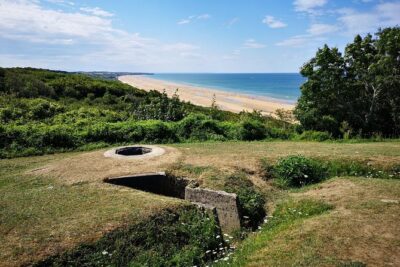
Normandy Battlefields Tour – American Sites (A3)
Read our review →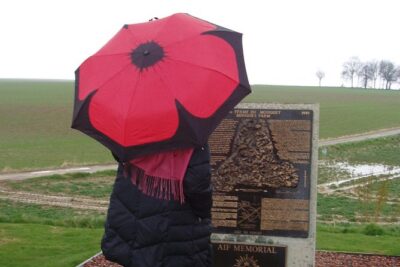
Somme Battlefields Small-Group Day Trip with John Monash Centre from Paris
Read our review →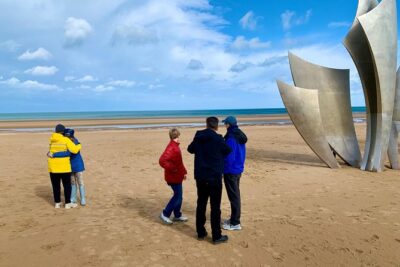
Normandy Battlefields D-Day Private Trip with VIP Services from Paris
Read our review →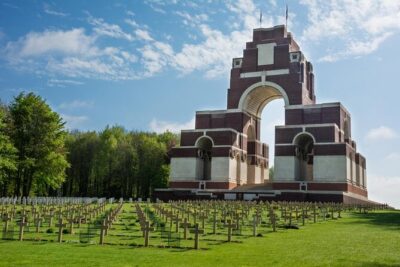
Somme Battlefields from Paris with Australian memorial & Amiens Cathedral
Read our review →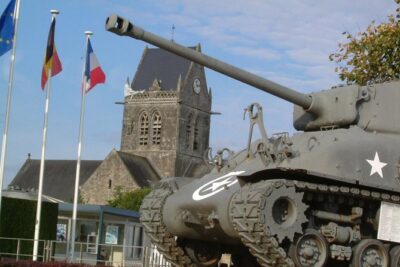
Full-Day US Battlefields of Normandy Tour from Bayeux (A3LST)
Read our review →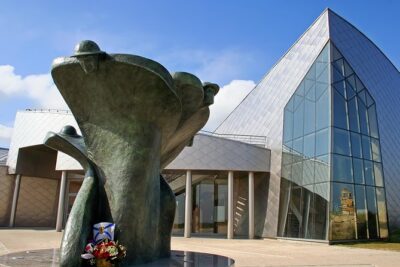
Full-Day Canadian Battlefields & sites Normandy Tour from Bayeux
Read our review →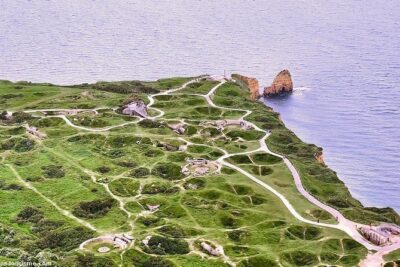
Private Day Tour including Normandy Landing Beaches & Battlefields from Bayeux
Read our review →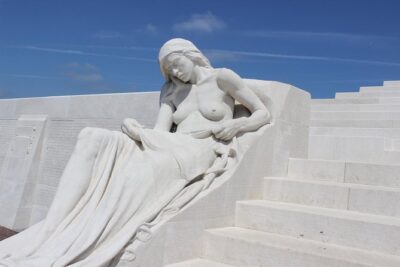
Browse the lists this tour appears in