
Reviewed · NORTHERN FRANCE TOURS
Private battle of Dunkirk Operation Dynamo Tour
The most useful thing about this private Dunkirk tour is that it connects three places that can be hard to understand from a map: the cemetery, the beach, and the port. Your guide uses the ground itself, along with photographs and maps when available, to explain how the evacuation unfolded.
I like the personal format, since you can ask questions and adjust the pace within the short visit. I also like the view from Malo-les-Bains, where you can see the long stretch of beach tied to the evacuation. The main drawback is simple: two hours goes quickly, and the Dunkirk Museum is not included.
Key points to know before you book
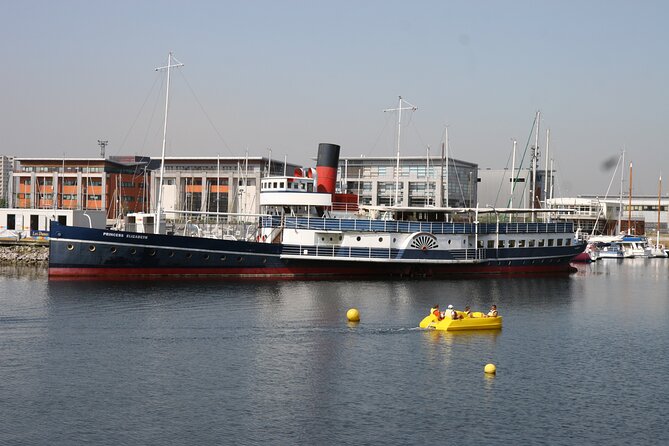
- The tour follows three central Dynamo sites: the Commonwealth War Graves cemetery, Malo-les-Bains beach, and the East Mole.
- Private transport keeps the visit easy: pickup and return are offered from selected Dunkirk hotels.
- The beach gives you the clearest sense of scale: the view covers much of the 20-kilometre evacuation shore.
- Guide quality is a major part of the experience: Emmanuel, Elise, Fred, Freddy, Onno, and others have been praised for clear explanations and a personal approach.
- The Dunkirk Museum is separate: plan extra time if you want displays, objects, and a more formal introduction to Operation Dynamo.
- Check the vehicle size before booking: the stated limit is up to three people in a car or eight in a minivan, despite the general group price being advertised for larger parties.
Why these three places make sense together
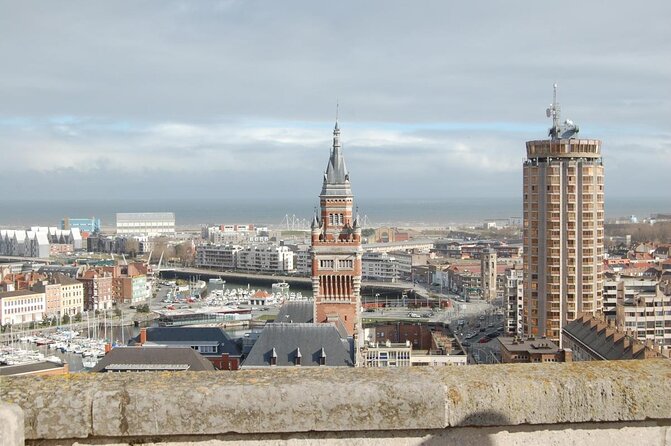
Operation Dynamo can feel confusing at first. The evacuation was not one event at one spot. It involved soldiers moving through streets and defensive positions, gathering at beaches, reaching the port, and waiting under attack for ships and small civilian boats.
This tour gives you three useful pieces of that story. At the cemetery, you begin with remembrance and names. At Malo-les-Bains, you see where large numbers of troops waited on open sand. At the port, you learn how the evacuation was organized from a working harbor.
I find that order helpful. You start quietly, then move to the broad beach, and finish with the practical problem of getting men out by sea. Since the tour is private, you can stop to ask how the sites fit together instead of simply moving from one point to the next.
The guides also add local context. Emmanuel is praised for his passion and for using a binder of photographs and maps. Elise has been especially appreciated for explaining both the French and British sides. Fred and Freddy are noted for military detail and vivid personal stories, while Onno has been praised for his friendly manner and links to the film Dunkirk.
Guide assignments can vary, so you should not book expecting one particular person unless the provider confirms it. The important point is that the tour depends heavily on the guide’s explanation. The sites themselves have limited interpretation, so the person in the vehicle matters.
A few more Northern France half-days worth comparing
- Entrance Ticket Nausicaa, the biggest aquarium in Europe
★ 3.5 · 1,135 reviews - Lille Driving Tour by Convertible Citroen 2CV
★ 4.9 · 711 reviews - Nausicaá National Sea Center: Full-Day Entry Ticket
★ 4.5 · 541 reviews
Starting at the Commonwealth War Graves cemetery
The first stop takes about 20 minutes at the Commonwealth War Graves site in Dunkirk. You enter through the columns of the Dunkirk Memorial and begin with the etched glass inside the memorial before walking to selected graves from the Second World War plot.
This is a short stop, but it gives the tour a proper human scale. The beach and port show movement and logistics. The cemetery reminds you that the evacuation did not erase the cost of the fighting around Dunkirk.
Admission is free, and the visit does not require a long walk according to the supplied details. Still, this is a place for a quieter pace. If you want time to read many individual names or explore the cemetery at length, 20 minutes may feel brief.
Your guide’s role is particularly useful here. A good explanation can show how the memorial fits into the wider story rather than treating it as a quick photo stop. You can also ask questions about the dead, the fighting, and what happened to Dunkirk after the evacuation.
The cemetery works best as an opening stop because it keeps the tour from becoming only a military sightseeing trip. It places the people first.
Seeing the evacuation beach at Malo-les-Bains
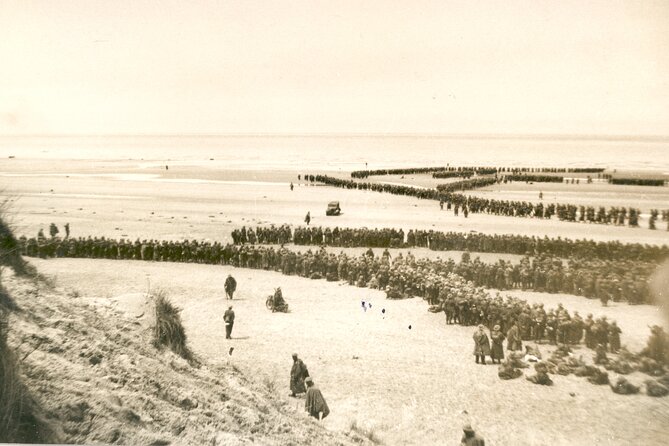
The 25-minute stop at Malo-les-Bains beach is likely to be the most striking part of the tour. This is where many soldiers waited for days under German attacks, hoping to be taken across the Channel.
From the beach, your guide can point out the long sweep of shore connected with the evacuation. The full stretch is described as about 20 kilometres, with roughly 100,000 soldiers taken to England from this area. That scale is hard to grasp from a book. Standing on the sand and looking along the coast makes the problem more physical.
The beach is also where weather matters. Dunkirk can be windy, and one guide noted that even poor weather is part of the local experience. Bring a jacket, even if the forecast looks mild, and wear shoes suited to a beach stop. Bottled water is included, which is useful, but food and other drinks are not.
I like this stop because it helps you picture the waiting. Soldiers were exposed, crowded together, and dependent on boats arriving under fire. The view is broad, but the story is tense and very immediate.
There is a limit, though. The beach itself does not provide a museum-style display. If you arrive without any background, the guide’s narration will do most of the work. That is why I would strongly consider visiting the Dunkirk Museum before or after the tour. It is not included, but it is described as a must-see for anyone who wants to understand Operation Dynamo in greater depth.
Several guides also add film connections. One guide took a group to the street used in the opening scene of Christopher Nolan’s Dunkirk, and another explained details about the film’s production. That can be fun if you know the movie, but the main value of the beach is the real event, not the screen version.
Understanding the East Mole and the port
The final scheduled stop is at the Grand Port Maritime of Dunkirk, with attention to the East Mole. This was the main point of evacuation during Operation Dynamo.
Here, the story changes from waiting to organization. Your guide explains how the evacuation from the port was arranged and why this part of Dunkirk mattered. The port makes it easier to understand that the operation depended on routes, loading points, ships, and timing, not just courage on the beach.
The East Mole is also useful because it gives you another angle on the event. At Malo-les-Bains, you see the exposed shore. At the port, you consider how men were moved from land onto ships. The two places are close enough to connect, but they show different problems.
The stop lasts about 20 minutes and admission is free. The time should be enough for an explanation and a look around, but not for a long independent exploration. If you want a slower visit, tell the guide what interests you most at the start.
One past suggestion was to extend the tour toward Gravelines, the Aa Canal, and the shrinking defensive perimeter. Those areas help explain how French and British forces held back German troops while the evacuation continued. They are not part of the stated three-stop route, so you should not assume they will be included. Ask in advance if that wider military story is important to you.
Same trip, a completely different kind of day:
- Unique Tour of Lille by Convertible 2CV – 1h00
★ 5.0 · 470 reviews - Somme Battlefields Small-Group Day Trip with John Monash Centre from Paris
★ 4.5 · 270 reviews - Somme Battlefields from Paris with Australian memorial & Amiens Cathedral
★ 5.0 · 228 reviews - Lille: 24, 48 or 72-Hour City Pass & 24-Hour Transportation
★ 4.3 · 205 reviews
What the private format really gives you
The main benefit is not luxury. It is flexibility and conversation.
A private guide can answer questions about the French perspective, British decisions, the military situation, the city after the evacuation, and links to the film. Several guides have been praised for adapting to families, special schedules, and last-minute requests. One guide even adjusted the visit for a family member with a burnt hand, while another changed the plan to create a special moment for a group.
That does not mean every request can be accepted. The tour lasts about two hours, and the three stops are set out clearly. But a private format makes it easier to pause, ask for clarification, or spend a little more time on the subject that matters most to you.
It also works well for families. Teenagers and children as young as 12 have enjoyed the tour when the guide kept the story active and connected it to real places. I would choose this over a large group outing if your family has different levels of interest, since the guide can explain without making anyone feel lost.
The vehicle size needs careful attention. The information gives a general price of $193.50 per group, with private transport, but the stated booking limits are up to three people for a car or eight for a minivan. The general description also refers to groups of up to 15, so confirm the correct vehicle and capacity before paying. That is especially important if you are booking for a larger party.
Price, timing, and what is included
At $193.50 per group, the value depends on your group size and your priorities. For one or two people, it is a fairly substantial cost for about two hours. For a family or small group sharing the vehicle, the price becomes easier to justify because it covers a private guide, transport, and hotel pickup and return from selected hotels.
The tour includes the guide or driver-guide, private transportation if booked, bottled water, and hotel pickup and drop-off where available. Food and drinks beyond the stated water are not included.
The short duration cuts both ways. You can fit it into a morning or afternoon and still have time for the museum or another Dunkirk activity. But you are paying for interpretation and transport rather than a long day of sightseeing. One person found the price high for the length and the close distance between the sites. That is a fair concern.
I would book it if you want help making sense of the sites and value having your own guide. I would hesitate if you prefer to explore slowly on foot, read displays independently, or spend a full day on the wider battlefield.
The tour is booked, on average, 52 days ahead, so advance planning is sensible during busy periods. Confirmation is issued at booking. Free cancellation is available up to 24 hours before the start time. Changes or cancellations inside that window are not accepted for a refund.
Who will get the most from this tour
I would recommend it most strongly to:
- Families who want a clear, manageable introduction to Dunkirk.
- People who have seen Dunkirk and want to separate film scenes from the real places.
- Visitors with limited time who need private transport between the main sites.
- Military history readers who want to ask detailed questions on the ground.
- First-time visitors who do not want to work out the port and beach locations alone.
It is less suitable if you want a broad tour of the entire defensive battle. The stated route focuses on the cemetery, beach, and East Mole. Gravelines, the Aa Canal, and the full defensive perimeter are not included.
It is also not a museum replacement. I would pair the tour with the Dunkirk Museum, especially if this is your main reason for coming to town. The museum can provide the basic framework, while the private visit lets you see where the events happened.
Practical ways to improve your visit
Start with the museum if you can. One visitor found that seeing the museum first made the guided stops much easier to understand. If your schedule does not allow that, ask your guide for a short overview before leaving the meeting point.
Bring a warm outer layer for Malo-les-Bains. Wind can change the feel of the beach quickly, and the visit is outdoors. Bottled water is supplied, but bring any other drink or snack you need.
Tell the provider your group size clearly. The difference between a car for three and a minivan for eight affects comfort and price value. Hotel pickup is available only from selected hotels, so verify that detail before the day of the tour.
Use the private format. Ask about the French experience, the British withdrawal, the role of the port, the city after 1940, or the film locations. The guides are praised for answering questions, and this is where a private tour earns its keep.
Should you book the Operation Dynamo tour?
Yes, if you want a well-explained introduction to the three most useful Dunkirk locations and prefer private transport. The strongest parts are the guide-led storytelling, the wide view from Malo-les-Bains, and the chance to connect the cemetery, beach, and port in one compact visit.
I would book it as part of a larger Dunkirk day, not as your only activity. Add the museum, and ask about the tour’s vehicle size and pickup location. If you want the wider defensive battle around Gravelines and the Aa Canal, request that information before booking or look for a longer battlefield tour.
The high 4.9 rating from 99 published ratings and 98 percent recommendation figure point to consistently strong guide performance. Still, the short duration and limited route mean the value rests on your interest in personal explanation. For a small group that wants context, questions, and an easy way to reach the key sites, it is a sensible choice.
FAQ
How long does the private Operation Dynamo tour last?
The tour lasts approximately two hours.
What sites are included?
The scheduled stops are the Commonwealth War Graves cemetery in Dunkirk, Malo-les-Bains beach, and the Grand Port Maritime of Dunkirk, including the East Mole.
Is the Dunkirk Museum included?
No. The museum is not included, but it is recommended as an additional visit for people interested in Operation Dynamo.
Is hotel pickup available?
Hotel pickup and drop-off are available from selected Dunkirk hotels. The stated meeting point is 1874 Rue des Chantiers de France, 59140 Dunkerque, France.
Does the tour include private transportation?
Yes, private transportation is included if booked. The tour also includes a guide or driver-guide.
How many people can join the tour?
The additional booking information states a maximum of three people for a car tour or eight people for a minivan tour. The general description also refers to groups of up to 15, so confirm the correct capacity before booking.
Is food included?
No. Food and drinks are not included unless specifically stated. Bottled water is included.
Is the tour offered in English?
Yes. The tour is offered in English.
Can I cancel for a full refund?
Yes, if you cancel at least 24 hours before the experience start time. Cancellations or changes made less than 24 hours before the start time are not accepted for a refund.
Just added around Northern France
- Somme Battlefields from Paris with Australian memorial & Amiens Cathedral★ 5.0 · 228 reviews
- Private guided tour by electric bike taxi★ 4.7 · 168 reviews
- WWI Somme Battlefields Day Trip from Paris★ 4.9 · 111 reviews
- Lille: 24, 48 or 72-Hour City Pass & 24-Hour Transportation★ 4.3 · 205 reviews
- NO DIET CLUB – LET’S GET THICK IN Lille !★ 4.8 · 93 reviews
- Musee Somme 1916 Admission Ticket★ 4.5 · 105 reviews
- Private Round Trip Transfer to Vimy Ridge from Arras★ 5.0 · 164 reviews
- Somme Battlefields Small-Group Day Trip with John Monash Centre from Paris★ 4.5 · 270 reviews
Northern France Tours, compared.

Entrance Ticket Nausicaa, the biggest aquarium in Europe
Read our review →

Somme Battlefields Small-Group Day Trip with John Monash Centre from Paris
Read our review →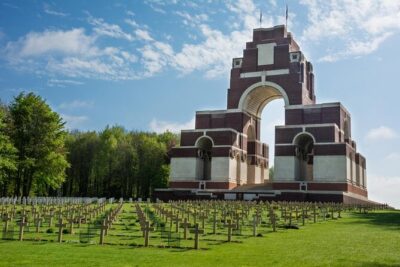
Somme Battlefields from Paris with Australian memorial & Amiens Cathedral
Read our review →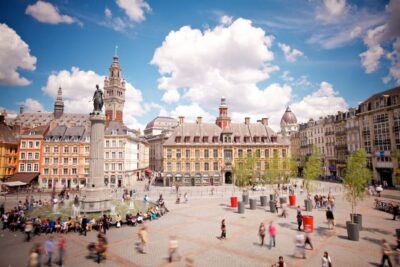
24, 48 or 72-Hour City Pass & 24-Hour Transportation
Read our review →
Browse the lists this tour appears in