
Reviewed · WINE TOURS
Champagne experience with a vintage van from Epernay – 3 hours
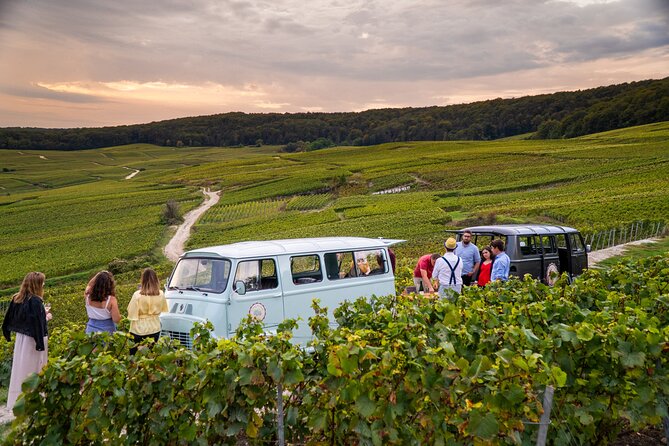
A vintage van, a vineyard stop, and a small family cellar make this a pleasant way to see Champagne beyond the famous names. You roll out from Épernay along the Avenue de Champagne, pass grand houses such as Moët & Chandon and Bollinger, then trade polished facades for working vines and a smaller producer.
I like the small group of no more than seven and the chance to stop among the vines near Aÿ-Champagne. I also like the clear focus on one family estate, where you see the cellar, equipment, and production process before tasting three glasses. The main thing to understand is that all three wines come from this one producer, not from three different Champagne houses.
Key points to know before booking
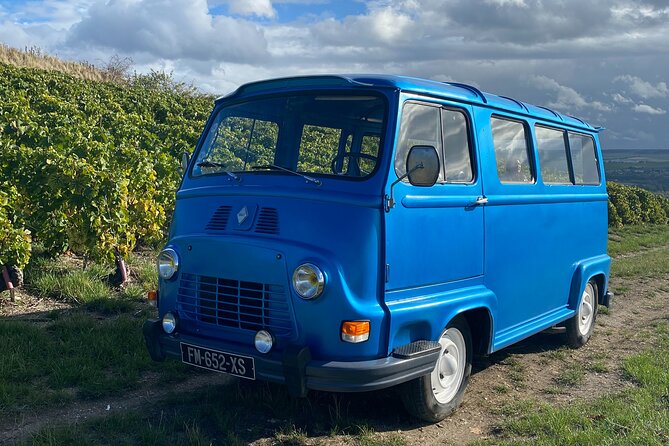
- The vintage van is part of the experience: Vehicles such as Marcel and Gaston add old-fashioned charm, but they can be warm and bumpy.
- You visit one producer: The cellar visit and three-glass tasting take place at a single family Champagne estate.
- Aÿ-Champagne provides the vineyard stop: You learn about pruning, harvest work, grape varieties, and the yearly cycle of the vines.
- Oger is a Grand Cru village: The tour combines village scenery with a practical look at Champagne production.
- The tour lasts about three hours: It begins and ends at the Épernay tourism office on Avenue de Champagne.
- Morning or afternoon matters: The van may feel hot during warm weather, so an earlier departure can be more comfortable.
Why this Épernay tour feels different
Many Champagne outings revolve around a grand house, a polished visitor center, and a carefully staged tasting room. This one takes a more local route. You see the grand names from the road, but the main visit is with a smaller grower in the countryside.
That distinction matters. The grand houses on Avenue de Champagne help you understand the scale and fame of the region. The family producer in Oger shows you the working side of it. You get both views in a short outing, though only one cellar visit is included.
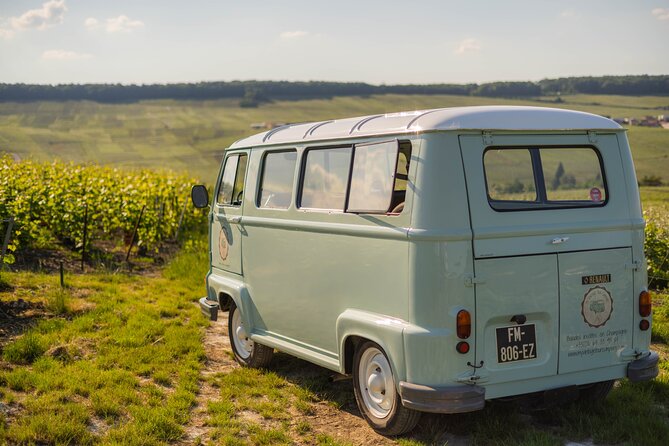
The old van gives the trip its personality. Previous vehicles have included Marcel and Gaston, both described as vintage vans. You are not signing up for modern coach comfort. One vehicle has been described as having no seatbelts and little suspension, while another passenger found it comfortable but hard to hear the guide from the back.
I would treat the van as part of the fun, not simply as transportation. It is charming, photogenic, and suited to a slow ride through village roads. If you need a very quiet, smooth, air-conditioned vehicle, this may not be your ideal Champagne outing.
More Wine Tours in Epernay:
- From Reims: Champagne and Family-Run Wineries Tour
★ 4.8 · 671 reviews - The Essential Tour from Epernay with Champagne Tasting
★ 4.9 · 120 reviews - From Epernay : Bubble Champagne Tour 6 tastings
★ 4.7 · 108 reviews
Starting on Avenue de Champagne
Meet at the Office de Tourisme d’Épernay at 7 Avenue de Champagne. This is a convenient starting point because the avenue itself is one of Épernay’s main attractions.
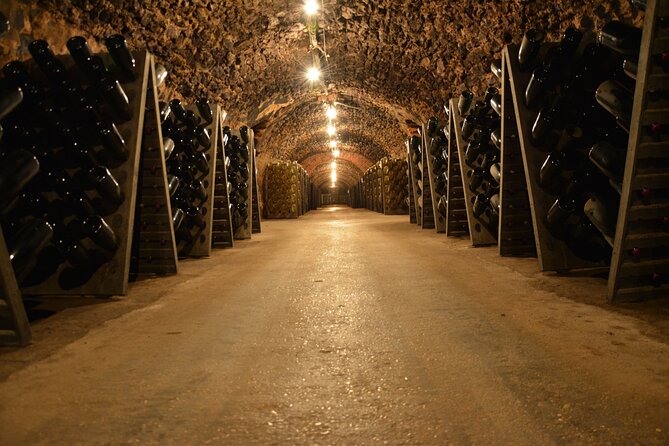
Your guide explains the story of the street as you pass famous houses including Moët & Chandon, Pol Roger, Mercier, and De Venoge. Beneath Épernay are about 100 kilometers of cellars holding millions of bottles. The underground scale helps explain why this modest-looking town matters so much to the Champagne trade.
You will not tour each of these famous cellars on this experience. Instead, you see their grand entrances and hear how the avenue fits into the region’s wine industry. That makes this portion useful as an introduction, especially if you have just arrived in Épernay and want to get your bearings.
The guide is an important part of the experience. Names associated with this tour include Anaïs, Maëva, Justine, and Clément. The strongest descriptions focus on guides who explain clearly, answer questions, and bring a personal connection to Champagne. Anaïs, in particular, has been praised for her local family ties and lively manner.
Because the van is small, commentary can be difficult to hear from the back. If you are seated there, ask the guide to repeat anything you miss. The tour may also be given in two languages if the group includes French and English speakers, which can add time to each explanation.
Aÿ-Champagne and the working vineyards
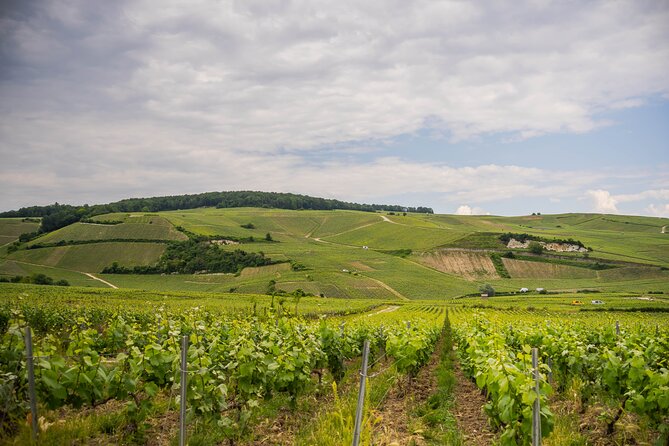
The first major stop is Aÿ-Champagne, a village with a long connection to prestigious Champagne production. You pass houses such as Deutz and Bollinger, then head into the vineyards outside the village.
This is the part that gives the outing its sense of place. You stop among the vines for photographs and a talk about the work that takes place throughout the year. Expect explanations of pruning, harvest, grape varieties, and the care needed before any bottle reaches a cellar.
The timing listed for this section is about 1 hour and 30 minutes, though that includes the wider route and village portion rather than a long formal visit at every point. The exact rhythm depends on the group and the guide. You should expect a drive through the countryside, a vineyard stop, and commentary rather than a full agricultural workshop.
I like this stop because it turns Champagne from a label into a physical place. You see the rows of vines, the villages that produce the grapes, and the slopes where the work happens. A guide who knows the area can explain why the region is more than a collection of famous bottles.
Bring a phone or camera if vineyard views matter to you. The stop is designed for photographs, and views over the vines and nearby villages are among the most appealing parts of the route. There is no separate tasting in the vineyard, however. The wine comes later at the family estate.
Oger, a Grand Cru village
The tour continues to Oger, a village classified Grand Cru. This gives you another look at the Champagne area, now focused on a village and production estate rather than the famous houses of Épernay.
At the family producer, you visit the cellar and see the winery and machinery. The guide or producer explains the Champagne-making process, from work in the vineyards to what happens inside the cellar. For someone new to Champagne, this is a useful basic course. You are not simply handed a glass and told to enjoy it. You get some context for what you are tasting.
The visit lasts about 1 hour and 30 minutes according to the stated schedule. It ends with three glasses of Champagne per person. The tasting is relaxed and connected directly to the producer you have just seen.
That arrangement has advantages. You can link the wine in your glass to the equipment, cellar, and family business behind it. The tasting also gives you three expressions from one estate, which can be more coherent than a random selection from unrelated producers.
It also creates the most important limit of the tour. If you want to compare Moët & Chandon with Bollinger, or taste bottles from several small houses, this is not the right format. You visit one domain and taste three Champagnes from that estate. The description makes that clear, but the point is worth repeating because some people naturally assume that three glasses means three producers.
A few more Epernay half-days worth comparing
- “Bordeaux by bicycle: a 3-hour tour immersive experience”
★ 5.0 · 525 reviews - Bordeaux: Essentials 3-Hour Bike Ride
★ 4.9 · 412 reviews - Ultimate Calanques Panoramic e-bike Ride – 3h (Small Group)
★ 4.5 · 335 reviews - 3 Hour of Sea Kayak Trip in the Creeks of Sete
★ 4.5 · 220 reviews
What the three-glass tasting is like
The tasting is the final part of the cellar visit, not a series of stops around the region. You receive three glasses per person from the family producer. The tasting is intended to show the producer’s style and help you connect the winemaking explanation with the finished wine.
At about $96.75 per person, the value depends on what you want from Champagne. The price is reasonable if you value a small group, an English-speaking guide, vineyard transport, a cellar visit, and a direct look at a smaller estate. It is less compelling if your main goal is simply to drink several glasses or visit multiple famous houses.
Bottle purchases are not included. You can buy Champagne separately at your own expense, but the tour price covers the visit and tastings rather than take-home bottles.
I would not judge the tasting by quantity alone. Three glasses can be enough when the guide explains how the wines differ and why they fit the producer’s style. Still, if you are a serious wine shopper, ask questions about the wines and take notes. The small producer setting may offer a more personal buying experience than a major brand, but no bottle purchase is required.
Comfort, timing, and group size
The maximum group size is seven. That is a real advantage in a vintage vehicle. You get more room for questions than you would on a large coach, and the guide can usually respond to the group’s interests.
The tradeoff is the vehicle itself. A vintage van may be warm on a sunny day, and the suspension can be rough. One practical suggestion is to book the morning in hot weather. An afternoon departure can work well if you want a leisurely morning in Épernay, but the van may feel hotter as the day goes on.
The tour is offered in English. If another language is included in the group, explanations may be repeated in both languages. That is considerate and useful, but it can make the ride feel slower. Ask your guide questions during the stops, where it is easier to hear than while the van is moving.
Most people can participate, and service animals are allowed. The meeting point is near public transportation, and the activity returns to the same tourism office. Alcohol consumption requires a minimum age of 18.
Allow a little flexibility around the three-hour estimate. The tour is designed to move at an unhurried pace, and a vintage vehicle is not built for rushing. That slower rhythm suits the countryside, but it may matter if you have a train or another booked activity soon afterward.
The guides and the tone of the outing
The guide can make or break a short regional tour, and this experience depends heavily on that personal connection. Anaïs has been described as fun, friendly, and tied to the area through her family. Maëva has been praised for answering questions and sharing a clear passion for Champagne. Justine has been singled out for her pleasant manner and strong explanations.
Clément has also been praised for clear English and an ability to answer questions. Since guide assignments can change, you should not book expecting one particular person unless the provider confirms it. The useful pattern is that the guide provides the history, vineyard explanation, production details, and local perspective that tie the stops together.
The tone is relaxed rather than formal. You drive, stop for views, visit the cellar, and taste. This suits you if you want a friendly introduction without spending a full day at several large estates.
It may not suit you if you want a highly structured wine course or a long technical discussion about Champagne chemistry. The experience gives you a solid overview, but it remains a three-hour tour with a broad mix of scenery, village driving, and tasting.
Who should book this experience
I would recommend it to a first-time visitor who wants to see more than Épernay’s main avenue. It is also a good choice for couples, small groups, and wine lovers who prefer a family producer to a major commercial house.
You will get the most from it if you enjoy the journey between stops. The countryside drive, old van, village streets, and vineyard pause are not filler. They are central to the experience.
This tour is less suitable for you if you expect:
- Several Champagne houses in one afternoon
- A tasting from three separate producers
- A long stop at the famous brands on Avenue de Champagne
- Modern vehicle comfort
- A tasting in the vineyard itself
The tour is also not designed as a full-day wine route. Its strength is focus. In three hours, you get an introduction to Épernay, Aÿ-Champagne, Oger, vineyard work, one cellar, and three glasses from one estate.
Booking advice and cancellation terms
The tour is often reserved well ahead, with an average booking lead time of about 53 days. That suggests you should plan early if your schedule in Épernay is fixed, especially during a busy Champagne visit.
Pickup is offered, but the listed meeting point is the Épernay tourism office. Confirm the exact pickup arrangement when booking so you know where to wait. Your mobile ticket and booking confirmation should be available at the start.
Free cancellation is available if you cancel at least 24 hours before the local start time. Cancellations or changes made less than 24 hours in advance are not refunded or accepted.
Should you book the vintage van tour?
Book it if you want a friendly, small-group introduction to Champagne with a strong local feel. The best parts are the vintage van, the vineyard stop near Aÿ-Champagne, and the chance to see a working family cellar in Oger before tasting three of its wines.
Skip it if your priority is comparing several producers or touring the famous houses from inside. You should also think twice if an old vehicle with limited suspension and possible heat sounds uncomfortable.
For most visitors, the value comes from seeing how the region fits together in a short time. You leave with more than three glasses of Champagne. You understand the avenue in Épernay, the vines around Aÿ, the Grand Cru setting of Oger, and the work behind a family producer’s bottle. Just book with the right expectation: one estate, three tastings, and a scenic ride through Champagne.
FAQ
Where does the tour begin?
The tour begins at the Office de Tourisme d’Épernay at 7 Avenue de Champagne, 51200 Épernay, France.
Where does the tour end?
The activity ends back at the meeting point in Épernay.
How long does the tour last?
The tour lasts approximately three hours.
Is pickup available?
Pickup is offered. The listed meeting point is the Épernay tourism office, so confirm the specific pickup details when booking.
How many people can join?
The tour has a maximum of seven travelers.
How many Champagne producers do you visit?
You visit one family Champagne producer and its cellar. The three glasses included in the tasting come from that estate.
How many tastings are included?
Three glasses of Champagne per person are included at the family producer’s estate.
What is the minimum age for the tasting?
The minimum age for alcohol consumption is 18.
Is the tour offered in English?
Yes. The experience is offered in English, though explanations may also be given in another language if the group requires it.
Just added around Epernay
- The Must-sees 3h30 from Epernay (Private Half day Champagne Tour)★ 5.0 · 30 reviews
- The Connoisseurs from Epernay (Private Half day Champagne Tour)★ 5.0 · 59 reviews
- Food & Champagne Experience from Epernay (Private tour)★ 4.5 · 28 reviews
- Bubble Champagne Tour from Epernay (Small group half day tour)★ 5.0 · 58 reviews
- From Epernay: Champagne Small-Group tour with tastings & Lunch★ 5.0 · 93 reviews
- Champagne Munoz Bruneau : Half Day Visit and Tasting★ 5.0 · 50 reviews
- Discovery tour (2 tastings)★ 5.0 · 77 reviews
- From Epernay Full day Electric bike Champagne and lunch★ 5.0 · 36 reviews
Wine Tours, compared.
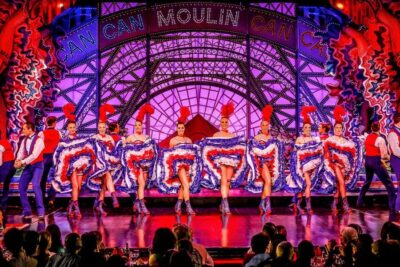
Moulin Rouge Cabaret Show Ticket with Champagne
Read our review →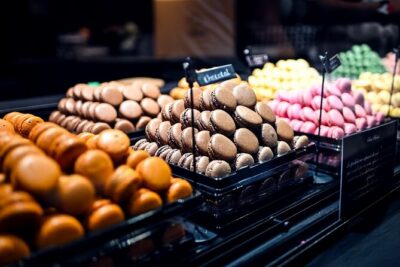
Authentic Parisian Gourmet Food Tour with 10 Local Dishes & Wines
Read our review →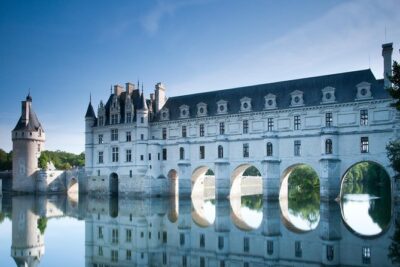
Loire Valley Castles Day Trip from Paris with Complementary Wine
Read our review →
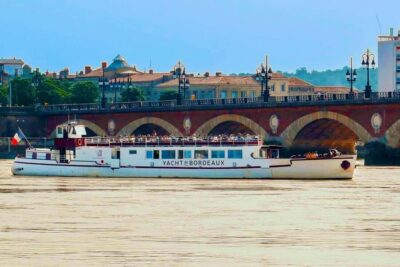
River Garonne Cruise with Glass of Wine and Canelé
Read our review →
Montmartre Hill French Gourmet Food and Wine Tasting Walking Tour
Read our review →
Montmartre Cheese, Wine & Pastry Guided Walking Tour
Read our review →
Paradis Latin Cabaret Show with Optional Champagne
Read our review →Browse the lists this tour appears in