
Reviewed · ALSACE TOURS
Entrance ticket for guided tour of the Maginot Line at the Michelsberg
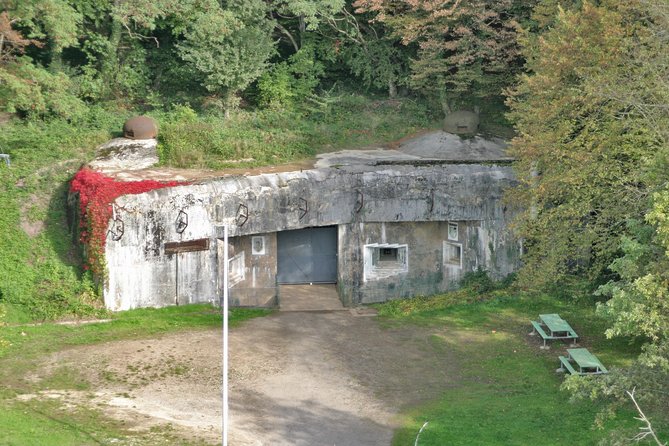
The striking thing about the Michelsberg fort is its scale. You enter a huge underground military complex built from concrete and steel, then follow its galleries through rooms where soldiers lived, worked, and prepared for attack. The fort also tells two stories: its role in the Second World War and its later return to military use during the Cold War.
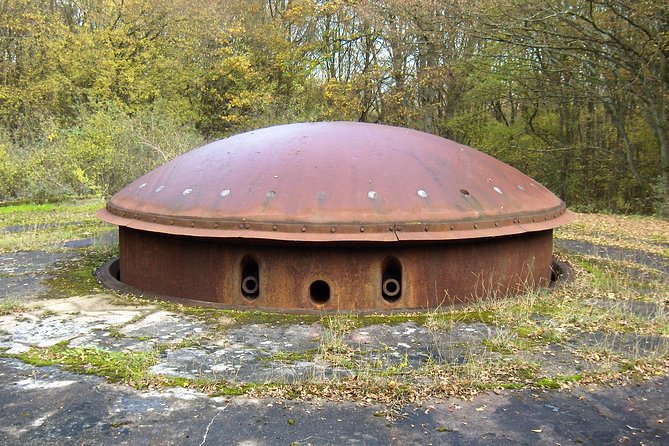
I like the low price and the fact that you get a full two-hour guided visit rather than a quick walk through a few displays. I also like the working feel of the place, with power generators that may be switched on and the huge turret machinery that could reportedly be operated by one man. The main drawback is the cold: parts of the fort are about 30 meters underground, and April visitors have found it chilly.
Key points before you book
- A real underground Maginot fort: Walk through the galleries and rooms of Ouvrage Michelsberg, not just a small museum exhibit.
- Two periods of military history: The guide explains the fort’s part in the Second World War and its later Cold War role.
- French or German tours: The group visit is offered in either language, which matters if you want to follow technical explanations closely.
- Working machinery adds atmosphere: Generators and large turret equipment help show how the fort functioned.
- Two hours for $9.29: This is an unusually inexpensive way to spend an afternoon in Lorraine.
- Come ready for the cold: Underground rooms can feel chilly even when the weather above ground is mild.
Entering the Michelsberg fortification
Ouvrage Michelsberg sits at Route de Dalstein in Ébersviller, in France’s Lorraine region. The meeting point is at the fort itself, so the central practical question is simple: you need to reach this address independently by the 2:30 pm start.
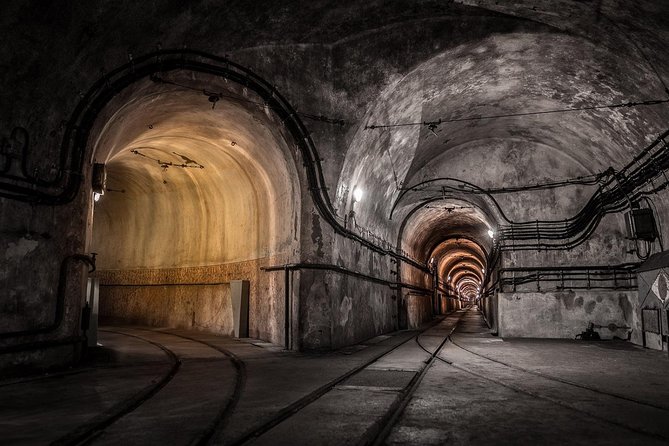
Once inside, the visit focuses on the fort as a working military site. You move through underground galleries, rooms, and equipment areas while your guide explains how the complex was built and used. This is not a polished, theatrical attraction. Its appeal comes from concrete, steel, machinery, and the sense of an enormous defensive system hidden below the surface.
The tour lasts about two hours. That gives the guide enough time to explain the fort without reducing the experience to a short photo stop. You should expect a steady indoor walking visit through a large complex, though the supplied information does not give a precise walking distance or list every room open on the day.
The maximum group size is 50 people. That is not a tiny private visit, but it keeps the tour organized and allows the guide to lead one group through the same underground route. If you prefer quiet, self-guided exploration, this format may feel structured. If you want the fort’s purpose and machinery explained as you go, the group setting is useful.
A few more France half-days worth comparing
- Strasbourg: Euro Guided Tour by Segway
★ 4.7 · 808 reviews - Colmar, Medieval Village & Castle Small Group from Strasbourg
★ 5.0 · 769 reviews - 2-Hour Strasbourg Euro Tour by Segway
★ 5.0 · 642 reviews
Why the Maginot Line still matters here
The Maginot Line is often reduced to a simple wartime story: France built a chain of defenses, and German forces bypassed much of it. Michelsberg gives you a more physical way to understand the system. Instead of seeing the line as a mark on a map, you see the concrete volume, underground rooms, steel equipment, and human labor needed to create one fortification.
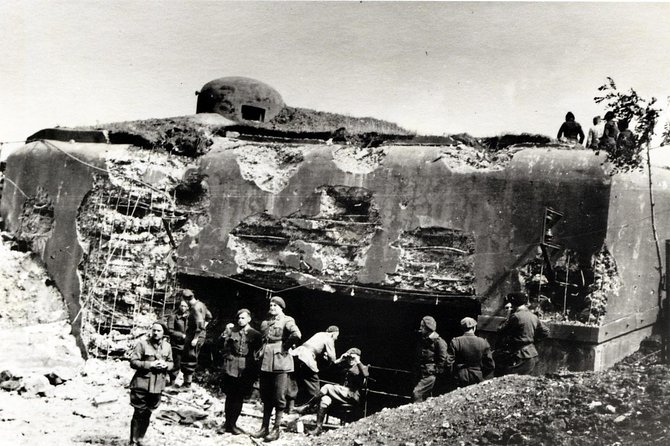
The fort resisted many attacks during the Second World War. That detail helps explain why the site is more than an abandoned bunker. It was designed to protect soldiers and control fire from a heavily fortified position. The thick construction and large-scale machinery show the military thinking of the period: permanent defenses, protected crews, and weapons that could operate while much of the fort remained underground.
The guide’s role is important here. A bare concrete corridor can be hard to read on its own. With an explanation, a room becomes part of a larger system, and a piece of machinery starts to make sense. You learn not only what you are looking at, but why the fort needed it and how soldiers used the space.
The Cold War chapter adds an unexpected turn. Michelsberg was not simply left behind after the Second World War. The Maginot Line was revived in anticipation of a possible Soviet advance. That later use makes the site a record of changing fears in Europe, from German attack to Cold War confrontation.
Following the two-hour route underground
The visit begins at the Ouvrage Michelsberg and stays within the fortification. The principal stop is the underground work itself, with the guide leading you through its galleries and many rooms. You may see soldier quarters, operational areas, technical equipment, and defensive machinery along the route.
The term underground galleries is important. You are not just looking at one bunker chamber. The fort is described as a labyrinth of substantial passageways and rooms, and the scale is one of the site’s strongest features. One account of the visit describes two hours spent in this underground world, including power generators and an enormous turret operated through surprisingly efficient machinery.
Expect the guide to connect daily life with military function. The soldiers of the Maginot Line did not simply wait behind a wall. They lived inside the fort, moved through its rooms, maintained equipment, and depended on power and organization to keep the position working. Seeing the living spaces alongside the machinery makes the experience more human.
The route also puts the fort’s size into perspective. It took large quantities of concrete to build a complex of this kind. You can appreciate the engineering better when the guide points out how a massive turret could be moved with a system requiring only one person to operate it. That detail gives the machinery a practical scale. The equipment was imposing, but it was designed to be controlled efficiently.
The information provided does not promise that every mechanism will operate during every visit. Still, working or switched-on generators have been part of the experience, and they can make the fort easier to understand than silent metal equipment behind a barrier. If machinery interests you, pay close attention during this section.
The daily life of the soldiers
The strongest part of Michelsberg may be the connection between military design and ordinary routine. Soldiers needed sleeping areas, work areas, power, and a way to move through the fort. As you turn through the rooms, the guide explains how people occupied this underground post and how the fort functioned as a controlled environment.
The scale can make the human side easy to miss. Concrete walls and steel mechanisms dominate the first impression. The guided explanation brings attention back to the men who operated the fort, maintained its equipment, and lived below ground during a tense period.
This is where a guide-led visit earns its small admission fee. At $9.29 per person, you are paying less than many short museum visits, yet you receive a structured account of the site and its working parts. You do not need a specialist background in military history to follow the tour. The fort itself provides the visual impact, while the guide supplies the order and meaning.
The group language matters. Tours are available in French or German. Choose the option you understand best, especially because underground fortifications can contain technical terms and details that are difficult to grasp from gestures or a few translated labels. No English option is stated in the available information, so English-speaking visitors should confirm the language before booking.
Same trip, a completely different kind of day:
- Paris: Louvre Museum Timed-Entrance Ticket
★ 4.6 · 71,977 reviews - Disneyland® Paris 1-Day Ticket
★ 4.6 · 49,412 reviews - Paris: Versailles Palace and Gardens Full Access Ticket
★ 4.6 · 41,579 reviews - Paris: Evening River Cruise with Music
★ 4.4 · 22,721 reviews
A cold, concrete, and memorable setting
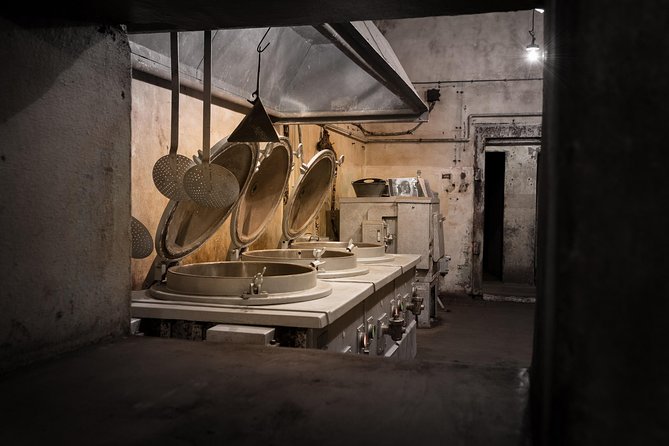
The temperature is a real consideration. One account places parts of the visit about 30 meters underground and notes that the fort was cold in April. That is no surprise, but it is easy to forget when planning a spring afternoon in Lorraine.
Bring a warm layer even if the weather above ground is pleasant. You may spend two hours below the surface, and the concrete interior can feel cool for the entire visit. Comfortable shoes are also a sensible choice for an underground walking tour, although the activity details do not specify the exact floor conditions or accessibility arrangements.
The cold is not only a nuisance. It helps you understand one small part of life inside a fort. The underground environment was protected from attack, but it was hardly comfortable. A visit in a cool season makes that contrast more apparent.
At the same time, do not treat the fort as a rugged outdoor expedition. The provided information says most people can participate, and the activity is presented as a standard guided visit. Exact details about stairs, lifts, seating, or wheelchair access are not given, so anyone with mobility concerns should ask the operator before booking.
Who will get the most from Michelsberg
I would recommend this tour to anyone interested in military history, engineering, twentieth-century Europe, or unusual places that do not fit the usual sightseeing route. The visit is especially good for people who prefer seeing an original structure to viewing a collection of objects in a display case.
It also suits families with older children who can follow a two-hour explanation and appreciate the size of the fort. The concrete rooms, generators, and turret systems give the visit something to look at even when the historical details become technical.
You may enjoy it less if you want a fast, flexible attraction with lots of bright exhibits and easy independent wandering. The tour follows a guide and takes place underground, so you have less control over the pace. The group can contain up to 50 people, which may also make it harder to hear or ask questions at busy moments.
Language is the other major filter. French and German are the stated tour languages. If you do not understand either, the fort may still be visually impressive, but you will miss much of the explanation that makes the rooms and equipment meaningful.
The value of a $9.29 admission
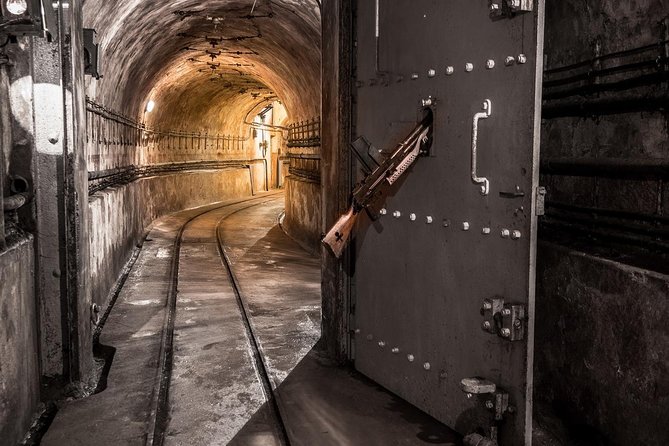
At $9.29 per person, Michelsberg is easy to justify if you are already in the area and can reach Ébersviller without a costly detour. You receive about two hours of guided time, access to the fort, and an explanation of both its wartime and Cold War roles.
The value is not based on luxury. There is no indication of transport, food, a large visitor center, or a polished multimedia show. You are paying for access to a substantial historic site and for a guide who explains what you are seeing.
That distinction is useful when planning. If you want a complete day trip with several included services, this is not that product. If you want an inexpensive, focused visit to a major underground fortification, the price is strong.
The normal booking pattern is about 13 days ahead, so you do not need to reserve months in advance based on the available information. Still, a reservation gives you a confirmed place in the selected language and time slot. Confirmation is issued when you book.
Free cancellation is available if you cancel at least 24 hours before the 2:30 pm start time. Cancellations or changes made less than 24 hours ahead are not refunded or accepted, so keep the local cut-off time in mind.
Planning the afternoon at Route de Dalstein
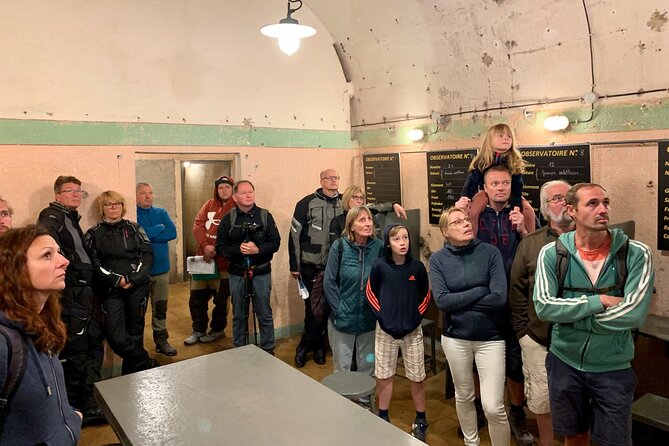
The tour begins at 2:30 pm and ends back at the same meeting point. That makes it simple to combine with other plans only if you can reach the fort on time and allow enough margin for rural or unfamiliar roads. No transportation from another city is included in the supplied details.
Because the visit takes place below ground, prepare for conditions that differ from the weather at the entrance. Bring a warm layer, and consider the needs of anyone in your party who finds enclosed spaces or long guided visits difficult.
The maximum group size is 50. That is the upper limit, not a promise that every departure will have that many people. Still, you should expect a conventional group tour rather than a private guide.
The operator is Ouvrage Michelsberg. The guide is described as a professional guide, but no individual guide names are supplied. The experience is available in French or German, so language selection is one of the most important details to check before you pay.
Should you book the Michelsberg Maginot Line tour?
Book it if you want a substantial historic site at a modest price, can follow French or German, and are happy to spend two hours underground. The fort’s scale, working equipment, soldier quarters, and Cold War afterlife give the visit more depth than a simple bunker stop.
Think twice if you need English guiding, have mobility concerns that require confirmed facilities, or dislike cold enclosed spaces. Those details are not fully specified, so ask before booking rather than guessing.
For the right visitor, Michelsberg is a practical and memorable stop in Lorraine. You leave with a clearer sense of how the Maginot Line worked, what life below ground demanded, and why these fortifications continued to matter after the Second World War.
FAQ
Where does the Michelsberg Maginot Line tour begin?
The tour begins at Ouvrage Michelsberg, Route de Dalstein, 57320 Ébersviller, France.
What time does the tour start?
The stated start time is 2:30 pm.
How long does the visit last?
The guided visit lasts approximately two hours.
What languages are available?
The group tour is available in French or German.
Where does the tour end?
The activity ends back at the original meeting point at Ouvrage Michelsberg.
How many people can join the group?
The maximum group size is 50 people.
How much does the experience cost?
The listed price is $9.29 per person.
Can I cancel for a full refund?
Yes. You can cancel at least 24 hours before the experience start time for a full refund. Cancellations or changes made less than 24 hours before the start time are not accepted or refunded.
Just added around France
- Paris at the First Lodges – Ducasse sur Seine dinner cruise★ 4.0 · 165 reviews
- Paris at the First Lodges – Ducasse sur Seine Lunch Cruise★ 4.5 · 70 reviews
- Disneyland® Paris 1 Day with Round-Trip Train Tickets from Paris★ 4.0 · 50 reviews
- Explore speakeasies and hidden bars, sip meet & socialize★ 4.5 · 47 reviews
- Disneyland® Paris Express Shuttle with Admission Ticket from Central Paris★ 3.5 · 172 reviews
- Paris Cheeses and Wines Tour de France with Tasty Games★ 5.0 · 32 reviews
- Musée Orsay Highlights Tour – Best of Impressionism & Hidden Gems★ 5.0 · 27 reviews
- Private Tour: Discover Paris with Local, 3 hours on a Segway★ 5.0 · 71 reviews
Alsace Tours, compared.
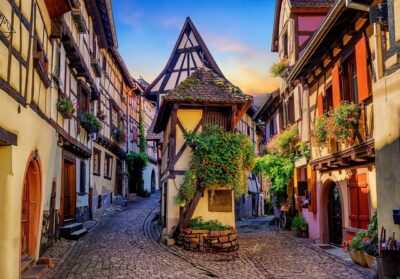
Colmar, Medieval Village & Castle Small Group from Strasbourg
Read our review →

Strasbourg Food Tour – A Taste of Tradition by Do Eat Better
Read our review →

Strasbourg: Guided Bike Tour with a Local Guide
Read our review →Browse the lists this tour appears in