
Reviewed · GOURMET EXPERIENCES
Entrance ticket to the Escoffier Culinary Art Museum
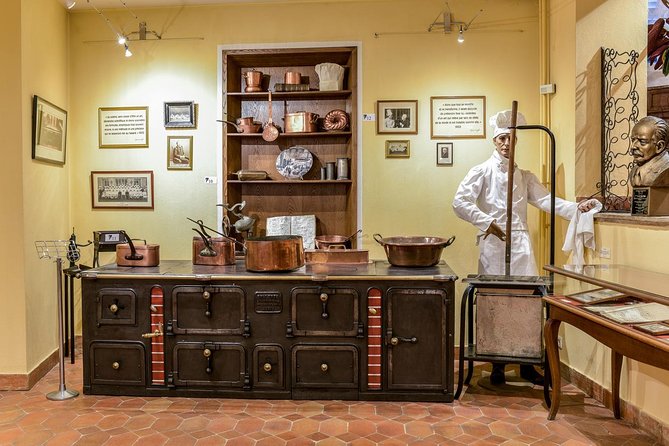
The Escoffier Culinary Art Museum takes you into the 18th-century Provençal house where Auguste Escoffier was born, then uses ten small exhibition rooms to explain why this chef still matters. You’ll see personal belongings, old kitchen furniture, menus, and eye-catching sugar and chocolate sculptures in the only museum of culinary art in France.
I like the compact 45-minute visit, which fits neatly into a day on the French Riviera, and the well-kept displays and friendly staff. The $8.47 admission is modest for a focused museum with a clear subject. The main drawback is that an audioguide is not included, so you’ll need to read the displays yourself or pay extra for more explanation.
Key points at a glance
- Auguste Escoffier’s birthplace: Walk through the 18th-century Provençal house where the celebrated chef was born.
- Ten exhibition rooms: The museum covers about 300 square meters, making it easy to see in one short visit.
- More than old cookware: Expect personal objects, historic kitchen furniture, menus, and decorative sugar and chocolate work.
- A useful Riviera stop: The museum is in Villeneuve-Loubet and sits near public transportation.
- Flexible mobile entry: Your ticket is delivered digitally, and admission is included in the booking.
- Plan around the hours: The museum closes from 1 to 2 p.m. and every year from December 1 through January 8.
Why Escoffier still matters in this small Riviera museum
Auguste Escoffier is presented here as more than a famous cook. He was humanist, inventor, and organizer, a figure whose ideas helped shape modern French gastronomy. The museum gives you a chance to see the person behind the name through the rooms he once occupied and the objects connected with his work.
That setting matters. This is not a large modern food center built around interactive screens or restaurant demonstrations. It is a historic house with a personal scale. You move from room to room, looking at material traces of a chef whose influence reached far beyond one kitchen.
For anyone interested in French cooking, the visit offers useful context. You can connect the formal side of gastronomy, menus, kitchen tools, and professional practice with the more personal side, including Escoffier’s belongings and birthplace. Even if you are not a serious cook, the museum gives a clearer idea of how culinary reputation was built before television and social media.
The museum was created more than 50 years ago, which also helps explain its character. It is an established cultural institution rather than a new attraction chasing a trend. The displays focus on food as craft, profession, and cultural tradition.
More Gourmet Experiences in French Riviera:
- Bateaux Parisiens Seine River Gourmet Dinner & Sightseeing Cruise
★ 4.5 · 6,930 reviews - Paris : 3-Course Gourmet Dinner Cruise on Seine River
★ 4.3 · 5,205 reviews - Authentic Parisian Gourmet Food Tour with 10 Local Dishes & Wines
★ 5.0 · 4,754 reviews
Entering the 18th-century Provençal house
The first pleasure is the building itself. The museum occupies an 18th-century Provençal house in the village of Villeneuve-Loubet, not a purpose-built gallery. That gives the visit a sense of place from the moment you enter.
You should expect rooms with a domestic scale rather than vast halls. The compact layout works well for a short stop, especially if you are fitting the museum between other Riviera sights. It also means the visit feels focused. You are not walking through miles of material or trying to decide which sections to skip.
The house is the birthplace of Escoffier, so the museum’s strongest idea is simple: this is where his story begins. The setting keeps the subject grounded. Instead of treating him as a distant culinary legend, the museum connects him to an actual home in a specific Provençal village.
The building may be less suitable if you want a highly interactive experience or a full afternoon attraction. The information provided describes exhibition rooms and objects, not cooking classes, tastings, or live demonstrations. Plan on looking, reading, and absorbing the setting rather than participating in a food activity.
Ten rooms, 300 square meters, and a clear route
The museum spreads its collection across ten exhibition rooms covering about 300 square meters. That is enough space for variety, but not so much that you need a map or a full morning.
The room-by-room layout lets the museum present several sides of culinary life:
- Escoffier’s personal objects give the chef a human presence.
- Old kitchen furniture shows the equipment and working environment of an earlier period.
- Menus reveal how meals were planned and presented.
- Sugar and chocolate sculptures bring a more artistic side to the collection.
- A yearly temporary exhibition adds a changing subject to the permanent displays.
I like this mix because it avoids making the whole visit about one kind of object. A collection of cookware alone could feel dry. A biography alone could leave you wanting more evidence. Here, the menus, furniture, personal items, and decorative work give you several ways into the story.
The menus are especially useful for understanding food as a social experience. They are not simply lists of dishes. They can show how meals were organized, what diners were offered, and how formal dining was presented. The museum’s impressive menu collection is one of the more distinctive reasons to visit, since it gives the subject a visual record beyond portraits and kitchen tools.
The sugar and chocolate sculptures add color and visual appeal. You should not mistake them for a tasting opportunity, since admission covers the museum only. Their value is artistic and historical: they show how culinary work can move into decoration, display, and fine presentation.
What the temporary exhibition adds each year
Alongside the permanent material, the museum presents a temporary exhibition each year devoted to a particular theme. The exact subject changes, so you should treat this as a bonus rather than the main reason to buy your ticket.
That changing element gives repeat visitors something new to see. It also prevents the museum from becoming fixed entirely in Escoffier’s biography. A temporary display can place his work in a wider culinary setting or focus on a related part of food culture.
Because the subject changes annually, check the current theme if it matters to your plans. The supplied details do not specify the exhibition running on your visit, so I would not book based on a particular temporary display unless you confirm it directly.
More museums and galleries in French Riviera:
- Nice: Allianz Stadium and National Sports Museum Tour
★ 4.5 · 301 reviews - Antibes: Picasso Museum Drawing Tour Led by Local Artist
★ 5.0 · 39 reviews - Visit Marc Chagall Museum
★ 5.0 · 28 reviews - Paris: Louvre Museum Timed-Entrance Ticket
★ 4.6 · 71,977 reviews
Is $8.47 good value for 45 minutes?
At $8.47 per person, the ticket is fairly priced for a specialized museum. You are paying for access to a historic birthplace, ten rooms, and a collection that includes unusual objects such as old kitchen furnishings, menus, and edible-art forms preserved as sculptures.
The value is strongest if you already have an interest in French food, culinary history, or Escoffier himself. You get a concentrated look at one important figure rather than a broad museum with a little food material tucked into one corner.
The calculation changes if you expect a food tasting or a guided culinary event. None is included. Admission is simply entrance to the museum, and the audioguide is a separate rental. If you want spoken interpretation, add that cost before deciding how the visit fits your budget.
The short duration helps the value in another way. You can visit without giving up half a day on the Riviera. A 45-minute museum stop works well as part of a village outing or as a weather-proof break from outdoor sightseeing.
Timing your visit around the split opening hours
The museum is open Monday through Sunday from 10 a.m. to 1 p.m., then from 2 p.m. to 6 p.m. That daily schedule gives you plenty of possible arrival times, but the one-hour closure matters.
Do not arrive just before 1 p.m. expecting to walk straight in and finish after lunch. If your schedule places you in Villeneuve-Loubet around midday, either go before 1 p.m. or plan for the afternoon reopening.
A 45-minute visit fits comfortably within either session. You can arrive at 10 a.m. for a quiet start to the day, stop in during the afternoon, or visit later before the 6 p.m. closing time. Since opening hours are listed for every day of the week, you are not limited to a weekday visit.
The museum closes annually from December 1, 2025, through January 8, 2026, inclusive. This is the most important seasonal exception in the available information. If your Riviera trip falls during that period, you will need another plan.
Getting there and handling the mobile ticket
The museum is near public transportation, which makes it practical if you are not driving. The information provided does not specify a particular bus, train, or station, so check your route before leaving rather than relying on the general location alone.
Your ticket is mobile, and confirmation is sent at the time of booking. Keep the booking available on your phone when you arrive. This is a simple advantage for a short museum stop: you do not need to collect a paper ticket or arrange a separate exchange.
The museum is in the heart of Villeneuve-Loubet, so the location suits a day built around the village. Still, the available details do not give an exact meeting point beyond the museum itself. Allow enough time to find the entrance, especially if you are arriving by public transportation.
The physical demand is listed as moderate. Nothing in the description suggests a strenuous outing, but you should be comfortable standing and moving through several exhibition rooms. The building is historic, so visitors with specific mobility needs should confirm current access details before booking.
What the audioguide changes
The audioguide is not part of the admission ticket. That detail is easy to miss, but it affects how you experience the collection.
Without it, you will rely on the museum’s written displays and your own pace. This may suit you if you prefer to look quietly and spend more time with objects that catch your eye. It also keeps the basic ticket price low.
An audioguide can be useful if you want more background on Escoffier, the house, or the objects. Since the visit is short and the collection has a specialized subject, extra explanation may help you get more from the rooms. The available information does not identify the guide’s language options or rental price, so ask at the museum if those details matter.
I would not treat the lack of an included audioguide as a serious flaw, but I would factor it into your expectations. This is a self-directed museum ticket, not a guided tour with a named expert leading you from room to room.
Who will enjoy this visit most?
I would recommend the museum most strongly to people who enjoy French gastronomy, historic houses, culinary objects, or biographies of influential chefs. It also works for anyone looking for a short cultural stop in Villeneuve-Loubet.
Families may appreciate the sugar and chocolate sculptures, since they provide a visual break from written material. Children who need constant activity may find the museum less engaging, especially because no hands-on workshop or tasting is included in the ticket.
Food professionals and serious home cooks have a clear reason to come. The kitchen furniture, menus, and personal objects connect culinary ideas with actual practice. You may also find the temporary exhibition gives the visit a different angle from year to year.
Casual sightseers can enjoy it too, provided they want a focused museum rather than a major all-day attraction. The small scale is the point. You can see the main material in about 45 minutes and then continue exploring the village or nearby Riviera sights.
My practical verdict on the Escoffier Museum
I like this museum because it knows what it is. It does not try to be a giant food theme park. It offers a compact look at one important French chef, in the house where his story began, with enough variety to keep the visit from feeling like a simple memorial.
The strongest features are the birthplace setting, the menu collection, the old kitchen furnishings, and the unusual sugar and chocolate sculptures. The staff are described as friendly, and the museum is carefully maintained, which matters in a small collection where presentation carries much of the experience.
The limits are just as clear. You do not get food, a cooking demonstration, or an included audioguide. The museum may feel too specialized if you have little interest in French cooking, and the one-hour midday closure requires basic planning.
At $8.47, I see it as a good-value short stop, especially when you are already in Villeneuve-Loubet. Book it if you want a calm, focused look at French culinary culture and Escoffier’s legacy. Skip it if you are seeking a hands-on food experience or a large museum with many unrelated collections.
The ticket allows free cancellation up to 24 hours before the experience starts. Any cancellation or change made less than 24 hours in advance is not accepted for a refund, with cut-off times based on local time.
FAQ
Where is the Escoffier Culinary Art Museum?
The museum is in the heart of Villeneuve-Loubet on the French Riviera, France.
What does the admission ticket include?
The ticket includes entrance to the Escoffier Culinary Art Museum.
Is an audioguide included?
No. Audioguide rental is not included in the admission ticket.
How long does the museum visit take?
The visit lasts approximately 45 minutes.
What are the museum’s opening hours?
The museum is open daily from 10 a.m. to 1 p.m. and from 2 p.m. to 6 p.m.
Is the museum open every day?
Yes. The listed opening schedule runs from Monday through Sunday, subject to the annual closure period.
When is the annual closure?
The museum is closed from December 1, 2025, through January 8, 2026, inclusive.
Is the ticket mobile?
Yes. The experience provides a mobile ticket, and confirmation is received at the time of booking.
Can I cancel for a full refund?
Yes, if you cancel at least 24 hours before the experience start time. Cancellations made less than 24 hours in advance are not refunded.
Just added around French Riviera
- Wine Tasting Class: Tour de France in Nice City Centre★ 5.0 · 201 reviews
- Visit Nice in 2h with Local Certified Guide★ 5.0 · 28 reviews
- Visit Saint Tropez from Nice★ 4.0 · 90 reviews
- Vineyard Tour with Wine Tasting within Nice city borders★ 5.0 · 132 reviews
- Visit Marc Chagall Museum★ 5.0 · 28 reviews
- Villages Médiévaux,Grasse, Gourdon, Tourrettes sur Loup, St Paul★ 5.0 · 73 reviews
- Best of the Riviera Full Day Tour★ 4.5 · 116 reviews
- Half-Day Trip from Nice to Monaco Monte carlo with Guided Walk★ 5.0 · 129 reviews
Gourmet Experiences, compared.
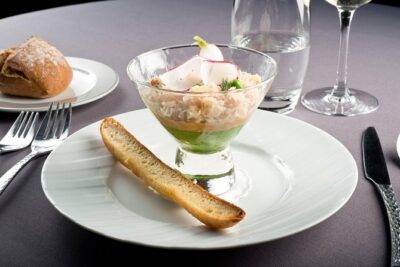
Bateaux Parisiens Seine River Gourmet Dinner & Sightseeing Cruise
Read our review →
3-Course Gourmet Dinner Cruise on Seine River
Read our review →
Authentic Parisian Gourmet Food Tour with 10 Local Dishes & Wines
Read our review →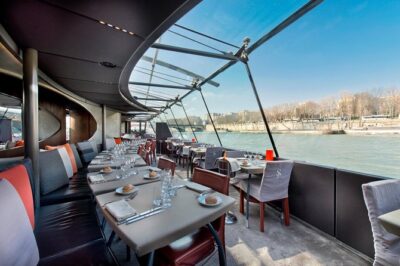
Bateaux Parisiens Seine River Gourmet Lunch & Sightseeing Cruise
Read our review →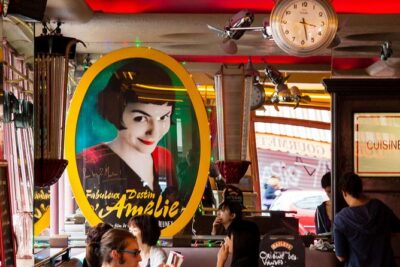
Montmartre Hill French Gourmet Food and Wine Tasting Walking Tour
Read our review →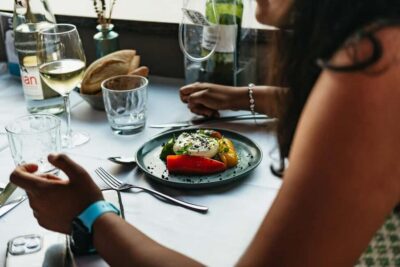
Gourmet Dinner Cruise on Seine River with Live Music
Read our review →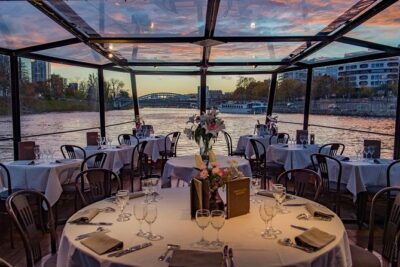
Paris 3-Courses Gourmet Dinner Seine River Cruise with Champagne
Read our review →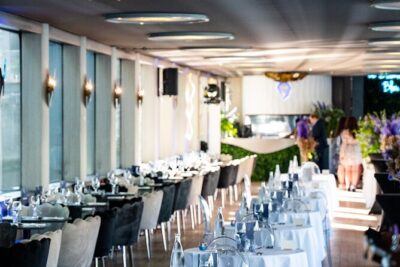
Paris Gourmet Dinner Seine River Cruise with Singer and DJ Set
Read our review →Browse the lists this tour appears in