
Reviewed · HIKING & TREKKING
The Urban Hike of Marseille
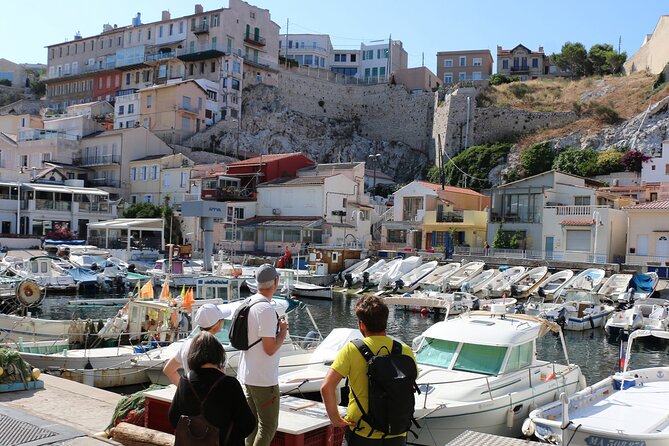
Marseille reveals itself best on foot, one steep lane and sea-facing viewpoint at a time. This 10-kilometer urban hike links the Old Port, fishing coves, Mediterranean parks, hillside neighborhoods, and Notre Dame de la Garde, giving you a far broader picture than a short city-center walk.
I like the small group limit of 10, which gives Olivier room to explain local details and adjust the pace. I also like the route’s mix of history and exercise: you pass Napoleon III’s Pharo Palace, quiet Malmousque, working-class streets, and some of the city’s finest views in one outing.
The main thing to consider is the physical demand. Three and a half hours, hills, stairs, and a steep return toward the Old Port are manageable for most active adults, but this is not a gentle stroll. The tour is also conducted in French, so confirm that language suits you before booking.
Key points to know before you go
- A 10-kilometer route through many sides of Marseille: You move from the harbor to coves, parks, residential districts, and the basilica hill.
- Olivier is the guide: His approach combines local stories, urban history, geography, humor, and practical knowledge of quieter paths.
- The best stop is Notre Dame de la Garde: The basilica and its square provide a 360-degree view that helps you understand the shape of Marseille.
- Expect real walking: Hills, stairs, and the steep Boulevard André Aune are part of the experience.
- Good heat planning: Early morning and late-afternoon departures, shade, sea air, water points, and park breaks help in hot weather.
- A small and affordable tour: At $41.27 per person, the price covers 3.5 hours with a maximum of 10 participants, and the stops have no separate admission charge.
Marseille makes more sense from a hillside
A map can show you where Marseille sits, but walking helps you understand how the city works. The Old Port is the center of the story, the sea shapes daily life, and the hills explain why neighborhoods can feel close together yet so different.
This hike gives you that connection. You are not simply moving from one famous sight to another by bus. You are walking through the spaces between them, using narrow lanes, stairways, parks, and paths that cars cannot reach.
The route covers about 10 kilometers in roughly three and a half hours. That is a brisk outing, but the pace is designed to be steady rather than rushed. Stops are built in for views, stories, shade, and water.
Olivier is the guide, and his role is central to the experience. He brings together Marseille’s ancient beginnings, Second Empire expansion, fishing traditions, local housing, religion, politics, and modern city life. He also uses humor and personal detail, including stories connected to local figures such as footballer Eric Cantona.
More walking and hiking days from Marseille:
- Marseille: Calanques National Park Guided Hike with Picnic
★ 4.9 · 516 reviews - From Marseille: Calanques National Park Guided Hike
★ 4.8 · 489 reviews - Hiking in the Calanques National park from Marseille
★ 4.5 · 211 reviews
Starting at the Old Port, Marseille’s front door
The meeting point is at 19 Quai des Belges, beside the Old Port. This is the right place to begin because Marseille grew around this harbor, and the tour uses it to explain the city’s relationship with the Mediterranean.
Expect an introduction covering the route, the pace, the guide, and what you will see. Olivier also uses the harbor to explain how Marseille developed from antiquity through the reign of Louis XIV and beyond.
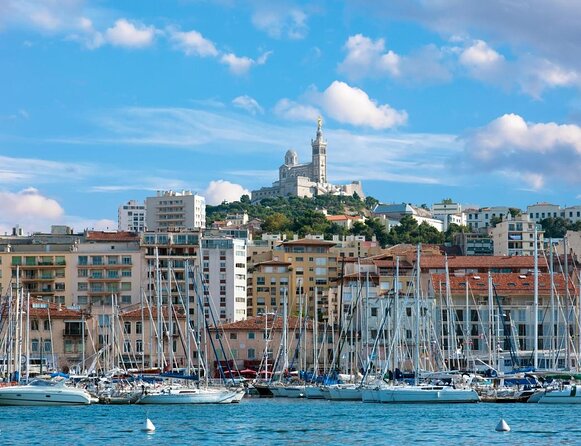
The value here is not just the view across the water. You begin to see the Old Port as the city’s organizing point. Trade, immigration, fishing, politics, and contact with the wider Mediterranean all meet here.
The opening lasts about 30 minutes. That may feel long if you want to start walking at once, but it gives you useful context for the rest of the route. Later stops make more sense when you understand why Marseille grew around this particular harbor.
Vallon des Auffes and the Corniche by the sea
From the Old Port, the route reaches Vallon des Auffes, one of Marseille’s most appealing waterfront corners. Small fisherman houses cluster around a sheltered inlet, creating a sharp contrast with the larger harbor nearby.
The stop is short, about 10 minutes, but it offers a clear look at traditional coastal housing. Olivier explains how this pocket survived as Marseille expanded, and why preserving it matters.
Afterward, you walk along the Corniche Kennedy for about 20 minutes. This stretch gives you an open view across the sea and a chance to see how Marseille presents itself as a Mediterranean city.
The Corniche is scenic, but it is also exposed. On a hot or windy day, you will feel the weather more strongly here than in the wooded parks later in the route. Comfortable shoes and sun protection are sensible choices.
Pharo Palace and the city shaped by Napoleon III

Palais du Pharo provides one of the tour’s best combinations of history and scenery. From the grounds, you can look back toward the Old Port and across the Grand Port of Marseille.
Napoleon III ordered the palace’s construction, and Olivier uses it to explain how the Second Empire changed Marseille. The city’s modern form owes much to this period, when new buildings, roads, and civic projects reshaped the urban center.
This is also where the tour becomes more geographical. A map helps connect what you see from the viewpoint with Marseille’s broader development. You begin to understand the difference between the historic harbor, the newer port facilities, and the neighborhoods spreading over the hills.
Allow about 30 minutes here. The greenery offers a welcome pause after the coastal walk, and the views reward you for taking the route on foot.
A few more Marseille half-days worth comparing
- Marseille: City Sightseeing Hop-On Hop-Off Bus Tour
★ 3.8 · 2,820 reviews - Marseille: Côte Bleue Calanques Half-Day Kayak Tour
★ 4.7 · 877 reviews - Marseille Food Tour – Full Meal of Local Tastes by Do Eat Better
★ 5.0 · 530 reviews - Marseille: Musée de l’Illusion Entry Ticket
★ 4.1 · 488 reviews
Parc Valmer provides a Mediterranean change of pace
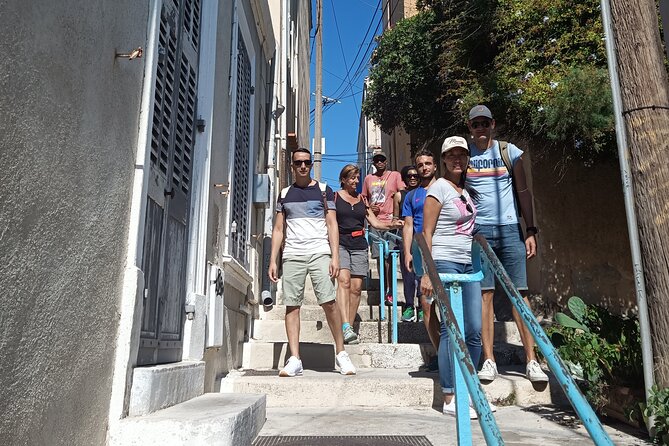
Parc Valmer shifts the mood from open sea to shaded greenery. The park and Villa Valmer offer a quieter setting, with Mediterranean vegetation and room to pause.
Olivier connects the site to Marseille’s economic past. The story reaches back to the nineteenth-century olive oil trade and forward to the tourism economy that now helps shape the city.
This is one of the tour’s useful contrasts. Marseille is often reduced to its harbor, beaches, and busy streets, but parks such as this show another side of the city. You get a sense of how residents use green spaces and how wealthy suburban areas developed along the coast.
The stop lasts about 30 minutes. If you are visiting during warm weather, this break matters. The route includes eight water points, wooded areas, and shaded sections, but you should still carry water and use sun cream.
Bompard and the quiet path toward Notre Dame
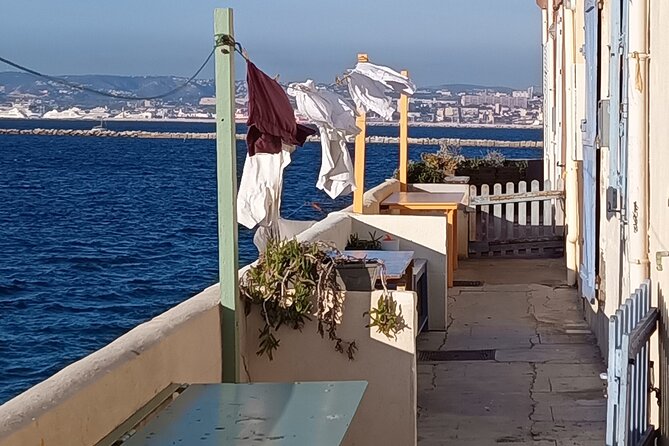
The Chemin du Vallon de l’Oriol takes you away from the immediate waterfront and into Bompard. This section is one of the clearest examples of what makes the hike different from a standard sightseeing circuit.
You pass through a district shaped by changing housing styles, including attractive bastides from the twentieth century. The surroundings feel more residential, and the route gives Olivier room to explain how Marseille’s homes reflect changing wealth, taste, and urban growth.
The path leads toward Notre Dame de la Garde at a calmer pace than a direct climb from the city center. You may still feel the effort, but the route breaks the ascent into manageable sections and keeps the focus on the neighborhoods along the way.
This part also helps you see the city as a collection of districts rather than one continuous tourist center. Marseille’s identity changes from street to street, and walking is the best way to notice those shifts.
Malmousque shows Marseille at its most peaceful
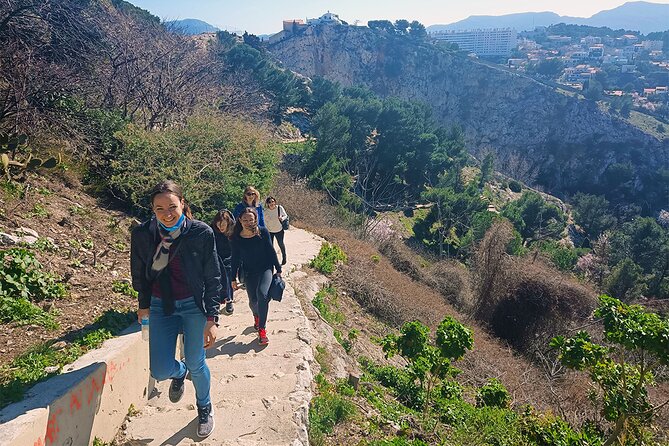
Anse de Malmousque is another major highlight. Its small cove, port, fisherman houses, and Greek-influenced feel create a calm pocket beside the larger city.
The stop lasts about 30 minutes. You have time to admire the buildings, take photographs, and hear how this part of Marseille developed during the city’s rapid expansion over the last two centuries.
I particularly like this section because it connects architecture with everyday life. The point is not only that Malmousque looks attractive. It also shows how people in Marseille have long valued life near the water, and how older coastal habits continue beside newer urban development.
The quiet setting can make the hike feel less like a checklist of monuments. You are seeing a place where the city’s history is still expressed through homes, lanes, small harbor spaces, and the way people use the coast.
The steep return through Boulevard André Aune
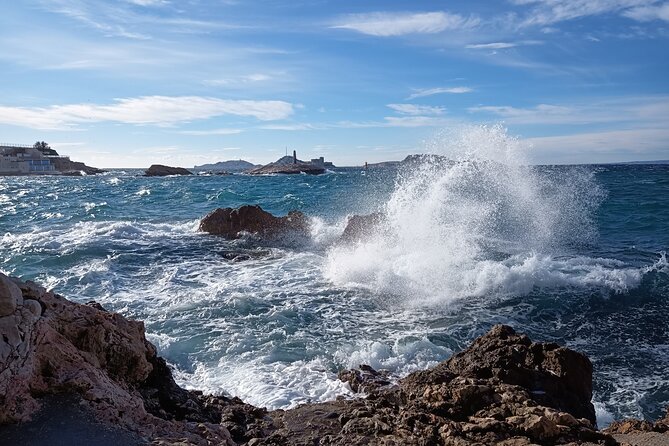
The route back toward the Old Port is not flat. Boulevard André Aune is described as one of Marseille’s steepest streets, and it gives you a high view before leading you back into the city center.
The climb and descent are part of the experience, not an inconvenience to be hidden. They show how Marseille’s hills affect its streets, housing, views, and daily movement.
Olivier adds local anecdotes here and points out the particular architecture of the city center. The buildings are not presented as isolated monuments. Instead, they become part of a broader story about Marseille’s relationship with central government, local identity, and urban change.
This is the point where good footwear matters most. You do not need specialist hiking equipment, but sandals with poor grip would make the stairs and steep streets less pleasant.
Notre Dame de la Garde delivers the big view
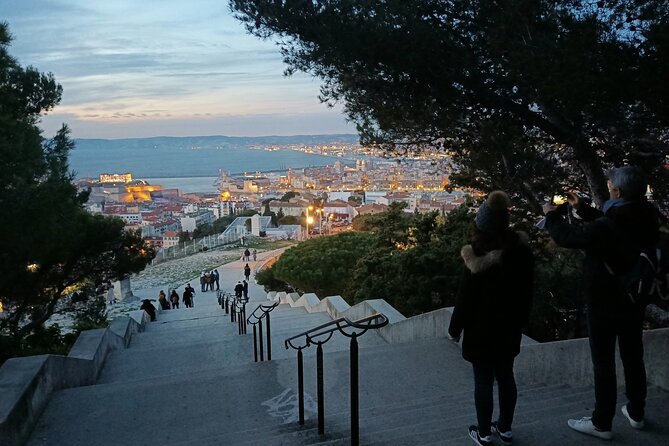
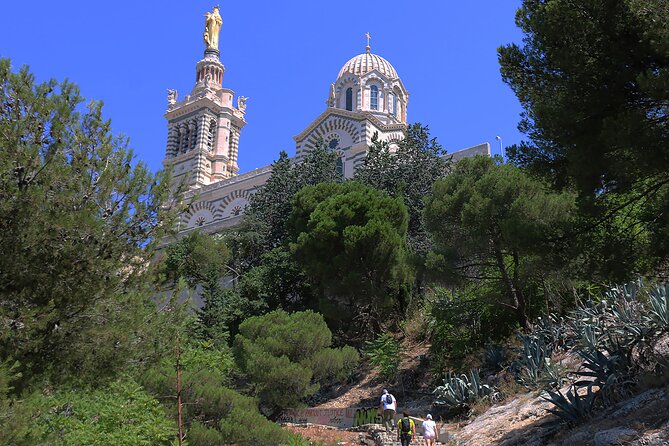
Notre Dame de la Garde is the tour’s high point in every sense. The basilica is striking, but the square outside is the main geographic reward, with a 360-degree view over Marseille.
From here, Olivier explains the city’s layout, major landmarks, ports, neighborhoods, and outward growth. After walking through the districts below, you can finally see how the pieces fit together.
The basilica also has an important place in local culture. The visit helps explain how people in Marseille relate to this hilltop church and why it remains such a strong symbol of the city.
Plan on about 30 minutes. This is the time to take photographs, but do not rush through the explanation. The view is much more useful when you know what you are looking at.
The climb does require effort, and the exposed square may be hot. That is why the early-morning and late-afternoon time slots are practical choices, especially in summer.
Civic Marseille appears on the way through the center
The route also passes between the Palais de Justice and the Commerce Court. These Second Empire buildings provide another angle on Marseille, this time through law, government, and the city’s long habit of questioning central authority.
This section adds balance to the sea views and parks. You see the formal face of the city, with institutions that represent French judicial power, alongside the more informal streets and districts visited earlier.
The stop is short, around 10 minutes, but it helps place Marseille within the wider history of France. The city is not only a port with local traditions. It has also had a complicated relationship with national power and official institutions.
The Old Port is the natural finish
The hike ends back at the Old Port, where the route began. After the hills and coastal paths, returning to the harbor gives the outing a satisfying shape.
You have crossed several versions of Marseille: ancient port, imperial city, fishing village, hillside suburb, Mediterranean park, religious viewpoint, and modern urban center. That range is the chief strength of the experience.
The suggested finish is simple: sit at a café around Cours Estienne d’Orves for a beer or hot chocolate. That is not included in the tour, but it is a fitting way to rest after the walk.
Is $41.27 good value?
At $41.27 per person, the tour offers good value if you want a broad introduction to Marseille and prefer walking to sightseeing by vehicle. You receive about three and a half hours with a local guide, a route of roughly 10 kilometers, and access to viewpoints and quiet paths that are difficult to connect on your own.
There are no separate admission charges listed for the stops. The real value lies in the route design and interpretation, not in ticketed attractions.
A private guide would cost more, while a basic harbor walk would cover far less ground. This tour sits between the two: small enough to feel personal, but priced for a shared group of up to 10 people.
The price is less attractive if you are looking for a relaxed two-hour introduction or if hills are a concern. You are paying for distance, variety, and local explanation, so the tour works best when you are ready to walk.
Who should book this urban hike?
I would choose this experience if you want to understand Marseille beyond the Old Port and Notre Dame de la Garde. It suits active adults, first-time visitors, walkers who enjoy local architecture, and anyone who likes history explained in the places where it happened.
It is also a good choice if you want to challenge the simplified image of Marseille often presented from a distance. The route shows beauty, complexity, working neighborhoods, coastal calm, and the city’s strong local character.
You should think twice if you have difficulty with hills, stairs, or a 10-kilometer route. The activity is described as accessible to most people, but accessible does not mean flat or effortless.
The tour is conducted in French. One booking issue makes this especially important: the guide has stated that English is not available, so do not assume you can join an English-language departure. Confirm the language before paying.
The group is limited to 10, service animals are allowed, and the meeting point is near public transportation. Confirmation arrives at booking, and the tour has free cancellation up to 24 hours before the start time. Poor weather can also lead to a different date or a full refund.
Should you book The Urban Hike of Marseille?
Book it if you want a physical, local, wide-ranging introduction to the city rather than a short monument tour. Olivier’s strength is the way he connects small details, such as fisherman houses, steep streets, and neighborhood architecture, to Marseille’s larger story.
Choose an early-morning or late-afternoon departure in hot weather. Wear reliable walking shoes, bring water, and leave room in your schedule for a café stop at the end.
The Urban Hike of Marseille is not the right pick for a slow, flat outing. For an active visitor who wants sea views, quiet corners, urban history, and a clearer sense of how Marseille fits together, the $41.27 price is a sensible investment.
FAQ
Where does The Urban Hike of Marseille start?
The tour starts at 19 Quai des Belges, 13001 Marseille, France, beside the Old Port.
Where does the tour finish?
The activity ends back at the meeting point in the Old Port area.
How long is the urban hike?
The experience lasts approximately 3 hours and 30 minutes.
How far do you walk?
The route covers about 10 kilometers on foot.
What language is the tour conducted in?
The tour is conducted in French. English is not available according to the guide’s booking information.
How many people can join the tour?
The activity has a maximum of 10 participants.
How much does the tour cost?
The listed price is $41.27 per person.
Can you cancel for a full refund?
Yes. You can cancel at least 24 hours before the start time for a full refund. Changes or cancellations made less than 24 hours before the start time are not accepted for a refund. The tour may also be rescheduled or refunded if poor weather or an insufficient number of participants causes cancellation.
Just added around Marseille
- Rando-Palmée Getaway Around an island★ 4.0 · 54 reviews
- Sunset Lavender Tour in Valensole with pickup from Marseille★ 5.0 · 41 reviews
- Sailing day in the heart of the Calanques★ 4.5 · 61 reviews
- Sormiou Calanques National Park Electric Bike Tour from Marseille★ 5.0 · 60 reviews
- Provence : Aix en Provence, Cassis and Marseille Private Tour★ 4.5 · 53 reviews
- Cassis and Aix en Provence Sightseeing Tour from Marseille★ 4.5 · 132 reviews
- Lavender Small-Group Tour In Valensole from Marseille★ 4.5 · 53 reviews
- Private Quiz Game Session in Marseille★ 5.0 · 221 reviews
Hiking & Trekking, compared.
Calanques National Park Guided Hike with Picnic
Read our review →
Hiking Adventure in Van Gogh’s Footsteps with 6 miles walk
Read our review →
Hiking in the Calanques National park from Marseille
Read our review →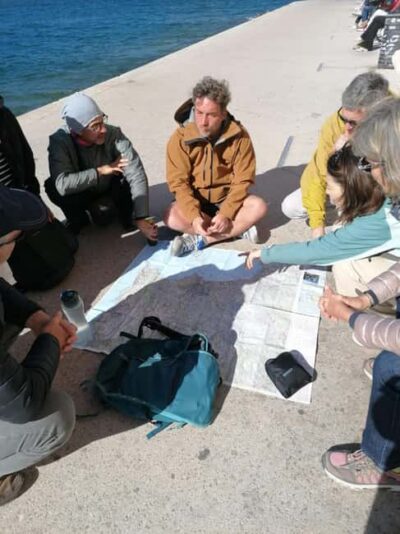
Cassis: 3 Calanques Half-Day Hiking Tour with Swimming
Read our review →
Tour with the Mountain Train, Trek to Mystic Forest and Castle
Read our review →
Marseille: Guided Hiking Calanques National Park from Luminy
Read our review →Browse the lists this tour appears in