
Reviewed · WINE TOURS
Alsace: Full-Day Wine Tour & Tastings from Strasbourg
Alsace wine country gives you two rewards in one day: serious wine tasting and storybook villages. This tour heads from Strasbourg to Mittelbergheim, Dambach-la-Ville, Ribeauvillé, and Riquewihr, pairing small wineries with a scenic ride through the vineyards. I especially like the chance to taste directly with local producers and to compare several Alsace grape varieties, not just Riesling.
I also like the small group of no more than eight. Guides such as Jérôme, Laurence, Pauline, and Florence have been praised for explaining wine, village history, and local customs in clear English. The main drawback is value: at $253 per person, three winery stops may feel expensive if you mainly want a few tastings rather than a full day of transport, sightseeing, and regional context.
At a glance
- Three winery visits: Taste at typical local wineries in different Alsace wine areas.
- Grand Cru country: Pass through Mittelbergheim, Dambach-la-Ville, and the Ribeauvillé and Riquewihr districts.
- A dozen or more pours: The exact number varies, but the tastings can include many wines at each stop.
- Two medieval villages: Leave time for a walk and lunch in Ribeauvillé or Riquewihr.
- Small-group comfort: Travel by a fully equipped minivan with an English-speaking driver-guide.
- Wine-buying opportunity: You can often purchase bottles directly from the producers at cellar prices.
Why this Alsace day is more than a tasting
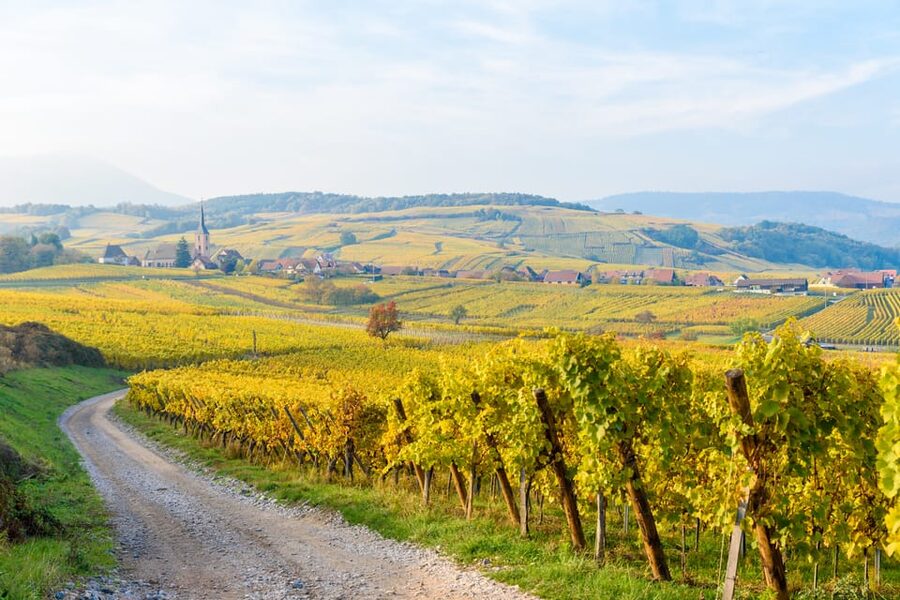
The best part of this outing is the range. You are not parked at one large cellar for a quick flight of wines. Instead, you move through several parts of the Alsace Wine Route, tasting in three settings and seeing how the villages, soils, and local families shape the region.
Mittelbergheim comes first. Its Zotzenberg, Kastelberg, and Wiebelsberg Grand Crus are especially suited to Riesling, and the first tasting introduces you to Pinot Blanc, Sylvaner, and Riesling. That opening flight is useful because Alsace wine is not a one-grape story. You get a feel for dry, fresh whites before moving toward the fuller and more aromatic styles found farther south.
The day then shifts toward Dambach-la-Ville and its Frankstein Grand Cru. Later, the Ribeauvillé and Riquewihr area brings five more Grand Cru names into the picture: Geisberg, Kirchberg, Osterberg, Schoenenbourg, and Sporen. You do not simply hear these names in a wine lecture. You travel through the places that give the wines their identity.
More Wine Tours in Alsace
- From Strasbourg: Medieval Villages & Wine Tasting Day Trip
★ 4.8 · 329 reviews - Alsace Wine Route Small Group Half-Day Tour with Tasting from Strasbourg
★ 4.5 · 291 reviews - Alsace Wine Route Wineries & Tasting Small Group Guided Tour from Strasbourg
★ 5.0 · 229 reviews
Leaving Strasbourg for Mittelbergheim
The meeting point is at 17 Place de la Cathédrale, a central start in Strasbourg. From there, the minivan ride to the first wine area takes about an hour. That drive is part of the experience, not dead time. Your guide provides live commentary and may use smaller roads rather than only the fastest route, giving you more views of villages and vineyards.
The minivan suits this kind of day better than a large coach. With a maximum of eight people, it is easier to ask questions, hear the guide, and keep the group moving. Several guides have been singled out for their warmth and clear English, including Jérôme, Laurence, Pauline, Maxime, Laurent, Camille, and Florence. The exact guide depends on the departure date, but the format remains the same.
A practical point: the day operates in all weather. Alsace can be beautiful in winter, but cold rain or summer heat will change how much you want to walk. Bring comfortable shoes and dress for the forecast. The tour is not suitable for wheelchair users, and pets are not allowed.
Mittelbergheim and the first tasting
Mittelbergheim is an excellent introduction to Alsace wine because its Grand Cru vineyards are closely tied to Riesling. The village sits in an area where the soils favor this grape, known in Alsace for its clean acidity and ability to show differences in growing site.
Your first tasting lasts about an hour. Expect Pinot Blanc, Sylvaner, and Riesling, with the guide explaining how the wines differ in style and how they fit into Alsace winemaking. This is where a good guide adds real value. You can taste three varieties side by side instead of trying to remember separate descriptions from a menu.
The winery is described as a typical local producer rather than a grand visitor attraction. That matters. You are more likely to focus on the wine, the people making it, and the practical details of production than on polished displays. At some stops, the owner or winemaker may lead the tasting personally, which creates a more direct connection with the region.
Do not count on snacks. In France, wine tastings commonly avoid food so that it does not affect the flavor. Have breakfast before leaving Strasbourg, and plan to eat a proper lunch during the free period.
Dambach-la-Ville and the Frankstein area
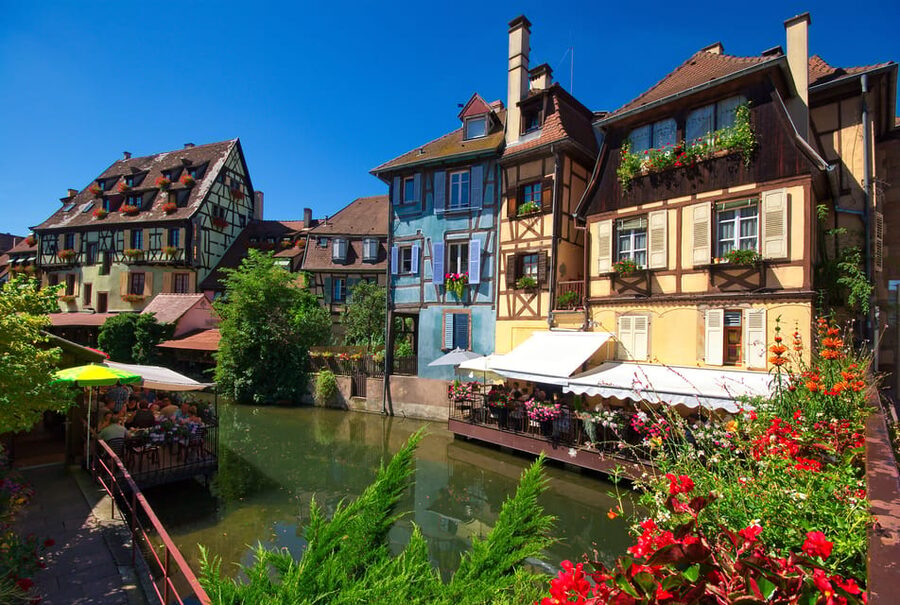
A short drive of roughly 15 minutes brings you toward Dambach-la-Ville. This village sits in the heart of the Alsace wine region and is associated with the Frankstein Grand Cru. The second tasting lasts about 45 minutes, giving you another chance to compare wines from a different part of the route.
The value here comes from contrast. Three winery stops can sound repetitive on paper, but the areas are not identical. The first stop focuses strongly on the Riesling-friendly Mittelbergheim sector. Dambach-la-Ville adds another local point of reference before you reach the more famous villages farther south.
You might taste several wines made from the same grape but with different levels of body, sweetness, or aroma. The exact selection changes by winery and season, so do not book this expecting a fixed menu. The experience is better approached as a regional tasting lesson, with each producer showing what that cellar does best.
The tour has received praise for its pacing. You have enough driving time to change settings, but the day is not built around long stretches on the road. Still, the schedule is full. If you want a slow lunch with a long museum visit, this is not the right format.
More Wine Tours in Strasbourg:
- Paris: Moulin Rouge Cabaret Show Ticket with Champagne
★ 4.7 · 16,088 reviews - Authentic Parisian Gourmet Food Tour with 10 Local Dishes & Wines
★ 5.0 · 4,754 reviews - Loire Valley Castles Day Trip from Paris with Complementary Wine
★ 4.5 · 3,907 reviews - Bordeaux: Cité du Vin Entry Ticket and Wine Tasting
★ 4.6 · 3,885 reviews
Lunch and a medieval village walk
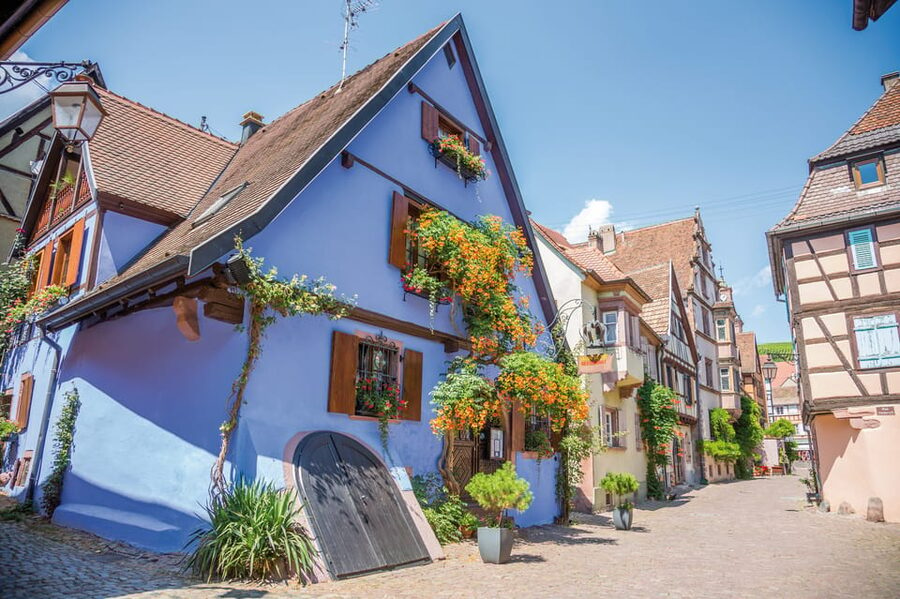
After the morning tastings, you get free time for lunch and a walk in a traditional village. Ribeauvillé or Riquewihr may be used depending on the day’s route and operating plan. Both offer the kind of half-timbered streets and old-town views that make the Alsace Wine Route so appealing.
This is the part of the day where you set the pace. You can sit down for lunch, browse the streets, or simply enjoy the architecture. One guide recommended a local restaurant in Ribeauvillé, Au Passage de la Tour, which has an Alsatian theme and was praised for its food and service. That does not mean it is guaranteed to be the group’s restaurant, but it gives you a useful option if you stop there.
Allow enough time for lunch rather than treating it as an afterthought. One guest felt the lunch period was too short, which is a fair concern on a full-day tour. Wine tastings without food can catch up with you, especially if you are sampling ten or more wines across the day.
Riquewihr is particularly rewarding for a short walk. It is compact, photogenic, and easy to explore without a detailed plan. Ribeauvillé offers a different feel, with a longer village setting and views toward the surrounding hills. You will not have time to see every corner of either town, but the stop breaks up the tastings and gives the day a strong cultural side.
The Ribeauvillé and Riquewihr wine area
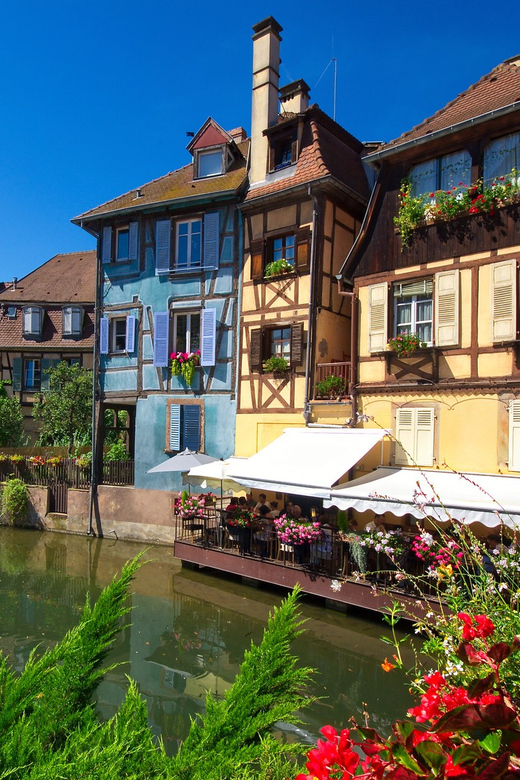
After lunch, the route continues into one of Alsace’s best-known wine districts. The area includes five Grand Crus: Geisberg, Kirchberg, Osterberg, Schoenenbourg, and Sporen. Riesling remains the leading grape here, but you may also taste Pinot Gris, Muscat, and Gewürztraminer.
This is the most varied wine section of the day. Riesling can be crisp and mineral, while Pinot Gris is often broader and more rounded. Muscat brings a floral, grapey character, and Gewürztraminer is known for its strong perfume and spice. The tour gives you a chance to discover which styles you actually like instead of assuming that one famous grape represents all Alsace wine.
The area also has a long family-winemaking tradition. The Trimbach family has made wine since 1626, and the Hugel family began in 1639. You may not visit either historic house on this tour, but their names help explain why Ribeauvillé and Riquewihr carry such weight in Alsace wine culture.
Two afternoon tasting sessions complete the day. Each lasts about 45 minutes, with a short drive between stops. At some wineries, you may meet the owners or producers and hear how their methods differ. Past tastings have included around 12 wines, and sometimes 15 or 16 across the day, though the number is not guaranteed.
What the small group changes
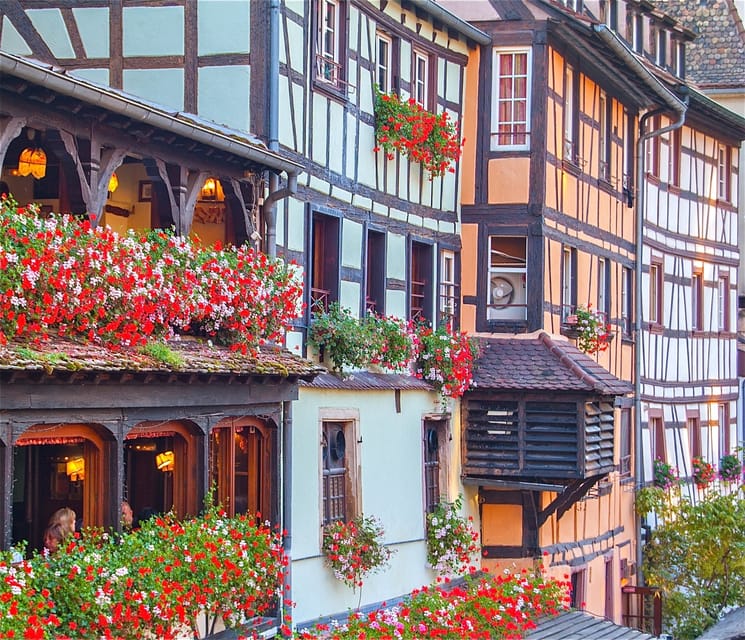
A group capped at eight is one of the tour’s strongest features. Wine questions are easier to ask, and the guide can learn what you enjoy. Laurence, who is also a sommelier, has been praised for adjusting explanations to the group’s tastes. Other guides, including Jérôme and Pauline, have been described as friendly, funny, and attentive to timing.
The driver-guide setup also keeps the day simple. You do not need to navigate narrow village roads, find parking, or decide who will avoid the wine. Everyone can taste, and the guide handles the driving.
There is one tradeoff. A small minivan does not offer the wide windows or high seating of a coach. One past participant found it harder to see views from the middle seat or from the less favorable side of the vehicle. If the scenery matters greatly to you, try to change seats when practical, and remember that views are part of the journey rather than a guaranteed seat-side show.
Is $253 a fair price?
At $253 per person, this is not a budget wine outing. You are paying for a full eight-hour day, private transport from central Strasbourg, a small group, three winery visits, an English-speaking guide, and several hours of regional sightseeing.
The price makes more sense if you value convenience and instruction. Hiring a car means dealing with parking, route planning, and a designated driver. A train or bus can take you to some Alsace towns, but it will not easily link three wine areas and multiple cellar visits in one day.
The price is harder to justify if you only want to taste at one winery or if you prefer a long independent lunch. One direct criticism was that three visits felt like too little for the cost. That is a reasonable view. The tour works best when you want the whole package: wine, villages, transport, and a guide who can connect the pieces.
Bottle purchases can improve the value. Several wineries may let you buy directly from the producer, sometimes at a better price than in a shop or restaurant. Check how you will carry or ship bottles before buying, since the tour details do not promise a delivery service.
Who should book this tour?
I would choose this day if you are staying in Strasbourg and want to see beyond the city without renting a car. It is a strong fit for adults who enjoy white wine, village walks, and learning how one wine region differs from another.
It also suits first-time visitors to Alsace. You get a useful overview in one day, from the grape varieties to the Grand Cru areas and the region’s traditional towns. Couples, friends, and small family groups with adult children can all fit comfortably into the format.
I would hesitate if you dislike structured days, need a long leisurely lunch, or want deep time at one particular winery. The schedule keeps moving, and the tour operates only in English. Participants must be at least 18 to take part and drink alcohol.
Practical tips for a better day
Eat well before departure, since snacks are not normally provided at tastings. Carry water as well as your identification, which is required for the activity.
Wear shoes that can handle cobbled streets and short walks. The tour runs in rain or shine, so a small weatherproof layer is sensible.
Keep your wine expectations flexible. The specific wineries, guide, and tasting selections can vary. That variety is part of the appeal, but it means you should not book around a promise of one named producer.
If you want to buy bottles, bring a way to protect them in your luggage. The chance to buy directly from a winemaker is useful, but the tour does not include personal expenses or shipping.
The booking terms are traveler-friendly: you can cancel up to 24 hours ahead for a full refund, and reserve now while paying later. The tour needs at least two adults to operate, so it can be cancelled and refunded if that minimum is not reached.
Should you book it?
Book this tour if you want an easy, well-paced introduction to Alsace wine country, with three tastings and two memorable medieval villages in one day. The strongest reasons are the small group, direct contact with local wineries, and guides such as Jérôme, Laurence, Pauline, and Florence who bring wine and regional culture together.
Skip it if $253 feels too high for three winery stops, or if you would rather choose one cellar and spend the rest of the day exploring independently. For most visitors without a car, though, the combination of access, transport, and local explanation makes this a practical way to see the Alsace Wine Route.
FAQ
Where does the tour begin?
It begins at 17 Place de la Cathédrale in Strasbourg.
How long does the experience last?
The tour lasts about eight hours, including transport, tastings, village time, and the return to Strasbourg.
How many wineries will I visit?
You will visit three typical local wineries.
How many people are in the group?
The tour is limited to eight participants.
Which wines might I taste?
The tastings can include Pinot Blanc, Sylvaner, Riesling, Pinot Gris, Muscat, and Gewürztraminer.
Will I visit Ribeauvillé and Riquewihr?
The route includes the Ribeauvillé and Riquewihr wine area, with time to admire the medieval villages. The exact village used for free time may vary.
Is lunch included?
No. Meals are not included, and you receive free time to arrange lunch yourself.
Are snacks provided at the wineries?
Snacks are not normally provided. You should eat breakfast or lunch beforehand because food is often avoided during tastings to preserve the wine’s flavor.
Is the tour offered in English?
Yes. The driver-guide provides live commentary in English, and the tour operates in English only.
Can children join the tour?
No. It is an adults-only activity, and participants must be at least 18 years old to join and drink alcohol.
Just added around Strasbourg
- Capture the Magic of Strasbourg with an Exclusive Photoshoot★ 4.9 · 61 reviews
- Strasbourg: 1-Day Bike Rental★ 4.1 · 45 reviews
- From Strasbourg: Medieval Villages & Wine Tasting Day Trip★ 4.8 · 329 reviews
- Strasbourg: Traditional Food Walking Tour with Tastings★ 4.8 · 219 reviews
- Alsace Wine Route Small Group Half-Day Tour with Tasting from Strasbourg★ 4.5 · 291 reviews
- Alsace Wine Route Wineries & Tasting Small Group Guided Tour from Strasbourg★ 5.0 · 229 reviews
- Strasbourg: Guided Historical Neighborhoods Walking Tour★ 4.9 · 275 reviews
- Strasbourg: 1.5-Hour Guided Segway Tour★ 4.8 · 383 reviews
Wine Tours, compared.
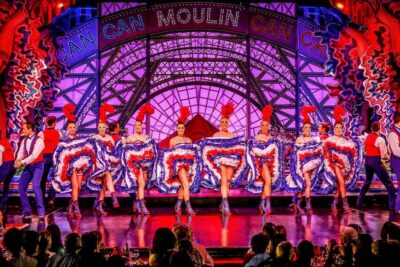
Moulin Rouge Cabaret Show Ticket with Champagne
Read our review →
Authentic Parisian Gourmet Food Tour with 10 Local Dishes & Wines
Read our review →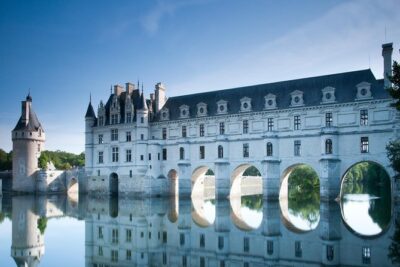
Loire Valley Castles Day Trip from Paris with Complementary Wine
Read our review →
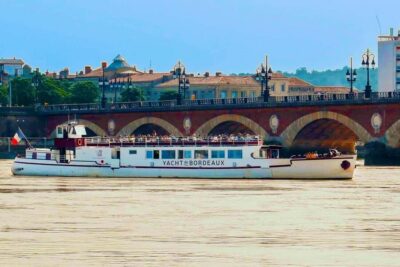
River Garonne Cruise with Glass of Wine and Canelé
Read our review →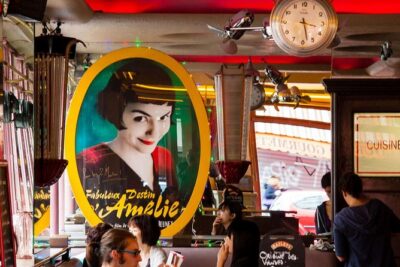
Montmartre Hill French Gourmet Food and Wine Tasting Walking Tour
Read our review →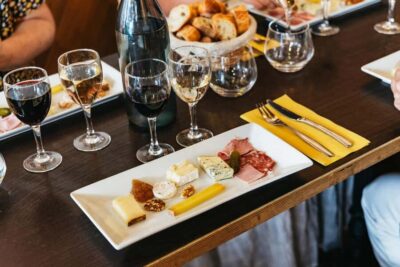
Montmartre Cheese, Wine & Pastry Guided Walking Tour
Read our review →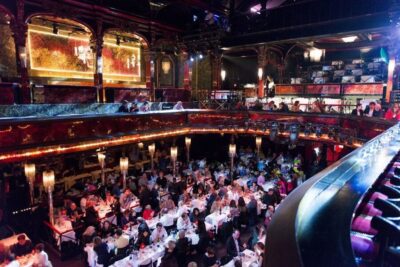
Paradis Latin Cabaret Show with Optional Champagne
Read our review →Browse the lists this tour appears in