
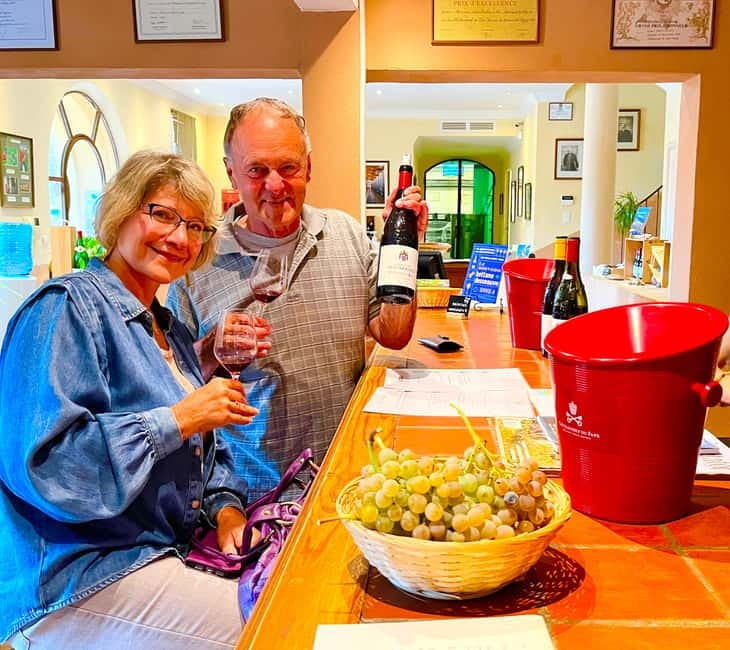
Reviewed · WINE TOURS
From Avignon: Wine Tour with Visit to Châteauneuf du Pape
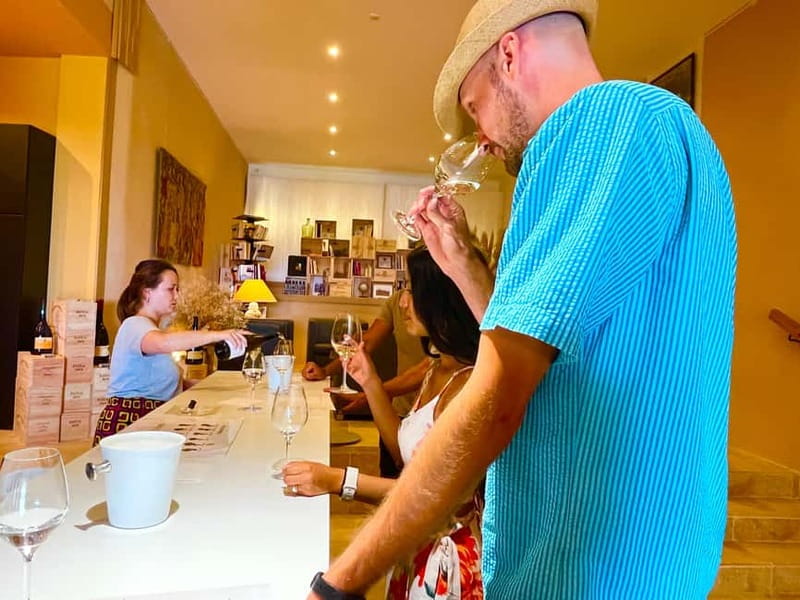
Châteauneuf du Pape gets the headlines, but the real pleasure here is tasting three very different Southern Rhône wine areas in one outing. Arnaud drives a maximum of six people from Avignon to Beaumes de Venise, Gigondas, and Châteauneuf du Pape, explaining how wind, altitude, soil, and grape varieties shape each glass.
I like the personal scale of this tour and the access to smaller wineries where Arnaud already knows the people pouring the wine. I also like the local picnic, made with food from farms and villages near his home. The main drawback is the car: a group of six can feel cramped, and one passenger found five people more comfortable.
The essentials at a glance
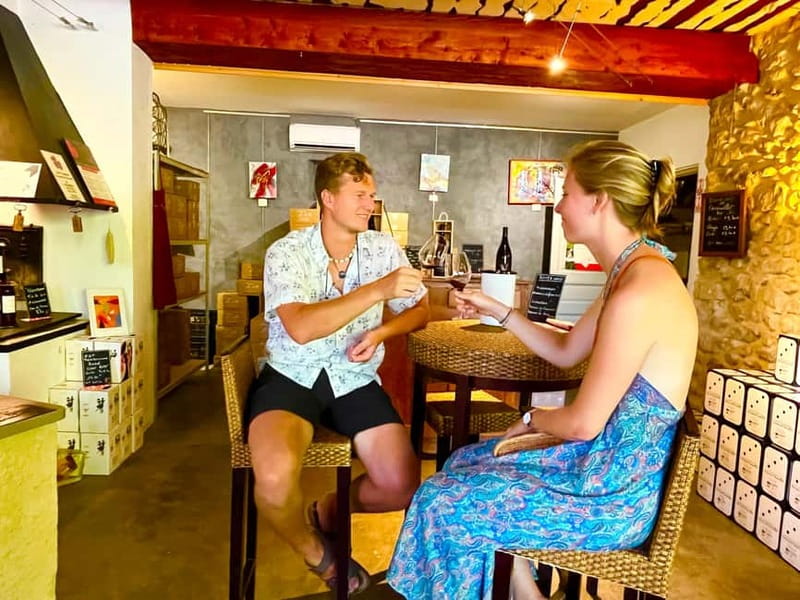
- Three appellations, at least nine wines: Compare sweet Muscat from Beaumes de Venise with red wines from Gigondas and Châteauneuf du Pape.
- A genuinely small group: Arnaud takes no more than six people, making it easier to ask questions and adjust the pace.
- A picnic with local roots: The morning tour from April through October includes goat cheese, tapenades, eggs, fruit, juice, and other fresh produce.
- A guide who explains the land: Arnaud connects the wines to the Dentelles de Montmirail, the Mistral, altitude, and Rhône Valley soils.
- Seasonal schedules matter: The full six-hour version runs in the warmer months, while winter offers a shorter three-hour route without food.
- Good value for wine fans: At $93 per person, transport, tastings at three wineries, and the guide’s regional knowledge are included.
Three Rhône wine regions in one day
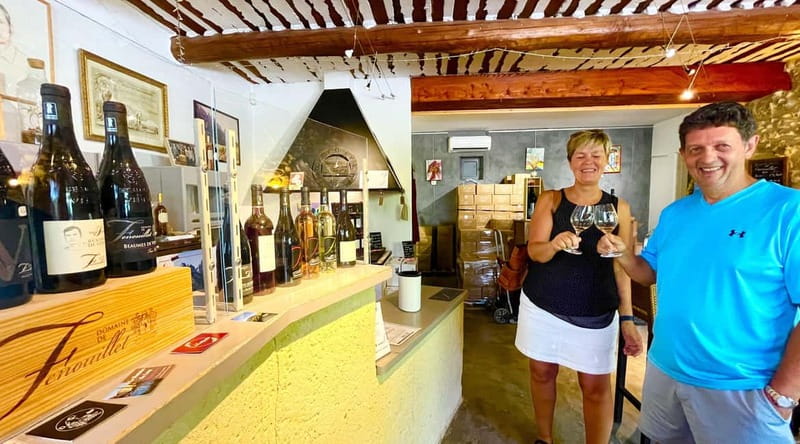
This is not simply a shuttle between tasting rooms. The drive gives Arnaud time to explain why the wines change from one village to the next. You pass vineyards, mountain ridges, old villages, and broad views across the Southern Rhône, with the Dentelles de Montmirail helping define the scenery and the growing conditions.
The tour is especially useful if you are new to Rhône wines. Instead of tasting several similar bottles, you get a clear comparison between three places. Beaumes de Venise brings sweet Muscat and newer red wine styles. Gigondas is known for hearty reds shaped by altitude and the Mistral. Châteauneuf du Pape delivers the famous name, stony vineyards, and powerful wines built for long keeping.
Arnaud speaks French and English. His explanations cover wine, farming, local geography, and village life, and he is happy to answer questions during the drives. Several outings have also included short unscheduled stops when the group showed interest, such as a look at the castle in Châteauneuf du Pape.
More Wine Tours in Provence
- Chateauneuf du Pape wine tour
★ 5.0 · 484 reviews - From Avignon: Châteauneuf du Pape Half-Day Wine Tour
★ 4.7 · 365 reviews - Provence Cru Wine Small-Group Half-Day Tour from Avignon
★ 4.5 · 290 reviews
What the different schedules mean
The best-value version is the morning tour from April through October. It begins around 9:30 a.m. and usually returns around 3:30 p.m. You visit three wineries, taste at least nine wines, and stop for a picnic in the Gigondas area. The food is more of a generous regional snack than a formal lunch, so eat breakfast first if you need a substantial midday meal.
The afternoon option runs throughout the year, usually from 2 p.m. until about 6:30 p.m. It visits the same three areas in reverse order: Châteauneuf du Pape, Gigondas, then Beaumes de Venise. There is no picnic, but the shorter schedule works well if you have a morning commitment in Avignon.
From November through March, the morning outing lasts about three hours. You visit two estates in either Gigondas or Beaumes de Venise, followed by Châteauneuf du Pape, without a meal. If you want the most relaxed version and the local food matters to you, choose April through October.
The advertised duration can look confusing because the options range from roughly three hours to five and a half hours. Check the exact start time and season before booking. The route, meal, and number of wineries depend on that choice.
Beaumes de Venise and its sweet Muscat
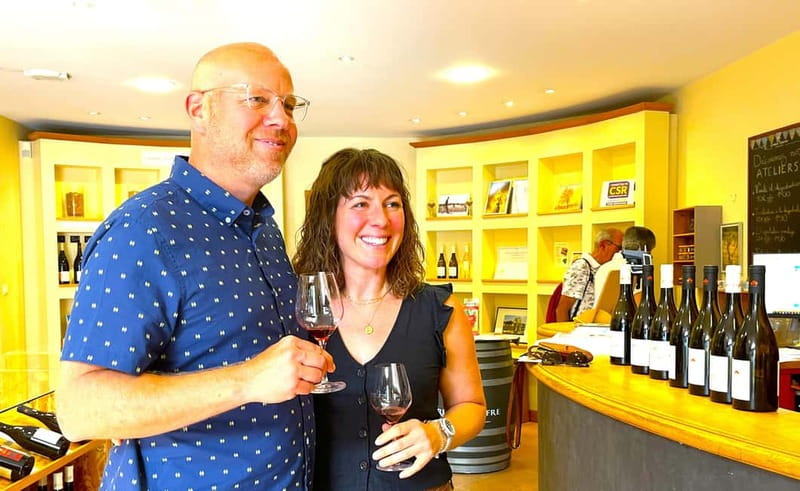
Beaumes de Venise sits on the southern side of the Dentelles de Montmirail. Those pointed mountain ranges shelter the vineyards, giving the area warmer, calmer conditions than nearby wine country. This helps explain why the village is closely associated with Muscat, a naturally sweet wine that received its appellation status in 1943.
The Muscat here is not limited to dessert. You can pair it with blue cheese, charcuterie, or use it as an aperitif. It also works with fruit and other sweets. The tasting gives you a chance to understand how the same grape can move from fresh and floral to more concentrated and dessert-friendly styles.
Beaumes de Venise also produces red wine under a separate appellation, recognized since 2005. Producers may include up to 10 percent white grapes in the blend. The soils vary between limestone, sandstone, sand, clay, and sandier ground, so even this one stop offers more detail than the simple label sweet wine suggests.
The Beaumes stop is often a favorite for people who want something beyond the familiar red-heavy Rhône tasting. It can also be the most visually appealing visit, with vineyards set against the Dentelles. Some of the estates are small and family-run, and Arnaud’s local connections help make the visit feel less like a conveyor belt.
Gigondas, Mistral, and higher vineyards
Gigondas lies on the northern side of the Dentelles de Montmirail. It is more exposed to the Mistral, a cold, dry wind that can blow through the area around 150 days a year. That may sound harsh, but the wind dries the vines after rain and helps reduce disease.
The vineyards rise from about 100 to 600 meters, or roughly 300 to 1,800 feet. The higher ground, wind, and changing soils give Gigondas a character different from sheltered Beaumes de Venise. Sandy marls are particularly associated with Gigondas, alongside clay, limestone, sandstone, and sandy soils.
Gigondas is famous for red wine, with the appellation permitting red and rosé production since 1971. White wine is a very recent addition, joining the appellation in 2023. If you are interested in how wine rules evolve, ask Arnaud about this change during the tasting.
The stop usually lasts about an hour. You can expect a guided tasting and an explanation of how the local conditions affect flavor. Some visits have included a look inside barrel storage, adding a practical sense of how wine develops after fermentation.
I would not assume Gigondas will be your favorite simply because it is famous for red wine. Tastes vary, and one bottle may appeal more than another. That is part of the value here: you are learning your own preferences rather than being told which appellation should win.
More Wine Tours in Avignon:
- Châteauneuf du Pape Wine Day Tasting Tour including Lunch from Avignon
★ 5.0 · 287 reviews - Afternoon Wine Tour to Chateauneuf du Pape from Avignon
★ 4.5 · 176 reviews - Wines from Châteauneuf-du-Pape and surrounding areas in 1/2 day
★ 5.0 · 96 reviews - Avignon: Historic District Guided Food & Wine Walking Tour
★ 4.8 · 84 reviews
The picnic under the Gigondas trees
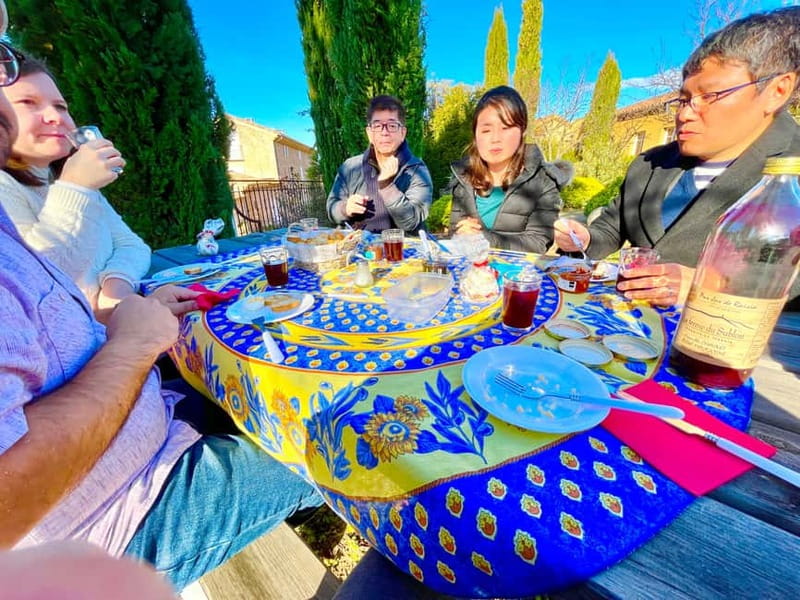
On the warm-season morning tour, the picnic is served around the Gigondas visit. It is built from fresh products sourced from local farms and villages near Arnaud’s home. Examples include boiled eggs, bread, black olive tapenade, sweet pepper tapenade, fresh goat cheese, seasonal fruit, clementines, anchovies, and grape juice.
The exact selection can vary, but the idea stays the same: simple regional food that helps you understand what people eat alongside the wine. One especially pleasing detail is the chance to taste Muscat grapes as fruit, juice, and wine during the same day.
This is not a restaurant lunch with several courses. Think of it as a well-prepared country picnic, and you will have the right expectation. It gives you time to sit outdoors, talk with the group, and slow down between tastings. The food also helps pace the alcohol, which matters on a day with at least nine wines.
If you book the afternoon tour or visit between November and March, there is no picnic included. Bring a snack if you know you will need one, since personal purchases and meals are not part of those versions.
Châteauneuf du Pape, the famous final stop
Châteauneuf du Pape is the best-known name on the route and the place many people most want to visit. It was the first French appellation, established in 1936, and its wines are sold around the world.
Red wine makes up about 92 percent of production, while white wine accounts for roughly 8 percent. The area is particularly associated with large river stones, known for storing heat and helping create powerful, full-bodied wines. Clay, sand, sandstone, and limestone also appear in the local soils.
These wines can be kept in a cellar for 20 to 30 years, although the bottle you taste may be much younger. That distinction matters. You may encounter young Châteauneuf du Pape at the estate, with firm structure and fruit that has not yet softened with age.
The Châteauneuf stop lasts about an hour. It includes a tasting and, when the group is interested, Arnaud may add a quick look at the village or its castle. The specific winery can shape the experience. One outing included younger wines that did not impress as much as the bottles at the previous estate, so do not expect every tasting to deliver a mature, cellar-aged classic.
That is not a reason to skip the stop. It is a useful reminder that the famous appellation name does not guarantee that every sample will suit your taste or budget. You are tasting a producer’s current selection, not the entire category.
Why the small group changes the experience
The car holds up to six participants. That limit makes the day more personal than a large coach excursion, and Arnaud can spend more time answering questions. He is also able to move at the group’s pace rather than rushing everyone through a fixed script.
His relationship with the estates is a real advantage. You may visit family-run producers and quieter tasting rooms that would be harder to reach without a local introduction. The staff at the wineries explain the wines, while Arnaud adds context about the villages, the soils, and the broader region.
The small vehicle is also the clearest compromise. One person described transport as a little cramped and would not have wanted more than five people. If you are tall, dislike close quarters, or carry bulky belongings, this matters. Oversize luggage, large bags, and walking frames are not allowed in the car.
The meeting point is in front of Hôtel Le Bristol in Avignon. Look for Arnaud’s black car marked Ventourisme. If you stay outside Avignon itself, contact the provider ahead of time because another pickup point may be possible.
The guide makes the difference
Arnaud is the owner and guide, and his role is central to the day. He drives carefully, speaks very good English, and can switch between French and English when the group includes both languages. His style is friendly and conversational rather than formal.
I especially like that he explains the countryside while you are moving between wineries. You learn about the Mistral, mountain shelter, altitude, and soils before tasting the wines, so the glass has a practical context. He also knows the winery owners and can explain what makes one estate different from the next.
The tone is relaxed. There is time for questions, pronunciation help, and conversation about other things to do around Avignon. That flexibility can stretch the tour beyond the stated time if the group is engaged, so keep your evening schedule reasonably open.
Is $93 a fair price?
At $93 per person, the price is strong for what is included. You receive Avignon pickup and drop-off, three winery visits on the main route, at least nine wine samples, and a guide who handles the driving. The warm-season morning trip adds a local picnic.
You could spend a surprising amount arranging the same day independently once you factor in a rental car, fuel, designated-driver concerns, and appointments at three estates. The small group and local introductions add value that is hard to measure but important, particularly if you want more than a quick tasting-room stop.
The price is less attractive if you are mainly interested in a long formal meal, a large estate tour, or premium aged bottles at every stop. Tastings vary by producer, and the Châteauneuf selection may include young wines. You are paying for regional comparison, transport, access, and interpretation rather than a guarantee of expensive samples.
Free cancellation is available up to 24 hours before departure, and you can reserve without paying immediately. The tour may be canceled in poor weather, so keep that possibility in mind when planning tightly connected activities.
Who should book this wine tour?
I would choose this tour if you are staying in Avignon and want a practical introduction to Southern Rhône wines without driving. It suits beginners because Arnaud explains the basics clearly, but it also works for experienced wine drinkers who want to compare appellations and meet smaller producers.
The morning tour from April to October is best for people who value the picnic and the full countryside outing. The afternoon version suits anyone with limited time or a preference for a shorter day. Winter visitors should expect a leaner route with no food.
This is not the best fit for someone who needs lots of legroom, plans to carry luggage, or wants a completely private vehicle. Pregnant people and those with heart problems are specifically advised not to book, and walking frames are not permitted.
Should you book it?
Book it if you want three distinct Rhône wine regions, a local guide, and a small group rather than a large bus. The combination of Muscat, Gigondas red, Châteauneuf du Pape, country views, and local food gives you a useful sense of the area in one day.
Choose the morning warm-season departure if you can. It includes the fullest program and the picnic, which adds a personal touch without turning the tour into a formal food excursion. If you prefer tighter timing, choose the afternoon route and accept that meals are not included.
At $93, this is a good buy for wine fans based in Avignon. Just come ready for a compact car, variable wine selections, and a day that is more about local connection and comparison than luxury tasting-room polish.
FAQ
Where does the wine tour start and finish?
The tour starts and ends in front of Hôtel Le Bristol in Avignon. The guide drives a black car marked Ventourisme. If you are staying outside Avignon, contact the provider to ask about another pickup point.
How many wineries do you visit?
The main April to October morning tour and the year-round afternoon tour visit three wineries, in Beaumes de Venise, Gigondas, and Châteauneuf du Pape. The winter morning version also includes Châteauneuf du Pape but visits only two other estates in either Gigondas or Beaumes de Venise.
How many wines will I taste?
The full three-winery tour includes at least three wines at each estate, for a minimum of nine wines in total. The exact wines depend on the wineries visited and their current selections.
Is food included?
A picnic is included only on the morning tour from April through October. It uses local products such as eggs, tapenades, goat cheese, seasonal fruit, and grape juice. The afternoon tour and the winter morning tour do not include food.
Is this a large group tour?
No. The group is limited to six participants. Transport is in the guide’s car, so the small group keeps the experience personal but may feel compact for some passengers.
What languages does the guide speak?
The tour is available in French and English. The guide can explain the wine regions, estates, and local geography in either language.
Just added around Avignon
- Châteauneuf du Pape Wine Day Tasting Tour including Lunch from Avignon★ 5.0 · 287 reviews
- Wine Tasting Tour at Châteauneuf du Pape★ 5.0 · 36 reviews
- In the footsteps of Van Gogh in Provence from Avignon★ 4.5 · 102 reviews
- Lavender Route – Small-Group Day Trip from Avignon★ 5.0 · 120 reviews
- Wines from Châteauneuf-du-Pape and surrounding areas in 1/2 day★ 5.0 · 96 reviews
- Van Gogh & Carrières de Lumières Half-Day Tour from Avignon★ 4.5 · 29 reviews
- Truffle Hunting in Provence★ 5.0 · 55 reviews
- Nimes, Uzes & Pont du Gard Small Group FULL DAY Tour from Avignon★ 4.5 · 187 reviews
Wine Tours, compared.
Moulin Rouge Cabaret Show Ticket with Champagne
Read our review →
Authentic Parisian Gourmet Food Tour with 10 Local Dishes & Wines
Read our review →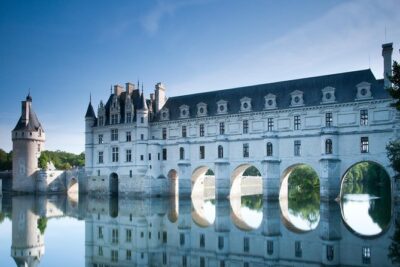
Loire Valley Castles Day Trip from Paris with Complementary Wine
Read our review →
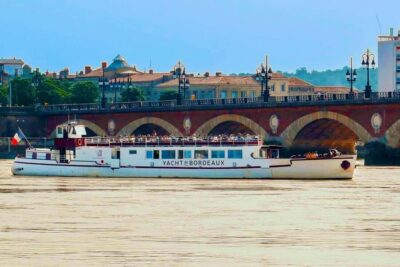
River Garonne Cruise with Glass of Wine and Canelé
Read our review →
Montmartre Hill French Gourmet Food and Wine Tasting Walking Tour
Read our review →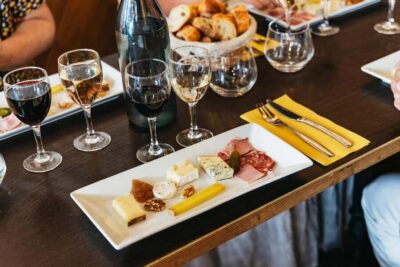
Montmartre Cheese, Wine & Pastry Guided Walking Tour
Read our review →
Paradis Latin Cabaret Show with Optional Champagne
Read our review →Browse the lists this tour appears in