
Reviewed · WINE TOURS
From Paris: Day Trip to Champagne with 8 Tastings & Lunch
Champagne is best understood at three levels: the famous international house, the small grower, and the cooperative that connects many local producers. This full-day trip gives you that useful comparison, along with eight tastings, a cellar visit, and lunch at a Champagne producer.
I like the easy hotel pickup and the way guides such as Huw, Cedric, Joel, and Nicholas add context during the long drive from Paris. I also like the generous pacing: you get time for vineyards, food, and conversation instead of racing from one tasting room to the next.
The catch is the travel time. You spend about four hours in the van, and small-group drop-off is at a central Paris location rather than necessarily at your hotel. The famous Champagne house you visit can also vary, so do not book this expecting Veuve Clicquot or Moët & Chandon by name.
Key points to know before booking
- Eight Champagne tastings cover several styles, including Blanc de Blancs, Blanc de Noirs, rosé, and sometimes ratafia.
- Three useful views of production may include a major house, a family estate, and a cooperative.
- Lunch at a Champagne house makes the middle of the day feel local and relaxed, not like a quick stop between cellar tours.
- Guides make the difference, with Huw, Cedric, Joel, Nicholas, Luc, and others praised for clear explanations and friendly driving.
- The minivan ride takes about four hours total, so the tour suits you if you want convenience more than a fast rail journey.
- Warm clothing matters, since underground cellars can feel cool even on a pleasant day.
Why this Champagne day trip works from Paris
A day in Champagne is easy to dream about and surprisingly awkward to arrange. Reims and Épernay are not difficult to reach by train, but the most useful wineries sit beyond the city centers. Once you arrive, you still need to connect the dots, manage tasting times, and get back to Paris.
This tour solves that problem with central pickup, a driver-guide, and an air-conditioned minivan. You leave Paris in the morning, cross into the Grand Est region, spend the day among vineyards and cellars, then return to central Paris after roughly 10 to 11 hours.
I see the main value in the structure. You are not simply given a glass and pointed toward a gift shop. The day explains how Champagne is made, why the major brands operate differently from family producers, and how the region’s villages and vineyards shape the wine.
The tour costs about $345 per person. That is a serious price for a day trip, but it includes transportation, a guide, two formal Champagne house visits, eight tastings, and lunch. If you would otherwise pay for a train, taxis, winery visits, meals, and a guide, the package becomes easier to justify.
It is less compelling if you only want one cellar tour and a couple of glasses. For that, a shorter Reims or Épernay outing may suit you better. This is a full day built around learning, comparison, and plenty of Champagne.
More Day Trips in Champagne
- Champagne Day Trip with 6 Tastings, Reims and Winery from Paris
★ 5.0 · 902 reviews - Champagne Day Trip from Paris with 8 Tastings & Lunch
★ 4.5 · 607 reviews - Champagne and Reims Tasting Day Trip from Paris
★ 5.0 · 370 reviews
The morning ride from Paris starts with croissants
Pickup is available from hotels in central Paris. If your hotel is outside the pickup area, you are directed to a central meeting point instead. The shared van then heads east toward Champagne, with the drive taking about two hours each way depending on traffic.
The small breakfast touch is practical. Guides commonly bring fresh croissants for the morning ride, along with water on some departures. That matters because pickup can be early, and you may not have time for a proper breakfast before leaving.
Use the drive well. Guides such as Huw, described as a trained sommelier, and Joel, Cedric, Aurelien, Luc, Franck, and Nicholas have been praised for explaining Champagne during the journey. You can expect talk about the region, production methods, traditions, and the countryside passing outside the window.
The van is generally comfortable for a small group, often around six to eight people. One useful caution: the front seats can feel cramped for some passengers. If you care about legroom or a broad view, mention it when boarding, though seating arrangements may not be guaranteed.
The traffic returning to Paris can stretch the day. That is not a fault of the guide, but it is worth remembering if you plan an evening reservation. I would avoid booking a theater show, train, or expensive dinner immediately after the stated return time.
A major Champagne house puts the brand names in context
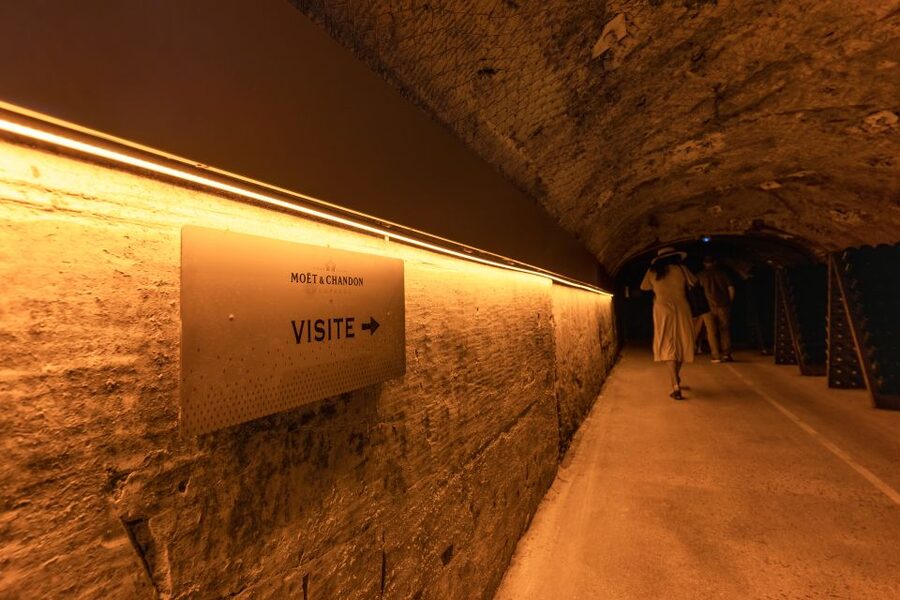
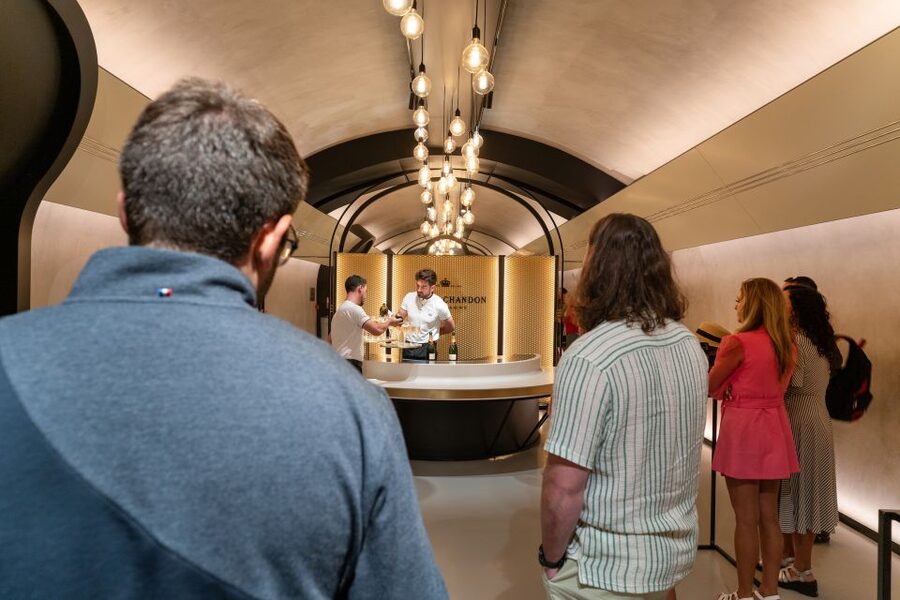
The first formal stop is usually a major Champagne house, with possible names including Mumm, Veuve Clicquot, Moët & Chandon, Mercier, Pommery, Lanson, or Nicolas Feuillatte. The exact house depends on availability, so the experience is not tied to one guaranteed brand.
This stop gives you the polished, industrial side of Champagne. You walk through the cellars, learn about production, and taste the first Champagne of the day. The scale helps explain why famous labels can supply bottles around the world with a consistent style.
The cellar can be cool, so bring a sweater or light jacket even in summer. Warm clothing is specifically advised, and it is sensible advice for anyone who gets chilled underground.
A large house visit can feel more formal than the later stops. That is part of its value, but it may not provide the personal contact of a small grower. You get a clear introduction to the Champagne method and the power of a major brand, then the rest of the day lets you compare that experience with smaller operations.
One point deserves attention: the advertised house may change. A June visit, for example, did not include Veuve Clicquot despite that brand being promoted as one possible stop, because of high-season availability. Book this for the regional experience, not for a guaranteed visit to a particular label.
Tasting in the vineyards makes the wine easier to understand
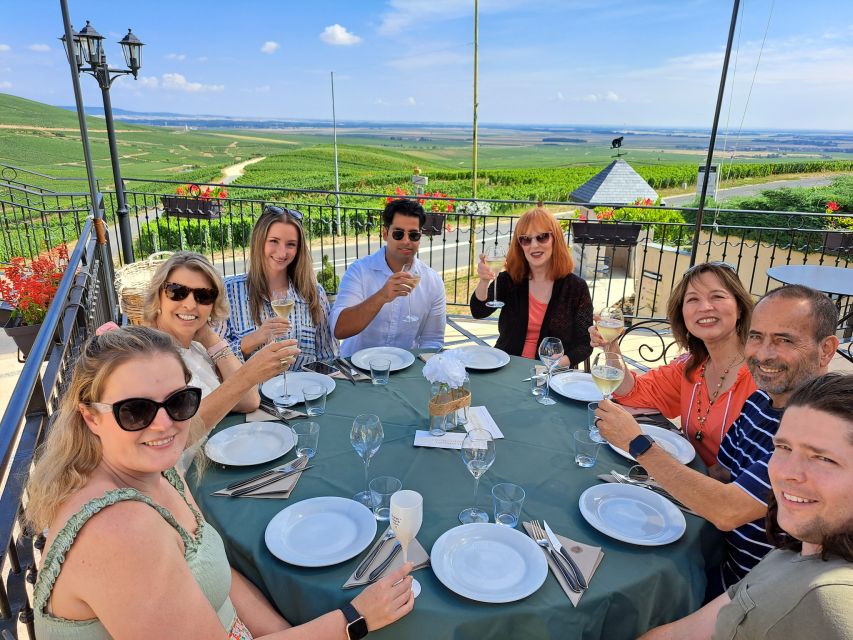
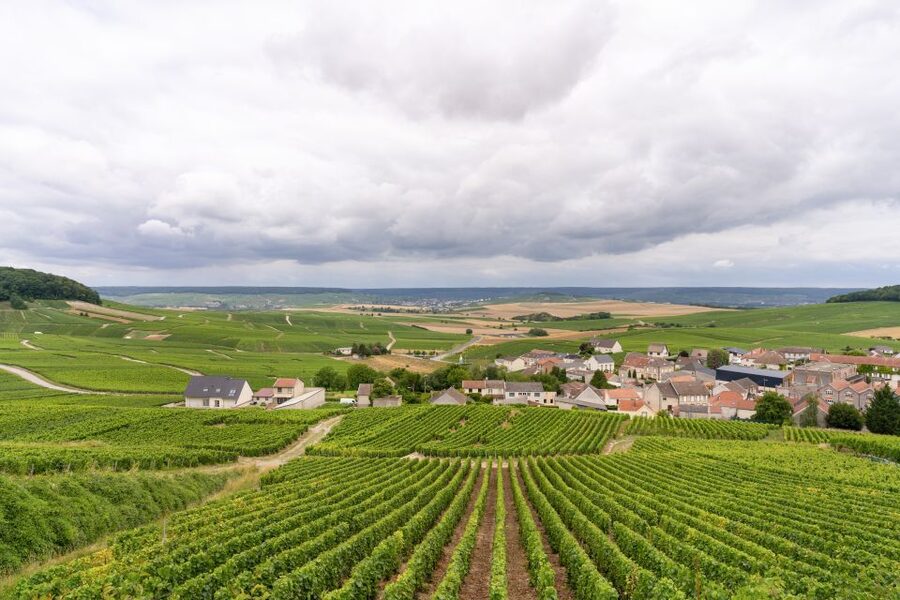
The drive between stops is not dead time. The van moves through vineyard country, villages, and the rolling countryside around Reims and Épernay. Guides sometimes stop at a scenic viewpoint, and a few departures have included a quick roadside toast with a bottle of Champagne.
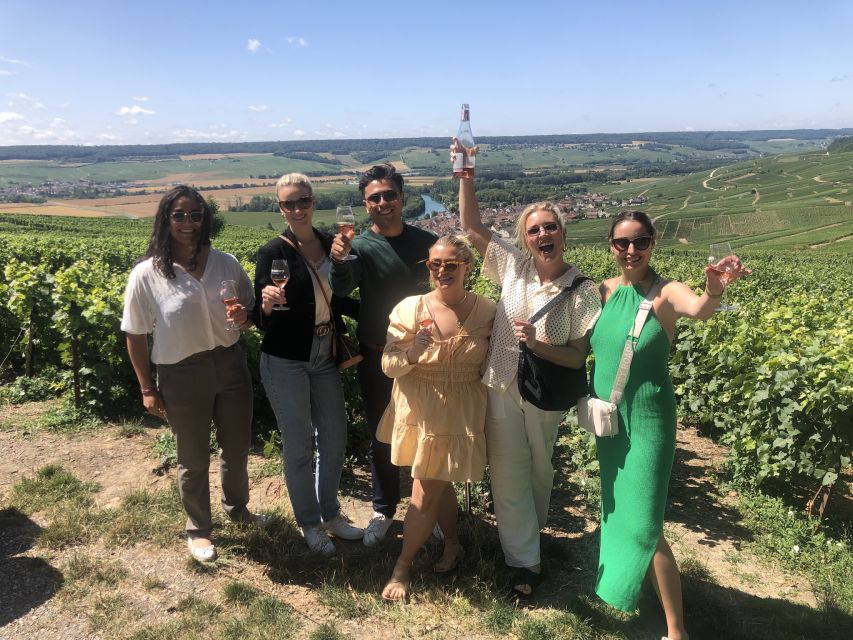
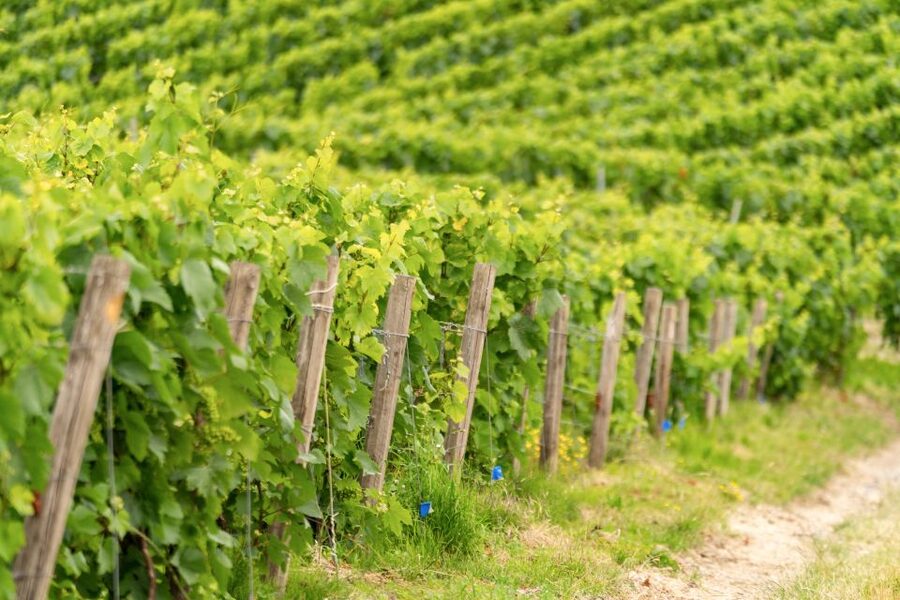
A tasting among the vines gives you a better sense of place than a bar in Paris. You can look at the rows of grapes while hearing about terroir, grape varieties, and the production choices that shape the final wine.
The three main grape varieties behind Champagne are Chardonnay, Pinot Noir, and Pinot Meunier, and the tasting selection may include different combinations of them. The tour specifically highlights Blanc de Blancs, Blanc de Noirs, rosé, and, when available, ratafia, a sweet local liqueur.
The guide also teaches you how to taste more carefully. You will not become a professional in one afternoon, but you can learn to pay attention to color, aroma, bubbles, balance, and finish rather than treating every glass as the same.
Eight tastings sound like a lot, and they are. Pace yourself. Eat lunch, drink water when offered, and use the tasting as a lesson rather than a contest. The long van ride makes responsible drinking especially important.
More Wine Tours in Champagne:
- From Reims: Champagne and Family-Run Wineries Tour
★ 4.8 · 671 reviews - From Paris: Reims and Champagne Tasting Full-Day Tour
★ 4.8 · 610 reviews - Reims afternoon tour Champagne and family growers
★ 5.0 · 535 reviews - From Reims: Morning Champagne Tour and Tastings
★ 4.8 · 463 reviews
Lunch at a small producer is the heart of the day
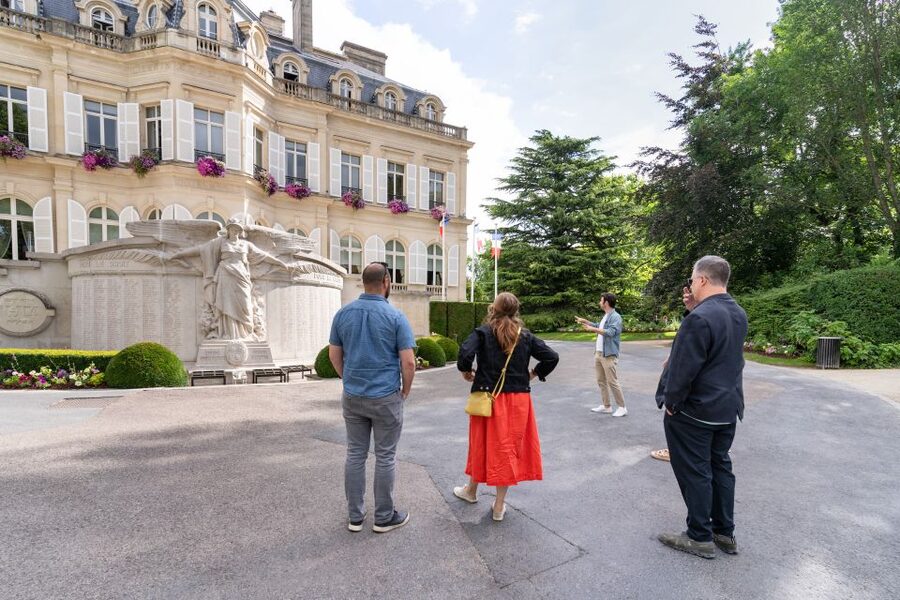
Lunch is served at either a family-run Champagne house or a quality local restaurant. The experience is strongest when it takes place at a small producer, where the meal is paired with several Champagnes and the setting feels connected to the people making the wine.
Expect traditional French food rather than a hurried sandwich. Exact dishes vary, but the meal is presented as regional cuisine with Champagne pairings. Several departures have included excellent meals at a small winery, with food served in a cozy, informal setting.
This is also where the tour moves beyond famous labels. At a family house, you may hear more about the producer’s own bottles, local customs, and the practical side of making wine on a smaller scale. You get a different feel from the large cellar visit, and the contrast is exactly what makes the day useful.
Lunch lasts about two hours, which gives you time to eat, taste, ask questions, and talk with the group. That slower middle section keeps the day from feeling like a string of cellar appointments.
Dietary requirements should be provided when you book. Do not wait until the morning of the tour, since lunch is arranged in advance and may be served at a winemaker’s home or small establishment.
The afternoon producer shows a different side of Champagne
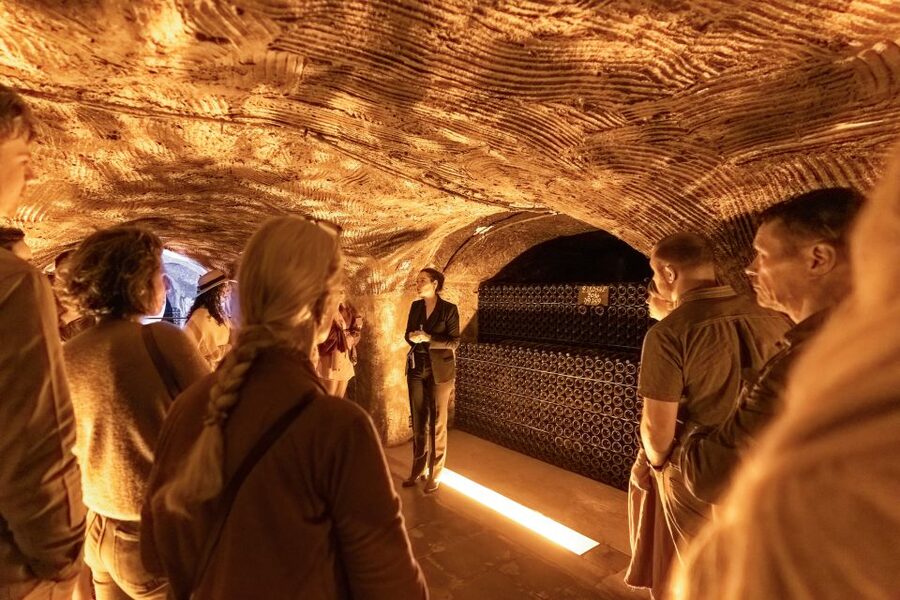
The second formal producer visit takes place in the afternoon. Depending on the departure, this may be a family estate or a cooperative. Some day plans effectively include three Champagne settings: the large house, the smaller lunch producer, and the afternoon cooperative or estate.
A cooperative is particularly useful for understanding how growers work together. A family estate shows another approach, with smaller-scale production and a more personal connection between the people you meet and the bottles you taste.
The hosts at this stop can vary in presentation. Some are warm and highly interactive, while others offer a more structured explanation. One departure included a second house where the host did not involve the group as much as expected. That is a fair limitation to keep in mind, since the guide cannot control every host’s style.
Still, the overall comparison remains valuable. You taste more Champagne, see another production model, and have the chance to buy bottles directly. Some people have shipped bottles home from the final stop after finding a favorite style.
The tour description promises eight Champagnes over the course of the day. The exact wines and number served at each stop can vary, but the tastings are generally full pours rather than tiny symbolic samples.
The guides shape the quality of the day
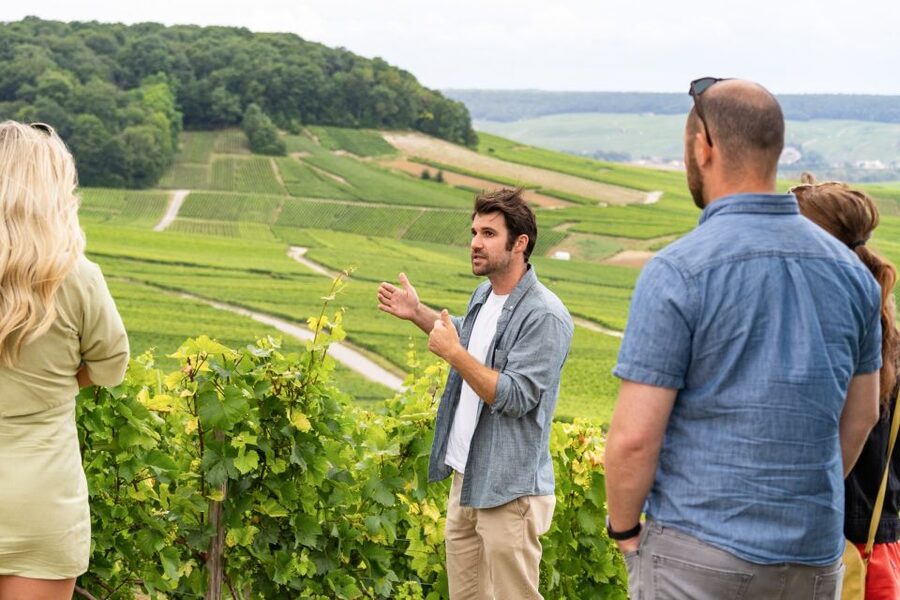
The strongest part of this experience is the human side. A good guide has to do three jobs at once: drive safely, explain Champagne without turning the day into a lecture, and keep a group of strangers comfortable for 10 or 11 hours.
Huw has been singled out for his sommelier training and approachable explanations. Cedric is praised for his knowledge of the area and for keeping the group at ease. Joel is known for friendly energy and clear communication, while Nicholas has been described as patient, relaxed, and well informed about the production process.
Other named guides include Aurelien, Luc, Franck, Lionel, Chloe, Daniel, Bastian, Patrice, and Cecile. The experience can feel different depending on who leads your van, but the guide is clearly central to the day’s success.
Language options are English, Spanish, and French, though Spanish and French departures depend on availability. Not every winery offers tours in Spanish, and not every guide speaks Spanish or French, so confirm the language arrangement before booking if it matters to you.
The shared format also has a social side. You may spend the day with several other couples or a group of about seven or eight people. That can make the long drive more pleasant, but it means you cannot set every stop or tasting to your own pace. Private tours give you more flexibility and include hotel drop-off.
Is $345 a fair price for the day?
At $345, this is not a budget excursion. The price makes the most sense if you value convenience and a guide who can connect the visits into one clear story.
You are paying for:
- Central Paris pickup
- Air-conditioned minivan transport
- A driver-guide
- Visits to two Champagne houses, with a lunch producer often forming an additional setting
- Eight tastings
- A traditional lunch
- Wine instruction from a specialist guide
A self-planned day may cost less on paper, especially if you take the train and visit only one or two city-based houses. But reaching small producers without a car is harder, and you would lose the guide’s explanations during the drive and vineyard stops.
The main value is variety. You are not locked into one famous brand. You see how a major house, a smaller producer, and possibly a cooperative differ, then taste across several styles.
I would call it good value for someone who wants a complete first visit to Champagne. I would call it expensive for someone who already knows the region, prefers to travel slowly, or does not care much about wine production.
Who should book this experience?
You should consider it if you are staying in Paris and want to see the Champagne countryside without renting a car. It also suits first-time visitors who want the basics explained in plain language and appreciate having lunch, tastings, and transport handled together.
It works well for couples, solo travelers, and small groups. Solo visitors can benefit from the shared format, since the group and guide provide company throughout a long day.
Wine lovers will get the most from the comparison between large and small producers. Food-focused visitors should also enjoy the Champagne-paired lunch, while anyone interested in French rural life will appreciate the villages and vineyard views.
I would think twice if you use a wheelchair, since the tour is not suitable for wheelchair users. I would also avoid it if you dislike long vehicle rides or need guaranteed hotel return in a shared group.
Free cancellation is available up to 24 hours before departure, and reserve-now-pay-later booking is offered. Minimum numbers apply, so a departure can be canceled after confirmation if too few people book. In that case, you are offered a full refund or another date.
Should you book the Champagne day trip?
Book it if you want a full, well-organized introduction to Champagne from Paris, with eight tastings, a proper lunch, and a guide who can explain what you are drinking. The balance of major house, small producer, and cooperative is more useful than visiting one grand brand alone.
Choose the private option if hotel drop-off and flexibility matter, or if you want the day to feel more personal. Choose the shared tour if you enjoy meeting people and want the lower-friction way to reach the countryside.
My practical advice is to book this for the region, not a specific Champagne label. Bring warm clothing, eat the croissants, pace yourself with the tastings, and leave your evening open in case Paris traffic delays the return. If that sounds like your kind of day, $345 buys a memorable and unusually complete look at Champagne.
FAQ
How long is the Champagne day trip from Paris?
The tour lasts about 10 to 11 hours, including roughly two hours of driving each way between Paris and the Champagne region.
Where does pickup take place?
Pickup is available from hotels in central Paris. If your accommodation is outside the central pickup area, pickup and drop-off are arranged from a central Paris location.
Is hotel drop-off included?
Hotel drop-off is included with the private tour option. Shared groups are dropped at a central Paris location, including the Hôtel de Ville area.
How many Champagne tastings are included?
The tour includes eight Champagne tastings during the day. Styles may include Blanc de Blancs, Blanc de Noirs, rosé, and ratafia when available.
Which Champagne house will I visit?
Possible major houses include Mumm, Veuve Clicquot, Moët & Chandon, Mercier, Pommery, Lanson, and Nicolas Feuillatte. The exact house depends on availability and is not guaranteed in advance.
Will I visit a small Champagne producer?
Yes. The day includes a visit to a smaller family-owned producer or cooperative, in addition to a renowned Champagne house. The lunch stop may also be at a family-run Champagne house.
Is lunch included?
Yes. A traditional French lunch is included, with Champagne pairings. It may be served at a family-run Champagne house or at a local restaurant.
What languages are available?
Tours may be offered in English, Spanish, or French. Spanish and French departures depend on availability, and not every winery or guide can offer those languages.
What should I bring?
Bring warm clothing because the cellars can be cold. You should also provide any dietary requirements when booking.
Is the tour suitable for wheelchair users?
No. The experience is not suitable for wheelchair users.
Just added around Champagne
- Passy-Grigny: Chocolate and Champagne Tasting Tour★ 4.8 · 208 reviews
- Champagne Vineyard Experience: Delve into the terroir★ 4.4 · 52 reviews
- Champagne: Canard-Duchêne Champagne House Tour★ 4.7 · 66 reviews
- Champagne Cellar Experience: Explore our historic cellars★ 4.7 · 46 reviews
- Champagne Munoz Bruneau : Half Day Visit and Tasting★ 4.9 · 53 reviews
- Aÿ-Champagne: Pressoria Champagne Museum with Tasting★ 4.7 · 239 reviews
- Aÿ-Champagne: Champagne House Tour and Tasting Class★ 4.9 · 209 reviews
- From Reims: Champagne Day Trip to 3 Family Domains & Lunch★ 4.8 · 194 reviews
Wine Tours, compared.
Moulin Rouge Cabaret Show Ticket with Champagne
Read our review →
Authentic Parisian Gourmet Food Tour with 10 Local Dishes & Wines
Read our review →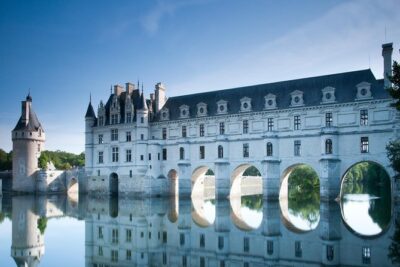
Loire Valley Castles Day Trip from Paris with Complementary Wine
Read our review →
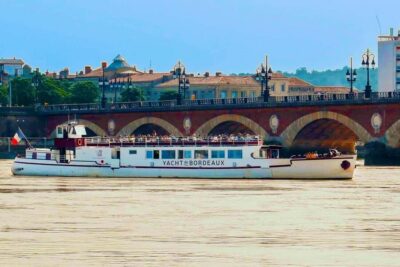
River Garonne Cruise with Glass of Wine and Canelé
Read our review →
Montmartre Hill French Gourmet Food and Wine Tasting Walking Tour
Read our review →
Montmartre Cheese, Wine & Pastry Guided Walking Tour
Read our review →
Paradis Latin Cabaret Show with Optional Champagne
Read our review →Browse the lists this tour appears in