
Reviewed · WINE TOURS
Aÿ-Champagne: Pressoria Champagne Museum with Tasting
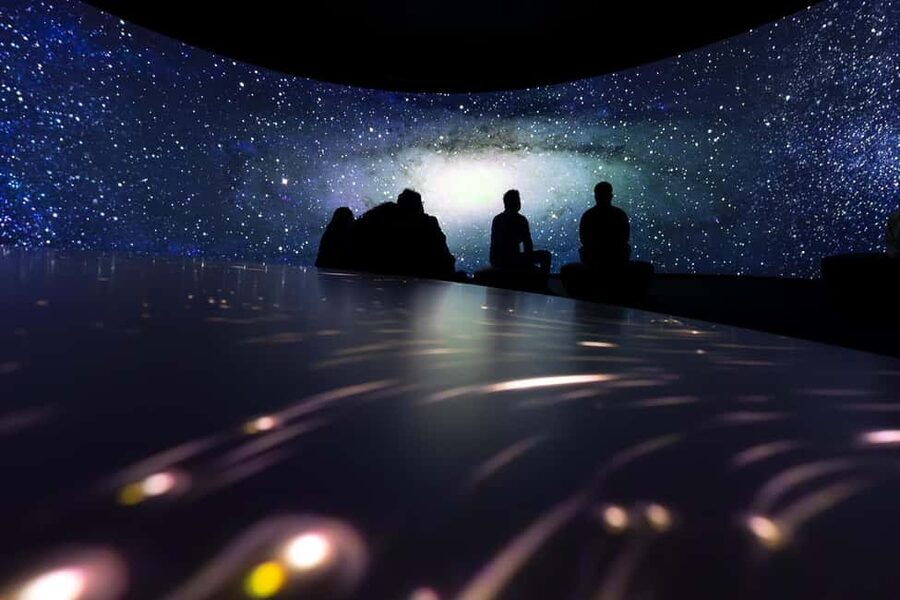
Pressoria turns Champagne making into a hands-on story, beginning below the soil and ending with two glasses in front of the vineyards. Instead of simply walking through a cellar, you move at your own pace through interactive rooms that explain grapes, fermentation, aging, and bottling.
I like the mix of vineyard scenery and technology, and I like that children can take part rather than being asked to stand quietly beside an adult. The main consideration is that this is a self-guided museum visit, not a personal tour with a named wine expert. If you want a cellar tour led by a producer, you may find it a little impersonal.
Key points at a glance
- Two Champagne tastings included: Your ticket includes two local Champagnes at the end of the visit.
- A true start-to-finish story: Follow Champagne from the subsoil and grape harvest through pressing, fermentation, aging, and bottling.
- Family-friendly displays: Touchscreens, technology, and sensory activities make the subject easier for children to follow.
- Aÿ-Champagne vineyard setting: The museum sits near peaceful vines in one of Champagne’s best-known communes.
- Self-guided and flexible: You can spend time where you like, with French and English available.
- Good practical value: At $21 per person, the ticket combines a museum visit, regional context, and two tastings.
Why Pressoria is different from a standard Champagne visit
Many Champagne experiences focus on a single house, its cellar, and its brand story. Pressoria takes a wider view. It explains what gives the region its identity, from the ground under the vines to the finished bottle in your hand.
That makes it useful early in a Champagne trip. After visiting Pressoria, you will have a better sense of what producers are talking about when they discuss grape varieties, soil, pressing, fermentation, or aging. You are not just hearing a list of technical terms. You are seeing how each stage affects the final drink.
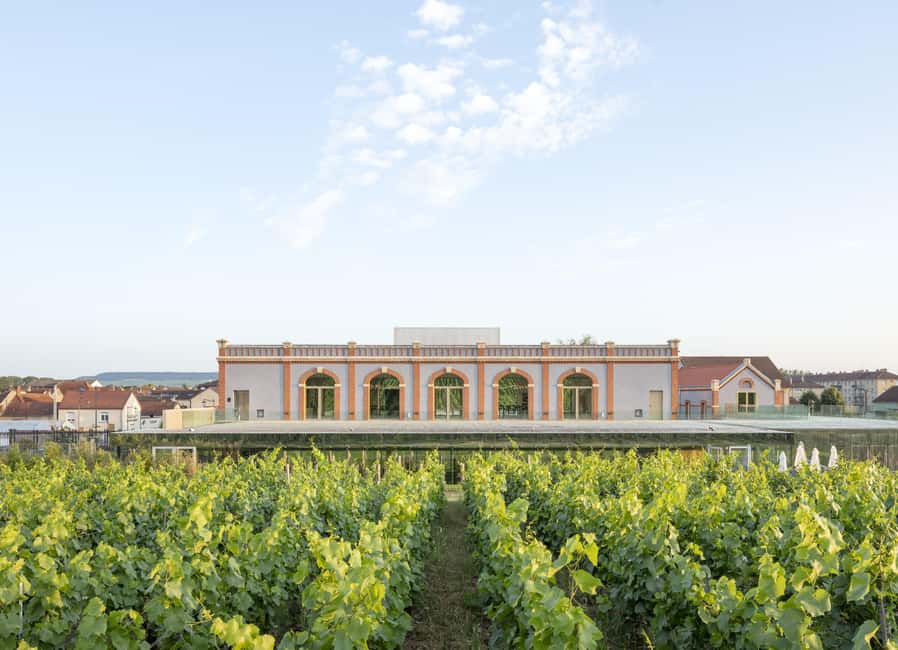
The museum is in Aÿ-Champagne, a commune surrounded by vineyards and linked with the UNESCO World Heritage Champagne region. The setting matters. Champagne can seem abstract when it is presented only as a polished bottle in a restaurant. Here, the vines and hillside give the subject a physical setting.
You can also treat the visit as a calm break from a busy tasting schedule. The museum is not built around rushing from one appointment to the next. You move through it at your own speed, then pause for the tasting.
More Wine Tours in Champagne:
- From Paris: Day Trip to Champagne with 8 Tastings & Lunch
★ 4.8 · 1,501 reviews - Champagne Day Trip with 6 Tastings, Reims and Winery from Paris
★ 5.0 · 902 reviews - From Reims: Champagne and Family-Run Wineries Tour
★ 4.8 · 671 reviews
From the hillside to the museum entrance
Pressoria is located at Boulevard Pierre Cheval in Aÿ-Champagne. You can park your vehicle on the boulevard and walk to the museum, with plenty of parking around the building according to the available visitor information.
The exterior has a classically designed look, while the displays inside use modern technology. That contrast sets up the basic character of the place: traditional wine culture explained with contemporary tools.
Give yourself enough time to look around the surrounding vineyards before or after your visit. The nearby vines offer a quiet reminder that Champagne is agricultural work before it is a luxury product. In good weather, this outdoor setting adds a lot to the visit. In poor weather, the museum itself still gives you a full indoor program.
The facility is wheelchair accessible, and lockers are included. That is useful if you are carrying coats, bags, or purchases from elsewhere in the region.
Starting with soil, vines, and the Champagne region
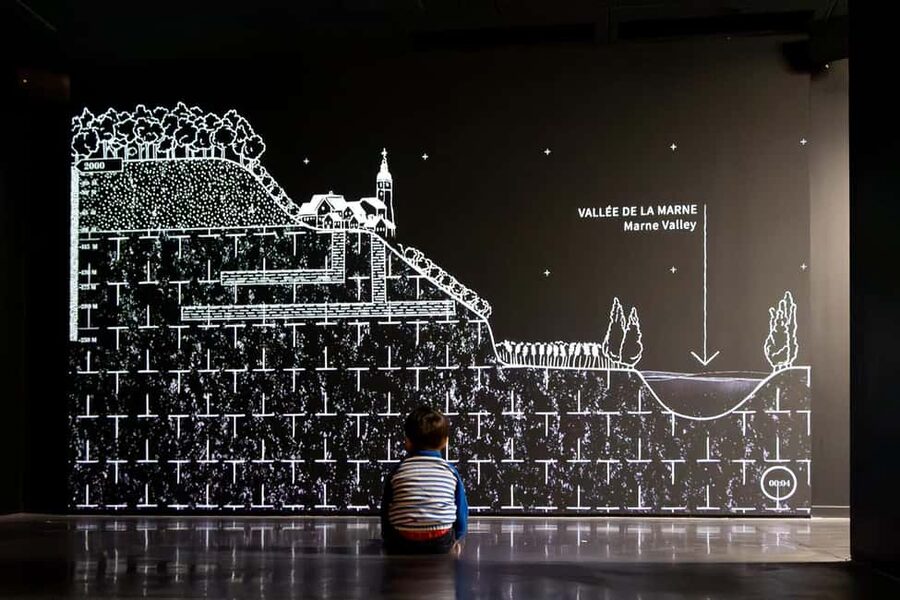
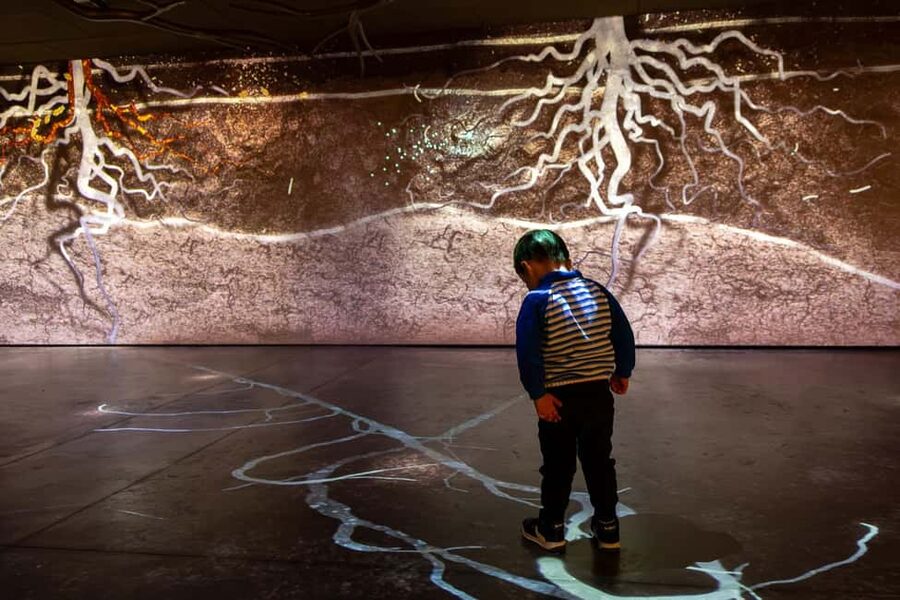
The first part of the experience asks you to think below the bottle. Pressoria explains the subsoil and the way the local ground helps shape the grapes. This is one of the most valuable parts of the visit because it gives you a reason to pay attention to place.
Champagne is not simply a method for adding bubbles to wine. The soil, climate, hillside, and grape growing all play a part. The museum helps connect those elements without requiring you to arrive with specialist wine knowledge.
You will also get a clearer idea of why the region is so closely tied to its product. A bottle labeled Champagne must come from this protected French area and follow the rules connected to its production. Pressoria presents that idea through the region itself rather than only through brand names.
Look for the links between the indoor displays and the vines outside. The museum is strongest when you treat it as one connected visit. First you see the local setting, then you walk through the production stages, and finally you taste the result.
Picking and pressing the grapes
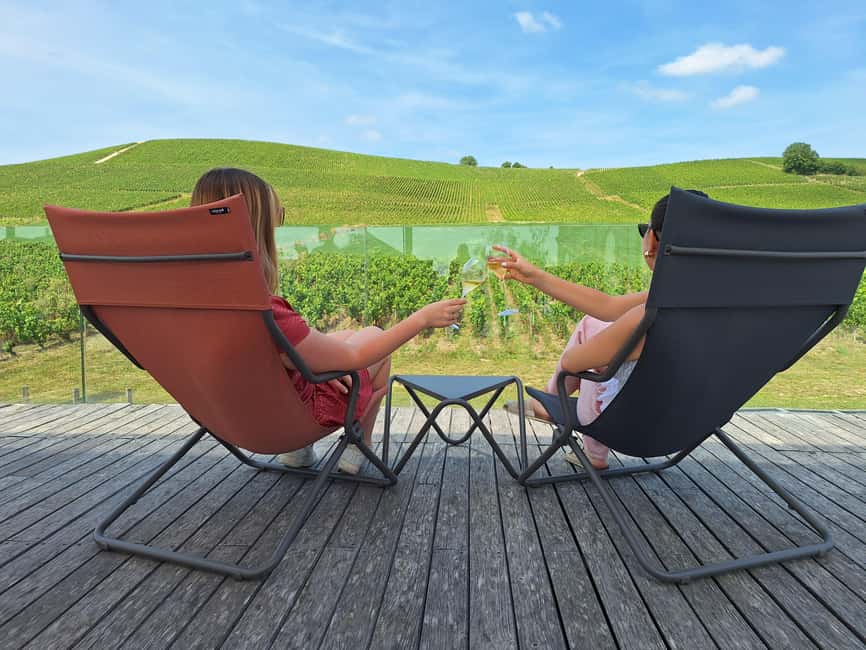
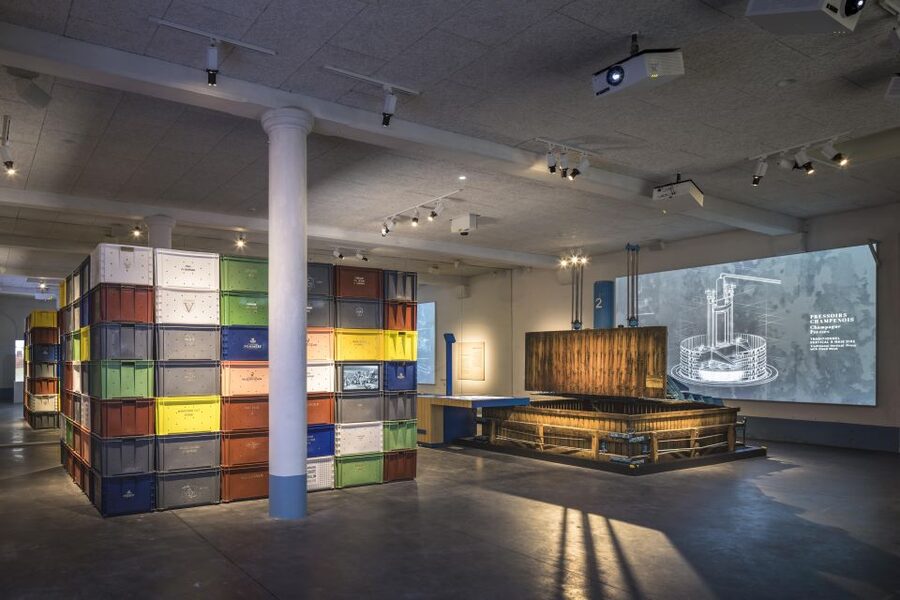
The next stage follows the grapes from the vine to the press. You learn how grapes are picked and why the first handling of the fruit matters. This turns the harvest from a romantic picture of baskets and hillsides into a precise part of wine production.
The subject is presented in a way that can work for both adults and children. Young visitors can focus on the visual and interactive parts, while you can pay attention to the practical decisions behind the process. The museum does not assume that everyone has studied wine before.
Pressing is especially important to understand because the goal is not simply to crush grapes as quickly as possible. The juice must be handled with care before it becomes the base for Champagne. The displays help show how a sparkling wine begins as a still wine before later stages create its familiar character.
This is also a good point to slow down. Technology can make an exhibit easy to move through, but the subject rewards a little patience. Read the explanations, try the interactive elements, and connect each step with the bottle you will taste later.
More museums and galleries in Champagne:
- Paris: Louvre Museum Timed-Entrance Ticket
★ 4.6 · 71,977 reviews - Louvre Museum Masterpieces Guided Tour with Access
★ 4.5 · 12,023 reviews - Paris: Louvre Museum Entry Ticket With Host and River Cruise
★ 4.6 · 9,926 reviews - Les Invalides: Napoleon’s Tomb & Army Museum Entry
★ 4.6 · 9,185 reviews
Fermentation, aging, and bottling
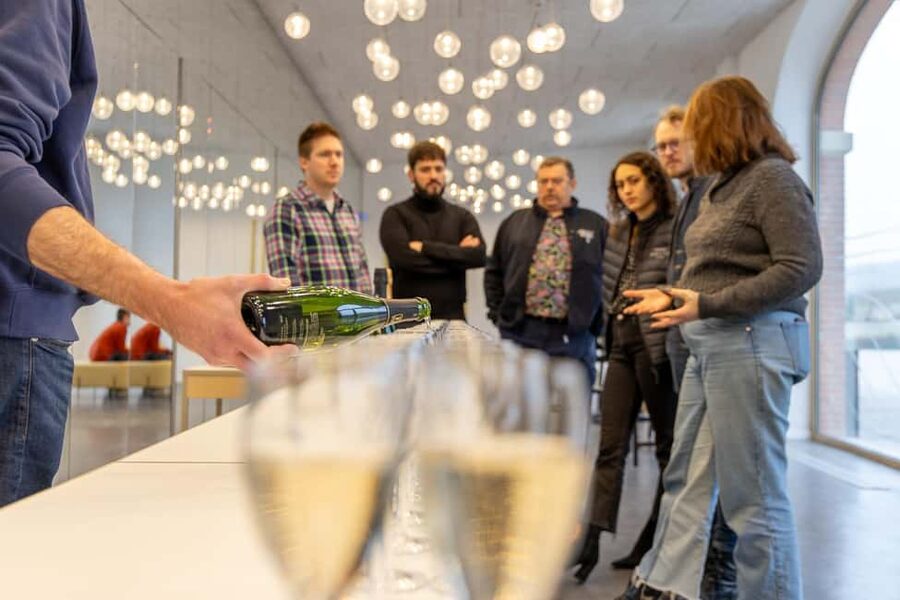
Pressoria then follows the wine through fermentation, aging, and bottling. This is where the museum explains why Champagne has more layers than simple sweetness and bubbles.
Fermentation changes the grape juice into wine. Later work builds the pressure, aroma, and texture associated with Champagne. Aging also matters. The bottle is not finished as soon as it starts to sparkle, and the museum shows how time becomes part of the production process.
You will gain a better appreciation for the work behind a quick pour at a restaurant. A glass may look effortless, but the finished drink depends on many stages that must be controlled. Pressoria makes those stages visible.
The bottling section brings the story back to something familiar. After seeing the process, you can look at a Champagne bottle with more curiosity. The label, closure, and liquid inside represent a chain of decisions, not just a celebratory drink.
A sensory visit that works for families
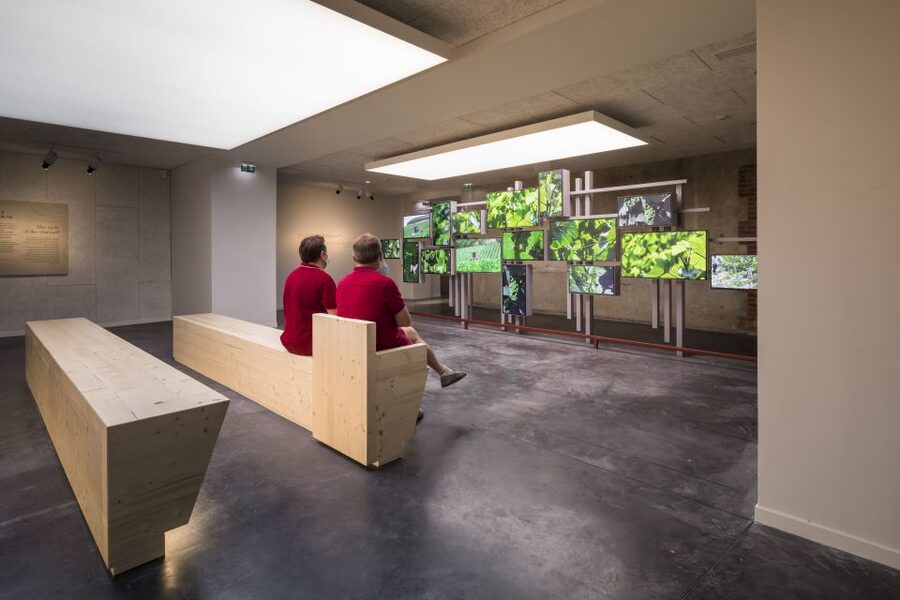
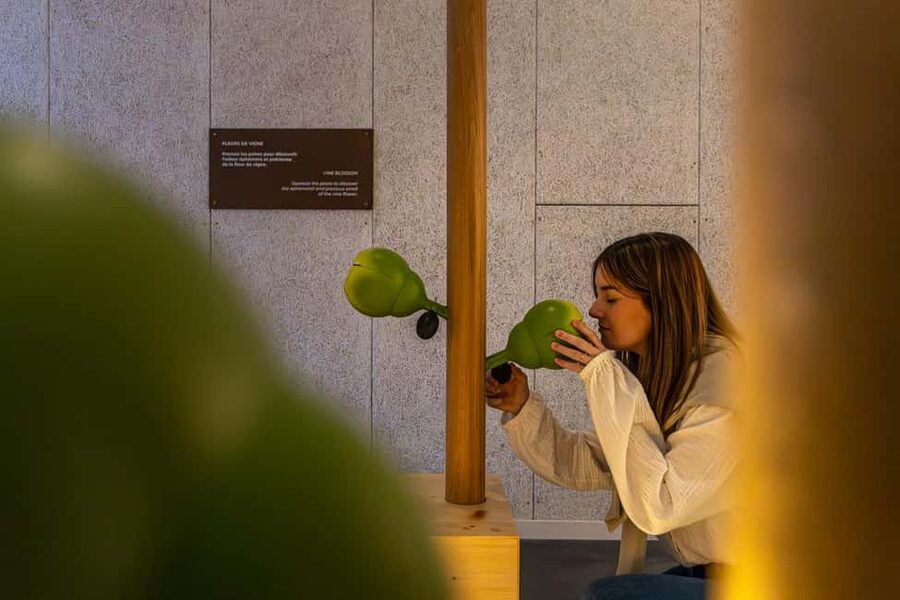
Pressoria is designed to engage all five senses. That is more than a decorative idea. Wine can be difficult to explain through text alone, especially to children or to adults who do not normally drink it.
The interactive displays let you learn through movement, images, sound, and sensory prompts. The technology-driven rooms were a major reason the experience works for families. Children have something to do, and adults still receive useful information about the region and the production process.
I would not mistake family-friendly for childish. The subject remains serious, but the museum avoids turning it into a long lecture. If you are traveling with children, you can allow them to explore the hands-on sections while you spend more time on the technical explanations.
The format also suits couples and solo visitors. Since there is no fixed group guide leading everyone at the same pace, you can pause at displays that interest you and move on from sections that feel familiar.
The limitation is that self-guided exhibits do not always answer personal questions. If you want to ask about a particular producer, vintage, or bottle, you may need to seek out a staff member. French and English are available, and the host or greeter can help, but this is not presented as a private wine lesson.
The tasting on the vineyard side
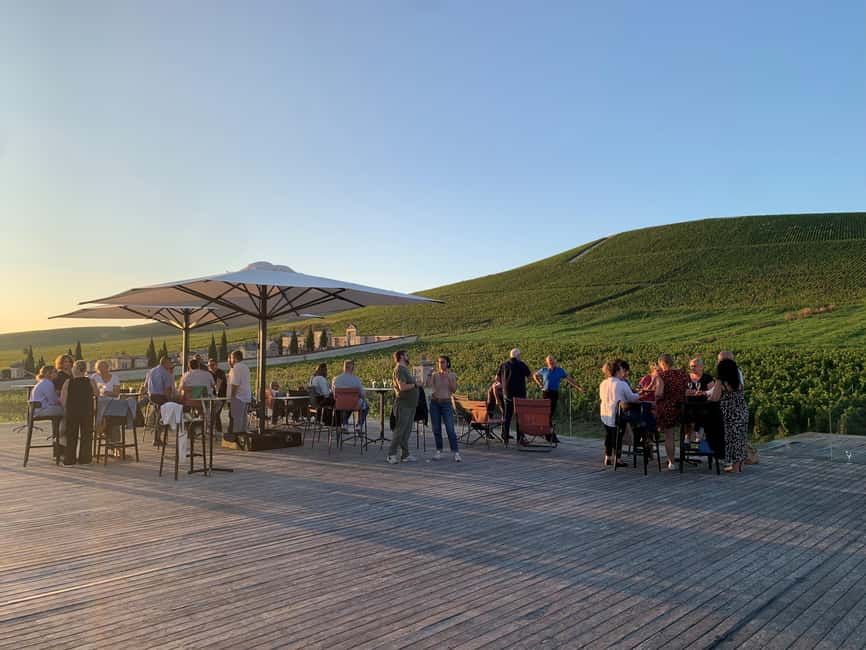
The visit ends with two Champagne tastings. This final step gives the museum’s explanations a practical purpose. You have just followed the drink from soil to bottle, and now you can consider what those stages produce in the glass.
The tasting is often held on a terrace overlooking the vineyards. That view adds a pleasant sense of place, especially when the weather allows you to sit outside. It is a simple but effective ending: local vines in sight, Champagne in the glass.
Take your time with the tasting. Notice the bubbles first, then the aroma, acidity, fruit, and finish. You do not need expert vocabulary. The point is to compare what you taste with what you have learned about grape growing, fermentation, and aging.
The ticket includes two Champagnes, not a full meal or a broad tasting flight. Food is not included, so plan to eat elsewhere if you need lunch or a substantial snack. The tasting is best understood as a focused conclusion to the museum visit rather than a replacement for a winery appointment.
One small limitation is worth noting: the available information indicates that Champagne is not sold at the museum, and the souvenir shop may feel modest if you are hoping to take home a bottle or find a large selection of gifts. You can still use the visit to decide which producers or bottles to seek elsewhere in the region.
How much time and money should you allow?
The listed price is $21 per person. For that amount, you receive museum admission, the complete self-guided presentation, lockers, and two Champagne tastings. That is solid value if you want both regional context and a drink at the end.
The price compares favorably with a simple tasting, because you are paying for more than two pours. You are also paying for an organized explanation of how Champagne is produced. On the other hand, it is not the best choice if your only aim is to taste several wines or visit a working cellar.
The activity is valid for one day, with starting times subject to availability. It is sensible to check the available time before building the rest of your day around it. A visit pairs naturally with time in Aÿ-Champagne and the surrounding vineyards.
The experience is self-guided, so your visit length depends on how closely you use the exhibits. You can move at a brisk pace, but the interactive displays and technical sections reward a slower visit. Plan extra time for the tasting terrace and the vineyards outside rather than treating the museum as a quick stop between appointments.
Who will enjoy Pressoria most?
I would recommend Pressoria to first-time visitors who want a clear introduction to Champagne. It gives you the vocabulary and sequence you need before visiting producers, ordering a bottle, or comparing different tastings.
It is also a strong choice for families. The exhibits do not rely only on long written panels, and children can take part in the sensory and technology-based displays. That makes it easier for the whole group to stay involved.
Couples and adults traveling without children will appreciate the peaceful setting and the terrace tasting. You can make the visit as technical as you like. Spend time on the production details, or simply enjoy the story and the views.
You may want something different if you are already an experienced Champagne collector or want a personal guide from a producer. Pressoria teaches the regional process rather than presenting one house’s cellar, winemaker, and private history.
Practical tips for a better visit
Check the time slot before you go, since the ticket is valid for one day but availability controls the starting times. Arriving with a little breathing room will make the visit feel less rushed.
Use the lockers if you have bags or extra layers. They are included and allow you to handle the interactive rooms more comfortably.
Wear shoes suitable for walking around the museum and nearby vineyards. The visit includes indoor displays, but the setting at the foot of a hillside invites you to spend time outdoors as well.
If you are visiting with children, let them lead some of the interactive sections. You can read the supporting information while they explore, then bring the group together for the main production stages.
Save the tasting for a proper pause. The two Champagnes are not simply a reward at the door. They are your chance to think about the process you have just seen.
Cancellation is free up to 24 hours in advance, and you can reserve now and pay later. French and English support is available, and the museum is wheelchair accessible.
Should you book Pressoria?
Book it if you want an engaging, well-organized introduction to Champagne that combines technology, vineyards, and two tastings. The $21 price is fair, especially for families and first-time visitors who want more substance than a quick glass at a bar.
Skip it if you are looking for a private producer visit, a large tasting flight, or a full meal. Pressoria is a museum experience first, with Champagne as its thoughtful finish.
For most visitors spending time in Aÿ-Champagne, I think it is a worthwhile stop. The technology keeps the subject lively, the outdoor setting gives it a sense of place, and the tasting helps connect the explanation to what you drink.
FAQ
Where is Pressoria located?
Pressoria is located in Aÿ-Champagne in France’s Grand Est region. Park on Boulevard Pierre Cheval and walk to the Pressoria museum.
What does the ticket include?
The ticket includes museum admission, two Champagne tastings, and use of lockers.
Is food included?
No. Food is not included in the ticket.
Is the experience guided?
The visit is self-guided. French and English are available, and a host or greeter can provide support.
Is Pressoria suitable for children?
Yes. The museum uses interactive, sensory, and technology-based exhibits designed to be family-friendly.
Is the museum wheelchair accessible?
Yes. Pressoria is wheelchair accessible.
Can I cancel the booking?
Yes. You can cancel up to 24 hours in advance for a full refund. You can also reserve now and pay later.
Just added around Champagne
- Passy-Grigny: Chocolate and Champagne Tasting Tour★ 4.8 · 208 reviews
- Champagne Vineyard Experience: Delve into the terroir★ 4.4 · 52 reviews
- Champagne: Canard-Duchêne Champagne House Tour★ 4.7 · 66 reviews
- Champagne Cellar Experience: Explore our historic cellars★ 4.7 · 46 reviews
- Champagne Munoz Bruneau : Half Day Visit and Tasting★ 4.9 · 53 reviews
- Aÿ-Champagne: Champagne House Tour and Tasting Class★ 4.9 · 209 reviews
- From Reims: Champagne Day Trip to 3 Family Domains & Lunch★ 4.8 · 194 reviews
- Small Group – Half Day Champagne Tour – Visit of 2 Small Producers/Growers★ 5.0 · 341 reviews
Wine Tours, compared.
Moulin Rouge Cabaret Show Ticket with Champagne
Read our review →
Authentic Parisian Gourmet Food Tour with 10 Local Dishes & Wines
Read our review →
Loire Valley Castles Day Trip from Paris with Complementary Wine
Read our review →
River Garonne Cruise with Glass of Wine and Canelé
Read our review →
Montmartre Hill French Gourmet Food and Wine Tasting Walking Tour
Read our review →
Montmartre Cheese, Wine & Pastry Guided Walking Tour
Read our review →
Paradis Latin Cabaret Show with Optional Champagne
Read our review →Browse the lists this tour appears in