
Reviewed · WINE TOURS
Cellar visit and Alsace wine tasting with a feminine touch
Domaine Gueth puts the wine tasting itself at the center of the visit. In one hour, you tour a working cellar, hear how seven generations of the family have made wine, and choose seven organic bottles from a list of more than 20. The freedom to shape your tasting is a real plus, as is the chance to buy directly from the producer.
I also like the small local touches: an Alsatian pretzel or slice of kougelhopf with crackers, plus an explanation of spontaneous fermentation and the estate’s environmental choices. The main consideration is the phrase feminine approach. The visit may explain Muriel’s role and modern outlook, but the feminine angle is not always explored as clearly as the title suggests.
Key points at a glance
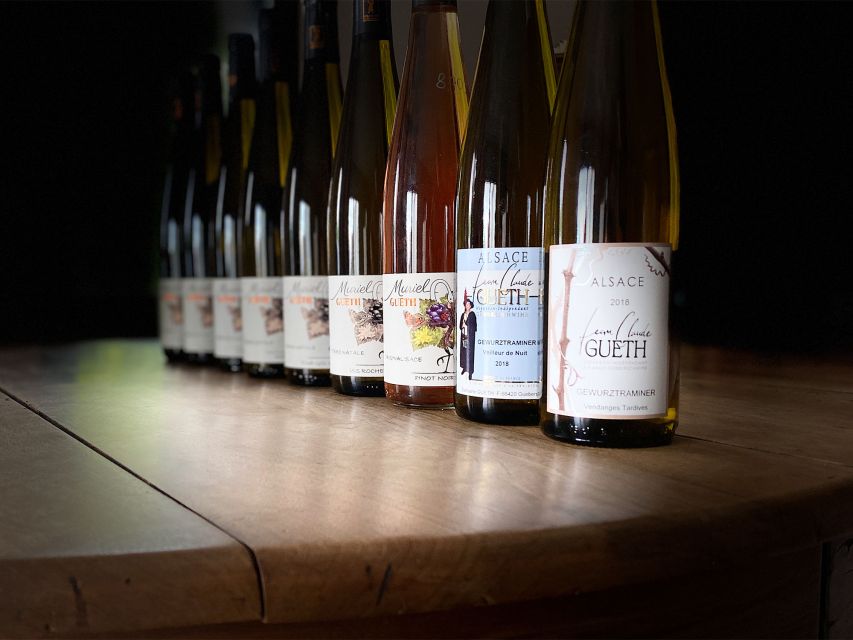
- Choose seven wines from more than 20: The tasting can follow your own taste, from traditional bottles to old-vine and more unusual local wines.
- See a working Alsace cellar: The visit includes the estate’s installations, not just a tasting counter.
- Taste organic wines: Domaine Gueth holds Organic Farming and High Environmental Value labels.
- Hear about low-intervention winemaking: The estate lets the wines follow their own path, including spontaneous fermentation.
- Pair wine with Alsatian snacks: A pretzel or slice of kougelhopf and crackers are included.
- Plan for a compact visit: The experience lasts one hour, costs $20 per person, and is offered in French, English, and German.
Arriving at Domaine Gueth on the Alsace Wine Road
Domaine Gueth is in the Grand Est region of France, at 10 places available for parking inside the estate. That makes the visit straightforward if you are touring the Alsace Wine Road by car. You do not need to arrange a separate parking stop or walk in from a distant public lot.
The appointment lasts one hour, so it fits neatly into a day that includes other villages, vineyards, or cellar visits. I would treat it as a focused introduction rather than a long estate tour. You will see the cellar and winery facilities, but the main purpose is to understand the estate’s approach and taste its wines.
The domain describes itself as a Vigneron Indépendant, or independent winegrower. That matters because your tasting takes place at the producer’s own property, with the option to buy the wines you like directly from the estate. You are not simply sampling a broad regional selection in a shop. The bottles come from the same place where the wine is made.
The winery is wheelchair accessible, which is useful for anyone who needs step-free access. The tasting is for adults, although the estate offers 100 percent organic grape juice from its vineyards as a replacement for wine.
More Wine Tours in Alsace
- Alsace Half-Day Wine Tour from Strasbourg
★ 4.8 · 346 reviews - From Strasbourg: Medieval Villages & Wine Tasting Day Trip
★ 4.8 · 329 reviews - Alsace Wine Route Small Group Half-Day Tour with Tasting from Strasbourg
★ 4.5 · 291 reviews
Muriel’s place in seven generations of winemaking
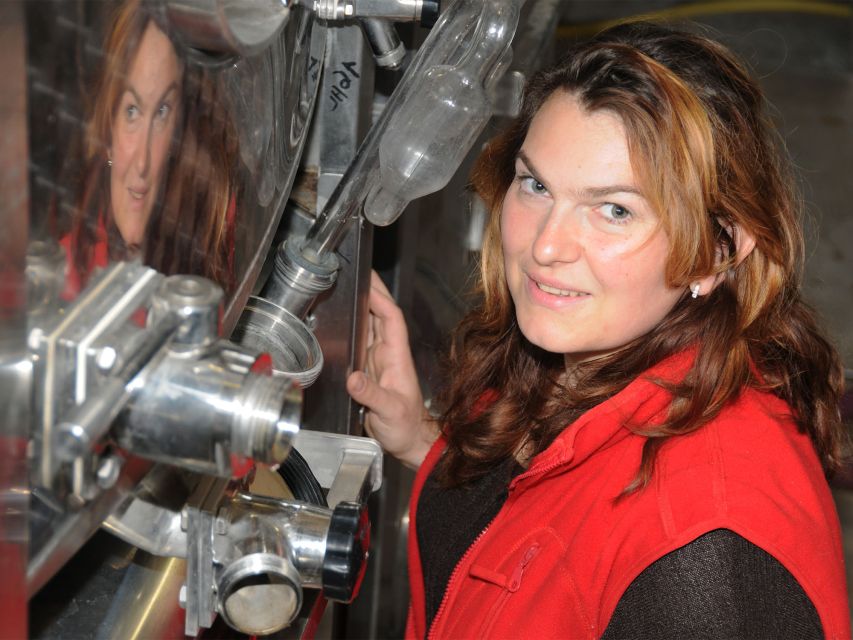
The visit presents Domaine Gueth as a family estate with seven generations of winemaking behind it. Muriel brings a modern, feminine touch to that long family line, with an emphasis on fruity, elegant wines and a close relationship with nature.
I like that this is not presented as a lesson in old customs alone. The estate’s stated approach looks at how wine is made now: respecting the environment, reducing constraints in the cellar, and allowing the wines to follow their own path from vine to bottle.
That approach can mean different things to different people, so it is worth paying attention to the details during the explanation. The estate carries both Organic Farming and High Environmental Value labels. It also highlights spontaneous fermentation, meaning the wines are made with a less tightly controlled process than wines built around selected commercial yeasts.
You should not expect a technical winemaking seminar packed with measurements and chemistry. Instead, the visit is designed to explain the philosophy behind the bottles you are about to taste. If you enjoy connecting a wine’s style with the choices made in the vineyard and cellar, this part adds useful context.
The title’s feminine angle deserves a realistic note. Muriel’s role and outlook are part of the identity of the experience, but the exact way that theme is explained can vary. If that is the main reason you are booking, ask specifically how the feminine approach appears in the estate’s vineyard work, cellar practices, or wine presentation. That will help you get the answer you came for.
A look inside the cellar and winery facilities
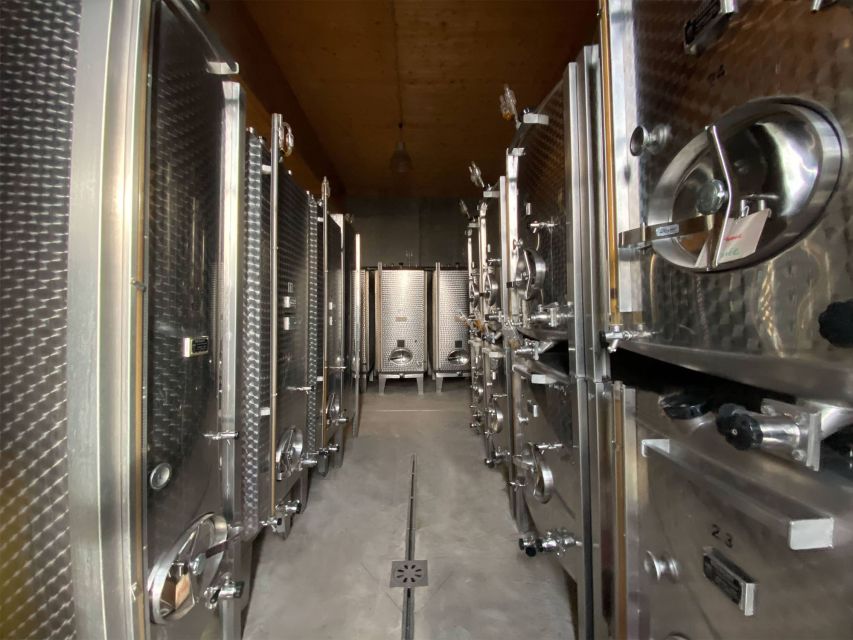
The cellar visit gives you a better sense of the place behind the bottle. You will be shown the winery’s installations and hear how the estate raises its wines without forcing them into a rigid formula.
That is a useful difference from a tasting where the host simply pours one glass after another. Here, the cellar provides the setting for the explanation. You can connect the language of organic farming, spontaneous fermentation, and environmental care with the equipment and working space used to make the wine.
The tour is short, so expect an overview rather than access to every corner of a large production site. One useful point from the experience is that the cellar is relatively small. That can make the visit feel personal and direct, but it also means the facilities are not likely to impress you through size alone.
I would focus less on dramatic architecture and more on the choices being described. Why allow fermentation to occur spontaneously? How does the estate protect the vines? What does it mean to raise wine without constraint? These are the questions that give the cellar visit its value.
Choosing seven wines from a list of more than 20
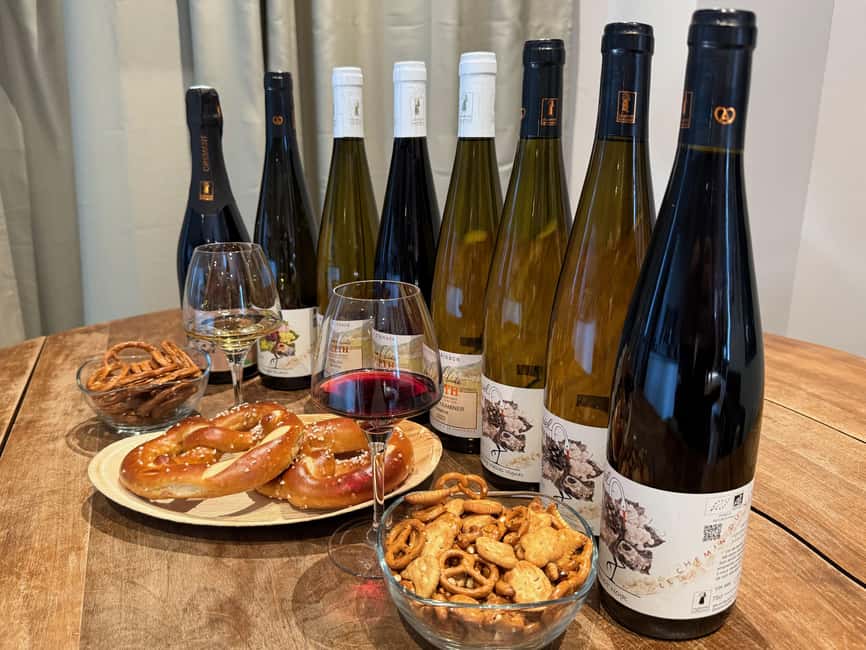
The tasting is not locked into a single flight. You can select seven wines that suit your preferences from the estate’s wider range. That is one of the strongest features for anyone who already knows what they like.
Domaine Gueth offers traditional wines, selections from old vines, atypical wines, and local wines. This gives the tasting a wider reach than a basic introduction built around only the most familiar Alsace styles. You can use the seven pours to compare classic expressions with bottles that take a more unusual route.
The estate’s wines are described as fruity and elegant. The available tasting notes also point to aromatic wines, so I would expect perfume and clear fruit character to play an important role in the experience. Still, the exact bottles depend on what you select and what is available among the estate’s vintages.
For a first visit, I would choose a mix rather than seven similar wines. Start with styles you recognize, then ask for a local, old-vine, or atypical bottle to see how the estate changes direction. If you prefer dry wines, sweeter wines, intensely aromatic wines, or something less familiar, say so at the start. The tasting is designed to respond to your taste.
One practical point: the advertised experience includes seven wines, while one account of a visit describes choosing eight. Treat seven as the reliable number, with the possibility that the exact pour count can vary. The important point is that you are selecting from the full range rather than receiving a fixed public tasting menu.
More Wine Tours in France:
- Paris: Moulin Rouge Cabaret Show Ticket with Champagne
★ 4.7 · 16,088 reviews - Authentic Parisian Gourmet Food Tour with 10 Local Dishes & Wines
★ 5.0 · 4,754 reviews - Loire Valley Castles Day Trip from Paris with Complementary Wine
★ 4.5 · 3,907 reviews - Bordeaux: Cité du Vin Entry Ticket and Wine Tasting
★ 4.6 · 3,885 reviews
Understanding Alsace wine through contrast
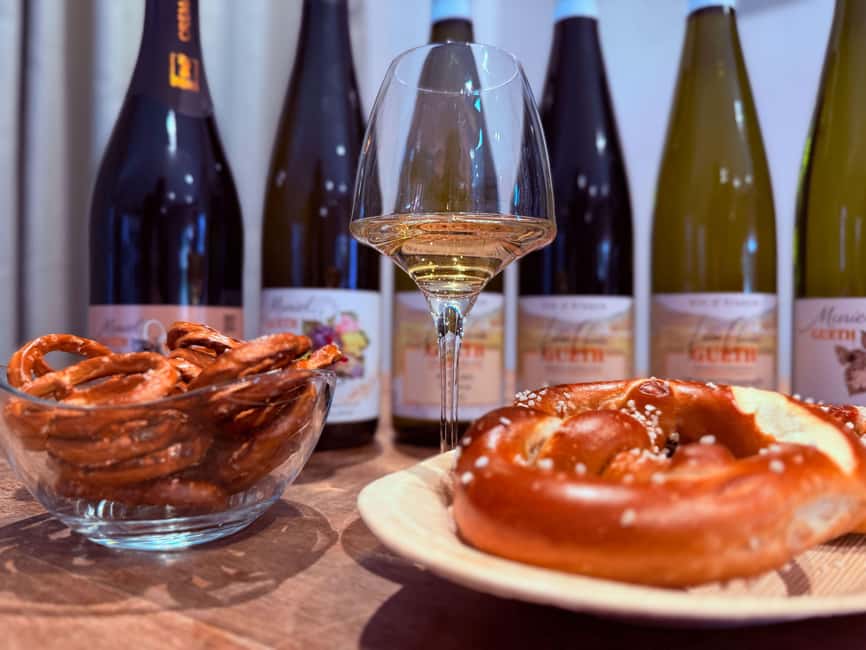
Alsace wines are distinctive because the region offers a clear sense of grape variety and local character. This tasting gives you a chance to explore that character through one estate’s collection instead of trying to cover every producer in the region.
The value comes from comparison. A traditional wine can show you the estate’s familiar house style. An old-vine selection may offer a different level of concentration or texture. An atypical wine can challenge your expectations. A local wine may show how the domain connects its bottles to the surrounding place.
I would not expect this one-hour appointment to answer every question about Alsace wine. It is better suited to giving you a working vocabulary for the region. You can notice which wines feel lighter or fuller, more aromatic or more restrained, more familiar or more surprising.
The tasting is also an opportunity to ask direct questions about your glass. The guide can explain the relationship between terroir and vinification, two subjects that are central to understanding why wines from the same region can taste so different. One account of the visit specifically found the explanations clear and appreciated the time given to the questions.
That personal pace is important. A tasting that follows your preferences is more useful than one that assumes every palate wants the same thing. You are encouraged to find the flavors that give you the most pleasure, not to pass an exam in French wine.
Pretzel, kougelhopf, and a small Alsace pause
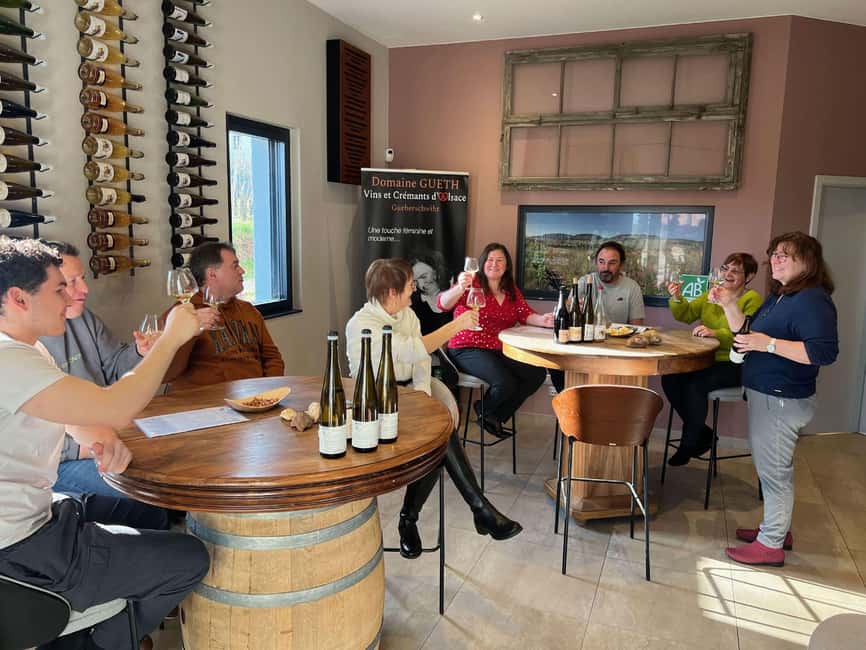
The wine is served with an Alsatian pretzel or a slice of kougelhopf, along with crackers. These are simple accompaniments, but they make the tasting feel connected to the region rather than like a stand-alone series of samples.
A pretzel gives you something salty to eat between wines. Kougelhopf, the ring-shaped Alsatian cake, offers a softer and more local counterpoint. The snacks are not meant to become a full meal, so plan to eat beforehand if you arrive hungry.
I like this detail because food helps you reset your palate. It also gives the hour a relaxed rhythm. You can taste, ask questions, take a bite, and compare the next glass without rushing from one sample to another.
Buying directly from the producer
After tasting, you can buy the wines you enjoyed directly from Domaine Gueth. This is practical if you find a bottle that is hard to identify later or want to take home the exact vintage you tasted.
The $20 price includes the cellar visit, the explanation of the estate’s philosophy, seven organic wine samples, and the snacks. I consider that fair value for a one-hour producer visit, especially because the tasting is personalized rather than limited to a tiny preset flight.
The value is strongest if you are already planning to explore the Alsace Wine Road. You get a local stop, a look at a working estate, and the chance to make a more informed purchase. If you only want a large-scale winery tour or a lengthy vineyard walk, this will feel brief.
The direct-purchase option also gives the visit a clear purpose. You are not tasting in isolation. You can compare the bottles, identify your favorites, and decide if one belongs in your suitcase or on your dinner table.
Languages, timing, and practical details
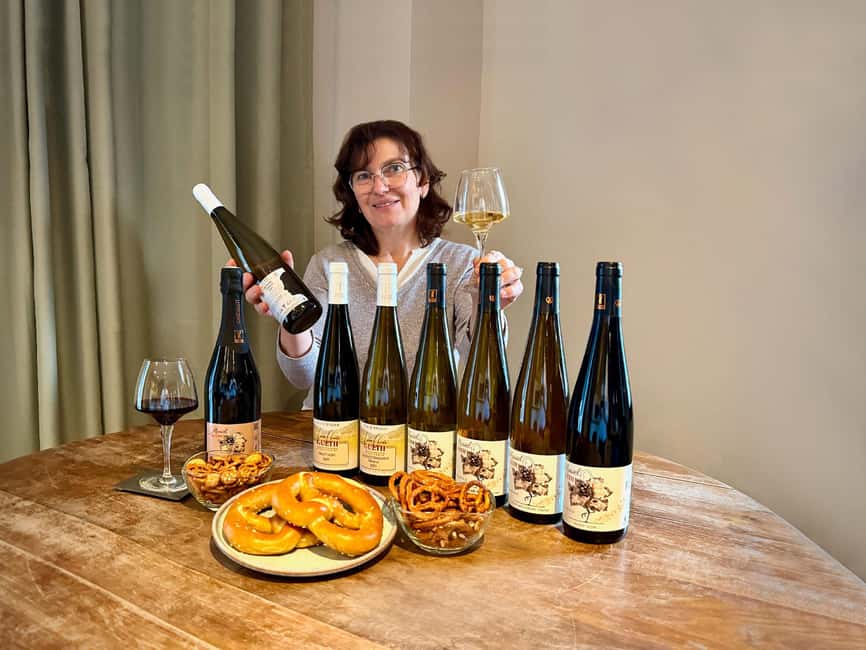
Guidance is available in French, English, and German. That makes the experience workable for many visitors to Alsace, though the quality and depth of discussion may depend on who is leading your appointment that day.
The visit is offered at set starting times, so check availability before building the rest of your day. Since the duration is only one hour, you can pair it with other stops, but leave enough time for driving between villages and estates.
Free cancellation is available up to 24 hours before the visit, and you can reserve now while paying later. Those terms are useful in Alsace, where weather and driving plans can change. The parking inside the domain is free, and the activity is wheelchair accessible.
Wine tasting is for adults only. If you do not drink alcohol, or if someone in your group is underage, the estate can replace the wines with organic grape juice from its own vineyards. That keeps the group together without pretending that grape juice is the same experience as the wine tasting.
Who will enjoy this one-hour tasting?
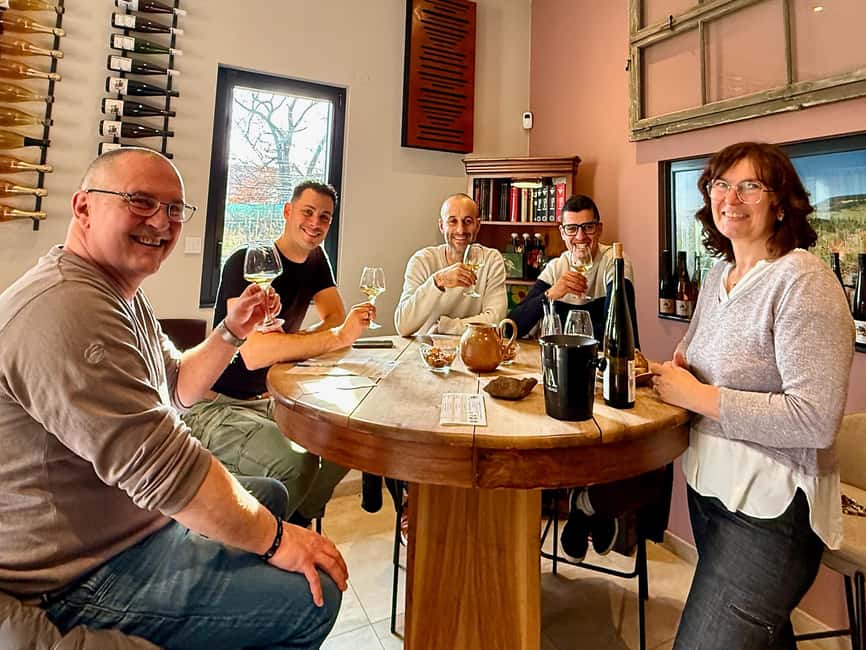
I would recommend Domaine Gueth to you if you want a small-scale producer visit with room to choose wines according to your own taste. It suits people who prefer an explanation of farming and cellar methods rather than a quick pour and a sales pitch.
It is also a good fit for wine drinkers interested in organic farming, spontaneous fermentation, and low-intervention methods. You do not need advanced wine knowledge. In fact, the flexible format may be especially helpful if you are still working out which Alsace styles you prefer.
Food lovers will appreciate the pretzel, kougelhopf, and crackers, though this is not a meal. The direct buying option is useful if you want to take home bottles from a producer you have met.
I would be more cautious if your main interest is the feminine theme promised by the title. The experience includes Muriel’s modern approach, but that theme may not receive a full, clearly structured explanation. It is best to book for the wine, the cellar, and the family estate first, then treat the feminine perspective as an added feature.
Should you book Domaine Gueth?
Book it if you want an affordable, focused introduction to one Alsace estate, with seven organic wines chosen from a broad selection and a guide who takes time to explain the choices. The $20 fee is reasonable, especially when you value direct contact with the producer and the chance to buy after tasting.
Skip it if you want a long vineyard walk, a large cellar complex, or a full meal. Also ask about the feminine approach before booking if that is your deciding factor. For most visitors building a day along the Alsace Wine Road, Domaine Gueth offers a practical one-hour stop with personal wine selection, local snacks, and a clear sense of how this family estate works.
FAQ
Where does the Domaine Gueth wine tasting take place?
The experience takes place at Domaine Gueth in the Grand Est region of France. Free parking is available inside the domain, with 10 parking places.
How long does the cellar visit and tasting last?
The experience lasts one hour. Starting times depend on availability.
How many wines are included?
Seven organic wines are included. You choose them from the estate’s range of more than 20 wines and vintages.
What languages are available?
The live guide can lead the experience in French, English, or German.
Is the tasting suitable for people who do not drink alcohol?
Yes. The estate can replace the wines with 100 percent organic grape juice from its vineyards.
What food is served with the wine?
The tasting includes an Alsatian pretzel or a slice of kougelhopf, along with crackers.
Is the experience wheelchair accessible?
Yes, the activity is wheelchair accessible.
Just added around France
- Paris: Croissant Baking Class with a Chef★ 5.0 · 201 reviews
- Cruise, Coffee and Swimming in the Calanques of Frioul★ 4.7 · 179 reviews
- From Le Havre: D-Day Beaches Shore Trip with Packed Lunch★ 4.9 · 101 reviews
- Coastal boat tour from Villefranche-Sur-Mer to Monaco★ 4.5 · 50 reviews
- From Sagone/Cargèse: Scandola and Calanques de Piana Cruise★ 4.7 · 266 reviews
- Croisière visite des Calanques de Piana Baignade en vedette★ 4.2 · 50 reviews
- Grasse, Valbonne & Gourdon: Day Tour with Wine Tasting★ 4.5 · 84 reviews
- Corte Region: Fun Canyoning Verghellu★ 4.7 · 101 reviews
Wine Tours, compared.
Moulin Rouge Cabaret Show Ticket with Champagne
Read our review →
Authentic Parisian Gourmet Food Tour with 10 Local Dishes & Wines
Read our review →
Loire Valley Castles Day Trip from Paris with Complementary Wine
Read our review →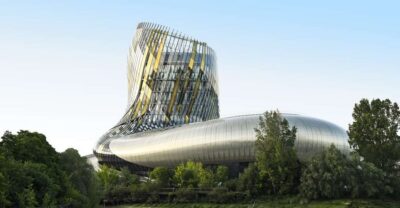
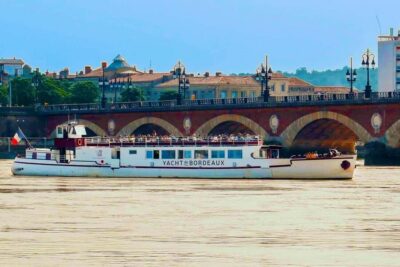
River Garonne Cruise with Glass of Wine and Canelé
Read our review →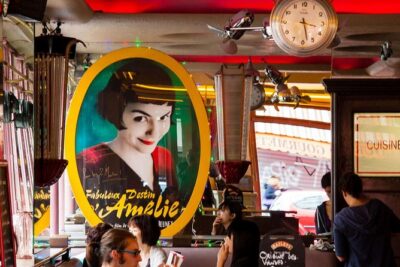
Montmartre Hill French Gourmet Food and Wine Tasting Walking Tour
Read our review →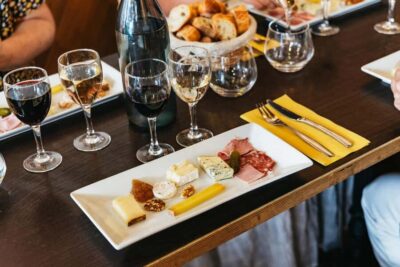
Montmartre Cheese, Wine & Pastry Guided Walking Tour
Read our review →
Paradis Latin Cabaret Show with Optional Champagne
Read our review →Browse the lists this tour appears in