
Reviewed · WINE TOURS
Champagne: Canard-Duchêne Champagne House Tour
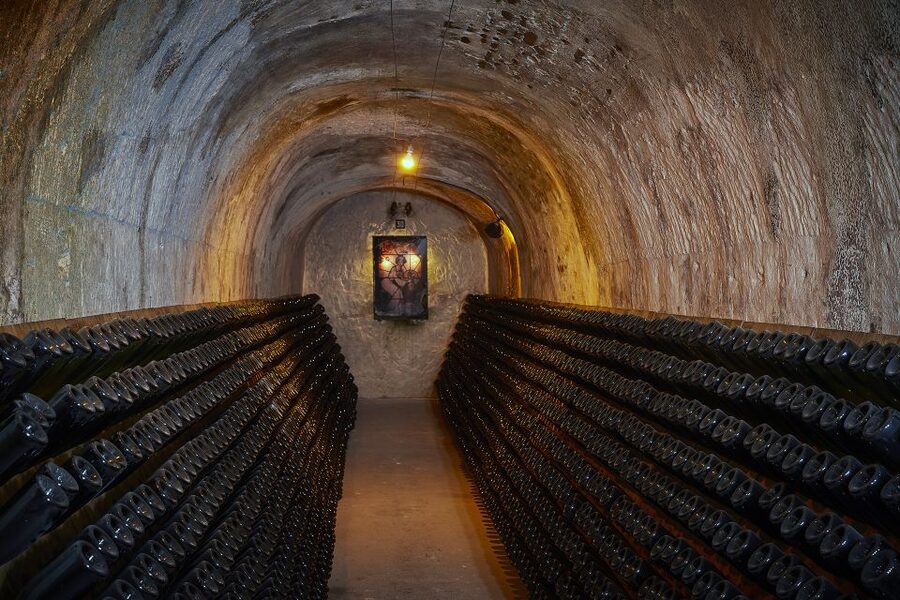
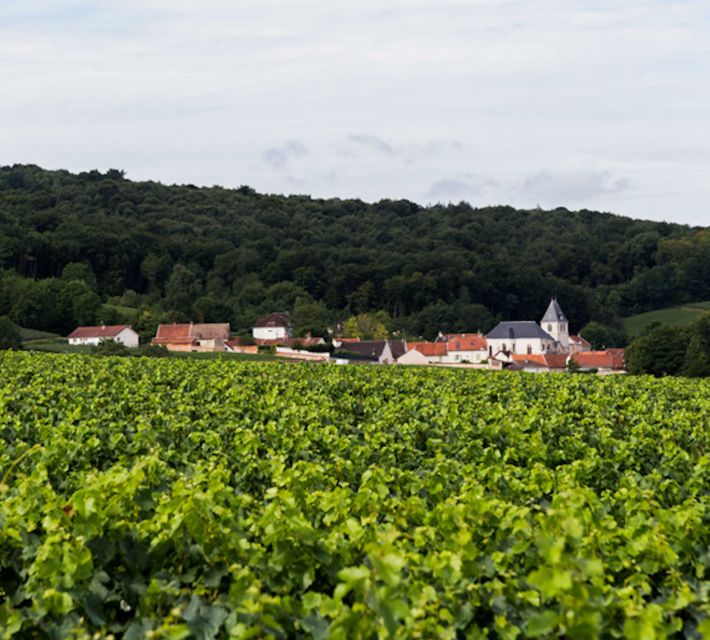
The most striking part of the Canard-Duchêne visit is below ground. You descend 130 steps into a four-level cellar network stretching nearly four miles, where bottles mature at a steady temperature of about 50°F. Above ground, the tour adds vineyards, production details, and a restored chapel with stained glass by the Simon-Marq workshop.
I like the combination of working cellars and vineyards, since you see both where the grapes grow and where the finished wine rests. I also like the clear choice of tastings, from a straightforward brut or demi-sec to Cuvée Léonie, a rosé, an organic cuvée, or Cuvée Charles VII.
The main catch is practical: the cellar tour includes 130 steps each way, with no elevator, and the underground rooms are chilly. This is not a good choice for people with mobility problems or for anyone over 70, according to the activity guidance.
Key points to know before you book
- 130 steps underground: You climb down and back up without elevator access, so sturdy shoes and steady legs matter.
- Nearly four miles of cellars: Four levels of hand-carved, 19th-century tunnels give the tour a real sense of place.
- A vineyard and cellar in one hour: You cover grape growing, production, aging, and tasting in a compact visit.
- Several tasting choices: Select one or two glasses, depending on the option you book.
- A restored chapel window: The Simon-Marq workshop’s stained glass adds an unusual art and architecture stop.
- Bring a warm layer: The cellar reaches only about 50°F, even when Champagne is warm outside.
Why the Canard-Duchêne cellars make this tour special
Champagne can seem simple when it arrives in a glass. The Canard-Duchêne visit shows you the work behind that pop of the cork. The tour connects three parts of production: the vineyards where the grapes grow, the facilities where champagne is made, and the underground cellars where bottles mature.
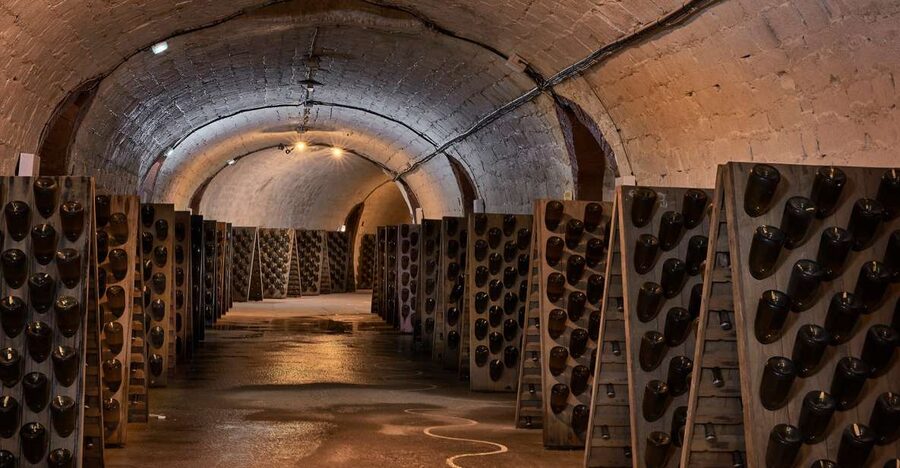
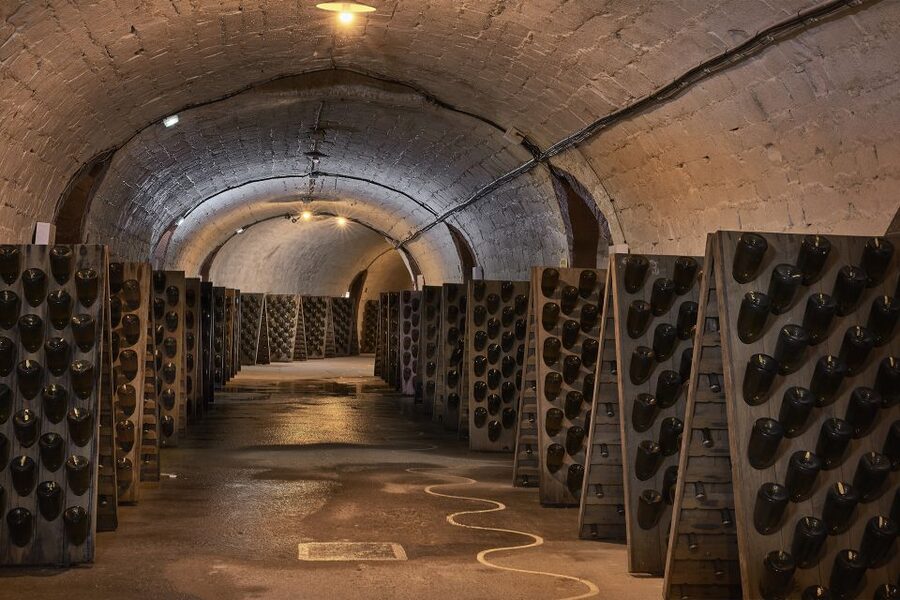
The cellars are the main event. You go 40 to 60 feet below ground and walk through four levels of tunnels cut and shaped in the 19th century. The network extends nearly four miles, although a one-hour visit obviously covers only a small part of it.
That underground setting matters. Cool temperatures and humidity help champagne mature slowly and steadily. Your guide explains how the cellar conditions affect the wine’s taste and complexity, giving you a better sense of why producers do not simply store bottles in an ordinary warehouse.
I like this because it turns a technical subject into something physical. You feel the cool air, see the old hand-carved surfaces, and understand why the cellar is part of the production process rather than just a place to keep finished bottles.
The tunnels also give the visit a historic character without requiring a long museum stop. The architecture is not a decorative backdrop. It is part of the working identity of the house.
More Wine Tours in Champagne:
- From Paris: Day Trip to Champagne with 8 Tastings & Lunch
★ 4.8 · 1,501 reviews - Champagne Day Trip with 6 Tastings, Reims and Winery from Paris
★ 5.0 · 902 reviews - From Reims: Champagne and Family-Run Wineries Tour
★ 4.8 · 671 reviews
The one-hour route from vineyard to bottle
The visit covers a lot in a short time. You meet your English- or French-speaking guide, tour the Champagne House, and learn how the production process moves from grape to bottle. The precise order may vary, but expect the experience to combine outdoor vineyard views with the underground cellar route and a tasting.
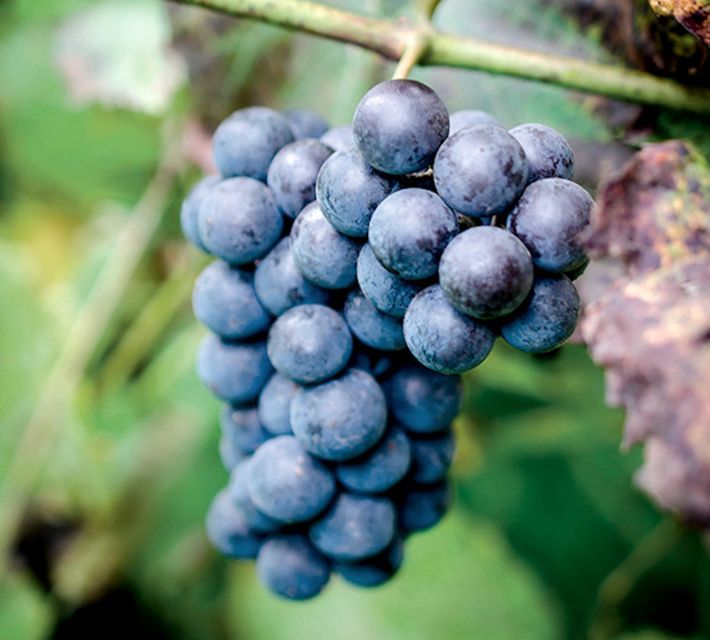
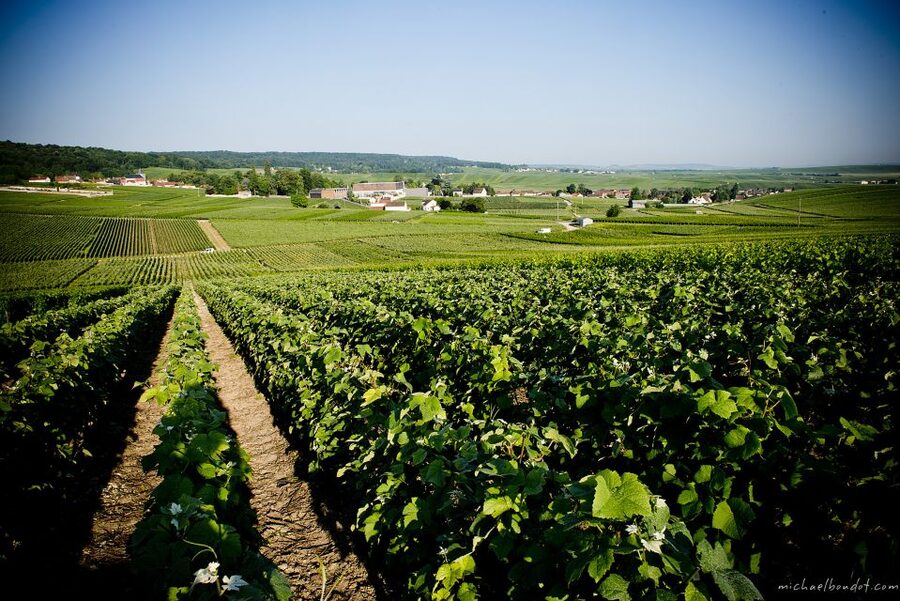
The vineyard portion gives you a chance to see how champagne grapes are grown rather than treating wine as an abstract product. You walk among the vines and learn about the setting in which the grapes develop. This is a useful contrast with the cellar, where the focus shifts from farming to aging.
You will not get a full-day vineyard study here. The vineyard walk is part of a compact introduction, not a long country ramble. Still, it gives you a visual reference for the grapes before you hear about production and maturation.
Inside the house, your guide explains the different stages of champagne making. The supplied details do not specify every technical stop or machine, so do not book this expecting an industrial tour with a fixed list of equipment. The value is in seeing the facilities and getting a guided explanation of how the parts fit together.
The tour then moves into the cellar. This is where the pace may slow, since the atmosphere invites you to look around. Hand-carved 19th-century architecture, cool air, and long underground passages make the setting more memorable than a simple tasting room.
The cellar conditions you should understand
The cellars are kept at a maximum of 50°F. That is ideal for the champagne, but it can feel cold if you arrive in summer clothes. Bring a sweater, jacket, or other warm layer, even on a sunny day in Grand Est.
Humidity and temperature are not minor technical details here. They help bottles mature under stable conditions. Your guide explains how this atmosphere supports the wine’s development and contributes to the final taste.
The tour description gives the cellar network a size of nearly four miles across four levels. That figure helps explain why the underground visit feels substantial, but remember that the scheduled tour lasts only one hour. You see a selected route, not the entire system.
The 130 steps each way deserve serious attention. Going down is only half the task. You must also climb back to the surface, and there is no elevator. Wear comfortable clothing and shoes with a secure sole.
This is also why the experience is not suitable for people with mobility impairments. The stated guidance also excludes people over 70. That age guidance is unusually specific, so take it seriously when planning for an older companion. If access is a concern, contact the provider before booking rather than assuming the cellar can be skipped.
The chapel and Simon-Marq stained glass
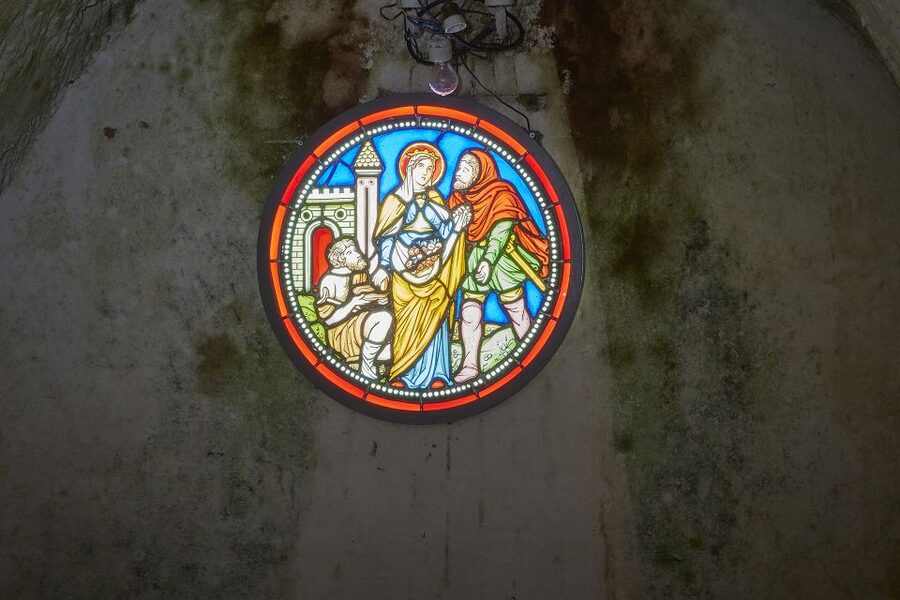
The old chapel adds an artistic touch to a tour that could otherwise focus only on wine. Its stained glass windows were restored by the Simon-Marq workshop, a master glassmaking studio. The stop gives you a chance to look at the house as a place with architectural and artistic character, not only as a production site.
This will not replace a major cathedral visit in Reims, and the tour does not promise a long chapel lecture. Still, the restored window is a worthwhile detail. It breaks up the cellar and vineyard portions and gives the visit a visual feature that is easy to remember.
If you care about historic buildings, craft, or religious art, pay attention here. The chapel may be a small part of the hour, but it helps explain the identity of the Champagne House.
A few more Champagne half-days worth comparing
- From Paris: Reims and Champagne Tasting Full-Day Tour
★ 4.8 · 610 reviews - Champagne Day Trip from Paris with 8 Tastings & Lunch
★ 4.5 · 607 reviews - Reims afternoon tour Champagne and family growers
★ 5.0 · 535 reviews - From Reims: Morning Champagne Tour and Tastings
★ 4.8 · 463 reviews
Choosing the right champagne tasting
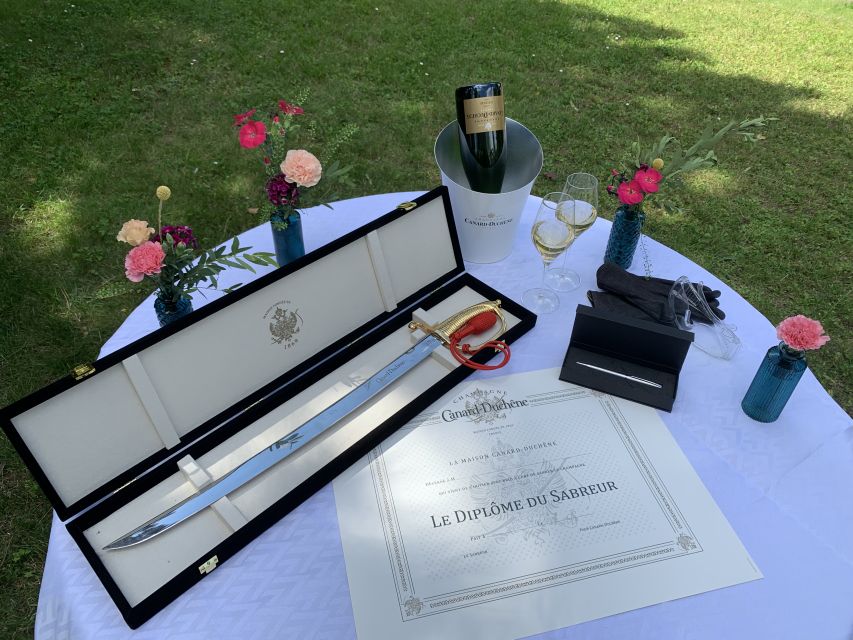
The tasting depends on the option you select. The basic Decouverte choice includes one glass of brut or demi-sec. It is the simplest way to add a taste without making the visit about comparing several wines.
The Liberté option includes Cuvée Léonie Brut and Cuvée Léonie Rosé, or Cuvée Bio P181. This is the better fit if you want more variety and would like to compare styles. A brut and a rosé can show how color, fruit, and balance change between wines, while an organic cuvée offers a different production choice.
The Charles VII option includes a tasting of Cuvée Charles VII. Choose it if that specific house cuvée interests you more than sampling two different bottles.
The information provided describes one or two glasses depending on the selected option. Check the exact option at booking, since the tasting is not identical across all choices.
One small practical point: no food is included. A small toast or biscuit with the tasting would be welcome, especially after the cellar walk, but you should plan to eat lunch separately. The tour lasts only one hour, so it is easy to pair with another meal in the area.
Is $25 a good value?
At $25 per person, this is a reasonably priced introduction to a Champagne House. You receive a guided cellar tour, a vineyard tour, and one or two glasses depending on the option. Many wine visits cost more once transportation, several tastings, or a meal are added, so this works well as a focused stop.
The value is strongest if you are already in the area and want a structured look at champagne production. You get more than a tasting at a counter. The underground architecture, vineyard walk, chapel window, and guide’s explanation give the price some substance.
It is less compelling if you want a long day in the vineyards, a formal food pairing, or a broad comparison of several producers. This is a short house visit, not a full Champagne touring program.
You also need to account for what is not included. Lunch is separate, and the visit does not provide transportation in the information supplied. Arrive 15 minutes before the start time, and check the available starting times when you book.
The shop may not satisfy shoppers looking for a large selection. The available feedback points to limited choice in the boutique, so treat shopping as an optional extra rather than a reason to visit.
How it compares with longer Champagne tours
A one-hour Canard-Duchêne visit suits a traveler who wants one well-organized stop. It can fit into a day based around nearby sights without taking over the schedule.
Longer tours from Reims or Epernay usually make more sense if you want several tastings, transportation between houses, or a wider look at the region. A half-day outing may also be easier if you want to visit more than one producer without arranging each stop yourself.
This Canard-Duchêne tour has a different strength. You spend time inside one house and its cellar network rather than rushing between locations. That gives you a clearer sense of how one producer presents its wines, buildings, and traditions.
The choice comes down to your priorities. Pick this visit for a compact cellar-and-vineyard lesson with a tasting. Choose a longer regional tour if you want several producers or need transport built into the day.
Who will enjoy this visit most?
This tour fits adults who enjoy wine, historic buildings, and guided explanations. It is also useful for first-time Champagne visitors who want to learn the basic production story before tasting more widely.
You will get the most from it if you are willing to listen to the guide and notice the setting. The tunnels and chapel reward attention, while the vineyard walk gives context that a simple bottle tasting cannot provide.
It is less suited to anyone who dislikes stairs, cold rooms, or a compact schedule. Families should also consider the cellar access and age guidance carefully, since the activity is specifically not suitable for people with mobility impairments or people over 70.
The tour is available in English and French. If you need an English explanation, confirm that the available departure you select is offered in English.
Practical advice for a smoother visit
Arrive 15 minutes early. That gives you time to find the meeting point and avoid beginning the one-hour route in a rush.
Wear comfortable clothes and bring a warm layer. You need clothing that works for the vineyard and the 50°F cellar. Comfortable shoes are especially important because of the 130 steps.
Do not plan a heavy meal during the activity. Lunch is not included, and the tasting is limited to the selected champagne option. If you want food with your glass, plan to eat before or after the visit.
If your schedule may change, the booking terms allow cancellation up to 24 hours before the activity for a full refund. You can also reserve now and pay later, which helps if you are still arranging a Champagne itinerary.
The strongest praise for this visit centers on the guide’s friendly manner, the attractive setting, and the amount you learn in a short time. Expect a polished introduction rather than a sprawling tour, and you should leave with a clearer idea of how grapes become mature champagne.
Should you book the Canard-Duchêne tour?
Book it if you want an affordable, one-hour introduction that combines a vineyard walk, a real underground cellar, house history, stained glass, and a tasting. The cool four-level tunnels are the main reason to choose it over a basic tasting.
Skip it if stairs are difficult, you need elevator access, or you want a full meal and several hours of regional touring. For everyone else, $25 buys a useful and memorable look at champagne production, provided you dress warmly and choose your tasting option with care.
FAQ
How long does the Canard-Duchêne Champagne House tour last?
The guided visit lasts one hour.
What languages are available?
The tour is offered with a live guide in English or French.
How many steps are there in the cellars?
There are 130 steps each way, and the cellars have no elevator access.
How cold are the cellars?
The maximum temperature in the wine cellars is 50°F.
What tasting options are available?
The Decouverte option includes a brut or demi-sec. The Liberté option includes Cuvée Léonie Brut and Cuvée Léonie Rosé or Cuvée Bio P181. The Charles VII option includes Cuvée Charles VII.
Is food included?
No. Lunch is not included, and the listed experience provides champagne rather than a meal.
Is the tour suitable for people with mobility impairments?
No. The cellar route includes 130 steps each way and has no elevator access.
Can I cancel the booking?
Yes. You can cancel up to 24 hours in advance for a full refund. Reserve now and pay later is also available.
Just added around Champagne
- Passy-Grigny: Chocolate and Champagne Tasting Tour★ 4.8 · 208 reviews
- Champagne Vineyard Experience: Delve into the terroir★ 4.4 · 52 reviews
- Champagne Munoz Bruneau : Half Day Visit and Tasting★ 4.9 · 53 reviews
- Champagne Cellar Experience: Explore our historic cellars★ 4.7 · 46 reviews
- Aÿ-Champagne: Pressoria Champagne Museum with Tasting★ 4.7 · 239 reviews
- Aÿ-Champagne: Champagne House Tour and Tasting Class★ 4.9 · 209 reviews
- From Reims: Champagne Day Trip to 3 Family Domains & Lunch★ 4.8 · 194 reviews
- From Paris: Small-Group Champagne Day Trip with Six Tastings★ 4.9 · 289 reviews
Wine Tours, compared.
Moulin Rouge Cabaret Show Ticket with Champagne
Read our review →
Authentic Parisian Gourmet Food Tour with 10 Local Dishes & Wines
Read our review →
Loire Valley Castles Day Trip from Paris with Complementary Wine
Read our review →
River Garonne Cruise with Glass of Wine and Canelé
Read our review →
Montmartre Hill French Gourmet Food and Wine Tasting Walking Tour
Read our review →
Montmartre Cheese, Wine & Pastry Guided Walking Tour
Read our review →
Paradis Latin Cabaret Show with Optional Champagne
Read our review →Browse the lists this tour appears in