
Reviewed · WINE TOURS
Champagne Vineyard Experience: Delve into the terroir
The best part of this Champagne visit is that it begins with the oldest vines in the family garden, not with a sales pitch. You walk from 8 Rue de la Fontaine through the vineyards, into a historic cellar, and finish with Champagne and Ratafia Champenois. I like the clear link between soil and flavor, and I like that the producer talks openly about organic methods and protecting biodiversity.
I also appreciate the family-run setting and the chance to meet people who work with the vines themselves. The visit is good value at $28 if you want more than a tasting. One caution: the route includes a walk through the vines and some stairs, and the tasting may feel modest if you expect a large Champagne flight or a grand cellar show.
Key points at a glance
- Old vines in the family garden: The visit begins where the family story is most personal, among the grandfather’s vines.
- A real vineyard-to-cellar route: You move from the soil and vines to the cool cellar, then to the tasting room.
- Terroir explained simply: The guide connects the soils of Mareuil-le-Port, Épernay, and Tours-sur-Marne with different cuvées.
- Champagne and Ratafia Champenois: The tasting includes both sparkling wines and the house’s emblematic fortified-style regional drink.
- Strong attention to biodiversity: Organic and sustainable viticulture is part of the main story, not an afterthought.
- A 90-minute family visit: Children under 18 may attend without a ticket and receive fruit juice instead of alcohol.
Starting in the family garden at 8 Rue de la Fontaine
Your visit begins in the courtyard of Champagne Harlin Père & Fils at 8 Rue de la Fontaine. If your guide is not waiting in the courtyard, the instructions say that someone will greet you shortly, so allow yourself a moment to get settled rather than assuming you are at the wrong place.
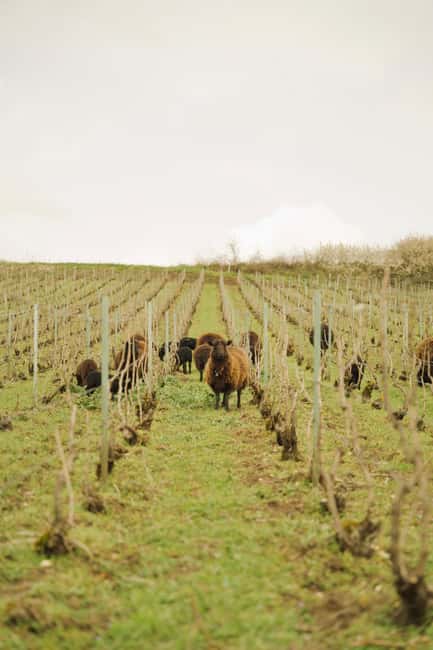
The first stop is the garden, where the family’s grandfather planted the oldest vines. That detail gives the tour a useful human scale. Champagne can easily become a parade of famous names, polished tasting rooms, and technical terms. Here, the opening point is a working family property and the vines tied to its earlier generations.
I like this start because it gives you a way to understand the estate before you taste anything. You are not simply told that the producer cares about tradition. You are shown where that tradition begins.
The visit then moves into the vineyards. This is a proper outdoor section, not just a view through a window. You should wear shoes suitable for a short walk on vineyard ground, and remember that the route is not entirely flat or stair-free. One recent visitor specifically noted the walk through the vines and the stairs leading to the cellar and tasting room.
More Wine Tours in Champagne:
- From Paris: Day Trip to Champagne with 8 Tastings & Lunch
★ 4.8 · 1,501 reviews - Champagne Day Trip with 6 Tastings, Reims and Winery from Paris
★ 5.0 · 902 reviews - From Reims: Champagne and Family-Run Wineries Tour
★ 4.8 · 671 reviews
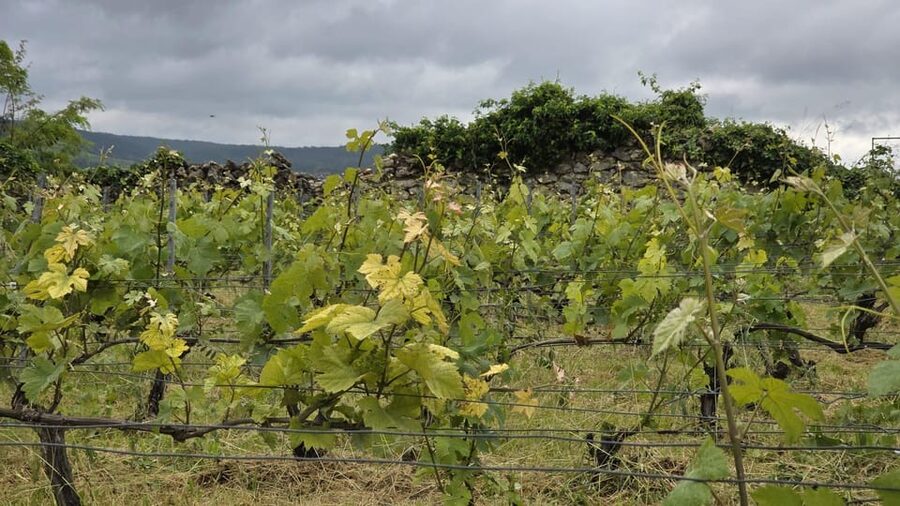
Walking through Mareuil-le-Port’s vineyard ground
The vineyard portion is where the word terroir becomes practical. Rather than treating Champagne as one uniform product, the guide explains how soil and growing conditions shape each cuvée. The estate works with terroirs connected to Mareuil-le-Port, Épernay, and Tours-sur-Marne, so the tour gives you a wider sense of the producer’s sources and choices.
You should not expect a long country hike. The experience lasts 90 minutes overall, and the vineyard walk is one part of a compact visit. Still, it matters. A tasting makes more sense when you have first seen the vines and heard why the ground beneath them affects the finished wine.
The estate’s commitment to organic and sustainable viticulture is another strong point. The focus is on caring for the soil, preserving biodiversity, and understanding the vineyard as a living place rather than a simple production field. If you are interested in how smaller producers work, this may be more useful than a highly polished presentation built around brand history.
The guide’s style appears to be one of the main strengths of the visit. Sarah has been praised for giving clear explanations of Champagne production, while Chléo and Sarah together have led a particularly engaging visit. Guide assignments can change, but the tour is offered in English and French, so you can choose the language that suits you when booking.
Descending into the historic cellar
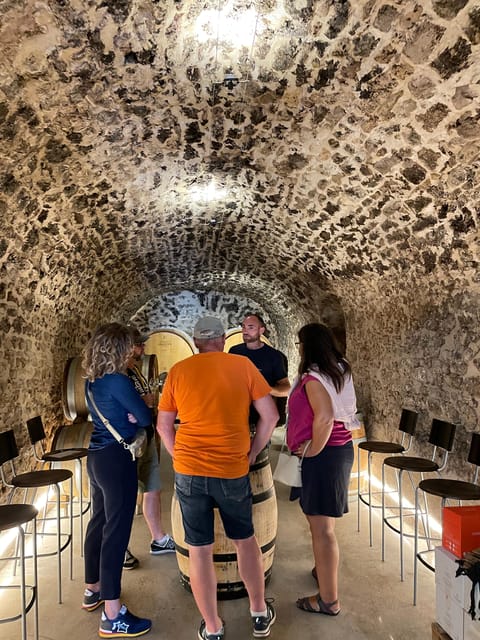
After the vines, you head into the historic cellar. This is the part of the visit that explains how grapes become Champagne. The cellar is described as a cool underground setting where the producer shares the secrets of Champagne production.
The temperature shift is part of the appeal. You leave the open air and enter a quieter, cooler space tied to the practical work of making and storing wine. The tour is not only about tasting a finished bottle. It shows the stages and choices behind it, with the guide explaining the production process in accessible terms.
The route includes stairs, so this is worth considering before booking. The supplied details do not give accessibility information, and the cellar visit is clearly not entirely step-free. If stairs are a concern, ask the provider before reserving.
I would also keep your expectations in check. This is a family producer visit, not a vast commercial Champagne complex. That can be a benefit if you want a closer look at a smaller operation, but it means the cellar experience is likely to feel personal and focused rather than theatrical or enormous.
One piece of criticism deserves a fair mention. A visitor felt that some activity around the property looked staged and that the visit did not match expectations. That is not a reason to dismiss the tour, especially given the strong overall rating of 4.4 from 52 ratings, but it is a useful reminder to book this for the vineyard, cellar explanation, and tasting, not for a grand production spectacle.
Learning how soil shapes each cuvée
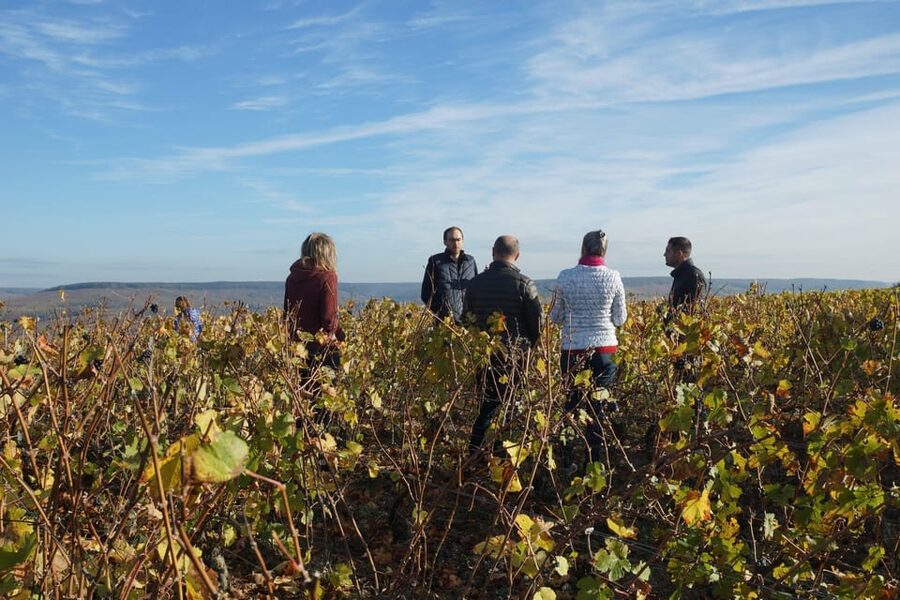
The central idea of the visit is the connection between place and taste. Your guide explains how the soils associated with Mareuil-le-Port, Épernay, and Tours-sur-Marne influence the wines. This gives the tasting a purpose: you are not simply sampling several glasses, you are learning to look for differences.
The guide also introduces the art of tasting. That usually means paying attention to appearance, aroma, texture, and finish, then considering how those elements reflect the wine’s origin and production. The information provided does not specify the exact number of Champagnes poured or the names of every cuvée, so you should not book expecting a fixed flight of a particular size.
That uncertainty is important for value. At $28 per person, the price is reasonable if the explanations are your priority and you want a direct introduction to a producer’s work. It is less compelling if you measure value only by the number of glasses in front of you.
The visit works best for someone who wants context with their Champagne. You may leave with a better sense of why two bottles can taste different even when they come from the same wider region. That is more useful than memorizing a list of production terms that have no connection to what you are drinking.
A few more Champagne half-days worth comparing
- From Paris: Reims and Champagne Tasting Full-Day Tour
★ 4.8 · 610 reviews - Champagne Day Trip from Paris with 8 Tastings & Lunch
★ 4.5 · 607 reviews - Reims afternoon tour Champagne and family growers
★ 5.0 · 535 reviews - From Reims: Morning Champagne Tour and Tastings
★ 4.8 · 463 reviews
Finishing with Champagne and Ratafia Champenois
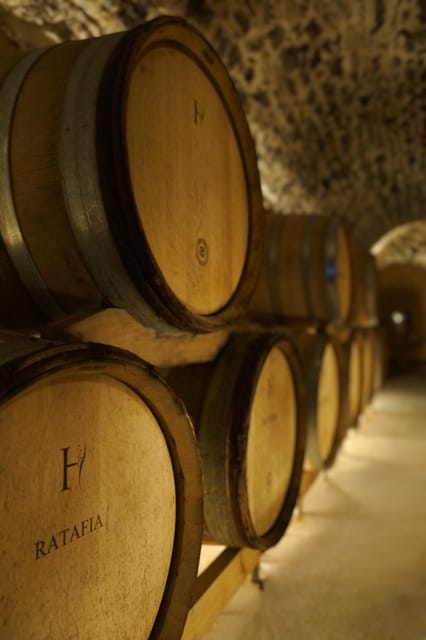
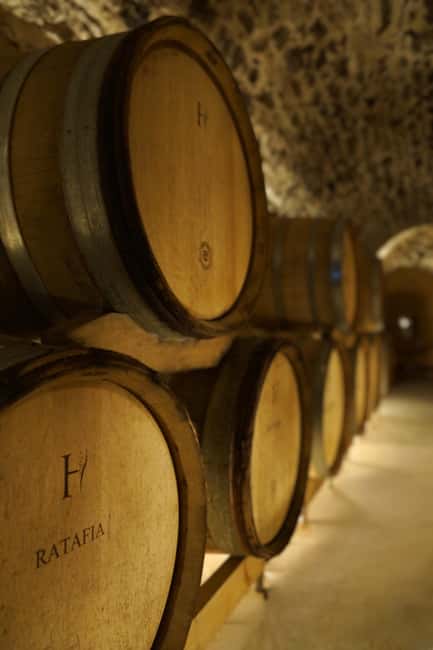
The final stop is the tasting. You sample Champagnes along with Ratafia Champenois, the producer’s emblematic regional drink. Including Ratafia gives the tasting some variety and keeps it from being just another sparkling wine stop.
If you have not tried Ratafia Champenois before, this is a good chance to encounter something beyond the region’s better-known bottles. The supplied information does not specify the exact style or recipe used by Champagne Harlin, so ask the guide what to notice and how the house serves it.
The tasting is also where the earlier sections come together. You have seen the oldest vines, walked through the vineyard, heard about sustainable methods, and visited the cellar. Now you can connect those ideas with the glass in front of you.
The tone appears to be relaxed and personal. One particularly positive visit was described as clear, varied, and captivating, with an enthusiastic guide who listened and gave generously. Another visit was praised for making Champagne production easy to understand. Those qualities matter because a tasting can become dull very quickly if the guide talks at you instead of with you.
Children under 18 may join the visit without a ticket. They cannot drink alcohol under French law, but fruit juice can be provided. That makes this a workable family outing, though adults should remember that the main attraction remains an alcohol tasting.
Is $28 a fair price?
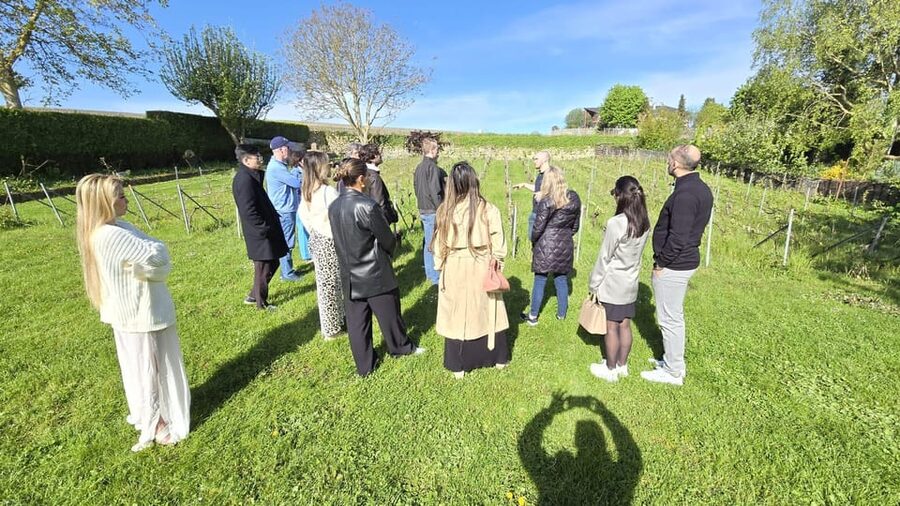
At $28, this sits in the affordable range for a guided Champagne experience, especially because the ticket includes the guide, the cellar and vineyard visit, and the tasting. You are paying for access to the producer’s story and methods, not simply for a few samples.
I think the price works best for three kinds of visitors:
- You want to understand Champagne production rather than just buy a bottle.
- You value a small family producer and direct contact with the people behind the wine.
- You are curious about sustainable vineyard work and the effect of soil on taste.
The value is weaker if you want a large tasting or a highly staged attraction. One unhappy visitor felt the Champagne was too expensive for what was served and that the experience did not justify the cost. That opinion is worth keeping in mind, particularly if you already know a great deal about Champagne and mainly want a broad comparison of bottles.
For most first-time visitors, the combination of a vineyard walk, cellar explanation, and tasting gives the price a sensible balance. The experience has enough substance to be more than a quick pour at a shop, but it is still short enough to fit into a day of exploring the Grand Est.
Who will enjoy this visit most?
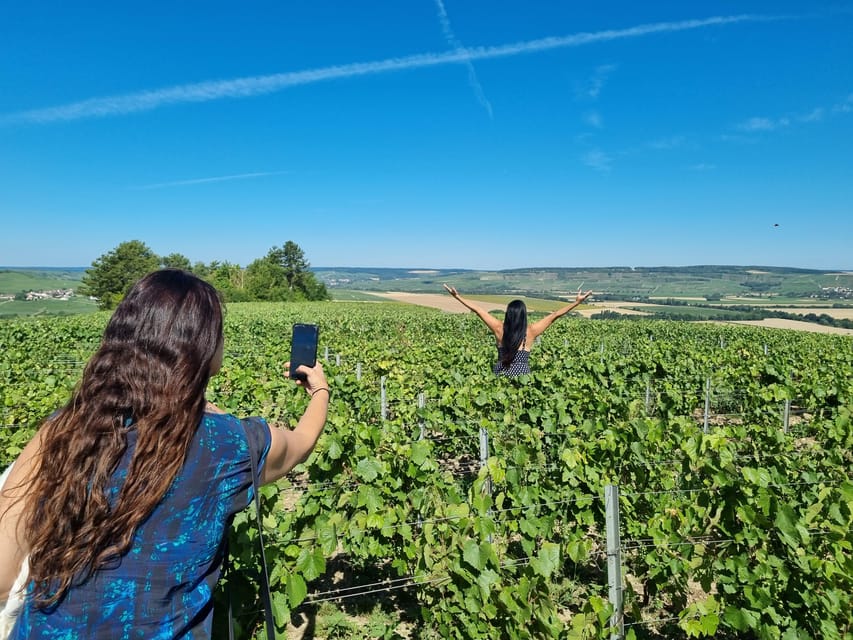
I would choose this for a first introduction to Champagne, especially if you want a producer-led visit instead of a famous-house tour. The clear explanations and compact 90-minute format make it approachable.
It also suits wine drinkers who care about farming. The biodiversity and sustainable-viticulture discussion is built into the experience, so you get a sense of how the estate approaches the vineyard before you taste the result.
Families can attend as well. Children are welcome, fruit juice is available, and the visit offers more to look at than a seated tasting alone. Just remember the stairs and the outdoor walk.
I would be more cautious if you have limited mobility, since the route includes vineyard walking and stairs. I would also choose another type of activity if your main goal is luxury, a large number of premium cuvées, or a grand cellar designed for mass tourism.
Practical details before you book
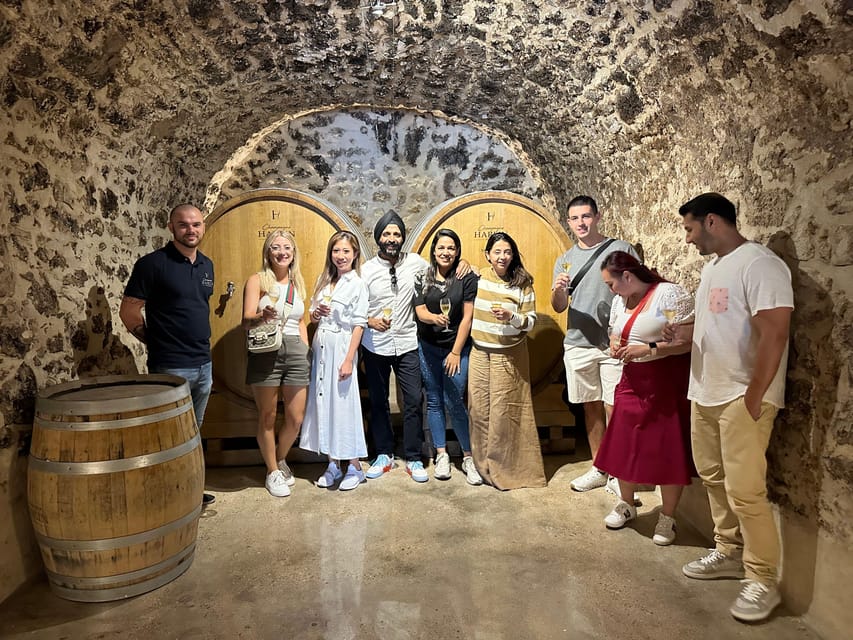
The meeting point is the courtyard of Champagne Harlin Père & Fils at 8 Rue de la Fontaine. Tours are conducted in English or French, and the total duration is 90 minutes.
The activity is available at different starting times, so check the schedule before making plans around it. You can cancel up to 24 hours in advance for a full refund, and the reserve-now, pay-later option lets you hold a place without paying immediately.
Alcohol and drugs are not allowed as general items at the activity. The tasting is, of course, part of the visit, but responsible drinking still matters.
Wear comfortable shoes for the vineyard section and stairs. Bring curiosity rather than expectations of a giant cellar complex. The best moments are likely to come from asking questions about the vines, the soils, the production process, and the difference between Champagne and Ratafia Champenois.
Should you book Champagne Harlin?
Book this tour if you want a small-scale, family-run introduction to Champagne with a clear route from old vines to cellar to glass. The $28 price is fair for the vineyard and cellar access, the guide, and the tasting, particularly for first-time visitors.
Skip it if you want a long tasting list, a luxury setting, or a major Champagne-house production show. The experience is compact, includes stairs, and may feel too modest for serious collectors focused only on bottle value.
For most people spending time in the Grand Est, I would book it when the schedule fits. The strongest reason is not the number of samples. It is the chance to understand how a producer’s land, farming choices, and family story shape what you drink.
FAQ
Where does the Champagne Vineyard Experience begin?
It begins in the courtyard of Champagne Harlin Père & Fils at 8 Rue de la Fontaine.
How long does the experience last?
The total duration is 90 minutes.
What does the visit include?
It includes a guided vineyard and cellar visit, a guide, a ticket, and a tasting of Champagne and Ratafia Champenois.
Which languages are available?
The tour is offered in English and French.
Are children allowed to attend?
Yes. Children under 18 may attend without a ticket. They cannot drink alcohol, but fruit juice can be provided.
Are there stairs on the route?
Yes. The visit includes some stairs for access to the cellar and tasting room, along with a walk through the vineyards.
Can I cancel for a full refund?
Yes. You can cancel up to 24 hours in advance for a full refund.
Can I reserve now and pay later?
Yes. The reserve-now, pay-later option allows you to book without paying at the time of reservation.
Just added around Champagne
- Passy-Grigny: Chocolate and Champagne Tasting Tour★ 4.8 · 208 reviews
- Champagne: Canard-Duchêne Champagne House Tour★ 4.7 · 66 reviews
- Champagne Cellar Experience: Explore our historic cellars★ 4.7 · 46 reviews
- Champagne Munoz Bruneau : Half Day Visit and Tasting★ 4.9 · 53 reviews
- Aÿ-Champagne: Pressoria Champagne Museum with Tasting★ 4.7 · 239 reviews
- Aÿ-Champagne: Champagne House Tour and Tasting Class★ 4.9 · 209 reviews
- From Reims: Champagne Day Trip to 3 Family Domains & Lunch★ 4.8 · 194 reviews
- Small Group – Half Day Champagne Tour – Visit of 2 Small Producers/Growers★ 5.0 · 341 reviews
Wine Tours, compared.
Moulin Rouge Cabaret Show Ticket with Champagne
Read our review →
Authentic Parisian Gourmet Food Tour with 10 Local Dishes & Wines
Read our review →
Loire Valley Castles Day Trip from Paris with Complementary Wine
Read our review →
River Garonne Cruise with Glass of Wine and Canelé
Read our review →
Montmartre Hill French Gourmet Food and Wine Tasting Walking Tour
Read our review →
Montmartre Cheese, Wine & Pastry Guided Walking Tour
Read our review →
Paradis Latin Cabaret Show with Optional Champagne
Read our review →Browse the lists this tour appears in