
Reviewed · WINE TOURS
Dijon: La Cave du Palais Burgundy Wine Tasting Experience
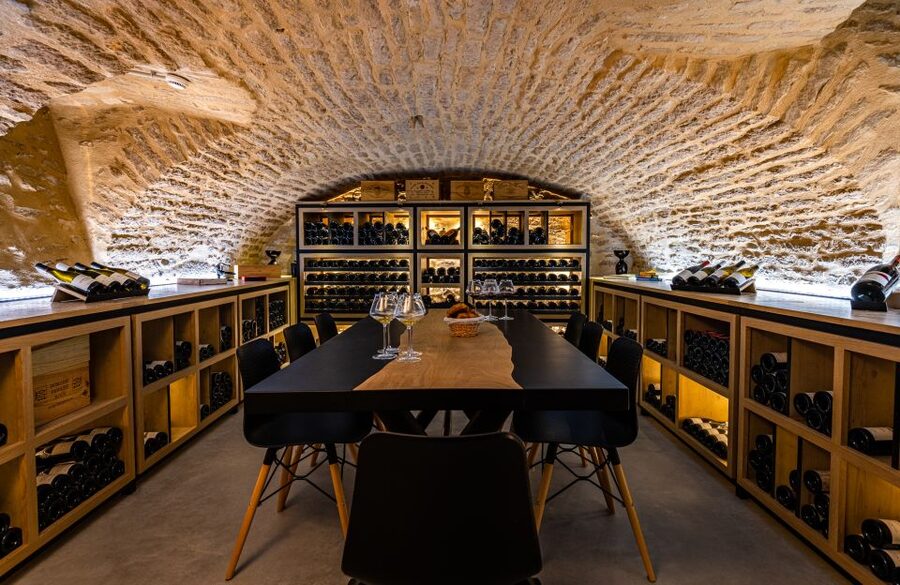
Dijon’s La Cave du Palais puts Burgundy’s wine story under your feet, in an ancient vaulted cellar tucked inside the Hotel du Palais. Over 90 minutes, you taste six wines while your guide explains how a vineyard’s location, the year, and the appellation shape what ends up in your glass.
I like the small groups of up to eight, which give you room to ask questions, and the spread from regional wines to Grand Cru. I also like that you can walk there from Place de la République, so this works neatly into a day in central Dijon.
The one catch is that this is a tasting and lesson, not a vineyard visit. You will not tour the countryside or meet a grower in the vines, and anyone who cannot use stairs or who is under 18 should choose another activity.
Key points at a glance
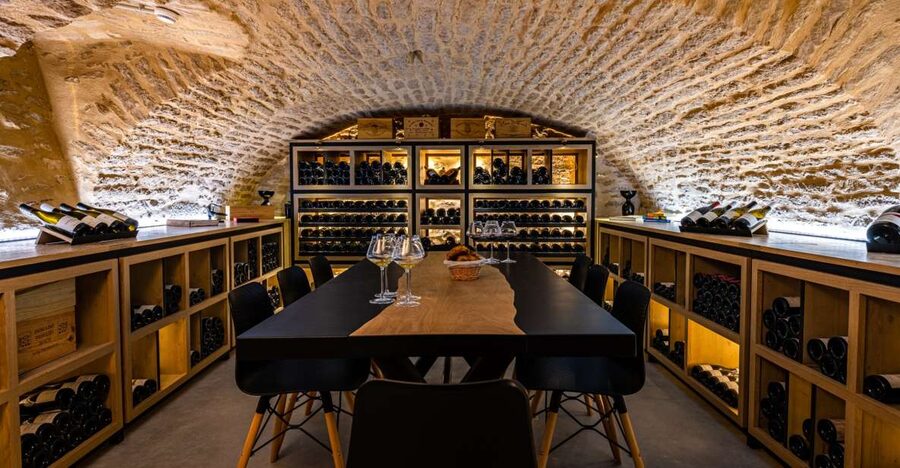
- A real underground setting: Taste in the original vaulted cellar of La Cave du Palais, inside the Hotel du Palais.
- Six wines in 90 minutes: The planned selection covers Burgundy whites and reds, from regional appellations through Grand Cru.
- A lesson you can use: Learn how climates, soil, vintage, and aging affect the wine in your glass.
- Easy city-center access: The cellar is about a five-minute walk from Place de la République.
- Personal guiding: Guides including Antoine, Leo, Robin, Prune, and Sebastian have led relaxed, question-friendly tastings.
- Good for mixed groups: French and English are offered, and one recent session also included Spanish support.
Entering La Cave du Palais in central Dijon
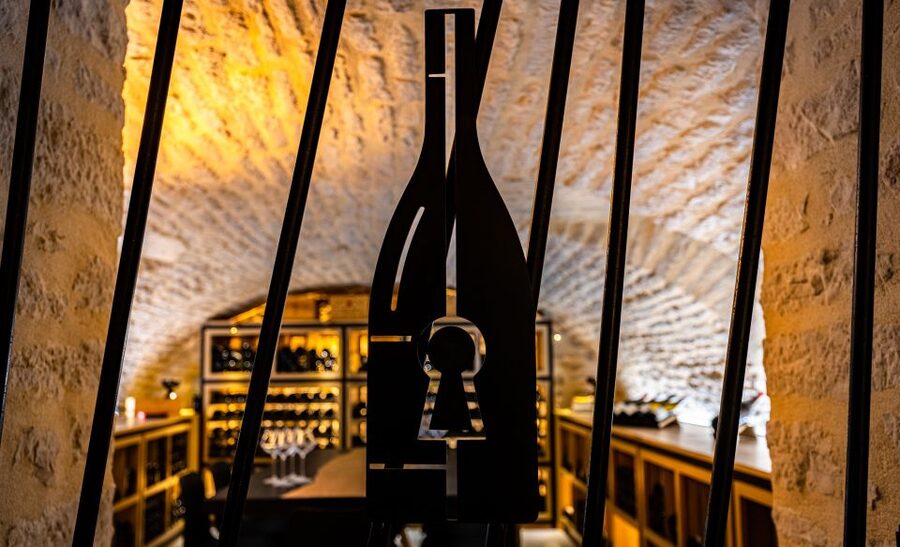
The meeting point is La Cave du Palais, located in the Hotel du Palais. From Place de la République, it is about a five-minute walk, which makes this a useful choice if you are staying in Dijon’s center or arriving by train and spending the day on foot.
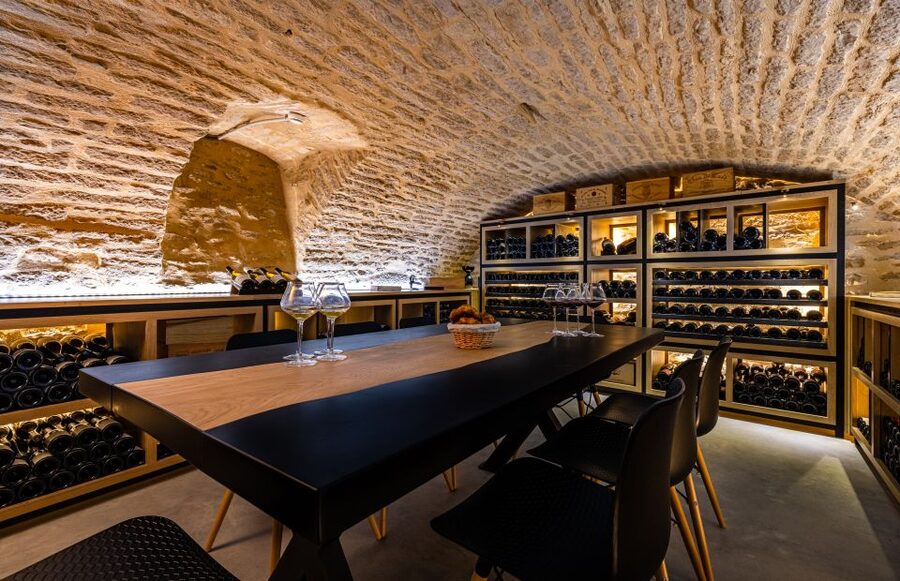
The cellar is the main setting, not just a backdrop. You sit in an original underground space with vaulted stonework and an old-world feel. Several people who have taken the tasting describe the room as beautiful, historic, and unusually atmospheric, especially compared with a standard shop counter or modern tasting bar.
You should allow a little time to find the hotel and get downstairs. The experience is not designed for wheelchair users, and the cellar setting may involve steps or uneven access. Pets are not allowed, and all participants must be at least 18.
Once everyone is settled, the guide introduces the wines and the basic idea behind Burgundy’s classification system. This matters because Burgundy can seem confusing at first. A bottle’s name may tell you more about its vineyard or village than about a famous producer, and the tasting gives you a way to make sense of those labels.
More Wine Tours in Burgundy
- Burgundy Bike Tour with Wine Tasting from Beaune
★ 5.0 · 674 reviews - From Lyon: Golden Stones Beaujolais Wine Tasting Tour
★ 4.7 · 387 reviews - Beaune: Wine Tasting at Château de Pommard
★ 4.4 · 277 reviews
Six glasses, from regional wine to Grand Cru
The tasting includes six wines. The exact bottles can vary, but the aim is to show the range of Burgundy, including both white and red wines and several levels of appellation.
A useful progression might begin with a regional wine, then move toward more specific village, vineyard, or higher-ranking examples. The point is not simply to hand you six expensive pours. It is to let you compare wines from different parts of the region and notice how classification connects to flavor, style, and price.
The top end is Grand Cru, Burgundy’s highest wine qualification. You should not expect every glass to be a Grand Cru, of course. That would make a $64 tasting rather different, and much more expensive, but having Grand Cru included in the range gives you a chance to understand what the classification means in practice.
The selection has also included three reds and three whites in some sessions. That balance is helpful if you do not yet know which side of Burgundy you prefer. You are not boxed into a tasting built only for red wine fans or only for lovers of Chardonnay.
The pours are described as generous, though this is still a guided tasting rather than a full meal. Eat beforehand or plan dinner afterward, especially if you are sensitive to alcohol. Extra tastings are not included, so any additional pours would cost more.
Why climates matter more than the label suggests
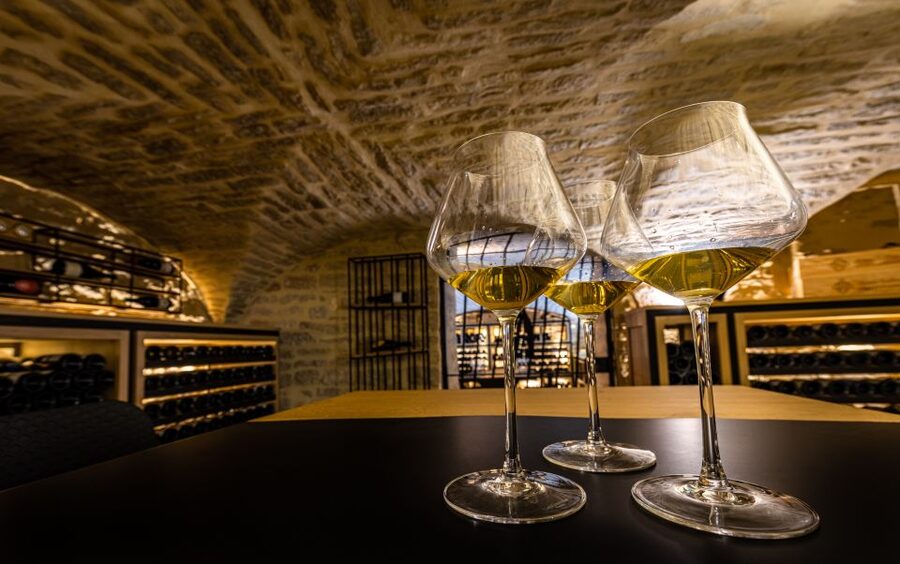
Burgundy’s famous word climat does not simply mean weather. In wine language, it refers to a specific named plot of land, with its own position, soil, slope, and growing conditions.
The guide uses the tasting to show why two wines made from the same broad grape type can taste different. The location of the vines, the soil beneath them, and the conditions of a particular year all affect the final bottle.
This is where the session earns its keep. Instead of hearing a long lecture about Burgundy and then drinking without context, you taste while the ideas are still fresh. A difference that sounds abstract on a map can become easier to grasp when two wines are poured side by side or discussed in sequence.
Guides have explained soil and geographic changes, the region’s wine-producing areas, and the way denominations can refer to a property, a village, or a larger regional zone. If you are new to French wine labels, this is likely the most useful part of the afternoon.
You may not leave able to recite every Burgundy appellation. You should leave better prepared to read a menu, choose a bottle, or understand why one label costs far more than another.
Aging, vintages, and what changes in the glass
The session also covers aging and the year in which each wine was produced. Vintage matters because weather conditions vary from year to year, and those changes can affect ripeness, freshness, structure, and balance.
A bottle’s age does not automatically make it better. It changes the way the wine presents itself, and the guide’s role is to help you notice those changes rather than treat age as a magic number.
This part will suit curious beginners because you can ask basic questions without needing a technical background. It can also satisfy experienced drinkers. One participant who works in the United States wine industry praised the guide’s ability to discuss wine beyond Burgundy, while another said the session offered a wider understanding of French wine.
The tone appears to be informal. Guides such as Antoine and Leo have been described as patient, entertaining, and happy to answer questions. Robin has also led sessions with a strong focus on Burgundy’s regional identity. The teaching is meant to be useful, not showy.
Same trip, a completely different kind of day:
- Small-Group Full-Day Tour of Côte de Nuits, Côte de Beaune Vineyards and Beaune Historical District
★ 5.0 · 364 reviews - From Beaune: Burgundy Day Trip with 14 Wine Tastings
★ 4.8 · 248 reviews - Burgundy Grand Crus Route Day Tour – 14 Wines Tastings in Domains
★ 5.0 · 223 reviews - Beaune: Maison Champy Guided Cellar Tour with Wine Tasting
★ 4.7 · 213 reviews
A small group changes the feel of the afternoon
The maximum group size is eight. That is one of the strongest practical features of this experience.
A large tasting can leave you trying to catch the guide’s words from the back of the room while politely waiting for a chance to ask about the wine in front of you. Here, the smaller format makes conversation easier. Groups have sometimes been as small as two or five people, giving the guide more freedom to adjust the discussion.
That does not mean every session will be private. You could be joined by couples or visitors from several countries, and part of the pleasure is the shared conversation. The atmosphere has been described as friendly, relaxed, and informal rather than stiff or overly technical.
The small group also helps if your party has different levels of wine experience. One person can ask how appellations work while another asks about food pairings or a particular vintage. A good guide can keep both conversations moving.
The language is French or English. Guides have handled bilingual groups, and one recent session also included English, French, and Spanish. If language is important to your booking decision, confirm the available language when you choose your time.
What the guides add to the experience
The guide is the biggest variable in any tasting, but the available information points to a strong teaching style across several hosts.
Antoine has led sessions praised for humor, clear explanations, and a relaxed manner. Leo has been described as especially patient and able to answer detailed questions, including questions from people who already work with wine. Robin has brought a strong personal connection to Burgundy, while Prune has been noted for her command of the region and for offering useful Dijon restaurant advice.
Those names are worth noting, but do not book expecting one particular person unless the operator confirms it. The host can vary by date.
The best feature is the interaction. You are not simply handed a glass and left to guess what to smell. The guide talks through the bottle, explains the regional context, and invites questions as you taste.
That approach is particularly useful for first-time Burgundy drinkers. You get enough detail to understand what you are sampling, but the session does not appear to depend on memorizing technical terms.
Is $64 good value for Dijon?
At $64 per person, this is not the cheapest way to drink wine in France. You could buy a bottle for less, especially at a supermarket or casual wine bar.
But the price includes six tastings, a 90-minute guided session, and access to a distinctive cellar in central Dijon. The value improves if you want to understand what you are drinking rather than simply sample it. Burgundy’s labels can be difficult to decode, and a good explanation can prevent you from buying an expensive bottle blindly later.
The Grand Cru element also matters. Even a small pour of a high-ranking wine can give you a reference point for the region’s classification system. You are paying for the comparison and instruction as much as for the liquid itself.
I would consider the price fair for a visitor who has limited time and cannot fit in a full vineyard day. It is also a practical alternative if you want to explore Burgundy wine without renting a car or arranging transport into the countryside.
The value is weaker if you already know Burgundy very well and mainly want a large amount of wine. It is also less suitable if your priority is meeting individual growers or seeing vineyards. This is a city tasting with a strong educational side.
How to fit it into a Dijon day
The tasting lasts 90 minutes, making it easy to place between sightseeing and dinner. Since La Cave du Palais is in the city center, you do not need a car, a taxi, or a half-day transfer.
It works especially well on your first afternoon or evening in Dijon. The guide may help you understand local wine menus and can sometimes offer restaurant suggestions. One guide pointed a participant toward a traditional Dijonnaise meal nearby, which shows how the conversation can extend beyond the bottles.
You can also use the tasting as a substitute for a vineyard visit when your schedule is tight. It will not show you the vines, but it gives you a regional framework before you visit Beaune or the Côte de Nuits later.
If you plan to buy wine afterward, bring a way to carry it safely. Several participants chose to purchase a bottle, but there is no obligation to buy anything. The important point is that you can taste first, ask questions, and then decide with more confidence.
Because the session includes alcohol, do not place it before an activity where you need to drive. The simplest plan is to walk there, take your time, and arrange dinner afterward.
Who should book this Burgundy tasting?
I would recommend it to wine beginners who want a clear introduction without committing to a full vineyard tour. It also suits couples, solo visitors, and small groups who enjoy conversation and want a more personal setting.
It is a good choice for anyone interested in how French appellations work. You will hear about regional wines, more specific classifications, Grand Cru, climates, soil, and aging in a single sitting.
Experienced wine drinkers can still get value from the session, especially if the guide is Antoine, Leo, Robin, Prune, or another host with a strong regional background. The discussion can move beyond basic tasting notes into geography, vintages, and the wider French wine system.
I would skip it if you are under 18, pregnant, unable to use the cellar access, or looking for a vineyard walk. I would also think twice if you dislike structured tastings or want a full meal with your wine.
Practical details before you book
The experience costs $64 per person and lasts 90 minutes. Six wine tastings and live commentary are included, while extra tastings are not.
La Cave du Palais is in the Hotel du Palais, about five minutes on foot from Place de la République. French and English are available, and the group is limited to eight people.
You can cancel up to 24 hours before the start time for a full refund. A reserve-now, pay-later option is also available, which helps if your Dijon plans are still shifting.
The activity is not suitable for children under 18, pregnant women, wheelchair users, or anyone bringing a pet. Wear shoes you can manage comfortably in an old cellar, and plan a meal around the tasting rather than expecting food to be served.
Should you book La Cave du Palais?
Book it if you want Burgundy explained as you taste it, in a handsome old cellar and without leaving Dijon. The six-wine range, small group, central location, and strong record of engaging guides make this one of the better city-based wine options for a short stay.
Do not book it as a replacement for a vineyard tour. You will not see the countryside or follow a grower through the vines. But if you have only an afternoon, want to understand regional-to-Grand Cru differences, and prefer a friendly lesson to a formal lecture, $64 is a sensible spend.
FAQ
How long does the La Cave du Palais wine tasting last?
The tasting lasts 90 minutes.
How many wines are included?
Six wine tastings are included in the experience.
Does the tasting include Grand Cru wine?
The tasting offers wines from regional appellations through Grand Cru appellations, the highest wine qualification.
Where does the tasting take place?
It takes place at La Cave du Palais, inside the Hotel du Palais in central Dijon.
How far is La Cave du Palais from Place de la République?
The cellar is about a five-minute walk from Place de la République.
What languages are available?
The host or greeter speaks French or English. Some sessions may also offer additional language support, but French and English are the stated languages.
How many people are in the group?
The group is limited to eight participants.
Can anyone under 18 join?
No. You must be over 18 to take part in the wine tasting.
Can I cancel for a refund?
Yes. You can cancel up to 24 hours in advance for a full refund.
Just added around Burgundy
- Côte de Beaune Half-Day Wine Tour from Dijon★ 4.7 · 32 reviews
- From Paris: Burgundy Region Winery Tour with Tastings★ 4.8 · 96 reviews
- Dijon: Burgundy Wines Masterclass★ 5.0 · 70 reviews
- From Lyon: Beaujolais Wine Route Half-Day Tour★ 4.7 · 81 reviews
- From Beaune: Full-Day Bicycle and Wine Tour in Burgundy★ 4.9 · 95 reviews
- Beaune: Maison Champy Guided Cellar Tour with Wine Tasting★ 4.7 · 213 reviews
- Beaune: Wine Tasting at Château de Pommard★ 4.4 · 277 reviews
- From Beaune: Burgundy Day Trip with 14 Wine Tastings★ 4.8 · 248 reviews
Wine Tours, compared.
Moulin Rouge Cabaret Show Ticket with Champagne
Read our review →
Authentic Parisian Gourmet Food Tour with 10 Local Dishes & Wines
Read our review →
Loire Valley Castles Day Trip from Paris with Complementary Wine
Read our review →
River Garonne Cruise with Glass of Wine and Canelé
Read our review →
Montmartre Hill French Gourmet Food and Wine Tasting Walking Tour
Read our review →
Montmartre Cheese, Wine & Pastry Guided Walking Tour
Read our review →
Paradis Latin Cabaret Show with Optional Champagne
Read our review →Browse the lists this tour appears in