
Reviewed · WWI BATTLEFIELD TOURS
Dunkirk: Operation Dynamo and Battlefield of Dunkirk Tour
The most striking part of this Dunkirk tour is the change in scale. Today, the beaches are broad, quiet stretches of sand. In May and June 1940, they were the last hope for thousands of Allied soldiers waiting under attack for a place on a ship. This tour connects that calm shoreline with the port, memorial, cemetery, and battlefield sites that explain Operation Dynamo.
I like the way the tour links the beaches and East Mole, since soldiers escaped by both routes. I also like the guides’ use of maps, photographs, and film locations to make the story easier to follow. The main drawback is the short two-hour schedule: you get a strong overview, but not much time for a museum visit or long independent stops.
Key points to know before booking
- Operation Dynamo sites: Visit the evacuation beaches, Dunkirk port, the preserved section of the East Mole, and the British Memorial and cemetery.
- Private format: The experience is booked for a private group, with capacity of up to 20 people.
- Strong guiding: Emmanuel, Fred, Freddie, Elise, and Onno are among the guides praised for clear English, strong preparation, and an engaging manner.
- Film connection: Locations used for Christopher Nolan’s Dunkirk can be added, making the tour useful for movie fans as well as military-history enthusiasts.
- Short and focused: The two-hour route works well for a first look at Dunkirk, but you should add separate time if you want a museum visit.
- Good group value: At $188 per group, the cost can work out well for a family or larger private party, especially when shared among several people.
Why Dunkirk is best understood from the ground
Operation Dynamo took place from May 26 to June 4, 1940, when 338,000 Allied soldiers were evacuated from the Dunkirk area. The story is often reduced to a dramatic sea rescue, but the places around Dunkirk show that it was also a retreat under fire, a defensive battle, and a huge logistical effort.
I find a guided route especially useful here because many important places do not announce themselves. A beach can look like any other beach. A stretch of harbor can seem like ordinary working waterfront. The guide gives each stop its military purpose and places it on the timeline.
The tour is private, so you can ask questions without trying to fit into a large public group. English and French are available. The exact meeting point depends on the option you book, so check that detail carefully before setting out.
More WWI Battlefield Tours in Northern France
- Somme Battlefields Small-Group Day Trip with John Monash Centre from Paris
★ 4.5 · 270 reviews - Somme Battlefields from Paris with Australian memorial & Amiens Cathedral
★ 5.0 · 228 reviews - Private Round Trip Transfer to Vimy Ridge from Arras
★ 5.0 · 164 reviews
The beaches where the evacuation began
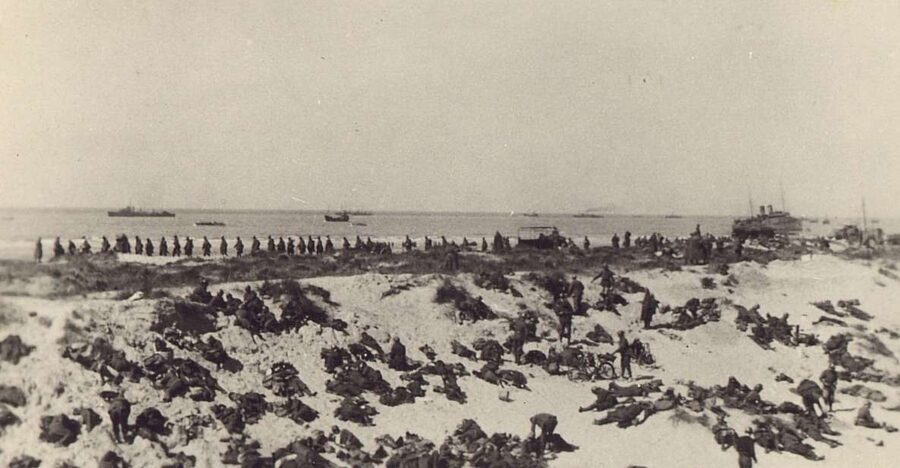
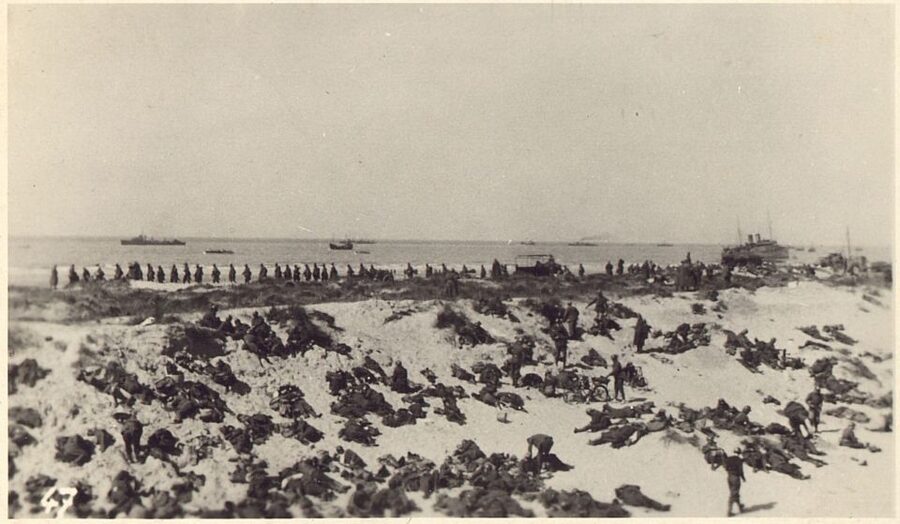
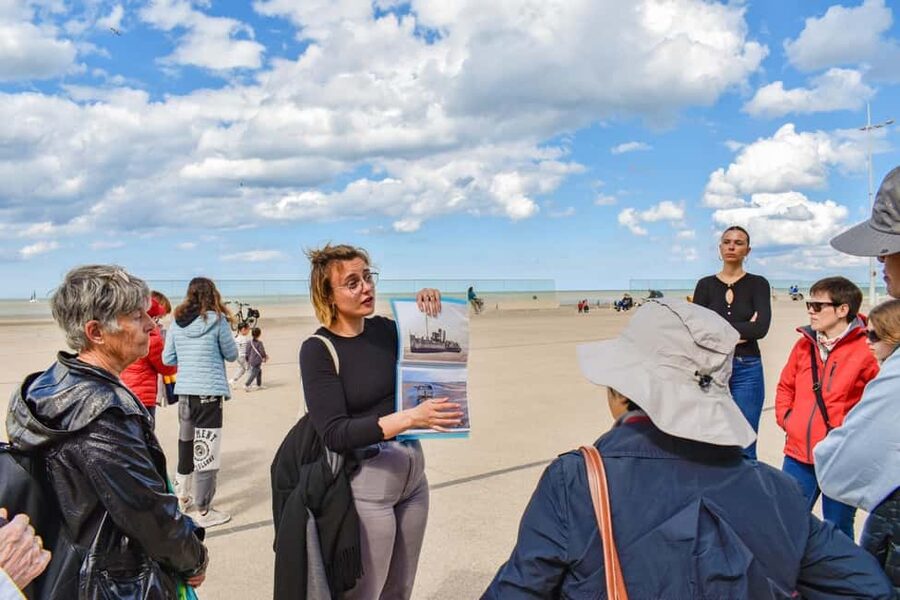
The evacuation beaches are the emotional center of the experience. They are beautiful, wide, and peaceful now, which makes it hard to picture the scene in 1940. Allied soldiers were crowded along the shore, exposed to aircraft and artillery, waiting for naval vessels or civilian boats to carry them away.
Your guide explains how the beach evacuation worked and why the smaller civilian vessels became so important. The familiar story of the Dunkirk Little Ships is only one part of the wider operation, but it helps you picture the confusion and urgency of the retreat.
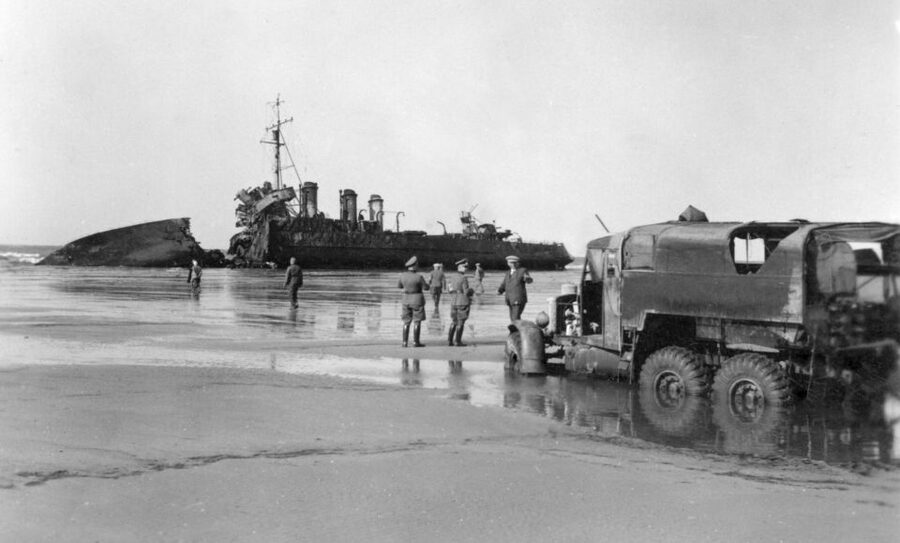
This stop is more about setting the scene than examining a large collection of physical remains. Do not expect a beach covered with visible wartime ruins. The value comes from standing in the open space and hearing how soldiers moved toward the water, formed queues, and waited for a chance to leave.
Bring shoes suitable for some walking. The activity specifically includes walking, and weather can change quickly on the coast. Rain did not prevent one guide from keeping the visit moving, but a waterproof layer will make the experience more comfortable.
Dunkirk port and the East Mole
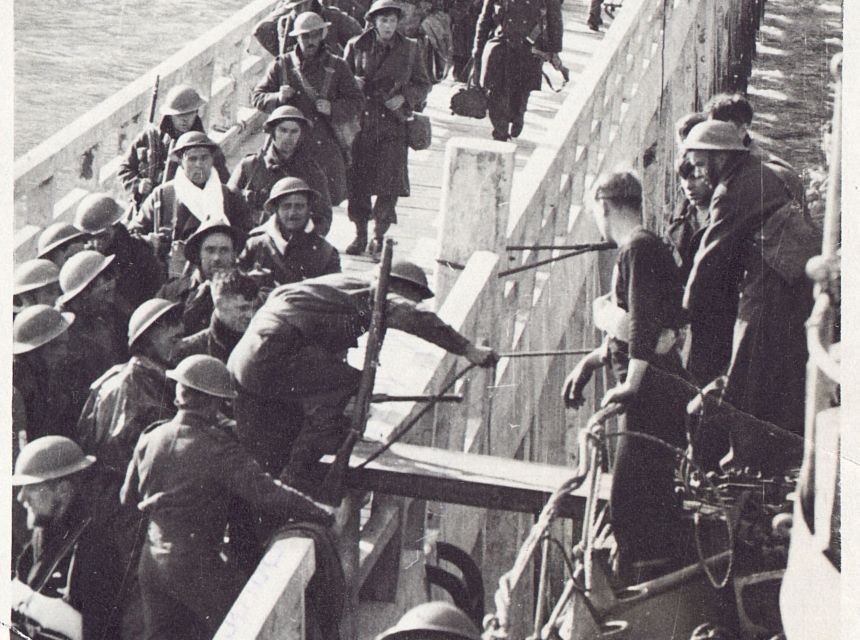
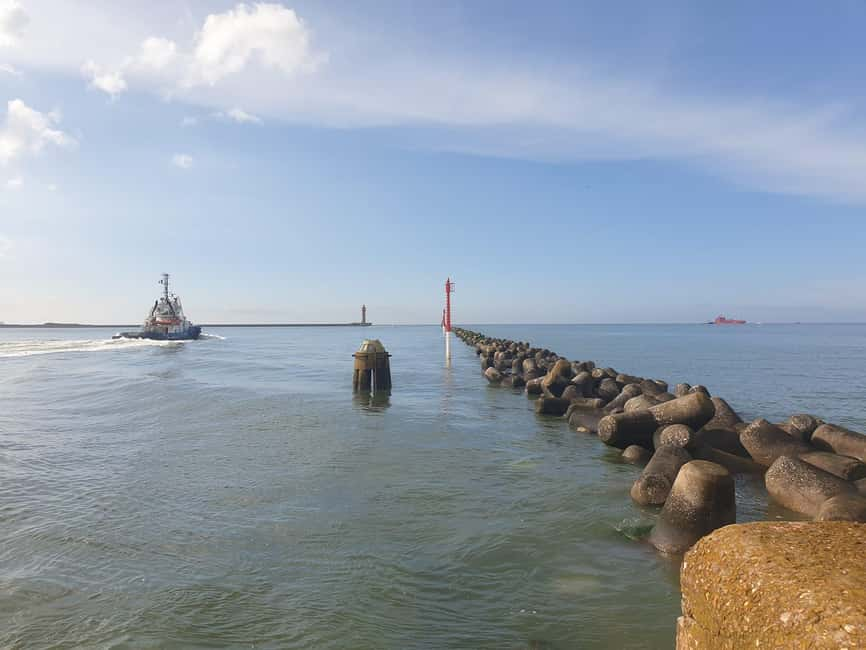
The port offers a different view of the evacuation. Many soldiers left from the East Mole, a long structure connected with the harbor. The route includes a stop at an impressive German bunker built during the occupation, along with a preserved section of the original East Mole.
This is where the story becomes more practical. The guide can explain why a harbor structure mattered so much, how soldiers reached waiting ships, and why the port evacuation differed from the movement off the open beach. You get a clearer sense of the routes used by the British Expeditionary Force and the pressure placed on every available vessel.
The port also helps correct a common oversimplification. Dunkirk was not one single evacuation point. Soldiers departed from beaches, piers, and harbor facilities, often in difficult conditions. Seeing both the beach and the East Mole gives you a fuller picture in a short amount of time.
Transport is useful at this stage. The tour moves around Dunkirk by coach, or by car if you select the individual VIP option. Some bookings include car transportation, so read the option details closely rather than assuming every fare has the same vehicle arrangement.
The British Memorial and cemetery
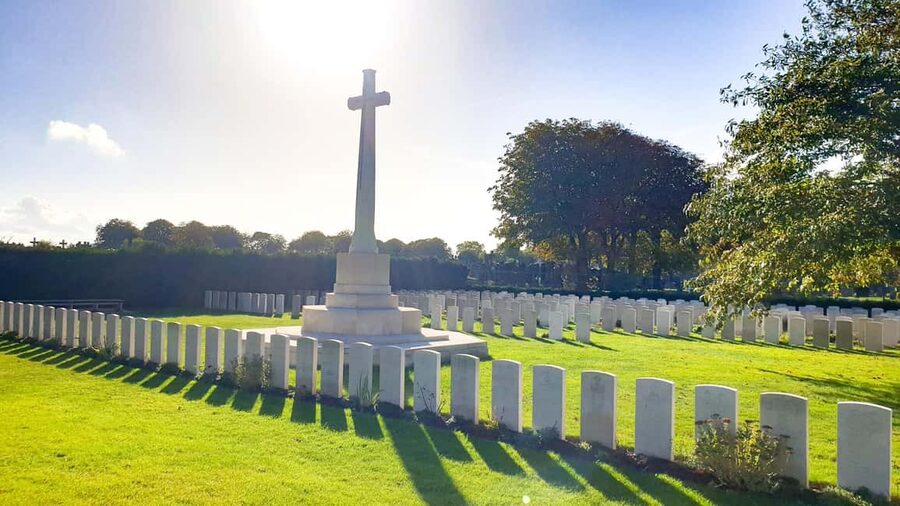
The British Memorial commemorates 4,528 soldiers of the British Expeditionary Force who died in 1940 and have no known grave. Beside it is a cemetery containing 810 graves, many belonging to soldiers killed while defending the Dunkirk perimeter during the evacuation.
This is usually the quietest and most reflective part of the route. The beach shows the scale of the evacuation, while the cemetery brings the human cost into focus. You can take time to read the names and consider that the operation, despite its success in saving so many troops, was also a costly military defeat and retreat.
The memorial stop suits visitors who want more than a film-inspired tour. It also gives families a respectful place to pause if they have a connection to the British forces or to Operation Dynamo. One guide used photographs and a booklet to connect the present-day sites with wartime images, a helpful approach when much of the original scene has changed.
Because this is a memorial site, the tone is more serious than at the beach or harbor. Allow yourself a few quiet minutes rather than treating it as a quick photo stop.
Same trip, a completely different kind of day:
- Entrance Ticket Nausicaa, the biggest aquarium in Europe
★ 3.5 · 1,135 reviews - Lille Driving Tour by Convertible Citroen 2CV
★ 4.9 · 711 reviews - Nausicaá National Sea Center: Full-Day Entry Ticket
★ 4.5 · 541 reviews - Unique Tour of Lille by Convertible 2CV – 1h00
★ 5.0 · 470 reviews
Adding Christopher Nolan’s filming locations
The tour can include places used for Christopher Nolan’s Dunkirk, released in 2017. This option adds a useful second layer to the visit. You can compare the film’s carefully constructed scenes with the actual geography of the beaches, port, and town.
The movie connection is particularly useful if you already know the film. A guide can explain where parts of the opening sequence were filmed and help separate cinematic choices from the historical events. That makes the tour more than a simple movie-location hunt.
I would not choose the film option at the expense of the main memorials if your time is tight. The evacuation beaches, East Mole, and British cemetery are the core of the experience. Add the filming sites if you have a strong interest in the movie or have already seen the principal historical locations.
Guides who bring the story into focus
The strongest part of this experience is the guiding. Emmanuel is repeatedly described as punctual, personable, and deeply prepared. He has picked up visitors from the train station on some tours, and he has been praised for explaining the operation in detail while answering questions patiently.
Fred and Freddie are also associated with animated, passionate storytelling. Freddie has used a booklet with photographs to show how the wartime sites looked, then connected those images to the beaches, battlefield areas, and memorial. Fred has added other Dunkirk monuments and city history to the main Operation Dynamo story.
Elise brings a friendly and clear approach, with particularly strong English. She has guided visitors to the beaches, East Mole, cemetery, and filming sites, and has explained what happened during production of the film. Onno has also led the tour in an informative and personable way.
Guide assignments can vary, so you should not book expecting one particular person unless the provider confirms it. The consistent strength is the format: a live guide who can adjust the explanation to your interests, rather than an audio recording that gives every visitor the same script.
How much can two hours cover?
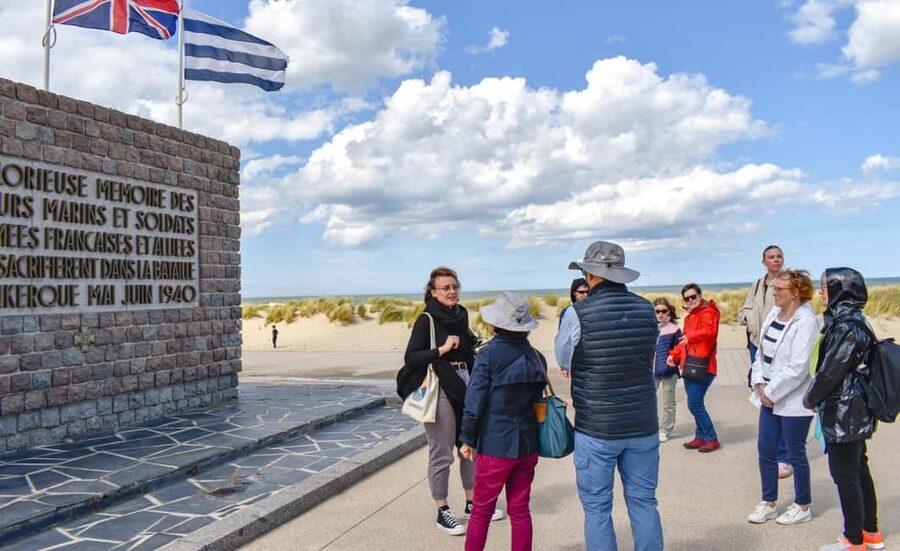
Two hours is enough for a focused circuit of the key sites. You will see the main evacuation areas, the port and East Mole, and the British Memorial and cemetery. With efficient transport between stops, the timing gives you a clear outline of the operation without turning the visit into an all-day commitment.
The tradeoff is depth. You will not have long stretches for quiet reflection, extended walking, or a museum visit during the same two-hour slot. One visitor chose this tour instead of visiting the museum because of limited time and felt the guided route offered better value for understanding the area. Another specifically advised doing the museum as well, which is sensible if your schedule permits.
If you are planning a full day in Dunkirk, place the tour early or midway through your visit, then use the remaining time for a museum or additional city exploring. If you have only a short stop in town, the tour gives you a more useful sense of place than trying to find the sites alone.
The value of a private group at $188
The listed price is $188 per group of up to 20 people. That is not the cheapest way to spend two hours if you are alone, but it can be good value for a family, a group of friends, or a history club. The more people in your party, the lower the individual cost becomes.
You are paying for more than a ride between landmarks. The price includes a guide, and car transportation is included when that option is selected. The private format also means your group can ask questions about family connections, military units, the film, or the city without competing for the guide’s attention.
For a solo visitor or couple, the value depends on your interest in the subject. If you are only mildly curious, the cost may feel high for two hours. If you want to understand the sites without arranging transport or researching the route yourself, the guide can save a great deal of time and prevent you from missing places that are easy to overlook.
There is also flexibility at booking. You can cancel up to 24 hours before the activity for a full refund, and the reserve-now, pay-later option allows you to keep your plans open. Those terms are useful in coastal northern France, where weather and transport plans can change.
Who will get the most from this tour?
I would recommend it first to anyone with a serious interest in World War II or Operation Dynamo. It is also a strong choice for families with older children and teenagers who want the story tied to real locations instead of presented only in a museum.
The tour works well for people with a family connection to the evacuation. One visitor whose partner’s grandfather took part in Operation Dynamo found that the route filled in missing details and offered a fair account of the event. You can ask your guide about specific places or units, though the supplied information does not promise specialist genealogy research.
Movie fans should add the Nolan filming locations when possible. The film material adds interest, but it should remain a supplement to the real beaches, port, and memorials.
I would be less likely to choose this tour if you want a long walking route, extensive museum time, or a quiet independent visit. The pace is structured, the schedule is short, and some transport is involved. It is designed to explain the area efficiently.
Practical advice before you go
Wear comfortable shoes and prepare for some walking at the beaches and memorial sites. Bring rain protection, since the tour continues in wet weather and the coast can feel exposed.
Confirm your meeting point and vehicle option before the day. The meeting location can vary by booking choice, and car transportation depends on the selected option.
English and French tours are available. Since the experience is private, tell the provider your preferred language and any particular interest, such as a family connection, the British Expeditionary Force, or the film.
Food and drinks are not included. Two hours is a manageable length, but plan refreshments before or after the tour rather than expecting a stop built into the route.
Should you book the Dunkirk Operation Dynamo tour?
Book it if you want the places explained as one connected story. The beaches, East Mole, bunker, cemetery, and memorial each show a different part of the evacuation, and the guide makes those links clear.
I would especially choose it for a private group, a family with a World War II interest, or anyone visiting Dunkirk without a car. The $188 group price is easiest to justify with several people. If you have time, add the museum separately. If you have only two hours, this guided route is a practical way to see the key sites and understand why Dunkirk became a symbol of courage, loss, and resistance.
FAQ
How long does the Dunkirk Operation Dynamo tour last?
The tour lasts two hours. Check availability for the specific starting times offered on your chosen date.
What sites are included?
The route includes the evacuation beaches, Dunkirk port, a preserved part of the East Mole near a German bunker, the British Memorial, and the nearby cemetery.
Can I visit locations from Christopher Nolan’s Dunkirk?
Yes. Locations connected with the filming of Dunkirk can be added to the tour.
Is the tour private?
Yes. It is offered for a private group, with capacity of up to 20 people.
Which languages are available?
Live guiding is available in English and French.
Is transportation included?
Car transportation is included when that option is selected. The tour can also take place on board a coach, depending on the booking option. Food and drinks are not included.
Just added around Northern France
- Private Lille Tour by Classic Convertible 2CV with Champagne★ 5.0 · 49 reviews
- 1 Hour Private Lille Tour by Convertible 2CV with a Local Products Tasting★ 5.0 · 78 reviews
- 30-Minutes Private Guided Tour of Lille by Convertible 2CV★ 5.0 · 79 reviews
- Rallye “Discoveries and Surprises”★ 5.0 · 52 reviews
- Lille Scavenger Hunt and Highlights Self Guided Audio Tour★ 4.0 · 32 reviews
- Lille Old Town Walking Tour With A Guide★ 4.5 · 40 reviews
- Lille Scavenger Hunt and City Highlights Walking Tour★ 4.5 · 47 reviews
- Quad and Moto hike, discover the Corrèze otherwise. Accessible to everyone !!★ 5.0 · 33 reviews
WWI Battlefield Tours, compared.
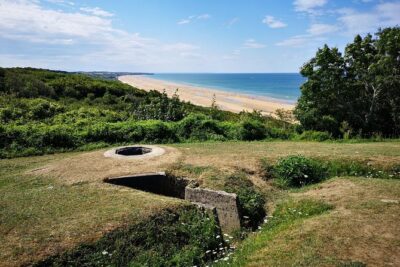
Normandy Battlefields Tour – American Sites (A3)
Read our review →
Somme Battlefields Small-Group Day Trip with John Monash Centre from Paris
Read our review →
Normandy Battlefields D-Day Private Trip with VIP Services from Paris
Read our review →
Somme Battlefields from Paris with Australian memorial & Amiens Cathedral
Read our review →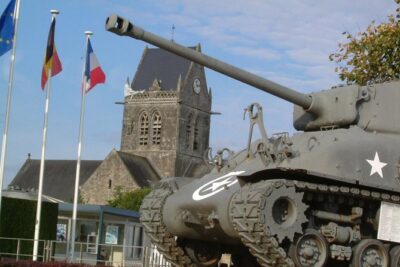
Full-Day US Battlefields of Normandy Tour from Bayeux (A3LST)
Read our review →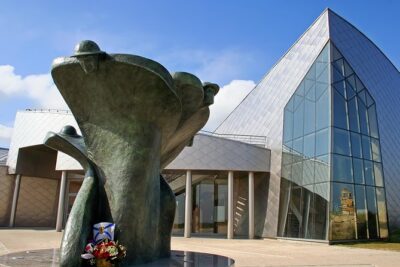
Full-Day Canadian Battlefields & sites Normandy Tour from Bayeux
Read our review →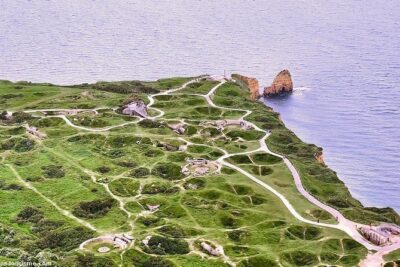
Private Day Tour including Normandy Landing Beaches & Battlefields from Bayeux
Read our review →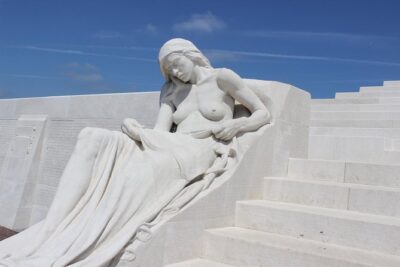
Browse the lists this tour appears in