
Reviewed · OCCITANIE TOURS
Languedoc: Tour and Tasting at Domaine de Baronarques
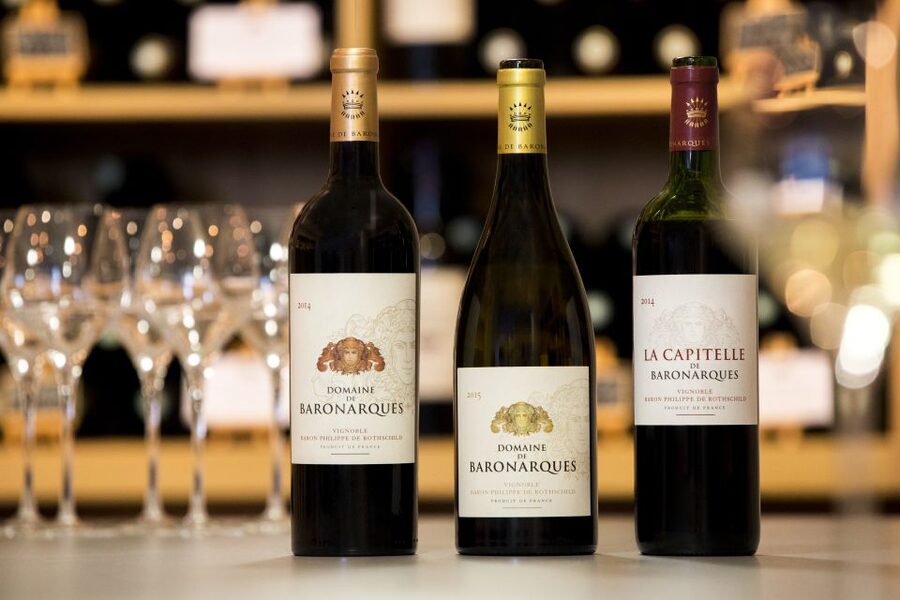
The best part of Domaine de Baronarques is the way the visit connects a 17th-century estate with the wine in your glass. You see the vat-house and barrel cellar first, then taste three wines made on the property: Grand Vin Rouge, La Capitalle de Baronarques, and Grand Vin Blanc.
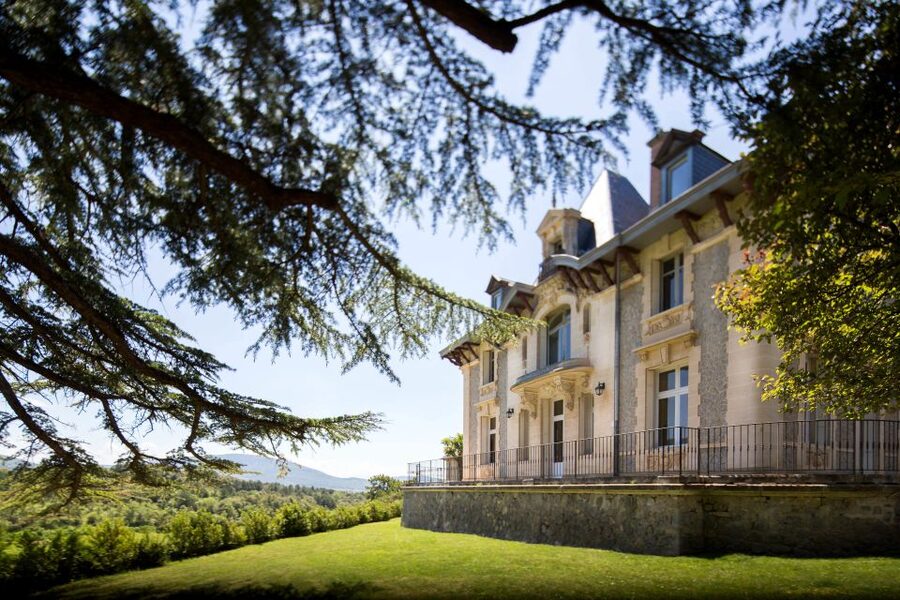
I like the clear, friendly guiding, especially when Flore or Jacky leads the visit, and I like the setting near Limoux, where a 19th-century French château sits among tree-covered hills. The main drawback is getting there without a car. A taxi from Limoux or Carcassonne can cost more than the $24 tasting itself.
Key points
- Three wines in one tasting: Sample Grand Vin Rouge, La Capitalle de Baronarques, and Grand Vin Blanc after seeing how the wines are made.
- A genuine working estate: The visit includes the vat-house, vineyard, and new barrel-aging cellar, not just a gift shop and a quick pour.
- Centuries of ownership: The property dates from the 17th century and was once linked to the Abbey de Saint-Polycarpe.
- Strong English-language guiding: Flore and Jacky have been praised for making the history and production process easy to follow.
- Good value at $24: One hour of guided access and three wines is a fair price for a serious estate visit.
- Plan your ride early: Public transport can get you to Limoux, but the onward journey to the domaine must be arranged ahead of time.
Why Domaine de Baronarques Feels Different
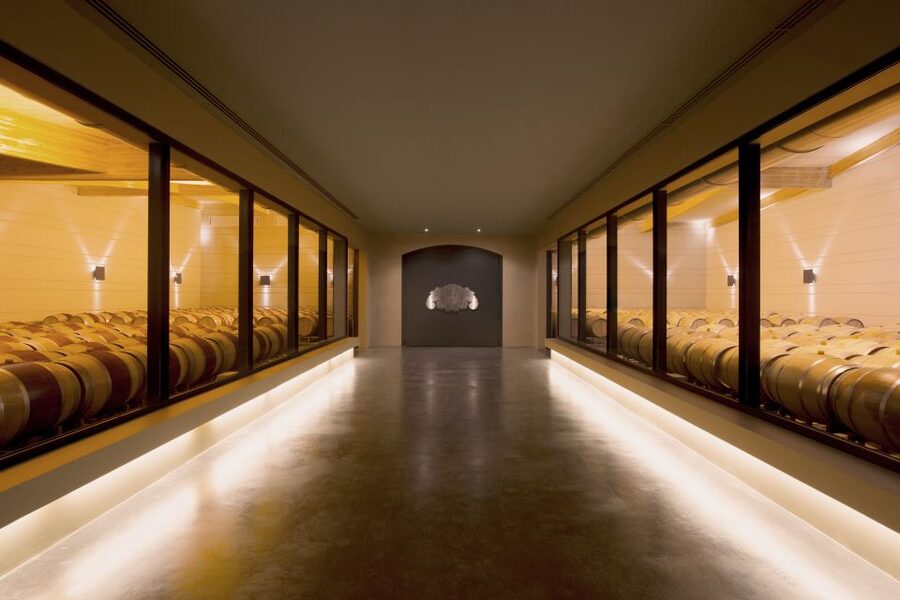
Domaine de Baronarques is not simply a place to drink wine in the sunshine. The visit gives you a look at the work behind the bottle, from fermentation in the vats to the slower aging that takes place in oak barrels.
That makes the hour useful even if you are still learning the basics. You do not need to know the difference between a vat and a barrel before arriving. The guide explains the process as you move through the property, then gives you a chance to connect those details with the finished wines.
The estate has been in existence since the 17th century, when it was under the possession of the Abbey de Saint-Polycarpe. Baroness Philippine de Rothschild and her two sons acquired it in 1998. That ownership story gives the property a link to both local tradition and a major French wine family.
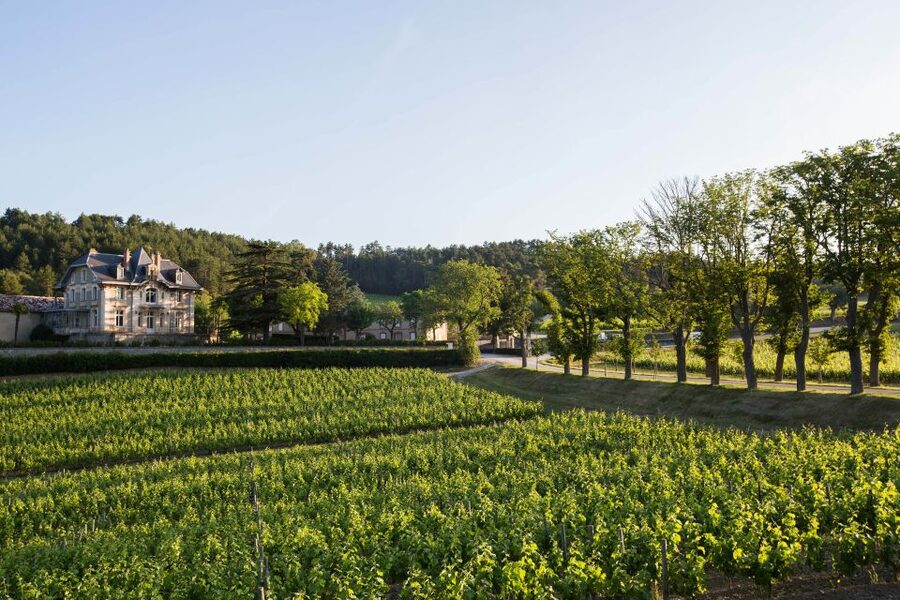
You also get a setting with some visual appeal. A 19th-century French château sits on a tree-covered hill, giving the visit more character than a modern industrial winery would. The château is part of the setting rather than a separate museum visit, so you should come for the estate and production tour, not expect a long architectural tour inside the house.
A few more Occitanie half-days worth comparing
- Saw2 vs Squid Game – Escape Game Montpellier
★ 5.0 · 752 reviews - The “Break in Prison” room
★ 5.0 · 609 reviews - Prison Break – Escape game in Montpellier
★ 5.0 · 583 reviews
Arriving Near Limoux
The domaine is reached through Limoux, a town in the Languedoc area of southern France. Once you are in Limoux, entering Domaine de Baronarques into your GPS should guide you to the property.
This sounds simple if you have a car. One visit from Carcassonne took about 30 minutes by car, which makes the estate a practical side trip from that city. You can also combine it with time in Limoux or a visit to the Abbey de Saint-Polycarpe, both of which were mentioned as useful nearby additions to the day.
The transport question matters more if you are using public transport. A train or bus can bring you to Limoux, but the connection from Limoux to the domaine is not available at the last minute. Arrange a taxi or other ride before you arrive.
A group can make the taxi cost easier to handle, but do not assume the ride will be cheap. Several visitors found taxis from Carcassonne or Limoux expensive, particularly when splitting the fare among only a few people. At $24 per person, the tour is good value, but your total outing may cost considerably more once transport is added.
The Château and the Estate’s Past
The property’s age is not just a line in the introduction. The estate was already established in the 17th century, and its connection with the Abbey de Saint-Polycarpe gives the visit a local historical angle.
The story then moves into the modern era with the acquisition by Philippine de Rothschild and her two sons in 1998. That change of ownership helps explain why a historic property can also have updated wine facilities.
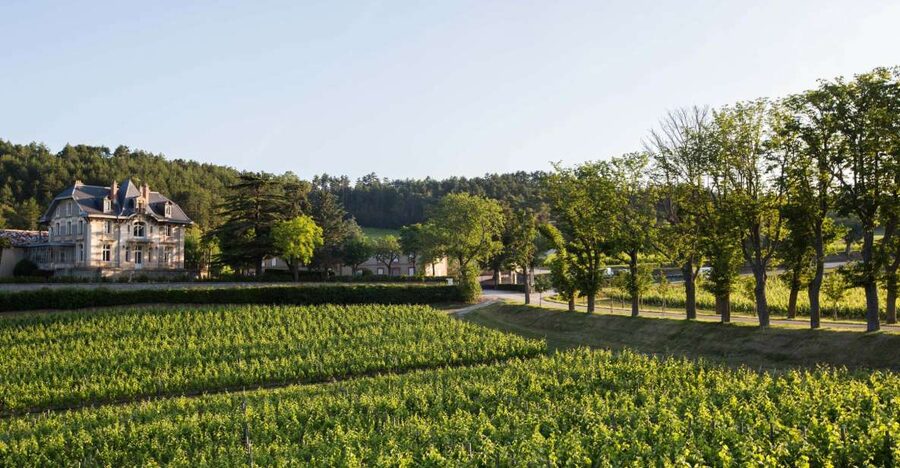
You will see the 19th-century château set into a tree-covered hill during the visit. It is the kind of detail that gives the estate a sense of place. You are not touring an anonymous production site on the edge of town. You are seeing an old property that still functions as a vineyard.
I would keep expectations measured. The one-hour format does not leave room for a full history lecture or a long walk across every part of the grounds. Instead, the guide uses the estate as a way to explain how the property developed and how wine production continues there today.
Inside the Vat-House
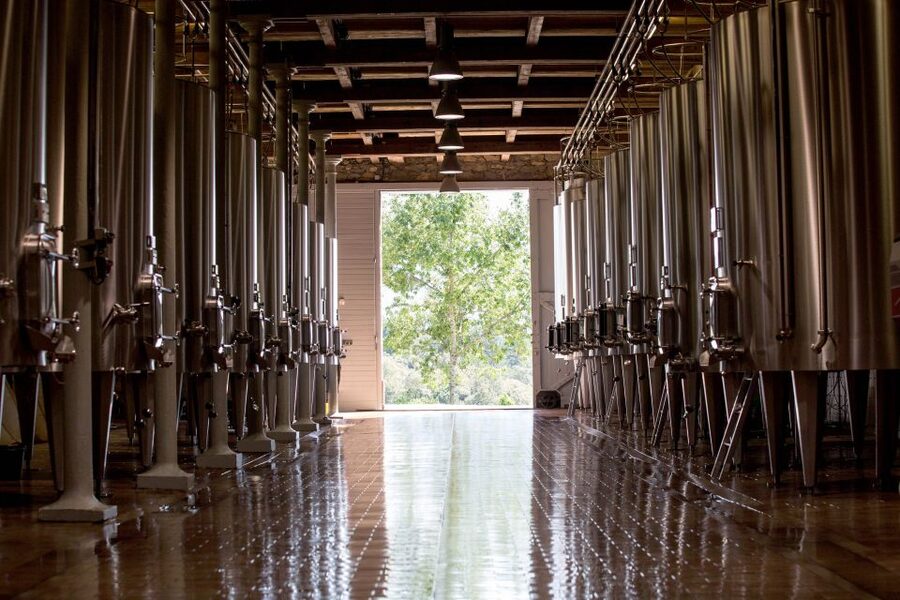
The vat-house is the first important production stop. This is where the grapes are fermented, and the guide explains the part that vats play before the wine moves on to aging.
For you, this section adds useful context to the tasting. A red wine does not simply emerge from a barrel ready to drink, and a white wine follows its own path. Seeing the production area before tasting gives you a clearer idea of the stages between vineyard and bottle.
The visit is especially helpful for first-time winery visitors. Guides such as Flore have been praised for explaining the process in a calm, easy-to-follow way, while Jacky was noted for providing an informative tour with a warm manner. Their role matters because the equipment itself can look rather plain without explanation.
Do not expect a long technical workshop. The tour lasts about one hour in total, including the other stops and the tasting. You get the essential production story, not a detailed lesson in chemistry or vineyard management.
Same trip, a completely different kind of day:
- Toulouse: Carcassonne Day Trip by Coach with Audioguide
★ 4.4 · 580 reviews - School of Magic – Escape game Montpellier
★ 4.5 · 536 reviews - Toulouse Food & History Tour with a Chef (in English)
★ 5.0 · 503 reviews - Toulouse: Albi and Cordes/Ciel Day Trip with Audio Guides
★ 4.5 · 486 reviews
The New Barrel-Aging Cellar
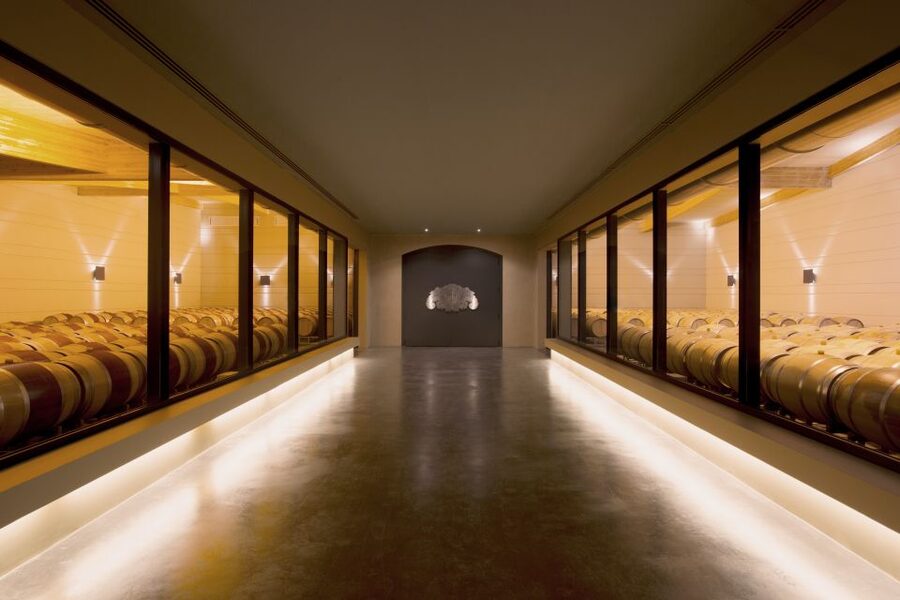
The barrel room is where the tour becomes more atmospheric. After fermentation, wines can spend time aging in barrels, and the new cellar gives you a chance to see that quieter stage of production.
The difference between the vat-house and the barrel cellar helps you understand the rhythm of winemaking. Fermentation is an active early stage. Barrel aging is slower and more patient. Even a short visit can make those words on a wine label easier to understand.
The cellar is also one of the strongest practical reasons to choose this experience over a simple tasting. You are not only sampling three wines. You are seeing one of the places where the wine develops before it reaches the table.
The tour does not promise a large underground maze or a theatrical cellar show. That is a good thing if you prefer a working property to a staged attraction. The emphasis is on the production process and the estate itself.
The Three-Wine Tasting
The tasting includes three Domaine de Baronarques wines:
- Grand Vin Rouge
- La Capitalle de Baronarques
- Grand Vin Blanc
This selection gives you a useful spread across the estate’s production. You can compare the red wines with the white rather than tasting three versions of the same style.
The tasting follows the property tour, which is the right order for this kind of visit. You have just seen the vats and barrels, so the glasses become more than a pleasant finish. You can think about the differences between the wines and the stages explained by the guide.
The red wines are Grand Vin Rouge and La Capitalle de Baronarques. Grand Vin Blanc gives the tasting a white-wine counterpoint. The supplied details do not provide grape varieties, vintages, tasting notes, or serving sizes, so I would not arrive expecting a formal technical tasting sheet. The focus is on discovering the estate’s wines and their connection to the Languedoc setting.
The wine tasting is the most praised part of the experience, along with the guides. It is described as superb and excellent, but the value comes from the full sequence: property, production rooms, history, then wine. If you only want to buy a bottle, a shop visit would be quicker. If you want to understand what you are drinking, this format is much more satisfying.
Personal purchases are not included in the $24 price. You should treat any bottles or other items you decide to buy as extra.
What the Guides Add
The quality of the guide makes a real difference during a short tour. Flore has been singled out for her passion and clear explanations of the history, grounds, and wine. Jacky was also praised for making the visit informative and pleasant.
The tours are offered in French and English, so English-speaking visitors can book with confidence. The best guides do not drown you in terms. They explain enough for you to follow the production process, then let the setting and wines do some of the work.
This is also a good choice for a mixed group. A serious wine drinker can focus on the cellar and tasting, while someone with less experience can follow the basic story of fermentation and aging. The tour is not aimed only at specialists.
Children under 10 are not suitable for this activity. For older children and teenagers, consider the interests of the group before booking. The visit is built around wine production and tasting, so it works best for adults and older family members who will pay attention to the explanation.
Is One Hour Enough?
One hour is enough for an introduction, but not for every possible part of the estate. You will see the vineyard, vat-house, new barrel-aging cellar, and château setting, then taste three wines. That is a sensible amount for a stop between other plans.
I like the compact timing because it makes the visit easy to add to a day around Limoux or Carcassonne. You do not need to give up half a day for a basic introduction to the domaine.
The tradeoff is that the tour may feel brief if you want long vineyard walks, detailed production figures, or a broad tasting of many vintages. The available information does not promise those features, so book this for a focused introduction rather than an all-day wine course.
The one-hour duration also means you should arrive ready. Transport delays could easily make the visit stressful, particularly if you are relying on a taxi from Limoux. Plan the ride in advance and allow enough time to reach the property without rushing.
Who Should Book This Experience?
I would recommend Domaine de Baronarques to you if you are staying in Carcassonne or Limoux and want a vineyard visit with some substance. It is also a good match if you prefer a small, focused estate experience to a large wine attraction.
It suits:
- Adults interested in the connection between old estates and modern production
- Wine drinkers who want to taste both red and white wines
- First-time winery visitors who value clear explanations
- English-speaking visitors who want a guided tour in English
- Couples and small groups with a car or pre-arranged taxi
- Older families, provided everyone is at least 10
I would think twice if you are traveling without a car and have not arranged transport from Limoux. The tour itself is affordable, but the taxi can change the cost calculation.
I would also skip it if your main goal is a long vineyard hike, a large tasting, or a full meal. The experience is short and focused. Its strength is the combination of estate history, production rooms, and three wines.
Price, Accessibility, and Booking Flexibility
At $24 per person, the price is fair. You are paying for a guided visit to the vineyard, vat-house, barrel-aging cellar, and estate setting, plus three wines. That is a better deal than a tasting alone, especially if you are curious about how wine is made.
The value depends on your transport. A car keeps the outing economical, while a taxi from Carcassonne or Limoux may cost more than the admission. If you are traveling with a group, divide the ride before deciding that the tour is expensive.
The property is wheelchair accessible, which makes this a practical option for many visitors. The tour is offered in French and English, and you can cancel up to 24 hours before the activity for a full refund. You can also reserve now and pay later, useful if your route through the Languedoc is still changing.
Should You Book Domaine de Baronarques?
Book it if you want a well-priced, one-hour introduction to a historic Languedoc wine estate, especially if you are based in Carcassonne or Limoux. The guides, the production rooms, and the three-wine tasting make the visit feel more complete than a quick pour at a cellar door.
Plan your transport before booking if you will arrive by train or bus. If you can solve that one practical issue, Domaine de Baronarques offers a clear look at the estate, the winemaking process, and the wines in your glass without taking over your entire day.
FAQ
Where is Domaine de Baronarques?
Domaine de Baronarques is near Limoux in southern France. From Limoux, you can enter the property name into your GPS for directions.
How long does the tour last?
The tour lasts one hour, including the property visit and wine tasting.
What does the visit include?
It includes a visit to the vineyard, vat-house, and new barrel-aging cellar, along with a guided look at the estate and a tasting of three wines.
Which wines are included in the tasting?
The tasting includes Grand Vin Rouge, La Capitalle de Baronarques, and Grand Vin Blanc.
Is the tour available in English?
Yes. Tours are offered in French and English.
Who acquired the estate in 1998?
Baroness Philippine de Rothschild and her two sons acquired the estate in 1998.
How old is the Domaine de Baronarques estate?
The property dates back to the 17th century, when it was under the possession of the Abbey de Saint-Polycarpe.
Can children join the tour?
Children under 10 are not suitable for this activity.
Can I reach the estate by public transport?
You can travel to Limoux by train or bus, but transport from Limoux to Domaine de Baronarques must be organized ahead of time. It is not available at the last minute.
Is the property wheelchair accessible?
Yes, the activity is wheelchair accessible.
Just added around Occitanie
- The force to escape – Escape game in Montpellier★ 4.5 · 84 reviews
- Legendary Montpellier, flexible legends and storytelling tour★ 5.0 · 54 reviews
- Private Discovery of Montpellier by Bike-Taxi★ 5.0 · 83 reviews
- Escape Game Session in Montpellier★ 5.0 · 33 reviews
- Blind Test Room & karaoke Montpellier★ 5.0 · 48 reviews
- Discovery of the Grands Sites de l’Hérault from Montpellier★ 5.0 · 77 reviews
- Private guided tours of Lourdes / Walking tour★ 5.0 · 56 reviews
- Half-day sailing on the Gave de Pau★ 5.0 · 180 reviews
Occitanie Tours, compared.

Toulouse Food & History Tour with a Chef (in English)
Read our review →
Albi and Cordes/Ciel Day Trip with Audio Guides
Read our review →

Toulouse Victor Hugo Market Small Group Tasting Tour
Read our review →Browse the lists this tour appears in