
Reviewed · WINE TOURS
Paris Art of Pairing Cheese and Wine Tasting in a Cheese Cellar
The best part of this Paris experience happens below street level, in a cold cheese cellar packed with wheels, blocks, and rolls still maturing. You put on a protective suit, learn why time and temperature matter, then taste cheeses cut fresh from the block with French wines and baguette.
I like the small groups of up to 12 and the chance to learn from a real cheese specialist rather than simply being handed a plate. I also like the practical pairing advice, which can help you order with more confidence in Paris restaurants and shops. The main drawback is that the session gives more attention to cheese than to wine, and part of the time is spent on cheesemaking history before the tasting begins.
Key things to know before you book
- The cellar is the main attraction: Expect a cool underground room with large wheels and blocks of ripening cheese, plus a protective suit.
- Seven cheeses and three wines are included: Tastings may include Gruyère, bôfavre, Camembert, Etivaz, and Beaufort.
- The teaching leans toward cheese: You’ll learn plenty about regions, milk, production, and aging, while wine gets less detailed treatment.
- Small groups make a difference: The maximum is 12 people, and the format can feel almost private when attendance is low.
- Wear something warm: The cellar is cold, and access is by stairs.
- Plan your meeting carefully: The meeting point is 39 Rue Saint-Louis en l’Île, and you should check for any last-minute location notice before setting out.
A cheese cellar beneath Île Saint-Louis
Paris has no shortage of wine bars and fromageries, but this experience gives you something more unusual: a look at where cheese matures before it reaches a shop counter. You begin at the Musée Vivant du Fromage, located at 39 Rue Saint-Louis en l’Île, in the heart of Paris.
The setting matters. Île Saint-Louis is an easy place to reach by public transportation and a pleasant part of central Paris to visit before or after the tasting. You are not being taken out to a distant dairy farm. Instead, you get a compact lesson in French cheese culture right in the city.
The experience lasts about an hour and a half. That is long enough to cover the basics, visit the cellar, taste a substantial selection, and ask questions without turning the activity into a full afternoon class.
The first part usually focuses on the world of cheesemaking. You’ll hear about how cheese is made, the regions associated with different styles, and why the maturing stage changes taste and texture. This section is useful if you normally see cheese as a finished product rather than something that needs careful handling over time.
I would not book this expecting a tasting from the first minute. A meaningful portion of the experience can be spent learning about cheese production and French cheese traditions. That is a benefit if you like context, but it may feel slow if your only goal is wine and cheese sampling.
More Cheese Tastings in Paris
- Paris: Montmartre Cheese, Wine & Pastry Guided Walking Tour
★ 4.8 · 2,255 reviews - Private Montmartre Food Tour with Wine, Cheese & Pastries
★ 5.0 · 1,027 reviews - Paris Le Marais Food Tour With 10+ Tastings, Cheese, Wine & More
★ 5.0 · 985 reviews
Putting on the suit and entering the cellar
Before going underground, you are given a hygienic protective suit. It is not a theatrical costume. The clothing helps protect the cellar environment and its delicate cheeses from outside contamination.
The cellar is cool, so bring a sweater or light jacket even in warm weather. You reach it by stairs, which makes the experience unsuitable for anyone who cannot manage stair access. The information provided says most people can participate, but it does not describe the cellar as step-free.
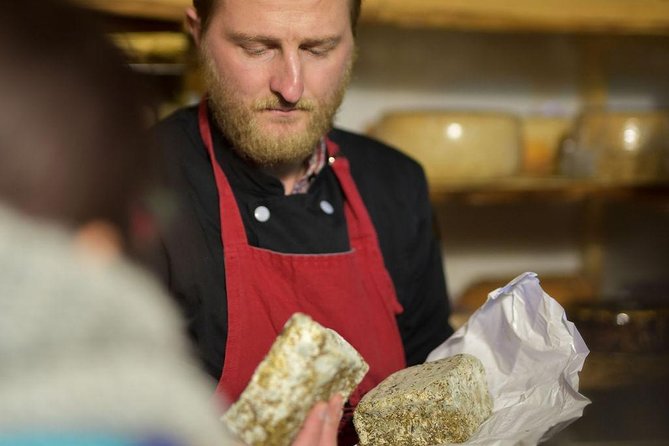
Inside, you’ll see blocks, rolls, and wheels at different stages of maturation. Some cheeses are enormous, reaching about 77 pounds, or 35 kilograms. That physical scale helps explain why cheesemaking is not simply a matter of producing a small round, wrapping it, and sending it to market.
The cellar also gives you a better feel for the role of patience. Cheese changes as it ages, and the conditions around it matter. The guide can connect what you see in the room with the flavors you later taste at the table.
This is the most distinctive part of the activity. Many Paris tastings take place at a counter or in a restaurant room. Here, you see the storage and aging environment first, then taste the results. The cellar is cold and reached by stairs, but those limitations are part of what makes it feel like a working food space rather than a standard tasting room.
Seven cheeses, served with a lesson
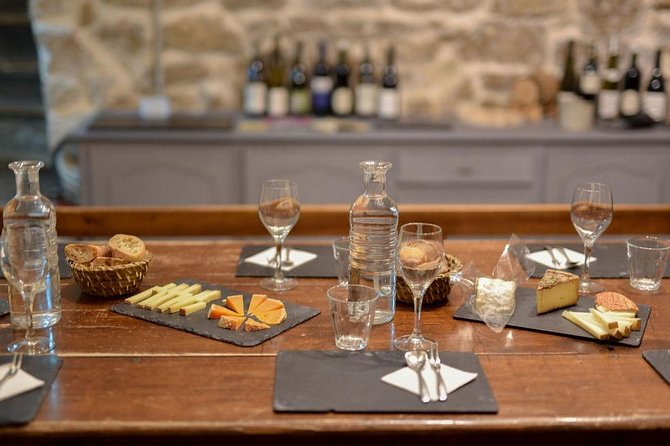
The tasting includes seven cheeses, with examples such as Swiss Gruyère, bôfavre from the Jura Mountains, Camembert, Etivaz from the Alps, and Beaufort made with raw cow’s milk. The exact selection can vary, but the supplied menu gives you a useful idea of the range.
You can expect contrast rather than seven versions of the same thing. Hard Alpine and Jura cheeses offer a firmer bite and concentrated flavor. Camembert provides a softer, more delicate texture. That variety makes it easier to notice how milk, region, aging, and production methods affect the final cheese.
Bôfavre may be unfamiliar to many visitors. That is part of the pleasure. French cheese culture is famous, but a good lesson also points you toward less obvious choices from nearby Switzerland and the wider Alpine region.
Beaufort is another good teaching cheese. Made from raw cow’s milk, it gives the guide a chance to explain how production choices shape flavor. You are not just told whether a cheese is mild or strong. You can ask why it tastes and feels the way it does.
The cheese is cut fresh from the block or wheel. That small detail improves the tasting. It shows you the product as it is sold and eaten, rather than as a set of pre-portioned samples prepared long before the class.
Fresh baguette accompanies the cheese. It is listed as the dessert, with cheese as the starter and wine as the main course. That playful structure tells you what the session is really about: a relaxed French food lesson rather than a formal meal.
Three wines and the art of pairing
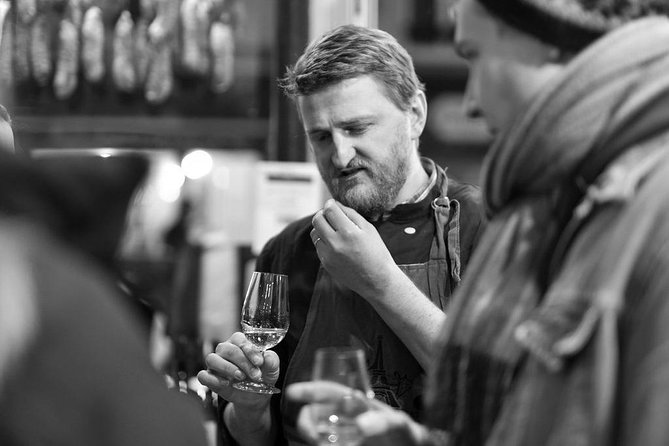
Three French wines are served alongside the cheese. The goal is to alternate bites and sips, testing how different flavors work together.
This part is practical. You may discover that a cheese changes depending on what you drink with it, or that a wine you would not choose on its own works well with a particular style of fromage. The guide’s advice can help you make better choices later at a market, fromagerie, or restaurant.
The balance of the teaching is important to understand. The experience is called a cheese and wine pairing, but the strongest instruction concerns cheese. You will learn about the wines and how they complement the samples, yet the session is not a detailed wine course covering vineyards, appellations, or production in the same depth as the cheese.
That is not a flaw for everyone. If you already know a fair amount about wine but want to understand French cheese, the emphasis should suit you. If wine is your main interest, you may want a dedicated Paris wine tasting instead.
The guides are central to the experience. Names associated with the sessions include Pierre, Gabriel, Agathe, Paul, Dee, Galina, and Dion. Teaching styles will differ, but the available feedback points to hosts who are warm, engaging, patient, and comfortable answering questions. Some guests have described the session as a relaxed class rather than a stiff demonstration.
The small format helps here. With no more than 12 people, you have a better chance of asking about a cheese you see in a Paris shop or getting advice on what to order next. When attendance is very low, the session can become nearly one-to-one, which allows the guide to adjust the discussion to your interests.
More Wine Tours in Paris
- Paris: Moulin Rouge Cabaret Show Ticket with Champagne
★ 4.7 · 16,088 reviews - Authentic Parisian Gourmet Food Tour with 10 Local Dishes & Wines
★ 5.0 · 4,754 reviews - Montmartre Hill French Gourmet Food and Wine Tasting Walking Tour
★ 5.0 · 2,588 reviews - Paris: Paradis Latin Cabaret Show with Optional Champagne
★ 4.6 · 2,231 reviews
What the history section adds
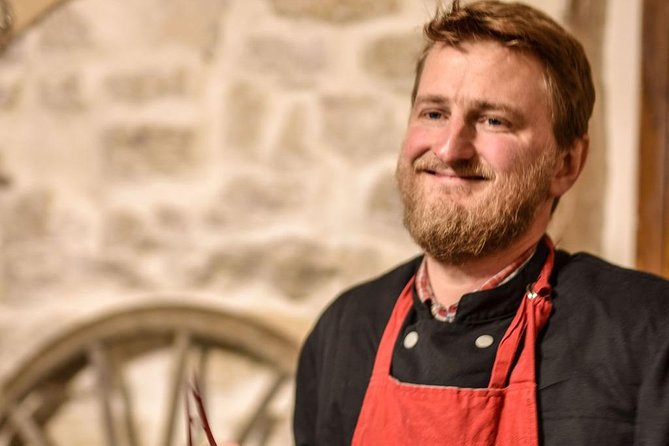
The introduction to cheesemaking is not just filler. It gives you a vocabulary for the tasting. Once you understand the difference between a young and mature cheese, or between soft and hard styles, you can pay closer attention to texture and aroma.
You’ll also get a sense of the links between cheese and place. Alpine cheeses, Jura cheeses, and Normandy-style soft cheese do not emerge from the same conditions or traditions. The guide uses those differences to explain why French and neighboring regional cheeses have such distinct identities.
Still, I would set your expectations correctly. This is a food experience with a historical and educational layer, not a museum tour in the traditional sense. Some of the time is spent walking through the cheese museum and hearing how cheese is made. If you prefer constant tasting, the pacing may feel uneven.
For me, the history works best when it stays connected to what is on the plate. The cellar visit makes that connection clear. You see the aging process, then taste cheese whose character depends on it.
Value at $84.69 per person
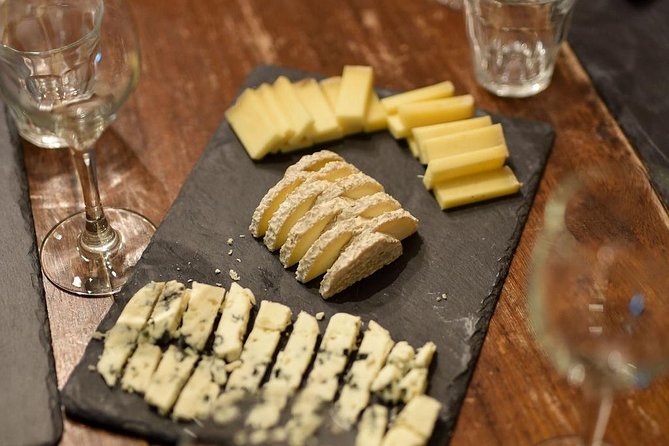
At $84.69 per person, this is not a budget snack. You are paying for a hosted lesson, access to a cheese cellar, seven cheese tastings, three wines, bread, and the chance to ask questions in a small group.
The value depends on what you want from a Paris food activity. If you simply want to eat cheese and drink wine, you can spend less at a bar or market. If you want context, guidance, and a behind-the-scenes setting, the price is easier to justify.
The quantity is also respectable for a 90-minute session. Seven cheeses create a wide tasting range, and three wines provide enough comparison to make the pairing lesson meaningful. The bread rounds it out, though you should not think of this as a replacement for lunch or dinner.
I especially see value for a first visit to Paris. The advice can shape the rest of your trip. You may feel more comfortable ordering an unfamiliar cheese, choosing something from a fromagerie, or understanding why one wine works better than another.
The activity is offered in English, which removes one common barrier for international visitors. It also helps if you are unsure how to read a French cheese menu. The guide can give you useful language and ordering clues without turning the class into a formal language lesson.
Timing, meeting point, and practical concerns
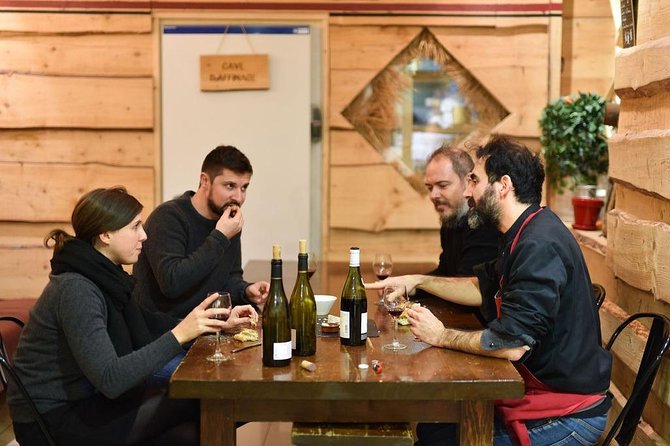
The stated meeting point is 39 Rue Saint-Louis en l’Île, 75004 Paris, and the activity ends there. Hotel pickup and drop-off are not included, so you need to make your own way to the island.
Allow extra time to locate the shop and arrive before the start. There has been at least one reported problem involving a changed venue and a notification that was easy to miss. I would check your email and booking app close to the date, and confirm the address before leaving your hotel.
The cellar is cold, so warm clothing is sensible. The stairs are the other important physical consideration. Most people can take part, but anyone with mobility limits should confirm that the stair access is manageable before booking.
The minimum drinking age is 18. Since alcohol is part of the tasting, this is not the right activity for anyone who cannot legally drink in France. Mobile tickets are accepted, and confirmation is provided when you book.
You can cancel for a full refund up to 24 hours before the start time. Changes or cancellations inside that 24-hour window are not accepted for a refund. The experience also requires a minimum number of participants, so a cancellation by the provider could lead to a different date or a full refund.
Who will enjoy this most
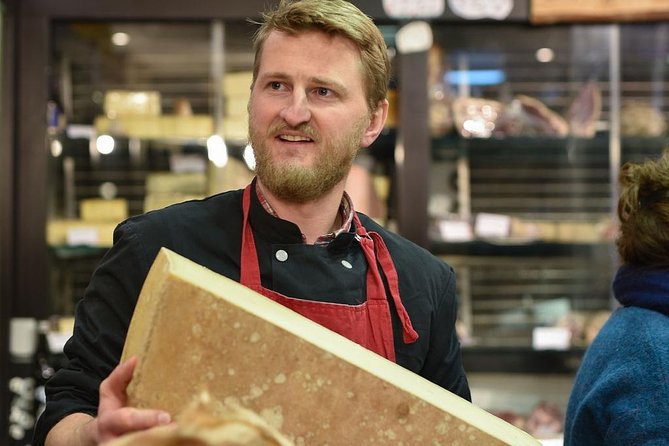
I would recommend this to you if you enjoy food with a story. You do not need to be a cheese expert. In fact, the session works particularly well if you know the famous names but want to understand what separates Gruyère, Beaufort, Etivaz, Camembert, and less familiar cheeses such as bôfavre.
It is also a good choice for couples, friends, and small family groups with adults over the legal drinking age. The compact format gives you conversation, tasting, and instruction without committing to a long culinary course.
This may not suit you if you dislike strong cheese, have trouble with stairs, or want a serious wine seminar. It may also disappoint you if you expect a large meal. Think of it as a generous tasting and lesson, not dinner.
I would consider booking it early in your Paris stay. The pairing advice can guide later meals, and the activity offers a comfortable break from walking. It is also popular enough that booking around 30 days ahead is common, especially for a particular date or time.
Should you book this cheese and wine tasting?
Book it if you want an intimate Paris food experience with a real cellar, a broad cheese selection, and a guide who can explain what you are tasting. The strongest features are the underground aging room, the small group size, and the practical pairing advice.
Go in expecting a cheese-focused class with wine, not an equal-length masterclass in both subjects. Wear warm clothes, prepare for stairs, and confirm the meeting address shortly before the appointment. With those details in mind, the $84.69 price can be fair value for a memorable hour and a half of eating, learning, and gaining confidence with French fromage.
FAQ
Where does the cheese and wine tasting begin?
The activity begins at 39 Rue Saint-Louis en l’Île, 75004 Paris, France, and ends back at the meeting point.
How long does the experience last?
The tasting lasts approximately 1 hour and 30 minutes.
How many cheeses and wines are included?
The experience includes tastings of seven cheeses and three wines, along with fresh bread.
Is the tasting offered in English?
Yes. The experience is offered in English.
Is the cellar accessible without stairs?
No. The cellar is accessible by stairs, so you should consider this before booking if you have mobility concerns.
How cold is the cheese cellar?
The cellar can be cold, and warm clothing is recommended. A hygienic protective suit is provided for the cellar visit.
Just added around Paris
- Paris at the First Lodges – Ducasse sur Seine Lunch Cruise★ 4.5 · 70 reviews
- Paris at the First Lodges – Ducasse sur Seine dinner cruise★ 4.0 · 165 reviews
- Disneyland® Paris 1 Day with Round-Trip Train Tickets from Paris★ 4.0 · 50 reviews
- Explore speakeasies and hidden bars, sip meet & socialize★ 4.5 · 47 reviews
- Disneyland® Paris Express Shuttle with Admission Ticket from Central Paris★ 3.5 · 172 reviews
- Paris Cheeses and Wines Tour de France with Tasty Games★ 5.0 · 32 reviews
- Musée Orsay Highlights Tour – Best of Impressionism & Hidden Gems★ 5.0 · 27 reviews
- Private Tour: Discover Paris with Local, 3 hours on a Segway★ 5.0 · 71 reviews
Wine Tours, compared.
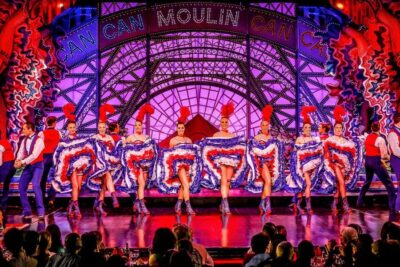
Moulin Rouge Cabaret Show Ticket with Champagne
Read our review →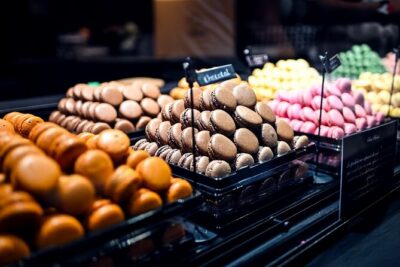
Authentic Parisian Gourmet Food Tour with 10 Local Dishes & Wines
Read our review →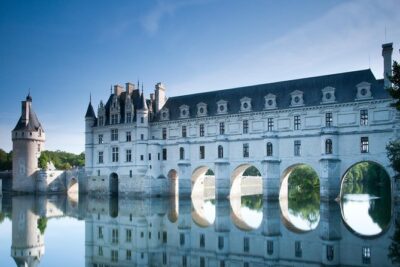
Loire Valley Castles Day Trip from Paris with Complementary Wine
Read our review →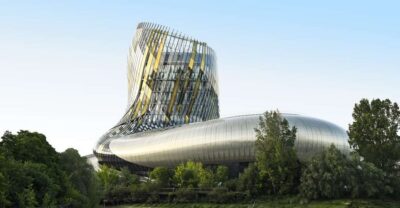
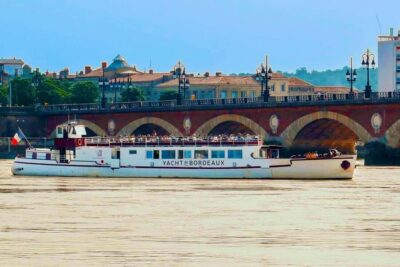
River Garonne Cruise with Glass of Wine and Canelé
Read our review →
Montmartre Hill French Gourmet Food and Wine Tasting Walking Tour
Read our review →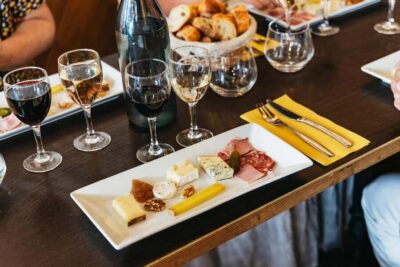
Montmartre Cheese, Wine & Pastry Guided Walking Tour
Read our review →
Paradis Latin Cabaret Show with Optional Champagne
Read our review →Browse the lists this tour appears in