
Reviewed · NOTRE DAME TOURS
Paris Baking Insider Experience near Notre-Dame
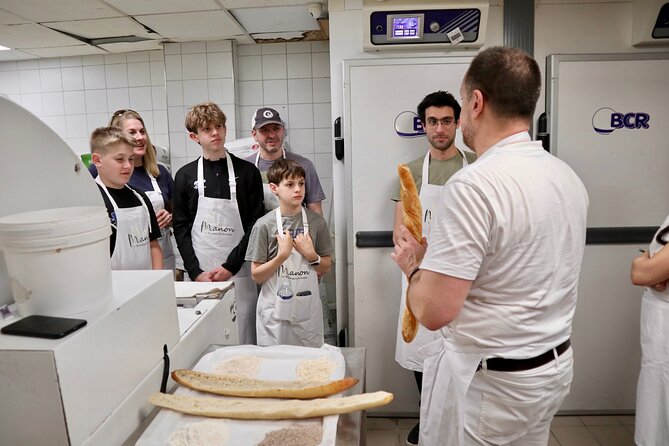
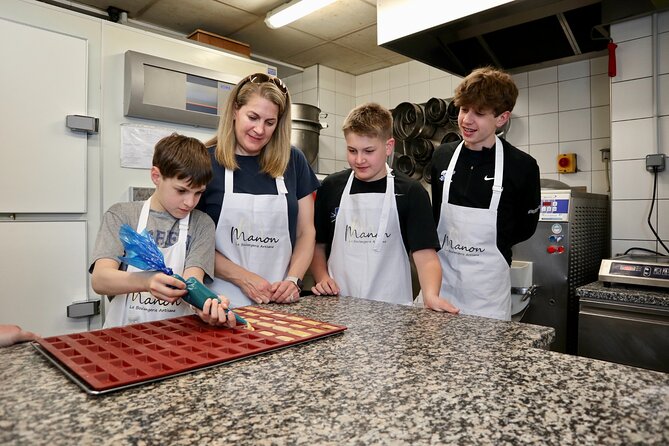
The most enjoyable part of this Paris baking experience is getting past the shop counter and into a working bakery kitchen. You help shape bread, roll croissant dough, mix a small cake, and taste the results while your guide explains what makes French baking different. Seeing the bakery at work gives the lesson a useful sense of place.
I like the small maximum of eight people and the warm, family-friendly teaching style. Guides such as David, Valentina, Clara, Pierre, Martin, and Yeju have been praised for including children and solo participants alike. I also like that you take home extra bread and pastries. The main caution is that this is more of a guided bakery experience than a full recipe class. Some dough and ingredients may already be prepared, and recipes or exact measurements are not always provided.
Key points at a glance
- A real bakery kitchen: You go behind the counter to see bread and pastries made on site.
- Three French favorites: The activity may include baguettes, croissants, and financiers, with some sessions also featuring madeleines or other small cakes.
- Small group size: The maximum is eight people, which gives you a fair chance to handle the dough.
- Practical baking lessons: You learn about flour, yeast, sourdough, lamination, and baguette shaping.
- Good for families: Children can join with an adult, and the guides make a real effort to include younger bakers.
- Plan for a working kitchen: You will stand for an extended period, climb 15 steps, and work near warm ovens and flour.
Inside a Paris bakery near Notre-Dame
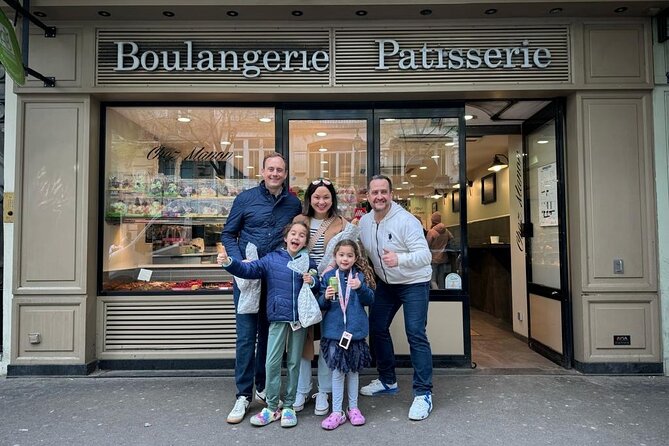
The meeting point is at 25 Rue de Bretagne in the 3rd arrondissement, not directly beside Notre-Dame despite the experience name. You finish where you started, so allow time to reach the bakery before the scheduled beginning and to carry your baked goods afterward.
Once inside, you get a look at the working side of a French bakery rather than only the polished display case. That distinction matters. Paris bakeries are often admired from the street, but the craft becomes clearer when you see dough being shaped, proofed, baked, and handled in the kitchen.
The setting is practical, not theatrical. You are there to work around bakery equipment, tables, ingredients, and ovens. One session was praised for its immaculate facility, while another report raised concerns about cleanliness and handling practices. I would keep expectations sensible: this is a functioning bakery environment, and conditions may feel more workmanlike than a purpose-built cooking school.
The activity lasts about two hours. That is enough time for an introduction, a tour of the work area, several hands-on tasks, tastings, and a look at the finished products. It is not enough time to make every dough from raw ingredients through a full rise and bake, so some parts are prepared ahead.
More ways to see Notre-Dame:
- Paris Île de la Cité and Notre-Dame Walking Tour With Crypt
★ 5.0 · 2,272 reviews - Paris: Eternal Notre-Dame VR Experience Ticket
★ 4.4 · 1,150 reviews - Paris: Notre-Dame Cathedral Exterior Tour & Free Entrance
★ 3.7 · 1,010 reviews
What you learn about French dough
Your guide introduces several basic building blocks of French baking. You learn how bread flour differs from other flours, why yeast matters, and what sourdough brings to a loaf. These details are useful even if you never plan to bake a baguette at home. They help you understand why two loaves that look similar can taste and feel very different.
The lesson also covers dough types, including bread dough and croissant dough. Croissant dough is not simply bread dough with butter added at the end. It must be folded and rolled in layers, a process called lamination, so the butter and dough form the flaky structure associated with a proper croissant.
You may not complete every stage yourself. Some ingredients or doughs can arrive pre-measured or pre-prepared, then you help with shaping, rolling, mixing, or finishing. That makes the activity approachable for beginners, but it also explains why experienced home bakers may want more technical detail.
A baker who already makes bread at home can still pick up useful ideas, especially around shaping and judging the finished loaf. If you are looking for exact ratios, fermentation schedules, or a printed recipe, ask before booking. The supplied details describe an experience built around demonstration and participation, not a formal take-home curriculum.
Shaping baguettes and handling croissant dough
Baguette shaping is one of the most useful parts of the lesson. You see how different shaping methods affect the final loaf and learn that a baguette is not defined only by its long, thin form. Handling the dough correctly helps preserve its structure and influences the crust and crumb.
The experience may let you shape your own loaves or work alongside the bakery staff as they prepare bread. Several sessions included baguettes, other breads, and a small cake called a financier. You may also learn about the background of the baguette and why the shape has become such a familiar part of French food culture.
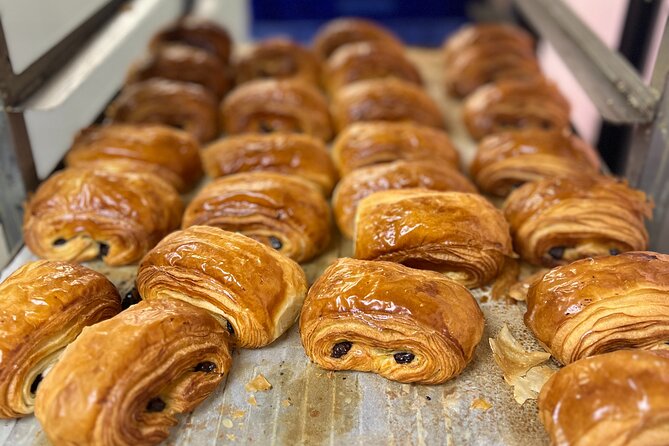
Croissant work is more limited in some sessions. You may roll prepared croissant dough, shape pieces, or help with dough that has already been laminated and cut. That is still fun and gives you a feel for the process, but it is different from making croissant dough from butter, flour, yeast, and liquid all the way through.
I would describe this as a taste of professional baking rather than a technical pastry certification. You get close to the process, learn the key terms, and handle the products. You do not necessarily leave able to repeat every stage from memory.
Financiers, madeleines, and the tasting table
The sweet portion adds welcome variety to the bread work. Financiers are small almond cakes, often made in molds, and they offer a different lesson in texture and ingredients. Some sessions also included madeleines or other mini cakes.
In one version of the activity, the group mixed batter from pre-measured ingredients, poured it into a mold, and baked it. This gives you a clear view of how the cake comes together, but it does not offer the same level of practice as measuring and combining every ingredient yourself.
Tasting is built into the experience. You sample savory and sweet items as you go, which helps connect technique with flavor. You can compare the texture of a crusty loaf with a buttery pastry and see why flour, yeast, butter, and fermentation each matter.
The amount of food can be generous. Several sessions ended with participants taking home bread, cakes, or other baked goods. Bring an extra bag. It is a small practical point, but a useful one, especially if you have more sightseeing planned after the class.
A few more Paris half-days worth comparing
- Paris: Louvre Museum Timed-Entrance Ticket
★ 4.6 · 71,977 reviews - Disneyland® Paris 1-Day Ticket
★ 4.6 · 49,412 reviews - Paris: Versailles Palace and Gardens Full Access Ticket
★ 4.6 · 41,579 reviews - Paris: Evening River Cruise with Music
★ 4.4 · 22,721 reviews
The guides make the difference
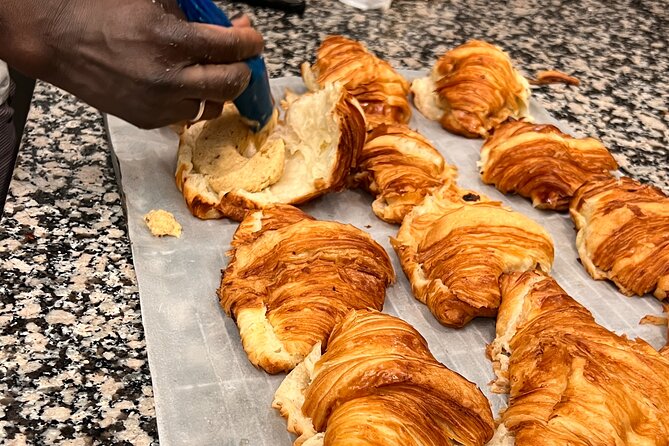
The guide is central to the experience because the baking tasks themselves can be fairly simple. David has been praised for keeping children aged 10 and 14 involved, explaining each stage, and making the group laugh. He also worked well with a five-year-old in one family session, adapting the explanations and allowing the child to roll dough.
Valentina has been noted for her patience and positive energy with both children and adults. She helped keep the group moving while making sure people had a chance to participate. Yeju was similarly praised for staying organized, explaining the process clearly, and giving everyone a turn.
Clara was especially helpful with baguette shaping, while Pierre was described as engaging and friendly. Martin also received praise for including everyone and explaining the baking process in a way that worked for a mixed-age group.
The guide may be an instructor rather than the bakery owner or head baker. That distinction matters. You can expect someone to interpret the work, lead the group, and help you take part, but not necessarily a long technical lesson from a French pastry chef. The quality of the day depends in part on how clearly the guide handles the group and how much access the bakery allows.
One negative account described a disorganized atmosphere and uncomfortable exchanges between the instructor and bakery staff. The operator said that booking had been for a macaron class rather than the French bakery class, which covers baguettes and croissants. That mismatch points to a practical lesson: check the exact class name and confirmation details before you go.
Is the two-hour format good value at $108.89?
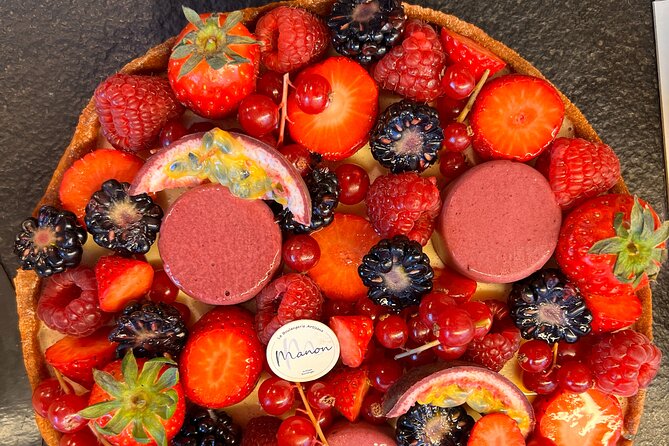
At $108.89 per person, this is not a cheap bakery visit. You are paying for access to a working kitchen, an English-language guide, hands-on tasks, tastings, and a small group rather than simply buying pastries at a counter.
I think the price makes the most sense if you value the behind-the-scenes access and want a structured activity during a Paris visit. The small maximum of eight is a real benefit. You are less likely to spend the whole time watching from the back, and children or solo participants have a better chance to receive personal attention.
The value is weaker if your goal is to learn a complete set of recipes. Several parts may be prepared in advance, and one session did not provide recipes. You may leave with a better understanding of French bakery work and a bag of food, but not with a full technical course you can reproduce step by step.
For a family, the price can compare well with another paid attraction because everyone has something to do. For a serious home baker, I would book only if the pleasure of seeing a French bakery in action matters as much as the instruction.
Who will enjoy this experience most?
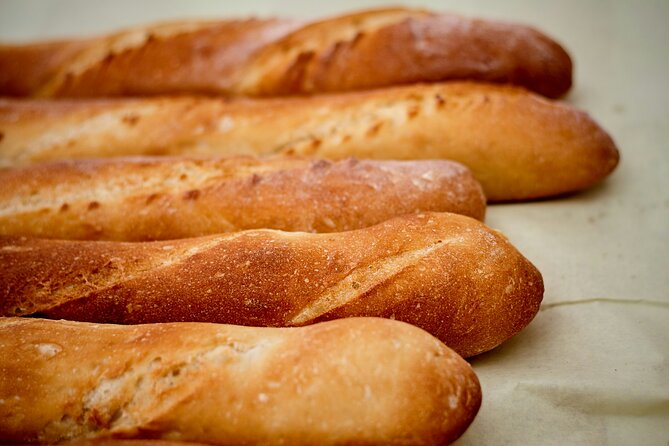
This is a strong choice for families with children who already like bread and pastries. The guides have shown patience with younger participants, and the work is easy to understand when it is explained through touch, shape, smell, and taste.
It also suits couples and multigenerational groups. A grandparent, parent, and child can all take part at their own level. Beginners will find the activity welcoming, while intermediate bakers may enjoy the shaping techniques and professional setting.
Solo participants should also feel comfortable booking. The group is small, and the guides make an effort to include everyone rather than leaving individuals to work alone.
I would be more cautious if you have limited mobility. You must stand for an extended period, and the bakery is up 15 steps on the second floor with no elevator. The kitchen can also become warm near the ovens, and flour may be on the floor, so wear practical clothes and shoes.
Children under five may join free with an adult, but safety rules prevent them from taking part in the hands-on baking. Older children can participate, but all children must be accompanied by an adult.
A few practical tips before you book
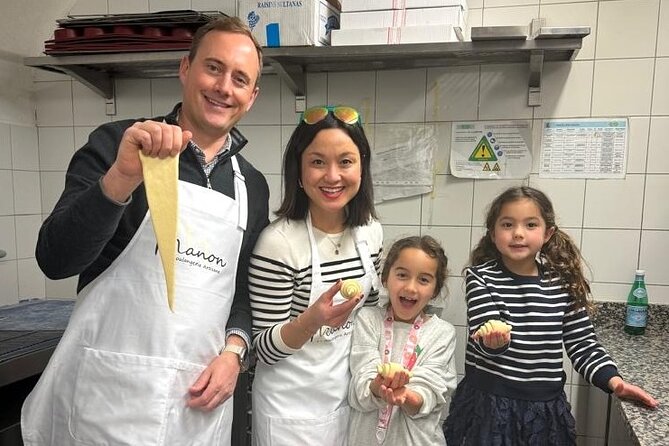
Wear clothes that can handle flour and food spills. You may work near ovens, so light, comfortable clothing is more sensible than formal sightseeing clothes.
Plan your day around the two-hour session rather than squeezing it between timed museum tickets. The activity may run at a steady pace, and you will likely leave carrying bread and pastries.
Check the confirmation carefully. The details distinguish between a macaron-making class and the French bakery class focused on baguettes and croissants. If a particular pastry matters to you, confirm that it belongs to your booking.
The activity is offered in English, and mobile tickets are accepted. It is near public transportation. Service animals are allowed. Free cancellation is available up to 24 hours before the local start time, but changes or cancellations inside that window are not accepted for a refund.
Should you book the Paris Baking Insider Experience?
Book it if you want an active Paris food experience with a small group, friendly instruction, and a chance to step into a working bakery. The strongest reasons are the access to the kitchen, the family-friendly guides, the mix of bread and pastry, and the food you can take with you.
Skip it if you want a detailed professional baking course with exact measurements and every dough made from scratch. You should also think twice if stairs or long periods of standing are difficult.
For most first-time visitors who love French bread, this is a pleasant change from simply eating pastries at a café. Go in expecting a guided bakery experience, not a full culinary school lesson, and the $108.89 price is easier to justify.
FAQ
Where does the Paris Baking Insider Experience begin?
It begins at 25 Rue de Bretagne, 75003 Paris, France.
Where does the activity end?
It ends back at the meeting point.
How long does the experience last?
The activity lasts approximately two hours.
How many people can join the group?
The maximum group size is eight people.
Is the activity offered in English?
Yes. The experience is offered in English.
What will I learn to make?
The experience covers French bread and pastries, including baguettes, croissants, and financiers. Some sessions may also include madeleines or other small cakes.
Can children participate?
Yes. Children may join when accompanied by an adult. Children under five can attend free, but they cannot take part in the hands-on baking for safety reasons.
Is the bakery accessible by elevator?
No. The bakery is on the second floor, reached by 15 steps, and there is no elevator. You also need to stand for an extended period.
Can I cancel for a full refund?
Yes, if you cancel at least 24 hours before the experience start time. Cancellations or changes made less than 24 hours before the start time are not refunded.
Just added around Paris
- Paris at the First Lodges – Ducasse sur Seine dinner cruise★ 4.0 · 165 reviews
- Paris at the First Lodges – Ducasse sur Seine Lunch Cruise★ 4.5 · 70 reviews
- Disneyland® Paris 1 Day with Round-Trip Train Tickets from Paris★ 4.0 · 50 reviews
- Explore speakeasies and hidden bars, sip meet & socialize★ 4.5 · 47 reviews
- Disneyland® Paris Express Shuttle with Admission Ticket from Central Paris★ 3.5 · 172 reviews
- Paris Cheeses and Wines Tour de France with Tasty Games★ 5.0 · 32 reviews
- Musée Orsay Highlights Tour – Best of Impressionism & Hidden Gems★ 5.0 · 27 reviews
- Private Tour: Discover Paris with Local, 3 hours on a Segway★ 5.0 · 71 reviews
Notre Dame Tours, compared.

Paris Île de la Cité and Notre-Dame Walking Tour With Crypt
Read our review →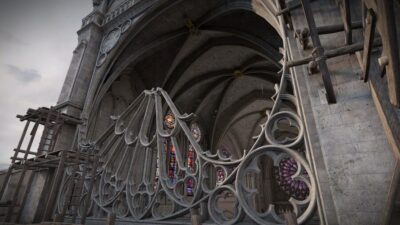
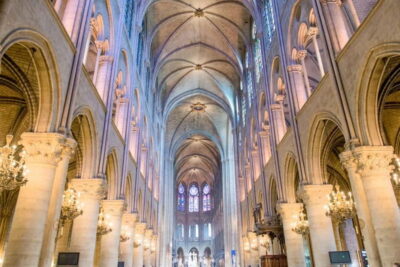
Notre-Dame Cathedral Exterior Tour & Free Entrance
Read our review →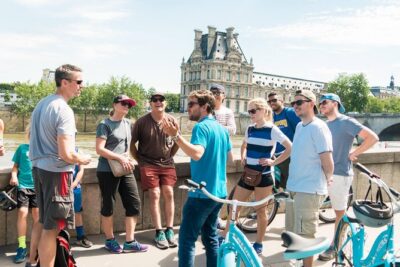
Paris Highlights Bike Tour: Eiffel Tower, Louvre and Notre-Dame
Read our review →
Early Access Paris Notre Dame Cathedral Walking Tour
Read our review →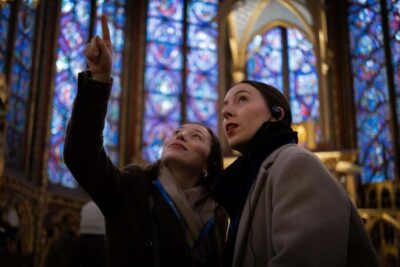
Sainte-Chapelle, Conciergerie, Notre Dame Guided Tour
Read our review →
Notre Dame Outdoor Tour with Sainte-Chapelle / Crypt.
Read our review →
Notre Dame Outdoor Walking Tour and Entrance to Sainte Chapelle
Read our review →Browse the lists this tour appears in