
Reviewed · CONCERTS
Paris: Classical Music Concert in Saint-Julien-le-Pauvre
This concert puts familiar classical music inside Saint-Julien-le-Pauvre, one of central Paris’ oldest religious buildings. The setting is intimate, the stone acoustics are excellent, and the program gives you recognizable pieces rather than a long evening of unfamiliar works. I especially like the easy pairing with Notre Dame and the Latin Quarter, plus the chance to hear a violin soloist and soprano close up.
The main drawback is the seating. A few seats toward the back may give you a good sound but a poor view of the musicians, and one person found the chairs uncomfortable. At $46 for 65 minutes, this is not the cheapest music option in Paris, but the historic church, central location, and quality of the solo performances make it a fair splurge for classical-music fans.
Key points to know before booking
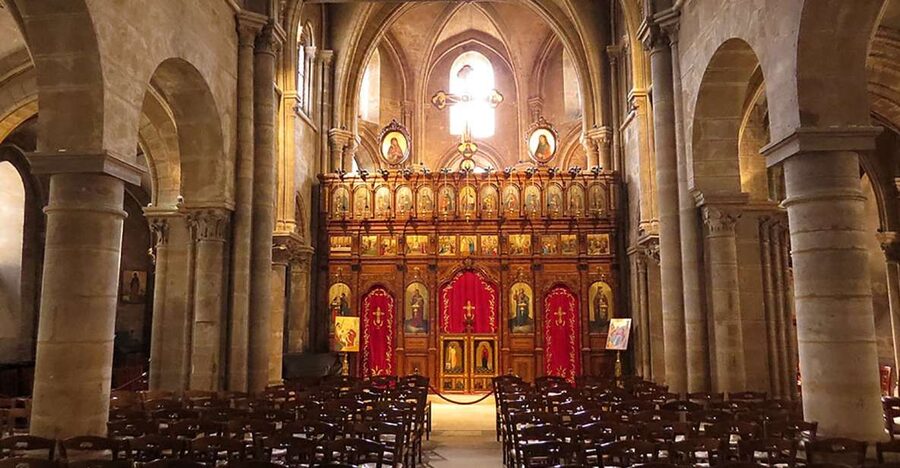
- A medieval church for a concert venue: Saint-Julien-le-Pauvre gives the music a quiet, stone-walled setting just across from Notre Dame.
- A familiar, approachable program: Expect Vivaldi’s Spring and Summer, Mozart’s Lacrimosa, Handel’s Largo, and Saint-Saëns’ The Swan.
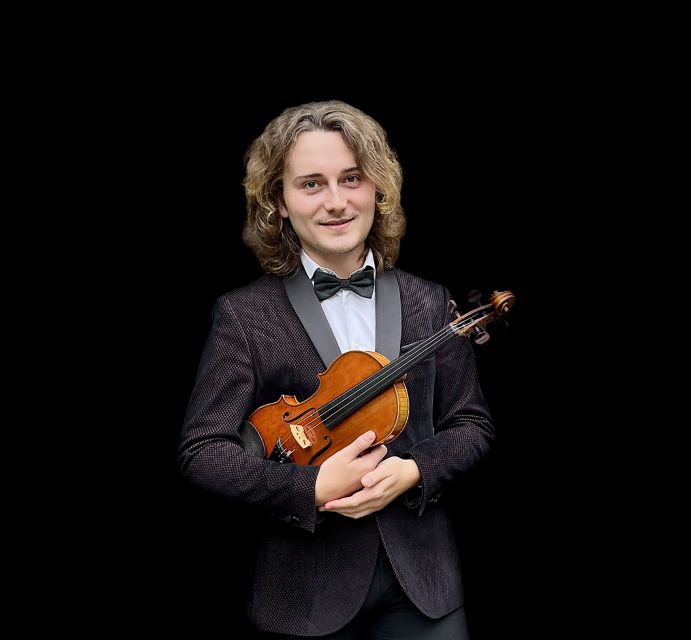
- Strong solo performances: The Ensemble Royal is joined by two guest soloists, including violin performances associated with Dorian Rambaud and soprano appearances by Olga Voljnovic.
- A compact 65-minute experience: It fits neatly after sightseeing and before dinner in the Latin Quarter.
- Sightline matters: Seats at the back may let you hear the music clearly while making it harder to see the players.
- Simple Paris planning: Meet the staff outside the church, then walk out into one of the city’s best areas for restaurants and evening wandering.
Why Saint-Julien-le-Pauvre changes the concert
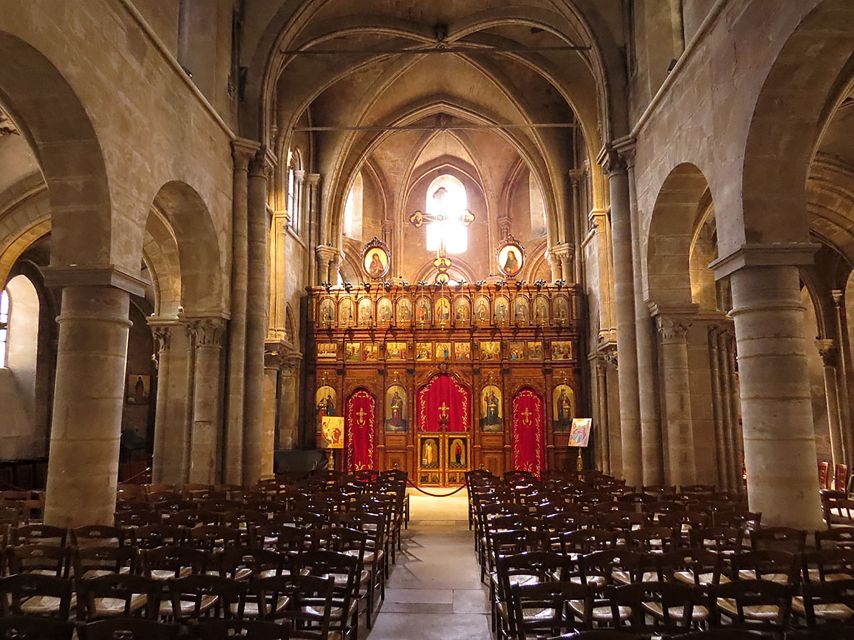
The most appealing part of this experience is not only the program. It is the combination of well-known classical pieces and an ancient church.
Saint-Julien-le-Pauvre is in the Latin Quarter, close to Notre Dame. You do not enter a modern concert hall with polished wood, numbered rows, and a formal stage. Instead, you step into a small historic religious building with medieval design and stone surfaces. That gives the evening a very different character from a large orchestra performance at a major venue.
Small churches also change how you hear the music. The sound carries naturally, which is especially useful for violin and voice. The church has been praised for its acoustics, and that matters here because the performers are not hidden behind a large orchestra or distant stage.
The intimate size can make the solo parts feel personal. When the violin takes the lead in Vivaldi, you are close enough to follow the performer’s physical energy. When the soprano joins the program, the church gives the voice room to rise and linger.
There is a tradeoff. Historic churches are not built like theaters. Seating can be less comfortable, and sightlines may vary. If seeing every performer is important to you, arrive with enough time to follow the seating instructions carefully and avoid assuming that the back row is the best choice.
More concerts and live music in Paris:
- Paris: 3-Course-Dinner Cruise on the Seine with live music
★ 4.7 · 7,248 reviews - Paris: 4-Course Dinner Cruise on Seine River with Live Music
★ 4.5 · 3,827 reviews - Paris: Gourmet Dinner Cruise on Seine River with Live Music
★ 4.5 · 2,531 reviews
What you hear during the 65-minute program
The program is built around pieces that many people already know. That is a smart choice for a short concert in a busy city. You can settle into the music quickly rather than spend the first half of the performance trying to understand an unfamiliar work.
Vivaldi’s Spring and Summer are the main draw for many listeners. The solo violin has a clear role, and the contrast between lively passages and more lyrical sections gives the performance variety. Several people singled out the solo violinist, with Dorian Rambaud receiving particular praise for a forceful and expressive performance.
Mozart’s Lacrimosa from the Requiem brings a darker mood. In a stone church, this piece can feel especially solemn. It is a sharp contrast to Vivaldi’s brighter energy and gives the concert an emotional center.
Handel’s Largo from Xerxes slows the pace. Its calm, singing quality works well in a small religious space, where the long lines can be heard without the visual distractions of a big production.
Saint-Saëns’ The Swan adds another gentle change of tone. The piece is graceful and familiar, making it a comfortable part of the program even if you do not regularly attend classical concerts.
The exact balance of works, soloists, or additional selections can vary. Some performances have included an operatic Ave Maria, and some have run longer than the scheduled hour. Still, you should plan on the advertised 65-minute concert, not on an extended performance.
The Ensemble Royal and guest soloists
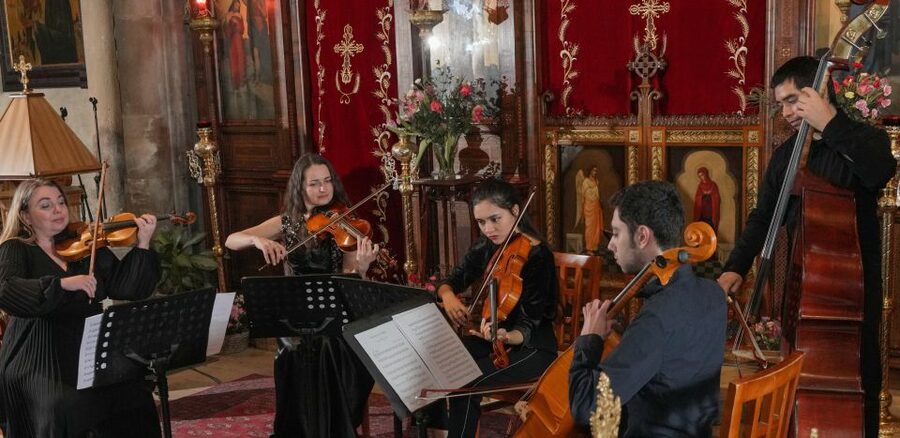
The Ensemble Royal provides the core of the performance, with two guest soloists adding extra color and focus. The concert is not simply a background playlist played by musicians in costume. The appeal is watching live players respond to one another in a close setting.
The violin soloist is often the performer who commands the most attention. Vivaldi’s Four Seasons gives that musician plenty to do, and the solo passages can be technically demanding. The strongest descriptions of the concert focus on the violinist’s energy, precision, and ability to pull emotion from the music.
The soprano brings a different kind of drama. Mozart’s Lacrimosa and operatic selections benefit from a voice that can fill the church without the need for amplification. Olga Voljnovic has been named as one of the guest artists, and her singing has been warmly received.
A small ensemble also lets you notice the relationship between the players. You can see the first violin guide the group and watch the musicians keep their timing together. That sense of cooperation is part of the charm. It is less polished and distant than a huge orchestral event, but it can feel more direct.
One small issue is the spoken introduction. Some people have had trouble understanding the musician who announces the pieces, especially when the microphone makes the voice fuzzy. This should not prevent you from enjoying the program, but do not count on a detailed spoken explanation of every work.
Arriving in the Latin Quarter
The meeting point is directly in front of Saint-Julien-le-Pauvre. Staff members greet you there and direct you to your seat.
Take care with the location. Another church is directly across the street, and at least one person nearly went to the wrong building. Look for the correct Saint-Julien-le-Pauvre entrance rather than heading toward the church that looks more traditionally church-like from outside.
The location is one of the experience’s biggest practical strengths. You can visit Notre Dame before the concert, walk along the Seine, browse the Latin Quarter, or make the performance part of an evening meal. Afterward, you are already in an area filled with traditional restaurants and narrow streets.
Because the concert lasts only about an hour, it fits well into a packed Paris day. You do not need to give up an entire evening. A common plan would be Notre Dame or Île de la Cité in the afternoon, the concert in the early evening, and dinner nearby.
The central location also means you should allow time to find the exact church. The building is close to major sights, but busy Paris streets and similar-looking religious buildings can cause confusion when you are rushing.
A few more Paris half-days worth comparing
- Paris: Louvre Museum Timed-Entrance Ticket
★ 4.6 · 71,977 reviews - Disneyland® Paris 1-Day Ticket
★ 4.6 · 49,412 reviews - Paris: Versailles Palace and Gardens Full Access Ticket
★ 4.6 · 41,579 reviews - Paris: Evening River Cruise with Music
★ 4.4 · 22,721 reviews
Seating, sightlines, and comfort
This is where I would set realistic expectations. The church’s intimacy is a major benefit, but it also means the seating may not have the theater-style comfort or perfect visibility you would get in a purpose-built hall.
A person seated toward the rear may hear the music very well but see little of the performers. That is not a problem if your priority is sound. It is a real consideration if you want to watch the solo violinist’s technique or see the soprano perform.
Chairs have also been described as uncomfortable by at least one older attendee. For a 65-minute concert, most people can manage it, but the issue is worth noting if you have back or mobility concerns.
The experience is listed as wheelchair accessible. If you use a wheelchair, it is sensible to confirm the current seating arrangement when booking, since the church is an old building and the exact access route is not explained in the available details.
The sound appears to be more reliable than the view. Several people have praised the acoustics, including those who found the setting especially good for violin and voice. In plain terms, you are paying more for atmosphere and live sound than for a perfect visual presentation.
Is $46 good value for Paris?
The price is $46 per person. One person described paying around 35 euros, so the exact local cost may vary with booking conditions or exchange rates. Either way, this belongs in the moderate splurge category rather than the budget activity category.
For the money, you receive the concert ticket only. Food and drinks are not included. That is not a serious drawback here because the Latin Quarter gives you many ways to build the rest of the evening yourself.
The value depends on what you want. If you are looking for a full-length symphony in a major hall, this is not that experience. The program is short, the ensemble is smaller, and the church seating is basic.
If you want a compact cultural activity in a memorable setting, the calculation looks better. You get live performances by the Ensemble Royal, two soloists, a central location, and a program of famous works. You can also combine it with sights and dinner without paying for a separate evening of entertainment.
I think the price works best for someone who already plans to spend time in the Latin Quarter. If you have to cross Paris only for this concert, the travel time matters more. If you are already near Notre Dame, the church is an easy addition.
Who will enjoy this concert most
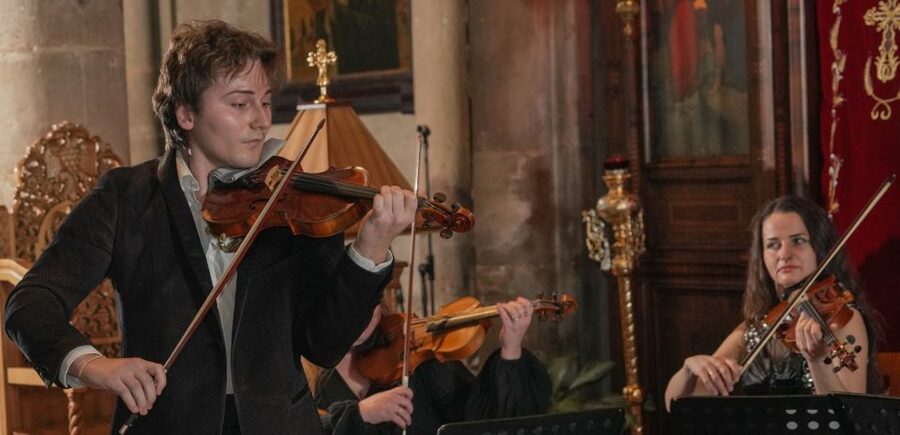
This is a good fit for you if you enjoy classical music but do not want a formal, three-hour concert. The familiar program makes it approachable for first-time listeners, while the live solo work gives regular concertgoers enough to appreciate.
Couples will find it easy to pair with dinner. It also works for solo visitors who want a calm pause after sightseeing. The 65-minute length is manageable for families, though the supplied information does not give a recommended minimum age.
The setting may be especially meaningful if you like historic buildings. You are not simply listening to music in an old neighborhood. The church itself is part of the experience, and its medieval design gives the evening a strong sense of place.
You may want to skip it if you need plush seating, perfect stage visibility, or extensive explanations between pieces. You may also prefer a larger hall if you want the power of a full symphony orchestra.
A practical plan for your evening
I would keep the schedule simple. Arrive in the Latin Quarter with time to find Saint-Julien-le-Pauvre and check in with the staff outside. Do not cut it too close, since the nearby church can cause confusion.
Before the concert, use the area for a walk rather than trying to fit in a major museum. Notre Dame is close, and the Seine is nearby. The church’s location makes it easy to treat the performance as the quiet middle point of an evening.
During the concert, listen for the changes in mood. Vivaldi gives you movement and technical sparkle. Mozart brings gravity. Handel and Saint-Saëns offer slower, more graceful passages. The program works because it does not stay in one emotional lane.
Afterward, stay in the neighborhood. The Latin Quarter is particularly convenient for a relaxed meal, and you can continue walking through the old streets. The concert is short enough that you still have time to enjoy Paris rather than ending the night as soon as the music stops.
Bring realistic expectations about the spoken announcements. The music is the main event, and the introduction may be harder to hear than the performers themselves.
Booking details worth knowing
The experience is hosted in French and English, and the activity information lists both languages for the host or greeter. The concert ticket is included, while food and drinks are not.
You can cancel up to 24 hours in advance for a full refund. A reserve-now-and-pay-later option is also available, which helps if you are still arranging a changing Paris schedule.
The published duration is 65 minutes. Some performances have lasted longer, including one reported 90-minute concert, but I would plan around the stated time and regard any extra music as a bonus.
The activity is listed as wheelchair accessible. Meet the staff outside the church, not at a separate office or restaurant. The church sits in the center of the Latin Quarter, close to Notre Dame.
Should you book it?
Book this concert if you want famous classical music in a small historic setting, especially if you are already planning to visit Notre Dame or eat in the Latin Quarter. The strongest reasons to go are the acoustics, the close-up solo performances, and the atmosphere of Saint-Julien-le-Pauvre.
Think twice if comfortable seating and a clear view from every seat are essential. The rear of the church may limit what you can see, and the spoken introduction can be difficult to understand.
For most music lovers, though, this is a well-sized Paris experience: short, central, and easy to fit into a sightseeing day. At $46, it is best viewed as an atmospheric cultural splurge rather than a bargain. If hearing Vivaldi, Mozart, Handel, and Saint-Saëns in an old Latin Quarter church sounds like your kind of evening, it is a sensible booking.
FAQ
How long does the concert last?
The advertised duration is 65 minutes. Some performances have lasted longer, but you should plan around the scheduled 65 minutes.
Where does the concert take place?
The concert takes place inside Saint-Julien-le-Pauvre church in Paris’ Latin Quarter, near Notre Dame.
What music is performed?
The program includes Vivaldi’s Spring and Summer, Mozart’s Lacrimosa from the Requiem, Handel’s Largo from Xerxes, and Saint-Saëns’ The Swan. Additional selections may be included.
Who performs at the concert?
The Ensemble Royal performs with two guest soloists. Performers named in the available information include violinist Dorian Rambaud and soprano Olga Voljnovic.
Is food or drink included?
No. The ticket includes the concert only. Food and drinks are not included.
Where should I meet the staff?
Meet the staff directly in front of Saint-Julien-le-Pauvre church. They will direct you to your seat.
Is the experience available in English?
Yes. The host or greeter is available in French and English, and the activity information lists both languages.
Can I cancel my booking?
Yes. You can cancel up to 24 hours in advance for a full refund. A reserve-now-and-pay-later option is also available.
Just added around Paris
- Paris: Croissant Baking Class with a Chef★ 5.0 · 201 reviews
- Cooking Class with a Parisian Chef★ 5.0 · 46 reviews
- Paris: Classic Sites Tour by Vintage Citroen 2CV★ 4.6 · 189 reviews
- Cocktails lessons in Speakeasy★ 4.5 · 72 reviews
- Paris: Choux Pastry and Chocolate Éclair Making Class★ 4.9 · 50 reviews
- Paris: Cheese and Wine Class in a 17th Century Cellar★ 4.8 · 91 reviews
- Paris: Romantic Photoshoot for Couples★ 4.9 · 131 reviews
- Paris: Bread and Croissant-Making Class★ 4.8 · 206 reviews
Concerts, compared.
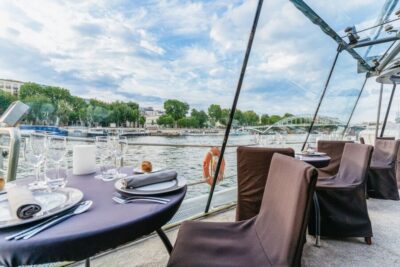
3-Course-Dinner Cruise on the Seine with live music
Read our review →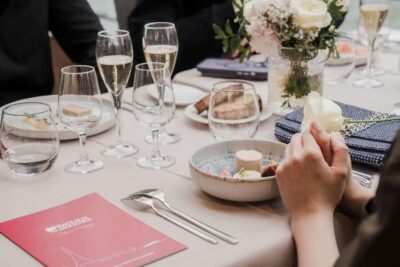
4-Course Dinner Cruise on Seine River with Live Music
Read our review →
Gourmet Dinner Cruise on Seine River with Live Music
Read our review →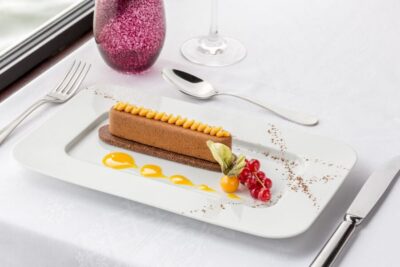
Seine River Cruise with 3-Course Dinner & Live Music
Read our review →Browse the lists this tour appears in