
Reviewed · LOUVRE TOURS
Paris: Louvre Museum Highlights Small-Group Guided Tour
The best thing about this Louvre tour is that it gives you a sensible route through a museum that can otherwise feel like an art marathon. Your guide takes you to major works such as the Mona Lisa, Venus de Milo, and Victory of Samothrace, then adds stories and context instead of leaving you to read wall labels in a crowd.
I like the private or small-group format, which lets you ask questions and adjust the pace. I also like the choice of two, three, or four hours. The main catch is the price, $262 per person, and even skip-the-ticket-line entry does not remove the security wait. In busy periods, that can take up to 20 minutes.
Key points to know before you book
- A focused Louvre route: See the museum’s best-known works without trying to cover every room.
- A private or small-group setting: You avoid the rush and noise of a large guided group.
- Several guide languages: Tours are offered in English, French, Spanish, Chinese, Traditional Chinese, and Arabic.
- Flexible tour length: Pick a two-hour overview, a three-hour visit with more art, or a four-hour extended experience.
- Good for families: Guides such as Wei and Hamish have kept children engaged while still offering serious art and history.
- Useful navigation help: Your guide can point out routes, elevators, and areas worth revisiting after the tour.
Why a guide helps at the Louvre
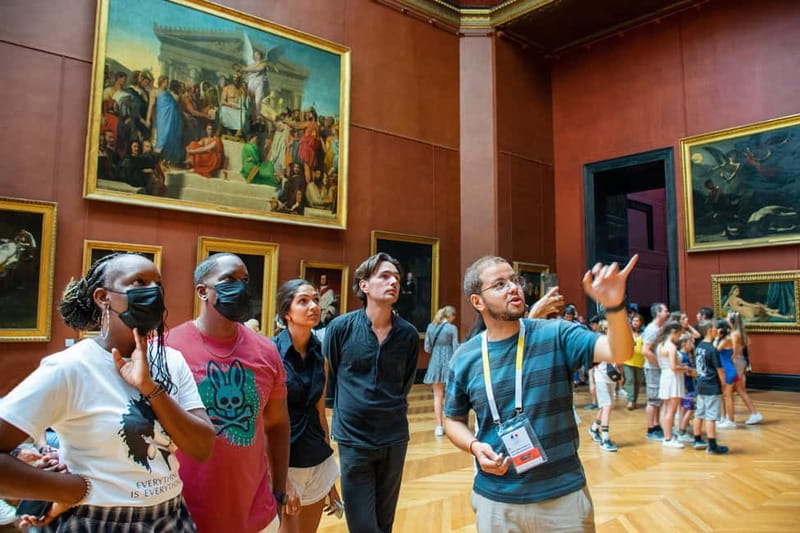
The Louvre is not simply a large museum. It is a former royal palace with enormous collections spread across several wings and floors. Without a plan, you can spend much of your visit finding rooms, following signs, and squeezing through crowds, then run out of energy before seeing the works you came for.
I like the way this experience treats the Louvre as a story rather than a checklist. Your guide selects the main stops and explains why they matter. You may hear about the work itself, the people who made it, the period it came from, and the Louvre as a building. That context turns a quick glance into something you can remember.
The guides also bring different interests. Walid has been praised for shaping tours around specific requests, including a visit focused on Mesopotamian art. Hamish has a reputation for answering odd questions as readily as standard ones. Wei has worked well with children, and John has been described as structured and engaging.
That variety is useful because no two private tours need to feel identical. If you are visiting for the first time, your guide can concentrate on the essential works. If you have already seen the Mona Lisa, you can ask for less familiar rooms or a particular period.
More Louvre tickets and guided visits:
- Paris: Louvre Museum Timed-Entrance Ticket
★ 4.6 · 71,977 reviews - Paris: Louvre Guided Tour with Reserved Access & Boat Cruise
★ 4.3 · 16,353 reviews - Louvre Museum Masterpieces Guided Tour with Access
★ 4.5 · 12,023 reviews
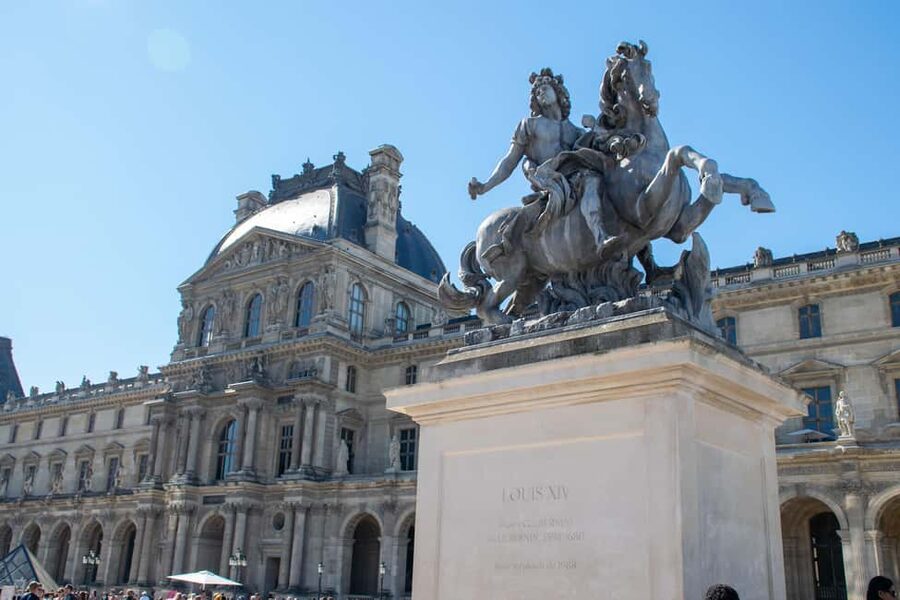
Meeting by the Pyramid and the horse statue
The meeting point is next to the horse statue in front of the Louvre Pyramid. For map directions, enter Louvre Pyramid rather than relying on a vague search for the museum entrance. Your guide carries a blue Dayin sign.
Give yourself extra time. Paris traffic can be slow, and the Louvre grounds are large enough that a few misplaced turns can make you late. One practical wrinkle is that the sign says Dayin, not necessarily the guide’s name. If you are expecting a person named Hamish, Walid, Wei, or another guide, look first for the blue sign and then confirm the name.
The tour begins at a copy of Louis XIV as Marcus Curtius, listed as the starting location. This is more of a meeting landmark than a major stop, but it gives you a clear place to gather before entering the museum.
Bring a passport or identity card. A copy is accepted. You cannot bring a selfie stick, flash photography equipment, luggage, or large bags. These rules matter at a museum where security checks and tight galleries already slow movement.
Inside the Louvre: the two-hour highlights route
The two-hour option is the right choice if you want a strong first look without giving the entire day to the museum. The main route includes the Mona Lisa, Venus de Milo, and Victory of Samothrace, along with other selected works chosen by your guide.
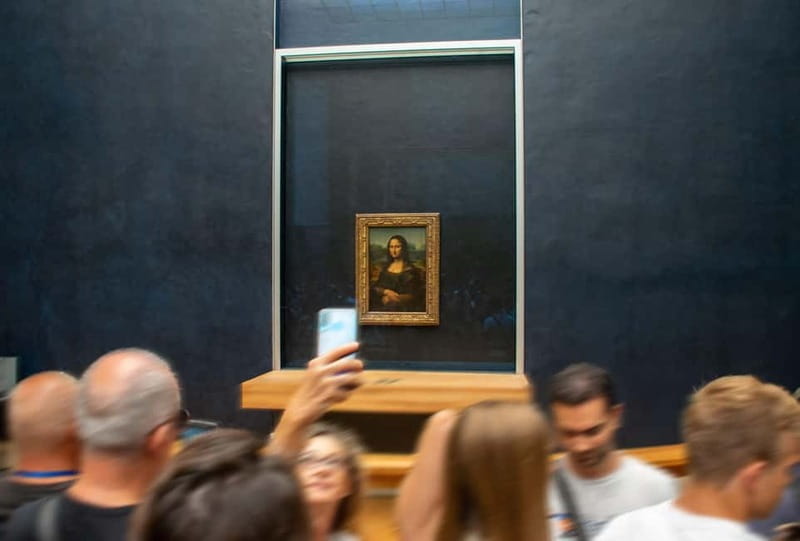
The Mona Lisa is the stop most people expect, but it can also be the most frustrating. The room is crowded, and reaching the front of the viewing area may take patience. A guide helps you get oriented and understand what you are looking at rather than spending your whole visit simply following the crowd.
One useful approach, noted by the experience’s guidance, is to see the painting with the group and return on your own after the tour if you want more time. The tour does not trap you in a fixed schedule after it ends. You can continue through the museum independently and revisit the rooms that caught your attention.
The Venus de Milo offers a different kind of stop. Here, your guide can help you look beyond the famous name and notice the sculpture’s pose, condition, and place in ancient Greek art. The Victory of Samothrace is another strong choice because its setting and scale make it memorable even during a short visit.
A two-hour route moves quickly. One rating described the pace as very fast, though the guide still managed to cover a great deal. That is the tradeoff: you see the major sights efficiently, but you will not have time to linger over every gallery.
The three-hour option for more breathing room
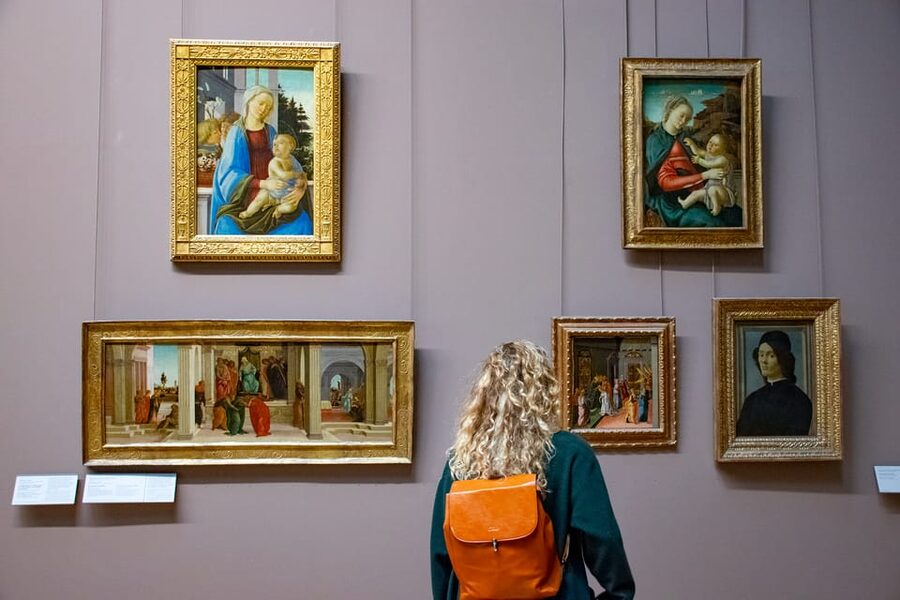
The three-hour tour is a better fit if you want the famous pieces plus a few works that are not on every visitor’s list. You still get the essential stops, but the extra hour gives your guide room to respond to your questions and add lesser-known works.
I would choose this length for a first visit if the Louvre is a major reason for your Paris trip. Two hours can feel compressed inside such a huge building. Three hours gives you a little more space to pause, compare works, and understand how the collections fit together.
It can also suit families. A guide can vary the pace, explain works in plain language, and keep younger visitors involved. Wei has been praised for engaging children while still teaching the adults in the group. Another family with four children found that a quick, well-planned route helped everyone see the famous exhibits without losing interest.
Even three hours will not show you the whole Louvre. That is not a flaw in the tour. It is simply the scale of the museum. Think of this option as a guided introduction, followed by independent exploring if you still have energy.
More museums and galleries in Paris:
- Paris: Louvre Museum Entry Ticket With Host and River Cruise
★ 4.6 · 9,926 reviews - Les Invalides: Napoleon’s Tomb & Army Museum Entry
★ 4.6 · 9,185 reviews - Louvre Museum – Exclusive Guided Tour (Entry Included)
★ 5.0 · 6,296 reviews - Paris: Louvre Museum Hosted Entry and Mona Lisa Audioguide
★ 4.6 · 5,235 reviews
The four-hour tour for serious museum time

The four-hour option is for people who want more than a greatest-hits walk. It allows time for the major paintings and sculptures, along with rooms and works chosen around your interests.
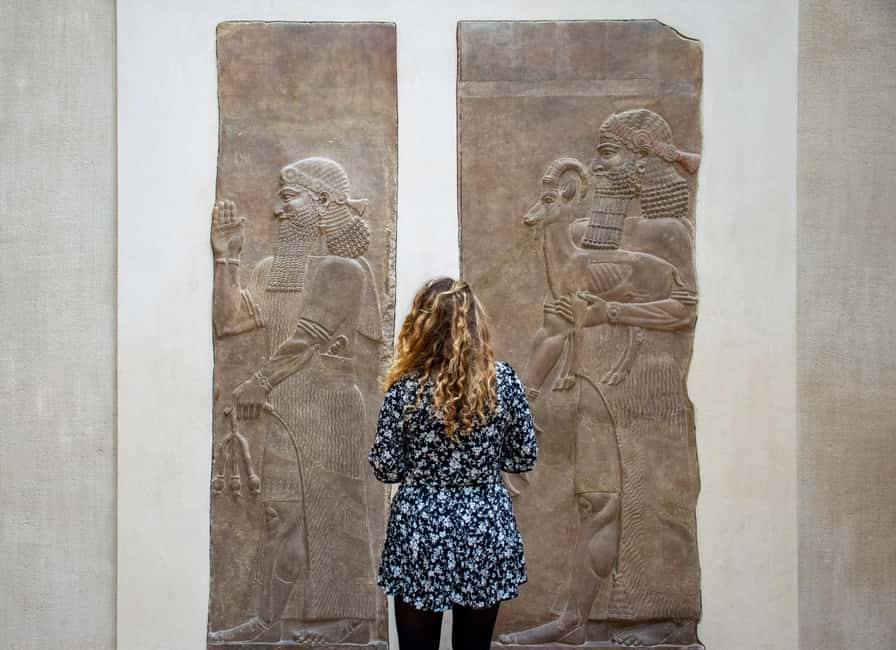
This is the best length if you already know you want ancient civilizations, sculpture, painting, or a particular part of the collection. Walid has customized a visit around Mesopotamian art, showing how a private format can serve someone who has already seen the standard sights.
The drawback is simple: four hours inside the Louvre is tiring. One account described even a shorter visit as physically demanding because of the crowds and pace. Wear comfortable shoes, keep your bag small, and be realistic about your attention span.
You are not required to leave when the guided portion ends. Afterward, you can continue at your own pace, revisit a favorite room, or stop for the day. That freedom makes the longer option more useful than a rigid four-hour march.
How the private format changes the visit
A private tour gives you room to ask questions that would slow down a large group. You can ask why a work matters, compare two objects, or request more time in a room that interests you. The guide can also adapt the route to the ages and energy levels in your party.
Small groups offer much of the same benefit at a lower social cost than a big coach-style tour. You can hear the guide more easily, stay together in crowded rooms, and avoid waiting for a long line of people to catch up.
The experience is not silent or empty. The Louvre remains crowded, especially around the best-known works. What you are buying is not solitude. You are buying a person who knows how to move through the museum and explain what you are seeing.
That distinction matters. If you want to wander alone with an audio guide, this may feel too structured. If you want someone to choose a route, explain the art, and handle the museum’s confusing scale, the format is much more appealing.
Guide quality and the strongest praise
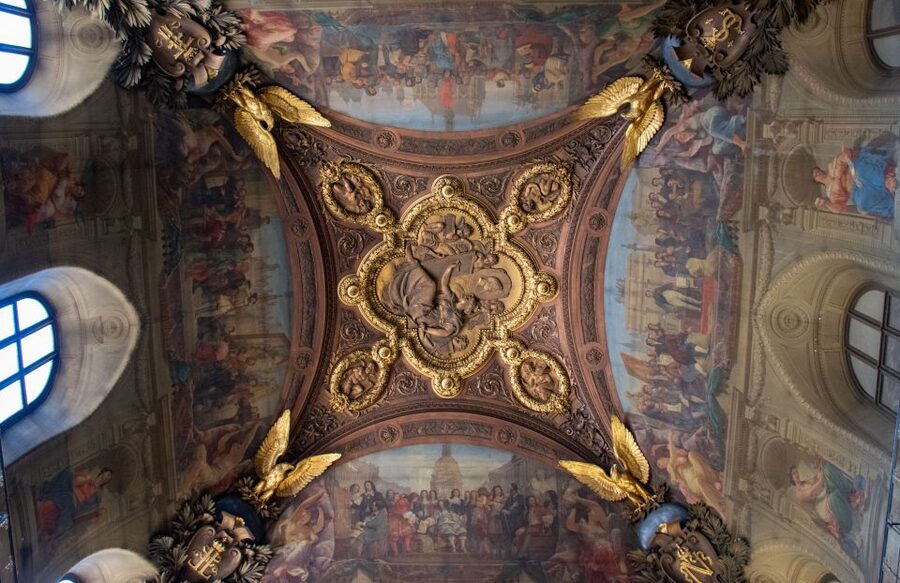
The most consistent strength is the guides’ command of the subject and their ability to make it entertaining. Romain has been praised for his enthusiasm and broad knowledge of art and history. Vincent, Aurele, Raphaëlle, and Will have also been singled out for clear, friendly guiding.
Several guides are especially good at turning the museum into a human story. Walid has been described as selecting the right amount to see while linking works across a timeline. Hamish has brought historical details to life and handled a steady stream of questions. John has been praised for presenting information in a clear structure.
This matters more than a guide simply naming famous paintings. The Louvre can become exhausting when every room feels equally important. A strong guide gives you a sense of priority, helping you understand what deserves ten minutes, what deserves one minute, and what you might save for another visit.
Language choice is another practical advantage. You can book in English, French, Spanish, Chinese, Traditional Chinese, or Arabic. The quality of spoken English can vary by guide, as one rating noted, but the general response to the guides has been very strong.
Is $262 per person good value?
At $262 per person, this is an expensive Louvre visit. The value depends on what you want from your day.
For a solo visitor or couple on a tight budget, the price may be hard to justify. The Louvre can be visited independently, and you may prefer to spend less and take your time. You also need to remember that the fee does not include hotel pickup or drop-off.
For a family, first-time visitor, or person with limited time in Paris, the calculation changes. You are paying for museum entry, a private or small-group guide, a planned route, and help with navigation. That can prevent a costly day from being swallowed by wrong turns, long waits, and indecision.
The strongest value comes when you use the guide’s expertise actively. Ask questions. Explain what your group likes. If you have seen the main works before, request a different focus. A private tour earns its price when it feels made for your party, not like a standard speech delivered to whoever happens to be standing nearby.
The option to reserve now and pay later also gives you some planning flexibility. Cancellation is free up to 24 hours in advance, according to the booking terms.
Practical limits you should expect
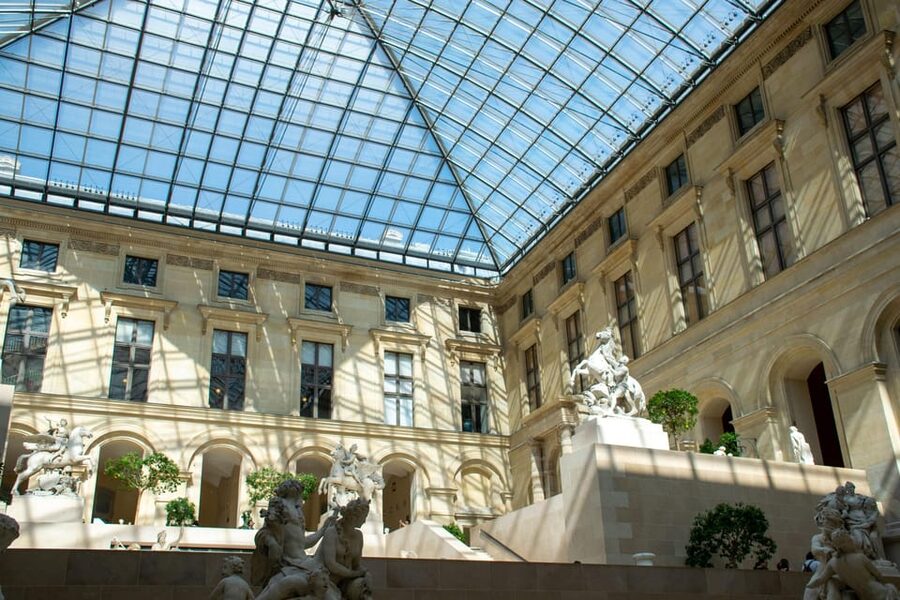
Skip-the-ticket-line access helps, but it does not guarantee immediate entry. You still pass through security, and during high season the wait can reach 20 minutes. Arrive early enough to absorb that delay.
Gallery closures can happen without notice. Artworks may also be removed for restoration or loan. Your guide can adjust the route, but no tour can promise that every famous piece will be on display on a particular day.
The Louvre is not a place for large luggage. Leave big bags elsewhere before arriving, and do not bring a selfie stick or use flash photography. Bring identification, since the museum may require it for entry.
Accessibility details are not fully specified, but one experience with Walid showed the practical value of a guide who knew where the elevators were and could choose easier routes for a visitor using a cane after knee surgery. If you have mobility needs, tell the provider when booking and confirm the route in advance.
Who should book this Louvre tour?
I would recommend it most strongly to first-time Louvre visitors, families with children, and anyone with only a few hours in Paris. It is also a good match if you feel uneasy navigating a giant museum alone or want explanations rather than a quick photo at the famous stops.
Choose the two-hour tour if you want the essentials and have other Paris plans. Choose three hours if you want a better balance of famous works and extra stops. Choose four hours if you have a clear art interest and enough energy for a long museum visit.
I would be more cautious if you are an experienced Louvre visitor who prefers unhurried solo looking. You may find the pace too brisk, especially on the short route, and the price may exceed the benefit. Still, the private format lets you request a new subject, such as Mesopotamian art, rather than repeating the standard route.
Should you book it?
Book this tour if you want the Louvre to feel manageable, social, and purposeful. The guides, especially names such as Walid, Wei, Hamish, Romain, and John, have been praised for clear explanations, humor, flexibility, and strong command of the museum.
Skip it if $262 per person strains your budget or if you would rather wander alone. For everyone else, the two-hour highlights route offers a practical first encounter, while the longer options give you room to shape the visit around your own interests. Just arrive early, keep your belongings light, and remember that the Louvre is too big for any single tour to cover completely.
FAQ
Where does the Louvre tour meet?
Meet your guide next to the horse statue in front of the Louvre Pyramid. If you use Google Maps, search for Louvre Pyramid. The guide will hold a blue Dayin sign.
How long does the tour last?
The available options last two, three, or four hours. Check the available starting times when booking.
What does the two-hour highlights tour include?
The two-hour tour covers major works including the Mona Lisa, Venus de Milo, and Victory of Samothrace, along with other selected Louvre highlights.
Can I continue exploring after the guided tour?
Yes. Once the guided portion ends, you are free to continue exploring the museum at your own pace.
Which languages are available?
The tour is offered in English, French, Spanish, Chinese, Traditional Chinese, and Arabic.
What should I bring to the Louvre?
Bring a passport or identity card. A copy is accepted. Do not bring a selfie stick, flash photography equipment, luggage, or large bags.
Just added around Paris
- Paris at the First Lodges – Ducasse sur Seine dinner cruise★ 4.0 · 165 reviews
- Paris at the First Lodges – Ducasse sur Seine Lunch Cruise★ 4.5 · 70 reviews
- Disneyland® Paris 1 Day with Round-Trip Train Tickets from Paris★ 4.0 · 50 reviews
- Explore speakeasies and hidden bars, sip meet & socialize★ 4.5 · 47 reviews
- Disneyland® Paris Express Shuttle with Admission Ticket from Central Paris★ 3.5 · 172 reviews
- Paris Cheeses and Wines Tour de France with Tasty Games★ 5.0 · 32 reviews
- Musée Orsay Highlights Tour – Best of Impressionism & Hidden Gems★ 5.0 · 27 reviews
- Private Tour: Discover Paris with Local, 3 hours on a Segway★ 5.0 · 71 reviews
Louvre Tours, compared.


Louvre Guided Tour with Reserved Access & Boat Cruise
Read our review →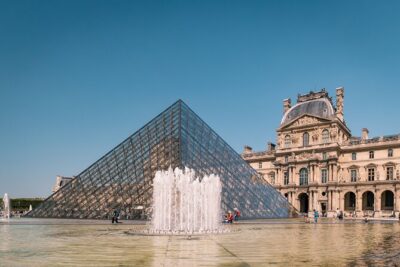
Louvre Museum Masterpieces Guided Tour with Access
Read our review →
Louvre Museum Entry Ticket With Host and River Cruise
Read our review →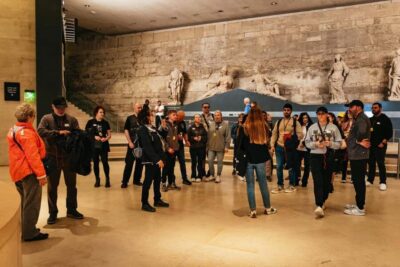
Priority Access Louvre with Host -Direct to Mona Lisa
Read our review →
Mona Lisa & Louvre Masterpieces Tour with Reserved Access
Read our review →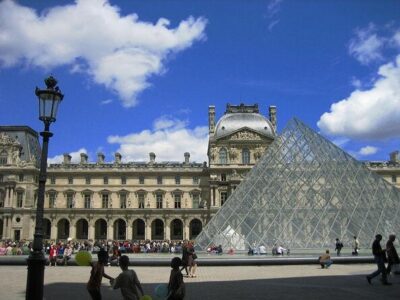
Louvre Museum – Exclusive Guided Tour (Entry Included)
Read our review →
Louvre Reserved Ticket and River Cruise Combo
Read our review →Browse the lists this tour appears in