Reviewed · MORNING
Paris: Sunrise Running and Sightseeing Group Tour
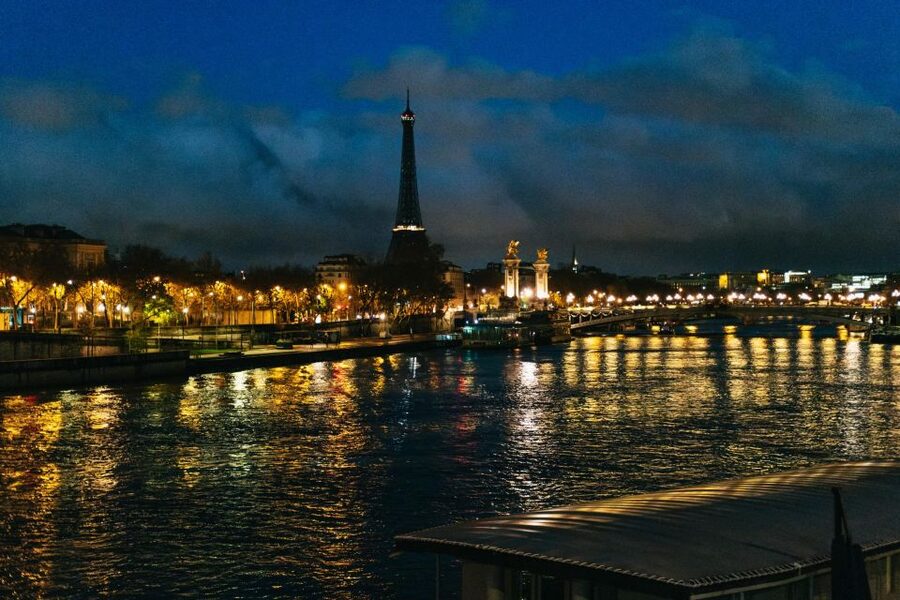
Paris is at its most pleasant before the tour buses arrive. This sunrise running tour links the city’s major sights in one brisk morning outing, from Notre Dame and the Louvre to the Eiffel Tower. You run, stop for photos, hear stories, then run again.
I like the quiet streets and the small group of no more than 10 people. I also like the practical touches: your guide carries small items, provides water and dried fruit or nuts, and sends digital photos afterward. The catch is simple: you need enough conditioning to run at least 5 kilometers without stopping, and this is not a sightseeing walk with a little jogging mixed in.
Key points to know before you book
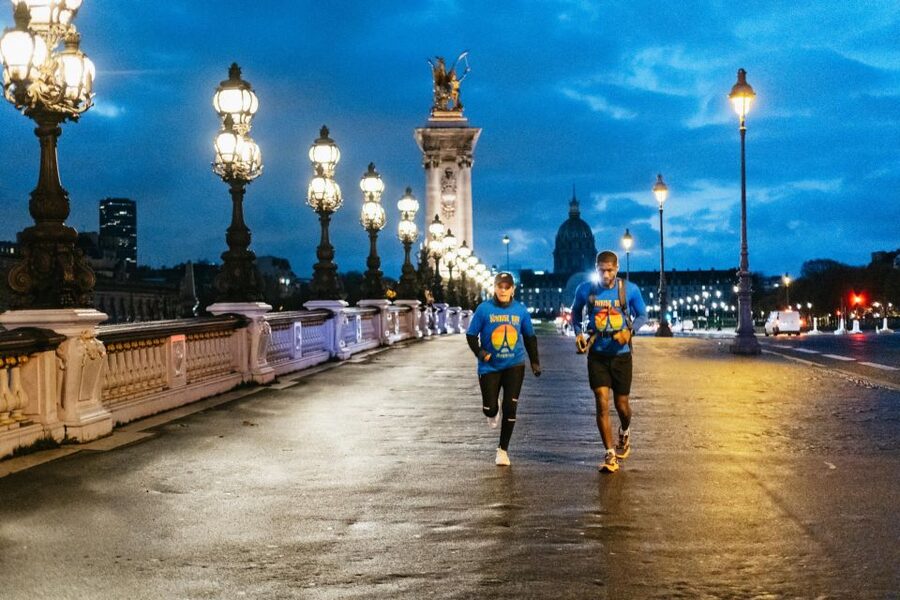
- The route covers Paris’s headline sights: Notre Dame, Pont Neuf, the Louvre, Champs-Elysées, Invalides, Trocadéro, and the Eiffel Tower.
- The pace is designed for ordinary runners: You do not need to be fast, but you should manage at least 5 kilometers nonstop.
- Sunrise changes the whole experience: Famous places are quieter, easier to photograph, and cooler than they are later in the day.
- Andrea has earned special praise: Her running ability, history stories, photos, and skill with different fitness levels are repeatedly highlighted.
- The $55 price includes useful extras: A guide, water, dried fruit or nuts, a waterproof running jacket, and digital photos.
- Pack light: Large bags and bulky clothing cannot be stored, and you must bring your own transport ticket.
Why a sunrise run works so well in Paris
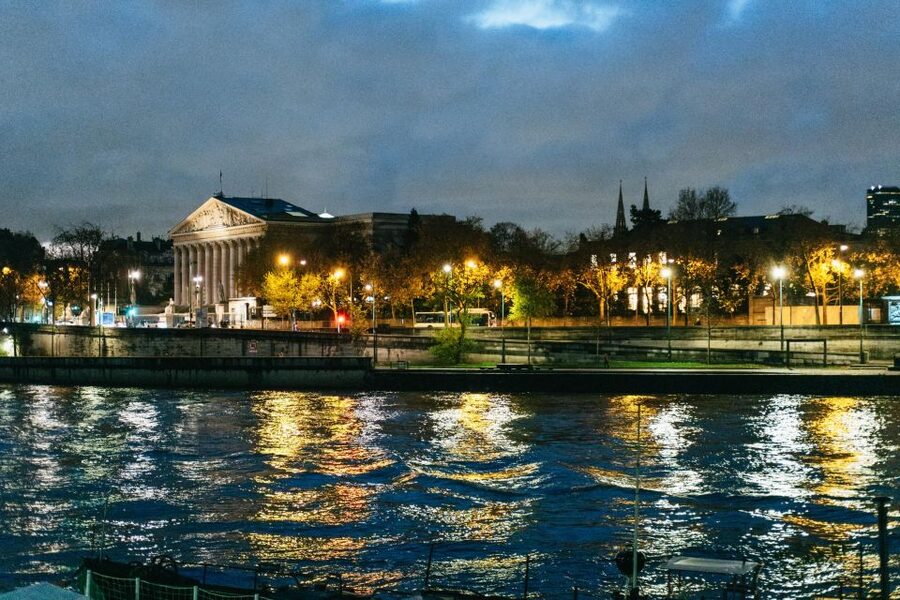
Most first-time visits to Paris involve a familiar routine: stand in line, weave through crowds, take a photo, and move on. This tour changes the rhythm. You see the city while the light is coming up, when the avenues and river bridges are much easier to enjoy.
The route is also efficient. In two hours, you pass a long list of major sights that would take much longer on foot with separate stops. You will not enter the Louvre, Sainte-Chapelle, or any other monument, but you get a useful first look at them and a clear sense of how central Paris fits together.
I especially like the way the tour combines exercise with orientation. Afterward, you will know where the Louvre sits in relation to the Seine, how the Champs-Elysées leads toward the Arc de Triomphe area, and how Trocadéro lines up with the Eiffel Tower. That makes later sightseeing easier.
There is a tradeoff. Running gives you range, but not much time for close inspection. If your main goal is to study cathedral details or spend an hour in a museum, book those separately. This is a city overview with movement, not a substitute for museum admission.
A few more Paris half-days worth comparing
- Paris: Louvre Museum Timed-Entrance Ticket
★ 4.6 · 71,977 reviews - Disneyland® Paris 1-Day Ticket
★ 4.6 · 49,412 reviews - Paris: Versailles Palace and Gardens Full Access Ticket
★ 4.6 · 41,579 reviews
Meeting at Place Saint-Michel
The starting point is 4 Place Saint-Michel, near the Saint-Michel fountain and the metro exit. If you arrive by metro, use line 4 and exit 3, marked Fontaine Saint-Michel. Cluny-La-Sorbonne on line 10 is another nearby option, while Saint-Michel-Notre-Dame serves RER B and C.
This is a sensible meeting point in the heart of the city. You begin near the Seine and Notre Dame, so the sightseeing starts almost at once. Arrive ready to run rather than expecting a place to change or leave a suitcase.
The group is limited to 10 people, which matters here. Paris streets, bridges, and sidewalks can be awkward for a large pack of runners. A small group gives the guide more room to keep everyone together and adjust the pace.
The guide speaks English or French. Andrea is named in several especially strong experiences, with praise for her running, history explanations, and photo-taking. The guide can also carry small personal items in a backpack, but this is not a luggage service.
Notre Dame, the law courts, and the oldest river crossings
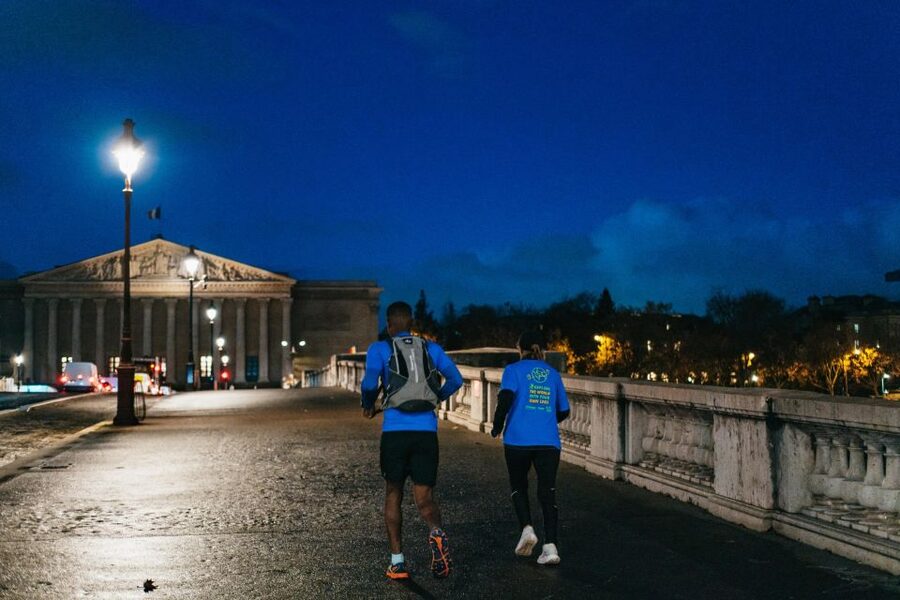
The first section takes you past Notre Dame Cathedral, the Palais de Justice, the Conciergerie, and Sainte-Chapelle. These sights cluster on and around Île de la Cité, making them a good opening chapter for a tour about Paris.
You stop for views and short explanations rather than entering. Notre Dame is the big visual anchor, while the Palais de Justice and Conciergerie add a more layered look at the island’s civic and royal past. Sainte-Chapelle is one of those places where an outside view only hints at what is inside, so note it for a separate visit if you have time.
Pont Neuf comes next, despite its name meaning New Bridge. It is one of the best places on the route for a river view and sunrise photos. Pont des Arts follows, offering another classic crossing and a direct line toward the Louvre.
These stops show the main strength of the format: the guide can pause, explain what you are seeing, and then keep moving before the morning crowds build. You get enough context to make the sights memorable without turning the run into a long lecture.
The Louvre and Tuileries Garden before the crowds
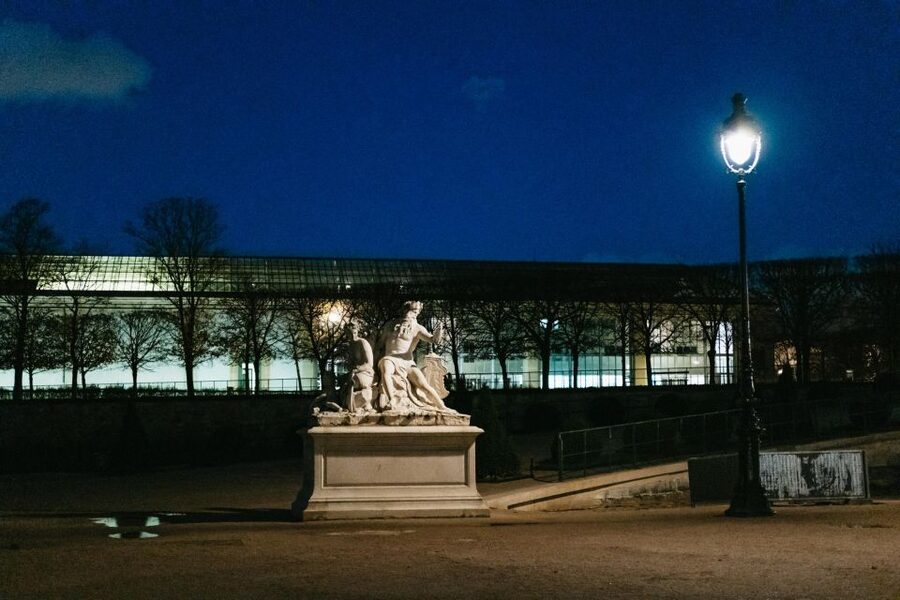
The Louvre is one of the tour’s most useful stops because its scale is hard to grasp from a map. Running toward it from Pont des Arts, then continuing through the Tuileries Garden, gives you a better sense of how the museum relates to the river and the ceremonial center of Paris.
You stop for photos and a guided look from outside. There is no entry included, so do not expect the Mona Lisa or the galleries. Still, the quiet morning setting is a real advantage. The Louvre courtyard and surrounding streets can become crowded later, while early light gives you a cleaner view of the architecture.
The Tuileries Garden is mostly a pass-by section. You will not have time for a slow garden walk, but the route helps break up the built-up streets. This is also one of the easier stretches for keeping a steady pace.
At $55, the value here comes from combining access, orientation, and coaching in one outing. If you already plan to pay for a Louvre ticket, this tour does not replace that cost. It can, however, help you decide how to spend your museum time later.
Same trip, a completely different kind of day:
- Paris: Evening River Cruise with Music
★ 4.4 · 22,721 reviews - Paris: Eiffel Tower Entry Ticket with Optional Summit Access
★ 4.4 · 20,035 reviews - Paris: Eiffel Tower Summit or Second Floor Access
★ 4.3 · 17,248 reviews - Paris: Louvre Guided Tour with Reserved Access & Boat Cruise
★ 4.3 · 16,353 reviews
Concorde, the grand bridges, and Invalides
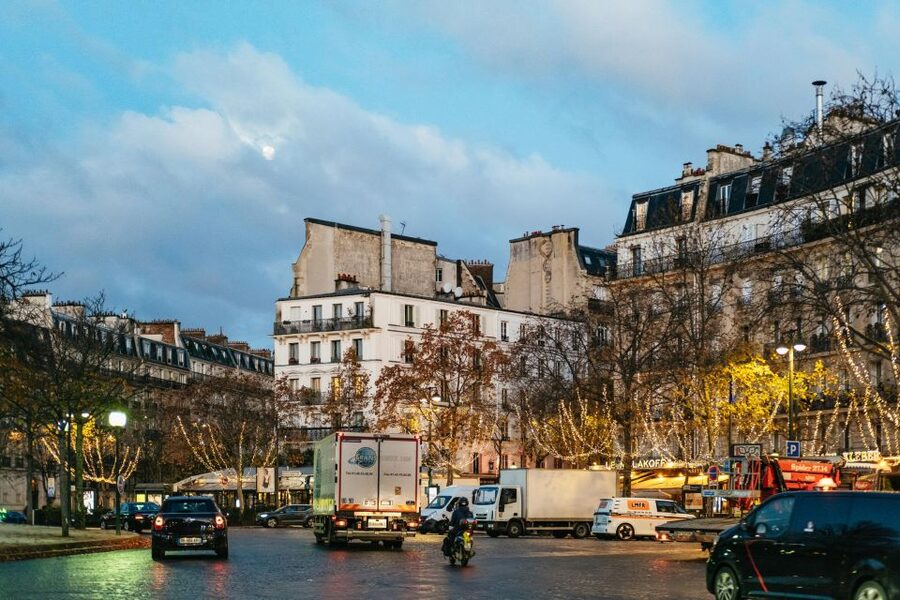
From the Tuileries, the run continues to Place de la Concorde. This broad square opens the route toward the grand avenues and western Paris. It is another planned photo stop, and the morning light can make the open space feel especially calm.
Pont Alexandre III is one of the visual highlights. The bridge is ornate, wide, and well placed for views toward Invalides and the Eiffel Tower. You stop here rather than simply rushing across, which gives you a chance to catch your breath and take pictures.
Les Invalides comes next as a pass-by sight. Its large dome is easy to spot from a distance, and the route gives you another major Paris landmark without requiring an indoor visit. Grand Palais and Petit Palais are also passed along the way.
This middle section shows why the tour suits people who want a lot of Paris in a short time. You cover several famous places without queueing. The drawback is that your attention will be split between traffic, pavement, landmarks, and your own breathing. For some people, that is the fun. For others, it may feel too quick.
Champs-Elysées and the route to Trocadéro
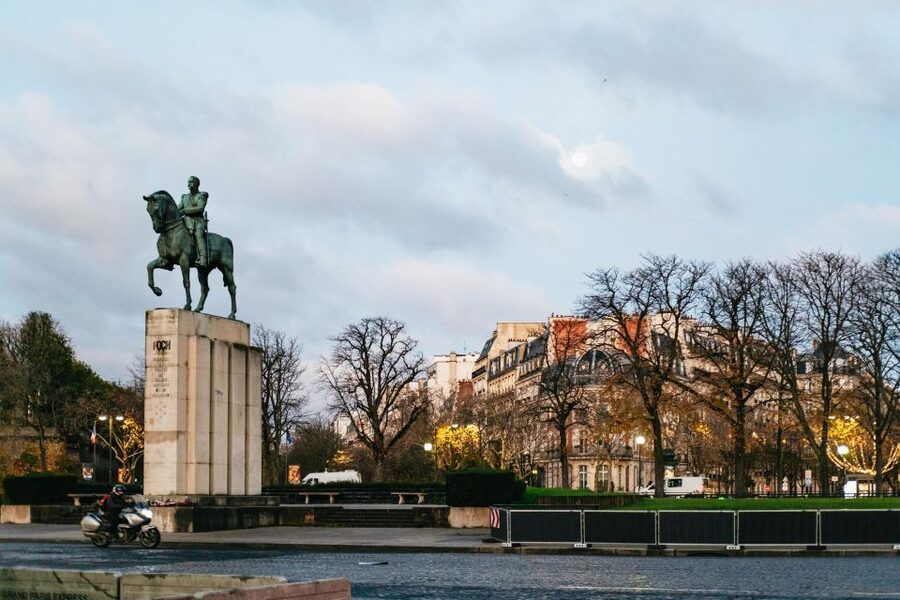
The Champs-Elysées is seen as part of the route rather than as a shopping stop. You pass along the avenue, taking in its broad scale and connection to the city’s western monuments. At this hour, it is a different experience from the packed daytime version.
The tour then reaches Pont de l’Alma and Palais de Tokyo before crossing toward Place du Trocadéro. Pont de l’Alma provides another break and photo opportunity. Palais de Tokyo is mainly a pass-by sight, while Trocadéro is one of the best places to stop for the Eiffel Tower view.
For many people, Trocadéro will be the payoff. The elevated plaza gives you a strong view across to the tower, and the sunrise setting can make the familiar scene feel fresh. The guide takes photos and videos during the outing, so you are not forced to choose between running and documenting every stop yourself.
Keep in mind that Paris sidewalks are not built like a running track. You may encounter uneven surfaces, crossings, and other people even early in the day. The group format and frequent pauses help, but you still need to stay alert.
The Eiffel Tower finish and the walk back
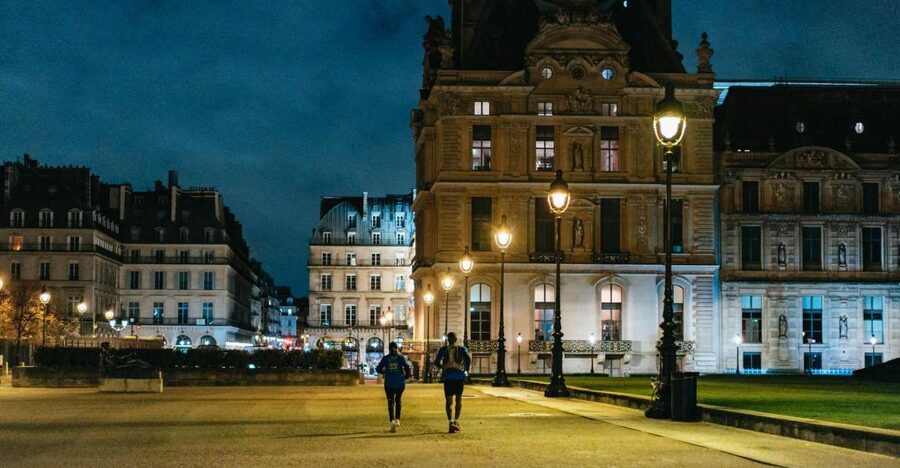
The Eiffel Tower is the final major landmark, with a planned break for photos and sightseeing. You will see it from outside, not enter it, and no monument tickets are included.
After the tower, the stated itinerary includes about 30 minutes on foot before passing the Musée d’Orsay and returning to Place Saint-Michel. That final walking section matters. You are not running hard for two straight hours, but you should still expect a proper workout with a mixture of running, pauses, and walking.
The exact distance can vary with the group. One account describes covering 8.4 miles over two and a half hours, with frequent breaks, while the advertised tour duration is two hours and the stated minimum is 5 kilometers nonstop. Treat that longer distance as an example rather than a promise. Your guide will set the practical rhythm for the particular group.
By the end, you have crossed a large part of central Paris and reached the finish near the same place where you started. You are then well placed for breakfast and the rest of your day.
Fitness, clothing, and what to carry
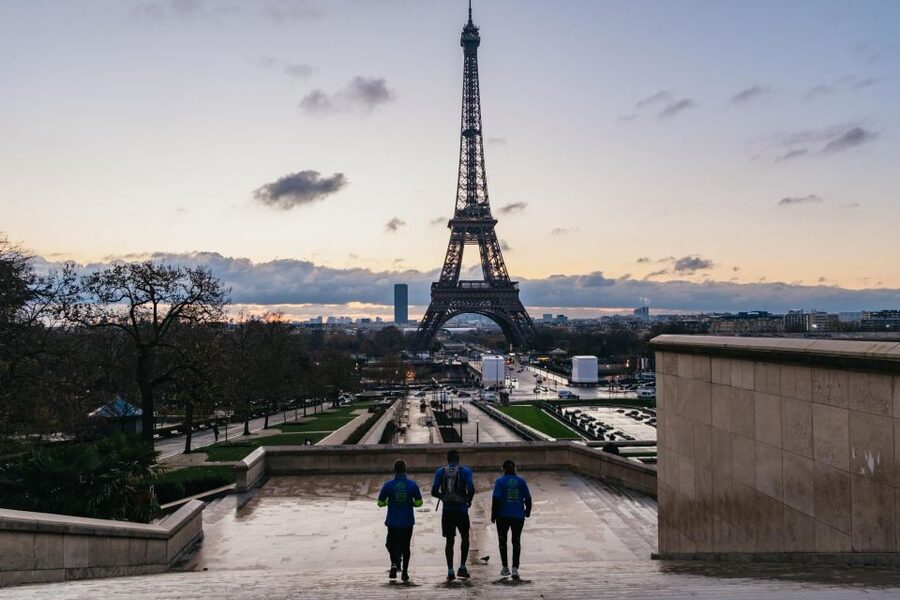
You do not need to be a racing runner. You do need a basic level of conditioning. The clear requirement is that you can run at least 5 kilometers without stopping before signing up.
Bring sports shoes and clothing suited to the weather. Early mornings can feel cool, so the included waterproof running jacket is useful, but it is not a replacement for proper running clothes. You also need your own public transport ticket if you are using the metro or RER to reach the meeting point.
Pack as lightly as possible. Small items can go into the guide’s backpack, but large bags, suitcases, and bulky clothing cannot be stored. This matters most if you are checking out of a hotel or heading to a train station afterward.
Water and dried fruit or nuts are included. Those snacks are modest, but they are welcome during a morning outing. You should still arrive hydrated and have enough food afterward, especially if you plan to continue sightseeing.
Minors can join if they are used to running and a parent comes along. For ages 16 and 17, a parent should make the reservation with their name and attend the meeting point. A toddler in a running stroller may be possible, but you must bring a suitable stroller, and the city is not very wheelchair-friendly.
The activity is not suitable for people with back problems, heart problems, or mobility impairments. If you are uncertain about the physical demand, this is a good tour to skip rather than test yourself in the middle of Paris.
Is $55 a fair price?
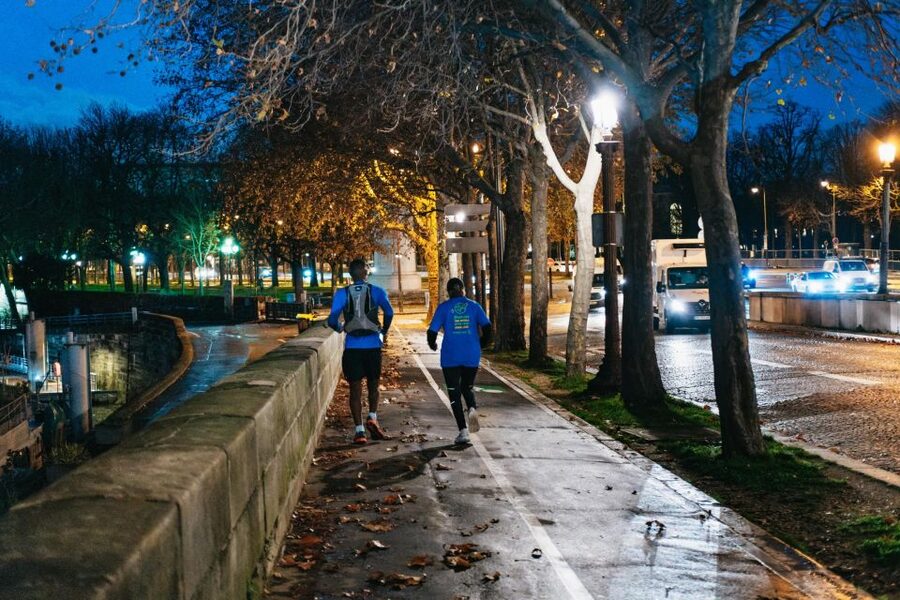
At $55 per person, the tour is not the cheapest way to see these sights. You can walk many of the same streets for free, and public parks offer free places to exercise. But the comparison is not quite equal.
The fee covers a guide, a planned route, local stories, water, snacks, a waterproof jacket, and digital photos. You also get the motivation and structure of a small group, which can be useful when jet lag or a busy schedule makes it hard to fit in a workout.
The strongest value is time. You see Notre Dame, the Louvre, the Champs-Elysées, Invalides, Trocadéro, and the Eiffel Tower in a single morning, without spending your day in lines. If you enjoy running and would otherwise pay for a guided city tour or a hotel gym, the price is easier to justify.
It is less good value if you want indoor access, slow photography, or detailed monument commentary. In that case, use the $55 for a traditional walking tour or museum visit instead.
Who should book this Paris running tour?
I would choose this for an active visitor who wants to cover ground early and still have the rest of the day free. It works particularly well on a first or second day in Paris, when you want a fast sense of direction and a list of places to revisit.
It also suits runners who find ordinary sightseeing too static. The route keeps moving, and the stops give you enough time to hear the essential stories and take photos.
I would not choose it for a casual jogger who has not run 5 kilometers nonstop, someone carrying luggage, or anyone hoping to linger inside the sights. The route is physically manageable for a conditioned runner, but it is still a workout.
FAQ
Where does the Paris running tour begin?
Meet at 4 Place Saint-Michel, between the Saint-Michel fountain and the metro exit. By metro, use line 4 and exit 3, called Fontaine Saint-Michel.
How long does the running tour last?
The advertised duration is two hours. The route includes running, sightseeing stops, breaks, and about 30 minutes of walking near the end.
How far do I need to be able to run?
You should be able to run at least 5 kilometers, or about 3 miles, nonstop. You do not need to be a fast runner.
What landmarks will I see?
The route passes Notre Dame, Palais de Justice, Conciergerie, Sainte-Chapelle, Pont Neuf, Pont des Arts, the Louvre, Tuileries Garden, Place de la Concorde, Pont Alexandre III, Invalides, Grand Palais, Petit Palais, Champs-Elysées, Pont de l’Alma, Palais de Tokyo, Trocadéro, the Eiffel Tower, and Musée d’Orsay.
Is the Eiffel Tower visit indoors?
No. The tour includes an outdoor sightseeing and photo stop at the Eiffel Tower. Entry tickets to monuments and museums are not included.
What is included in the $55 price?
The price includes the running tour, guide, waterproof running jacket, bottled water, dried fruit or nuts, and digital photos of the tour.
Can I bring luggage or a large bag?
No. Storage for large bags, luggage, or bulky clothing is not available. The guide can carry small items in a backpack, but you should arrive with only what you need for the run.
Should you book it?
Book this tour if you like running, want quiet views of Paris, and can handle at least 5 kilometers without stopping. The combination of sunrise light, famous sights, small-group pacing, and practical extras makes it a smart use of an early morning.
Skip it if you want museum entry, a slow walk, or a gentle activity with no fitness requirement. For the right person, though, this is a memorable way to see much of central Paris before breakfast, then spend the rest of the day knowing exactly where you want to return.
Just added around Paris
- Paris at the First Lodges – Ducasse sur Seine dinner cruise★ 4.0 · 165 reviews
- Paris at the First Lodges – Ducasse sur Seine Lunch Cruise★ 4.5 · 70 reviews
- Disneyland® Paris 1 Day with Round-Trip Train Tickets from Paris★ 4.0 · 50 reviews
- Explore speakeasies and hidden bars, sip meet & socialize★ 4.5 · 47 reviews
- Disneyland® Paris Express Shuttle with Admission Ticket from Central Paris★ 3.5 · 172 reviews
- Paris Cheeses and Wines Tour de France with Tasty Games★ 5.0 · 32 reviews
- Musée Orsay Highlights Tour – Best of Impressionism & Hidden Gems★ 5.0 · 27 reviews
- Private Tour: Discover Paris with Local, 3 hours on a Segway★ 5.0 · 71 reviews
Morning, compared.
A Morning in Paris Food Tour: Croissants, Baguettes & Chocolate
Read our review →
From Reims: Morning Champagne Tour and Tastings
Read our review →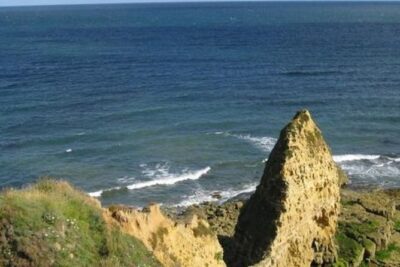
Omaha Beach Half-Day Morning Trip From Bayeux (A1)
Read our review →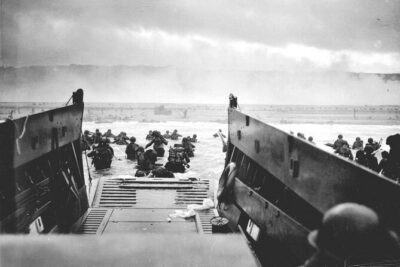
Omaha Morning Half Day Tour to visit the landing areas at Omaha Beach
Read our review →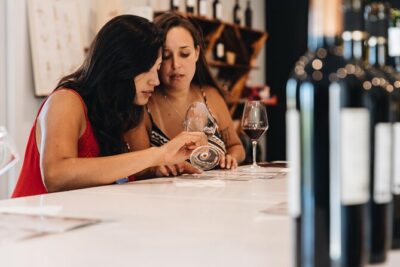
Saint Emilion Morning Wine Tour – Winery & Tastings from Bordeaux
Read our review →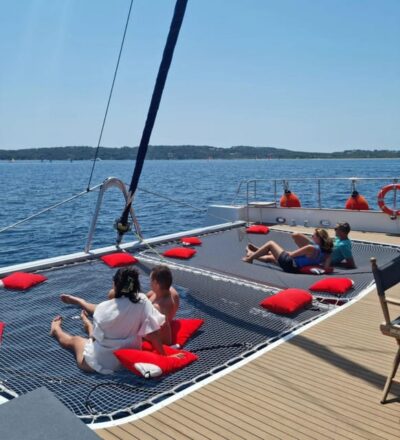
Hyères : Morning Discovery or Relaxing Afternoon cruise
Read our review →
Tours: Chateaux Azay-le-Rideau and Villandry Morning Tour
Read our review →