
Reviewed · 2-HOUR EXPERIENCES
Saint-Émilion: 2 hours – Visit of the vineyard, the cellar and tasting
The most interesting part of this Saint-Émilion visit is its look at a working family estate, not just a polished tasting room. At Château Haute-Nauve, fourth-generation winegrowers Florent or Marie-Anne take you from the vines to the tanks, presses, and barrel cellar, then pour four wines.
I like the small maximum group of 15, which gives the visit a personal feel, and I like the honest look at modern vineyard problems, including crop freezes and the need to diversify. The six-meter wine bottle and wind turbine add a bit of fun to the serious wine talk.
The main consideration is the timing. Two hours gives you a useful introduction, but not an exhaustive study of Saint-Émilion wine. The château is in Saint-Laurent-des-Combes, not in the center of the village, so plan your route carefully.
Key points to know before booking
- Four-generation family estate: Learn how the Haute-Nauve family has worked its vineyards across generations.
- A full vineyard-to-barrel route: The visit covers vines, fermentation tanks, pumping, pressing, and aging.
- Florent or Marie-Anne leads the visit: English is offered, and Florent is praised for his humor and relaxed approach.
- Four wines included: Taste a rosé, a Saint-Émilion, and two Saint-Émilion Grand Cru wines.
- Modern challenges are part of the story: See how the château responds to frost, sustainability concerns, and changing wine production.
- Good value at $30.04: The price includes the complete tour and four alcoholic tastings, making it a solid short stop in the Saint-Émilion area.
A working château rather than a quick tasting stop
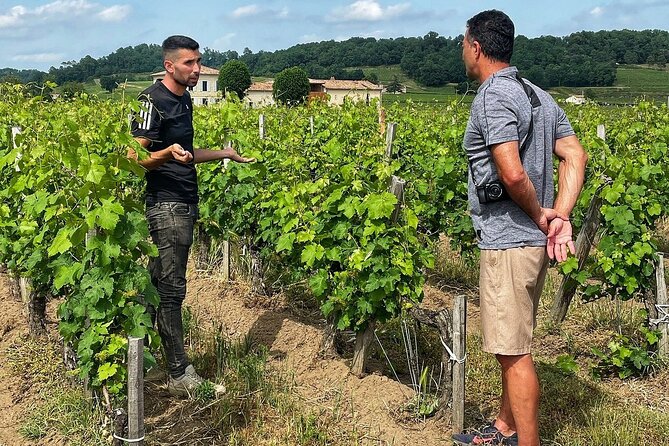
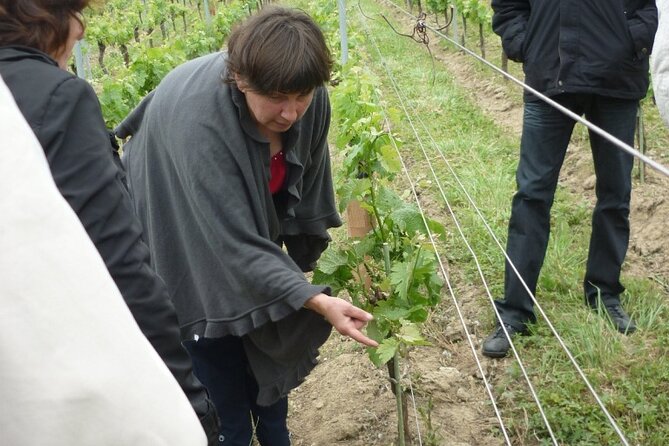
At Château Haute-Nauve, the visit begins with the property itself. You are not simply seated at a table and handed a glass. Florent or Marie-Anne first takes you into the vineyard, where the family explains the estate’s fourth-generation story and the character of the Saint-Émilion appellation.
That order matters. Wine can feel mysterious when you only meet it in a bottle. Seeing the vines first gives you a clearer sense of where the finished drink begins. You learn that vineyard work changes through the year, and that the plants need different care as the seasons move along.
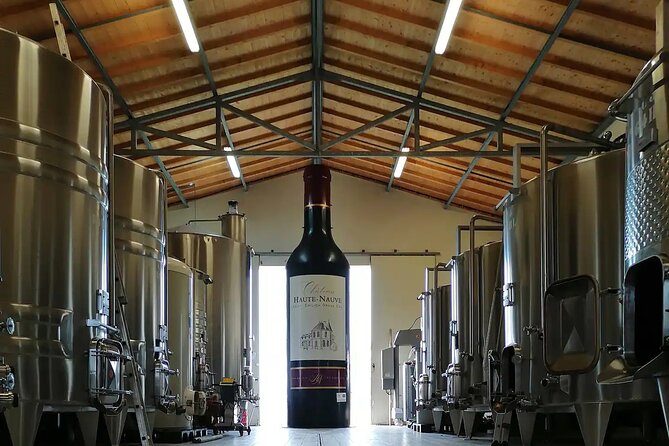
The setting also gives the tour some personality. Along with rows of vines, you see a wind turbine and a six-meter-high wine bottle. These are memorable details, but they also point to bigger subjects: how an estate presents itself, how it handles energy and sustainability, and how a small producer tries new ideas.
I like that the family story is connected to present-day work. This is not a backward-looking account of tradition alone. The château is also dealing with crop freezes, working toward more sustainable practices, and developing new wines. For you, that means the visit has room for both heritage and practical concerns.
A few more France half-days worth comparing
- The Père Lachaise Cemetery: Guided 2-Hour Small-Group Tour
★ 4.7 · 1,065 reviews - Paris: 2-Hour Perfume Creation Workshop
★ 4.8 · 731 reviews - La Rochelle: 2-Hour Sunset Sailing Cruise
★ 4.8 · 652 reviews
Reading the vineyard through the year
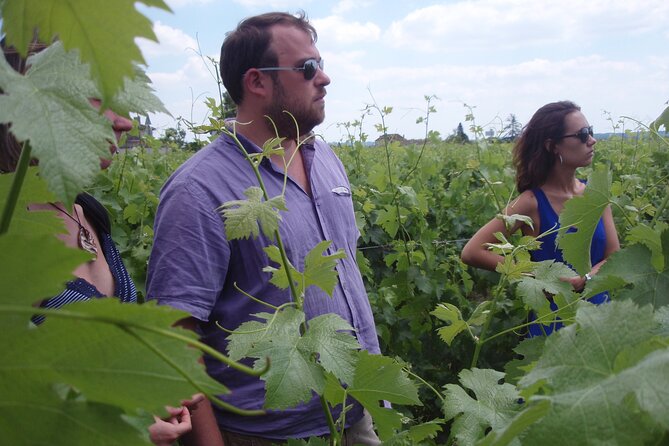
The vineyard walk is a useful part of the experience because it explains how the work changes over the annual cycle. You can ask about cultivation and the different plots, while the winegrowers explain the specific qualities of the Saint-Émilion appellation.
The information is aimed at ordinary wine drinkers, not only specialists. If you already know a great deal about Bordeaux, you may want more technical detail than a two-hour visit can provide. If you are still learning the difference between a general Saint-Émilion wine and a Saint-Émilion Grand Cru, the tour offers a practical starting point.
One especially useful point is the discussion of risk. Frost can damage a crop, and the estate has to think about how to protect its future. The visit connects that problem with sustainability and diversification, so you get a more realistic picture of winegrowing. Vineyard work is not only sunshine, old buildings, and attractive bottles.
The small group helps here. With no more than 15 people, the guide has a better chance to respond to questions and keep the walk from feeling like a fixed speech. Florent’s style, based on the feedback available, is warm and humorous, which should help if you are new to wine or feel unsure about asking basic questions.
Wear sensible shoes for the vineyard portion. The tour involves walking outdoors before moving inside to the production areas. Specific footwear rules are not provided, but comfortable shoes are a sensible choice for any estate visit.
From harvest to fermentation tanks
After the vines, the tour moves into the winery. This is where the broad idea of wine production becomes a series of physical steps. You learn about fermentation, pumping, and pressing, and you see the large tanks and equipment used after harvest.
This section will appeal to anyone who likes to understand how things are made. The machinery gives you a more concrete picture than a tasting note ever can. You can connect the work in the vineyard with what happens once the grapes arrive at the winery.
The explanations also help you understand why production is not finished when the grapes are picked. Fermentation must be managed, wine must be moved, and pressing is part of the process. The tour does not present wine as a simple path from vine to bottle. Instead, you see several stages, each with its own tools and decisions.
The amount of detail will depend on the guide and the questions asked. The available information confirms that the production process is covered, but it does not promise a full technical workshop or a harvest-time demonstration. Book this as a clear introduction to winery operations, not as a professional winemaking course.
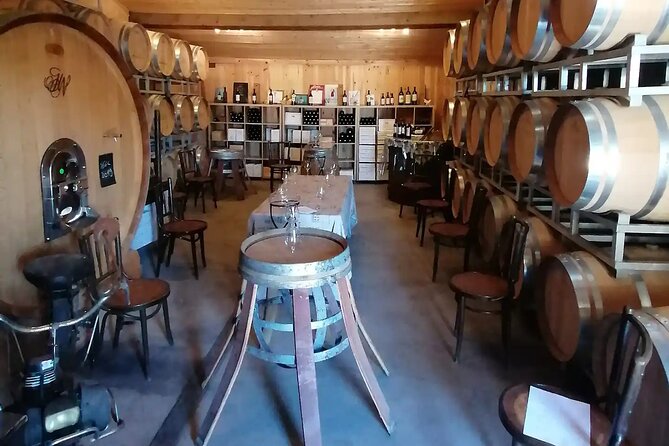
The visit then continues to the barrel cellar. Here, you see how the wine is aged and learn about the methods used before it is ready for release. This is an important bridge between production and tasting. It helps explain why two wines made in the same region can have different aromas, textures, and levels of structure.
The barrel cellar puts the tasting in context
The cellar is often the point where a winery visit becomes easier to understand. You have already seen the vines and the equipment, and now you see where the wine rests and develops. The guide explains the aging methods used at the château, giving you something specific to consider when the glasses arrive.
You do not need advanced tasting skills to get value from this part. Pay attention to the connection between the cellar explanation and the wines. You can ask what the aging contributes, how the wines differ, and why certain bottles carry the Saint-Émilion Grand Cru designation.
The barrel cellar also slows the visit down. After the outdoor walk and winery equipment, it offers a quieter look at the time involved in wine production. A bottle may seem like a finished product on a shop shelf, but this stop makes the process feel longer and more deliberate.
Same trip, a completely different kind of day:
- Paris: Louvre Museum Timed-Entrance Ticket
★ 4.6 · 71,977 reviews - Disneyland® Paris 1-Day Ticket
★ 4.6 · 49,412 reviews - Paris: Versailles Palace and Gardens Full Access Ticket
★ 4.6 · 41,579 reviews - Paris: Evening River Cruise with Music
★ 4.4 · 22,721 reviews
Four wines, including two Saint-Émilion Grand Cru
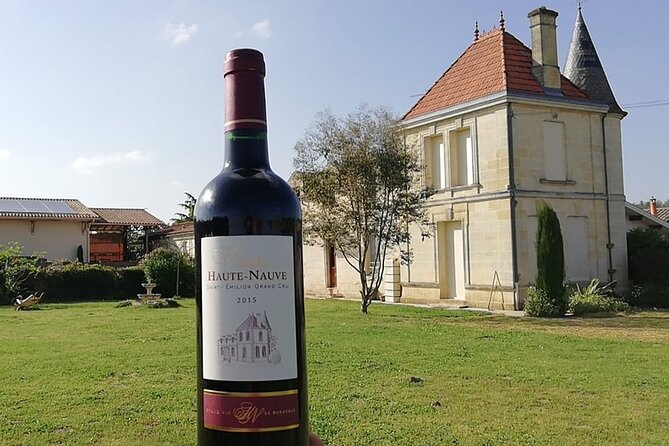
The final part is a guided tasting of four Château wines. The lineup includes a rosé, one Saint-Émilion, and two Saint-Émilion Grand Cru wines.
That selection gives you a useful range within a small tasting. The rosé provides a different style from the red wines, while the Saint-Émilion and Grand Cru pours let you compare wines from the same broad appellation family. The point is not simply to drink four samples. It is to use the tasting as a practical recap of what you have just seen.
The two Grand Cru wines also make the $30.04 price easier to assess. Prices change, but at the stated rate, you receive a two-hour guided visit, a vineyard walk, an explanation of production, a barrel-cellar visit, and four alcoholic tastings. That is good value if you want a compact introduction to the area and would otherwise pay separately for wine samples.
Taste slowly and take notes if you are considering bottles to buy. The available information does not state whether purchases or shipping are offered, so do not assume that a bottle-buying service is part of the visit. The important inclusion is the tasting itself.
The guide’s manner matters here. Florent is described as humorous, kind, and professional, with clear explanations from cultivation through production. That combination is useful because wine tastings can become stiff or overly technical. A relaxed guide makes it easier for you to say what you smell or taste without worrying about getting the answer wrong.
How the visit feels in English
English is offered, and Florent has led English-language tours. The experience can also be conducted in French, as the château welcomes both language groups.
The English option is especially helpful if you want more than a quiet tasting. You are learning about vineyard care, the appellation, fermentation, pressing, pumping, aging, and the family’s approach to present challenges. Clear explanations are central to the experience.
The information provided does not promise that every scheduled departure is led by a particular person. The guide may be Florent or Marie-Anne, so if meeting a specific guide matters to you, confirm that before booking.
The friendly tone described by previous visitors is worth noting, but keep expectations sensible. This remains a two-hour group activity, with a maximum of 15 people. It should feel more personal than a large commercial tour, yet you may still share questions and tasting time with other people.
Location, timing, and practical planning
The meeting point is Château Haute Nauve, 1 Haute Nauve, 33330 Saint-Laurent-des-Combes, France. The tour ends back at the same meeting point.
That detail is important for planning a day around Saint-Émilion. Do not assume the activity begins in the village center. Check your transport plan and allow enough time to reach the château in Saint-Laurent-des-Combes.
The visit lasts about two hours. That makes it easy to fit into a longer day, but it also means the schedule is fairly focused. You can expect a sequence of vineyard, winery, barrel cellar, and tasting stops rather than a leisurely half-day at the property.
Confirmation is sent within 48 hours of booking, subject to availability. The experience usually sells about 12 days ahead, so booking around two weeks early is sensible if your dates are fixed. The group maximum is 15, which helps explain why a popular departure may fill.
Service animals are allowed, and most people can participate. The activity requires a minimum number of participants. If that minimum is not met and the château cancels, you are offered another date or experience, or a full refund.
Free cancellation is available up to 24 hours before the start time. If you cancel later, the amount paid is not refunded, and changes made within that period are not accepted. The cut-off follows local time.
Who will get the most from this château visit
I would choose this experience if you want to understand Saint-Émilion wine without spending an entire day on a large estate tour. It suits first-time wine visitors, couples, small groups, and anyone who prefers meeting the people connected to a family business.
It also works well as a gift. The visit combines a walk, practical explanations, and a tasting, rather than offering only alcohol. A French-language visit is available, and an English tour can be arranged, making it useful for mixed-language groups.
The tour may be less satisfying if you want a highly specialized lesson on Bordeaux classification, a long tasting session, or a full meal. Those are not part of the stated program. You get four wines and a solid explanation of production, but the emphasis is on the estate from vine to bottle.
Families should note that the tasting includes alcoholic beverages. The information says most people can participate, but it does not describe special children’s programming or a nonalcoholic tasting option. If that matters for your group, ask before booking.
Should you book Château Haute-Nauve?
Book it if you value a personal, working-estate visit over a grand production. The strongest reasons are the fourth-generation family story, the full route from vineyard to barrel cellar, the small group limit, and the chance to taste four château wines, including two Saint-Émilion Grand Cru.
The $30.04 price is fair for the amount included, especially if you want a concise introduction rather than a long specialist tour. I would plan it as part of a wider Saint-Émilion day and make sure you can reach the Saint-Laurent-des-Combes meeting point on time.
Skip it only if you want a much longer technical session or if a central village location is essential. For most visitors who want to see how wine is grown, made, aged, and tasted, this is a friendly and useful choice.
FAQ
How long does the Château Haute-Nauve visit last?
The visit lasts approximately two hours.
Where does the tour begin and end?
It begins at Château Haute Nauve, 1 Haute Nauve, 33330 Saint-Laurent-des-Combes, France, and ends back at the same meeting point.
Is the tour offered in English?
Yes. The experience is offered in English, and it can also be conducted in French.
Who leads the tour?
The visit is led by Florent or Marie-Anne, who are part of the family behind Château Haute-Nauve.
How many wines are included?
The tasting includes four Château wines: one rosé, one Saint-Émilion, and two Saint-Émilion Grand Cru wines.
What parts of the winemaking process will I see?
You visit the vineyard, winery, and barrel cellar. The explanations cover cultivation, fermentation, pumping, pressing, and wine aging.
Can I cancel for a full refund?
Yes. You can cancel up to 24 hours before the experience start time for a full refund. Cancellations made less than 24 hours in advance are not refunded.
Just added around France
- Paris at the First Lodges – Ducasse sur Seine dinner cruise★ 4.0 · 165 reviews
- Paris at the First Lodges – Ducasse sur Seine Lunch Cruise★ 4.5 · 70 reviews
- Disneyland® Paris 1 Day with Round-Trip Train Tickets from Paris★ 4.0 · 50 reviews
- Explore speakeasies and hidden bars, sip meet & socialize★ 4.5 · 47 reviews
- Disneyland® Paris Express Shuttle with Admission Ticket from Central Paris★ 3.5 · 172 reviews
- Paris Cheeses and Wines Tour de France with Tasty Games★ 5.0 · 32 reviews
- Musée Orsay Highlights Tour – Best of Impressionism & Hidden Gems★ 5.0 · 27 reviews
- Private Tour: Discover Paris with Local, 3 hours on a Segway★ 5.0 · 71 reviews
2-Hour Experiences, compared.
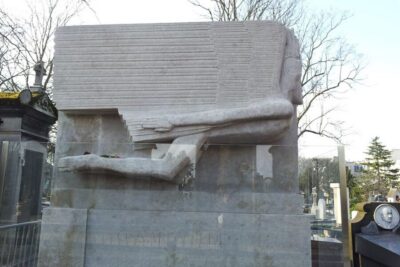
The Père Lachaise Cemetery: Guided 2-Hour Small-Group Tour
Read our review →
Browse the lists this tour appears in