
Reviewed · HISTORICAL TOURS
Strasbourg: Guided Historical Neighborhoods Walking Tour
Strasbourg’s story is easiest to understand on foot, and this tour gives you a clear route through its grand squares, old lanes, and famous riverfront quarter. I like the way it connects Place de la République and the Palais du Rhin with the half-timbered streets of Petite France, rather than treating the old town as a collection of pretty façades.
I also like the small group size, limited to 10 people, and the guide’s practical advice about restaurants, bars, coffee, and what to see next. Guides such as Davide, also referred to as David by some participants, are praised for lively storytelling and humor. The main drawback is simple: this is a 2.5-hour outdoor walk, so cold, heat, or rain can affect your comfort, and entrance to Strasbourg Cathedral is not included.
Key Points
- A clear citywide route: Start at Place de la République and finish beside Notre Dame Cathedral.
- Four major historic areas: See Neustadt, Place Broglie, Place Kléber, Grand’Rue, and Petite France.
- Strong historical focus: Learn how Strasbourg changed from its earliest settlement through modern European conflicts.
- Small-group format: With no more than 10 participants, it is easier to hear the guide and ask questions.
- Useful local advice: Expect suggestions for cafés, restaurants, bars, and places to visit after the walk.
- Good first-day choice: The route helps you get your bearings before exploring Strasbourg on your own.
Why This Strasbourg Walk Works So Well
Strasbourg can feel like several cities joined together. There is the grand, planned district built during the German imperial period, the medieval center around the Cathedral, and the canal-lined houses of Petite France. They are close enough to walk between, but each area has a different look and a different chapter to explain.
That is the strength of this route. It does not stay only in the postcard quarter. You begin in Neustadt, pass through formal public squares, move along Grand’Rue, and then reach Petite France and the Cathedral. In 150 minutes, you get a useful outline of Strasbourg’s development instead of seeing only one attractive street.
I would treat this as an orientation tour rather than a museum visit. The guide provides the setting, stories, and context. You then decide which buildings deserve a longer look, which cafés to try, and which museums or interiors to visit later.
The approach also suits Strasbourg’s complicated identity. The city has shifted between French and German control, and its architecture reflects that history. A good guide can make those changes easier to follow without turning the walk into a lecture. Davide is frequently praised for explaining historical events in a clear, humorous way, while keeping the group moving.
More Walking Tours in Alsace
- Strasbourg: Walking Tour with a Local Guide
★ 4.3 · 607 reviews - Strasbourg: Walking Tour with Local Guide
★ 5.0 · 598 reviews - Strasbourg: Traditional Food Walking Tour with Tastings
★ 4.8 · 219 reviews
Starting at Place de la République
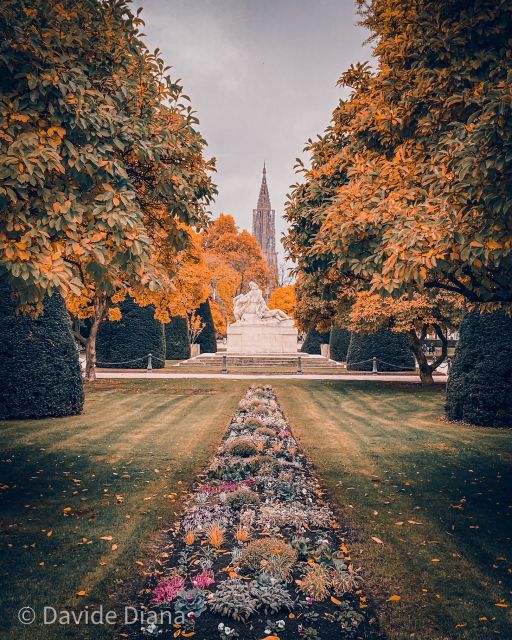
Meet your guide in the center of Place de la République, in front of the war memorial. This is a practical starting point because the square gives you room to find the group and a strong first lesson in Strasbourg’s modern past.
The square belongs to Neustadt, the district developed during the period of German rule. Its broad layout and imposing public buildings feel very different from the narrow medieval streets near the Cathedral. The tour includes the history of Place de la République and the Palais du Rhin, an important building on the square.
This opening section lasts about 30 minutes. You will spend time walking and listening, with sightseeing built into the route. It is a good place to pay attention to the city’s scale. Strasbourg’s historic center is not just a medieval village. Its later planning added wide avenues, formal gardens, and large civic buildings.
If you arrive early, use the time to identify the war memorial and wait in the open central area. In cold weather, this first stop may feel exposed. Wear a warm layer and shoes that can handle cobbled or uneven streets.
Place Broglie and Strasbourg’s Grand Public Spaces
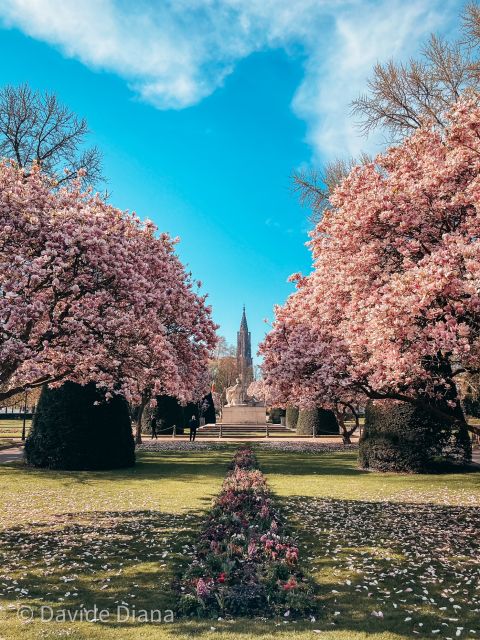
From Neustadt, the walk continues to Place Broglie for a visit of about 10 minutes. This square adds another piece to the city’s public face and helps link the imperial district with the older center.
The stop is fairly short, so do not expect a long architectural study. Its value is in the wider story. Your guide can show how Strasbourg’s main squares served different purposes and how the city’s identity changed over time.
I like this part because it keeps the tour from becoming a simple parade of famous sights. You are not only ticking off monuments. You are learning how streets and squares fit together, which makes later independent wandering easier.
The tour is delivered in English or Italian. If you are booking for a mixed-language group, check the available language before choosing a time. A small group makes questions easier, but the basic pace still needs to suit everyone.
Place Kléber and the Famous Christmas Tree
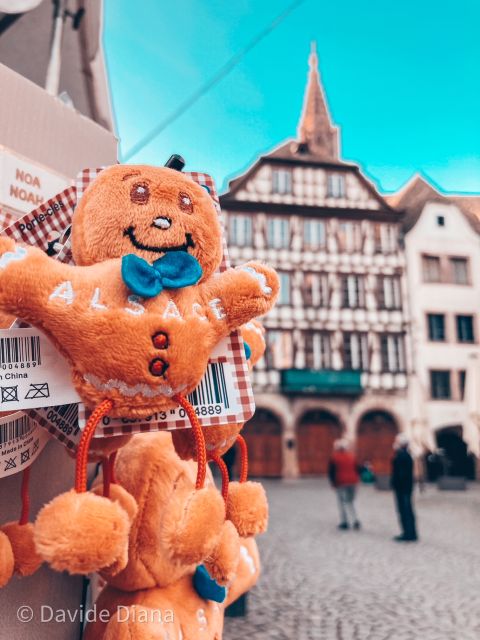
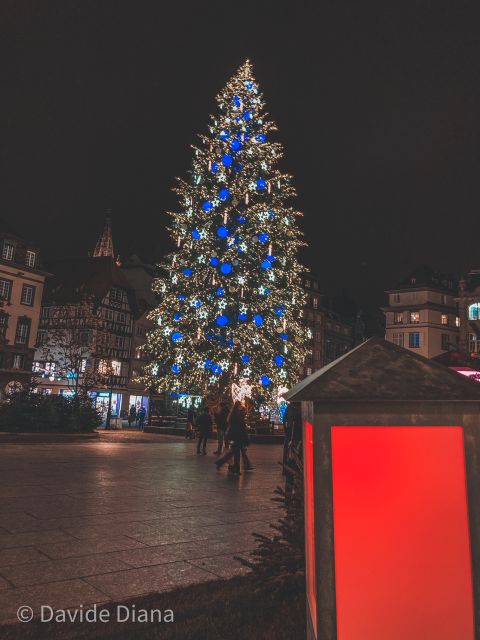
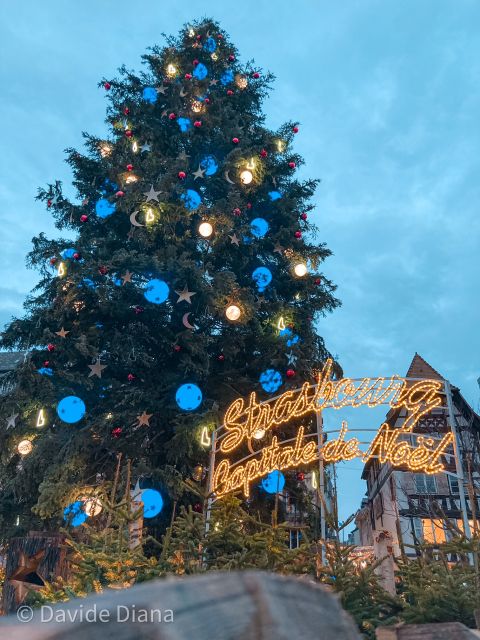
Place Kléber is the city’s central square and receives about 20 minutes of guided attention. It is one of the tour’s key stops, both for its setting and for the seasonal story connected with it.
Your guide explains the tradition of the Place Kléber Christmas tree and Strasbourg’s winter market. During the holiday season, this is especially useful context. The market is among France’s best-known Christmas markets, and understanding the square’s traditions helps you see more than lights, stalls, and decorations.
Outside the holiday period, Place Kléber still works as a useful reference point. It is a central meeting place and an easy location from which to continue exploring. The guide’s recommendations for nearby cafés, restaurants, and other sights can also help you plan the rest of your day.
Do not expect the tour to include time for shopping at the Christmas market. The emphasis is on history and local explanation. If your main goal is tasting seasonal food or browsing stalls, you will need to return separately.
More Historical Tours in Strasbourg:
- From Strasbourg: Best Of Alsace Historical Day Trip
★ 4.7 · 633 reviews - Paris: Louvre Museum Entry with History of Mona Lisa
★ 3.9 · 2,823 reviews - Paris: Dark History and Ghostly Guided Walking Tour
★ 4.7 · 1,000 reviews - Vieux Lyon Cultural & Historical Walking Guided Tour (English)
★ 5.0 · 942 reviews
Grand’Rue and the Walk Toward the Old Town
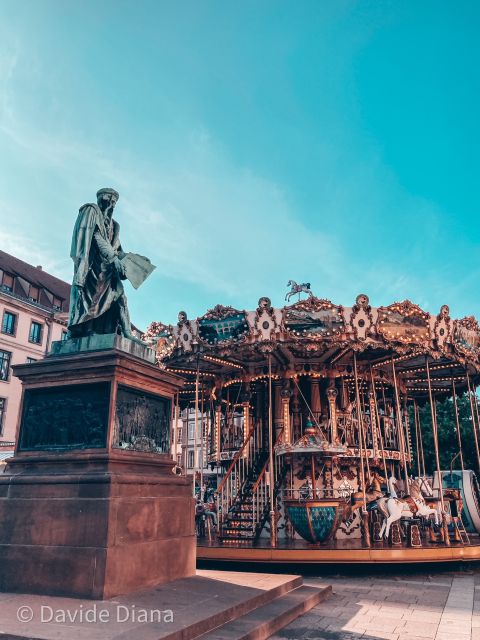
The group then follows Grand’Rue for roughly 10 minutes of guided sightseeing. This stretch helps shift the mood from Strasbourg’s grand civic spaces to its older commercial and residential streets.
A short stop here can be more useful than it sounds. Guides often point out details you might pass without noticing, and the tour’s appeal comes partly from having someone explain the buildings as you walk rather than stopping for a long speech at every corner.
The pace is described as steady and manageable. One guide was praised for keeping the group moving while still explaining the city clearly. That balance matters in Strasbourg, where narrow streets can become crowded and where standing in one place for too long can block foot traffic.
You may also get practical suggestions for where to eat away from the busiest tourist areas. Food advice is one of the recurring strengths of the experience, and it can save you from choosing a restaurant simply because it is next to the Cathedral.
Petite France and the Original Half-Timbered Houses
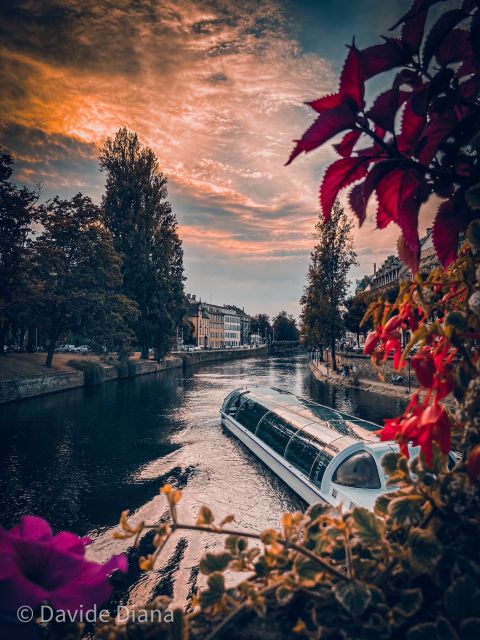
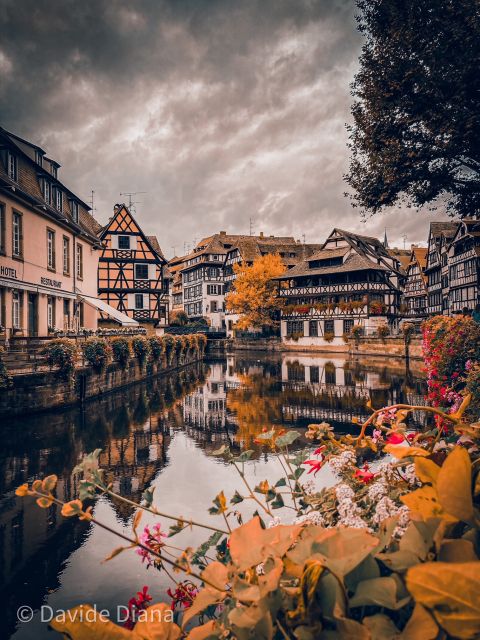
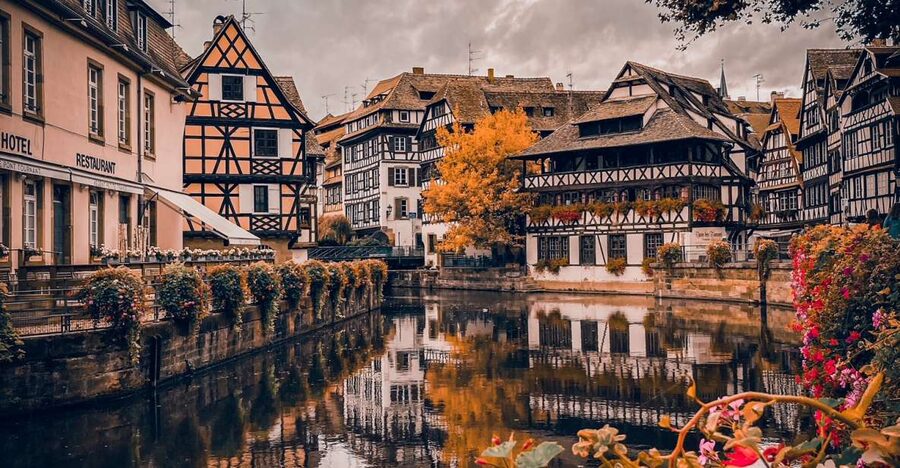
Petite France receives about 30 minutes, including a photo stop, guided sightseeing, and an explanation of the quarter’s name. This is likely the visual high point of the walk.
Here you see the half-timbered houses that many people picture when they think of Strasbourg. The canals, narrow lanes, and old façades make the quarter appealing, but the guide adds the part photographs cannot provide: how the district developed and changed over the centuries.
The name Petite France has its own story, and the guide explains it during the visit. This is also the place where a local guide is most useful. It is easy to admire the scene without understanding what you are looking at. The tour gives the houses a place in Strasbourg’s wider story.
You will have time for photographs, but this is still a walking tour, not a dedicated photo outing. If you want quiet views or carefully framed pictures, plan to return later. Petite France can be busy, and the group needs to keep moving.
The quarter is also where comfortable shoes matter most. The tour is wheelchair accessible, but street surfaces, crowds, and the need to stay with the group may still affect how comfortable the route feels. If mobility is a concern, contact the provider before booking so the current route can be confirmed.
Ending at Notre Dame Cathedral
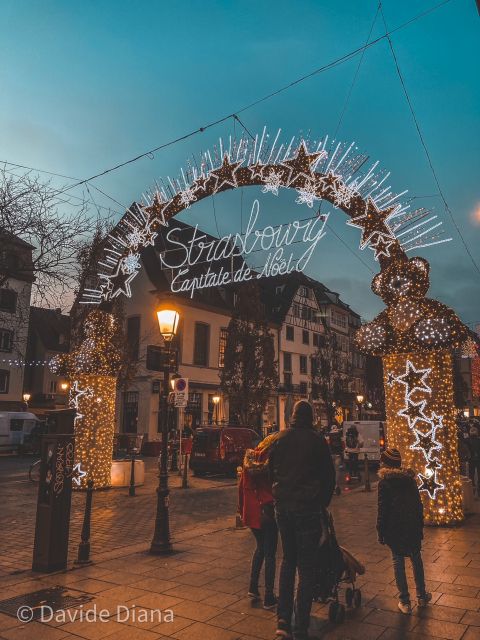
The walk finishes at Place de la Cathédrale after a guided visit of about 20 minutes around Notre Dame Cathedral. The exterior gives you a dramatic final stop, with its Rayonnant Gothic architecture and famous position at the center of Strasbourg’s old town.
The Cathedral is a landmark building, but this experience does not include entrance fees or interior access. That distinction matters. You will hear stories about the building and have time for photographs, but you should plan a separate visit if you want to go inside.
Ending here is convenient. After the tour, you can continue exploring the Cathedral area, follow your guide’s food recommendations, or return to a place that caught your eye earlier. The finish also makes the walk useful for first-time visitors because you end near one of the city’s main reference points.
The Cathedral stop is not only about architecture. It closes the historical arc that began in Neustadt. You have moved from the broad streets and civic buildings of a later period to the older heart of the city, where Strasbourg’s medieval identity is easiest to see.
How the Historical Story Is Told
The tour covers about a thousand years, from the city’s founding to contemporary wars. That is a lot of ground for 150 minutes, so you should expect a guided overview rather than minute-by-minute historical detail.
The strongest reports describe a guide who uses anecdotes, humor, and clear explanations to make difficult subjects easier to follow. That style seems particularly helpful in Strasbourg, where political changes and shifting borders can become confusing. The guide’s task is to show how those changes appear in the buildings around you.
Davide is often singled out for his energy, warmth, and ability to explain facts without making the walk feel heavy. Some feedback uses the name David or Danny, so the exact guide may vary. The consistent point is that the experience depends greatly on the individual leading the group.
I would ask questions as you go. The group limit of 10 gives you a better chance to do that than a large city tour. You can ask about the French-German connection, the Cathedral, the Christmas traditions, or places to eat later.
Pace, Weather, and Comfort
The tour runs for 150 minutes and involves continuous outdoor walking. One cold-weather experience suggested that less standing and more talking while walking would have made the morning more comfortable. That is a fair consideration, especially in winter.
Summer has its own issue. A guide has planned breaks during hotter conditions, but you should still bring water and weather-appropriate clothing. The instructions specifically recommend comfortable shoes and clothing suited to the forecast.
A café or bathroom break may occur during the route, but it is not presented as a formal included service. You should use facilities before meeting the group and avoid relying on an unscheduled stop.
Pregnant participants are listed as unsuitable for this activity. The tour is wheelchair accessible, but the route remains a walking experience through historic streets. If you need a slower pace or specific assistance, confirm the details before paying.
Is $35 a Fair Price?
At $35 per person, this is a reasonable price for a 2.5-hour small-group tour in central Strasbourg. You are paying for a live guide, a planned route through several distinct areas, and local recommendations that can shape the rest of your visit.
The value is strongest if you are new to Strasbourg or want help understanding its complicated past. A self-guided walk can show you the same squares, but it will not automatically explain why Neustadt looks different from Petite France or how the Cathedral fits into the city’s long story.
The price does not include Cathedral entry or other entrance fees. That keeps the base cost clear, but budget separately if you want to visit interiors after the walk.
Free cancellation up to 24 hours before the start and the option to reserve now and pay later add useful flexibility. Still, the real question is whether you enjoy walking and listening. If you prefer independent wandering with little commentary, $35 may be better spent on another activity.
Who Should Book This Walk?
I would recommend it most strongly for first-time visitors, couples, families with older children, and anyone who wants a quick grasp of Strasbourg before exploring alone. The route gives you the city’s main visual themes without requiring a full day.
History lovers should find plenty to enjoy, especially if you like stories about borders, wars, architecture, and changing city life. Food-focused visitors also benefit from the guide’s suggestions for restaurants, bars, and coffee.
It is less suitable if you want long interior visits, extensive time for photographs, or a relaxed stop at every square. It is also not suited to pregnant women according to the activity information. Cold or wet weather can reduce the pleasure of the walk, so check the forecast before choosing your date.
Should You Book It?
Book this tour if you want a lively historical introduction to Strasbourg and prefer learning the city by walking through it. The combination of Neustadt, Place Kléber, Grand’Rue, Petite France, and the Cathedral gives you a strong first look at the city’s different eras.
I would book it early in a Strasbourg stay, then use the guide’s restaurant and sightseeing advice afterward. Skip it if you mainly want Cathedral admission, shopping time, or a slow photography walk. For $35, the tour offers good value when what you need is context, direction, and a friendly guide who keeps the history moving.
FAQ
Where does the Strasbourg walking tour start?
The tour starts at Place de la République. You will find the guide in the center of the square, in front of the war memorial.
Where does the tour finish?
The tour finishes at Place de la Cathédrale, beside Notre Dame Cathedral.
How long does the tour last?
The walking tour lasts 150 minutes, or 2.5 hours.
What areas does the route cover?
The route includes Neustadt, Place de la République, Place Broglie, Place Kléber, Grand’Rue, Petite France, and the Cathedral quarter.
Is entry to Strasbourg Cathedral included?
No. The tour includes a guided stop and photo opportunity outside the Cathedral, but entrance fees are not included.
What languages are available?
The tour is available in English and Italian.
How many people are in the group?
The group is limited to 10 participants.
Is the tour wheelchair accessible?
Yes, the activity is listed as wheelchair accessible.
What should I bring?
Bring comfortable shoes and clothing suited to the weather.
Can I cancel the booking?
You can cancel up to 24 hours in advance for a full refund. You can also reserve now and pay later.
More Walking Tours in Strasbourg
- Paris Top Sights Half Day Walking Tour with a Fun Guide
★ 5.0 · 2,893 reviews - Montmartre Hidden Gems and Scenic Highlights Walking Tour
★ 5.0 · 2,684 reviews - Montmartre Hill French Gourmet Food and Wine Tasting Walking Tour
★ 5.0 · 2,588 reviews - Paris Île de la Cité and Notre-Dame Walking Tour With Crypt
★ 5.0 · 2,272 reviews
Just added around Strasbourg
- Capture the Magic of Strasbourg with an Exclusive Photoshoot★ 4.9 · 61 reviews
- Alsace: Full-Day Wine Tour & Tastings from Strasbourg★ 4.8 · 125 reviews
- Strasbourg: 1-Day Bike Rental★ 4.1 · 45 reviews
- Strasbourg: Traditional Food Walking Tour with Tastings★ 4.8 · 219 reviews
- Alsace Wine Route Small Group Half-Day Tour with Tasting from Strasbourg★ 4.5 · 291 reviews
- Alsace Wine Route Wineries & Tasting Small Group Guided Tour from Strasbourg★ 5.0 · 229 reviews
- From Strasbourg: Medieval Villages & Wine Tasting Day Trip★ 4.8 · 329 reviews
- Strasbourg: 1.5-Hour Guided Segway Tour★ 4.8 · 383 reviews
Historical Tours, compared.
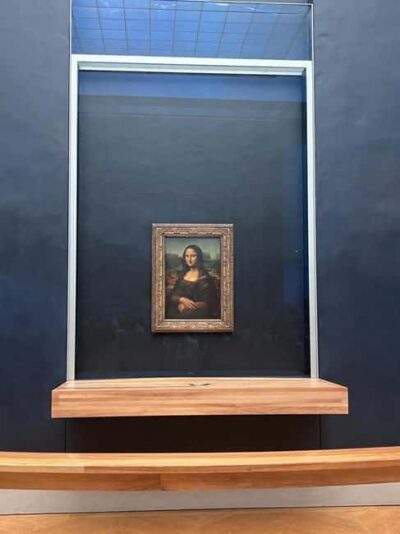
Louvre Museum Entry with History of Mona Lisa
Read our review →

Vieux Lyon Cultural & Historical Walking Guided Tour (English)
Read our review →

Toulouse Food & History Tour with a Chef (in English)
Read our review →
Small-Group Full-Day Tour of Côte de Nuits, Côte de Beaune Vineyards and Beaune Historical District
Read our review →
Browse the lists this tour appears in