Reviewed · PROVENCE TOURS
The prestige course at Maison Brotte
The best part of the Maison Brotte prestige course is its simple two-part design: you first learn how wine is made and why Châteauneuf-du-Pape matters, then taste five wines with a sommelier. The museum was created in 1972 by Jeanne Brotte, and its family story gives the visit a personal touch.
I like the self-guided audio tour, which lets you set your own pace, and the tasting, where you can ask questions instead of simply lining up glasses. Dominka has been singled out as a warm and capable host, and the staff can also offer restaurant suggestions in Avignon. The main drawback is transport: getting back from Châteauneuf-du-Pape can be difficult without planning ahead.
Key points to know before you book
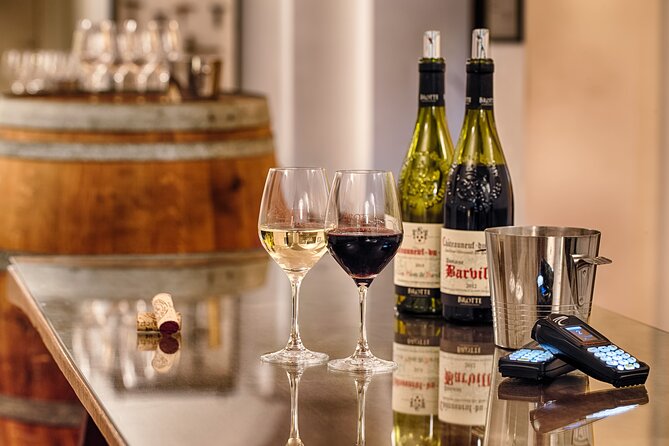
- Five wines are included: The tasting follows the museum visit and gives you a useful introduction to Rhône wine styles.
- The museum is self-guided: An audio guide explains winemaking, local vines, Châteauneuf-du-Pape, and the Brotte family.
- The visit takes about one to two hours: It fits well into a day trip from Avignon or as an extra stop on a wider wine outing.
- English is available: The experience is offered in English, and the audio guide is designed for English-speaking visitors.
- The price is modest: At $16.94 per person, the museum, audio guide, and five-wine tasting make this a strong-value introduction.
- Plan your ride home: Public transportation is nearby, but taxi and ride-hailing options around Châteauneuf-du-Pape may not be easy to find at short notice.
A family wine story in the heart of Châteauneuf-du-Pape
Maison Brotte offers a useful introduction to one of France’s best-known wine areas without asking you to commit to a long estate tour. The Brotte family has worked in wine since 1931, and the visit connects that family business with the wider story of the appellation.
That connection matters. You are not only tasting finished wine. You are also learning about the vines, the production process, and the place where the wine is made. For someone new to Rhône wine, this gives the tasting a clear frame.
The visit takes place at the Musée du Vin Brotte in Châteauneuf-du-Pape. The setting puts you close to the source of the wine, while the short format keeps the experience manageable. You can expect to spend roughly one to two hours inside the museum and tasting area.
I would think of this as an educational wine stop rather than a full-day vineyard outing. It does not promise a long walk through the vines or an extended cellar program. Its strength is the efficient pairing of a museum visit with a guided tasting.
A few more Avignon half-days worth comparing
- Provence Highlights Full-Day Tour from Avignon
★ 5.0 · 499 reviews - Chateauneuf du Pape wine tour
★ 5.0 · 484 reviews - From Avignon: Châteauneuf du Pape Half-Day Wine Tour
★ 4.7 · 365 reviews
The museum explains wine without making you study
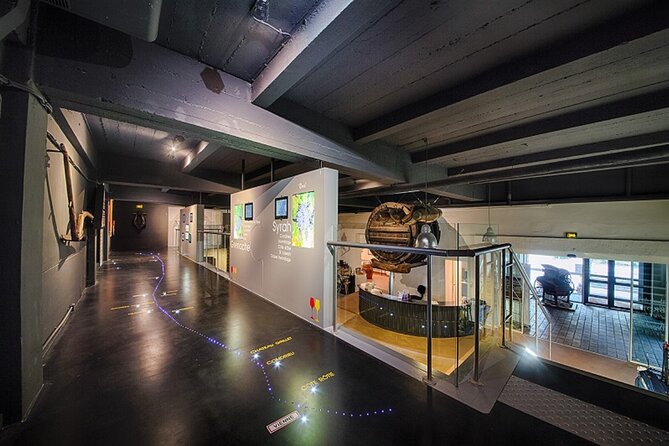
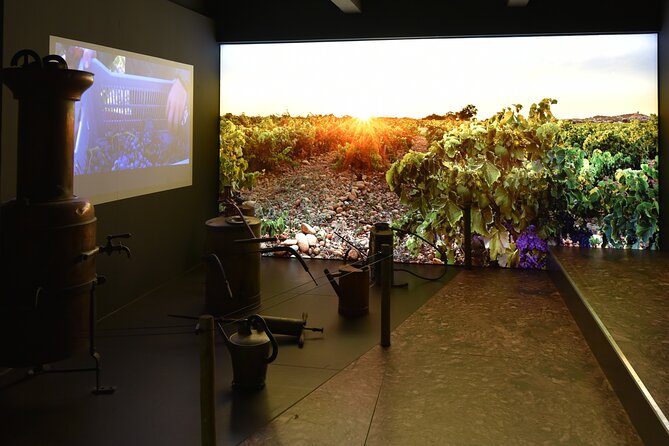
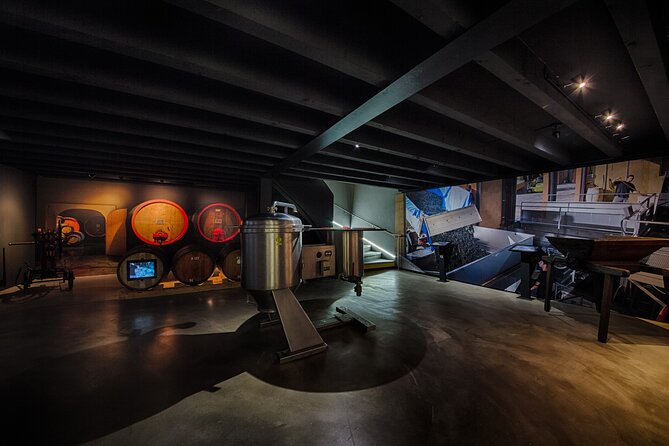
The first part is a self-guided visit through the Brotte Wine Museum. Jeanne Brotte, grandmother of the current owner, created the museum in 1972. That makes it an unusual part of the estate, since it has been explaining local wine culture for decades.
The displays cover three useful subjects: vines, wine, and the Brotte family. That broad approach helps you connect technical information with local identity. You can learn how grapes are grown, how wine is produced, and how one family built its place in Châteauneuf-du-Pape.
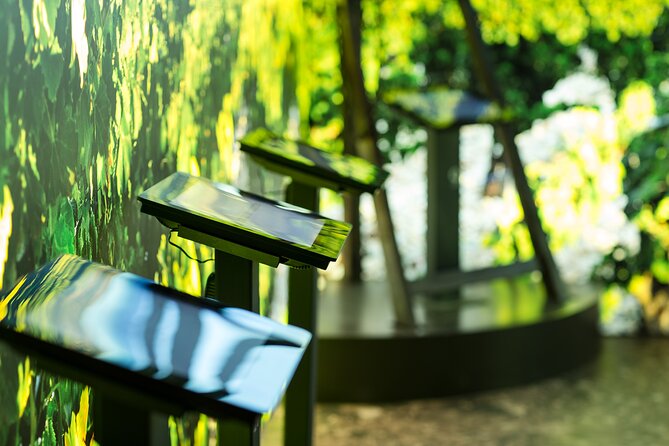
The audio guide is especially useful if you do not already know much about wine. It is available in English, and the explanations are described as clear and easy to follow. Some material gets technical, but it is presented in a way that remains approachable.
I like the freedom of this format. You are not forced to move at the same speed as a group, and you can spend more time with the parts that interest you. If you already know the basics of Rhône wine, you can keep the museum visit brisk. If the subject is new to you, you have room to listen carefully.
One point to keep in mind is that this is a self-guided museum experience. If you want a guide beside you for every display, this may feel less personal than a traditional guided tour. The live interaction comes mainly during the tasting.
What you learn about the Brotte family
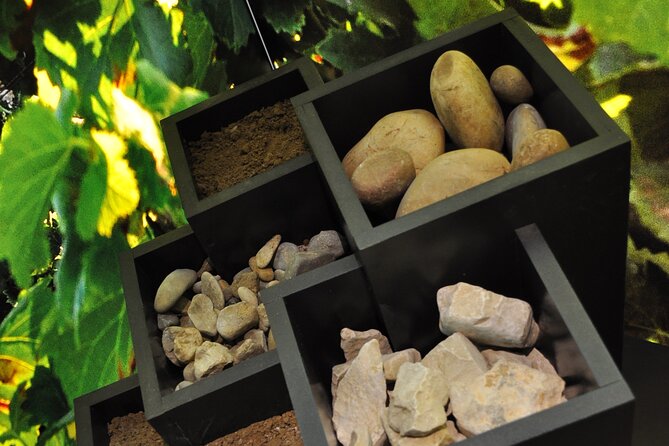
The family story gives the museum more character than a display focused only on production methods. The Brotte estate dates its wine work to 1931, while the museum itself began in 1972. Those dates help you understand that the business is more than a recent tasting room created for visitors.
You will find information about the family’s role in the local wine trade, along with material about the area and its wine. This is useful because Châteauneuf-du-Pape is not just a label on a bottle. Its name carries a strong connection to place, farming, and local tradition.
The museum also helps you understand the work behind a bottle. You may already know that grapes are harvested and fermented, but the displays explain the process in a more orderly way. That makes it easier to notice differences once the glasses arrive.
For me, this is where the visit earns its low price. A tasting alone can be enjoyable, but it can also become a quick sequence of pours. Here, the museum gives you enough background to taste with greater attention.
The five-wine tasting brings the lesson to life
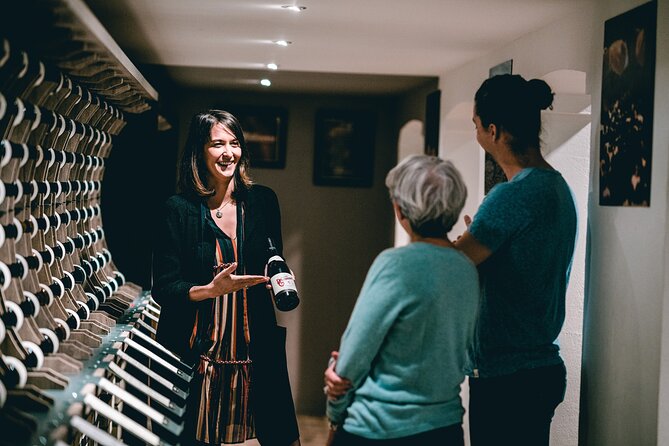
After the museum, a sommelier leads the tasting of five wines. The tasting is included in the admission price, so you do not have to add a separate fee for the most popular part of the visit.
The staff can explain the wines, answer questions, and help you think through what you are tasting. Dominka has been praised for her hosting and wine guidance, and English-speaking visitors have found it easy to communicate during this part of the experience.
You should expect a friendly, informative tasting rather than a rushed sample at a sales counter. The format gives you time to ask about the Rhône region, Châteauneuf-du-Pape, and the wines in front of you. You can use the museum information as a starting point and then ask the sommelier to clarify anything that caught your attention.
Five wines is a good number for a short visit. Two or three samples can give you a hint of a producer’s style, but five allows more comparison. You can notice differences in body, aroma, balance, and finish, even if you are still learning the vocabulary.
The tasting also leads naturally to the shop. You can purchase bottles if you find something you like, but the visit does not require you to buy anything. That makes the experience more comfortable for people who want to learn without feeling pressured.
Same trip, a completely different kind of day:
- From Avignon: Full-Day Best of Provence Tour
★ 4.7 · 338 reviews - From Avignon: Half-Day Great Vineyards Tour
★ 4.7 · 321 reviews - Provence Cru Wine Small-Group Half-Day Tour from Avignon
★ 4.5 · 290 reviews - Châteauneuf du Pape Wine Day Tasting Tour including Lunch from Avignon
★ 5.0 · 287 reviews
Why the $16.94 price works well
At $16.94 per person, the price covers the museum admission, audio guide, and tasting of five wines. That is a strong deal for anyone already planning to visit Châteauneuf-du-Pape, particularly if you want more structure than a quick stop at a shop.
The value comes from the combination. You are not paying only for five small pours. You are also getting an explanation of the local wine area, a look at the Brotte family story, and a chance to speak with an expert member of staff.
I would not judge the price by comparing it with a long vineyard excursion. This experience is shorter and more focused. If you want time in the countryside, a large estate, or a full meal with wine, you will need a different type of outing.
For a one to two-hour stop, though, the cost is easy to justify. It works particularly well as an addition to a day in Avignon or as part of a larger visit to the southern Rhône wine area.
Allow one to two hours, plus time for transport
The official duration is about one to two hours. That range depends on how long you spend with the audio guide and how many questions you ask during the tasting.
If you listen to every section and take your time with five wines, plan for the longer end of the range. If you already know wine basics, you can likely complete the museum more quickly. I would avoid scheduling another fixed activity immediately afterward.
The bigger planning issue is getting there and back. The museum is near public transportation, but transport around Châteauneuf-du-Pape can be limited. Taxi and ride-hailing services may not be available when you need them, so arrange your return before arriving.
This is especially important if you are visiting from Avignon. Staff may help you call a taxi, but it is wiser not to depend on finding a ride at the last minute. A prearranged car or clearly planned public transport connection will make the day far less stressful.
The experience accepts mobile tickets, which keeps entry simple. Confirmation is normally sent when you book, though bookings made within one hour of the start time are subject to availability and may take longer to confirm.
Who will enjoy Maison Brotte most
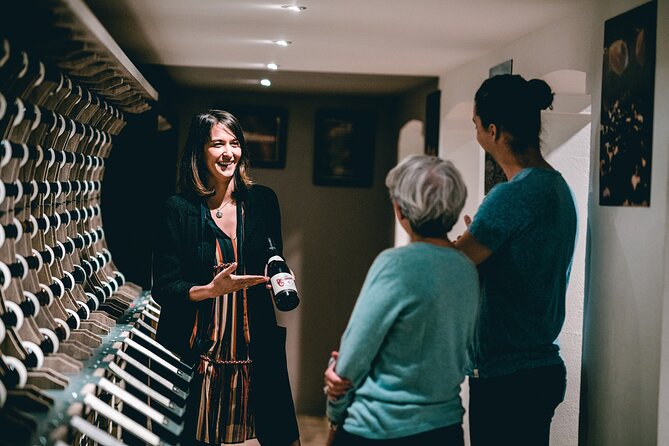
This is a good fit for you if wine interests you but you do not want a full technical course. The audio guide gives beginners a clear starting point, while the sommelier can answer more detailed questions for people who already know something about the region.
It also suits couples, small groups, and solo visitors who prefer to move at their own speed. The self-guided format avoids the pressure of keeping up with a large group, and the tasting creates a natural chance to ask questions.
Families may also find the museum easier than a long cellar visit, though the main focus is wine. Service animals are allowed, and most people can take part.
I would be more cautious if your main goal is to walk through vineyards or see every stage of production in action. The available information focuses on the museum, audio explanations, and tasting, not on an outdoor vineyard tour.
Small details that improve the visit
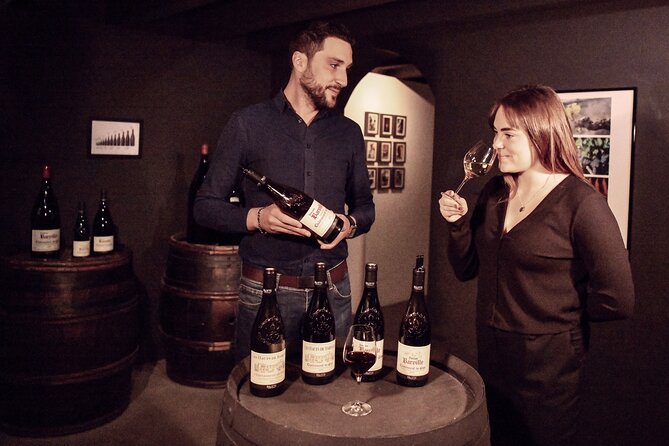
Book ahead if your schedule is tight. The experience is often reserved well before the visit date, with an average booking lead time of 19 days. That does not mean you must book that early, but it is sensible to reserve before your Rhône itinerary is fixed.
Ask questions during the tasting. The museum gives you a base, but the conversation with the sommelier is where you can make the visit more personal. You might ask about the differences between the wines, the local grape varieties, or which bottle would suit a meal you have planned.
Keep notes if you are considering a purchase. Five wines can blur together, especially if you are visiting several wineries in the same week. A quick note about the bottle you liked most can save you from guessing later.
You can also ask the staff for dining suggestions in Avignon. One staff member helped arrange a taxi and offered restaurant advice, so the tasting room can be useful beyond wine questions.
The cancellation terms are straightforward. You receive a full refund if you cancel at least 24 hours before the start time. Cancellations or changes made within 24 hours are not refunded or accepted, and the cut-off follows local time.
The final call: book it for a focused wine lesson
I would book the Maison Brotte prestige course if you want a reasonably priced introduction to Châteauneuf-du-Pape, especially when you are staying in Avignon and can plan your transport. The combination of the 1972 museum, clear English audio guide, five wines, and live tasting advice gives you real substance for a short visit.
I would skip it only if you are searching for a long outdoor vineyard tour, a private tasting, or a full-day winery program. For everyone else, it is a smart, compact stop that turns wine tasting into something more understandable and enjoyable.
FAQ
Where is the Maison Brotte prestige course located?
The experience takes place at the Musée du Vin Brotte in Châteauneuf-du-Pape, near Avignon, France.
How long does the experience take?
The visit lasts approximately one to two hours, depending on how quickly you move through the self-guided museum and how much time you spend tasting and asking questions.
How many wines are included?
The experience includes a tasting of five wines.
Is the museum visit included in the price?
Yes. Admission to the Brotte Wine Museum is included, along with the audio-guided visit and wine tasting.
Is the experience available in English?
Yes. The experience is offered in English, and the audio guide is suitable for English-speaking visitors.
Is transportation available near the museum?
The museum is near public transportation. Taxi and ride-hailing services around Châteauneuf-du-Pape may not be readily available, so arranging transportation in advance is recommended.
Can service animals take part?
Yes. Service animals are allowed.
Can I cancel for a full refund?
Yes, if you cancel at least 24 hours before the experience start time. Cancellations or changes made less than 24 hours in advance are not refunded or accepted.
Just added around Avignon
- Wine Tasting Tour at Châteauneuf du Pape★ 5.0 · 36 reviews
- Châteauneuf du Pape Wine Day Tasting Tour including Lunch from Avignon★ 5.0 · 287 reviews
- In the footsteps of Van Gogh in Provence from Avignon★ 4.5 · 102 reviews
- Lavender Route – Small-Group Day Trip from Avignon★ 5.0 · 120 reviews
- Wines from Châteauneuf-du-Pape and surrounding areas in 1/2 day★ 5.0 · 96 reviews
- Truffle Hunting in Provence★ 5.0 · 55 reviews
- Van Gogh & Carrières de Lumières Half-Day Tour from Avignon★ 4.5 · 29 reviews
- Nimes, Uzes & Pont du Gard Small Group FULL DAY Tour from Avignon★ 4.5 · 187 reviews
Provence Tours, compared.
Marseille: City Sightseeing Hop-On Hop-Off Bus Tour
Read our review →
Sea trips Scandola Girolata and Calanches de Piana
Read our review →
3.5 Hour Camargue 4×4 Safari from Le Grau-du Roi
Read our review →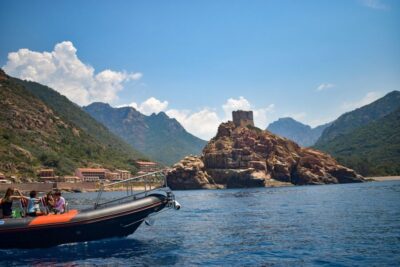
Porto: Scandola and Calanches of Piana Boat Trip
Read our review →