Reviewed · WINE TOURS
Unusual visit & Tasting of our organic wines
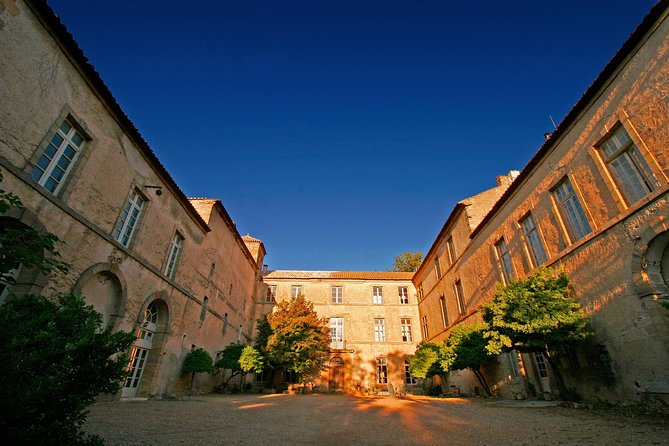
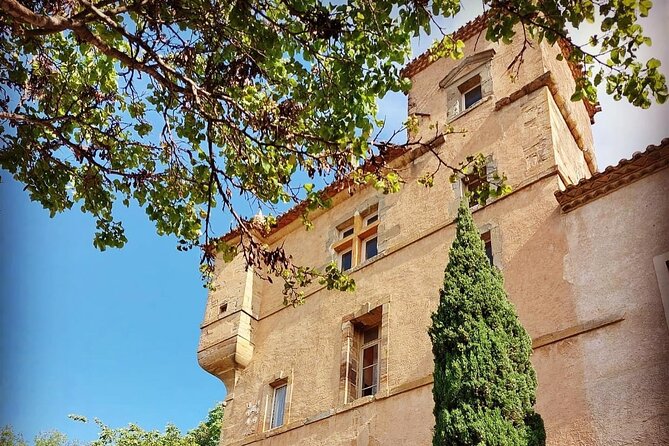
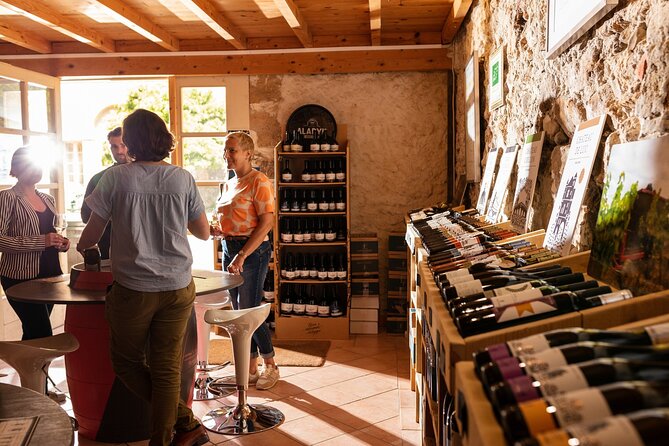
Château de Luc offers more than a quick wine sample. You enter a working family estate where the Fabre family has lived and made wine for 14 generations, then move through a 15th-century underground cellar and a 17th-century kitchen before tasting five organic wines.
I like the private format, which lets you go at your own pace, and the setting, where old domestic rooms and winemaking spaces are part of the same visit. The main drawback is getting there without a car. From Carcassonne, a train and taxi are possible, but they take more planning than a simple drive.
Key points
- Fourteen generations of Fabre family life: The château remains inhabited by the family connected to the wine estate.
- A 15th-century underground cellar: The visit includes a genuine old cellar rather than only a modern tasting room.
- A 17th-century Grande Cuisine: This former grand kitchen adds a household and architectural side to the wine visit.
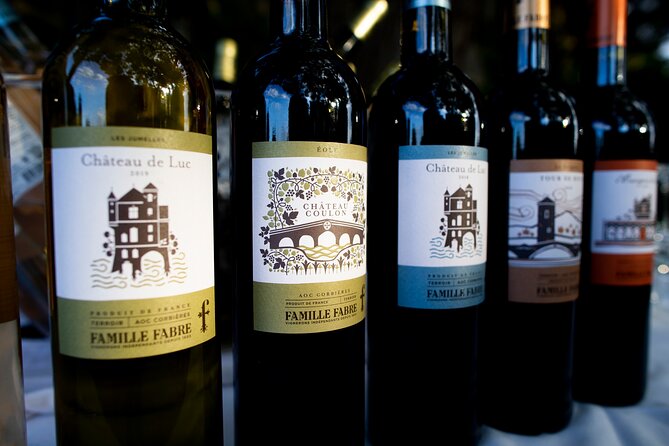
- Five organic wines: The tasting features Fabre family wines made at the estate.
- Private and self-paced: Only your group takes part, with time for questions about vineyards, winemaking, food, and nearby sights.
A family château with wine in its walls
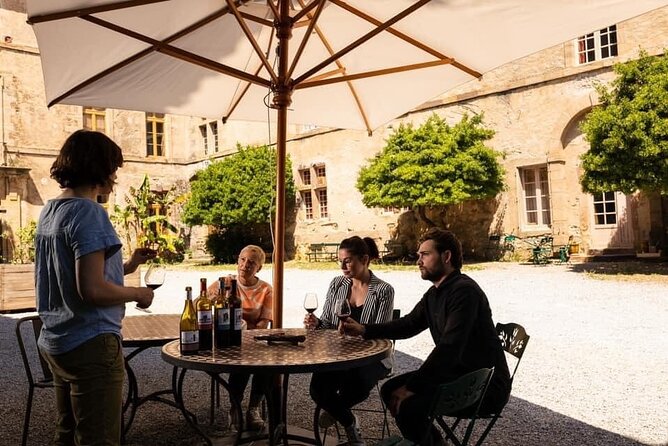
At Château de Luc, the wine story begins before the first glass. The Fabre family has been tied to the estate for 14 generations, and the château is still inhabited by the family. That gives the visit a personal scale that you will not get from a large commercial winery.
The experience takes place at 1 Av. Jean Moulin in Luc-sur-Orbieu, in the Aude area of southern France. You meet at the château itself, not at a separate visitor center or distant vineyard office. From there, the visit moves through historic parts of the property before ending with wine tasting in a converted stable.
I like that the family connection is not treated as a short introduction and then forgotten. It shapes the whole visit. You see where earlier generations worked and lived, then taste wines still made by the same family business.
The setting also makes this a good choice if you want more than a standard tasting counter. You will learn about wine, but you will also see pieces of a lived-in château and the working spaces connected to its past.
More Wine Tours in France:
- Paris: Moulin Rouge Cabaret Show Ticket with Champagne
★ 4.7 · 16,088 reviews - Authentic Parisian Gourmet Food Tour with 10 Local Dishes & Wines
★ 5.0 · 4,754 reviews - Loire Valley Castles Day Trip from Paris with Complementary Wine
★ 4.5 · 3,907 reviews
The 15th-century cellar comes first
One of the strongest parts of the visit is the underground cellar dating from the 15th century. A cellar of this age gives the tour a physical sense of time. Instead of hearing only about old winemaking traditions, you are taken into a space that has been part of the estate for centuries.
The cellar is also a useful reminder that wine estates are built around practical rooms. Cool underground storage, thick walls, and work areas mattered long before modern tasting rooms appeared. Your guide can answer questions about how the vineyard is managed and how the wine is made, so this is a good moment to ask about the link between the old building and current production.
The information provided does not give a detailed account of the cellar’s layout, lighting, or stairs. If you have mobility concerns, ask the Château de Luc team before booking. The activity is described as suitable for most people, but that broad statement does not explain every physical feature of the historic rooms.
Because this is a private visit, you should have more freedom to pause and ask questions than you would on a large scheduled group tour. You can focus on the building, the wine, or both.
The 17th-century Grande Cuisine
The next major stop is the château’s 17th-century Grande Cuisine. The name points to a large historic kitchen, and it brings a domestic side to the estate that many wine visits leave out.
Here, the story shifts from cellar work to family life. The kitchen helps you picture the château as a household, not simply as a place where wine is produced. Since the Fabre family still lives at the property, the visit connects the old rooms with a continuing family presence.
I find this part especially useful for anyone who enjoys historic houses but does not want to spend a full day in a formal museum. You are not only looking at architecture. You are hearing how the estate functions as a family home and wine business.
The exact furnishings and displays are not specified, so you should not book this expecting a fully staged period interior. The appeal is the combination of an old kitchen, a living family property, and a wine estate that remains active.
Five organic wines in a former stable
After the historic rooms, you reach the tasting cellar. It is installed in a former stable, another practical space given a new role. The change from stable to tasting room suits the tone of the visit: old parts of the estate continue to serve the family business in a different way.
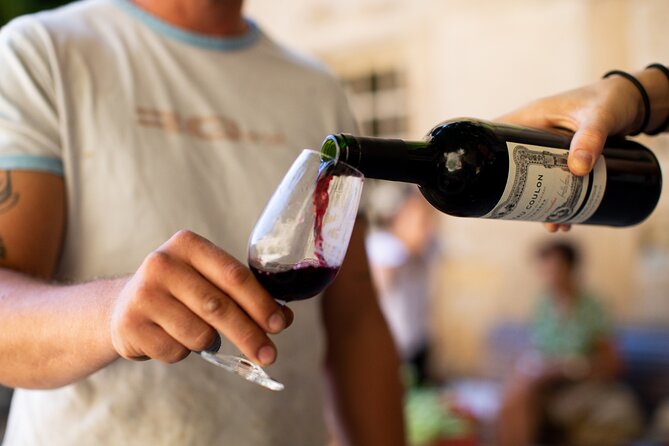
The tasting includes five organic wines from the Fabre family range. The wines are the central sample menu, so you should expect the tasting to focus on the family’s own production rather than a broad comparison of bottles from different producers.
The organic approach also gives you a useful subject for questions. Ask how the vineyard is managed, what organic production means at this estate, and how vineyard decisions affect the finished wine. The information provided does not list the individual wines, grape varieties, vintages, or tasting notes, so the selection may vary.
This is not a meal. The listed menu is Fabre family wines, and no food pairing is specified. If you want a full lunch or dinner, ask the team about their favorite places to eat nearby. They are also happy to suggest local sites and places for a good meal.
Same trip, a completely different kind of day:
- Paris: Louvre Museum Timed-Entrance Ticket
★ 4.6 · 71,977 reviews - Disneyland® Paris 1-Day Ticket
★ 4.6 · 49,412 reviews - Paris: Versailles Palace and Gardens Full Access Ticket
★ 4.6 · 41,579 reviews - Paris: Evening River Cruise with Music
★ 4.4 · 22,721 reviews
Why the private format matters
The activity is private, meaning only your group participates. That is valuable for a wine visit because people often arrive with very different levels of interest. You might want a quick explanation of organic production, while someone else in your group may want to ask detailed questions about fermentation or vineyard care.
The private setup also makes the one-hour duration more useful. A large group can spend time waiting for everyone to gather or hear the same question several times. Here, the pace belongs to your group. You can give more attention to the cellar, the kitchen, or the wines according to your interests.
The tour is described as self-paced, but it is still approximately one hour. Do not expect a long vineyard walk, a full day at the château, or a broad food-and-wine program. This is a compact visit with a clear sequence: historic cellar, historic kitchen, then five organic wines.
English, French, and Spanish are spoken. That makes the experience practical for international visitors, and it gives mixed-language groups a better chance of following the explanations. The available booking information does not identify individual guides by name.
Getting to Luc-sur-Orbieu
The meeting point is Château de Luc, 1 Av. Jean Moulin, 11200 Luc-sur-Orbieu, France. The activity finishes back at the same location, so you do not need to arrange a separate end point.
A car will make the visit simpler, especially if you are combining it with other villages, vineyards, or food stops in the area. If you are based in Carcassonne and do not have a car, public transport is still possible. A train followed by a taxi can work, but you should allow time for the connection and plan the return journey before setting out.
This transport point matters because the tour lasts only about an hour. A long transfer can make the visit feel like a bigger outing than its short schedule suggests. On the other hand, the château can fit well into a day focused on wine and villages around the Aude.
The activity is booked an average of 16 days ahead, which suggests that advance planning is sensible, especially if your schedule is fixed. Confirmation is provided at booking, and a mobile ticket is accepted.
The price and what you receive
At $14.42 per person, this is a modestly priced wine experience. The value comes from the mix of five organic wines, a private format, and access to three distinct parts of the property: the underground cellar, the Grande Cuisine, and the former stable tasting room.
Many tastings charge a similar amount for a flight of wines alone. Here, the wine is paired with a family estate visit and a look at historic rooms. That makes the price appealing if you want context for what you are drinking.
Still, keep the scope in mind. The visit lasts about one hour, and no meal, vineyard transport, or extended countryside walk is included. You are paying for a compact introduction to one family’s estate and wines, not a full-day wine course.
For a couple or small group already in the area, I consider the price fair. It is especially good value if you care about old buildings and family stories as much as the wine itself.
Who will enjoy this visit most
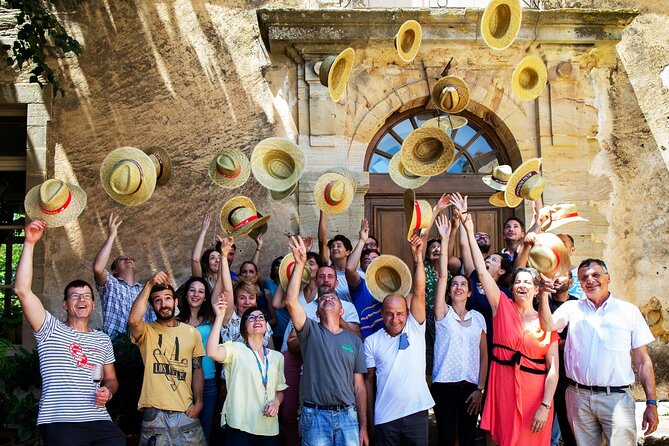
I would recommend Château de Luc to several kinds of visitors:
- Wine beginners: You can taste five wines and ask basic questions without committing to a long specialist program.
- Wine enthusiasts: The private format gives you room to ask about organic vineyard management and winemaking.
- History and architecture fans: The 15th-century cellar and 17th-century kitchen add substance beyond the tasting.
- Families: A games corner for children is available, which can make the visit easier for parents. Children do not need to be interested in wine to find something to do while adults taste.
- Small private groups: The pace and questions can match your group rather than a fixed large-party script.
- Visitors without a car: The visit is possible from Carcassonne by train and taxi, though you should plan the route carefully.
I would be less likely to choose it if you want a long vineyard hike, a full meal, detailed bottle-by-bottle tasting notes in advance, or a full-day wine program. Those features are not part of the information provided.
Practical details before you book
The tour is offered in English, French, and Spanish. A mobile ticket is accepted, and confirmation arrives when you book. Service animals are allowed, and the activity is described as suitable for most people.
The free cancellation rule is straightforward: cancel at least 24 hours before the local start time for a full refund. Changes or cancellations made inside that 24-hour window are not accepted for a refund.
Since the historic rooms may have features that are not fully described, contact the provider if you need specific access information. The general note that most people can participate should not replace a direct question about your own needs.
You can also use the visit as a starting point for the area. The family is happy to answer questions about nearby places to see and places to eat. That local advice may be as useful as the tasting if you are building a wider day around Luc-sur-Orbieu.
Should you book Château de Luc?
Book it if you want a personal, affordable wine visit with a real family setting. The strongest reasons are the 14-generation connection, the 15th-century underground cellar, the 17th-century Grande Cuisine, and the private tasting of five organic wines.
The main question is transport. If you already have a car, the one-hour visit is easy to add to your plans. Without one, the train and taxi route from Carcassonne is workable but needs care.
For the price, you receive more than five samples. You get a compact look at how a French wine estate can function as both a family home and a working business. If that combination suits your interests, Château de Luc is a sensible booking.
FAQ
Where does the Château de Luc wine visit start?
It starts at FAMILLE FABRE au CHATEAU DE LUC, 1 Av. Jean Moulin, 11200 Luc-sur-Orbieu, France.
Where does the activity end?
The visit ends back at the meeting point at Château de Luc.
How long does the experience last?
The visit lasts approximately one hour.
How many wines are included?
You taste five organic wines from the Fabre family.
What historic areas are included?
The visit includes a 15th-century underground cellar and the château’s 17th-century Grande Cuisine.
Is the tour private?
Yes. Only your group participates.
Which languages are spoken?
English, French, and Spanish are spoken.
Can I cancel for a full refund?
Yes. You can cancel at least 24 hours before the local start time for a full refund. Cancellations or changes made less than 24 hours before the start are not accepted for a refund.
Just added around France
- Paris at the First Lodges – Ducasse sur Seine dinner cruise★ 4.0 · 165 reviews
- Paris at the First Lodges – Ducasse sur Seine Lunch Cruise★ 4.5 · 70 reviews
- Disneyland® Paris 1 Day with Round-Trip Train Tickets from Paris★ 4.0 · 50 reviews
- Explore speakeasies and hidden bars, sip meet & socialize★ 4.5 · 47 reviews
- Disneyland® Paris Express Shuttle with Admission Ticket from Central Paris★ 3.5 · 172 reviews
- Paris Cheeses and Wines Tour de France with Tasty Games★ 5.0 · 32 reviews
- Musée Orsay Highlights Tour – Best of Impressionism & Hidden Gems★ 5.0 · 27 reviews
- Private Tour: Discover Paris with Local, 3 hours on a Segway★ 5.0 · 71 reviews
Wine Tours, compared.
Moulin Rouge Cabaret Show Ticket with Champagne
Read our review →
Authentic Parisian Gourmet Food Tour with 10 Local Dishes & Wines
Read our review →
Loire Valley Castles Day Trip from Paris with Complementary Wine
Read our review →
River Garonne Cruise with Glass of Wine and Canelé
Read our review →
Montmartre Hill French Gourmet Food and Wine Tasting Walking Tour
Read our review →
Montmartre Cheese, Wine & Pastry Guided Walking Tour
Read our review →