
Reviewed · DESSERT TOURS
Paris: Macarons Class, Teatime and To-Go Box
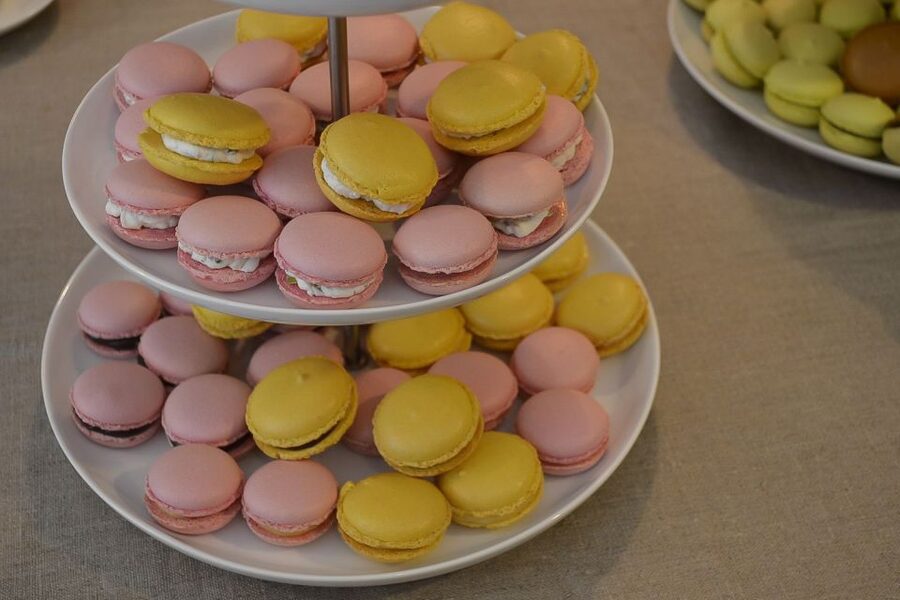
Making macarons is less about stirring ingredients than mastering small details. At Le Foodist on Rue Cardinal Lemoine, you’ll learn the Italian meringue method, pipe your shells, add color, and prepare a filling before sitting down to tea with your results. I like the intimate class size and the fact that you do real hands-on work rather than simply watch a demonstration.
I also like the practical finish: you receive recipes in English and a box of your own macarons to take away. Instructors can include Anne, Fanny, Luc, Frédéric, Amanda, Florence, Anna, Hugo, and Stéphane Jimenez, whose background has included work as head pastry chef at French Laundry. The main caution is that children under 12 cannot participate, and only paying participants can work in the kitchen.
Key points to know before booking
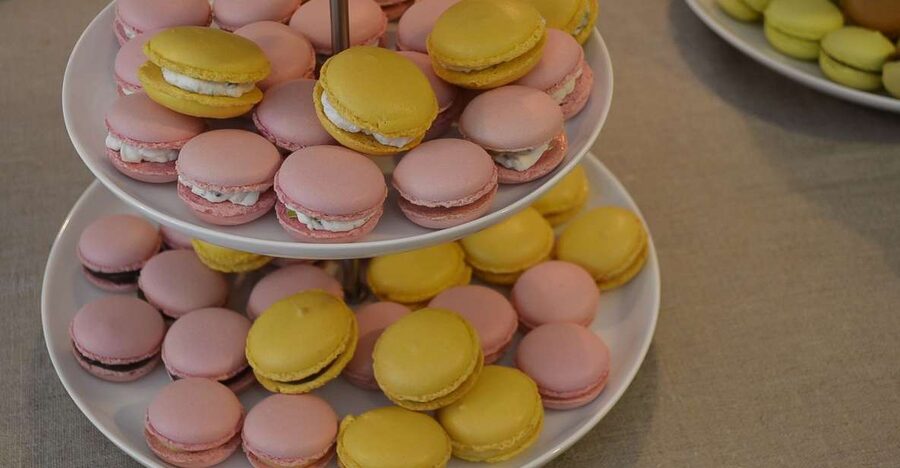
- The Italian meringue method: You’ll learn the more technical method, prized here for being harder to master but more reliable once understood.
- A genuinely hands-on class: You pipe shells, add color, and make a ganache or curd filling instead of simply watching a pastry chef.
- A small group of up to six: The format allows the instructor to correct technique and answer individual questions.
- Teatime is part of the lesson: Tea, coffee, fruit juice, stories, and some of your macarons follow the baking work.
- You take home your results: The class includes a box of macarons plus printed and electronic recipes.
- A good activity for teens: Children from 12 to 16 may attend with a participating adult, but there is no childcare.
Why this Paris macaron class works
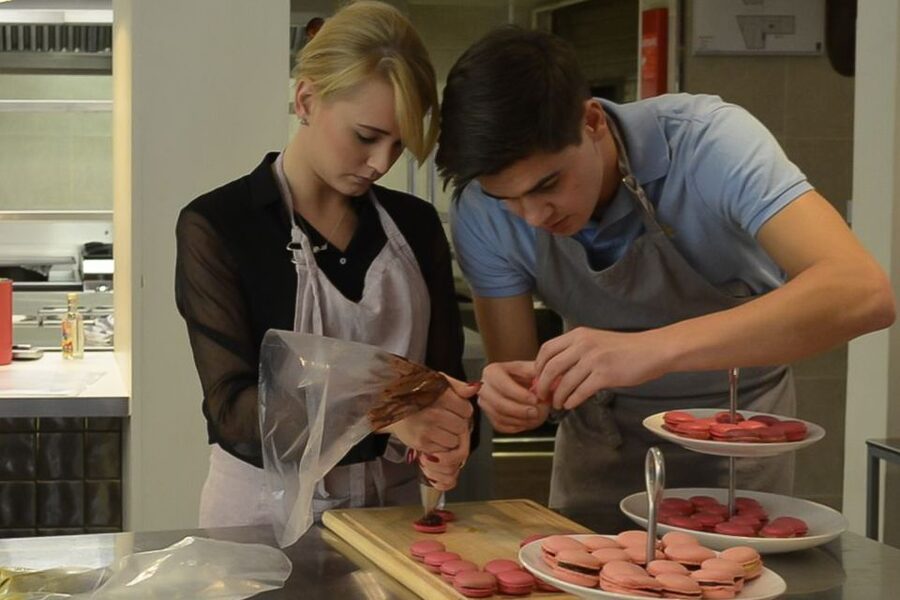
Paris has no shortage of pastry shops, so paying $152 for macarons may seem odd at first. You can buy a beautiful box from a famous pâtisserie for far less effort. The value here is not the cookie alone. You are paying for instruction, kitchen access, equipment, an apron, a three-hour social activity, tea, recipes, and enough macarons to enjoy later.
I see this as a good choice for someone who wants to understand how French pastry is made, not just eat it. Macarons have a reputation for being fussy, and that reputation is deserved. The shells need the right texture, the batter must be handled properly, and piping takes a steady hand. A skilled instructor can show you what the mixture should look like at each stage, something a recipe cannot fully explain.
The class is held in English, which makes the technical parts easier to follow. You can ask questions as you work, and the limited group size matters here. With as many as six participants, the instructor has a reasonable chance to notice if your piping is uneven or if your mixture needs more attention.
The clearest strength of the class is its balance of instruction and fun. The setting is serious enough to teach useful baking skills, but the format is relaxed. The instructors are expected to keep the mood light, and several have been praised for patience, humor, and individual attention. That combination is especially useful if you are a complete beginner.
More pastry and chocolate tours in Paris:
- Paris: Day or Sunset Cruise with Drink, Ice Cream or Dessert
★ 4.4 · 4,225 reviews - Paris: Montmartre Cheese, Wine & Pastry Guided Walking Tour
★ 4.8 · 2,255 reviews - Award-Winning Paris French Bakery Experience — Le Marais, 4th Arr
★ 4.5 · 1,186 reviews
Arriving at Le Foodist on Rue Cardinal Lemoine
The meeting point is Le Foodist, at 59 Rue Cardinal Lemoine in the 5th arrondissement. This puts you in the Latin Quarter, a handy part of Paris for pairing a food class with other sightseeing. You should allow time to find the entrance and arrive ready to start. One past participant found the street slightly difficult to locate, so do not leave this until the last minute.
The class lasts three hours, although about two hours are devoted to the macarons themselves. The remaining time includes teatime, tasting, stories, and packing your treats. Starting times vary, so you need to check the available slot when booking.
The kitchen is equipped for the class, and an apron is supplied. You do not need to bring cooking equipment. That makes this a particularly easy activity to fit into a Paris schedule, since you can arrive from sightseeing without carrying baking supplies or worrying about cleanup afterward.
Only participating students can enter the kitchen. This rule matters for families. An adult who wants to watch or help without taking part may not be able to remain in the working area. If you book places for several family members, make sure each person who wants kitchen access is registered as a participant.
The first task: building the macaron shells
The class begins with the shell mixture. The focus is the Italian meringue technique, which uses a cooked sugar mixture with whipped egg whites. It is generally more demanding than the French method, but the class presents it as the more dependable approach for consistent macarons.
That is a useful choice for a lesson. A simpler method might get you through one afternoon, but learning a sturdier technique gives you a better chance of repeating the results at home. You will see how the ingredients come together and how the texture changes as you work the batter.
The instructor demonstrates each stage, then gives you detailed directions for your own work. You will learn to incorporate color into the shells and pipe them onto the baking surface. Piping is one of the most valuable parts of the lesson because it affects both appearance and size. The goal is not just to make something tasty. You are learning how to produce shells that look like macarons should look.
Do not expect the class to feel passive. Participants have described working steadily for much of the two-hour baking portion. That is good news if you want a real workshop, but it may surprise anyone expecting a leisurely cooking demonstration. You will be measuring, mixing, piping, and following instructions in sequence.
The instructor’s presence makes a large difference. Anne, Fanny, Luc, Amanda, Florence, Anna, and Hugo have all led sessions at different times, and individual accounts consistently single out patience and clear explanations. Stéphane Jimenez has also taught the class, bringing a professional pastry background and a reputation for giving each student time to correct mistakes.
Making the filling and learning to pipe
Once the shells are underway, you work on a filling. Depending on the class, this can be a ganache or a curd. The filling gives you another useful lesson because macarons are built from several separate parts. Even if your shells look good, the final result depends on how the filling is prepared and applied.
You will learn how to pipe the filling into the shells and assemble the macarons. This is the point when the project begins to look less like a baking exercise and more like the polished pastry sold in Paris shops. It is also where you can see why small variations in technique matter.
The class is suitable for beginners. You do not need to arrive with professional baking skills, and the instructor guides the group through the process. If you are already an experienced baker, you may not learn every basic kitchen principle from scratch, but the macaron-specific method should still give you something useful to take home.
I would not book this expecting perfect results without paying attention. The price includes coaching, but it does not remove the need to follow directions. A participant who wants to take photographs, wander away, or let someone else do the technical work may not get the full benefit. The class is at its best when you take part from start to finish.
Some families have divided the work, with adults assisting younger participants. That can be enjoyable, but it creates a small value question if one adult has paid for a place and does not make a separate batch. Since only participants work in the kitchen, clarify your group’s expectations before booking.
A few more Paris half-days worth comparing
- Paris: Louvre Museum Timed-Entrance Ticket
★ 4.6 · 71,977 reviews - Disneyland® Paris 1-Day Ticket
★ 4.6 · 49,412 reviews - Paris: Versailles Palace and Gardens Full Access Ticket
★ 4.6 · 41,579 reviews - Paris: Evening River Cruise with Music
★ 4.4 · 22,721 reviews
Teatime with macarons and French stories
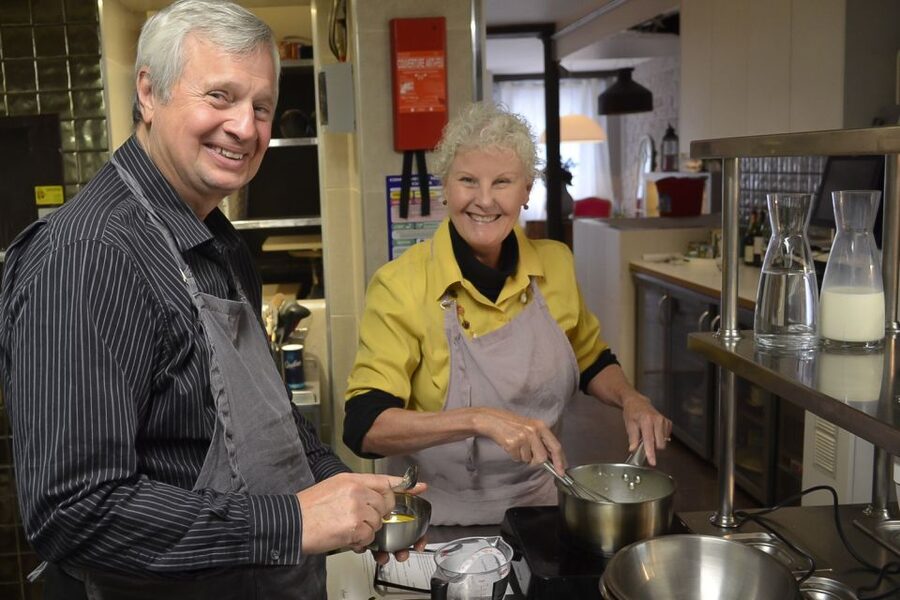
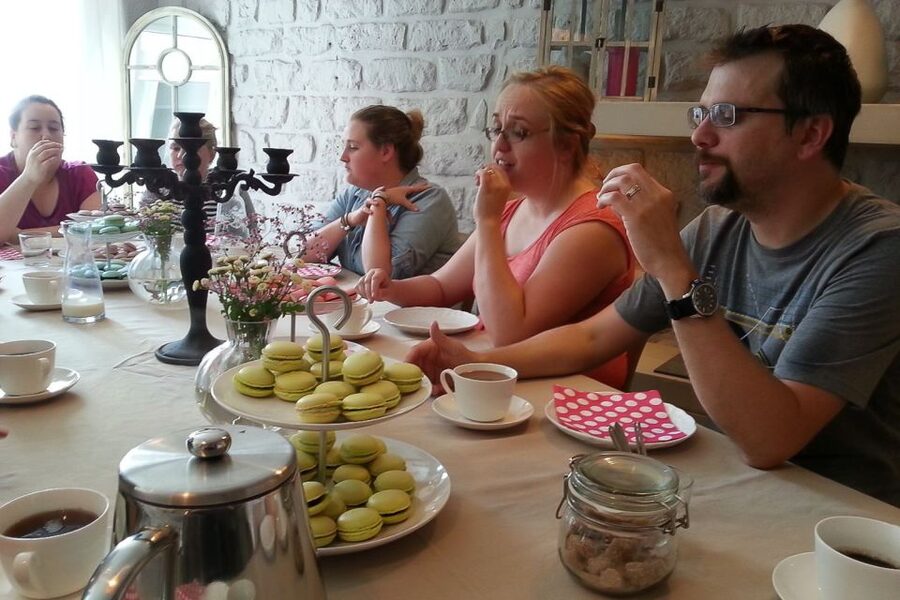
After the baking work, you sit down for teatime. Tea, coffee, and fruit juices are provided, along with a selection of the macarons you have made. This pause changes the rhythm of the class. You move from concentrating on measurements and piping to enjoying the food in a more social setting.
The instructor uses this time to explain the story of the macaron and share a few observations about French culture. The tone can be playful and tongue in cheek, which keeps the cultural part from becoming a lecture. I like this addition because it gives the pastry a place in French food culture rather than treating it as a stand-alone recipe.
Teatime also lets you see the final results before packing them away. You can compare the texture of the shells, the filling, and the effect of your piping. If your macarons are not perfectly uniform, that is part of the lesson. The ones that look less polished can still taste excellent.
The social side is worth considering. You are working alongside a small group, often with people from different countries. Past sessions have included couples, families, teenagers, and solo participants. If you enjoy meeting people during a class, this setup should suit you. If you prefer a private lesson, the shared format may feel less personal, though the small group keeps it manageable.
Taking home a box of your own macarons
The class ends with a practical souvenir: a box of macarons you made yourself. The quantity can be generous. Several participants have described taking home a large box, and some families have had enough to share with friends and relatives.
That takeaway helps justify the price, but it is not the only reason to value the class. The important difference from buying macarons is that you leave with a method. The recipes come in English in both hard copy and electronic form, so you can refer to them later and make notes during the lesson.
One participant specifically appreciated receiving the recipe during the class, while another wished the printed version included more of the chef’s personal tips. That is a fair distinction. You will receive the recipe, but the instructor’s demonstrations and corrections are part of what you are paying for. Take notes when the chef explains texture, piping, or common mistakes.
Macarons are delicate, so think about when you schedule the class if you plan to carry the box around Paris afterward. The provided information does not specify special transport packaging or storage arrangements. I would treat the box as a same-day food souvenir rather than something to leave in a hot vehicle or carry through a full day of sightseeing.
Who will enjoy the three-hour format
This is a strong fit for first-time bakers, couples, families with teenagers, and anyone looking for a break from museums and monuments. The class gives you a clear project, plenty of participation, and an edible result. It also works well for a parent and child because the task is creative without requiring advanced cooking experience.
Teenagers from 12 to 16 may participate when accompanied by a participating adult. Children under 12 cannot join, and there is no crèche or childcare facility. That makes the age rule important for families with younger children. You cannot bring a small child along and expect the child to wait in the kitchen area.
The experience is also a good match for food-focused visitors who want more than a market walk or restaurant meal. You learn a classic French pastry technique and hear stories about its place in French culture. The English instruction removes much of the language barrier during the technical stages.
I would think twice if your schedule is already packed. Three hours is a substantial block of a Paris day, and the baking portion requires steady attention. It is not a quick drop-in activity. The class earns its time by offering instruction and a finished product, but you should choose it because you want to bake, not simply because macarons are popular.
Is $152 a fair price?
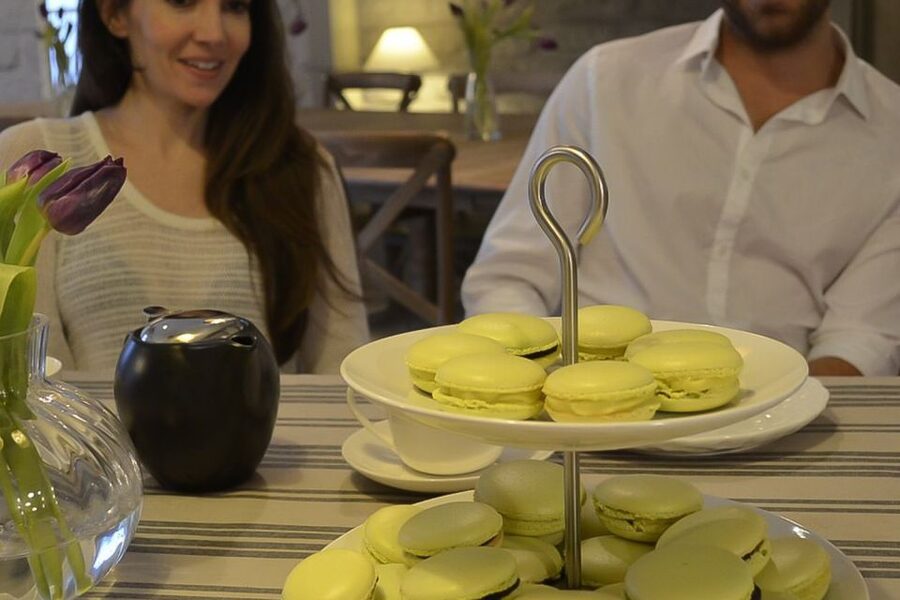
At $152 per person, this is not a budget food activity. The value depends on how you measure the purchase. If you only want the lowest-cost way to eat macarons, a pastry shop wins. If you want a small-group class with an instructor, equipment, an apron, drinks, stories, recipes, and a takeaway box, the price is easier to defend.
The group limit is important. A large cooking class can leave you watching from the back or waiting for access to the equipment. Here, the maximum of six gives you more direct contact with the chef. That is especially valuable for piping and batter consistency, where a quick correction can save an entire tray.
The included takeaway also has practical value for a family or couple. You are not leaving with one sample each. The amount has often been enough to enjoy during the next few days or share at home. Still, do not book solely for the food. Your result depends on your work, and the class is an activity rather than a guaranteed professional pastry box.
Free cancellation up to 24 hours before the start gives you some flexibility, and the reserve-now, pay-later option can help when your Paris schedule is still changing. Check the available starting times and the current price before booking, since those details can change.
Small details that make the class better
Wear something you can work comfortably in, even though an apron is provided. You will be active for much of the baking section, and the class is more enjoyable when you are ready to participate rather than protect an overly formal outfit.
Arrive early enough to find 59 Rue Cardinal Lemoine. The street can be easy to miss if you are hurrying. Since the group begins together, a late arrival could mean missing the opening instructions, which are important for a technical recipe.
Bring a phone or small notebook if you want to record the chef’s tips. The printed and electronic recipes are useful, but personal notes can capture the texture cues and small corrections that are difficult to reproduce from a recipe alone.
If you are booking for a family, count the people who truly want to bake. Each child from 12 to 16 needs a participating adult, and only participants enter the kitchen. An adult who pays but acts only as a helper may not get a full individual workstation or personal batch.
Should you book this Paris macaron class?
Book it if you want an active food experience, especially if you are a beginner, traveling with a teenager, or curious about the technique behind a classic French treat. The strongest reasons are the small group, the patient instruction, the Italian meringue method, and the box of macarons you take away.
Skip it if your main goal is a cheap dessert, a private lesson, or a short activity between major sights. At $152, the class needs to be something you genuinely want to do. For the right visitor, it turns a familiar Paris pastry into a three-hour lesson, social event, and edible souvenir all at once.
FAQ
Where is the macaron class held?
The class meets at Le Foodist, 59 Rue Cardinal Lemoine, 75005 Paris, in the 5th arrondissement.
How long does the activity last?
The full activity lasts three hours. About two hours are devoted to hands-on macaron instruction, followed by teatime and the final presentation of your takeaway box.
What language is the class taught in?
The instructor teaches in English, and the recipes are provided in English in both printed and electronic form.
How many people are in the class?
The class is limited to six participants. Some past sessions have had smaller groups, with group sizes generally described as intimate.
What will I learn to make?
You will learn to make macarons using the Italian meringue method, add color to the shells, pipe the shells, and prepare a ganache or curd filling.
Can children participate?
Children under 12 cannot participate. Children from 12 to 16 may join when accompanied by a participating adult. Only participants can enter the kitchen, and there are no childcare facilities.
What is included in the price?
The price includes the two-hour class, cooking equipment, an apron, teatime with tea, coffee and fruit juice, stories, a box of your macarons to take away, and recipes in English.
Just added around Paris
- Explore Hidden bars and Speakeasies in Paris★ 5.0 · 79 reviews
- Paris Private Custom Tour with a Local Guide, Hidden Gems & Highlights★ 5.0 · 293 reviews
- Paris French Baking Class Baguettes and Croissants in a Bakery★ 4.5 · 172 reviews
- Paris: Experience Segway Top Highlights Small Group 2 Hours★ 5.0 · 75 reviews
- Seine River Evening Cruise with Music (Drink Options)★ 3.5 · 321 reviews
- Eiffel Tower Tour & River Cruise with Summit Option★ 4.0 · 215 reviews
- Paris Evening City of Lights Small Group Bike Tour & Boat Cruise★ 5.0 · 97 reviews
- Paris Eternelle Notre-Dame Virtual Reality Tour★ 4.5 · 50 reviews
Dessert Tours, compared.

Paris: Day or Sunset Cruise with Drink, Ice Cream or Dessert
Read our review →
Montmartre Cheese, Wine & Pastry Guided Walking Tour
Read our review →
Award-Winning Paris French Bakery Experience — Le Marais, 4th Arr
Read our review →
Private Montmartre Food Tour with Wine, Cheese & Pastries
Read our review →
Paris French Sweets Tasting Tour with Pastries and Chocolates
Read our review →
Paris Croissant Small-Group Baking Class with a Chef
Read our review →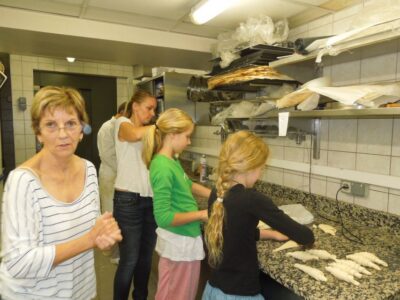
Browse the lists this tour appears in