
Reviewed · MUSEUMS
Paris: Orangerie Museum Skip-the-Line Entry and Guided Tour
The heart of this experience is Monet’s oval Water Lilies room, where his broad, quiet panels surround you on every side. The setting gives the paintings room to breathe, and a guide can help you notice how light, color, and scale work together rather than treating the room as a quick photo stop.
I like the walk through the Tuileries Gardens before the museum, and I like having an art historian connect the paintings to the artists and their times. Guides including Hugo, Malaika, Barbara, Sunday, Belen, and Lily have been praised for making the art clear and engaging, even for a nine-year-old. The main drawback is the price: at $128 per person, this is a serious splurge for a two-hour visit, and temporary exhibitions are not included.
Key points to know before you book
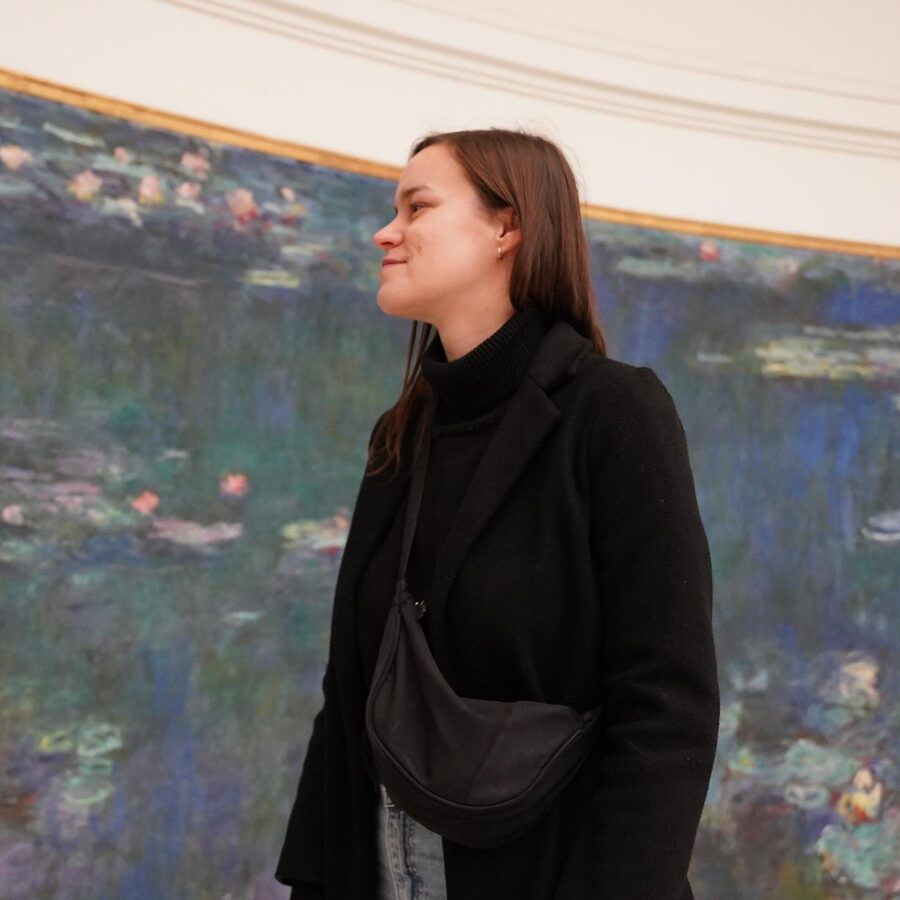
- Monet’s oval room is the main event: His Water Lilies panels are displayed in a purpose-built space designed for quiet viewing.
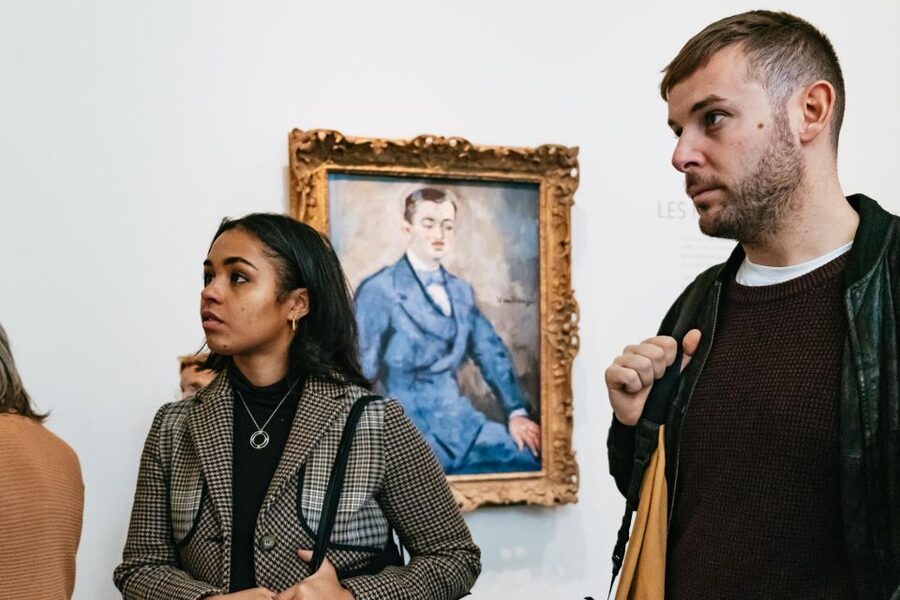
- The tour covers more than Impressionism: You’ll see works by Renoir, Cezanne, Matisse, Picasso, Modigliani, and Utrillo.
- Groups stay small: The maximum is eight people per guide, with private options also available.
- The Tuileries walk adds context: You approach the former royal orangery through one of Paris’s most pleasant central gardens.
- The guide makes the price make sense: The value lies in interpretation, not just entry, especially if modern art feels hard to read on your own.
Why the Orangerie is worth two focused hours
The Musée de l’Orangerie is not a giant museum. That is part of its appeal. You can see its key rooms in a short visit without the fatigue that often comes with a large Paris collection.
The museum’s main treasures belong to the late 19th and early 20th centuries, a period when artists broke away from strict academic rules. Instead of polished historical scenes, they explored changing light, everyday life, unusual viewpoints, bold color, and looser brushwork.
I find this museum especially useful if you want a clear account of how French painting changed. The works are not presented as isolated pretty pictures. A good guide links one artistic choice to the next, showing how Impressionism led toward later experiments in color, form, and portraiture.
The two-hour format is long enough for a proper explanation but short enough to fit into a busy Paris day. You will still need to concentrate, since the tour covers several artists and movements in a limited time.
More museums and galleries in Paris:
- Paris: Louvre Museum Timed-Entrance Ticket
★ 4.6 · 71,977 reviews - Louvre Museum Masterpieces Guided Tour with Access
★ 4.5 · 12,023 reviews - Paris: Louvre Museum Entry Ticket With Host and River Cruise
★ 4.6 · 9,926 reviews
Walking through the Tuileries Gardens
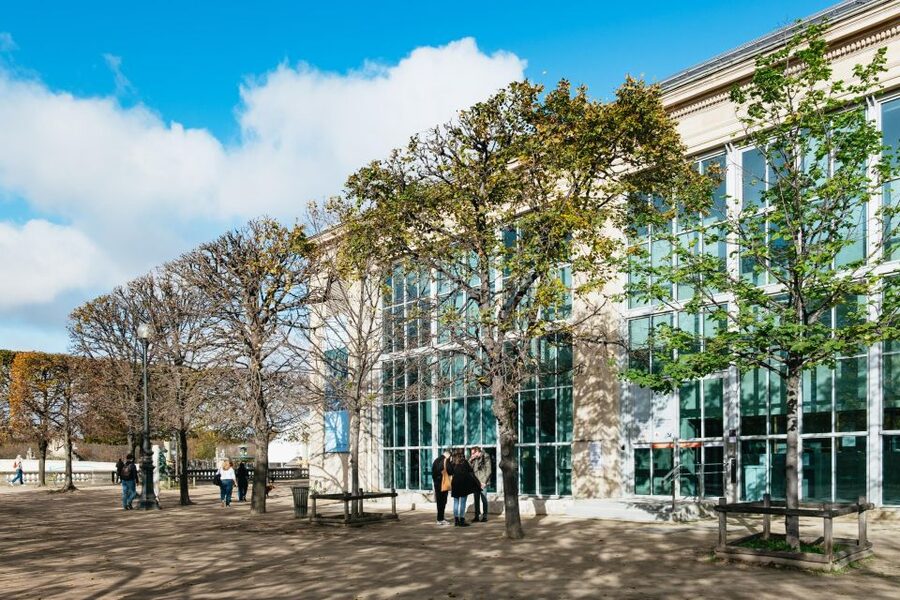
The meeting point can vary depending on the option you book, so check your confirmation carefully. From there, the group walks through the Tuileries Gardens toward the museum.
This approach is more pleasant than arriving at the museum entrance with no sense of place. The garden connects the Orangerie to the center of Paris and helps explain the building’s original role. The former orangery was used by the royal household to protect orange trees during winter.
The walk also gives your guide a natural chance to set the scene before you enter. You are moving from a grand Paris garden into a building first designed for plants, then adapted for art. It is a small detail, but it makes the museum feel like part of the city rather than a sealed box for paintings.
Bring weather-appropriate clothing. The tour runs in rain or shine, and the walk is part of the experience. You should also avoid bringing luggage or large bags, which are not allowed.
Monet’s Water Lilies and the oval rooms
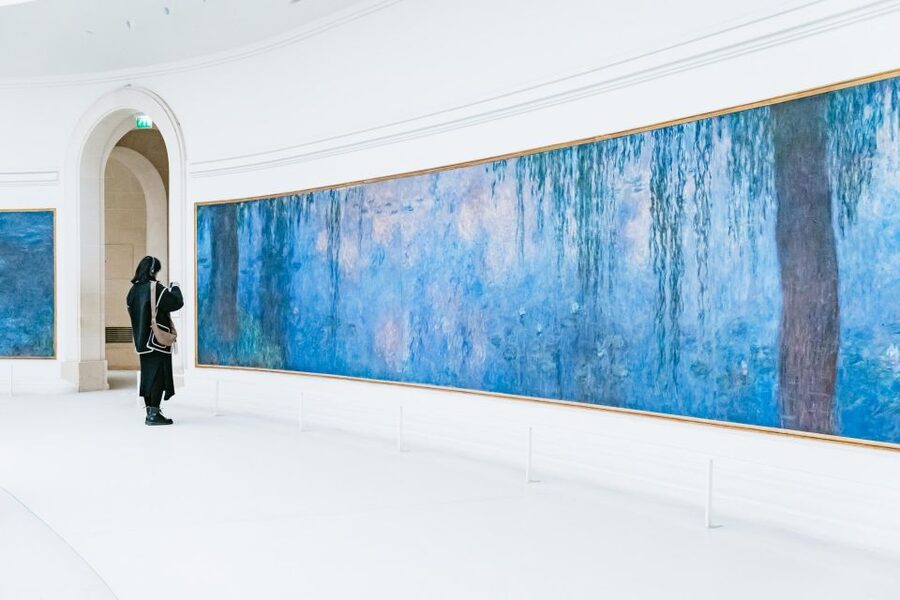
The museum’s most famous spaces hold Monet’s Water Lilies. Large panels curve around the walls, creating a calm room where the painting surrounds your field of vision.
This presentation matters. You are not looking at a small pond scene from a few feet away. Monet gives you broad surfaces of water, reflections, plants, and shifting color. The work is less about a single view than about the changing sensation of looking at water over time.
Your guide can help you slow down and compare the panels. At first, you may notice the blue and green tones. Then the lighter marks, broken reflections, and open areas begin to separate. The paintings reward patience, but the room also makes an immediate impression even if you know little about Monet.
One guide, Hugo, has been praised for pairing the viewing with Clair de lune. Music is not a guaranteed part of every departure, but it shows the kind of sensory approach that may appear in the tour. The most useful part is not the added atmosphere. It is the way the guide connects Monet’s work, the artist’s circumstances, and the people who supported his career.
The room also has rules about quiet and restricted speaking. You may not be able to talk freely at every point, so expect your guide to pause or lower their voice. That can feel limiting if you want a running commentary, but it protects the mood of the space.
From Impressionist brushwork to later experiments
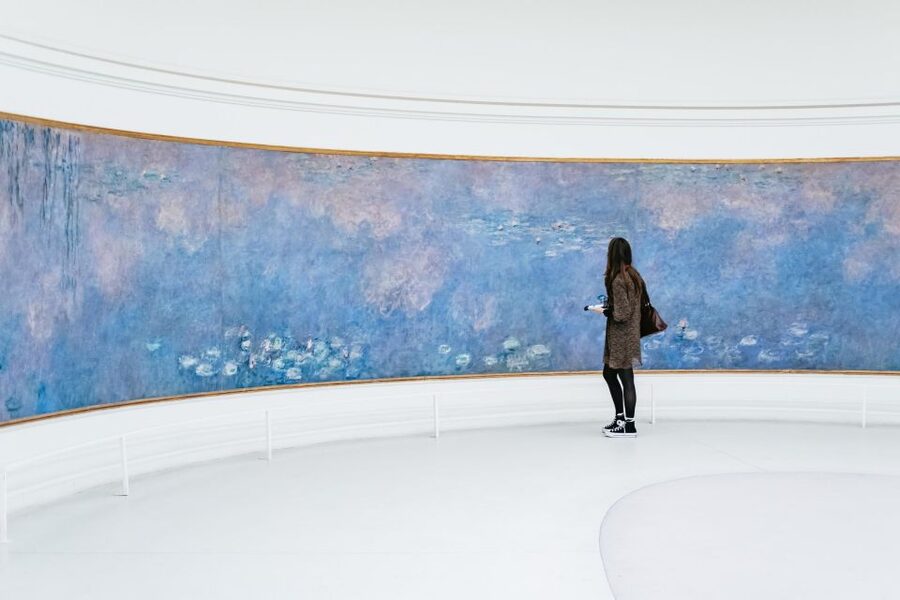
After Monet, the tour moves through paintings that show how French art developed beyond early Impressionism. Renoir’s delicate brushwork offers one route, with attention to people, flowers, and the pleasures of ordinary life.
Cezanne provides a different kind of challenge. His fruit and flower paintings look familiar at first, yet his handling of shape and color asks you to reconsider how a still life can be built. A guide can point out the choices that make these paintings more than arrangements of objects on a table.
Matisse brings stronger color and a more openly decorative style. His portraits can feel seductive, simplified, or strange, depending on how you approach them. The useful question is not simply if you like the colors. It is how Matisse uses them to shape mood and personality.
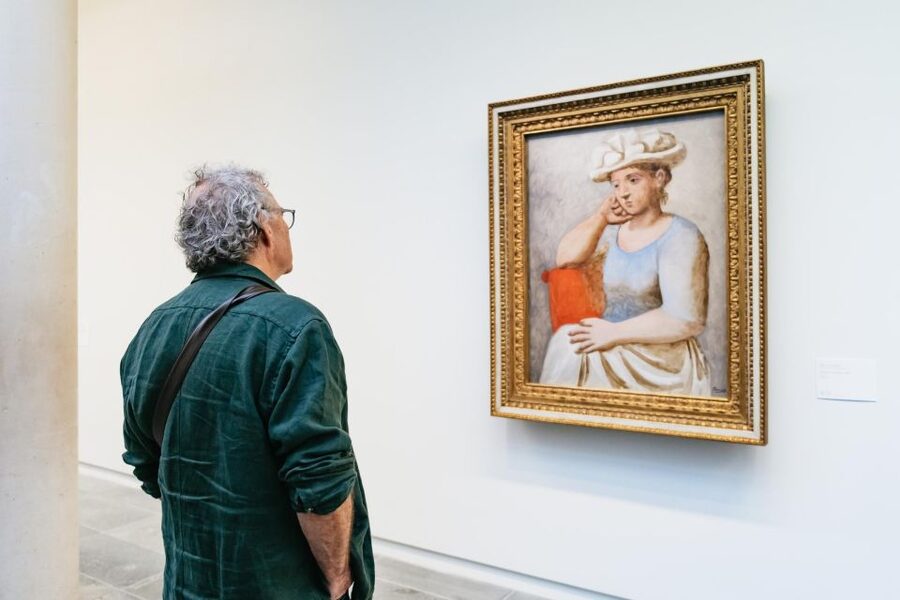
Picasso appears through different interpretations of nude models. This section helps you see that his style was not fixed. His treatment of the human figure changes, and the comparison gives you a practical way to follow his development without needing a long lecture on every period of his career.
Works by Modigliani and Utrillo add further turns in the story. Instead of presenting one clean definition of modern art, the tour shows artists taking different paths. Some emphasize line, some color, some structure, and some the mood of a place or person.
More skip-the-line tickets in Paris:
- Versailles: Skip-the-Line Tour of Palace with Gardens Access
★ 4.7 · 9,778 reviews - Versailles: Skip-the-Line Guided Palace Tour and Full Access
★ 4.6 · 5,214 reviews - Louvre Museum: Skip-the-Line Small Group Guided Tour
★ 4.6 · 3,960 reviews - From Paris: Versailles Skip-the-Line Tour & Gardens Access
★ 4.7 · 3,011 reviews
What the art historian adds
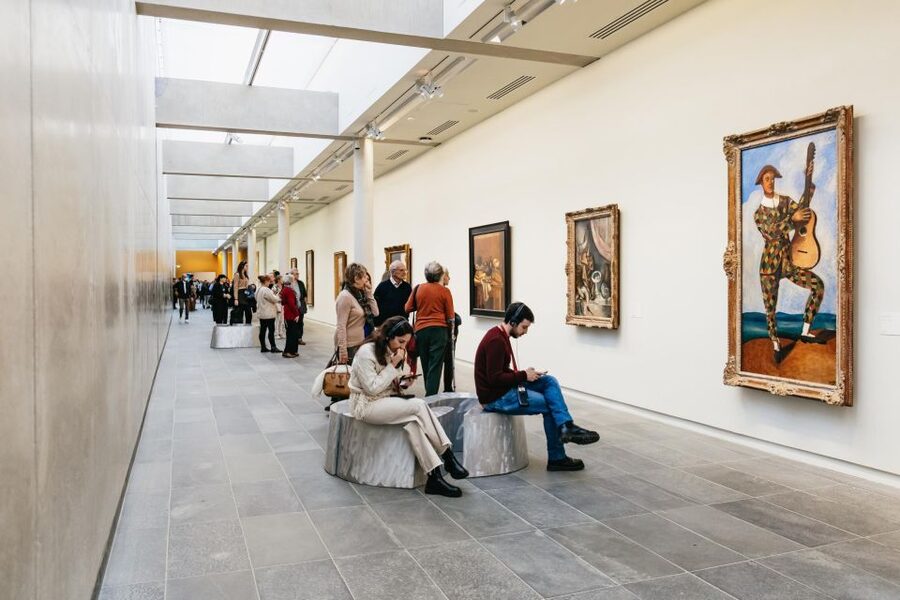
You can visit the Orangerie without a guide, but the paintings do not always explain themselves. A guided visit is most useful when you want help seeing connections between artists.
The strongest guides make the collection into a story about changing ideas. Sunday, for example, has been praised for explaining how the art on display changed the way people thought about painting. That is a better use of your two hours than listing dates and names.
Hugo has been praised for combining art, artist biographies, patrons, and the social conditions of the period. Malaika has been described as responsive to questions and especially effective in making the museum memorable. Barbara has been praised for drawing a nine-year-old into the paintings and the lives of the artists.
Those details matter if you are booking for a mixed group. A specialist tour can become dry when children or first-time museum visitors feel left out. The guide names associated with this experience suggest a strong emphasis on conversation, explanation, and adapting to the group.
Language choices include French, English, Russian, Italian, Spanish, and German. You should select your preferred language when booking, since the quality of a museum tour depends heavily on being able to ask questions and follow subtle explanations.
Small group size and private options

The maximum group size is eight people per guide. That is small enough for the guide to hear questions and adjust the pace, while still costing less than a fully private visit in some cases.
A private option may suit you if your group has a particular interest in Monet, modern portraiture, or the development of Impressionism. It can also work well for families who need a more flexible pace. The supplied information does not promise a custom itinerary, so do not assume every private tour includes extra museum rooms or additional time.
The semi-private option requires at least two participants to run. If that minimum is not reached, an alternative date or a full refund is offered. This is worth checking if you are booking alone or on a very quiet travel date.
The small group format does not remove all practical limits. Some rooms require silence or restrict speaking, and museum collections can change during the year. Your guide may need to adjust the order or skip a particular work.
Is $128 a fair price?
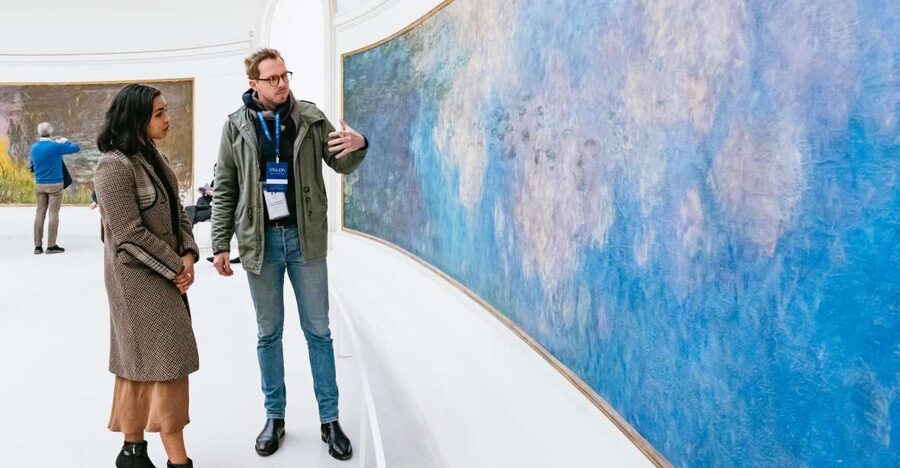
The cost is $128 per person for two hours. That is expensive if you only want entry to the Orangerie and a quick look at Monet. The museum is compact, and independent visitors can spend less by arranging admission on their own.
The price becomes easier to defend if you want a specialist to interpret the collection and help you use your limited Paris time well. You are paying for skip-the-line entry, the museum admission fee, a live art historian, and a small group capped at eight people. Private options provide a more personal format, though the exact price may vary.
I would not book this as a casual add-on for someone who dislikes museums. The tour is built around looking carefully and listening to explanations. You should also note that temporary exhibitions are excluded, so the cost covers the permanent collection and the guided museum visit.
For an art lover, a first-time museum visitor, or a parent trying to make modern art accessible to a child, the interpretation may provide real value. For a repeat visitor who already knows Monet and wants only a quiet viewing, independent entry may be the better deal.
Practical details for a smooth visit
Plan for moderate walking. The route includes the approach through the Tuileries Gardens, and the semi-private tour is not suitable for people with mobility impairments. Contact the provider before booking if you have specific mobility needs.
Bring a passport or other identification, along with clothing suitable for the weather. Do not bring large bags or luggage. Hotel pickup and drop-off are not included, and food and drinks are also your responsibility.
Arrive with enough time to find the meeting point. It can vary by booking option, and the activity ends back at that meeting point. If you get turned around on the walk, contact the guide or provider rather than assuming the group will be at the museum entrance.
The museum can occasionally close without advance warning. If opening is delayed by more than an hour, an appropriate alternative is offered, but the booking terms do not promise a refund or discount in that situation.
You can cancel up to 24 hours before the start for a full refund. A reserve-now, pay-later option is also available, which helps if your Paris schedule is still shifting.
Who should book this Orangerie tour?
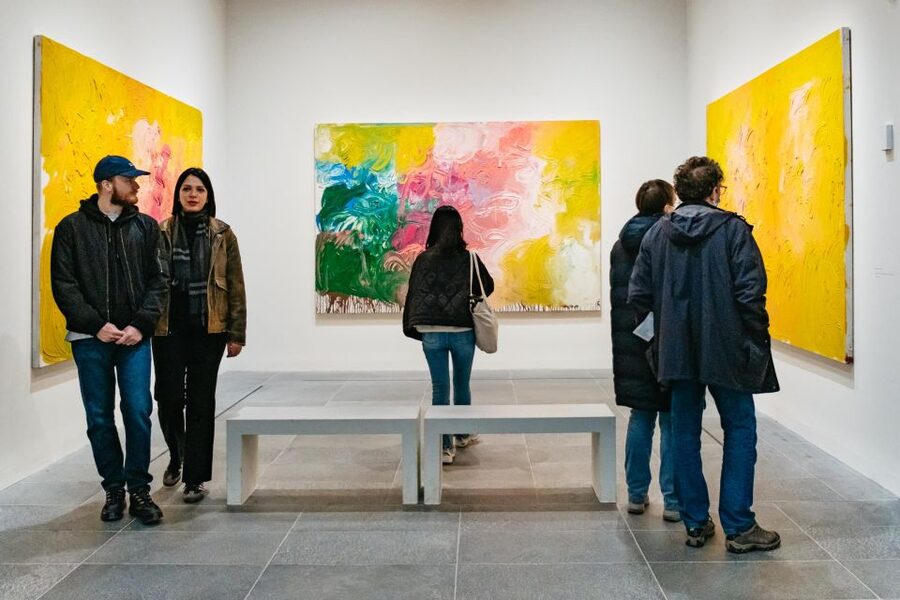
I would choose this experience if you want more than a photograph in front of Monet’s Water Lilies. It gives you a compact art lesson, a pleasant route through the Tuileries, and a chance to connect Impressionism with the bold styles that followed.
It suits first-time visitors who want a clear introduction, art lovers who enjoy asking questions, and families looking for a guide who can keep young people involved. The small group limit is helpful if you dislike large museum groups where the guide’s voice disappears into the room.
You may want to skip it if you have a strict budget, need a wheelchair-friendly arrangement, or prefer to explore at your own pace. It is also not the right choice if the temporary exhibition is your main reason for visiting, since that admission is not included.
FAQ
How long does the Orangerie Museum tour last?
The tour lasts two hours. Check availability for the starting times offered on your chosen date.
What is included in the price?
The price includes skip-the-line entry, the museum entrance fee, an art historian guide, and the guided museum tour. Hotel pickup, food, drinks, and temporary exhibitions are not included.
Which languages are available?
The live tour guide may be available in French, English, Russian, Italian, Spanish, or German.
How large is the group?
The tour has a maximum of eight people per guide. Private and small group options are available.
Is the tour suitable for people with mobility impairments?
The semi-private tour involves a moderate amount of walking and is not suitable for people with mobility impairments. Contact the activity provider to discuss specific mobility requirements.
What should I bring?
Bring a passport or ID card and clothing suitable for the weather. Luggage and large bags are not allowed.
Can I cancel the booking?
You can cancel up to 24 hours in advance for a full refund. A reserve-now, pay-later option is also available.
Should you book it?
Book this tour if you want the Orangerie to make sense, not just look beautiful. The combination of Monet’s oval room, the Tuileries walk, and a guide who can connect Renoir, Cezanne, Matisse, Picasso, Modigliani, and Utrillo makes two hours feel purposeful.
At $128, it is not a bargain museum ticket. It is a guided art experience with skip-the-line access and a small group. If that fits your interests and budget, the personal explanations are likely to be the reason you remember the visit.
Just added around Paris
- Explore Hidden bars and Speakeasies in Paris★ 5.0 · 79 reviews
- Paris Private Custom Tour with a Local Guide, Hidden Gems & Highlights★ 5.0 · 293 reviews
- Paris French Baking Class Baguettes and Croissants in a Bakery★ 4.5 · 172 reviews
- Paris: Experience Segway Top Highlights Small Group 2 Hours★ 5.0 · 75 reviews
- Seine River Evening Cruise with Music (Drink Options)★ 3.5 · 321 reviews
- Eiffel Tower Tour & River Cruise with Summit Option★ 4.0 · 215 reviews
- Paris Evening City of Lights Small Group Bike Tour & Boat Cruise★ 5.0 · 97 reviews
- Paris Eternelle Notre-Dame Virtual Reality Tour★ 4.5 · 50 reviews
Museums, compared.

Louvre Museum Masterpieces Guided Tour with Access
Read our review →
Louvre Museum Entry Ticket With Host and River Cruise
Read our review →
Les Invalides: Napoleon’s Tomb & Army Museum Entry
Read our review →
Louvre Museum – Exclusive Guided Tour (Entry Included)
Read our review →
Louvre Museum Hosted Entry and Mona Lisa Audioguide
Read our review →
Louvre Museum Tour Mona Lisa & Iconic Masterpieces
Read our review →
Browse the lists this tour appears in