
Reviewed · WINE TOURS
Bordeaux: Saint-Emilion and Medoc Full-Day Wine Experience
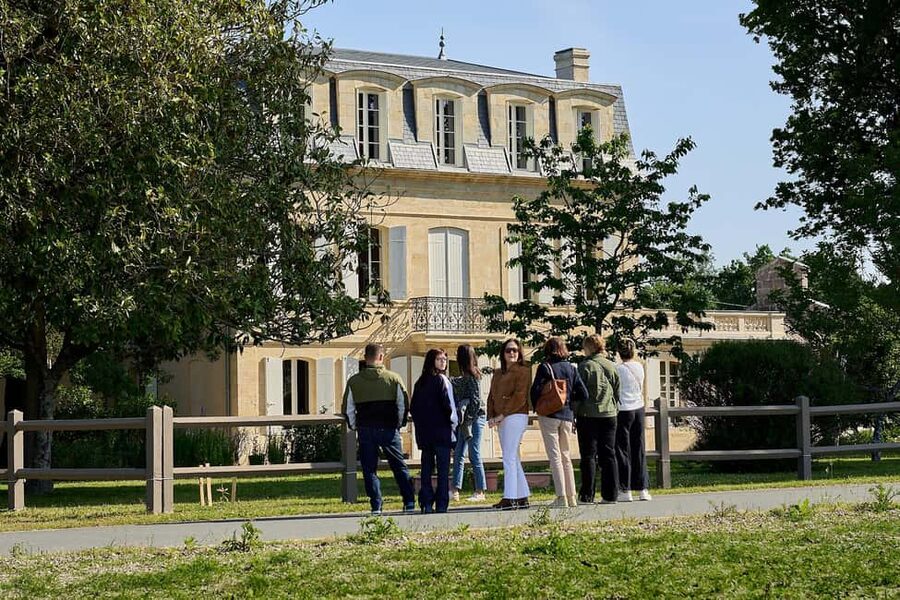
Bordeaux’s best wine lesson may be the contrast between its two famous banks. This full-day outing takes you from the medieval streets of Saint-Émilion to the Médoc vineyards around Margaux, with three château visits and about eight tasting pours included.
I like the small group, capped at eight, and the range of guides, including Xavier, Jeremy, Margot, René, and Valentin, who bring wine and local history to life. I also like the picnic at a château, with fresh food, Basque charcuterie, cheese, and wine. The main drawback is the long day and plenty of driving, with a sometimes-cosy minivan and possible Bordeaux traffic on the return.
Key points at a glance
- Two Bordeaux wine regions in one day: Compare Saint-Émilion on the Right Bank with Médoc and Margaux on the Left Bank.
- Three winery visits: Each château offers a tour and tasting, with different properties and presentation styles.
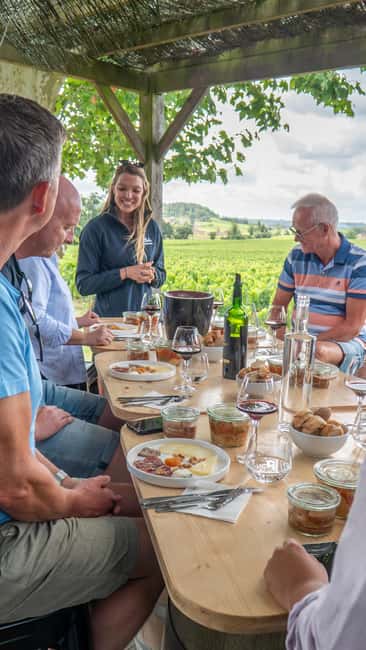
- A château picnic: Lunch includes fresh local food, Basque charcuterie, cheese, dessert, and a glass of wine.
- Saint-Émilion with a guide: Spend about an hour exploring the UNESCO-listed village and its historic monuments.
- Small-group transport: Ride in an air-conditioned minivan with no more than eight participants.
- Strong guide-led experience: Guides such as Xavier, Jeremy, Nicole, René, and Margot are praised for wine knowledge, local stories, and careful driving.
Why this tour works for Bordeaux wine beginners
Bordeaux wine can feel like a code at first. Names on the bottle often refer to a château, an appellation, or a classification rather than a grape variety. This tour gives you a useful way into that system without asking you to spend several days arranging separate visits.
The clever part is the split between the Right Bank and Left Bank. Saint-Émilion gives you a first look at the smaller-scale, historic side of Bordeaux wine country. Later, Médoc introduces a different setting, including the famous Margaux appellation and a classified château connected with the 1855 system.
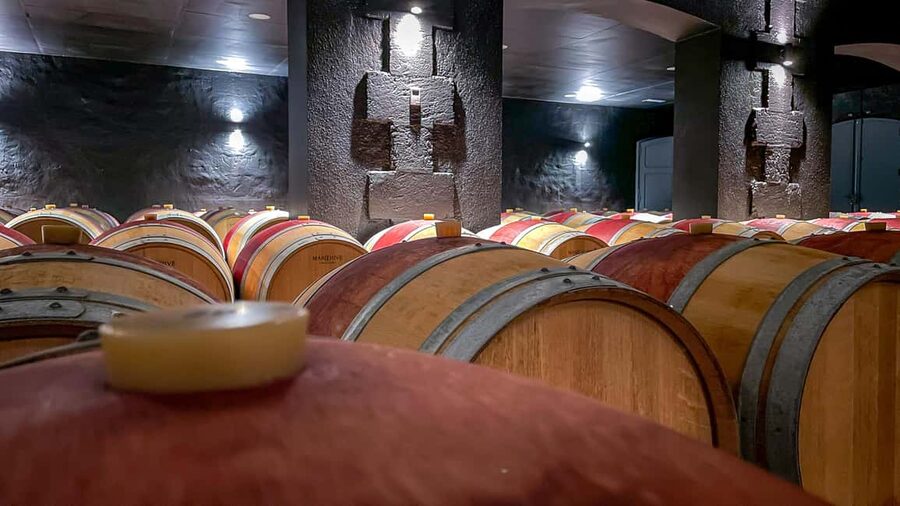
You taste at three wineries, usually three wines at each stop, with an additional glass served with lunch. The official inclusions describe eight glasses in total, while some tour accounts describe nine wines, so the exact number can vary with the day’s program. The key point is that you get several comparisons, not one quick cellar-door sample.
This is not a private sommelier lesson. It is a busy day in the countryside, led by a guide who translates technical details into plain language while the château teams explain their own wines and cellars.
More Wine Tours in Bordeaux
- Bordeaux: Cité du Vin Entry Ticket and Wine Tasting
★ 4.6 · 3,885 reviews - Bordeaux: River Garonne Cruise with Glass of Wine and Canelé
★ 4.5 · 3,630 reviews - From Bordeaux: Afternoon Saint-Emilion Wine Tasting & snack
★ 4.8 · 1,581 reviews
Leaving Bordeaux in a small, air-conditioned van
The meeting point is Olala Bordeaux at 2ter Rue Mably, near Quinconces. Tram lines B, C, and D all serve Quinconces, which makes the starting point practical if you are staying in central Bordeaux.
You should arrive 15 minutes early. The group limit of eight matters here. A full minivan is not spacious, and one person specifically found the vehicle a little cosy, though still manageable. Sitting near the front may help you hear the guide during the drive. One useful improvement would be a microphone, since commentary can be harder to catch from the back seats.
The air conditioning is a real benefit in summer. Several tour days include long stretches between the two wine regions, and a cool vehicle makes the schedule far more comfortable. You can leave belongings in the van during the stops, though you should still keep valuables with you.
Bring comfortable shoes and a reusable water bottle. Fill the bottle before leaving in the morning. You will be walking on village streets and winery grounds, and the day offers few chances to stop simply for supplies.
Saint-Émilion: a strong opening stop
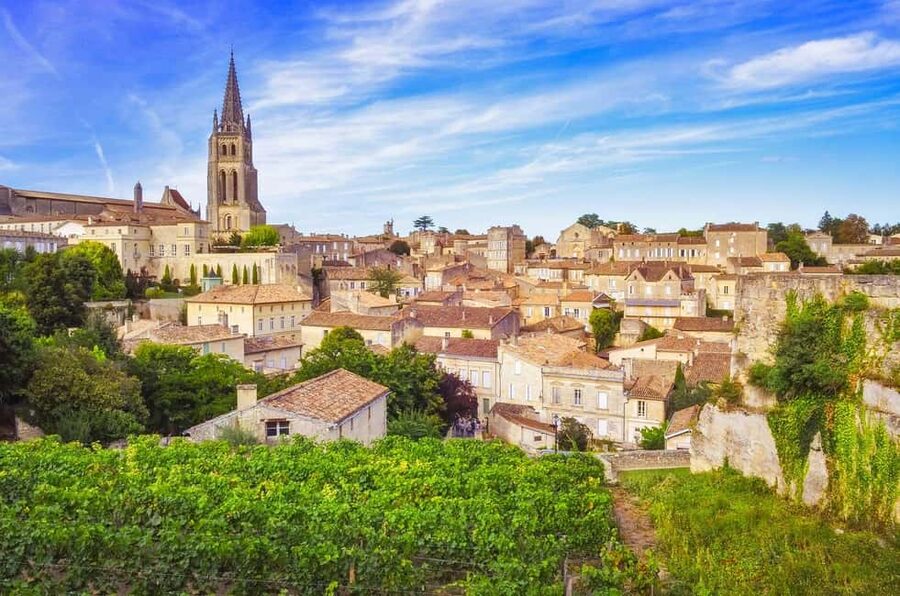
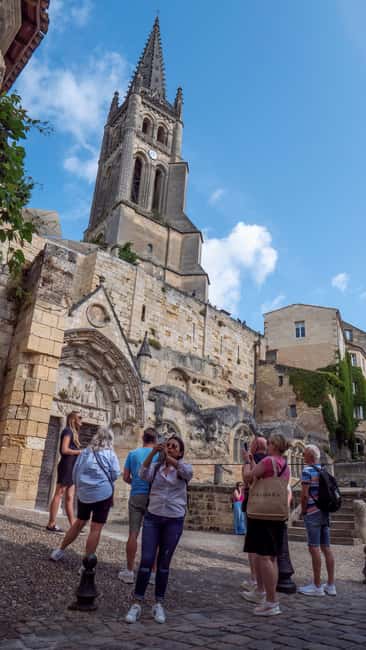
After about an hour on the road, you reach Saint-Émilion for a guided visit of roughly one hour. This is more than a quick photo stop. Your guide points out the village’s historic monuments and explains how the town connects to the surrounding vineyards.
Saint-Émilion is one of the prettiest places on the route, with stone buildings, narrow lanes, and a setting shaped by centuries of wine production. The UNESCO designation reflects the historic village and its wine-growing area, so this opening visit gives useful context before the tastings begin.
The timing has a small tradeoff. The group arrives early, and some shops and cafés may not yet be open. I see that as a fair exchange if your priority is a quieter walk and a clear introduction to the village rather than shopping time.
An hour is enough to get your bearings and hear the main story, but not enough for a detailed independent visit to every monument. If Saint-Émilion is your main goal, you may want a separate half-day there. On this tour, its role is to frame the wine experience before you head to the first château.
The first château and the Right Bank tasting
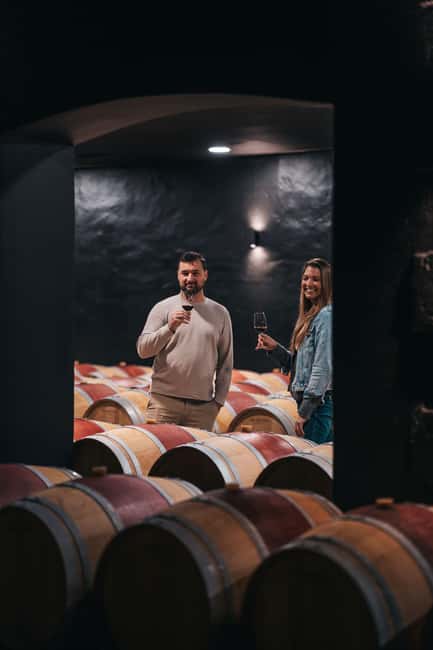
A short drive of about 15 minutes brings you to the first winery. Here, you receive a guided visit and taste three wines while learning about Saint-Émilion and its local wine style.
The property can vary by date, but the quality of the visit and tasting is intended to remain consistent. That flexibility is worth understanding before booking. You are choosing the route and format rather than one guaranteed named château.
The best part of this stop is the chance to see how a winery explains its own work. The château staff handle the property-specific presentation, while your main guide fills in the wider picture. Guides such as Xavier have also adjusted the order of information so that each winery does not repeat the same basic lesson.
This first tasting sets up the Right Bank comparison. Pay attention to how the guide discusses the appellation, the château’s place in the region, and the relationship between the building, vineyards, and wines. You do not need prior wine knowledge to follow along.
Same trip, a completely different kind of day:
- Medoc or Saint Emilion Wine Tasting and Chateau from Bordeaux
★ 5.0 · 1,415 reviews - Saint Emilion Day Trip with Sightseeing Tour & Wine Tastings from Bordeaux
★ 5.0 · 1,120 reviews - Saint-Émilion: Grand Cru Classé Winery Visit and Tasting
★ 4.6 · 1,118 reviews - Saint Emilion Half-Day Trip with Wine Tasting & Winery Visit from Bordeaux
★ 4.5 · 1,034 reviews
A château picnic with local food
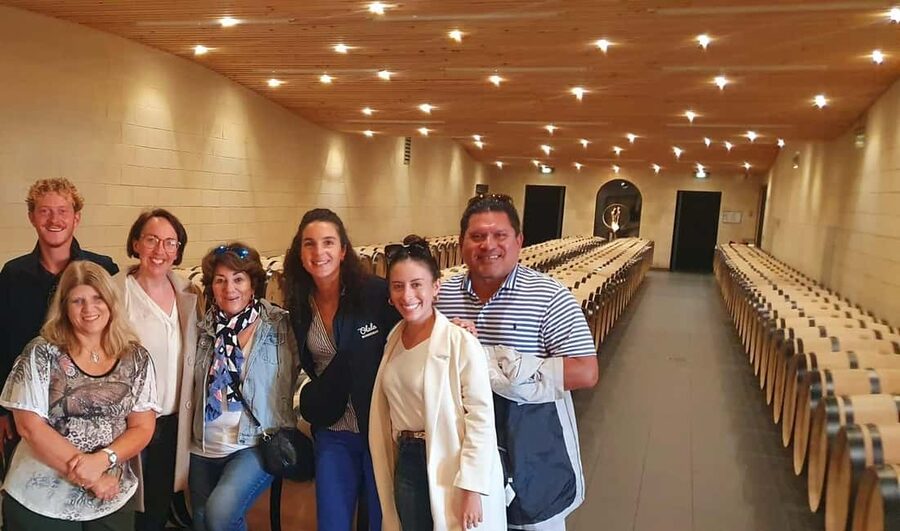
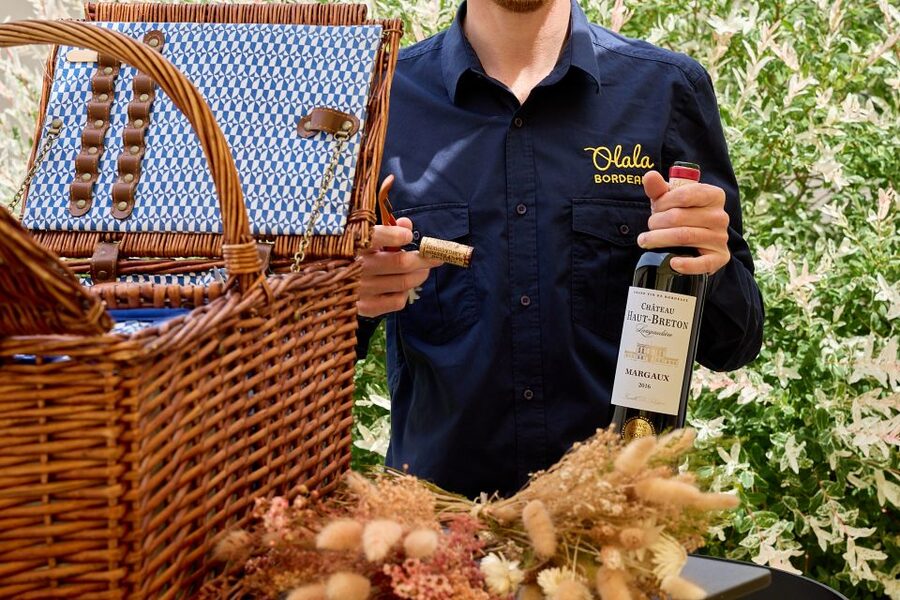
The picnic is one of the most appealing parts of the day because it breaks up the tasting schedule with a proper meal. During the first tasting, your guide prepares the lunch setup, then you sit at a lovely table at the château with a glass of wine from the property.
The food comes from a traditional Bordeaux caterer and includes fresh local products, Basque country charcuterie, cheese, a main course, and dessert. Specific meals have included rice and chicken followed by baked apple dessert. Menus can change, but the emphasis is on straightforward regional food rather than a packaged bus lunch.
I like this pause because it gives the group time to talk. A small group of six to eight people can feel social without becoming unwieldy, and the setting among the vineyards adds something a restaurant in Bordeaux cannot.
This is also where you should pace yourself. Several tastings are still ahead, and the day lasts nine hours. Sip rather than rush, drink water, and use lunch as a proper break.
Crossing to Médoc and Margaux
After lunch, the minivan takes about an hour to reach the Left Bank. This is the longest transfer of the day, but it also lets you see how widely Bordeaux’s wine areas spread around the city.
The Médoc portion focuses especially on the Margaux appellation. You first visit a family-run winery for a tour and three-wine tasting. This can feel different from the first château because the scale, history, and presentation style may not be the same.
That contrast is useful. The point is not to rank one property above another. It is to see how different producers explain their vineyards, production methods, and place within Bordeaux. The wine hosts are part of the experience, and the tour format can vary from one stop to the next.
The Médoc visit also helps explain why Bordeaux labels can be confusing. Your guide can connect the appellation name, the château, and the classification system, giving you a better chance of understanding what you see on a wine list later in your trip.
The Château Margaux photo stop
The route includes a stop outside the famous Château Margaux for photographs. This is not presented as an interior visit or tasting at Château Margaux, so you should keep expectations clear.
Still, it is a worthwhile pause. Château Margaux is one of the names that makes Bordeaux famous, and seeing the property gives the classification discussion a physical reference. You can take photos, hear more about the estate, and then continue to the final winery.
This stop also prevents the tour from becoming a string of identical cellar visits. A major landmark, viewed from outside, adds variety and gives you a memorable image of the Médoc.
The final classified château
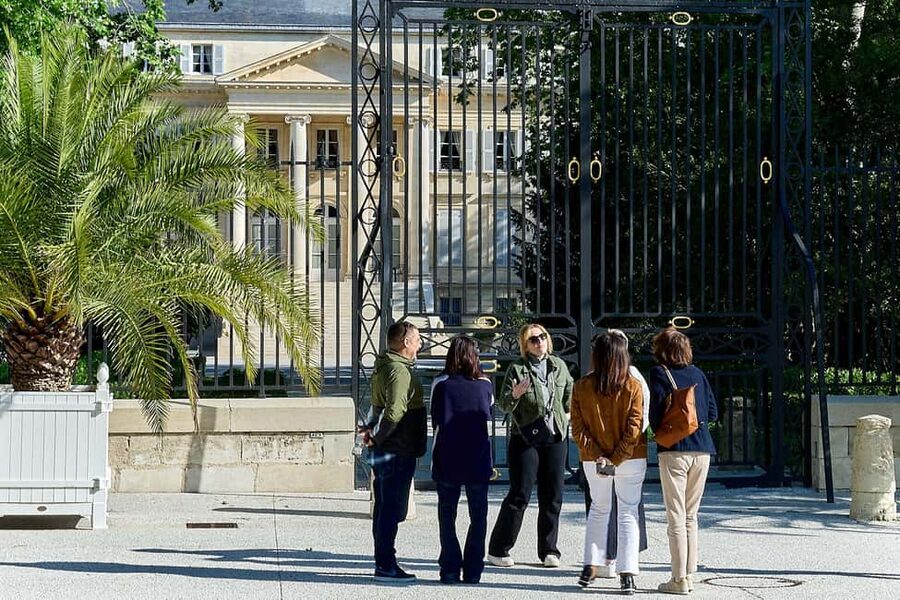
The last winery is classified under the 1855 system and includes another guided visit and tasting. By this point, you have already sampled wines from Saint-Émilion and another Médoc producer, so the final tasting works as a comparison rather than a first lesson.
Your guide can draw together the day’s main ideas: Right Bank and Left Bank styles, appellations, château names, classification, vineyard conditions, and production choices. The tour ends with a clearer sense of why two Bordeaux bottles can come from the same broad region yet taste and cost very differently.
The three château visits are deliberately different. One may focus more on family production, another on a classified estate, and another on the local identity of Saint-Émilion. Since the properties and order can change, stay open to the format rather than expecting three specific names.
The guide makes the difference
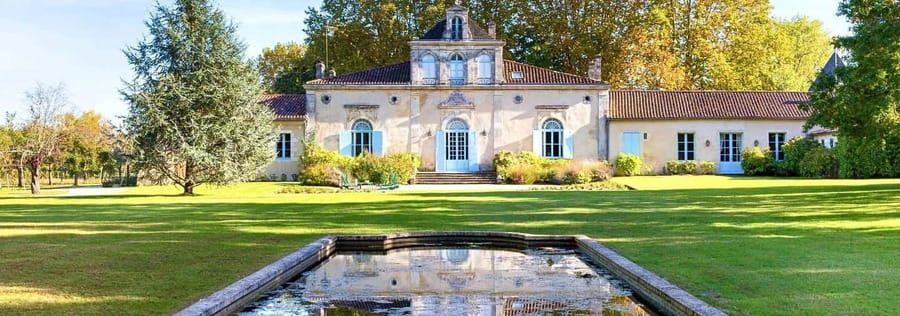
The strongest part of this experience is the guide. Names frequently associated with excellent days include Xavier, Jeremy, Margot, René, Valentin, Nicole, René, and Emmanuelle. The repeated strengths are clear: strong wine knowledge, local history, good driving, humor, and an ability to answer questions without making the subject feel stiff.
Xavier is particularly well suited to anyone who wants history as well as wine, while Jeremy is praised for explaining wine in an easy, engaging way. René is a good fit if you enjoy wider context, since his commentary can move beyond the wineries to the region and its culture. Margot and Nicole are noted for being attentive and flexible with group needs.
You cannot select a specific guide from the information provided, so I would not book solely for one person. The useful takeaway is that the company has several guides who can make the long drives productive instead of dead time.
One practical issue deserves mention: if you sit at the back, you may not hear every comment in the van. Ask politely about seating when boarding, especially if the wine education is a major reason you booked.
Is $212 a fair price?
At $212 per person, this is not a cheap countryside outing. It is fair value if you want to see both Saint-Émilion and Médoc in one day without renting a car, arranging appointments, finding a driver, and organizing lunch.
The price includes air-conditioned transport, a guide-driver, three winery tours, several tastings, the château picnic, printed information, and the Saint-Émilion walking tour. The wine alone is not the whole value. You are also paying for access to scheduled winery visits and for someone else to handle the route between two separate regions.
A rental car could cost less for a couple, but then someone must drive after tasting wine, and private winery appointments are not always easy to arrange. A shorter single-region tour may cost less and feel more relaxed, but it will not give you the same comparison.
The value drops if you dislike long drives, have little interest in wine production, or want a slow village day with time for shopping. This is a full schedule, not a lazy afternoon.
Who should book this day?
I would recommend it to first-time Bordeaux visitors who want a clear introduction to the region. It suits couples, friends, and solo participants who enjoy a social small group and do not want to manage transport.
It also works well for people who know a little about wine and want to understand Bordeaux’s classification and regional differences. The guide-led commentary adds more than simply visiting three tasting rooms.
I would think twice if you need a child-friendly outing. The minimum age is 16, and the tour is built around wine tasting. It is also not suitable for unaccompanied minors or pets.
Wear shoes that can handle village streets and winery grounds. Keep your water bottle full, arrive early, and avoid filling the entire day with other plans. Traffic returning from Margaux can delay the finish, so leave some evening flexibility.
Should you book the Saint-Émilion and Médoc tour?
Book it if you want maximum Bordeaux coverage in one day: a historic village, three winery visits, two major wine regions, a local lunch, and a guide who can explain the connections.
Skip it if you prefer one small area at a slow pace, need a guaranteed visit to a particular château, or dislike spending several hours in a minivan. For most wine-curious visitors based in Bordeaux, the balance is strong. You see enough variety to understand the region, yet the small group keeps the day personal.
FAQ
How long is the Bordeaux wine tour?
The experience lasts about nine hours, including transport, Saint-Émilion, lunch, three winery visits, and the return to Bordeaux.
Where does the tour begin?
Meet at Olala Bordeaux, 2ter Rue Mably, in central Bordeaux. Quinconces is the nearest tram stop for lines B, C, and D.
How many wineries do you visit?
You visit three wineries with guided tours and tastings. The route also includes a photo stop outside Château Margaux.
How many wines are included?
The inclusions specify three tastings with eight glasses, plus one glass with the château picnic. Some tour days may serve a slightly different total, depending on the winery schedule.
Is lunch included?
Yes. The château picnic includes fresh lunch, Basque country charcuterie, cheese, and one glass of wine. Menus can vary.
Is transportation provided?
Yes. The tour uses an air-conditioned minivan with a guide-driver. The group is limited to eight participants.
What language is the tour in?
The live tour guide speaks English.
Can children join the tour?
The tour is not suitable for children under 16. Unaccompanied minors are not allowed.
What should I bring?
Bring comfortable shoes and a reusable water bottle. Fill the bottle before departure and arrive 15 minutes early.
Just added around Bordeaux
- Bordeaux : Unforgettable Saint Emilion Half Day Wine Tour★ 4.5 · 131 reviews
- From Bordeaux: Full-Day St Emilion Wine Tasting Tour★ 4.8 · 280 reviews
- Bordeaux:Wine Masterclass & Blending workshop with appetizer★ 4.8 · 54 reviews
- Bordeaux: Sightseeing by Side Car★ 5.0 · 143 reviews
- Bordeaux: Guided Food and Wine Tour with Tastings★ 4.9 · 41 reviews
- Workshop Bordeaux wine tasting: 4 reds & charcuterie pairing★ 5.0 · 72 reviews
- Bordeaux : Must-See Attractions Walking Tour★ 4.8 · 30 reviews
- Bordeaux: St-Emilion and Medoc Wine Day Tour with Lunch★ 4.8 · 64 reviews
Wine Tours, compared.
Moulin Rouge Cabaret Show Ticket with Champagne
Read our review →
Authentic Parisian Gourmet Food Tour with 10 Local Dishes & Wines
Read our review →
Loire Valley Castles Day Trip from Paris with Complementary Wine
Read our review →
River Garonne Cruise with Glass of Wine and Canelé
Read our review →
Montmartre Hill French Gourmet Food and Wine Tasting Walking Tour
Read our review →
Montmartre Cheese, Wine & Pastry Guided Walking Tour
Read our review →
Paradis Latin Cabaret Show with Optional Champagne
Read our review →Browse the lists this tour appears in