
Reviewed · WINE TOURS
Dijon: Burgundy Wines Masterclass
The best part of this Dijon masterclass is that it makes Burgundy wine less mysterious. Instead of simply pouring glasses and naming villages, your sommelier explains how to taste, how Burgundy divides its wine areas, how local rules shape production, and how to read a label without getting lost in French names.
I like two things here. First, the class works for beginners because it starts with the basics, including how to smell a faulty wine. Second, the food pairing is not an afterthought: cheese, charcuterie, and sometimes scones help you understand the wines in a practical way. The main drawback is the short two-hour format. You’ll learn a great deal, but this is a classroom tasting, not a vineyard visit or full-day wine tour.
Key points at a glance
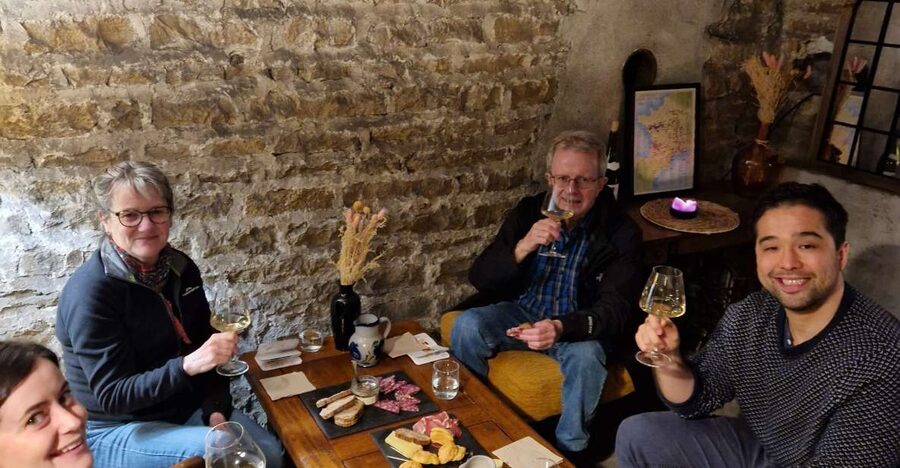
- A clear introduction to Burgundy: Learn about the region’s areas, grapes, production rules, and label system.
- Practical tasting skills: Start with the proper way to look at, smell, and taste wine.
- Experienced local presenters: Matthieu and Patrice are associated with The Wine Compass, with Matthieu praised for his Burgundy background and easy humor.
- Five wines, sometimes six: The planned tasting can expand when the group is enjoying the session.
- Cheese and charcuterie included: Food helps show how wine changes with different flavors.
- A good short stop in Dijon: Two hours gives you a useful foundation without taking over your day.
Entering The Wine Compass in central Dijon
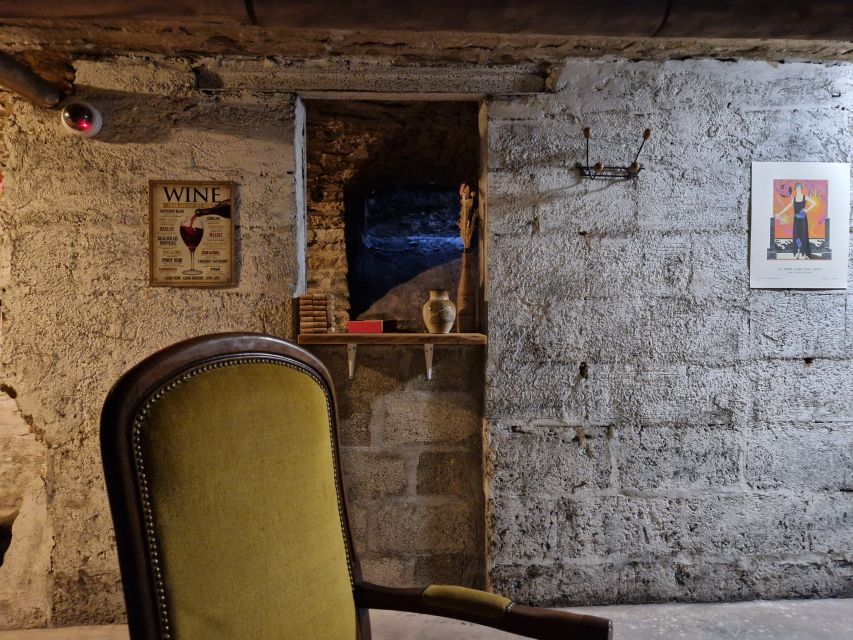
The meeting point is easy to recognize once you know what to look for. Enter the courtyard, then find the stairs going down on the left. A sign marked The Wine Compass points you to the room.
That detail matters because the entrance is not described as a grand street-front shop. Give yourself a few minutes to find the courtyard and stairs, especially if you are arriving between other Dijon plans. The activity ends at the same place, so you do not need to arrange transport back from a vineyard or another part of town.
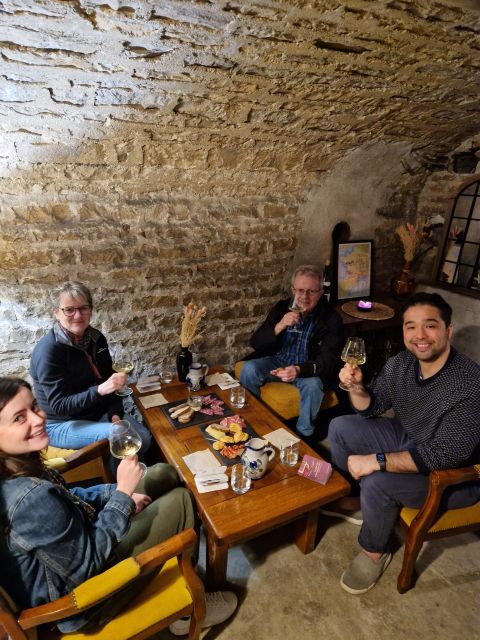
The setting is built for conversation rather than sightseeing. You are there to sit, taste, ask questions, and compare impressions. That makes this a useful choice on a rainy afternoon, during a short Dijon visit, or on the first day of a Burgundy trip when you want some background before visiting wine villages.
More Wine Tours in Burgundy
- Burgundy Bike Tour with Wine Tasting from Beaune
★ 5.0 · 674 reviews - Dijon: La Cave du Palais Burgundy Wine Tasting Experience
★ 4.8 · 400 reviews - From Lyon: Golden Stones Beaujolais Wine Tasting Tour
★ 4.7 · 387 reviews
The first lesson: how to taste wine properly
The tasting begins with method. You are shown how to assess a wine rather than simply deciding if you like it.
That may sound basic, but it is one of the most useful parts of the class. Many people taste wine by taking a sip and reaching for a vague word such as smooth or strong. A sommelier-led introduction gives you a better sequence: observe the wine, smell it, taste it, and think about what you are noticing.
The class also covers the smell of wine that is not right. This is a particularly handy lesson for beginners, since wine faults can be hard to identify without someone showing you what to look for. One participant described this as the first time anyone had explained and demonstrated how to recognize a problem in a wine.
You do not need a trained palate. The teaching is aimed at both amateurs and professionals, and the tone appears relaxed rather than formal. Matthieu is praised for mixing technical information with humor, which helps keep the session from feeling like an exam.
The guide’s background adds weight to the lesson. Matthieu has ten years of experience leading tastings, and he reached the highest level of the school he attended in London in the previous year. Patrice is also named as a highly regarded host. Since the specific guide may vary, check the booking details if meeting one particular person matters to you.
Burgundy explained without the usual confusion
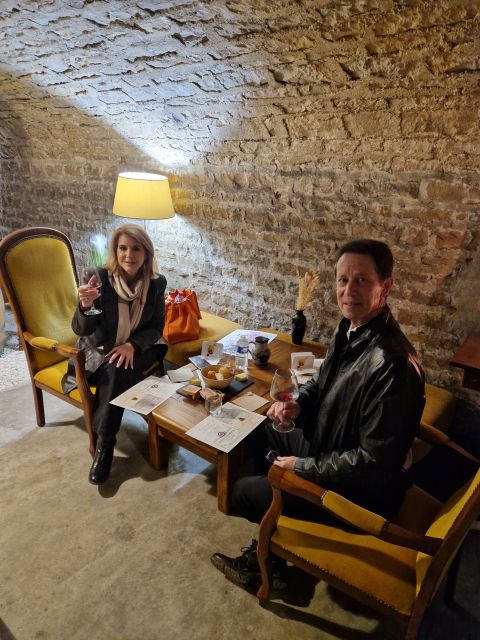
Burgundy wine labels can be difficult because the label often emphasizes a place more than a familiar grape name. The masterclass tackles this directly by explaining Burgundy’s different areas, local grapes, production rules, and label system.
This is where the session becomes more than a pleasant tasting. If you plan to buy Burgundy wine later, the label lesson can save you from making a random choice based only on price or a famous-sounding village. You begin to understand why two bottles made from the same broad grape family can have different names, styles, and prices.
The class also explains the main grape types used in Burgundy. The aim is not simply to memorize names. You learn how grape choice, place, and local production rules affect what ends up in your glass.
The regional overview helps put Dijon in context. Burgundy is not one single wine style. It contains different areas with their own identities and traditions. The guide connects those areas to the wines you taste, giving you a way to remember the information instead of treating each bottle as an isolated sample.
The history and rules of production are also part of the talk. That background is valuable because Burgundy wine is shaped by a strict sense of place. You do not need to become a wine expert, but you should leave with a better idea of why Burgundy labels demand attention.
Five wines, with a possible sixth pour
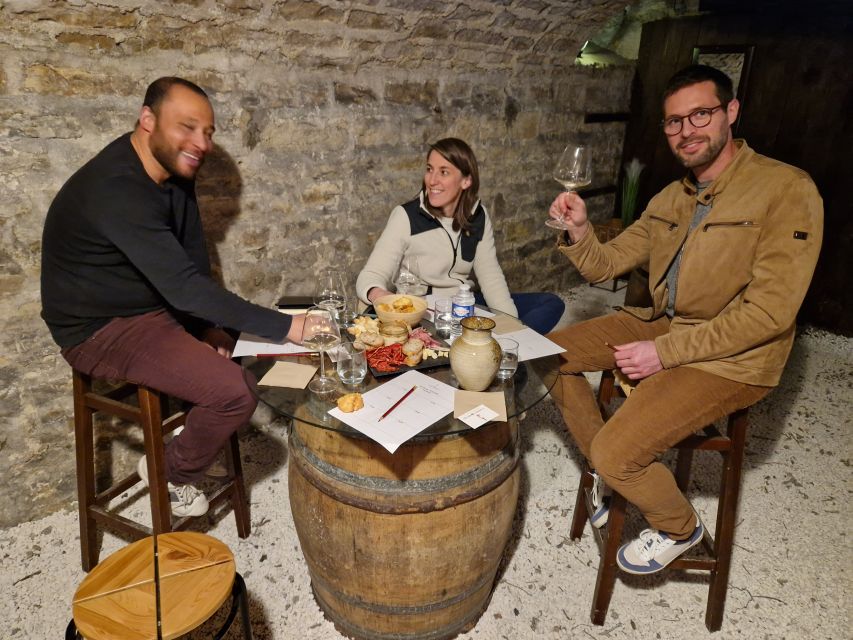
The planned tasting includes five wines. That is a sensible number for a two-hour class: enough variety to compare styles, but not so much that the tasting turns into a rushed drinking session.
The exact bottles are not specified, so you should not expect a fixed list unless the provider gives you one before booking. The selection is designed to show differences within Burgundy and to support the lessons on grape types, areas, labels, and food pairing.
One session included a sixth wine because the group was enjoying itself and the discussion ran long. That is a pleasant bonus, but treat it as an extra rather than a promise. The five-wine structure is the reliable expectation.
The pace seems to be one of the strongest features. The sommelier explains each wine, gives you time to taste, and connects it to the larger Burgundy picture. You are not simply handed a glass and left to guess what makes it different from the last one.
For a novice, this structure gives you confidence. For someone who has already attended wine courses in Champagne, the Loire, or Bordeaux, it still offers a focused look at Burgundy from a local point of view. One especially strong account came from people who had attended several wine tours and masterclasses across France and considered this their best class of the trip.
Same trip, a completely different kind of day:
- Small-Group Full-Day Tour of Côte de Nuits, Côte de Beaune Vineyards and Beaune Historical District
★ 5.0 · 364 reviews - Beaune: Wine Tasting at Château de Pommard
★ 4.4 · 277 reviews - From Beaune: Burgundy Day Trip with 14 Wine Tastings
★ 4.8 · 248 reviews - Burgundy Grand Crus Route Day Tour – 14 Wines Tastings in Domains
★ 5.0 · 223 reviews
Cheese, charcuterie, and the value of pairing
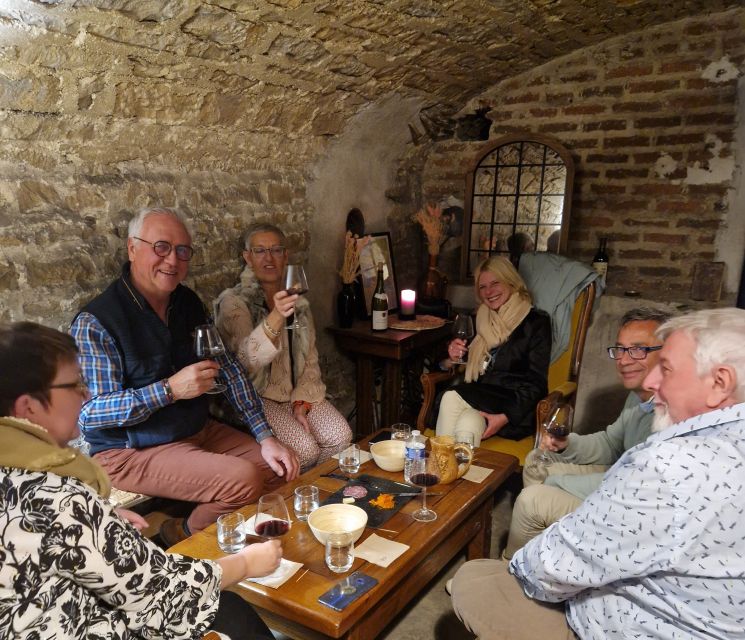
The tasting includes a board of cheese and charcuterie. Some sessions have also featured scones. This is more than a snack between pours. Food gives you a clear way to test how a wine behaves.
A wine that seems sharp or heavy by itself may feel different with cheese. Charcuterie can bring out new flavors or change the balance of a sip. The point is not to find one correct pairing, but to notice how food affects your judgment.
This practical approach is especially useful if you plan to eat well in Burgundy. You can take the lesson to a restaurant or a market later in your trip and make a more informed choice. Instead of asking only which wine is best, you begin asking which wine fits the dish.
The food also helps the class feel social. The tasting is designed for conversation, and shared plates give you something to discuss while comparing notes. Several reviews praise the warm atmosphere, with people who arrived as strangers leaving with a sense of connection around wine.
I would not book this expecting a full meal. Cheese and charcuterie are included, but the activity is still a wine class. If you need lunch or dinner, plan that separately.
Matthieu, Patrice, and the teaching style
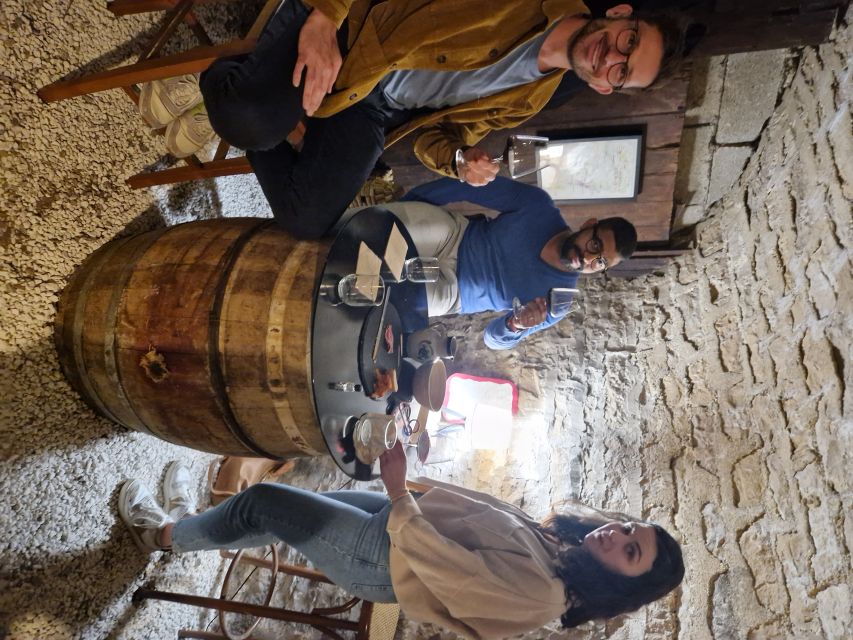
The guide is central to this experience. Matthieu is repeatedly praised for his Burgundy knowledge, humor, local background, and ability to look after the whole group. He is described as both entertaining and clear, which is a useful combination when a subject can become technical.
His local connection matters. Burgundy wine is full of names, classifications, and traditions that can feel abstract in a book. A guide who can connect those details to the region gives the class a stronger sense of place.
Patrice is also named in the feedback, and one participant described her as wonderful and gracious when the session ran longer than expected. That suggests the hosting style is flexible, though you should still allow the full two hours in your schedule.
The class is offered in English or French. The English teaching is important for international visitors, since wine vocabulary can be hard enough without a language barrier. You can ask questions in the language that lets you understand the fine points.
The tone is not presented as stiff or overly academic. Beginners are welcomed, while people with more experience can ask about technical points. That balance is one reason the class suits couples, friends, solo visitors, and small groups with mixed levels of wine knowledge.
Is $97 good value for two hours?
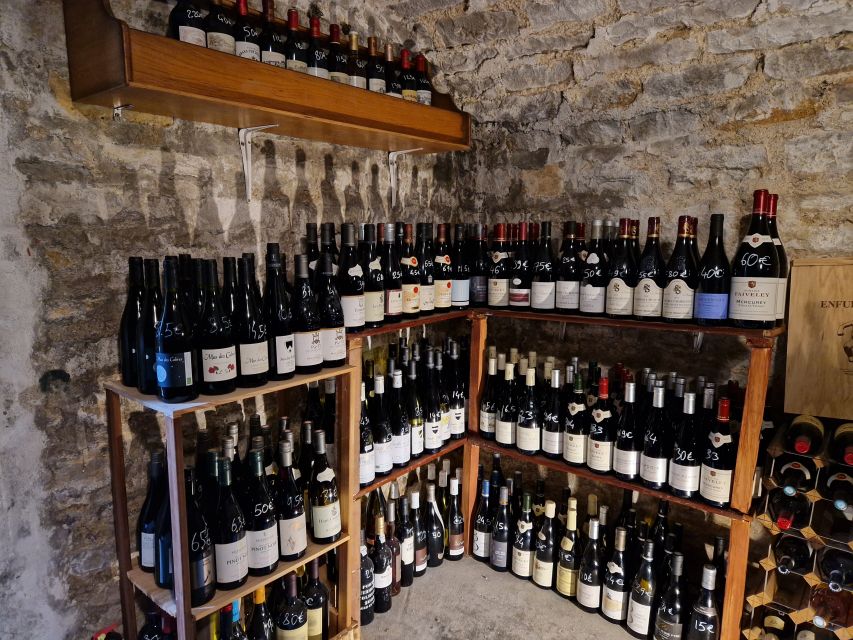
At $97 per person, this is not a cheap tasting. You are paying for five wines, possibly a sixth, food, and two hours with a sommelier rather than for a quick counter tasting.
The value depends on what you want from Burgundy. If your main aim is to drink the largest possible quantity for the lowest price, this is not the right choice. If you want a structured introduction that helps you understand later bottles, menus, and vineyard visits, the price is easier to justify.
Dijon is a strong base for this kind of class because you may not have time for a full trip into the wine country. The session gives you regional context without requiring a day of transport. It also lets you learn before spending more money on Burgundy bottles or longer tours.
I see the price as fair for a focused educational tasting, particularly for first-time Burgundy visitors. It is less compelling if you already have advanced wine training and mainly want access to rare or highly specific producers, since no particular wines or producers are promised.
The excellent five-star rating from 70 reviews supports the impression that the teaching and atmosphere are the main value. Still, use the price as a guide to your priorities. You are buying explanation, comparison, and a friendly expert-led setting, not just a glass of wine.
Who should book this Dijon tasting?
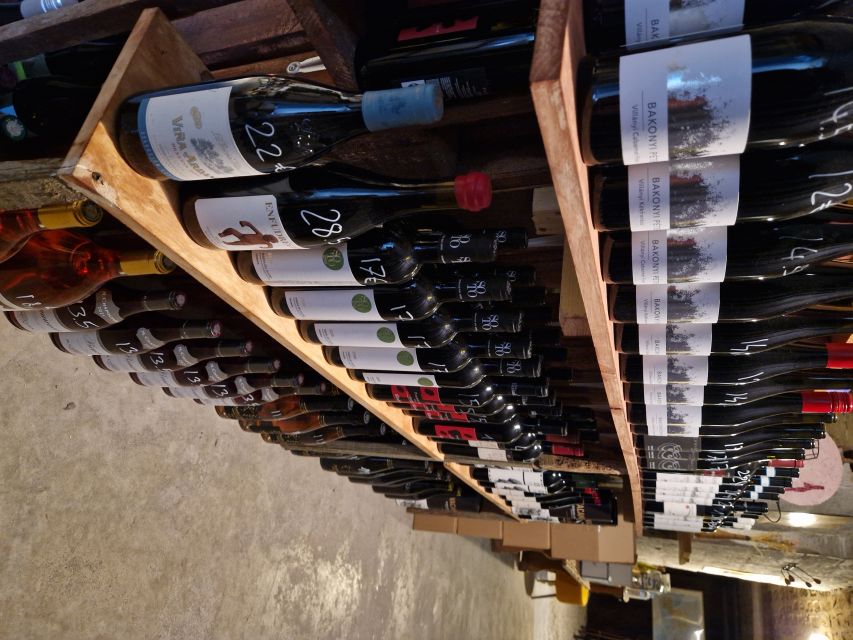
This class is best for adults who want Burgundy to make sense quickly. It suits you if you are new to wine, curious about French labels, or planning to visit Burgundy’s wine areas but have limited time.
It also works well for a mixed group. A beginner can learn the basic tasting method while a more experienced drinker can ask about production rules, regional differences, or pairing. The relaxed style should keep the session accessible without stripping away useful detail.
You may prefer a different activity if you want to walk through vineyards, meet winemakers, see a cellar, or spend a full day in the countryside. This is an indoor masterclass in Dijon. The production process is explained, but you are not promised a working winery visit.
The activity is for adults only. It is not suitable for children under 18, people under 17, or pregnant women. Pets are not allowed.
Book this class if you want to leave Dijon able to taste with more confidence and read a Burgundy label with less guesswork. Skip it if you already know the region well and are seeking a very specialized or producer-led tasting.
Practical details before you book
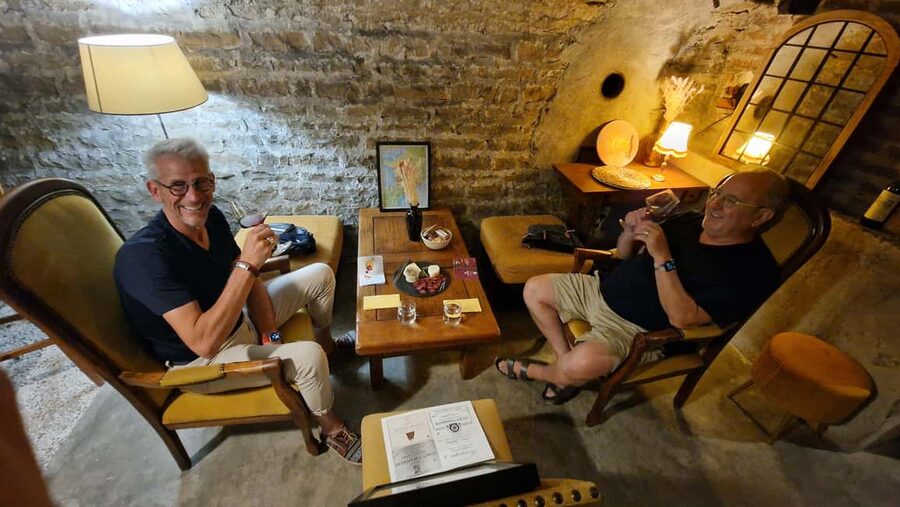
The class lasts two hours, with starting times shown when you check availability. English and French are available.
You can cancel up to 24 hours before the activity for a full refund. A reserve-now, pay-later option is also available, which helps if your Dijon schedule is still changing.
Arrive at the courtyard entrance and look for the stairs on the left with The Wine Compass sign. The activity returns to this meeting point, so it is simple to combine with other plans in Dijon.
My call: book it for a smart Burgundy introduction
I would book this if Burgundy wine is new to you or if you want a useful refresher before exploring the region. The strongest features are the clear tasting method, the label lesson, Matthieu or Patrice’s relaxed teaching, and the way cheese and charcuterie turn theory into something you can taste.
The only real limitation is scope. Two hours cannot replace a vineyard day or a detailed study of every Burgundy appellation. But for a compact, friendly, adult-only introduction in Dijon, this masterclass gives you a lot to work with and helps the rest of your Burgundy visit make more sense.
FAQ
How long does the Burgundy wine masterclass last?
The activity lasts two hours. Starting times are shown when you check availability.
Where does the activity start?
Enter the courtyard and look for stairs going down on the left. A sign marked The Wine Compass identifies the meeting point.
Where does the activity finish?
The masterclass ends back at the meeting point.
What is included in the price?
The experience includes a guided wine tasting, cheese, and charcuterie.
How many wines will be tasted?
Five wines are expected. A sixth wine may be added if the group has extra time and is enjoying the session.
Is the class available in English?
Yes. The activity is offered in English and French.
Who leads the masterclass?
The guides include Matthieu and Patrice. Matthieu has ten years of tasting experience and reached the highest level of his school in London the previous year.
Is the activity suitable for children?
No. It is not suitable for children under 18 or people under 17.
Can I cancel for a refund?
Yes. You can cancel up to 24 hours in advance for a full refund. A reserve-now, pay-later option is also available.
More Workshops in Burgundy
- Pinot Noir Masterclass – Wine tasting in Dijon
★ 5.0 · 147 reviews - Fragonard Paris: Mini Perfume Workshop
★ 4.5 · 1,924 reviews - Paris: 2-Hour Perfume Creation Workshop
★ 4.8 · 731 reviews - Nice: Discovery Perfume Workshop
★ 4.8 · 637 reviews
Just added around Burgundy
- Côte de Beaune Half-Day Wine Tour from Dijon★ 4.7 · 32 reviews
- From Paris: Burgundy Region Winery Tour with Tastings★ 4.8 · 96 reviews
- From Lyon: Beaujolais Wine Route Half-Day Tour★ 4.7 · 81 reviews
- From Beaune: Full-Day Bicycle and Wine Tour in Burgundy★ 4.9 · 95 reviews
- Golden stones Beaujolais Wine Tour with Tastings from Lyon★ 4.5 · 158 reviews
- Taste Wine in Lyon: Burgundy, Beaujolais, Rhône, and more★ 5.0 · 211 reviews
- Burgundy Wine Tasting Small-Group Tour in Chablis from Paris★ 4.5 · 186 reviews
- Beaune: Maison Champy Guided Cellar Tour with Wine Tasting★ 4.7 · 213 reviews
Wine Tours, compared.
Moulin Rouge Cabaret Show Ticket with Champagne
Read our review →
Authentic Parisian Gourmet Food Tour with 10 Local Dishes & Wines
Read our review →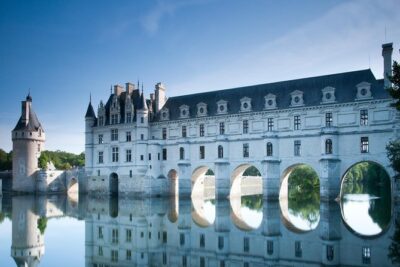
Loire Valley Castles Day Trip from Paris with Complementary Wine
Read our review →
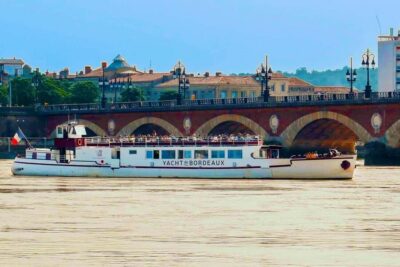
River Garonne Cruise with Glass of Wine and Canelé
Read our review →
Montmartre Hill French Gourmet Food and Wine Tasting Walking Tour
Read our review →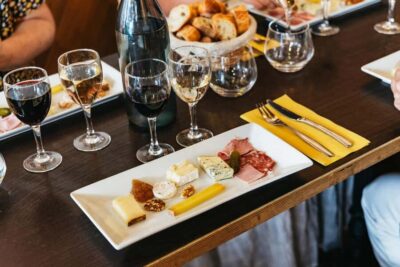
Montmartre Cheese, Wine & Pastry Guided Walking Tour
Read our review →
Paradis Latin Cabaret Show with Optional Champagne
Read our review →Browse the lists this tour appears in