
Reviewed · D-DAY BEACHES TOURS
Omaha and Utah beaches
The most powerful part of this full-day tour is the way it links famous beaches with small villages, farms, bridges, churches, and field positions. At Omaha and Utah, you see the broad shoreline. At places such as Angoville-au-Plain and La Fière, you get closer to the human scale of the fighting. The guide helps connect each stop to the movements of the American V Corps and VII Corps.
I like the wide range of stops and the small-group format, capped at 16 people. I also like that the tour includes both major sights and quieter places, with guides such as Theo, Adam, Valentine, Ben, and Guillaume praised for clear explanations and personal stories. The main drawback is the price, $183.81 per person, and the long day can feel full if you prefer slow sightseeing.
Key points to know before booking
- A full American-sector route: Omaha Beach, Utah Beach, Pointe du Hoc, Sainte Mère Église, and the American Cemetery are all covered in one day.
- Small-group transport: You travel by private vehicle with a maximum of 16 people, not on a large coach.
- Strong guide element: The guide is central to the experience, using maps, photographs, battle details, and human stories to explain what happened.
- More than the famous beaches: La Fière, Angoville-au-Plain, Holdy Battery, and several memorials add detail beyond the standard Normandy circuit.
- Plan for changing weather: Beaches can feel cold, especially on autumn mornings, and rain is possible.
- Bring your own lunch budget: Food and drinks are not included, and the tour does not provide hotel pickup or drop-off.
Why this tour works as a D-Day introduction
Normandy is filled with important sites, but they are spread across a large area. If you visit on your own, you can reach the main beaches, yet it is harder to understand how the separate actions fitted together.
This tour gives you a full day of that wider picture. You follow the American landing and airborne sectors from the coast toward inland positions. The route includes the beaches themselves, German defenses, memorials, villages, a church, a hospital site, and places tied to individual acts of courage.
I find that mix more useful than a beach-only outing. Omaha and Utah are essential, but the smaller places help you understand why roads, bridges, farms, and crossroads mattered. Your guide also provides the military context, so you are not left trying to interpret every bunker or memorial on your own.
The experience begins at Place du Québec in central Bayeux at 8:20 am. You return to the same meeting point after roughly nine hours. That early start matters because the route covers a lot of ground, and traffic can be heavy during anniversary periods.
More D-Day landing beach tours:
- Normandy American D-Day Beaches Full Day Tour from Bayeux
★ 5.0 · 2,103 reviews - Normandy American D-Day Experience – Group tour from Bayeux
★ 5.0 · 1,566 reviews - Omaha and Band Of Brothers Full Day Tour
★ 5.0 · 1,104 reviews
Longues-sur-Mer Battery sets the military scene
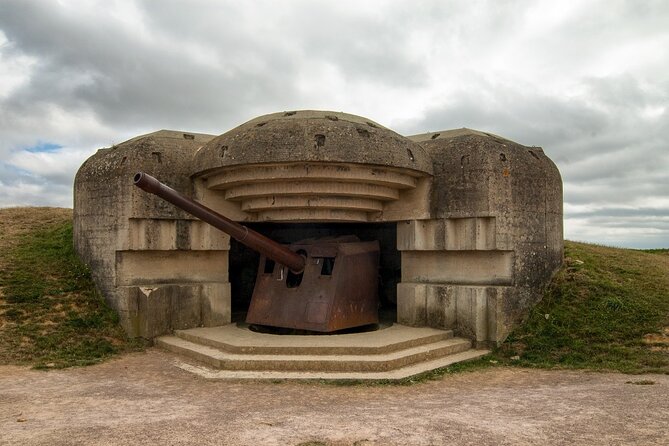
The day begins with Longues-sur-Mer Battery, one of the German coastal defense positions along Normandy. This is a useful first stop because it introduces the defensive system that confronted the Allied forces.
You can expect the guide to explain how the battery fit into the coastal defenses and why fixed gun positions mattered during the landing. It gives you a military frame before you reach the beaches, where the story becomes more personal and emotional.
The stop also reminds you that D-Day was not just a rush from landing craft onto sand. It involved artillery, observation, defensive positions, naval support, and carefully planned movements. If you have limited background in the campaign, this opening explanation should make later stops easier to follow.
Omaha Beach: the hardest shoreline to absorb
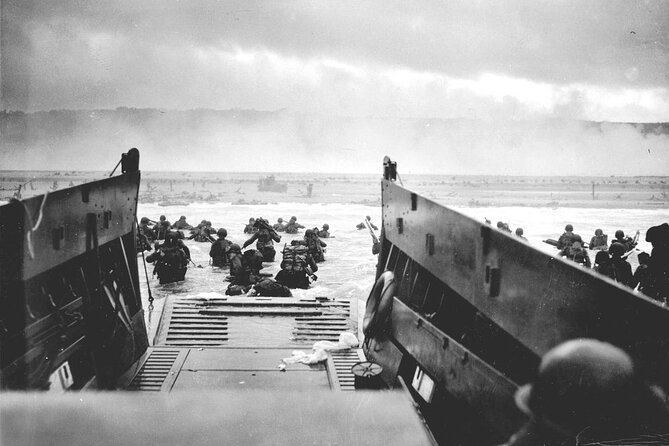
Omaha Beach is usually the emotional center of the day. You have open space in front of you, but the guide helps you picture the obstacles faced by the American troops who came ashore here.
This is a place where the physical setting can be misleading. The beach looks calm and ordinary. Without explanation, it may be hard to grasp why the landing became so costly. A good guide changes that by pointing out the relationship between the shore, the higher ground, and the defensive positions.
Several guides on this route, including Theo, Adam, and Valentine, have been praised for giving the military detail without burying the meaning of the place under too many facts. That balance matters. You need enough information to understand the battle, but also time to look, think, and take in the setting.
Bring warm clothing. The open coast can feel cold in the morning, and the weather may shift quickly. Comfortable shoes are also sensible because the day includes outdoor stops and walking around historic sites.
The American Cemetery at Colleville
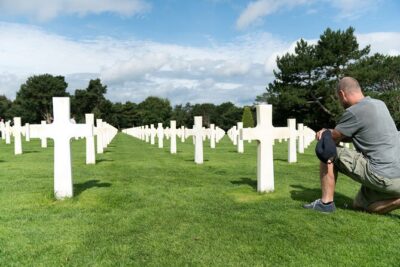
The American Cemetery at Colleville is one of the most solemn stops on the route. The rows of white markers make the scale of the losses immediately visible.
Your guide can add context about the men represented there, but this is also a place where silence has its own value. You do not need a long speech to understand the weight of the site. Give yourself time to look across the cemetery and consider the young age of many of those who died.
This stop works especially well after Omaha Beach. The beach shows the setting of the fighting. The cemetery shows its human cost. Together, they prevent the day from becoming a simple sequence of military landmarks.
A few more Bayeux half-days worth comparing
- Normandy Beaches Half-Day Afternoon Trip from Bayeux (A2)
★ 4.5 · 1,116 reviews - Omaha Beach D-Day Experience – Afternoon group tour from Bayeux
★ 5.0 · 1,088 reviews - Normandy Battlefields Tour – American Sites (A3)
★ 5.0 · 876 reviews - Private D-Day Experience from Bayeux
★ 5.0 · 573 reviews
Pointe du Hoc and the cost of taking high ground
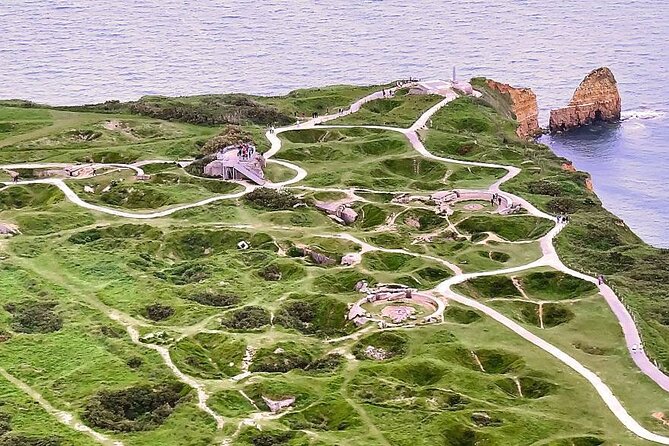
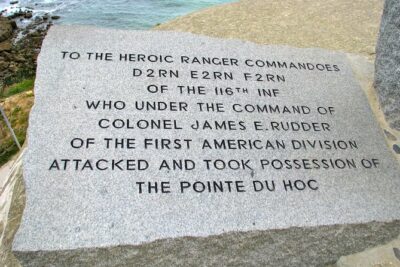
Pointe du Hoc adds another kind of drama. Here, the focus is on the effort to take a heavily defended position above the coast. The site helps you understand why high ground was so important to both sides.
The terrain and remaining fortifications give the stop a physical sense of danger. You are not just hearing about a military objective in the abstract. You are seeing the sort of position that troops had to approach and secure.
The guide’s role is important here because the site can raise more questions than it answers. Maps and photographs have been used during the tour to show the wartime situation and clarify how the operation unfolded. If you enjoy military history, this is likely one of the strongest stops of the day.
Sainte Mère Église and the airborne side of D-Day
The route then moves inland to Sainte Mère Église, a name closely tied to the American airborne landings. This changes the pace and setting of the tour. You leave the open shoreline and enter a village where the events of D-Day unfolded amid streets, houses, and local buildings.
The stop helps you see that the invasion was not only a beach operation. Airborne troops had their own objectives, risks, and confusion. The guide explains how their actions related to the wider American advance.
Some visitors may find the itinerary slightly demanding at this point because there is much to absorb before lunch. The upside is that the variety keeps the day from becoming repetitive. You are moving between beaches, coastal batteries, villages, bridges, and memorials rather than stopping at a series of similar bunkers.
La Fière and the fight for the bridge
La Fière is one of the route’s more valuable lesser-known stops. Its importance comes from the fight for a crossing point and the role that a bridge could play in controlling movement through the area.
This is exactly the kind of place that can be difficult to appreciate without a guide. A bridge may look ordinary today, but in wartime it could determine whether troops, vehicles, and supplies could move forward.
The guide brings the site to life by explaining the action and the people involved. The tour is not limited to broad statements about strategy. It also focuses on individual decisions and acts of courage, which give the campaign a human face.
DeGlopper Action and individual courage
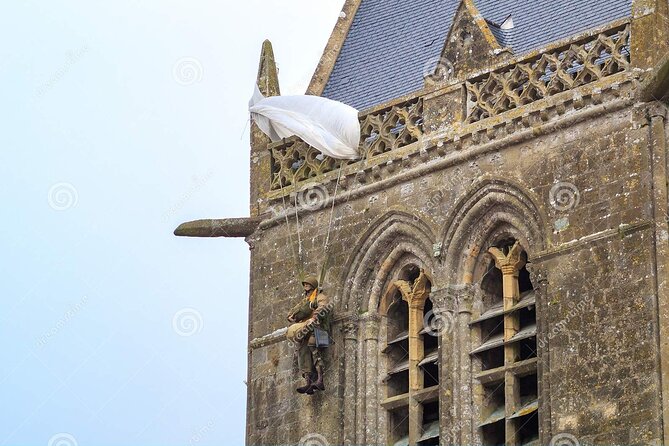
The DeGlopper Action is another stop where the route moves from large-scale operations to one person’s actions. The point is not simply to collect another memorial. It is to understand how a single act could affect the movement and survival of others.
I value these smaller memorial stops because they keep the day from becoming a list of generals and troop numbers. The Normandy campaign was shaped by ordinary soldiers making fast decisions under terrifying conditions. Personal stories help you connect with that reality.
The exact depth of the explanation will depend on your guide. Guides such as Guillaume, Adam, Antoine, and Theo have been described as especially good at adding family stories and individual detail. Guide assignments can vary, so you should not book expecting one particular person unless the operator confirms it.
Utah Beach and Sainte Marie du Mont
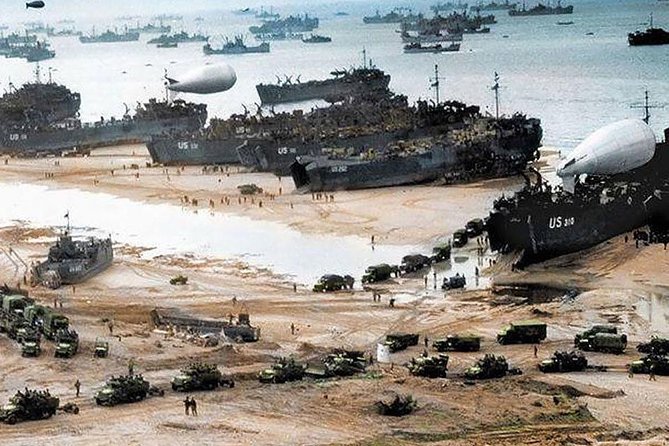
Utah Beach gives you a second coastal perspective. Compared with Omaha, it helps you see that the American landings were not one single event. The beaches had different terrain, different objectives, and different results.
Your guide compares the two sectors while keeping the story connected to the advance inland. This is one reason the tour is more useful than visiting only one beach. Omaha can dominate the popular image of D-Day, but Utah completes the American story.
Sainte Marie du Mont adds village context to the beach operation. Here, you can think about how the invasion affected the small communities through which the troops moved. The village stops also provide a change from the broad coastal views and defensive sites.
Holdy Battery and the first aid station
Holdy Battery and the 1st Aid Station add a practical medical and defensive angle. These places show that the campaign depended on more than front-line action. Artillery positions, treatment points, roads, and supply movements all shaped what happened.
A guide can explain how medical care operated under pressure and how wounded men were handled near the fighting. That is a difficult subject, but it helps you understand the human cost beyond casualty figures.
This portion of the day may feel more specialized than Omaha or the cemetery. I would see that as a benefit if you want more than the standard highlights. If you prefer a short sightseeing trip with plenty of free time, the number of stops may feel demanding.
La Colombière Hospital and Hiesville
La Colombière Hospital continues the medical story, while Hiesville introduces General Taylor’s Headquarters. These stops connect front-line action with command decisions and the work of organizing a rapidly moving campaign.
The itinerary also includes the General Pratt Memorial. Together, these places help show how leadership, communications, medical support, and troop movement worked alongside combat.
The guide is the key to making these locations worthwhile. On your own, you might see a building or memorial without knowing why it matters. With a strong explanation, each stop becomes part of the same story rather than an isolated point on a map.
Angoville-au-Plain closes the day on a human note
Angoville-au-Plain is among the most memorable final stops because of its church and the story of two medics who cared for about 80 Allied and German soldiers. That detail gives the site a direct human force.
The church also shows how ordinary buildings became places of shelter and treatment during the fighting. The story does not erase the violence of the campaign, but it shows compassion in the middle of it.
Ending with this kind of story works well. After a day of military positions, beaches, and cemeteries, you leave with a reminder that courage could also mean caring for the wounded, including men on the opposing side.
The guide makes or breaks the experience
This tour depends heavily on the person leading it. The vehicle gets you around, but the guide gives meaning to the route.
Guides named in the supplied details include Theo, Jack, William, Guillaume, Valentine, Adam, Ben, Antoine, Louis, Fredric, and Stephen. They have been praised for clear storytelling, strong historical detail, safe driving, maps, photographs, humor, and the ability to answer unexpected questions.
That range is useful to know. It means the experience is not built around a single personality. Still, guide quality can vary from day to day simply because assignments change. If you care about a particular guide, ask before booking, but do not assume that a named guide is guaranteed.
The best guides also know when to stop talking. Several parts of Normandy deserve a quiet moment. You should expect a full explanation at each location, balanced with time to look around and reflect.
Price, group size, and what you receive
At $183.81 per person, this is not a budget outing. I think the price makes sense if you want to cover both American beaches and inland sites in one day without arranging a car, planning the route, or studying the campaign in advance.
The tour includes a driver or guide, a local guide, a professional guide, and transport by private vehicle. The group can reach 16 people, which is small enough for questions and easier movement than a large bus.
Lunch, food, and drinks are not included. Hotel pickup and drop-off are also not included, so you need to reach Place du Québec in Bayeux for the 8:20 am departure and return there at the end.
The value is strongest for first-time visitors with only one day for the American sector. If you already have a car and have researched every site, you may prefer to visit independently. You will save money, but you will also take on the driving, timing, parking, and historical interpretation yourself.
Who should book this Normandy day
I would choose this tour if you want a serious introduction to D-Day and prefer stories over a quick photo stop. It suits anyone interested in military history, family wartime connections, memorials, or the human side of major events.
It is also a good choice for people who want to see both Omaha and Utah rather than selecting one beach. The added stops at La Fière, Angoville-au-Plain, Holdy Battery, and the smaller memorials make the day feel more complete.
You may want a different plan if you dislike long days, need hotel pickup, or want to spend hours at only one museum or beach. The itinerary is packed, and the emotional weight is real. Give yourself some quiet time afterward if possible.
Should you book the Omaha and Utah beaches tour?
Yes, if you want the broadest American D-Day route from Bayeux in one day. You get the major beaches and cemetery, but also the bridges, churches, batteries, medical sites, and village actions that give the campaign texture.
The strongest reason to book is the guide-led interpretation. Theo, Adam, Valentine, Ben, Antoine, and others have made this route especially effective by combining military facts with individual stories. The main cautions are the price, the early meeting time, the lack of included meals, and the packed nine-hour schedule.
Wear warm layers, bring food or money for lunch, and arrive ready for a thoughtful day rather than a light sightseeing outing. If that sounds right for you, this is a strong use of one day in Bayeux.
FAQ
Where does the tour begin?
The tour begins at Place du Québec, Pl. du Québec, 14400 Bayeux, France.
What time does the tour start?
The scheduled start time is 8:20 am.
How long does the tour last?
The tour lasts approximately nine hours.
Where does the tour end?
The activity ends back at the meeting point in Bayeux.
What sites are included?
The route includes Longues-sur-Mer Battery, Omaha Beach, the American Cemetery at Colleville, Pointe du Hoc, Sainte Mère Église, La Fière, the DeGlopper Action site, Utah Beach, Sainte Marie du Mont, Holdy Battery and the 1st Aid Station, La Colombière Hospital, Hiesville, the General Pratt Memorial, and Angoville-au-Plain.
Is lunch included?
No. Food, drinks, and lunch are not included.
What is the cancellation policy?
You can cancel at least 24 hours before the experience begins for a full refund. Cancellations or changes made less than 24 hours before the start time are not accepted for a refund.
Just added around Bayeux
- Bayeux: Normandy D-Day Landing Beaches Full-Day Guided Tour★ 4.8 · 158 reviews
- Bayeux: 2-hour tour of the D-Day beaches, by vintage sidecar★ 4.9 · 64 reviews
- Bayeux: Band Of Brothers Full-Day Tour★ 4.9 · 53 reviews
- Full-Day US Battlefields of Normandy Tour from Bayeux (A3LST)★ 5.0 · 214 reviews
- Full-Day Canadian Battlefields & sites Normandy Tour from Bayeux★ 5.0 · 191 reviews
- Normandy Battlefields D-Day Private Trip with VIP Services from Paris★ 5.0 · 240 reviews
- Private vintage sidecar tour of the D-Day Landing Beaches★ 5.0 · 130 reviews
- 2- to 6-hour sidecar excursion on the D-Day Landing Beaches★ 5.0 · 131 reviews
D-Day Beaches Tours, compared.
Normandy D-Day Sites & Cemetery Day Trip from Paris with Lunch
Read our review →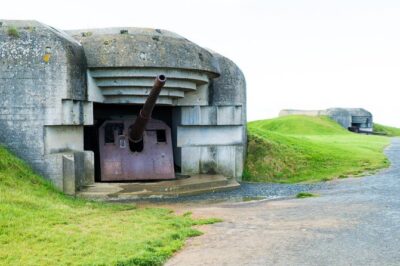
Normandy D-Day Small-Group Day Trip with Omaha Beach, Cemetery & Cider Tasting
Read our review →
Normandy D-Day Beaches and American Cemetery Day Trip from Paris
Read our review →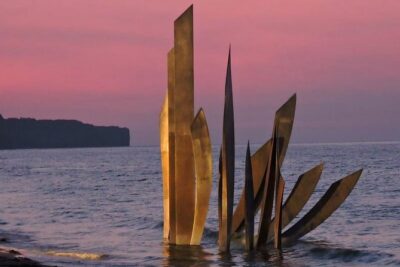
Normandy American D-Day Beaches Full Day Tour from Bayeux
Read our review →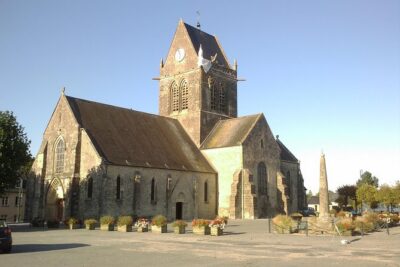
Normandy American D-Day Experience – Group tour from Bayeux
Read our review →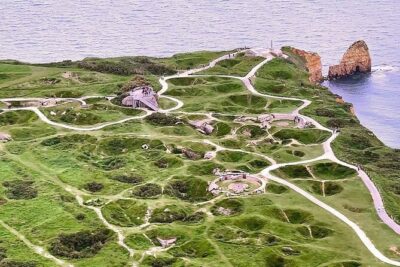
Omaha Beach D-Day Experience – Afternoon group tour from Bayeux
Read our review →
Normandy D-Day Sites Guided Day Trip with Lunch
Read our review →Browse the lists this tour appears in