
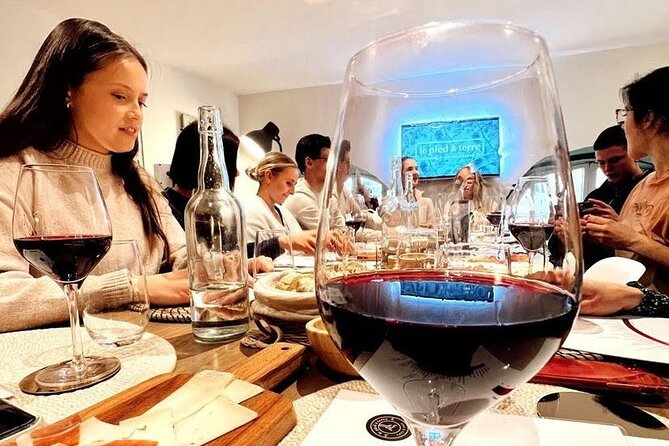
Reviewed · WINE TOURS
Discovery of the Bordeaux vineyard in 3 wines
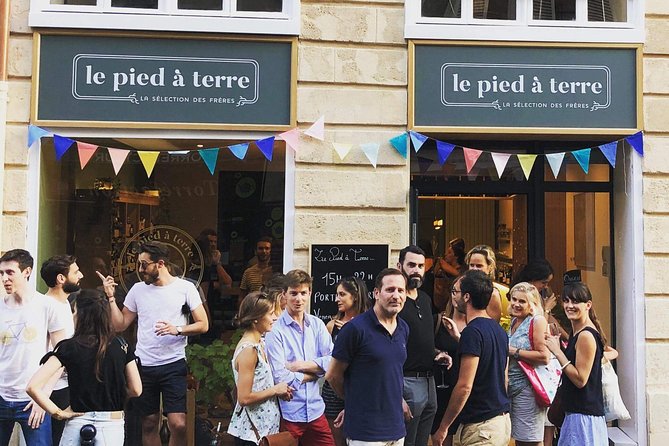
Bordeaux wine can seem like a maze of estates, appellations, and labels. This tasting makes the subject manageable: you sample three carefully chosen wines while learning how the Left Bank, Right Bank, and white-wine regions differ. The setting is Le Pied à Terre, an easy-to-find wine shop and tasting room at 22 Rue Judaïque.
I like the friendly teaching style, especially the clear tasting tips and the chance to ask basic questions without feeling foolish. I also like the food pairing, with Basque ham and cheese from Maison Pierre Oteiza. The main consideration is that this is a cellar or upstairs tasting-room class, not a visit to a vineyard or château, and the published start time may need confirming.
Key points
- Three contrasting Bordeaux wines: Taste a powerful Left Bank red, an elegant Right Bank red, and a dry Bordeaux white.
- Practical wine instruction: Learn how to taste, read Bordeaux classifications, and connect grapes with regional styles.
- English-language guidance: Hosts including James and Pierre are warm, humorous, and happy to answer questions.
- Basque food pairing: Expect bread, cheese, and charcuterie, including products from Maison Pierre Oteiza.
- Small-group setting: The experience allows a maximum of 12 people, which gives the session a personal feel.
- City-center convenience: Meet at 22 Rue Judaïque in Bordeaux, near public transportation, without arranging a trip into the countryside.
A useful first lesson in Bordeaux wine
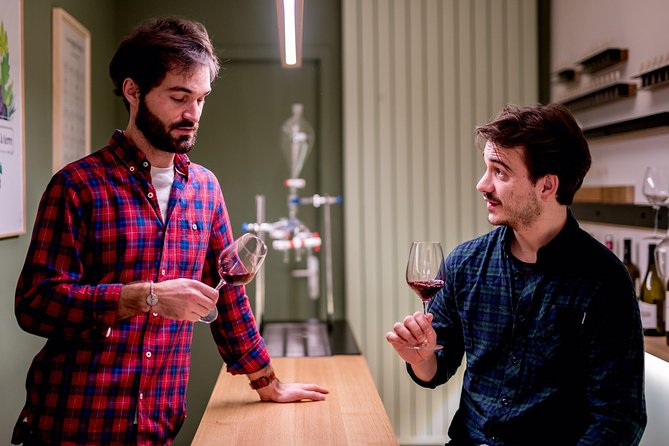
This tasting works best as a classroom with wine in the glass. You meet at Le Pied à Terre, then settle in for a guided session built around three representative bottles. The point is not simply to drink three samples. It is to understand why Bordeaux can produce such different wines within one broad region.
The structure is smart for first-time wine visitors. One red represents the Left Bank, where Bordeaux wines are often associated with power and Cabernet Sauvignon. Another represents the Right Bank, known here for a more elegant style. A dry white completes the picture with freshness and a different balance of grape varieties and winemaking methods.
The hosts explain each wine in context, including its appellation, grapes, production methods, estate background, and place in Bordeaux’s wine system. You also hear about the region’s past, with stories reaching back to Roman times. That historical layer helps explain why wine is so closely tied to Bordeaux’s identity.
More Wine Tours in Bordeaux
- Bordeaux: Cité du Vin Entry Ticket and Wine Tasting
★ 4.6 · 3,885 reviews - Bordeaux: River Garonne Cruise with Glass of Wine and Canelé
★ 4.5 · 3,630 reviews - From Bordeaux: Afternoon Saint-Emilion Wine Tasting & snack
★ 4.8 · 1,581 reviews
What happens during the 90-minute tasting
The advertised duration is about one hour and 30 minutes. The pace is generally relaxed rather than rushed, with time for explanations and questions. Some sessions may feel closer to two hours, especially when the group is engaged and the discussion wanders into food, travel, or personal wine preferences.
You begin with an introduction to Bordeaux and the basic mechanics of tasting. The guide shows you how to look at the wine, smell it, taste it, and think about what you are noticing. This is not a showy exercise in cork sniffing. The lesson is meant to be usable at a restaurant or wine shop later in your trip.
The three wines then give the class a clear framework. You compare rather than taste in isolation. The Left Bank example shows one side of Bordeaux, with weight and structure. The Right Bank wine offers a different style, often described during the session in terms of elegance and balance. The white gives your palate a break from red wine and helps you understand Bordeaux beyond its famous reds.
The final part brings together food pairing, regional differences, and producer information. You can ask about labels, classifications, grape varieties, and how to choose a bottle. The atmosphere is informal, so you do not need prior wine knowledge to take part.
Left Bank, Right Bank, and Bordeaux white
The best feature of the wine selection is its contrast. Three wines cannot represent every corner of Bordeaux, but these three styles give you a sound starting point.
The Left Bank red is presented as the powerful wine of the set. That makes it useful for learning about body, tannin, structure, and the role of Cabernet-led blends. You may not leave able to identify every Left Bank appellation, but you will have a better sense of why wines from that side of the river are often described as firm and serious.
The Right Bank red provides the counterpoint. The session focuses on elegance and regional character, helping you see that Bordeaux is not one single style. Comparing the two reds side by side is more useful than hearing a long list of names. You can notice differences in aroma, texture, weight, and finish while the explanation is still fresh.
The dry white is a welcome choice. Many visitors arrive thinking only about red Bordeaux, yet the region also makes fresh white wines. This glass adds variety to the tasting and gives the guide a chance to explain white-wine grapes, acidity, and methods that differ from those used for red wine.
At least some sessions have included two Grand Cru Classé wines. That can add extra value, though the exact bottles may vary. You should treat the three wines as teaching tools rather than expect an expensive château tour in miniature.
The teaching style is the real strength
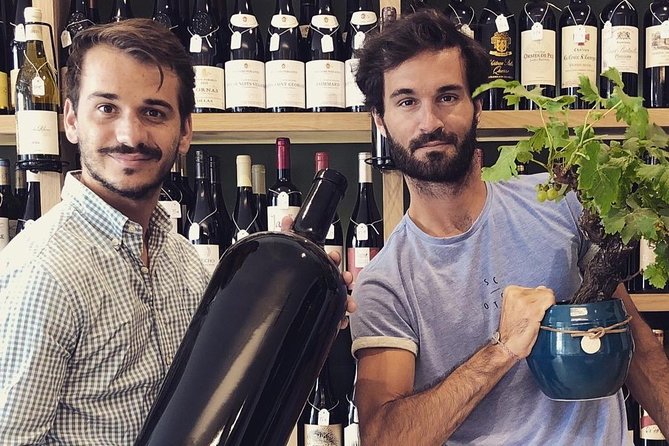
The experience gets its best results from the hosts. James is described as an English-speaking wine expert who combines Bordeaux history with practical instruction. Pierre, one of the brothers associated with the shop, has also led sessions and is noted for making the class fun without making it pretentious.
That tone matters. Wine classes can become stiff, packed with technical terms and rules about what you should taste. Here, the teaching is built around questions and conversation. Complete beginners can ask what an appellation means, why one wine costs more than another, or how to describe a flavor without knowing formal wine language.
If you already drink wine, you will still find useful material in the discussion of Bordeaux’s certification and governance system. The class explains how producers qualify to use regional names and how Bordeaux labels reflect location and classification. Intermediate drinkers may find the talk a little free-flowing at times, particularly if the group asks many questions, but that is also what makes it approachable.
The humor helps. The hosts are not trying to impress you with difficult vocabulary. They want you to leave able to taste with more confidence. That is a practical goal, and it suits a short city tasting better than a dense lecture.
Same trip, a completely different kind of day:
- Medoc or Saint Emilion Wine Tasting and Chateau from Bordeaux
★ 5.0 · 1,415 reviews - Saint Emilion Day Trip with Sightseeing Tour & Wine Tastings from Bordeaux
★ 5.0 · 1,120 reviews - Saint-Émilion: Grand Cru Classé Winery Visit and Tasting
★ 4.6 · 1,118 reviews - Saint Emilion Half-Day Trip with Wine Tasting & Winery Visit from Bordeaux
★ 4.5 · 1,034 reviews
Basque cheese and charcuterie with the wine
The food is simple but well chosen. You receive a small board with bread, cheese, and ham from the Basque Country, including products from Maison Pierre Oteiza. It is not a full meal, so plan to eat beforehand if you are hungry.
The pairing serves a real purpose. Salt, fat, and texture change the way wine tastes, and the charcuterie gives you a chance to see why certain reds work well with cured meat and cheese. The food also makes the class feel more social. You are not sitting alone with three glasses while someone reads tasting notes.
The portion has been described as modest, with some people receiving a slice of bread, cheese, and ham. That is enough for a tasting but not enough to replace lunch or dinner. Vegetarian and vegan adjustments have been accommodated when requested ahead of time, so contact the provider before the session if you need a different food arrangement.
An intimate setting, not a vineyard excursion
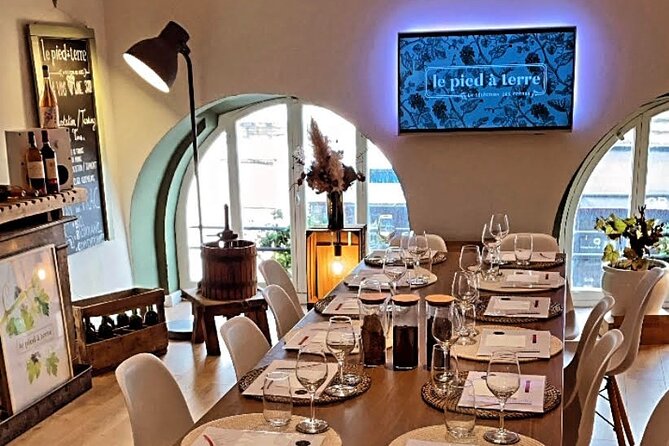
The address is 22 Rue Judaïque, 33000 Bordeaux, and the activity returns to that same meeting point. It is near public transportation, making it easy to fit into a day of sightseeing without arranging a car or countryside transfer.
Le Pied à Terre is a wine shop with a pleasant upstairs tasting room. The setting feels more local and practical than theatrical. You get close access to the host, the bottles, and the other people in your group.
That convenience comes with a clear trade-off. You will not walk through vines, tour a barrel cellar, or visit a château estate. If your main aim is to see rural Bordeaux, this is not the right experience. If you want a focused lesson before booking a full-day wine-country trip, it is a much better fit.
The maximum group size is 12. That is small enough for questions and discussion, though the exact atmosphere depends on who attends. The mix can include people from different countries and wine backgrounds, which is especially pleasant for solo visitors. You may arrive alone and leave with a few new dining or wine-bar suggestions.
Timing matters, so confirm before you go
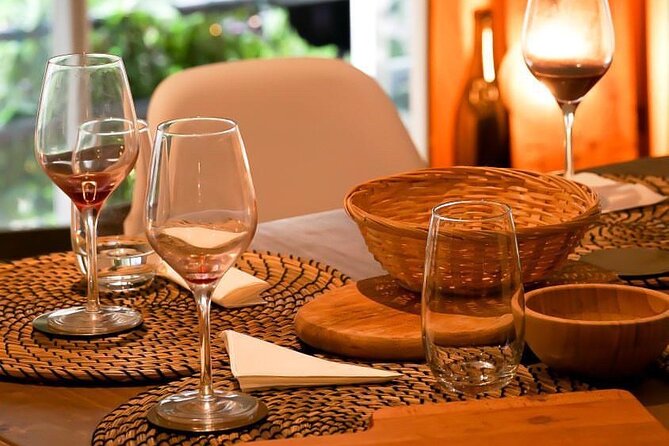
The listed duration is approximately 90 minutes, but the start time deserves attention. One published schedule has shown an 11 a.m. option, while a direct experience note says tastings take place at 2:30 p.m. Confirm the current time when booking and again before heading to Rue Judaïque.
That afternoon schedule can work well. You can spend the morning exploring Bordeaux, have lunch, and then use the tasting as a relaxed introduction to local wine. If you are planning a château visit on the same day, allow enough time for transport and do not assume the class will finish exactly at the 90-minute mark.
The activity is offered in English. Confirmation is provided at booking, and service animals are allowed. Free cancellation is available if you cancel at least 24 hours before the start time. Cancellations inside that window are not refunded, and the experience requires a minimum number of participants to operate.
Is $42.33 good value?
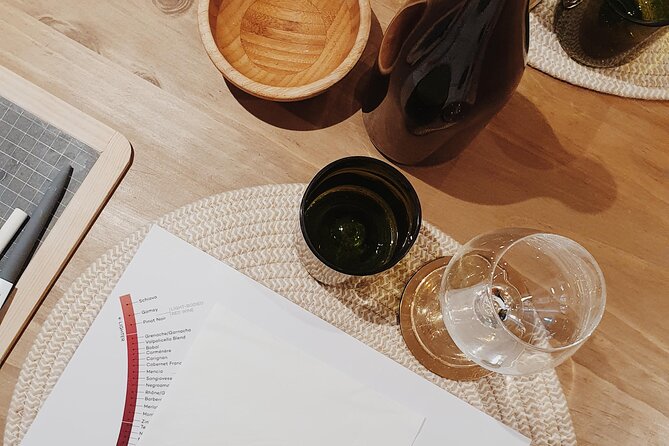
At $42.33 per person, the value depends on what you want from a Bordeaux wine experience. You receive three tasting-size pours, guided instruction, historical context, food, and access to a host who can answer questions. In a major wine city, that is a fair price for a compact introduction.
The strongest value is educational. You are not paying for a large quantity of wine. You are paying to understand what is in your glass and how to compare it with the next one. If you are new to Bordeaux, that can save money later when faced with a long restaurant or shop list.
The price is less compelling if you expect a full meal, generous pours, or a countryside visit. The charcuterie and cheese are a snack, not dinner. The wines are tasting portions, not bottles to take home. Think of this as a guided wine class with refreshments.
Some sessions have included two Grand Cru Classé wines, which makes the price particularly appealing when those bottles are part of the lineup. Still, wine selections can change, so book for the quality of the lesson rather than a promised brand or château.
Who will enjoy this Bordeaux tasting?
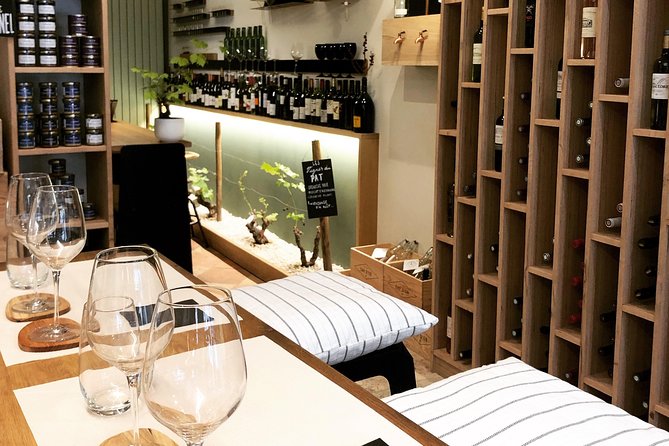
I would choose this for several types of visitors:
- Wine beginners who want a clear introduction without a formal or intimidating atmosphere.
- Couples and friends looking for a social activity in Bordeaux that takes less than half a day.
- Solo visitors who enjoy meeting a small group and asking questions.
- Experienced wine drinkers who want a compact explanation of Bordeaux appellations and regional styles.
- Food-focused visitors who like tasting local cheese and charcuterie alongside the wine.
- Visitors without a car who prefer a city-based experience near public transportation.
I would not make it your only wine activity if you are set on visiting estates. Pair it with a separate château or vineyard excursion. The class gives you the vocabulary and background to get more from that later visit.
It is also a good choice for a first afternoon in Bordeaux. You learn the basic map of the region, hear how its wine system works, and gain enough confidence to order local bottles at dinner.
Final recommendation: book it if you want understanding, not a château tour
You should book this experience if you want three well-chosen Bordeaux wines, a friendly English-speaking guide, and practical instruction in a central setting. James, Pierre, and the other hosts create the sort of relaxed class where beginners can ask simple questions and experienced drinkers can explore the details.
The drawbacks are straightforward: the food is light, the tasting takes place in a shop rather than at a vineyard, and the start time may require confirmation. Those limits do not weaken the experience; they simply define it.
For $42.33, this is a strong first step into Bordeaux wine. Book it before a countryside tour if you want the regional basics, or choose it on its own if your schedule allows only a short, useful lesson in the city.
FAQ
Where does the Bordeaux wine tasting take place?
The meeting point is Le Pied à Terre at 22 Rue Judaïque, 33000 Bordeaux, France. The activity ends back at the same location.
How long does the experience last?
The advertised duration is approximately one hour and 30 minutes.
How many wines are included?
The tasting includes three Bordeaux wines: a powerful Left Bank red, an elegant Right Bank red, and a dry white.
Is the tasting offered in English?
Yes. The experience is offered in English.
Is this a vineyard or château tour?
No. The tasting takes place at Le Pied à Terre, a wine shop with an upstairs tasting room in Bordeaux.
What food is served?
The tasting includes bread, cheese, and charcuterie from the Basque Country, including products from Maison Pierre Oteiza.
How many people can join the activity?
The maximum group size is 12 people.
Is the meeting point near public transportation?
Yes. The meeting point is near public transportation.
Can I cancel for a full refund?
Yes, if you cancel at least 24 hours before the experience start time. Cancellations made less than 24 hours in advance are not refunded.
Just added around Bordeaux
- Discovery visit of Château Rol Valentin with tasting★ 5.0 · 34 reviews
- Saint-Émilion: 2 hours – Visit of the vineyard, the cellar and tasting★ 5.0 · 33 reviews
- Virtual Room Bordeaux – 1st team virtual reality experience★ 5.0 · 47 reviews
- Saint Emilion Full Day Wine and Bike Tour★ 5.0 · 167 reviews
- Bordeaux bike tour “The Best of Bordeaux”★ 5.0 · 164 reviews
- Luxurious full day Bordeaux wine tour in a Tesla★ 4.5 · 31 reviews
- Private Bordeaux History Tour with a glass of Bordeaux wine.★ 5.0 · 28 reviews
- Medoc Afternoon Wine Tour – 2 Wineries, tastings & delicacies★ 4.5 · 74 reviews
Wine Tours, compared.
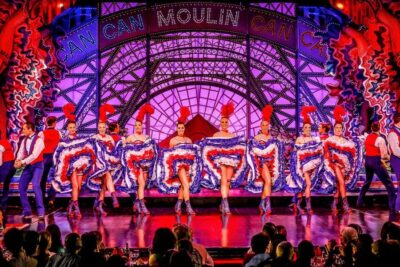
Moulin Rouge Cabaret Show Ticket with Champagne
Read our review →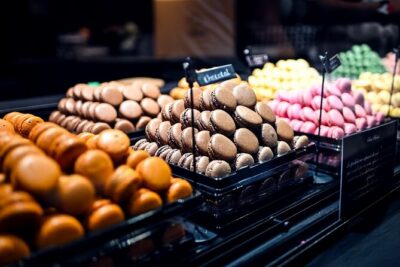
Authentic Parisian Gourmet Food Tour with 10 Local Dishes & Wines
Read our review →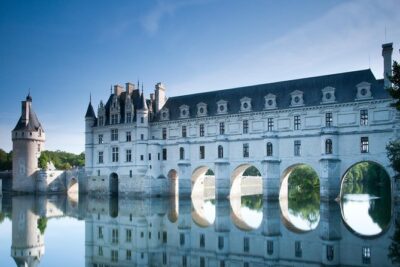
Loire Valley Castles Day Trip from Paris with Complementary Wine
Read our review →
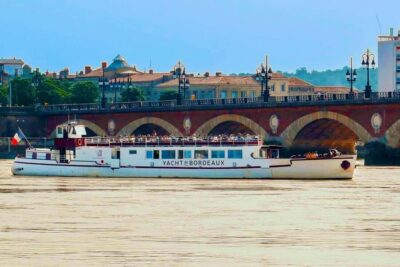
River Garonne Cruise with Glass of Wine and Canelé
Read our review →
Montmartre Hill French Gourmet Food and Wine Tasting Walking Tour
Read our review →
Montmartre Cheese, Wine & Pastry Guided Walking Tour
Read our review →
Paradis Latin Cabaret Show with Optional Champagne
Read our review →Browse the lists this tour appears in