
Reviewed · LE MARAIS TOURS
Award-Winning Paris French Bakery Experience — Le Marais, 4th Arr
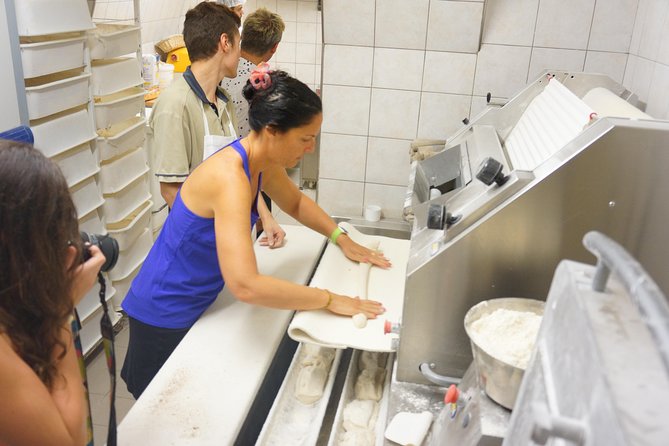
A warm bakery breakfast, a trip behind the counter, and hands-on bread making make this more than a pastry demonstration. You work in a real Parisian boulangerie, not a polished cooking studio, with a French baker showing you how baguettes, croissants, pain au chocolat, and financiers come together.
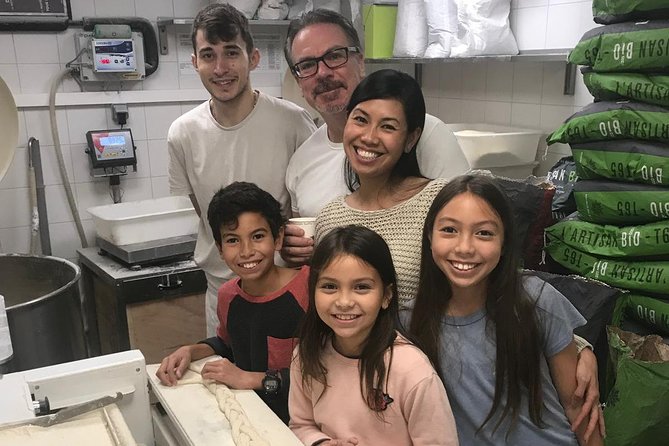
I like the small groups of up to nine, which give the baker room to help with shaping and rolling. I also like the take-home food: you may leave with baguettes, rolls, financiers, and other treats, not just a recipe card and a photo.
The main caution is that the exact level of hands-on work can vary. Some sessions use dough that has already been mixed or risen, and a few people found the class shorter or less involved than expected. The morning and afternoon sessions can also use different bakeries, so check the meeting instructions closely.
Key points to know before booking
- Breakfast starts the morning well: Coffee, juice, and French baked treats set the tone before the work begins.
- You enter a working boulangerie: You can see commercial ovens, machines, and the backroom where daily production happens.
- The class covers more than baguettes: Depending on the session, you may shape baguettes, croissants, pain au chocolat, financiers, madeleines, or other breads.
- Guides make a real difference: Mourad, Alice, Lisa, Tuc, Elyse, and other bakers have been praised for humor, patience, and clear instruction.
- Location details matter: Morning and afternoon classes may meet at different Manon bakeries, so do not rely on the address alone.
- The stairs may be steep: One bakery includes a steep staircase to the production area, which is worth considering before you book.
Starting with breakfast in Le Marais
The experience begins at a Manon bakery in or near Le Marais, the central 4th Arrondissement district. The stated meeting point is Miss Manon at 87 Rue Saint-Antoine, but the morning and afternoon sessions do not always use the same location. Read the confirmation messages and booking details carefully, especially if your class starts early.
Once you arrive, the welcome is simple and useful: a traditional French breakfast in the morning, or a goûter, the French afternoon snack. Expect coffee, juice, and bakery treats before you begin working. This opening matters because it gives you time to meet the guide and settle into the setting instead of being pushed straight into a lesson.
The bakery itself is part of the appeal. You are not standing in a rented kitchen built only for tourists. You enter a working business, with the smells, equipment, ovens, and movement of a real boulangerie. That can mean a more genuine look at French baking, though it also means the room may feel cramped or busy.
One session had a worktable positioned between the downstairs area and the ovens and display cases. With seven people around a small table, movement was limited. I would treat this as a working bakery first and a classroom second. That is a plus if you want to see how a bakery actually functions, but less ideal if you expect a quiet, spacious cooking school.
More ways to explore Le Marais:
- Paris Le Marais Food Tour With 10+ Tastings, Cheese, Wine & More
★ 5.0 · 985 reviews - Paris Le Marais District Original Food and Wine Tasting Tour
★ 4.5 · 880 reviews - Paris Bike Tour Hidden Secrets in the Latin Quarter & Le Marais neighborhoods
★ 5.0 · 766 reviews
Behind the counter and into the bakery
After breakfast, your guide takes you behind the public counter and into the production area. This is where the class gains its character. You see the contrast between careful hand work and the machinery used to make bread in larger batches.
The baker explains the main stages: mixing, kneading, resting, shaping, proofing, and baking. You may handle dough, roll pastry, form loaves, or finish small cakes. The point is not to master French baking in two hours. The point is to understand how each step affects the final texture and shape.
Baguettes are usually the clearest lesson. You learn how dough is shaped into a long loaf and why the final form matters. The work can be surprisingly physical, even when the baker makes it look easy. Getting the right tension in the dough takes practice, and a good guide will correct your hands rather than simply do the work for you.
The production setting also helps explain why French bakeries rely on both tradition and equipment. A baguette may begin with hand shaping, but the bakery still needs industrial mixers and ovens to serve its daily customers. That mix of craft and production is one of the most useful things you take away from the class.
What you may make in two hours
The exact menu can change. Across the sessions, the work has included baguettes, boules, rolls, croissants, pain au chocolat, financiers, madeleines, cookies, and other breads or small cakes.
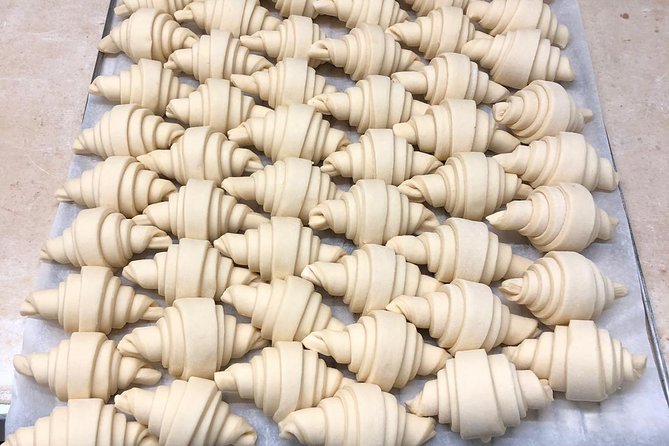
You should expect the baguette to be the most consistent feature, since it is specifically included as the item you take home. Pastry work may involve rolling, cutting, folding, or shaping. In some sessions, you may make the dough itself. In others, the baker may prepare part of the dough in advance so the class can finish within the available time.
That difference is important. One person expecting a full croissant lesson found that the main task was rolling an already prepared triangle of dough. Another class involved more active work with baguettes, croissants, financiers, and other breads. I would book this as an introduction to bakery production, not as a guaranteed from-scratch pastry course.
The strongest sessions seem to balance demonstration with participation. You watch the baker show the technique, then try it yourself while the guide moves around the group. Guides named Mourad and Tuc have been praised for mixing humor with instruction, while Alice, Lisa, and Elyse have been praised for patience and an easy manner with families and teenagers.
The guides shape the experience
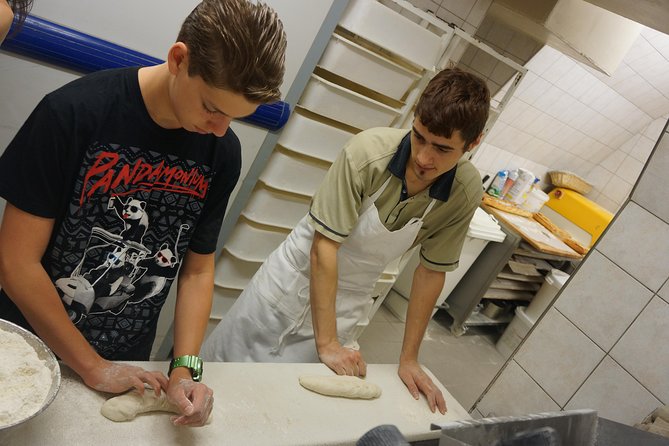
The guide is central here. A skilled baker can make a simple shaping exercise memorable, explain why a step matters, and keep children involved without slowing everyone else down.
Mourad is described as upbeat, funny, and passionate about the products. One session with him included a broad introduction to baguettes, croissants, and financiers, along with a generous bag of food to take away. Tuc has also been praised for a well-paced class, useful explanations, and a good sense of humor.
Alice has been described as making the class easy and enjoyable, while Lisa led a balanced session covering baguettes, financiers, and croissants. Families have also found the class workable for children, including a seven-year-old and groups with teenagers. Children must be accompanied by an adult.
Still, guide quality and the day’s staffing can affect the result. One session was led by a baker on only his third day teaching the class. The instruction was considered solid, but the experience lacked some polish. If you want a serious technical pastry lesson, the variable teaching style may bother you. If you want a friendly Paris activity with food at the center, it is less of a concern.
More pastry and chocolate tours in Paris:
- Paris: Day or Sunset Cruise with Drink, Ice Cream or Dessert
★ 4.4 · 4,225 reviews - Paris: Montmartre Cheese, Wine & Pastry Guided Walking Tour
★ 4.8 · 2,255 reviews - Paris: Entrance Ticket to the Chocolate Museum
★ 4.1 · 1,105 reviews - Private Montmartre Food Tour with Wine, Cheese & Pastries
★ 5.0 · 1,027 reviews
The take-home food is part of the value
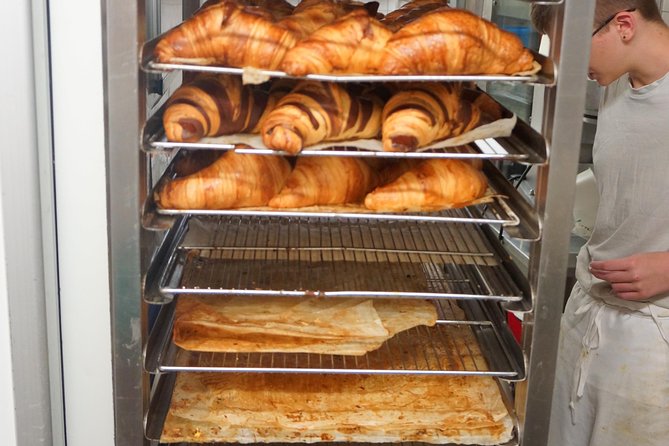
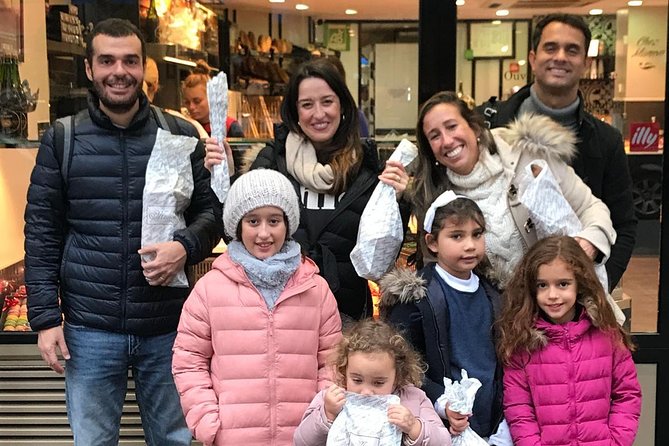
At the end, you leave with your own baguette and, depending on the session, additional bread or pastries. People have taken home baguettes, boules, financiers, madeleines, rolls, cookies, and other treats. That changes the value calculation. You are not paying only for two hours of instruction. You are also getting breakfast, tastings, and edible results.
The food can be especially useful during a Paris trip. A fresh baguette becomes a snack for later, a casual breakfast the next day, or something to share back at your accommodation. The amount varies, so do not book expecting a fixed number of pastries or a guaranteed croissant to take home.
I do wish recipes were included. The class can give you the confidence to try baguettes at home, but written instructions would make the lesson easier to repeat. Without recipes, you will need to rely on memory or take careful notes if the baker allows time for it.
A realistic look at the two-hour schedule
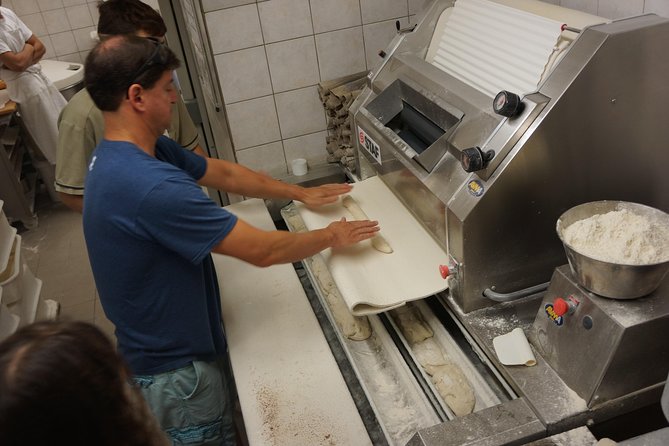
The advertised duration is about two hours. A well-paced session uses that time for arrival breakfast, bakery orientation, demonstrations, hands-on work, baking, tasting, and packing up the food.
Some classes have finished in about an hour, especially when the planned baker or menu changed. That is a serious concern at a price of $114.88 per person. A shorter session can still be pleasant, but it no longer offers the value of a full two-hour activity.
Holiday scheduling has caused particular trouble. One New Year’s Day class changed location, lost its planned croissant baker, and switched to cookies and bread. The class then used pre-prepared dough and ended early. If the specific pastry matters to you, ask for confirmation before booking on a holiday or unusual date.
The best approach is to think of the menu as flexible. The bakery may need to adjust for staffing, production, or opening hours. That flexibility is understandable in a real business, but the provider should explain changes clearly and give you a fair choice if the experience no longer matches what you booked.
Price, group size, and overall value
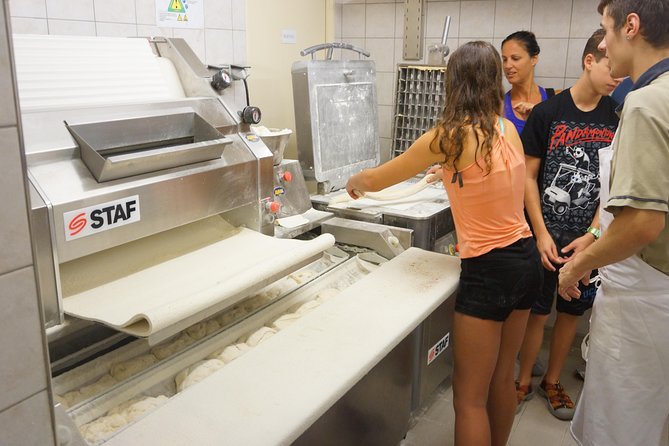
At $114.88 per person, this is not a cheap breakfast or a basic bakery tour. You are paying for a small group, a guide, food, access to a working bakery, and the chance to handle dough. With no more than nine participants, the format is more personal than a large demonstration.
The value is strongest for people who want an activity rather than a meal. If you are curious about French baking, enjoy making things with your hands, or want a family activity in Le Marais, the price can make sense. The take-home food also helps, especially if you receive several baguettes and pastries.
The value drops quickly if the session is shortened, the bakery changes without clear notice, or the planned pastry work becomes a quick shaping exercise. I would not choose this solely because you want to learn professional croissant technique. I would choose it for the full package: breakfast, bakery access, instruction, tasting, and food to carry away.
The 93 percent recommendation rate and 4.7 rating from 1,186 ratings suggest that most bookings go well, but the lower ratings point to practical weaknesses rather than minor complaints. Wrong meeting points, location changes, guide no-shows, short sessions, and limited participation can ruin the day. Confirm the location in every message you receive and arrive with enough time to find the bakery.
Who will enjoy this bakery class most
This experience fits families, couples, and small groups who want a break from museum visits and sightseeing. Children can take part when accompanied by an adult, and the guides have handled family groups patiently. Teenagers also seem likely to enjoy the mix of movement, food, and a concrete result.
It is a good choice for a baker in the family, especially someone who wants to see a French production bakery rather than simply eat pastries. It also works for first-time visitors who want an easy introduction to the daily life of a boulangerie.
You may want a different activity if you need step-free access, guaranteed croissant making, written recipes, or a quiet classroom. The steep staircase in one bakery can be a problem, and the cramped workspace may not suit anyone who dislikes close quarters. The class is offered in English, but the amount of technical explanation may still depend on the individual guide.
Free cancellation is available up to 24 hours before the start time for a full refund. Changes made inside that window are not accepted, and a minimum number of participants is required for the class to operate.
Should you book the Le Marais baking experience?
Book it if you want a friendly, food-focused Paris activity in a real bakery, and you can accept some variation in the menu and amount of hands-on work. The breakfast, working bakery setting, small group, and generous take-home food give the experience real appeal.
Before paying, confirm the exact meeting point, the session time, and what you are scheduled to make. I would be especially careful with holiday dates and with any booking that promises a specific pastry. For families, curious food lovers, and anyone who wants more than another pastry stop, this can be a memorable two hours. For serious pastry students, the flexible format may feel too light for the price.
FAQ
Where does the bakery experience begin?
The listed starting point is Miss Manon at 87 Rue Saint-Antoine, 75004 Paris, France. Morning and afternoon sessions may use different bakery locations, so check your booking messages for the correct address.
How long does the experience last?
The scheduled duration is approximately two hours. Some sessions may finish earlier if the location, baker, or planned menu changes.
What food is included at the start?
Morning sessions include a traditional French breakfast. Afternoon sessions include a goûter, or French afternoon snack, with bakery treats.
What can I make during the class?
The experience can include baguettes, boules, rolls, croissants, pain au chocolat, financiers, madeleines, cookies, and other breads or pastries. The exact selection can vary by session.
Do I get to take food home?
Yes. A baguette is included to take home, and some sessions also provide additional breads, financiers, pastries, or other baked items.
Is the class taught in English?
Yes. The experience is offered in English.
How many people can join the class?
The maximum group size is nine participants.
Can children attend?
Yes. Children can attend, but they must be accompanied by an adult. The class has accommodated families with young children and teenagers.
What happens if I need to cancel?
You can cancel at least 24 hours before the start time for a full refund. Cancellations or changes made less than 24 hours before the experience are not refunded or accepted.
Just added around Paris
- Paris: Croissant Baking Class with a Chef★ 5.0 · 201 reviews
- Cooking Class with a Parisian Chef★ 5.0 · 46 reviews
- Cocktails lessons in Speakeasy★ 4.5 · 72 reviews
- Paris: Choux Pastry and Chocolate Éclair Making Class★ 4.9 · 50 reviews
- Paris: Classic Sites Tour by Vintage Citroen 2CV★ 4.6 · 189 reviews
- Paris: Cheese and Wine Class in a 17th Century Cellar★ 4.8 · 91 reviews
- Paris: Romantic Photoshoot for Couples★ 4.9 · 131 reviews
- Paris: Bread and Croissant-Making Class★ 4.8 · 206 reviews
Le Marais Tours, compared.
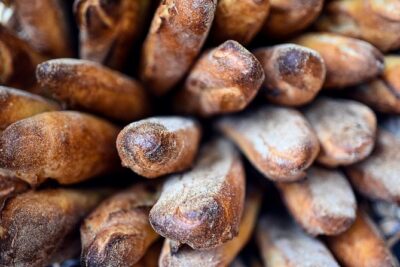
Paris Le Marais Food Tour With 10+ Tastings, Cheese, Wine & More
Read our review →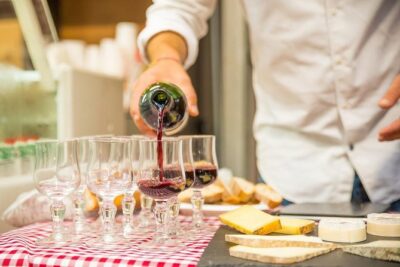
Paris Le Marais District Original Food and Wine Tasting Tour
Read our review →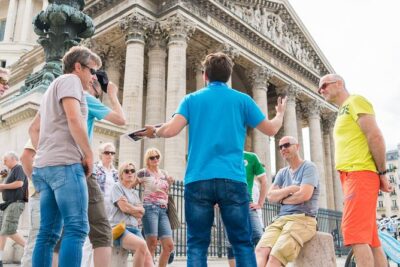
Paris Bike Tour Hidden Secrets in the Latin Quarter & Le Marais neighborhoods
Read our review →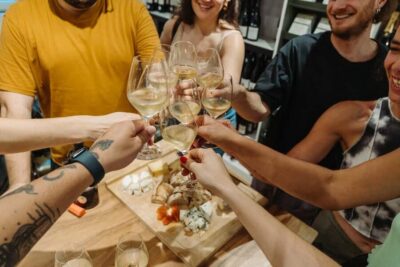
Food and Wine Tasting Walking Tour in Le Marais
Read our review →
Le Marais/Paris – The Historic, Trendy, Jewish, LGBT district
Read our review →Browse the lists this tour appears in