
Reviewed · LOUVRE TOURS
Louvre & Musée d’Orsay Guided Museum Tour Semi-Private 6ppl Max
The clever part of this five-and-a-half-hour art day is the pairing. The Louvre gives you royal grandeur, ancient sculpture, Renaissance painting, and famous masterpieces. The Musée d’Orsay then shifts the story toward modern life and Impressionism. I like that the guide connects the two rather than treating them as unrelated museum visits. I also like the small group format, advertised at no more than six people, which gives you room to ask questions and stay close to the guide.
The main drawback is the price, $288.42 per person. That is a serious outlay, especially since the tour covers highlights rather than every major room. You also need good walking shoes, a small bag, and enough energy for hours indoors, stairs, security checks, and a walk between museums.
Key points at a glance
- Two great museums in one morning and afternoon: Begin at the Louvre at 10:00 am, then continue to the Musée d’Orsay across the Seine.
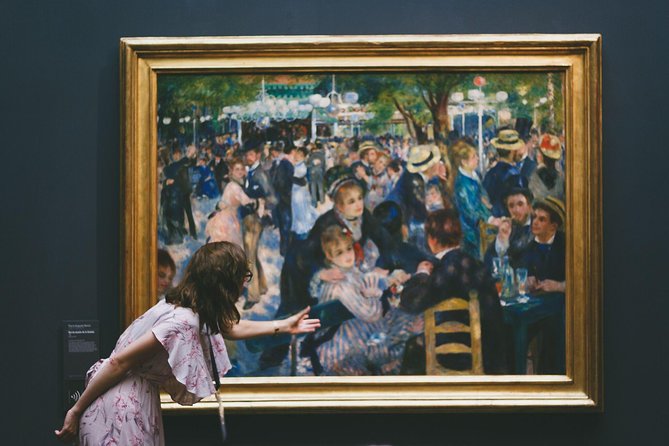
- Famous works with useful context: Expect the Mona Lisa, Venus de Milo, Raphael, Delacroix, Monet, Renoir, and Cézanne.
- Small-group attention: The booking information gives a maximum of six people, although another inclusion note says eight, so confirm the exact group size for your date.
- Strong guide-led experience: Guides including Alessandra, Thibaut, Marcel, Anais, Miriam, Mathieu, Belen, Taylor, Hugo, Lili, and Oliver are praised for clear teaching and lively delivery.
- Skip-the-line access, with limits: Museum entry is included, but security lines can still form.
- A highlights tour, not a full museum study: You will see the major works efficiently, then have some time to explore the Musée d’Orsay on your own.
Why combining the Louvre and Musée d’Orsay works
Paris has no shortage of museum tours, but this one has a sensible arc. The Louvre can feel like several museums joined together: Egyptian antiquities, Greek and Roman sculpture, medieval foundations, royal apartments, Italian Renaissance paintings, French Romantic works, and much more.
The Musée d’Orsay is easier to understand after that first dose of older art. Its Impressionist painters were reacting against the rules and official tastes that came before them. A good guide can show you how the art changes from formal composition and idealized figures toward shifting light, modern streets, leisure scenes, and looser brushwork.
I especially like this order. You first see how artists built on earlier traditions, then you watch painters such as Monet, Renoir, and Cézanne challenge accepted methods. Several guides, including Mathieu and Miriam, are praised for linking works in the two museums and explaining how artists and artistic movements relate to one another.
This is not a quiet, slow afternoon with one painting for every half hour. It is a structured introduction to two enormous collections. If you want a manageable first encounter with Paris art, that focus is useful. If you already know both museums well, you may find the pace too selective.
More Louvre tickets and guided visits:
- Paris: Louvre Museum Timed-Entrance Ticket
★ 4.6 · 71,977 reviews - Paris: Louvre Guided Tour with Reserved Access & Boat Cruise
★ 4.3 · 16,353 reviews - Louvre Museum Masterpieces Guided Tour with Access
★ 4.5 · 12,023 reviews
Starting beneath the Louvre pyramid
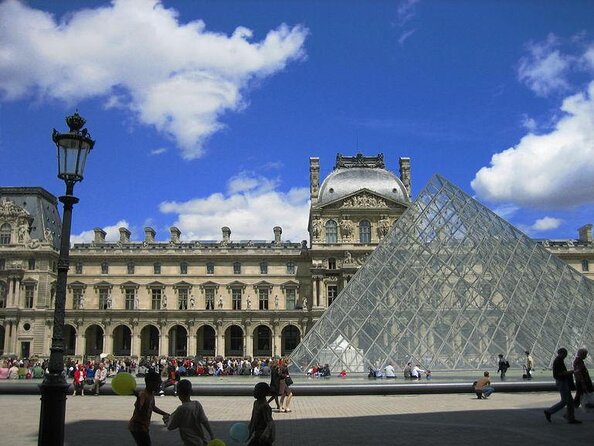
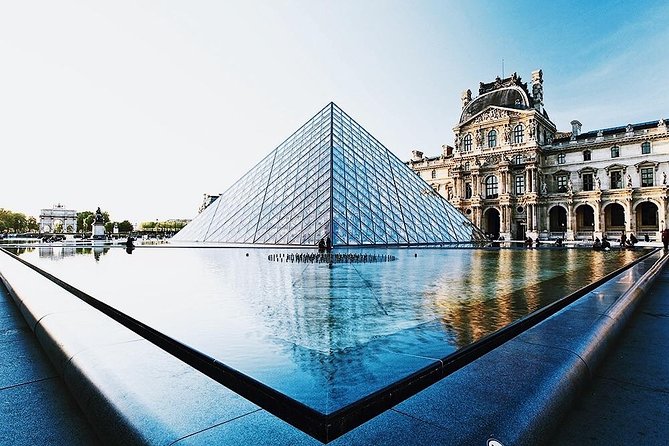
The tour begins at the grand glass pyramid outside the Louvre at 10:00 am. Make this meeting simple for yourself. Arrive early, keep your phone charged, and bring the booking confirmation and identification requested by the museum.
The Louvre portion is listed as about two and a half hours at the first stop, with roughly two hours described as guided time. The exact route depends on the guide, museum conditions, crowd levels, and the group’s interests. You should expect a brisk visit through major sections rather than an attempt to cover the entire building.
The Louvre is where a guide earns the fee most clearly. Without help, you can spend a large part of your visit locating the famous works, finding the right galleries, and working out how to move between wings. A guide can place the art in a useful order and explain why a particular painting or sculpture matters.
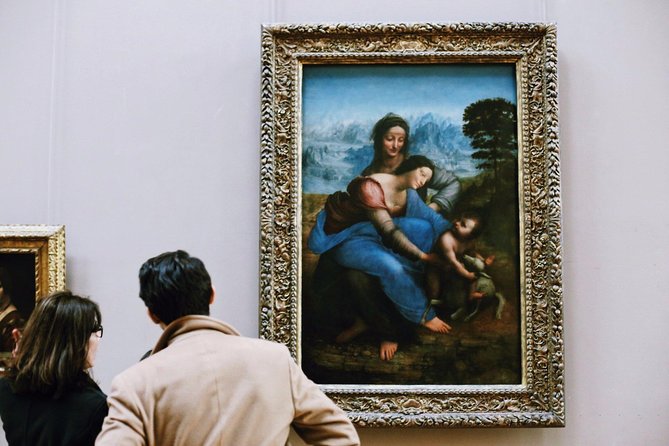
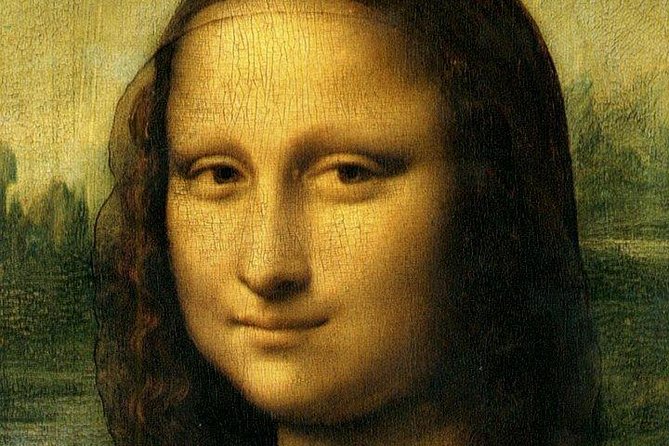
Expect the classic stops: the Mona Lisa, the Venus de Milo, works by Raphael, and Delacroix. The Mona Lisa can draw thick crowds, and getting close may take time. One guide, Malaika, is praised for shifting attention to Leonardo’s Virgin and Child with St. Anne when the crowd around the Mona Lisa made a closer look impractical. That is smart touring. You still see the famous portrait, but you do not waste half the morning standing behind a wall of phones.
You will also likely see more than the short list of headline works. The value comes from the explanations around them: how a scene was composed, what an artist was trying to achieve, how patrons shaped the work, or why one painting caused a stir in its own period.
The museum may require quiet or limited conversation in certain rooms. Your guide will explain those rules before you enter. Security measures can also create lines even with skip-the-line access, so do not treat that phrase as a guarantee of walking straight inside.
What the Louvre section does well, and where it falls short
The best part of the Louvre visit is the guide’s ability to prevent famous art from becoming a checklist. Several guides are praised for making works feel understandable to people without an art background. Belen, Christina, Alessandra, and Hugo are singled out for keeping families and younger visitors involved while still offering serious art history.
That matters because the Louvre can overwhelm you. You may recognize the Mona Lisa but know little about Renaissance technique. You may walk past a Delacroix without understanding why its movement and color were so striking. A strong guide gives you a few handles to hold onto.
The limitation is time. Two hours or so of guided touring cannot cover the Louvre in depth. Even a five-hour museum day only gives you a taste of the collection. If you want Egyptian galleries, French decorative arts, ancient sculpture, and several painting wings, plan a separate Louvre visit.
The route also involves substantial walking and some stairs. One direct account calls for good shoes and a well-rested start. I would take that advice seriously. This is not a sit-down lecture with occasional stops. You are moving through large rooms and pausing to look, listen, and ask questions.
Walking from the Louvre to the Musée d’Orsay
After the Louvre, the group makes a short walk across the Seine to the Musée d’Orsay. The route is one of the practical advantages of the tour. You do not need to arrange another taxi or figure out a second meeting point, and the change of scenery gives your feet and mind a brief break.
The tour does not include hotel pickup or drop-off. The museums are near public transportation, and the meeting point is easy to reach by taxi or Uber if that suits your schedule. Keep the transfer in mind when planning lunch. The published timing gives an approximate total of five hours and thirty minutes, but the pace may shift if the Louvre is crowded or the group needs a pause.
You may want to carry a small snack, but do not bring a large bag or suitcase. Only handbags and small, thin backpacks are allowed through museum security. A bulky daypack can create a problem before the art even begins.
More Musee d'Orsay tickets and tours:
- Paris in a Day: Louvre or Orsay, Eiffel Tower, City Walk & Cruise
★ 5.0 · 1,956 reviews - Paris: Musée d’Orsay Entry Ticket and Seine River Cruise
★ 4.6 · 1,344 reviews - Paris: Musée d’Orsay Skip-the-Line Tour with Expert Guide
★ 4.5 · 1,145 reviews - Musée d’Orsay Skip-the-Line Tour with Expert Guide
★ 4.8 · 1,088 reviews
Seeing Impressionism at the Musée d’Orsay
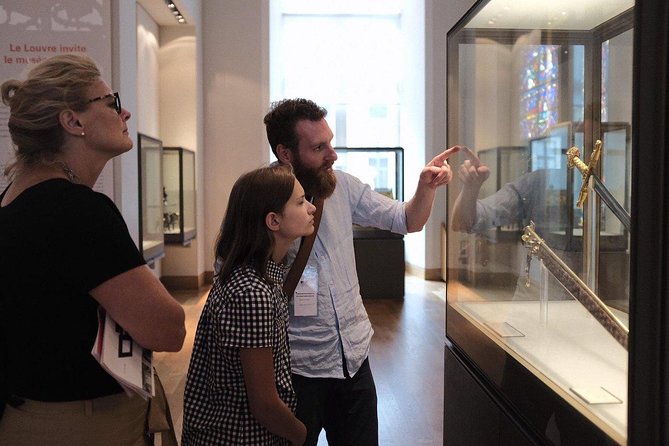
The Musée d’Orsay occupies a former railway station, and its setting gives the second half of the day a different feel from the Louvre. The focus turns toward French art of the nineteenth century and the Impressionist movement.
The guided portion is listed at about two and a half hours, while the description also refers to a two-hour guided tour. Allow the full afternoon block rather than assuming you will finish at an exact minute. At the end, you can continue exploring the collection at your own pace if you wish.
This is where the teaching can become especially useful. The guide explains the French Academy, its formal standards, and the ways Impressionist painters broke from those expectations. You learn to look at light, color, brushwork, subject matter, and the changing relationship between artist and viewer.
Belen is praised for explaining the Academy and the Impressionists as a connected story rather than a list of painters. Mathieu is also praised for referring back to earlier works seen at the Louvre, then showing how later artists developed or rejected those ideas. That kind of comparison helps you remember what you saw after the day is over.
Expect works associated with Monet, Renoir, and Cézanne, along with other major French paintings. The Musée d’Orsay is often less physically chaotic than the Louvre, but it remains a large museum. You still benefit from a guide who knows which rooms and paintings best fit the time available.
I like the option to remain after the guided tour. The Louvre visit is more tightly controlled by the schedule, while the Musée d’Orsay gives you a chance to revisit a favorite painting or see nearby rooms. Check the day’s timing with your guide before wandering off, especially if you need to meet the group again or leave for another appointment.
The guides are the heart of the experience
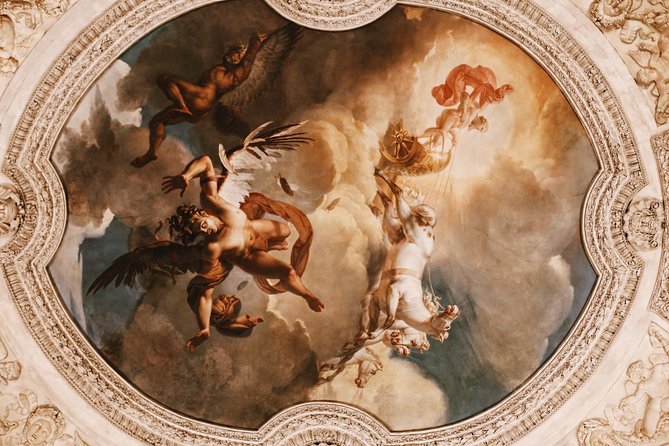
The guide makes more difference here than the admission ticket. The strongest reports describe guides who do more than recite dates. They explain, compare, ask questions, use humor, and adjust the pace for the people in front of them.
Alessandra is praised for warmth, light humor, and the ability to make art feel current and approachable. Marcel is praised for handling the crowds at the Louvre while continuing to give useful commentary. Anais is described as professional and attentive to the needs of a family group.
Other names that come up favorably include Florent, Thibaut, Miriam, Mathieu, Belen, Taylor, Hugo, Lili, Oliver, Claudia, Christina, and Malaika. That list is useful as a guide to the level of teaching you may receive, but you should not assume you can select a particular person unless the booking process allows it.
A few practical details matter. One family specifically noted that the audio equipment worked well, which is important in noisy galleries. Another guide used an iPad during waiting time to compare works and add context. Those touches can turn security delays or crowded rooms into useful teaching time.
The group size is another strength. The additional information says the activity has a maximum of six people, though the inclusion details also refer to a maximum of eight. Because those two figures do not match, I would confirm the exact limit before booking if a very small group is essential to you. A private upgrade is also available if you select that option.
Is $288.42 per person a fair price?
At $288.42 per person, this is expensive. The fee includes admission to both museums, a professional guide, and the small-group format. It also includes the adult museum ticket value listed as €22, but most of what you are paying for is the guide’s time and the organization of the day.
The price makes more sense if you are in Paris for a short stay, dislike navigating huge museums alone, or want an art history framework rather than a quick photo stop. It is less convincing if you are willing to spend separate days at the museums, read the room maps, and research the works yourself.
Think of the tour as an efficient orientation. You get the major sights, a route through two intimidating institutions, and explanations that help you see more than the surface. You do not get a complete study of either museum, and temporary exhibitions are not included.
The high rating and strong recommendation level suggest that the guide quality is usually a major part of the appeal, but no tour can guarantee the same personality or teaching style on every date. If the price strains your budget, a self-guided Louvre and Musée d’Orsay visit may offer better value. If your Paris time is limited, paying for a clear route and expert instruction can be reasonable.
Practical details that affect your day
The activity is offered in English and confirmation is provided at booking. It is near public transportation, and most people can take part, but the amount of walking and stair use deserves attention.
Bring identification or a photo of identification showing your birth date, since the museums require it. Visitors under 18 and residents of the European Economic Area under 26 may qualify for free museum admission with valid identification and proof of residency.
Museum closures can happen without warning from museum management. If opening is delayed by more than one hour, an alternative will be offered, but the stated terms do not provide a refund or discount in that situation.
Free cancellation is available up to 24 hours before the start time. Changes or cancellations inside that window are not accepted for a refund. The activity also requires a minimum number of participants, and if that minimum is not met, you will be offered another date or experience, or a full refund.
Who should book this museum day?
I would choose this for a first Paris visit, a short stay, or a family that wants the famous works explained without doing hours of preparation. It also suits anyone who has entered the Louvre before and felt lost among the wings, staircases, and crowds.
It is a good match for adults and older children who can manage a long museum day. Several guides have kept younger people involved, but the experience still demands attention and walking. If your group tires quickly, a private tour with a slower pace may be a better fit, assuming that option is available for your date.
I would skip it if you want to linger over one artist, explore every gallery, or spend a full day at the Louvre alone. I would also think twice if $288.42 feels uncomfortable. The tour is built around efficiency and guidance, not low-cost entry.
Should you book the Louvre and Musée d’Orsay tour?
Book it if you want the two museums placed into one clear story, with famous works, useful explanations, and a small English-speaking group. The Louvre can be hard to manage alone, and the transition to the Musée d’Orsay gives you a strong introduction to how French art changed across the centuries.
Go in with the right expectation. You will see highlights, not everything. You will walk a lot, face some security delays, and pay a premium for the guide. For a time-pressed first visit, that trade can be worthwhile. For repeat museum visitors with plenty of time, separate self-guided days may give you more freedom and better value.
FAQ
Where does the tour begin?
It begins at the grand pyramid outside the Louvre Museum in Paris at 10:00 am.
Where does the tour end?
It ends at the Musée d’Orsay.
How long does the experience last?
The total duration is approximately five hours and thirty minutes. Each museum portion is listed at about two and a half hours, while the guided sections are also described as about two hours.
Which museums are included?
Entry to the Louvre Museum and the Musée d’Orsay is included.
Is the tour offered in English?
Yes. The tour is offered in English.
How many people are in the group?
The additional information says the activity has a maximum of six people. The inclusion details also mention a maximum of eight, so confirm the exact group limit when booking. A private upgrade is available if selected.
Can I cancel for a full refund?
Yes, if you cancel at least 24 hours before the experience start time. Cancellations or changes made less than 24 hours in advance are not refunded.
More Museums in Paris
- Paris: Louvre Museum Entry Ticket With Host and River Cruise
★ 4.6 · 9,926 reviews - Les Invalides: Napoleon’s Tomb & Army Museum Entry
★ 4.6 · 9,185 reviews - Louvre Museum – Exclusive Guided Tour (Entry Included)
★ 5.0 · 6,296 reviews - Paris: Louvre Museum Hosted Entry and Mona Lisa Audioguide
★ 4.6 · 5,235 reviews
Just added around Paris
- Paris: Croissant Baking Class with a Chef★ 5.0 · 201 reviews
- Cooking Class with a Parisian Chef★ 5.0 · 46 reviews
- Cocktails lessons in Speakeasy★ 4.5 · 72 reviews
- Paris: Choux Pastry and Chocolate Éclair Making Class★ 4.9 · 50 reviews
- Paris: Classic Sites Tour by Vintage Citroen 2CV★ 4.6 · 189 reviews
- Paris: Cheese and Wine Class in a 17th Century Cellar★ 4.8 · 91 reviews
- Paris: Romantic Photoshoot for Couples★ 4.9 · 131 reviews
- Paris: Bread and Croissant-Making Class★ 4.8 · 206 reviews
Louvre Tours, compared.


Louvre Guided Tour with Reserved Access & Boat Cruise
Read our review →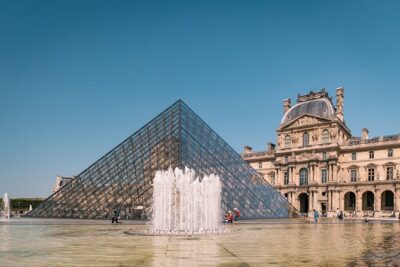
Louvre Museum Masterpieces Guided Tour with Access
Read our review →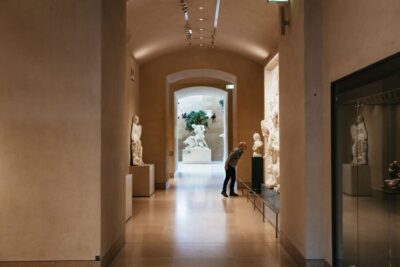
Louvre Museum Entry Ticket With Host and River Cruise
Read our review →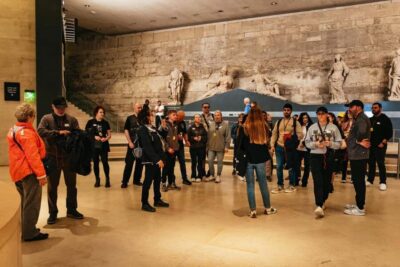
Priority Access Louvre with Host -Direct to Mona Lisa
Read our review →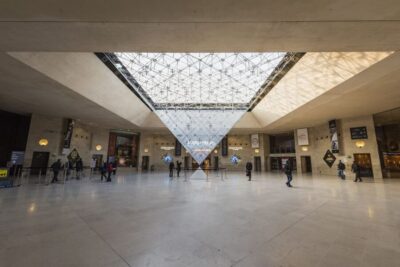
Mona Lisa & Louvre Masterpieces Tour with Reserved Access
Read our review →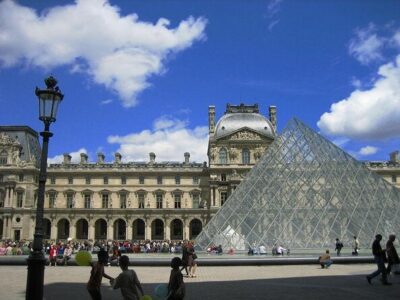
Louvre Museum – Exclusive Guided Tour (Entry Included)
Read our review →
Louvre Reserved Ticket and River Cruise Combo
Read our review →Browse the lists this tour appears in