
Reviewed · MUSéE D'ORSAY TICKETS
Musée d’Orsay Skip-the-Line Tour with Expert Guide
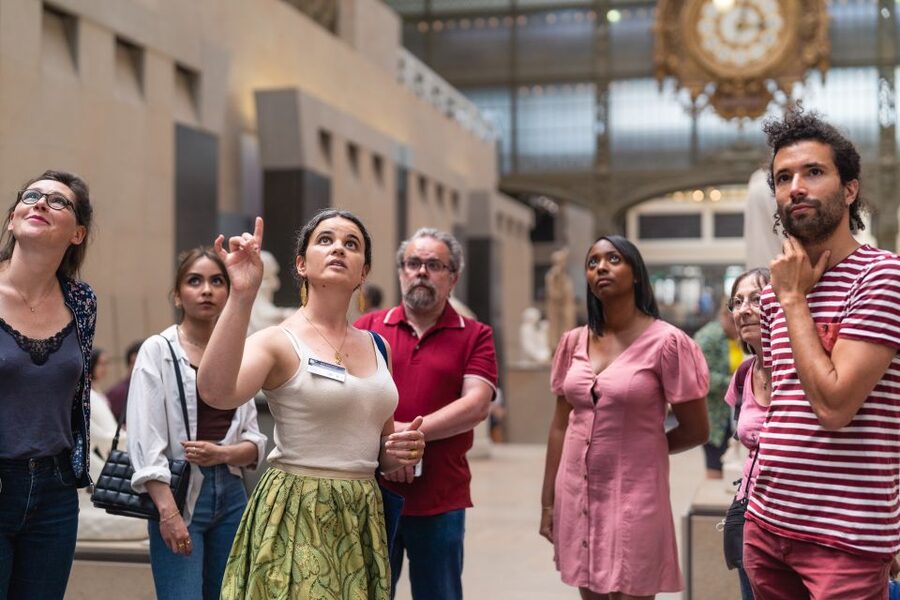
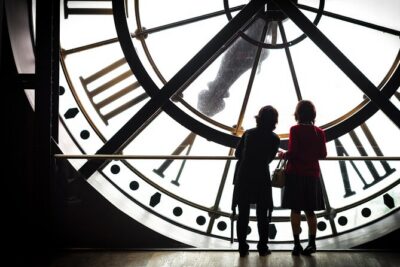
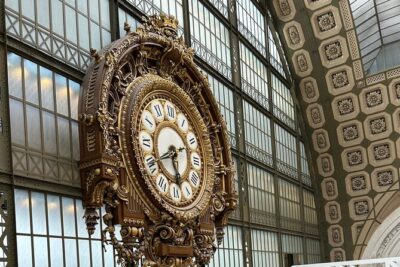
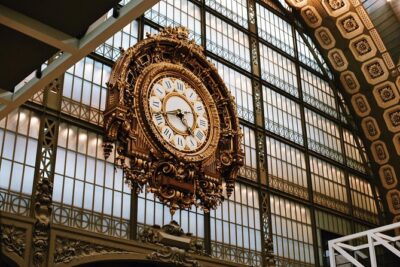
The Musée d’Orsay makes a strong first impression before you even reach the paintings. The museum occupies a grand former railway station built for the 1900 World’s Fair, and its giant clock, ironwork, and open central hall give the visit a sense of occasion. Inside, an expert guide leads you through the art that changed European painting, from Manet and Monet to Renoir, Degas, and Van Gogh.
I like two things especially: the clear story of how Impressionism broke old rules, and the chance to stay in the museum after the guided portion ends. Guides such as Anthony, Avi, Sarah, and Perrine have been praised for making art history lively, adding social gossip without losing sight of the paintings, and adjusting their pace to the group.
The main drawback is time. The guided visit is usually about 1 hour 45 minutes, and the Orsay is packed with major works. You will see the highlights, but some people may find the pace quick, especially when the galleries are crowded.
Key points to know before booking
- The former railway station is part of the experience: The building’s Beaux-Arts design gives the museum a memorable setting before you reach the galleries.
- The tour focuses on the birth of modern art: Learn why visible brushstrokes, ordinary subjects, and bright colors once caused outrage.
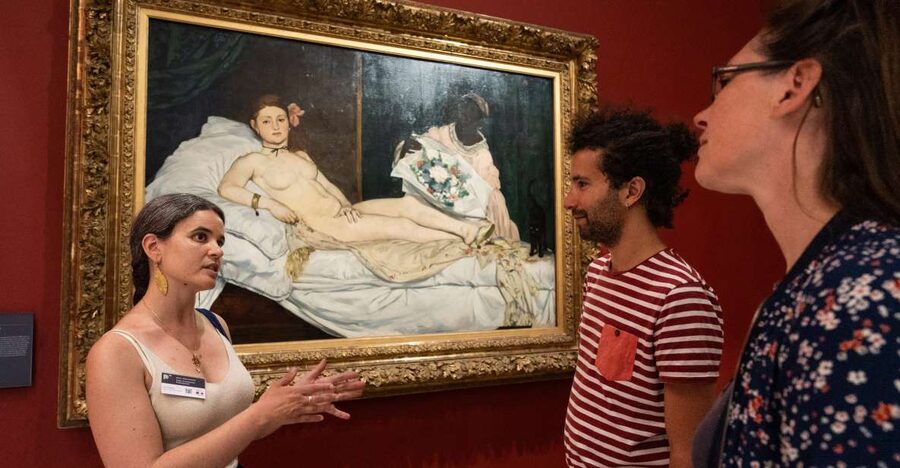
- Guides make the paintings easier to read: Anthony, Avi, Sarah, Perrine, and other guides are praised for clear explanations, humor, and strong command of art history.
- Crowds are handled for you: Your guide leads the group to good viewing spots and uses headsets when appropriate.
- You can remain after the tour: Continue at your own pace instead of treating the guided visit as your only museum time.
- Plan around the restrictions: Large bags and luggage are not allowed, and the tour is not suitable for wheelchair users.
Why the Musée d’Orsay works so well with a guide
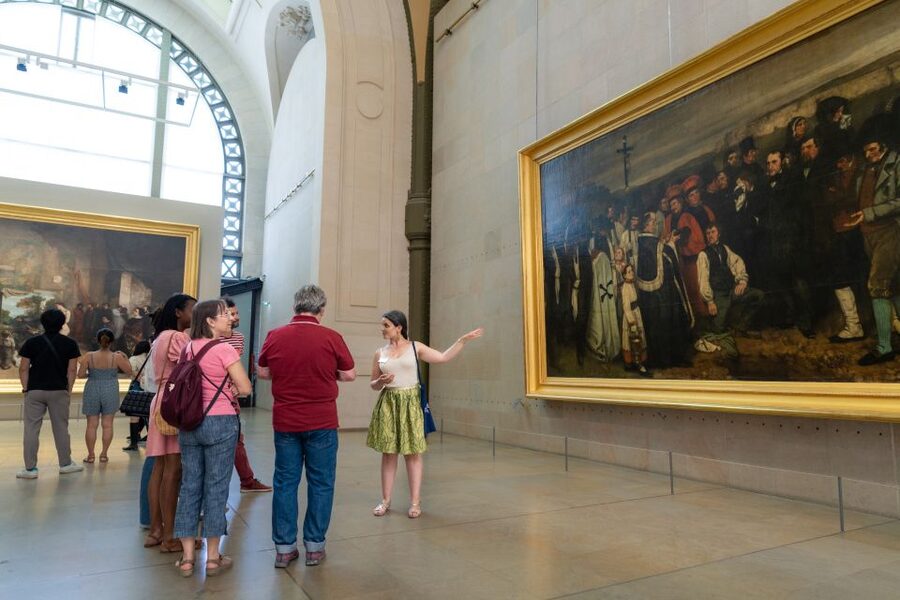
The Orsay is not simply a smaller version of the Louvre. Its collection centers on a crucial period, when artists pushed away from official rules and began painting modern life with new techniques. That focus gives a guided visit a natural storyline.
Without context, you might see a group of attractive nineteenth-century paintings and move on. With a guide, you can follow the argument: academic artists valued polished surfaces and approved subjects, while younger painters wanted to show changing cities, leisure, labor, theaters, cafés, and the fleeting effects of light.
That difference matters. A guide can point out why an apparently casual scene was once considered rude, unfinished, or even insulting. You begin to notice the choices behind the paint: a cropped figure, a strange angle, a rough brushstroke, or a color that would have looked shocking beside traditional work.
I like this approach because it gives you something to carry into the rest of the museum. You are not only collecting famous names. You are learning how to look.
More Musee d'Orsay tickets and tours:
- Paris in a Day: Louvre or Orsay, Eiffel Tower, City Walk & Cruise
★ 5.0 · 1,956 reviews - Paris: Musée d’Orsay Entry Ticket and Seine River Cruise
★ 4.6 · 1,344 reviews - Paris: Musée d’Orsay Skip-the-Line Tour with Expert Guide
★ 4.5 · 1,145 reviews
Meeting your guide outside the Orsay
The meeting point is opposite the museum’s main entrance, next to the entrance to the Legion d’Honneur Museum. Your guide wears a guide badge on an orange lanyard.
This detail matters because the museum entrance can be confusing, especially when several lines form outside. Do not join the museum queues. Find the guide at the stated meeting point first. The nearest public transport options are the RER Musée d’Orsay station on Line C and Solférino station on Metro Line 12.
Arrive with only what you need. Luggage and large bags are not allowed, so this is not a good stop between hotels or train stations if you are carrying suitcases. Hotel pickup and drop-off are not included, and you make your own way to the museum.
The tour is offered in English with a live guide. Headsets are provided when appropriate, which is useful in crowded galleries and especially helpful if you do not want to miss a softly spoken explanation.
Entering a former railway station
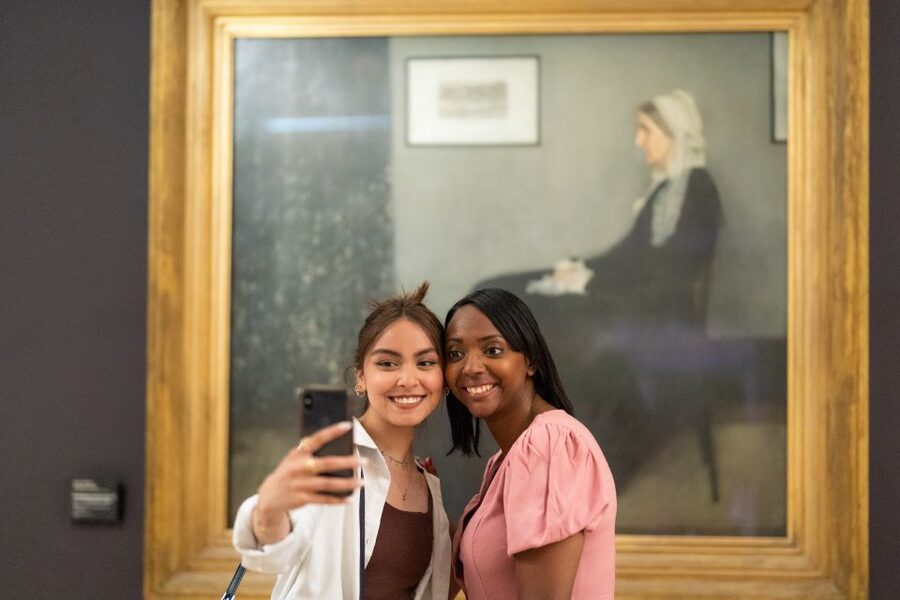
The building deserves attention before the first painting. The Musée d’Orsay occupies a former Beaux-Arts railway station constructed for the World’s Fair, and its original purpose still shapes the visit. The long central space, high roof, and enormous clock help you understand why the museum feels different from Paris’s older palace-style collections.
A good guide uses the building to set the scene. You get a sense of Paris at the turn of the twentieth century, a city changing rapidly in technology, transport, social life, and taste. That background helps explain why artists began looking beyond mythological scenes and royal portraits.
The architecture also helps you get your bearings. The collection covers a broad span, but the large central layout makes a guided route easier to follow. Instead of wandering from room to room and wondering what matters most, you move through a selected path.
Following the scandal of Impressionism
The heart of the tour is the shift toward Impressionism. Monet, Manet, Renoir, Degas, and their circle did not merely paint pretty outdoor scenes. They challenged the way art was supposed to look and the subjects it was supposed to show.
Your guide explains why their work upset the establishment. Everyday life was gaining a place beside historical and religious subjects. Bright, unmixed colors appeared where viewers expected carefully blended tones. Brushstrokes remained visible. Scenes could feel cropped, hurried, or incomplete.
The word Impressionism itself carries a story of criticism and resistance. A painting that now seems fresh and familiar could once look careless or unfinished. Hearing that history changes your response to the canvases. You start to see the risk in a style that is now reproduced on posters, mugs, and calendars.
The strongest guides also connect artists to one another. You might hear how one painter influenced another, how artists responded to older traditions, or how private relationships and public scandals shaped their careers. The social details are not just decoration. Used well, they help explain the humor, irony, tension, or quiet defiance in a work.
Avi, Anthony, and Perrine are among the guides praised for bringing that mix of art history and personality to life. The exact guide is not guaranteed, but the tour’s value depends heavily on this storytelling approach.
More skip-the-line tickets in Paris:
- Versailles: Skip-the-Line Tour of Palace with Gardens Access
★ 4.7 · 9,778 reviews - Versailles: Skip-the-Line Guided Palace Tour and Full Access
★ 4.6 · 5,214 reviews - Louvre Museum: Skip-the-Line Small Group Guided Tour
★ 4.6 · 3,960 reviews - From Paris: Versailles Skip-the-Line Tour & Gardens Access
★ 4.7 · 3,011 reviews
Seeing the major artists in a short route
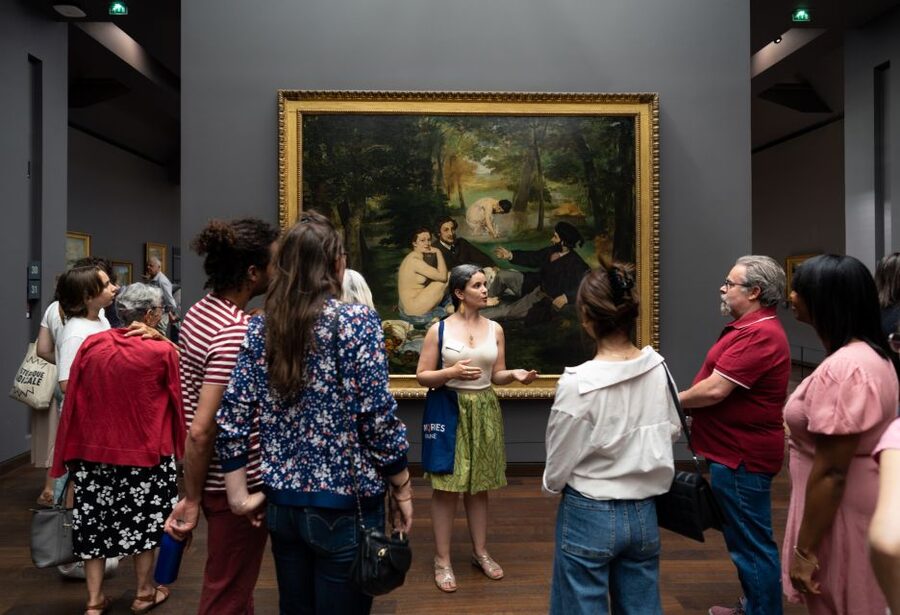
The guided visit lasts about 1 hour 45 minutes, though the activity information gives a total duration range of 90 to 150 minutes. That makes it long enough to form a useful overview but short enough to fit into a busy Paris day.
You should expect a highlights route, not a complete study of every room. The guide takes you to major works and adds lesser-known pieces where they help explain the period. You may see works by the best-known Impressionists and later artists, including Van Gogh, while also learning about the painters and ideas that influenced them.
This is a sensible way to handle the Orsay. A first visit can become tiring when you try to inspect every painting with equal attention. A guide helps you spend your energy on works with the most historical or artistic importance.
The tradeoff is pace. Several people have found the tour efficient but fast, with 90 minutes passing quickly. One guide was praised for covering the main collection while moving through heavy crowds, while another was encouraged to slow down between rooms so the group could glance at other paintings.
If you enjoy lingering over one canvas for fifteen minutes, this may feel too structured. If you want a strong first orientation, the pace should work well. You can always return to favorite rooms after the tour.
How guides handle crowded galleries
The Orsay can be extremely crowded, particularly around its best-known paintings. The guide’s job is not only to talk, but also to position the group so you can see and hear.
This practical skill comes up again and again in the experience. Guides such as Sarah, Sophia, and Simone have been praised for steering groups through busy rooms, finding useful viewing angles, and keeping people together. Headsets can make a real difference when other groups are nearby.
The group may include a wide age range. One family described a tour that worked for everyone from a seven-year-old to older adults, with the guide adapting the route to the child’s interest in Van Gogh. Another group appreciated a clear presentation that kept teenagers and people in their seventies engaged.
That flexibility is worth noting. You are not booking a silent audio guide with a fixed script. Your guide may answer questions, explain a detail again, or adjust the order when the group has a particular interest. Still, the amount of customization will depend on group size, crowd levels, and the guide assigned that day.
Staying after the guided visit
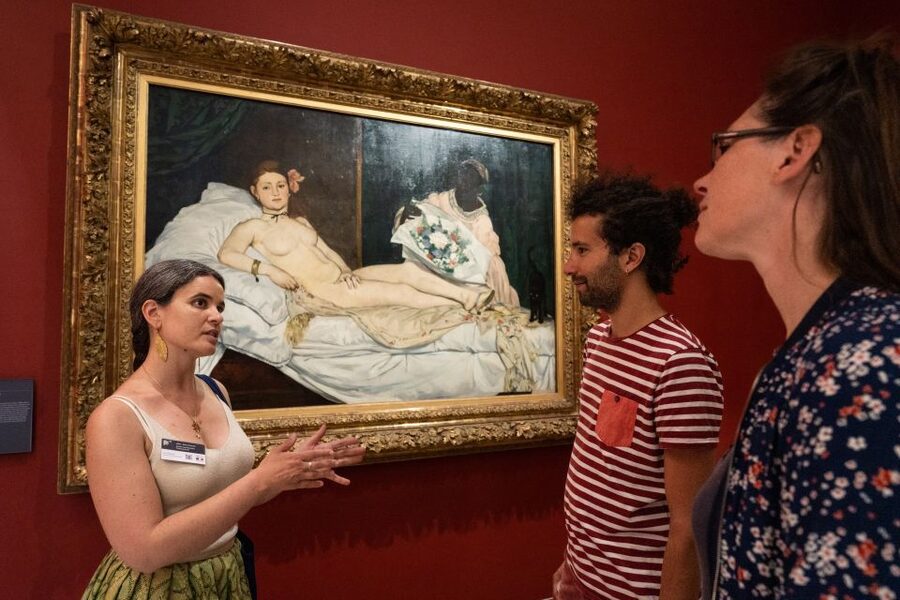
The tour ends with a useful bonus: you may remain in the museum as long as you like. This changes the value of the experience because the guided route does not have to answer every question.
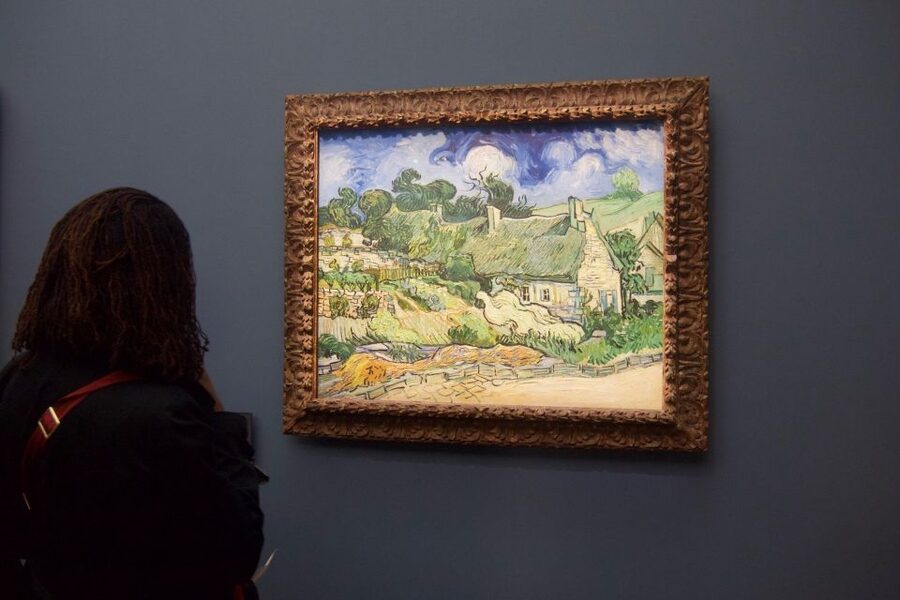
Use the tour for orientation and the main story. Then return to the paintings that caught your eye. You might spend more time with Van Gogh, revisit the Impressionist rooms, or look for works that the guide passed quickly.
This arrangement suits first-time visitors especially well. The guide gives you confidence about where the major rooms are and why the art matters. Afterward, you can explore without the pressure of planning an entire museum from scratch.
Temporary exhibitions may also be available, although admission to a specific temporary show is not stated as part of the tour. Check what is open when you arrive rather than assuming every exhibition is included.
Is $82 a fair price?
At $82 per person, this is not the cheapest way into the Musée d’Orsay. You are paying for more than admission: a dedicated entrance, entrance fees, a fully accredited local guide, a guided route, and the option to stay afterward.
The real value depends on how much help you want. If you already know Impressionist art well and enjoy reading labels at your own speed, a standard museum ticket may suit you better. You can save money and set your own pace.
I think the price is easier to justify for a first visit, a short stay in Paris, or anyone who wants the major works explained rather than simply viewed. The museum is large enough to feel confusing, and the strongest guides add context that would take considerable reading to assemble on your own.
The price also buys crowd management. You do not have to decide which rooms matter most or fight for a position at every major painting alone. That will not remove the crowds, but it can make the visit more organized.
Free cancellation up to 24 hours before departure and the reserve-now, pay-later option add some planning flexibility. A missed tour cannot be refunded, so check your timing carefully.
Who should book this Orsay tour?
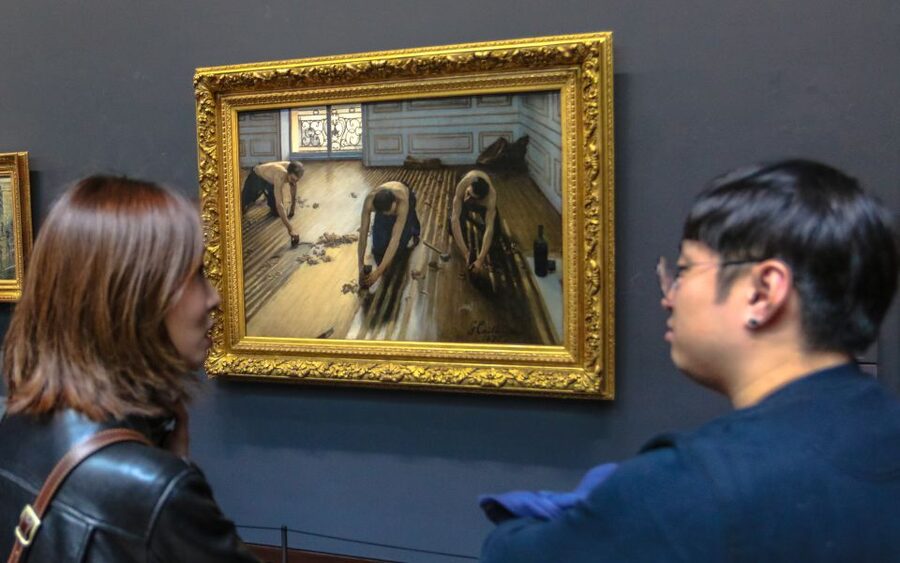
I would recommend it to you if:
- You are visiting the Musée d’Orsay for the first time.
- You want a clear introduction to Impressionism and its critics.
- You enjoy stories about artists, their friendships, rivalries, and public scandals.
- You have limited time and want to see the main works efficiently.
- You prefer asking questions to reading every wall panel yourself.
- You are traveling with family members who need a more lively presentation.
- You want to keep exploring after a guided route ends.
I would think twice if you prefer complete silence, long stretches with one painting, or a fully independent visit. The tour moves quickly, and the guide’s route will always involve choices about what to skip.
It is also not suitable for wheelchair users according to the activity information. Large bags and luggage are not allowed, so arrange storage before arriving.
Practical tips for a better visit
Wear comfortable shoes. Even a focused museum route involves walking, standing, and moving between rooms.
Arrive at the meeting point with time to spare, but do not wait in the museum entrance line. Look for the guide’s orange lanyard opposite the main entrance, near the Legion d’Honneur Museum entrance.
Bring questions. The guides are expected to explain the art, not just recite names and dates, and the strongest tours leave room for discussion. If Van Gogh, Degas, or another artist matters most to you, say so early.
Keep your post-tour plan flexible. The guided portion may finish within the stated 90 to 150 minute range, and you may want extra time inside. Staying afterward is one of the best reasons not to schedule a tight appointment immediately after the tour.
Should you book it?
Book this tour if you want the Musée d’Orsay to make sense quickly. The building is memorable, the art changed the course of painting, and a good guide connects the two with stories about artistic rebellion, social change, and the people behind the canvases.
The tour is not a substitute for an all-day museum visit. It is a well-focused introduction, with enough time afterward to explore more on your own. At $82, it offers the best value to first-time visitors, busy sightseers, and anyone who wants lively explanations instead of a solo walk through crowded galleries.
If you prefer to linger and spend less, visit independently. For most other visitors, especially those curious about why Impressionist art once caused such a fuss, this is a practical and enjoyable way into the Orsay.
FAQ
How long does the Musée d’Orsay tour last?
The guided tour is listed as 1 hour 45 minutes. The overall activity duration is given as 90 to 150 minutes, so the exact timing can vary.
What language is the tour in?
The live guided tour is offered in English.
Can I stay inside the museum after the tour?
Yes. You may remain in the Musée d’Orsay after the guided portion and continue exploring at your own pace.
Where do I meet the guide?
Meet opposite the main entrance to the Musée d’Orsay, next to the entrance of the Legion d’Honneur Museum. The guide wears a guide badge on an orange lanyard.
Should I join the museum entrance line before meeting the guide?
No. Go directly to the meeting point and do not get in the museum lines.
Which public transport stations are closest?
The nearest stations are Musée d’Orsay on RER Line C and Solférino on Metro Line 12.
Are large bags or luggage allowed?
No. Luggage and large bags are not allowed.
Is the tour suitable for wheelchair users?
No. The activity is listed as not suitable for wheelchair users.
Just added around Paris
- Paris: Croissant Baking Class with a Chef★ 5.0 · 201 reviews
- Cooking Class with a Parisian Chef★ 5.0 · 46 reviews
- Cocktails lessons in Speakeasy★ 4.5 · 72 reviews
- Paris: Choux Pastry and Chocolate Éclair Making Class★ 4.9 · 50 reviews
- Paris: Classic Sites Tour by Vintage Citroen 2CV★ 4.6 · 189 reviews
- Paris: Cheese and Wine Class in a 17th Century Cellar★ 4.8 · 91 reviews
- Paris: Romantic Photoshoot for Couples★ 4.9 · 131 reviews
- Paris: Bread and Croissant-Making Class★ 4.8 · 206 reviews
Musée d'Orsay Tickets, compared.
Paris in a Day: Louvre or Orsay, Eiffel Tower, City Walk & Cruise
Read our review →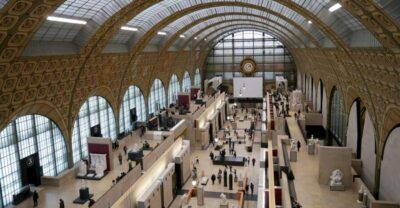
Musée d’Orsay Entry Ticket and Seine River Cruise
Read our review →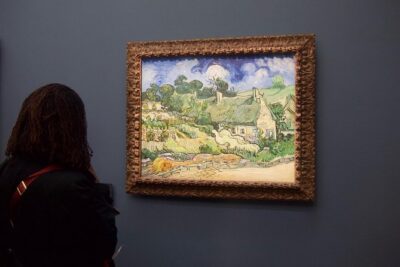
Musée d’Orsay Skip-the-Line Tour with Expert Guide
Read our review →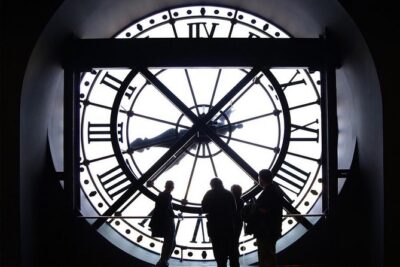
The Musée d’Orsay Guided Tour Orsay Museum Semi-Private 6ppl Max
Read our review →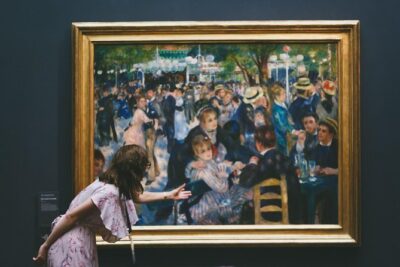
Louvre & Musée d’Orsay Guided Museum Tour Semi-Private 6ppl Max
Read our review →
Orsay Museum – Exclusive Guided Tour (Reserved Entry Included)
Read our review →Browse the lists this tour appears in