
Reviewed · WINE TOURS
Alsatian Guided Wine Tasting and Immersive wine cellar tour
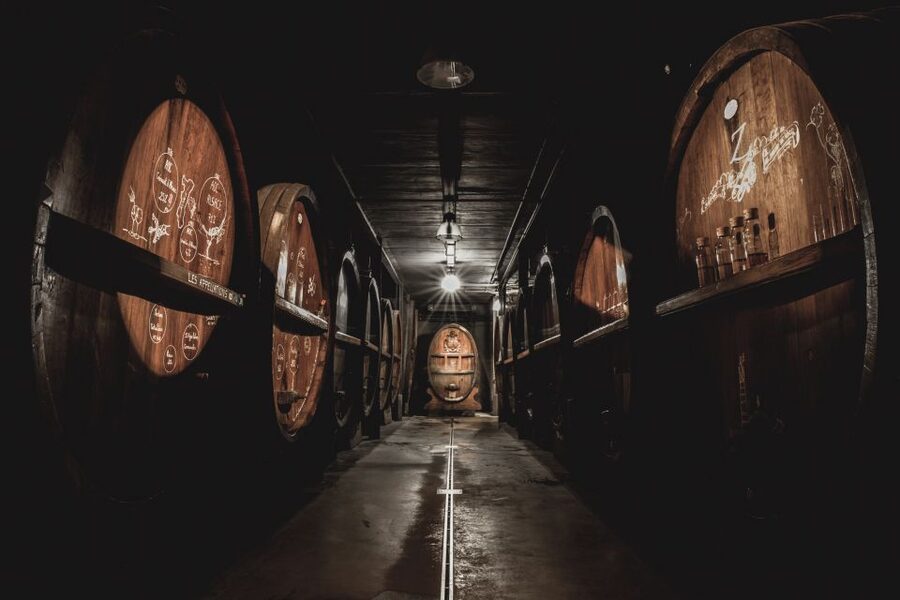
The most unusual part of this Gertwiller wine visit happens in the cellar: a 180° film is projected across century-old oak barrels, turning the winemaking space into a small theater. It is a rare touch in a wine tour, and the presentation tells the personal story and working philosophy behind Vins Zeyssolff.
I like two things right away. First, you taste five different wines rather than being steered toward one house specialty. Second, the cellar still uses barrels dating to 1850, including one made for the 1900 Universal Exhibition. The main consideration is timing: the stated tour lasts 90 minutes, but the full route also lists about an hour for shopping, so confirm how much time your booking includes.
Key points to know
- Five Alsatian wines: Taste organic wines across several styles, including sparkling, red, rosé, dry white, and sweet white.
- Barrels with a story: See oak casks dating from 1850, including a barrel associated with the 1900 Universal Exhibition.
- A film on the cellar walls: The 180° projection uses the barrels themselves as the screen.
- English and French guides: The tour is offered in both languages, so check the language carefully when booking.
- A family winery setting: The renovated cellar combines working wine production with a clear explanation of local methods.
- Good value at $22: The price covers the cellar tour, five-wine tasting, and projection experience.
A cellar tour with a film built into the barrels
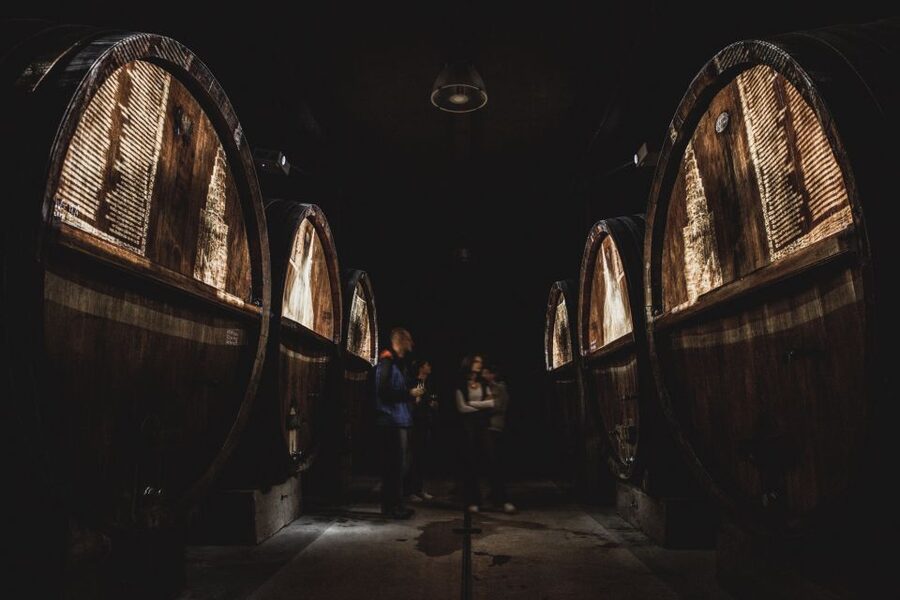
This is not a quick tasting at a counter. The visit begins at Vins Zeyssolff, a family winery in Gertwiller, in France’s Grand Est region. You move into the cellar for an explanation of Alsatian wine, local production methods, and the role of aging vessels in the finished bottle.
The cellar itself is the main setting. Old oak barrels remain in use, rather than being displayed only as museum pieces. That gives the visit a useful connection between past and present. You are not simply looking at a historic object. You are learning why a winemaker still values it.
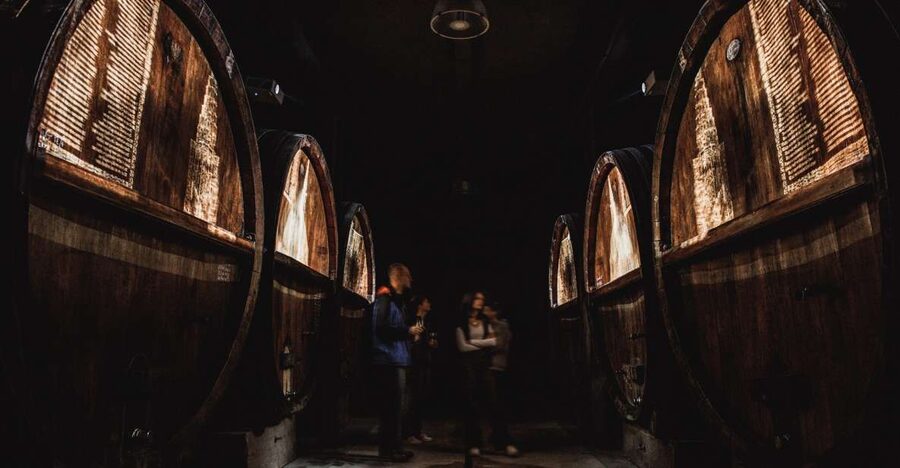
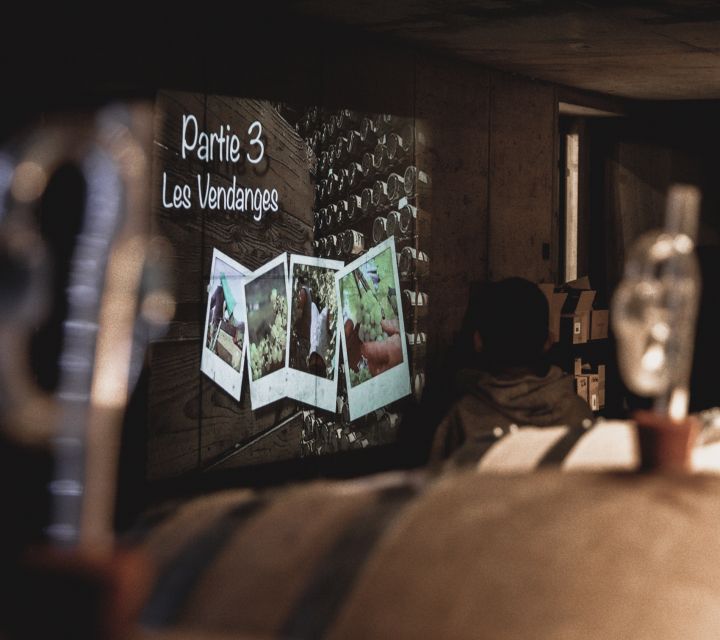
The unusual 180° film follows the cellar tour. It is projected onto the barrels, with sound and mapped sequences that cover the curved wood. The film presents the winemaker’s personal story and work philosophy. That matters because it gives the cellar a human focus instead of treating wine as a list of grape names and tasting notes.
The projection is also a good reason to choose this experience over a standard cellar visit. It does not replace the wine lesson, but it adds a visual element you will not find on most short tastings. If your group includes someone who is less interested in technical wine talk, this part gives the visit another point of entry.
More Wine Tours in Alsace
- Alsace Half-Day Wine Tour from Strasbourg
★ 4.8 · 346 reviews - From Strasbourg: Medieval Villages & Wine Tasting Day Trip
★ 4.8 · 329 reviews - Alsace Wine Route Small Group Half-Day Tour with Tasting from Strasbourg
★ 4.5 · 291 reviews
Understanding the many faces of Alsace wine
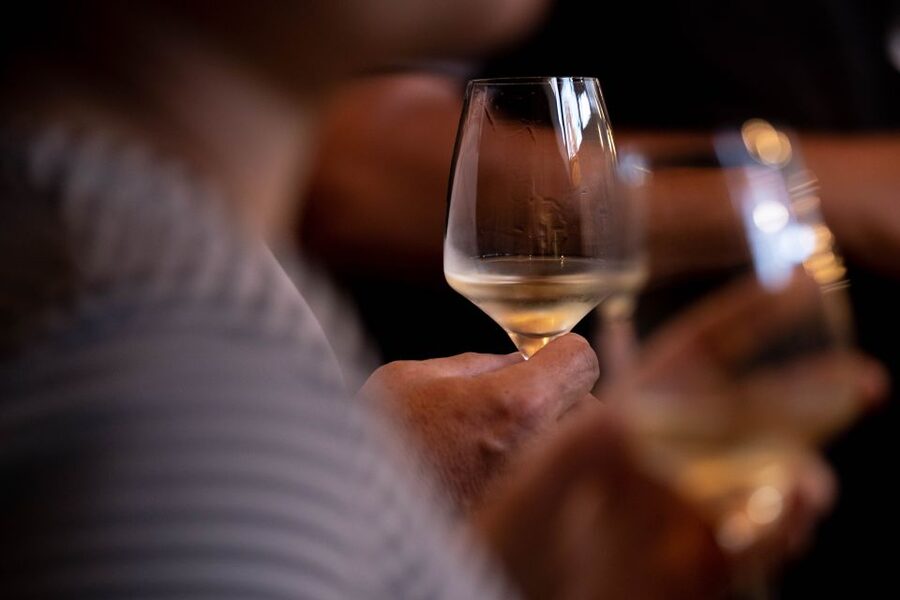
Alsace is often associated with aromatic white wines, but this tasting aims to show a wider range. The five pours include sparkling wine, red wine, rosé, dry white wine, and sweet white wine.
That variety is useful for a first visit because you can compare the region’s different styles in one sitting. A dry white may work well with a light meal, while a sweeter wine can suit dessert or a strongly spiced dish. The guide explains those pairing ideas as you taste, so pay attention to the food suggestions rather than treating the tasting as a simple ranking exercise.
The tasting is guided by an experienced sommelier. You are encouraged to ask questions about aroma, flavor, production, and food matches. The language options are English and French, but check your selected language before paying. A language mismatch can make a technical tasting much less rewarding.
The wines are locally produced and organic, which gives the tasting a clear identity. Still, organic certification alone does not tell you what you will like. The best way to use the tasting is to compare styles openly and note which bottles fit your own table, not to assume that the most unusual wine is the best one.
Why the 1850 barrels matter
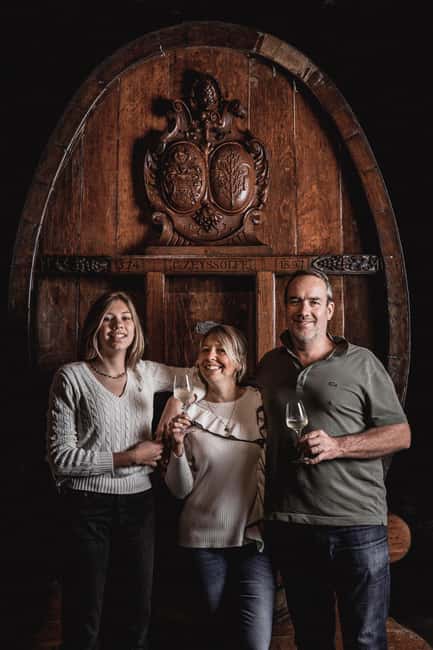
The historic barrels are more than decoration. Oak can affect a wine’s aroma, texture, and finish, and the winery explains how these older vessels contribute a particular note to the wines they hold.
The barrel dating to 1850 is especially striking because it remains part of the working cellar. You also see a barrel made for the Universal Exhibition of 1900, a detail that ties the winery to an earlier period of French industrial and cultural display.
You should not expect a full museum treatment of every barrel. The focus is on winemaking, not a long collection of artifacts. That is a strength for some visitors, since the old wood is explained through its practical role. If you want an extended lesson in barrel construction or French exhibition history, this visit may feel more selective.
For most people, the old casks make the technical material easier to understand. You can see the scale, age, and working condition of the vessels while listening to the guide explain how they affect the wine. It gives the tasting a physical anchor.
How the 90-minute visit unfolds
The published tour duration is 90 minutes. The guided cellar visit and wine tasting make up the main part of that time, and the experience also includes the 180° film.
Expect the first section to cover the winery and the basics of Alsatian wines. The guide explains the types of wine made in the region, then connects those categories to the wines in your glass. This structure works well because you learn the vocabulary before tasting across the range.
The cellar section follows, with a closer look at the old oak barrels and the production process. Ask questions here. The activity is designed for discussion, and you can ask about aromas, sweetness, pairings, and the reason particular barrels are still used.
The film adds a short performance-style chapter to the visit. Because it is projected onto the barrels, the cellar remains part of the story. It is not a separate cinema room with the wine-making setting left behind.
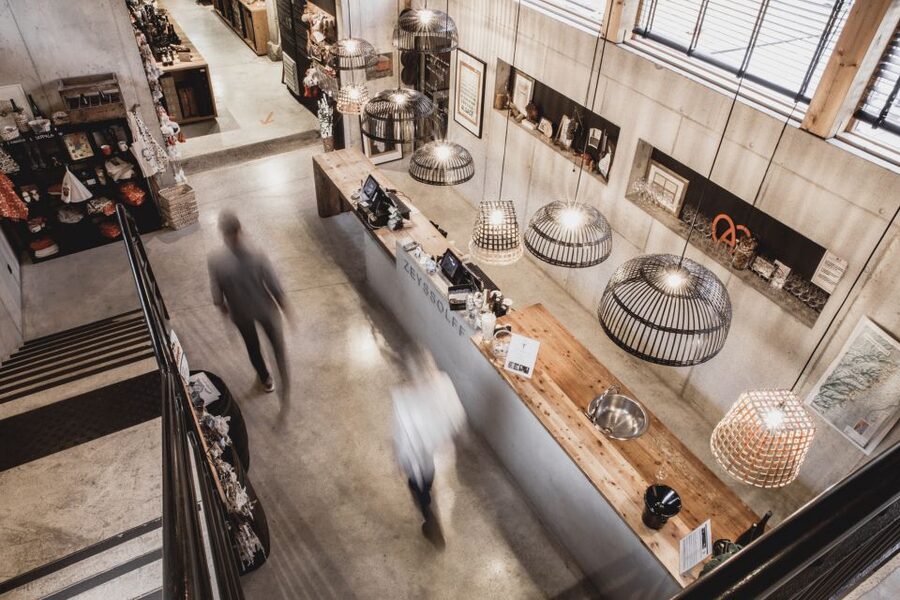
A separate shopping stop of about one hour is also listed in the route. This likely refers to time for browsing and purchasing winery products, but the listed 90-minute duration creates a small planning question. If you have a tight schedule, ask the provider whether the shopping time is included in your reserved slot or offered afterward.
Same trip, a completely different kind of day:
- Strasbourg: Euro Guided Tour by Segway
★ 4.7 · 808 reviews - Colmar, Medieval Village & Castle Small Group from Strasbourg
★ 5.0 · 769 reviews - 2-Hour Strasbourg Euro Tour by Segway
★ 5.0 · 642 reviews - From Strasbourg: Best Of Alsace Historical Day Trip
★ 4.7 · 633 reviews
The tasting is the main value at $22
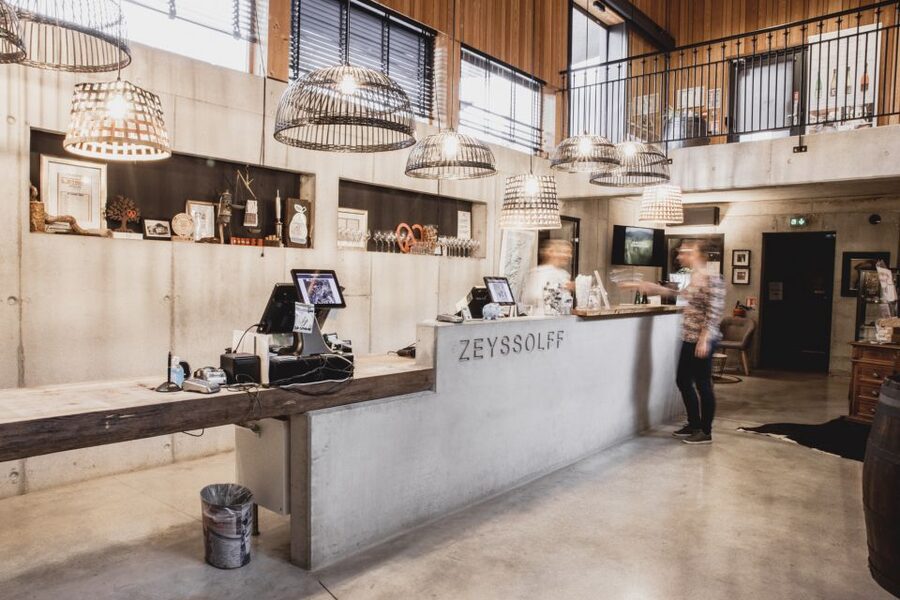
At $22 per person, this is a strong price for a guided cellar tour with five wines and a special projection. You are paying for more than the alcohol in the glass. The fee also covers the explanation of Alsatian wine styles, access to the historic cellar, and the film presentation.
The value is best for someone who wants context. A self-guided tasting can be cheaper in some places, but it may not explain why a sweet wine is made, how old oak influences flavor, or how the local styles fit with food. Here, the guide links those pieces together.
The price is less compelling if you want only a quick tasting and already know Alsace wines well. The tour is built around explanation and atmosphere, and one recent visitor felt it ran longer than necessary. That is fair warning for anyone who prefers a short pour, a purchase, and a quick exit.
For most first-time visitors, the added material earns the cost. Five styles give you a broad sample, and the cellar experience gives the wines a sense of place. You can also use the final shopping time to buy a bottle after tasting instead of guessing from a shelf.
The guide makes a difference
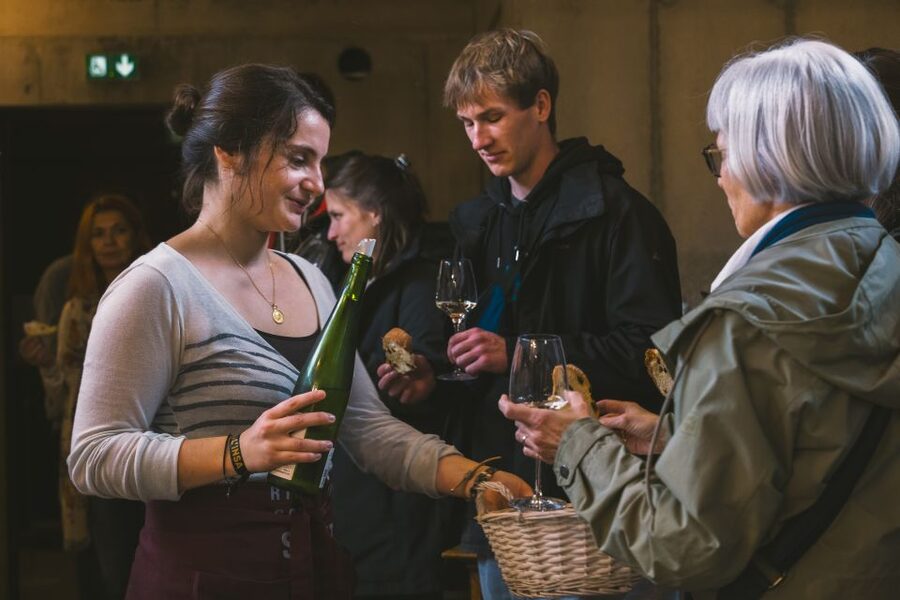
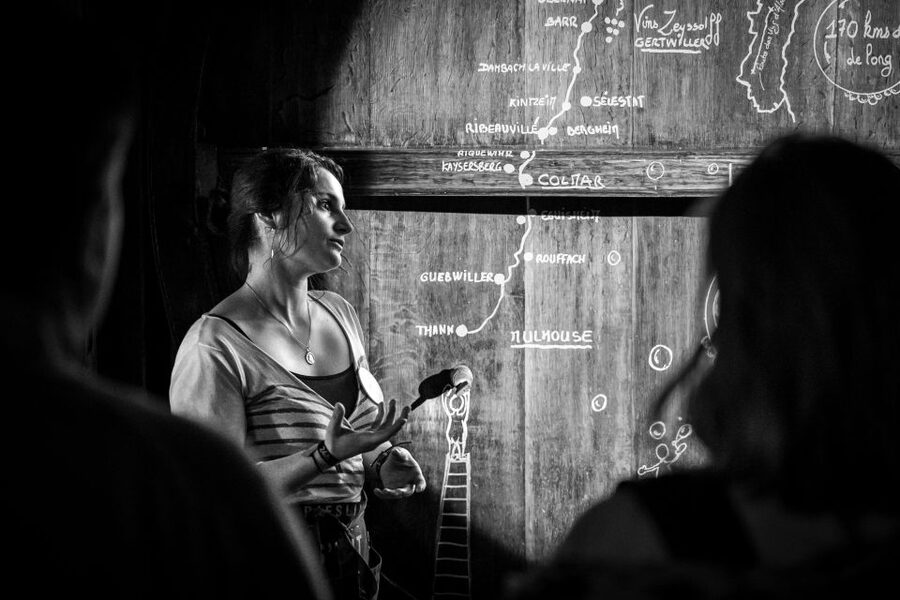
The guide leads the tasting in English or French and explains both the wine and the cellar. One recent visit was led by Dorian, who was described as making the tour lively and easy to follow. The provider may assign a different guide, so do not book on the assumption that Dorian will always lead your session.
A strong guide matters here because the tasting covers several wine categories in a short period. You need someone who can explain the difference between dry and sweet whites without turning the visit into a lecture. The best use of your time is to ask direct questions about food pairing and the style you are tasting.
The visit also suits people who are new to wine. You do not need to know the names of Alsatian grapes or the mechanics of barrel aging before you arrive. The structure starts with regional basics and builds toward tasting.
Experienced wine drinkers may find the range more useful than the introductory explanations. You can focus on barrel influence, production choices, and the contrast between organic wines rather than spending time on basic terms.
A family-friendly stop, with a few practical cautions
Children are welcome, which makes this easier to fit into a family itinerary. The adult tasting remains the center of the experience, but the old barrels and projected film provide visual interest beyond the wine itself.
Do not expect a child-focused activity, though. The content is about wine production, tasting, and the winery’s story. Younger children may enjoy the projection and the cellar setting, while older children may follow the winemaking explanation more closely.
The meeting point is at 156 Route de Strasbourg in Gertwiller, though the exact meeting point can vary by the option booked. Check the confirmation rather than relying only on the town name.
The activity offers free cancellation up to 24 hours before the start time, and you can reserve now and pay later. Those terms are useful if your Grand Est plans are still shifting. The most important booking detail is the language: English and French are available, but you should select the correct option.
Who will enjoy this wine experience most
I would choose this tour for a first introduction to Alsace wines, especially if you want more than a tasting flight. The five-wine lineup gives you a practical overview, while the cellar explains how the bottles connect to the place and the winemaker’s methods.
It also suits anyone who likes old buildings, working equipment, and personal storytelling. The 1850 barrels and the 1900 exhibition barrel provide details you can remember long after the tasting. The film makes the visit more distinctive than a standard cellar talk.
Couples, small groups, and families with older children should find the format easy to manage. The activity is also a good rainy-day choice in the Grand Est, since the main program takes place indoors.
I would be more cautious if you dislike guided tastings, have no interest in wine production, or need the shortest possible stop. The tour includes explanation, questions, the film, and possible shopping time. It is not designed as a ten-minute sample before the next attraction.
Should you book Vins Zeyssolff?
Book it if you want a reasonably priced, guided introduction to Alsace wine with a genuine cellar setting and something unusual to see. The combination of five organic wines, working barrels from 1850, and a 180° film projected across the oak gives the experience a clear identity.
Before booking, confirm the tour language and ask how the listed one-hour shopping period fits with the 90-minute duration. If you prefer a compact tasting, plan carefully. If you enjoy learning as you taste, the extra time is likely part of the appeal.
FAQ
Where does the wine tour take place?
The experience takes place at Vins Zeyssolff in Gertwiller, in France’s Grand Est region. The listed address is 156 Route de Strasbourg, although the meeting point may vary depending on the option booked.
How long does the guided experience last?
The stated activity duration is 90 minutes. The route also lists about one hour for shopping, so confirm whether that shopping time is included in your selected booking.
How many wines are included?
The experience includes a commented tasting of five wines.
What types of wine can I taste?
The tasting can include sparkling wine, red wine, rosé, dry white wine, and sweet white wine from the Alsace region.
Is the tour available in English?
Yes. The live tour guide options are English and French. Check the selected language carefully when booking.
Can children join the activity?
Yes, children are welcome. The tour content focuses on wine, cellar history, winemaking, and tasting.
What is included besides the wine tasting?
The price includes a guided cellar tour and a 180° film projected onto the winery’s barrels. The cellar includes oak barrels dating from 1850, including one made for the Universal Exhibition of 1900.
Just added around Alsace
- Colmar: Private Guided Walking Tour of the City Center★ 4.1 · 36 reviews
- Colmar: Unusual Walking Tour with a local guide★ 4.9 · 194 reviews
- Colmar: Express Walk with a Local in 60 minutes★ 4.7 · 39 reviews
- Colmar : 45-minute Chocolate Making Workshop at Choco-Story★ 4.6 · 120 reviews
- Colmar: Highlights Walking Tour and Wine Tasting★ 4.9 · 209 reviews
- Cellar visit and Alsace wine tasting with a feminine touch★ 4.7 · 40 reviews
- Capture the Magic of Strasbourg with an Exclusive Photoshoot★ 4.9 · 61 reviews
- From Colmar: Alsace Medieval and Wine Tasting Day Tour★ 4.7 · 91 reviews
Wine Tours, compared.
Moulin Rouge Cabaret Show Ticket with Champagne
Read our review →
Authentic Parisian Gourmet Food Tour with 10 Local Dishes & Wines
Read our review →
Loire Valley Castles Day Trip from Paris with Complementary Wine
Read our review →
River Garonne Cruise with Glass of Wine and Canelé
Read our review →
Montmartre Hill French Gourmet Food and Wine Tasting Walking Tour
Read our review →
Montmartre Cheese, Wine & Pastry Guided Walking Tour
Read our review →
Paradis Latin Cabaret Show with Optional Champagne
Read our review →Browse the lists this tour appears in