
Reviewed · LE MARAIS TOURS
Explore the Marais: Culture, History & Hidden Gems of Paris
The Marais is one of Paris’s best neighborhoods for walking because its story changes every few minutes. You move from the modern Centre Pompidou and street art to medieval houses, the Jewish quarter, LGBTQIA+ landmarks, and the grand Place des Vosges. This tour gives you a useful first map of the area without trying to cover all of Paris.
I like the small group size, capped at 12 people, and the way the route mixes major sights with easy-to-miss details. I also like the simple pastry stop, which gives the walk a taste of everyday Paris rather than turning it into a formal food tour. The main drawback is pace: two hours and about 2 kilometers give you an introduction, not a full study of the Marais. Published details also differ on the final stop, so check the meeting information carefully before you go.
Key points to know before you book
- A compact Marais introduction: Walk roughly 2 kilometers in two hours, covering major sights without spending the whole day on your feet.
- Several sides of Paris in one route: See medieval architecture, Jewish culture, LGBTQIA+ history, modern art, churches, and royal-era squares.
- A sweet stop included: Taste a merveilleux, a meringue-based pastry, while drinks and extra food remain your responsibility.
- A genuinely small group: The maximum of 12 people allows time for questions and personal recommendations.
- Strong guide-led experience: Guides including Camila, Paloma, Maxi, Laure, Linda, and Adele have been praised for clear storytelling, good pacing, and local tips.
- Best for curious walkers: Comfortable shoes matter, and the route is most useful if you want context before exploring the neighborhood on your own.
Starting opposite the Pompidou Center
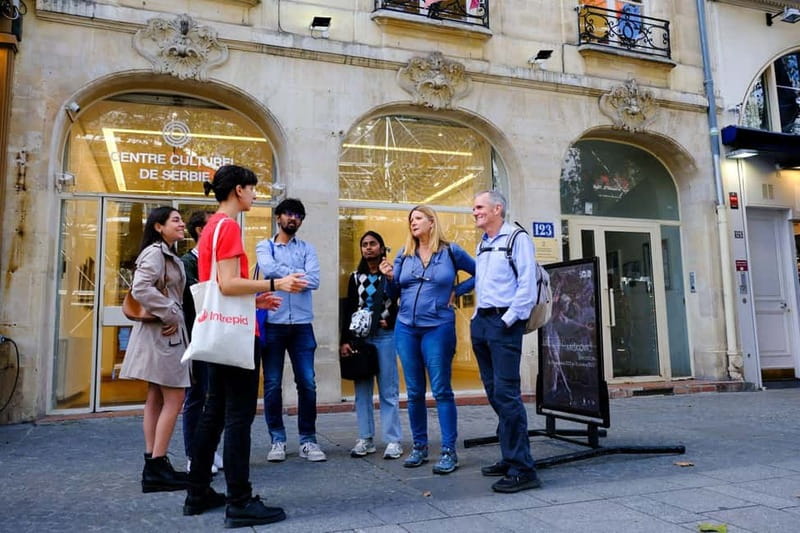
The tour begins at 123 Rue Saint-Martin, opposite the Centre Pompidou and near the Centre Culturel de Serbie. Your guide carries a sign with the local partner’s name, so look for the person rather than waiting inside the museum complex.
This is a handy starting point. The Pompidou gives you a sharp visual contrast with the old streets ahead: its colorful pipes and exposed structure belong to modern Paris, while the Marais begins to reveal older layers only a few minutes away. The opening stop includes about 10 minutes around the Centre Pompidou, enough to set the scene without turning the outing into a museum visit.
You do not need to enter the Pompidou for this tour. If modern art interests you, save the museum for another visit. The walk is about the streets, buildings, communities, and small details outside.
More Historical Tours in Paris
- Paris: Louvre Museum Entry with History of Mona Lisa
★ 3.9 · 2,823 reviews - Paris: Dark History and Ghostly Guided Walking Tour
★ 4.7 · 1,000 reviews - Le Marais/Paris – The Historic, Trendy, Jewish, LGBT district
★ 5.0 · 341 reviews
From street art to the Marais’s many identities
The route moves through the Marais with stops at the neighborhood itself and Hôtel de Ville. Expect time for short explanations, photos, and questions rather than long indoor visits.
One appealing part of this walk is its broad view of the neighborhood. The Marais is not presented as a single historic district frozen in time. You hear about older Paris, the Jewish community, the LGBTQIA+ community, changing architecture, and the contemporary street-art scene. That combination helps you understand why the area feels layered rather than uniform.
Street art is part of the fun. Your guide points out pieces you could easily pass without noticing, making the walk feel a little like a scavenger hunt. This is one area where a local guide earns the price. You can walk the same pavement alone, but you will not necessarily know where to look or why a detail matters.
The LGBTQIA+ focus is also useful for visitors who want more than the standard royal-palace version of Paris. The Marais has played an important role in the city’s LGBTQIA+ life, and the tour connects that modern identity to the neighborhood’s older streets and businesses. The treatment is part of a wider cultural story, not a separate add-on.
Hôtel de Ville and Saint Gervais Church
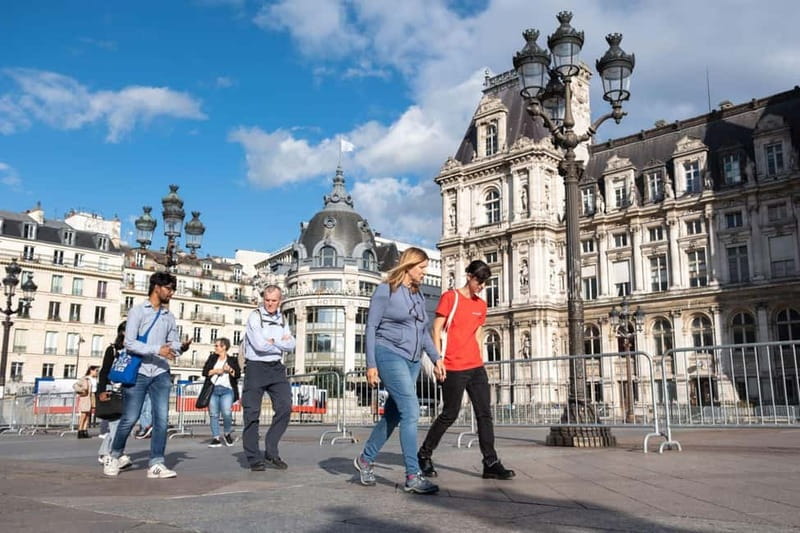
Hôtel de Ville provides a grand civic pause in the route. The stop lasts about 15 minutes, giving your guide time to explain the setting and its place in Paris before you continue into quieter streets.
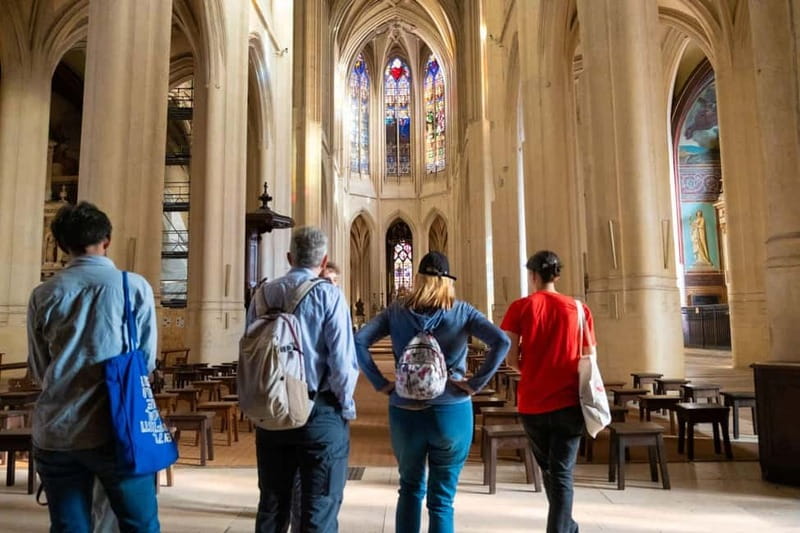
The route then reaches Saint Gervais Church for another 15-minute stop. This church is worth attention even if you are not usually a church visitor. Its story and legacy add a solemn counterpoint to the cafés, shops, and street art nearby.
Expect sightseeing rather than a full guided interior tour. The exact amount of time inside can depend on access and the needs of the group, so do not plan on a long, silent visit. The value here is the explanation: your guide helps you connect the building to the surrounding neighborhood instead of treating it as a quick photo stop.
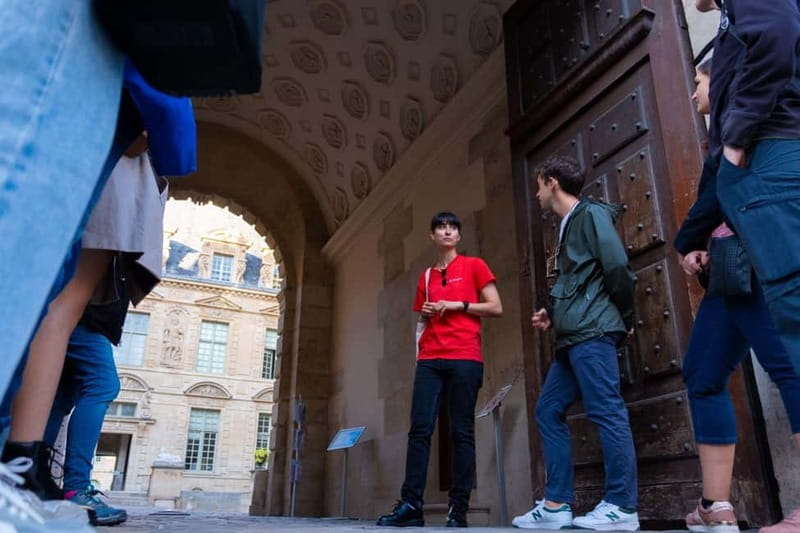
The Marais rewards this kind of slow looking. Corbelled houses and narrow medieval streets can seem like odd leftovers at first. With some context, they become clues to how Paris was built and rebuilt. Some streets feel close and uneven, so sensible footwear is more useful than stylish shoes that punish you after an hour.
Rue des Rosiers and the Jewish quarter
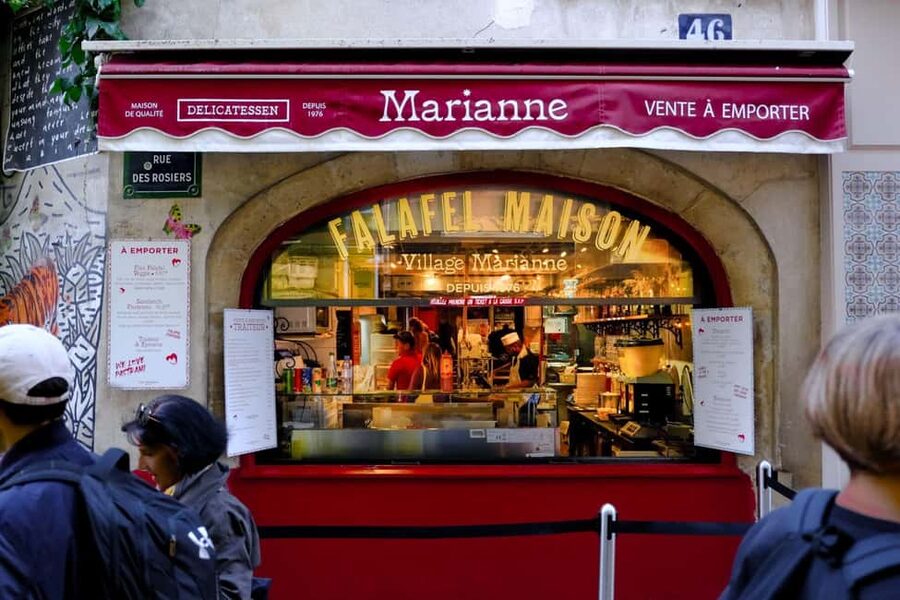
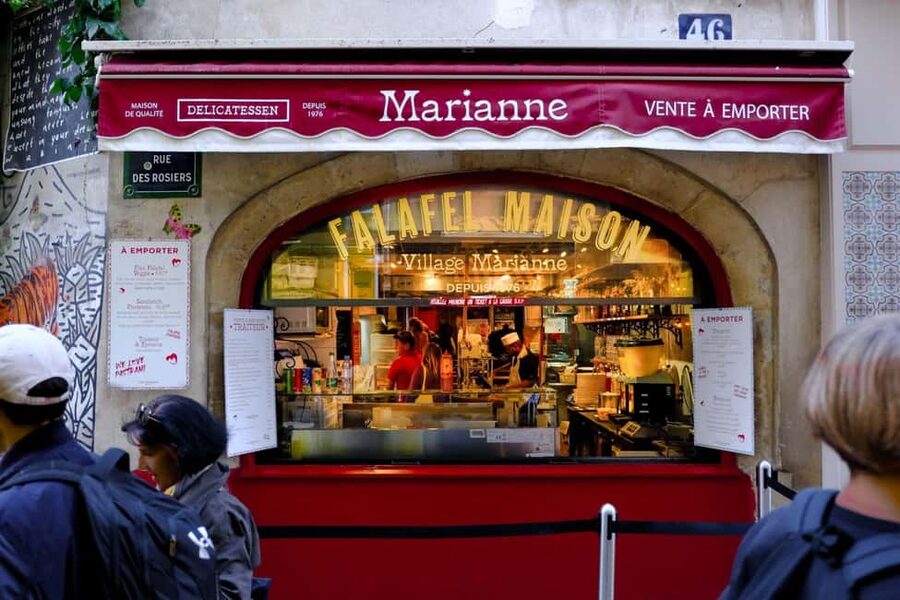
Rue des Rosiers is one of the clearest cultural stops on the walk. It is the heart of Paris’s Jewish quarter, and the tour explains how Jewish life has shaped this part of the Marais.
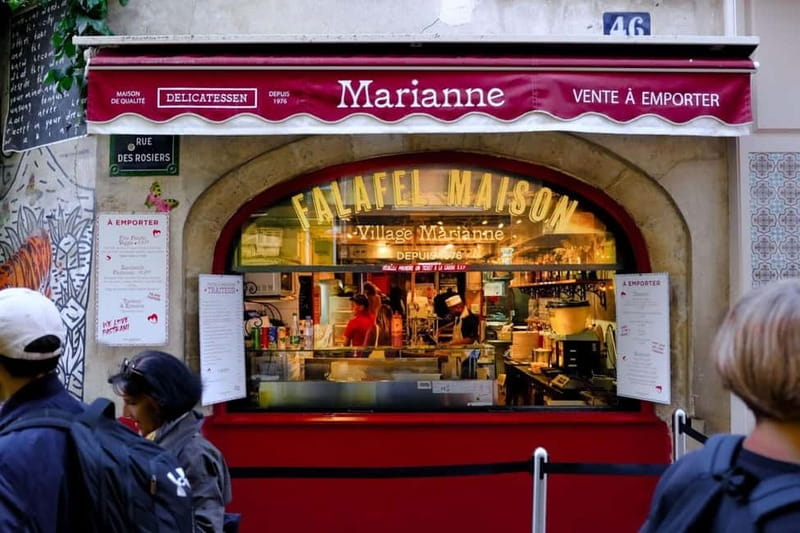
You will see the food side of the neighborhood as well as its history. Falafel shops and other food businesses give Rue des Rosiers a lively, everyday feel. This is not just a street preserved for sightseeing. It is a place where culture is visible in shops, smells, languages, and daily activity.
The tour includes a pastry, but the supplied details do not say that a falafel meal is included. If you want to eat on Rue des Rosiers, bring money and allow extra time. The scheduled walk is only two hours, so a proper meal may need to happen after the tour.
This stop works especially well for first-time visitors to the Marais. You get a clear starting point for returning later, perhaps to eat, browse, or walk the surrounding streets more slowly. The guide’s job is to provide context, not rush you through a list of food counters.
More ways to explore Le Marais:
- Award-Winning Paris French Bakery Experience — Le Marais, 4th Arr
★ 4.5 · 1,186 reviews - Paris Le Marais Food Tour With 10+ Tastings, Cheese, Wine & More
★ 5.0 · 985 reviews - Paris Le Marais District Original Food and Wine Tasting Tour
★ 4.5 · 880 reviews - Paris Bike Tour Hidden Secrets in the Latin Quarter & Le Marais neighborhoods
★ 5.0 · 766 reviews
The merveilleux pastry stop
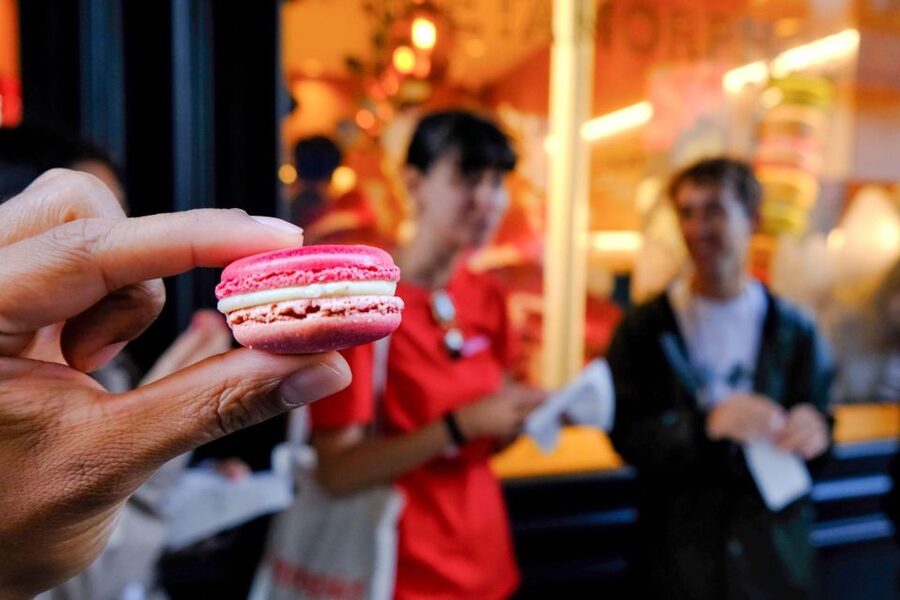
The included treat is a merveilleux, a meringue pastry known for its light, sweet texture. It is a small but welcome break during a walking tour, and it gives the route a distinctly Parisian food moment without pretending to be a full culinary excursion.
This detail matters when comparing the tour with food-focused walks. You receive one pastry, while drinks and additional food are not included. Some guest comments connected with the experience describe broader tastings such as cheese, charcuterie, wine, and several pastries, but the current activity information specifically promises a merveilleux. I would book this for history and neighborhood discovery with a sweet sample, not for a meal.
The tour suits vegetarians, but it is not suitable for people who need lactose-free, gluten-free, or vegan food. If you have one of those requirements, the pastry portion is a real limitation rather than a minor detail.
Place des Vosges and the Victor Hugo connection
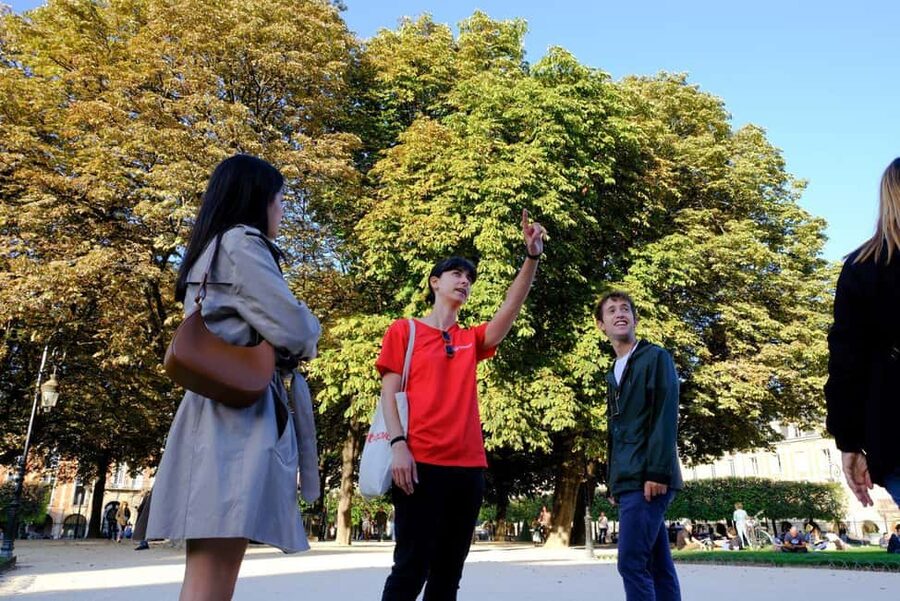
Place des Vosges is one of the Marais’s most graceful spaces. Its regular architecture and enclosed garden make a strong contrast with the narrow streets you have just walked.
The square is linked with Victor Hugo, whose former home is located here. The tour uses the place to connect literature, architecture, and Parisian public life. You have time to look around and take photographs, but two hours is not enough for a full visit to every building or museum connected with the square.
This is a good place to continue exploring after the tour. The route gives you orientation, then you can return at your own pace. If you prefer markets, cafés, shops, or museums, ask your guide for suggestions. Guides such as Camila and Paloma have been praised for adapting recommendations to personal interests, while guides including Laure and Adele have been noted for explaining architecture and history clearly.
There is one practical wrinkle. The published route says the tour finishes at Place des Vosges, while the description also presents Place de la Bastille as the final stop, and the meeting information says the activity ends back at the meeting point. Confirm the exact ending when you book or meet your guide. That matters if you have a restaurant reservation or train to catch.
Place de la Bastille and the revolutionary finale

The route description gives Place de la Bastille up to 30 minutes and presents it as the place where the French Revolution began. If that portion is included on your departure, it gives the walk a dramatic finish and extends the story from medieval Paris to political upheaval.
The Bastille site is especially useful because little of the old fortress remains to see. You need an explanation to understand why the square matters. A guide can turn an ordinary-looking city intersection into a place tied to one of France’s most important historical changes.
If your tour ends at Place des Vosges instead, Bastille is still close enough to visit afterward, but do not assume the walking route and timing will match the published description. The conflicting end points are the one logistical detail I would clarify in advance.
What the guides add
This is a guide-dependent experience, and that is a good thing. The route itself is easy to walk without help, but the value lies in what someone points out and how the story is told.
Past guide names associated with the experience include Maxi, Camila, Paloma, Laure, Linda, Adele, and Mitch. The strongest patterns are clear: good pacing, engaging explanations, strong knowledge of local history and architecture, and a willingness to answer questions. Paloma is noted for adjusting the route to personal interests, while Camila has been praised for pointing out street art and offering food and shopping suggestions.
A small group helps. With no more than 12 people, you should be able to hear the guide and ask questions without holding up a large crowd. A private group is also available if you want the walk shaped more closely around your interests.
Guide quality can vary from one departure to another, as it does with any walking tour. Still, the format gives a good guide room to make the neighborhood feel personal. If you are visiting Paris for the first time, take notes or ask where to return later. This tour is particularly useful as an early-trip orientation.
Price, pace, and practical value
At $56 per person, this is not the cheapest way to walk through the Marais. You are paying for a live English-speaking guide, a small group, the pastry, and two hours of structured explanation.
I think the value is fair if you want history and local context. The route covers several major themes, and a good guide can save you time by showing you details you would likely miss alone. The price is less compelling if you mainly want to sample food, enter museums, or spend a long time at any one sight.
The walk covers about 2 kilometers, so it is not a punishing outing. Still, Paris pavement, stops, and standing can be tiring. Wear comfortable shoes and bring an umbrella. The tour runs in rain or shine unless conditions lead to a change, and the supplied information specifically advises carrying rain protection.
The experience is child-friendly, but younger children may not care about every historical explanation. Families should consider the child’s interest in walking and storytelling. A private group may be the better choice if you need a slower pace or want to tailor the conversation.
You can cancel up to 24 hours before the tour for a full refund, and the reserve-now, pay-later option helps if your Paris schedule is still changing. The tour is carbon neutral and operated by a B Corp-certified company, which may matter to you when comparing similar activities.
Who should book this Marais walk?
I would choose this tour for a first or second day in Paris, especially if you want an overview before returning to the Marais on your own. It suits adults, families with older children, solo visitors, and anyone who prefers a neighborhood story over a checklist of monuments.
It is also a good choice if you care about the Jewish quarter and LGBTQIA+ history, since both receive real attention. Architecture lovers should enjoy the church, medieval houses, civic buildings, and Place des Vosges.
I would look elsewhere if your priority is a full meal, serious pastry tasting, museum entry, or a long visit to the Bastille area. You should also skip it if your dietary needs rule out lactose, gluten, and dairy-based pastry. The walk gives you one pastry, not a complete food itinerary.
FAQ
How long is the Marais walking tour?
The scheduled duration is two hours, with about 2 kilometers of walking.
What language is the tour conducted in?
The live tour guide speaks English.
Where does the tour start?
The meeting point is opposite the Centre Pompidou by the Centre Culturel de Serbie, at 123 Rue Saint-Martin. Your guide will hold a sign with the local partner’s name.
What food is included?
One merveilleux pastry is included. Drinks and additional food are not included.
Is the tour suitable for vegetarians?
Yes. The tour is suitable for vegetarians, but it is not suitable for lactose-free, gluten-free, or vegan customers.
How many people are in the group?
The small group has a maximum of 12 passengers. A private group option is also available.
Is the tour suitable for children?
Yes, the tour is described as child-friendly.
What should I bring?
Bring comfortable walking shoes and an umbrella. You should also be ready for roughly 2 kilometers of walking.
Should you book Explore the Marais?
Book it if you want a compact, well-explained introduction to one of Paris’s most layered neighborhoods. The strongest reasons are the small group, the mix of Jewish and LGBTQIA+ history, the medieval streets, the pastry stop, and guides who can turn overlooked details into useful stories.
The $56 price makes sense for a guided orientation, not for a food tour or a full-day cultural outing. Confirm the ending point, bring suitable shoes, and treat the merveilleux as a sample rather than lunch. If that matches your plans, this is a smart way to get your bearings before exploring the Marais on your own.
Just added around Paris
- Paris at the First Lodges – Ducasse sur Seine dinner cruise★ 4.0 · 165 reviews
- Paris at the First Lodges – Ducasse sur Seine Lunch Cruise★ 4.5 · 70 reviews
- Disneyland® Paris 1 Day with Round-Trip Train Tickets from Paris★ 4.0 · 50 reviews
- Explore speakeasies and hidden bars, sip meet & socialize★ 4.5 · 47 reviews
- Disneyland® Paris Express Shuttle with Admission Ticket from Central Paris★ 3.5 · 172 reviews
- Paris Cheeses and Wines Tour de France with Tasty Games★ 5.0 · 32 reviews
- Musée Orsay Highlights Tour – Best of Impressionism & Hidden Gems★ 5.0 · 27 reviews
- Private Tour: Discover Paris with Local, 3 hours on a Segway★ 5.0 · 71 reviews
Le Marais Tours, compared.
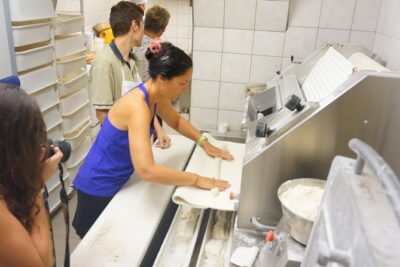
Award-Winning Paris French Bakery Experience — Le Marais, 4th Arr
Read our review →
Paris Le Marais Food Tour With 10+ Tastings, Cheese, Wine & More
Read our review →
Paris Le Marais District Original Food and Wine Tasting Tour
Read our review →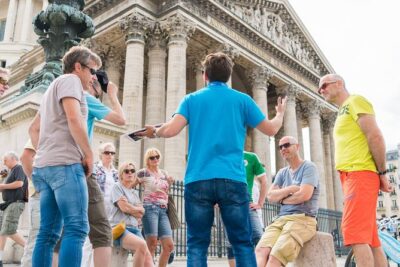
Paris Bike Tour Hidden Secrets in the Latin Quarter & Le Marais neighborhoods
Read our review →
Food and Wine Tasting Walking Tour in Le Marais
Read our review →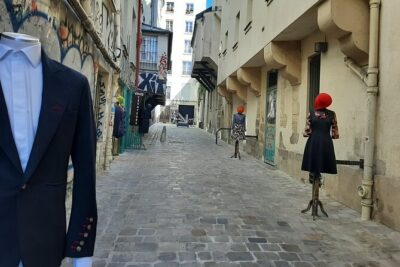
Le Marais/Paris – The Historic, Trendy, Jewish, LGBT district
Read our review →

Browse the lists this tour appears in