
Reviewed · D-DAY BEACHES TOURS
From Bayeux: American D-Day Sites in Normandy Half-Day Tour
The most powerful part of this four-hour D-Day tour is the way it links three very different places: the beach where American troops landed, the cemetery where many never returned home, and the cliff position the Rangers fought to capture. You get a clear picture of the battle without giving up an entire day.
I like the small-group format, with the advertised option limited to eight passengers, and I like the guides’ use of personal soldier stories and old photographs to make the military plan easier to follow. The main drawback is the short schedule. You see the key American sites, but there is no museum stop and only limited time for extra exploring.
I also want to flag an important date. From January 2, 2026, Pointe du Hoc is closed for renovation and is replaced by La Cambe German War Cemetery. Check your date carefully, since this changes the experience from a battlefield viewpoint to a German military cemetery.
Key points at a glance
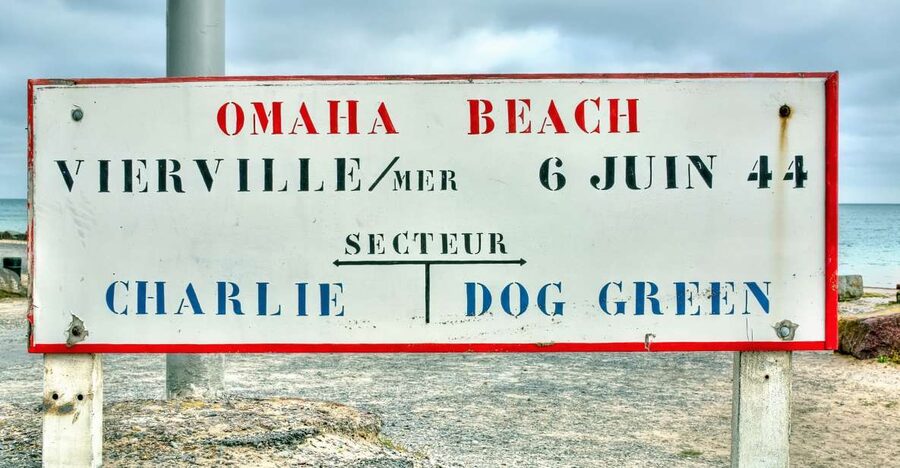
- Omaha Beach: Hear how the deadliest American landing area became the scene of intense fighting on June 6, 1944.
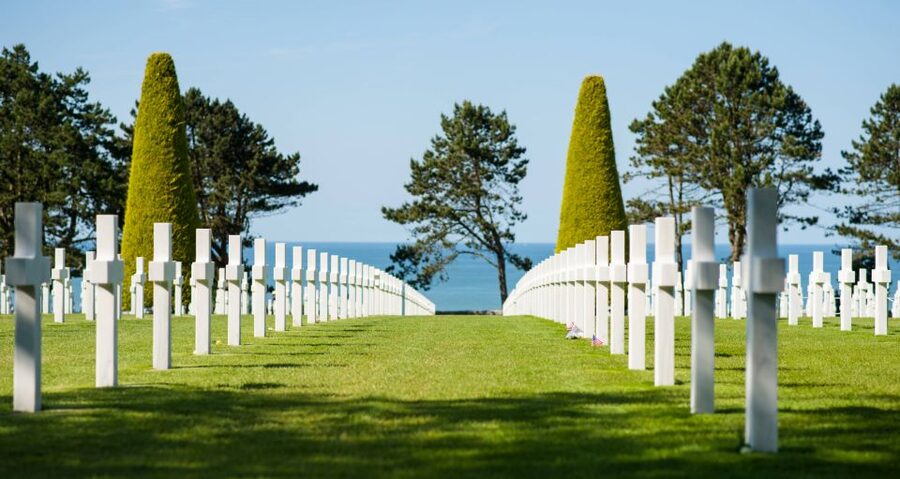
- Normandy American Cemetery: Allow a full hour for the rows of graves, the memorial, and quiet reflection.
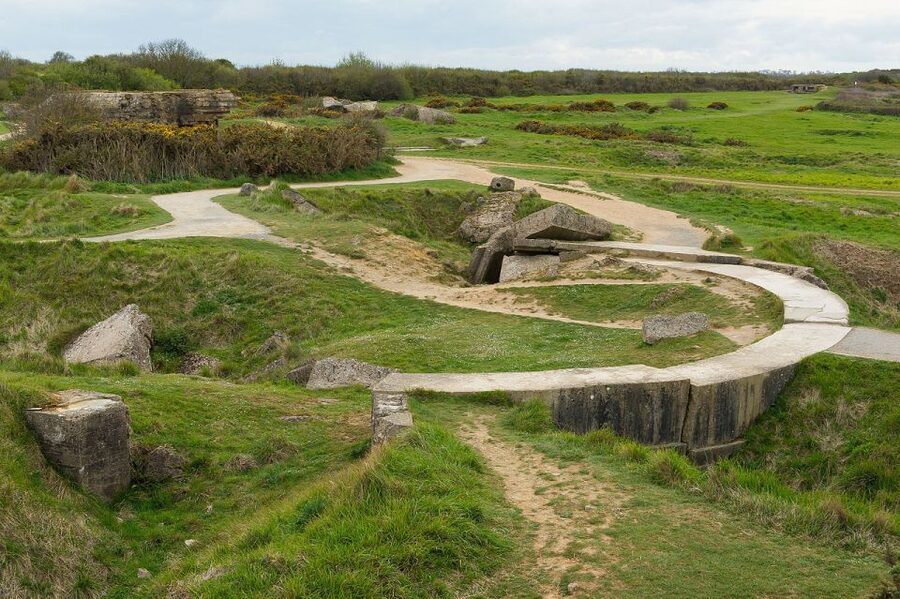
- Pointe du Hoc before January 2, 2026: Walk among the bomb craters and cliff-top German defenses captured by US Rangers.
- La Cambe from January 2, 2026: Visit the German war cemetery while Pointe du Hoc is closed for renovation.
- Guide quality: Pascal, Matt, Lou, Victor, Valentin, and others are praised for clear storytelling, humor, and detailed explanations.
- Useful format: Round-trip transport from central Bayeux means you can reach scattered sites without driving or working out local connections.
Why this four-hour route works
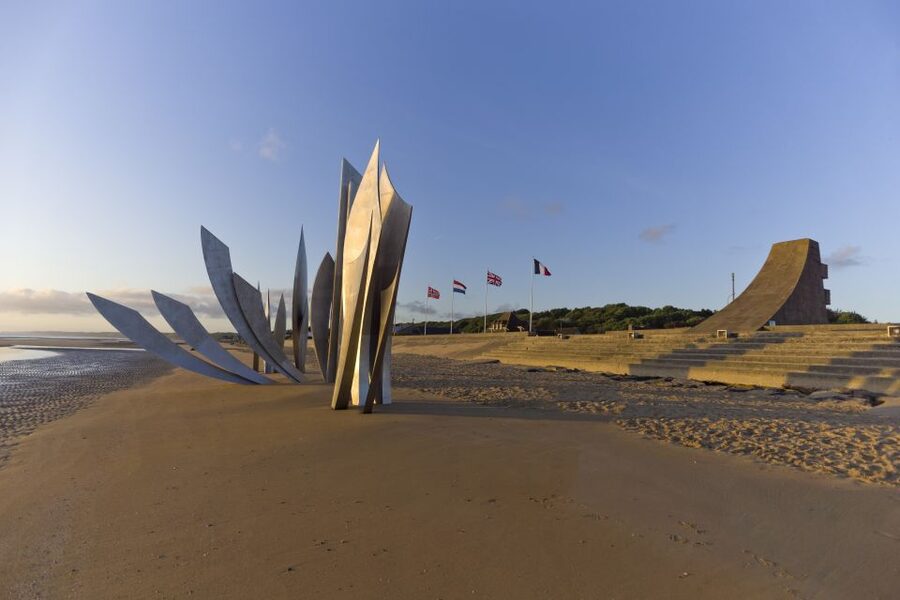
The D-Day coast is spread across rural Normandy. On your own, you can reach the beaches, but it is harder to understand why each position mattered, where units moved, and how the sites connect.
This tour solves that problem with a driver-guide, a Mercedes minivan, and a fixed route. The vehicle time is not dead time. Guides such as Pascal and Matt use the journeys to explain the invasion, set up the next stop, and answer questions. Several guides also use historical photographs to show how the same places looked in 1944.
The group size matters. With up to eight people in the small-group option, you can hear the guide clearly and ask questions without competing with a large crowd. The booking information also mentions groups of up to 19, so confirm the exact group size when reserving. The advertised small-group option is the better choice if you want more direct contact with the guide.
The tour begins at Place de Québec, in the area set aside for tourism vehicles. From there, expect about 45 minutes in the van before the first major stop. The full route lasts about four hours, including roughly 30 minutes at Omaha Beach, one hour at the American Cemetery, one hour at Pointe du Hoc, and the return journey.
More D-Day landing beach tours:
- Normandy D-Day Sites & Cemetery Day Trip from Paris with Lunch
★ 5.0 · 6,877 reviews - Normandy D-Day Small-Group Day Trip with Omaha Beach, Cemetery & Cider Tasting
★ 5.0 · 2,786 reviews - Normandy D-Day Beaches and American Cemetery Day Trip from Paris
★ 4.5 · 2,673 reviews
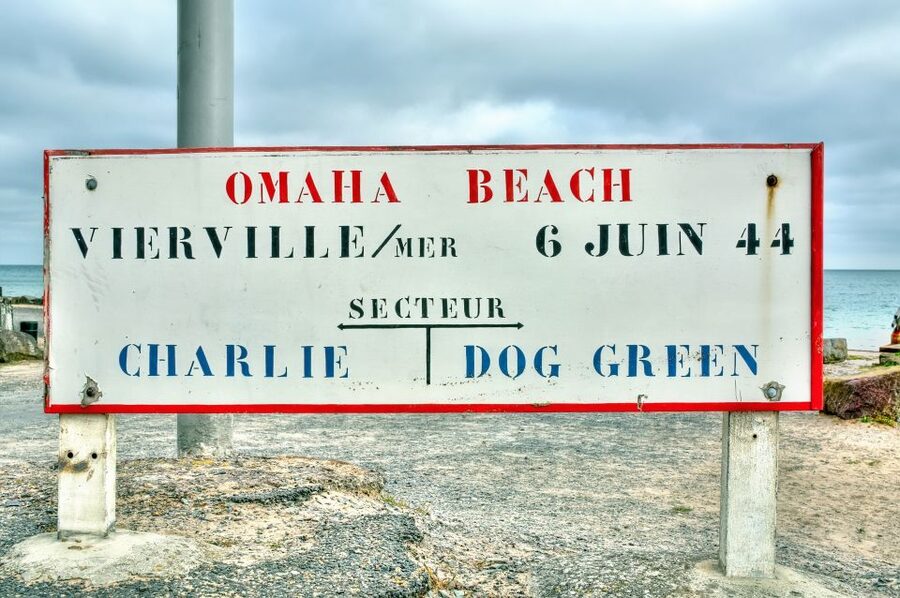
Omaha Beach: putting the landing into place
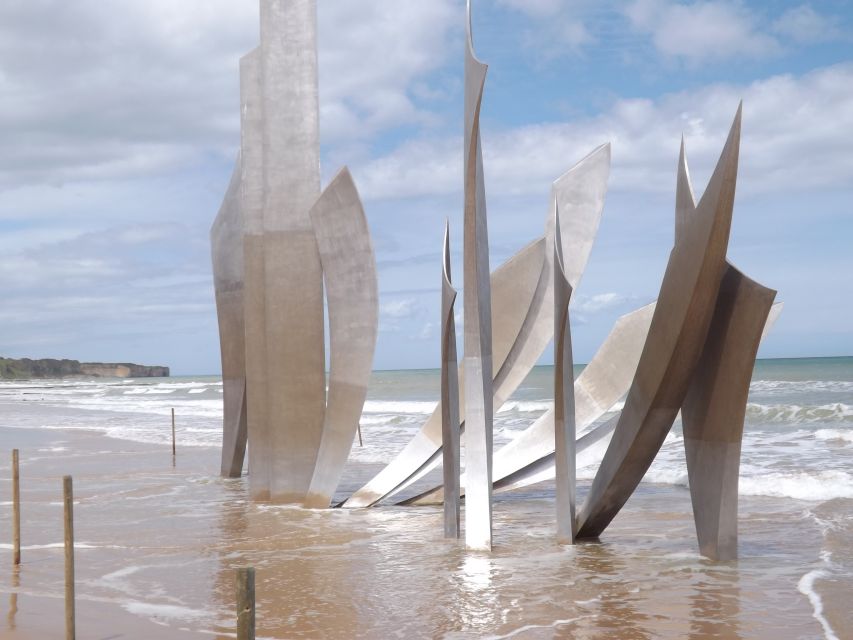
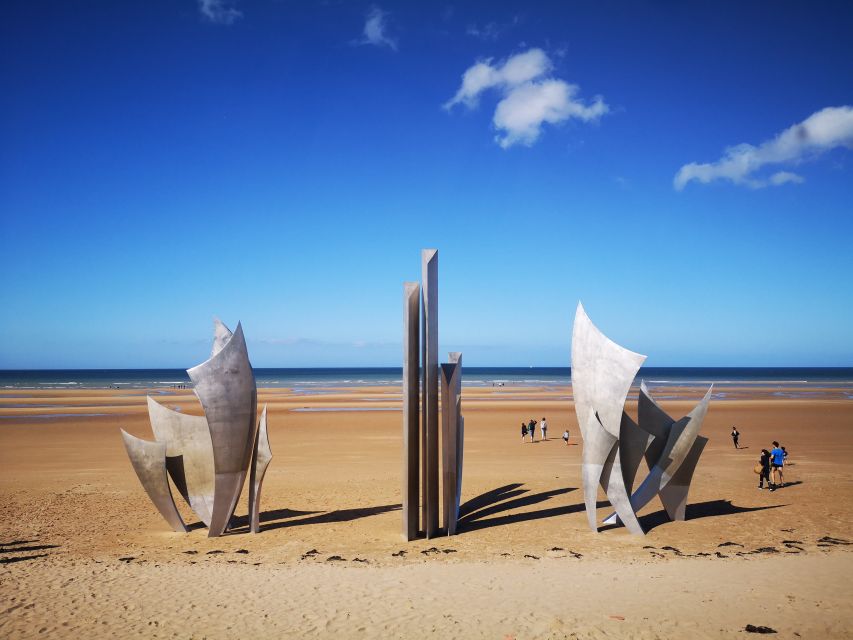
Omaha Beach is the first main stop and the shortest one, with about 30 minutes scheduled. That may sound brief, but the beach is an important opening scene because it helps you grasp the scale of the landing area.
Your guide explains the American assault, the terrain, and the heavy resistance faced by the troops. The beach itself is broad and open, which can make the events of June 6, 1944 feel difficult to picture. That is where the guide earns the fee. Good explanations connect what you see now with the obstacles soldiers faced then.
Expect the guide to focus on the men who came ashore, not just on arrows and troop movements. Pascal, Lou, Matt, and Victor are repeatedly praised for explaining individual soldiers, Rangers, and personal acts of courage. That human scale is useful here. Military maps can tell you where units moved, but stories help you understand what the landing demanded from young men under fire.
The 30-minute stop is enough to look around and listen, but it is not enough for a long independent walk. If you want extended time on the sand, photography, or a slower visit, a full-day tour may suit you better. On this half-day route, let the guide establish the scene, then use your free moments to take in the shore.
Wear shoes that can handle uneven ground and changing weather. The tour operates rain or shine, and Normandy weather can make an exposed beach feel cold and windy, even outside winter.
The Normandy American Cemetery: the emotional center
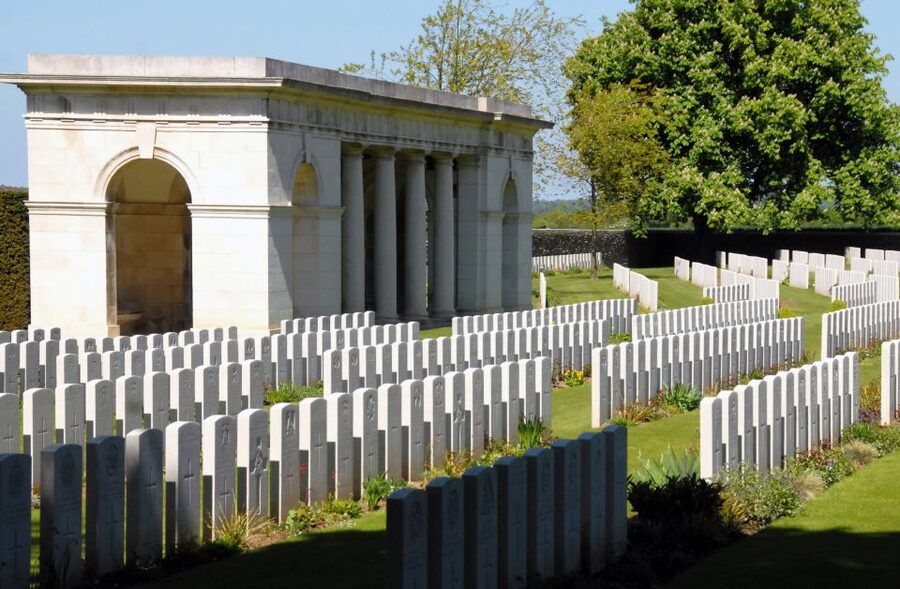
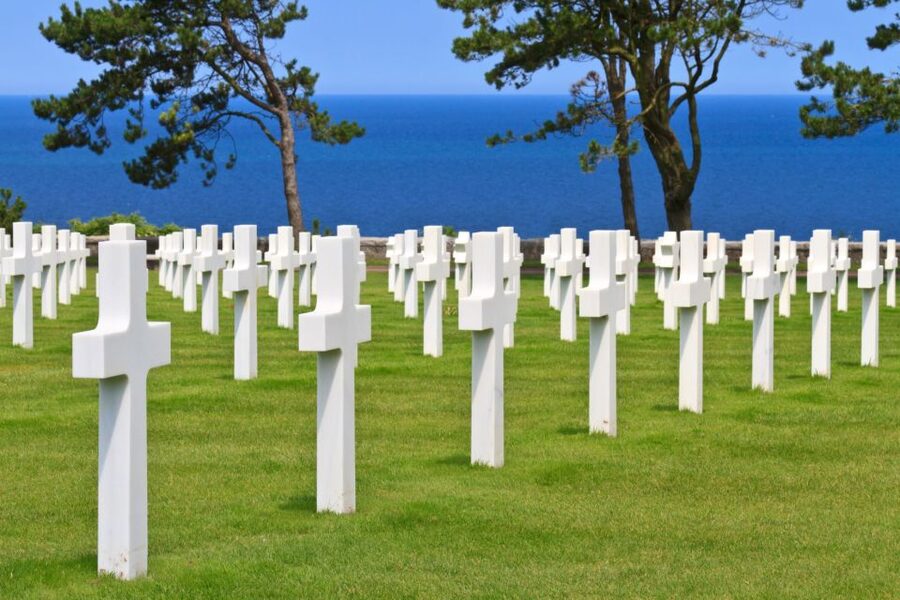
The American Cemetery receives about one hour, and this is the stop that gives the tour its quiet weight. After hearing about the landing, you walk among the white headstones of American service members who died in the campaign.
You have time to explore independently, not just follow a guide from one point to another. That matters because the cemetery is best approached at your own pace. Read a few names. Look across the grounds. Give yourself room to absorb the scale.
The guides help by explaining how the cemetery relates to the wider operation. Lou, for example, has been praised for setting out the timeline of the landings and then allowing the cemetery to speak for itself. Other guides bring up soldiers from different states and connect broad military events with individual lives.
Timing can affect what you see. One group arrived close enough to 4 p.m. to witness the flag ceremony and hear Taps, which made an already serious visit even more moving. That moment is not guaranteed by the tour, so do not book solely in hopes of catching it. Still, it shows why the schedule can matter, and why an afternoon departure may be worth considering if available.
One practical limitation is that an hour can pass quickly. You may want to see the memorial, walk farther among the graves, and visit the gift shop, but you may not have time for everything. The tour does not include a museum visit, so you will need another stop on your own if you want more exhibits and background material.
Pointe du Hoc before January 2, 2026
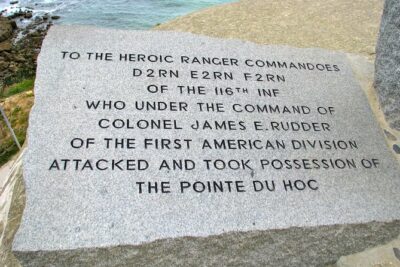
For tours running before January 2, 2026, Pointe du Hoc is the most visually dramatic stop. The US Rangers scaled the cliffs to capture a German gun position that threatened the landing beaches.
The site has a stark, cratered appearance caused by wartime bombardment. From the cliff top, you get a broad view toward the English Channel and a better sense of why this position was considered important. The Germans had built it as part of the Atlantic Wall, and its height provided a useful observation point between Omaha Beach and the nearby landing area.
The scheduled visit lasts about one hour. That gives you time to walk, hear the explanation of the Ranger assault, and take in the setting. The ground can be uneven, so comfortable shoes are not a minor suggestion. Anyone with mobility concerns should think carefully before booking, since this activity is not wheelchair accessible and is not suited to people with mobility impairments.
Pointe du Hoc is also the stop most affected by weather. Wind and rain can make the exposed cliff top uncomfortable, but the tour continues in poor conditions. Bring a light waterproof layer and do not assume that a sunny Bayeux morning will remain sunny on the coast.
A few more Normandy half-days worth comparing
- Day Trip to Mont-Saint-Michel from Paris
★ 4.5 · 4,876 reviews - Mont Saint Michel Day Trip from Paris with English Speaking Guide
★ 4.5 · 2,750 reviews - From Paris: Giverny Day Trip with Audio Guide or Live Guide
★ 4.3 · 2,372 reviews - From Paris: Giverny, Monet’s House, & Gardens Half-Day Trip
★ 4.5 · 2,174 reviews
The itinerary change from January 2, 2026
The closure of Pointe du Hoc changes the balance of the tour. From January 2, 2026, renovation work removes the cliff site from the route, and the visit is replaced by La Cambe German War Cemetery.
La Cambe offers a different kind of experience. Instead of standing above a former German defensive position and looking toward the sea, you visit a cemetery connected with German military dead. That adds another side to the Normandy story and can help you compare how different nations remember the war.
If Pointe du Hoc is the reason you are booking, schedule the tour before the closure if possible. If your date falls after January 2, 2026, do not expect the Ranger cliff walk. You will still see Omaha Beach and the American Cemetery, but the third stop will be quieter and more reflective rather than a battlefield viewpoint.
This is one of the most important details to settle before paying. The tour title and older descriptions may still mention Pointe du Hoc, while the updated route applies to dates during the closure.
The guides make the difference
The route is strong, but the guide determines how much you take away. The best guides do more than recite dates. They explain the sequence of events, show how the sites relate to one another, and tell stories that give names and personalities to the men involved.
Pascal is frequently praised for combining detail with humor and an easy manner. Matt receives especially strong praise for linking military facts with the human side of the invasion. Lou is described as organized, clear, and able to explain the timeline in a way that works for both adults and younger visitors.
Victor, Valentin, Magali, Maggie, and other guides also lead this route. You cannot assume you will get a particular guide, but the repeated pattern is clear: the company places serious weight on guide presentation and English ability. The tour is operated in English only, so you should be comfortable listening to historical explanations in English for several hours.
A useful feature is the time between sites. The van rides give the guide space to fill in missing context, and they let you ask questions that may not fit during a short beach stop. You are not simply being delivered to three locations and left to work out the meaning yourself.
Is $141 good value?
At $141 per person, this is not the cheapest way to see Normandy, but the price can make sense if you value efficient transport and expert interpretation. You get round-trip travel from central Bayeux, an English-speaking driver-guide, a comfortable Mercedes minivan, and visits to three major American D-Day sites, or to La Cambe after the Pointe du Hoc closure.
The value is strongest for a first visit. You avoid the stress of driving an unfamiliar route, and you can cover sites that are awkward to connect by public transport in half a day. You also gain context that is hard to get from signs alone.
The value is weaker if you want long, unhurried visits, museums, or a broad survey of the entire Normandy campaign. The tour does not include meals, drinks, personal expenses, or museum admission. It also concentrates on the American sector, so it is not a full account of British, Canadian, or other Allied operations.
I would pair it with a museum visit before or after. One useful plan is to spend a few hours at a D-Day museum, then use this tour for the beaches and cemeteries. That combination gives you both objects and places without asking a short tour to do everything.
Who should book this tour?
This is a good fit if you are staying in Bayeux, want a strong introduction to the American D-Day sites, and prefer a guide to driving yourself. It works particularly well for first-time visitors, couples, families with older children, and anyone who wants a focused half-day rather than a full day on the road.
Children under four are not permitted. A 12-year-old was able to get a lot from the tour, and a 16-year-old gave the experience a strong endorsement, but the subject matter is serious and the day involves extended historical commentary.
You should reconsider it if you use a wheelchair, have significant mobility limits, or dislike walking over uneven outdoor ground. You should also choose a longer tour if you want museums, more beaches, or time to study each site at length.
The activity requires at least two people to operate. It is available with free cancellation up to 24 hours before departure, and reserve-now, pay-later booking is offered. These policies are useful if your Normandy schedule is still shifting, but the central question remains the date of your visit and the Pointe du Hoc closure.
Should you book it?

Book it if you want a clear, moving introduction to Omaha Beach and the American Cemetery, with a guide who can explain the battle in human terms. The four-hour schedule is tight but sensible, and the small-group option gives you more access to the guide than a large coach tour.
Before January 2, 2026, Pointe du Hoc adds a memorable physical setting and a strong Ranger story. From that date onward, La Cambe changes the mood and broadens the story to include German remembrance. Either route can work, but they are not interchangeable experiences.
For most visitors with only half a day in Bayeux, I would choose this tour and add a museum visit separately. If you want to linger, cover several national sectors, or explore more than three sites, pay for a full-day outing instead.
FAQ
Where does the tour begin?
Meet at Place de Québec in Bayeux, in the area dedicated to tourism vehicles.
How long does the tour last?
The tour lasts four hours, including transportation from Bayeux and the return journey.
Which sites are included before January 2, 2026?
The route includes Omaha Beach, the Normandy American Cemetery, and Pointe du Hoc. The order may vary.
What replaces Pointe du Hoc after January 2, 2026?
Pointe du Hoc is replaced by La Cambe German War Cemetery because Pointe du Hoc is scheduled to close for renovation work.
Is the tour offered in English?
Yes. The tour is operated in English and includes a live English-speaking guide.
How many people are in the group?
The small-group option has a maximum of eight passengers per group. The activity information also lists groups of up to 19 people, so confirm the group size for your booking.
Is the tour suitable for children or wheelchair users?
Children under four are not allowed. The tour is not wheelchair accessible and is not suitable for people with mobility impairments.
Just added around Normandy
- From Le Havre: D-Day Beaches Shore Trip with Packed Lunch★ 4.9 · 101 reviews
- Bike tour from Vernon to Giverny with local guide★ 4.7 · 47 reviews
- Bayeux: Normandy D-Day Landing Beaches Full-Day Guided Tour★ 4.8 · 158 reviews
- Bay of Mont Saint-Michel : Quicksands And Discovery★ 4.9 · 168 reviews
- Bayeux: 2-hour tour of the D-Day beaches, by vintage sidecar★ 4.9 · 64 reviews
- Bayeux: Band Of Brothers Full-Day Tour★ 4.9 · 53 reviews
- From Paris: 2-Day Normandy & Brittany Tour★ 4.5 · 93 reviews
- Small-Group Giverny and Van Gogh’s Room in Auvers from Paris★ 4.9 · 168 reviews
D-Day Beaches Tours, compared.

Normandy D-Day Sites & Cemetery Day Trip from Paris with Lunch
Read our review →
Normandy D-Day Small-Group Day Trip with Omaha Beach, Cemetery & Cider Tasting
Read our review →
Normandy D-Day Beaches and American Cemetery Day Trip from Paris
Read our review →
Normandy American D-Day Beaches Full Day Tour from Bayeux
Read our review →
Normandy American D-Day Experience – Group tour from Bayeux
Read our review →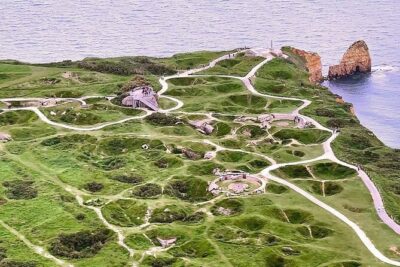
Omaha Beach D-Day Experience – Afternoon group tour from Bayeux
Read our review →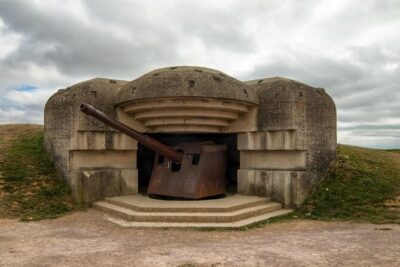
Browse the lists this tour appears in