
Reviewed · GIVERNY & MONET'S GARDENS
Giverny and Monet’s House Half Day Trip from Paris Guide or Audio
Monet’s garden is the star here. At Giverny, you can cross the Japanese bridge, look across the water-lily pond, and see the plants that shaped some of the best-known paintings in Western art. The house adds a personal touch, especially its blue-and-yellow kitchen, private rooms, studio, and important collection of Japanese prints.
I like the easy coach transport from central Paris, and I like having a choice between an audio guide and a live art historian or local guide. Guides such as Alex, Philippe, Agnès, and Clémence have been praised for keeping groups together and making sense of the gardens.
The catch is simple: Giverny can be extremely crowded, especially in the morning and during the main flower season. Five hours is enough for a worthwhile visit, but you may feel pressed if you want slow garden walks, a full look at the house, and time in the shop.
Key points to know before booking
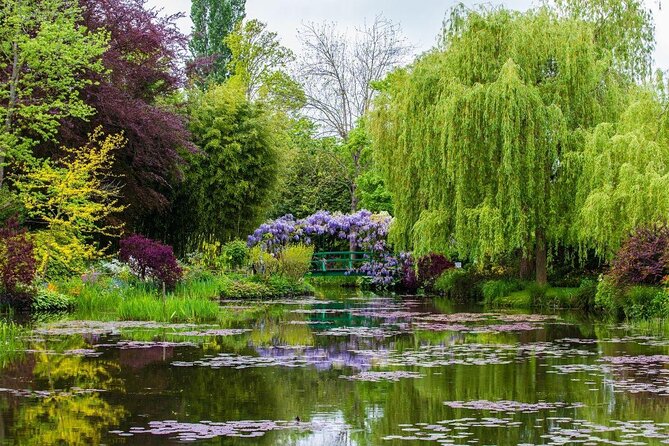
- Monet’s water-lily pond and Japanese bridge are the visual heart of the visit.
- Priority admission helps reduce the hassle, but it does not guarantee an empty garden or a completely queue-free visit.
- Morning and afternoon departures are available, with afternoon visits sometimes offering a quieter experience.
- Live guides can make a major difference, especially when crowds fill the paths.
- The house contains an important Japanese print collection, not just Monet’s bedrooms and kitchen.
- The $102.57 price covers admission, transport, and guiding, but not food, drinks, headphones, or hotel pickup.
Why Giverny feels different from a normal museum visit
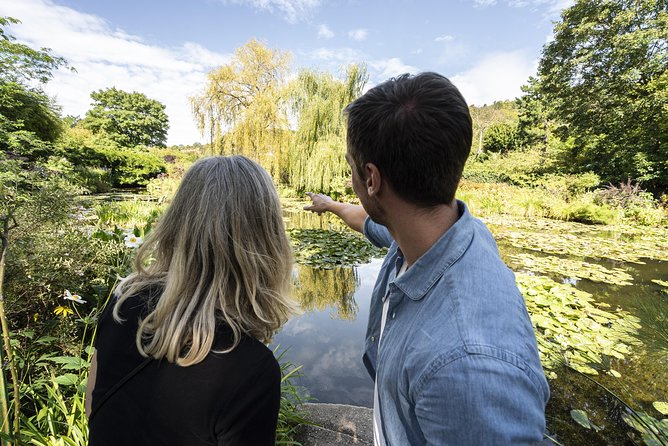
Giverny is not simply a place to look at Monet’s paintings. It is a chance to see the garden that supplied his subjects, colors, and changing light. The experience works best when you slow down enough to notice the relationship between the plants, the pond, the bridge, and the paintings you already know.
The property sits in the French countryside outside Paris. The coach ride takes about 1 hour and 30 minutes each way, so the trip uses much of the five-hour schedule. That sounds like a long transfer for a short visit, but the coach removes the need to plan separate rail connections, local transport, and timed admission.
I see this as a strong choice for a first visit to Giverny from Paris. It is not the best format for someone who wants an entire day to sketch, photograph every corner, or linger over lunch in the village. It is built for convenience and a focused look at Monet’s home and gardens.
The tour normally carries no more than 30 people. That is small enough to be manageable, though it will not feel private when the entire site is crowded.
More Day Trips in Normandy
- Normandy D-Day Sites & Cemetery Day Trip from Paris with Lunch
★ 5.0 · 6,877 reviews - Day Trip to Mont-Saint-Michel from Paris
★ 4.5 · 4,876 reviews - Normandy D-Day Small-Group Day Trip with Omaha Beach, Cemetery & Cider Tasting
★ 5.0 · 2,786 reviews
The coach ride from central Paris
The meeting point is at 45 Avenue de la Bourdonnais, in the 7th arrondissement. It is near the Eiffel Tower, which can make the departure easy to combine with sightseeing in that part of Paris. You arrange your own way to the meeting point, since hotel pickup is not included.
The coach is a practical part of the package. Several guides and drivers have been praised for punctual departures and comfortable buses. That matters on a half-day trip, since a late start or confusing transfer can quickly eat into your time at Giverny.
The drive takes you through the Eure region and its open countryside. This is not a narrated sightseeing drive with planned stops. Think of it as a comfortable transfer that lets you rest, look out the window, or prepare for the visit.
One caution: allow extra time to find the meeting point. The address is clear, but some people have found the return arrangements less straightforward than expected. The activity is scheduled to end back at the departure point, though one experience involved a different drop-off location. I would confirm the exact return point on the day and avoid booking a tight connection afterward.
The front gardens and Clos Normand
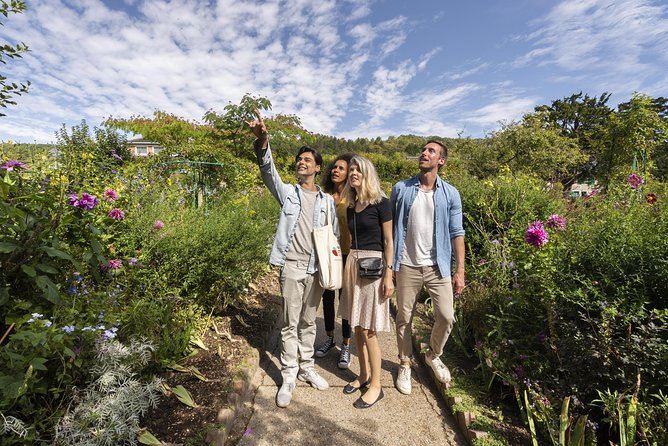
Your first look at the property is the front garden, also called the Clos Normand. Monet developed this area with a painter’s eye, arranging flowers, paths, color blocks, and seasonal changes. Depending on when you visit, you may see very different planting patterns and colors.
The itinerary allows about 45 minutes for the Fondation Claude Monet and another 25 minutes around the Clos Normand. In practice, the exact rhythm depends on your guide, the crowd, and the time needed to enter the house. You also receive free time, but this is not an open-ended garden visit.
The paths are mostly flat and sidewalk-like, though you should expect a fair amount of walking. Comfortable shoes are more useful than stylish ones here. The garden is not difficult terrain, but the combination of walking, standing, heat, and crowds can wear you down.
A live guide can help you see more than flowers. Guides such as Alex have been praised for choosing a smart route, timing the group for better views, and explaining the planting design along the way. Agnès has also received praise for keeping groups together and adding details about Monet’s life. Clémence has been noted for combining useful information with a lively manner.
If you choose the audio option, you can move at your own pace. That is a real advantage if you prefer to stop for photographs or examine a particular bed without waiting for a group. The audio app is available in 10 languages: Chinese, English, French, German, Italian, Japanese, Korean, Portuguese, Russian, and Spanish.
Bring a fully charged phone and your own headphones. Headphones are not included. A dead battery or faulty audio connection can turn the self-guided option into a silent garden walk, so check your equipment before leaving Paris.
Monet’s pond and Japanese bridge
The water-lily pond is the emotional center of the visit. This is the setting that inspired Monet’s series of water-lily paintings, and seeing the real pond gives those paintings a more physical sense of place. You can cross the Japanese bridge, look toward the willows, and see the bamboo and water plants that created the familiar scene.
Do not expect to stand alone on the bridge. It is one of the most photographed spots at Giverny, and the paths can become tightly packed. Still, the pond rewards patience. Wait for a gap, step aside from the main flow, and give yourself a moment to look beyond the camera frame.
The light changes the mood of the water and flowers. Several people have found autumn especially beautiful, with softer light and strong seasonal color. Late October can also bring smaller crowds, though the gardens will not have the same summer display. In August, some flowers may be past their best, and heat can make a crowded visit harder.
If your main goal is the famous pond and bridge, an afternoon departure may be worth considering. The operator notes that mornings can be particularly busy in high season. No time slot guarantees a quiet experience, but later visits may feel less pressured.
More trips to Monet's garden at Giverny:
- From Paris: Giverny Day Trip with Audio Guide or Live Guide
★ 4.3 · 2,372 reviews - From Paris: Giverny, Monet’s House, & Gardens Half-Day Trip
★ 4.5 · 2,174 reviews - Versailles Palace and Giverny Monet House Visit with Lunch
★ 4.0 · 1,948 reviews - Giverny Monet’s Home and Gardens Half Day Tour from Paris
★ 4.5 · 1,836 reviews
Inside Monet’s house and studio
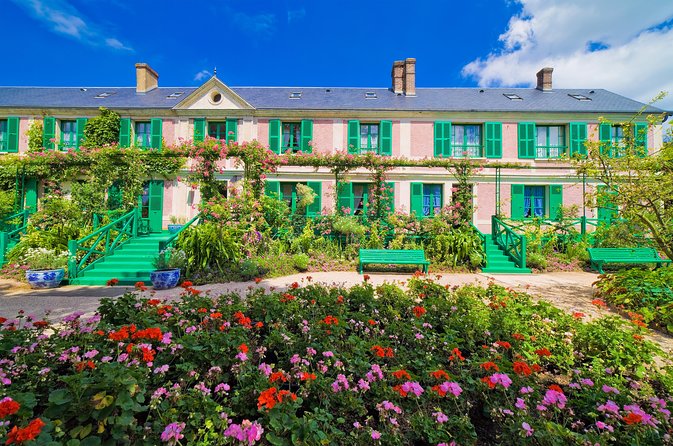
After the gardens, you enter Monet’s home. Priority admission is included, which helps with the logistics, but you still need to move with the group and follow the site’s visitor flow. Crowds can be noticeable inside as well as outdoors.
The rooms give the visit a human scale. You can see the kitchen, bedrooms, and other domestic spaces rather than only viewing art behind glass. The blue-and-yellow color scheme appears in the crockery and table settings sold in the shop, and it reflects the strong decorative character of the home.
The house also contains Monet’s collection of Japanese engravings. This is one of the most important parts of the visit for anyone interested in the sources behind his interest in Japanese design, gardens, and composition. The prints help connect the bridge and pond outside with the visual ideas Monet collected and used in his own work.
The studio provides another useful link between the house and the paintings. It is not just a room to pass through. It helps you picture the scale of Monet’s working life and the way the property functioned as both home and subject.
The amount of explanation depends heavily on your chosen format and guide. A strong live guide can explain Monet’s family, final years, the home’s later history, and the gardens while the group waits to enter the house. One poor experience involved very little information about the house, so the guide option is not automatically a guarantee of depth. Ask questions when you can, and choose the art historian option if interpretation matters to you.
How the live guide and audio options compare
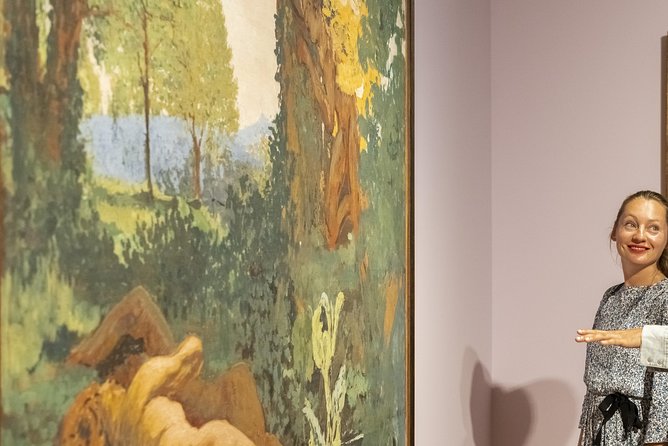
The live-guided option is best if you want context without managing your own phone. A good guide can point out details you might miss, handle the timing, answer questions, and keep the group from getting scattered among the paths.
The strongest guide experiences have involved people such as Alex, Philippe, Agnès, Clémence, and Krystle. Their styles will differ, and guide assignments can change, but the pattern is clear: a warm, organized guide can make a crowded garden feel far more manageable.
The audio option gives you independence. You can pause, take photographs, and move at your own speed. It may suit you better if you already know Monet’s story and mainly want time with the garden.
The downside is technical. The audio app depends on your phone, your battery, and your headphones. One malfunctioning audio device can leave you without much context, and assistance may be limited once you are inside the property.
Crowds, seasons, and the best time to go
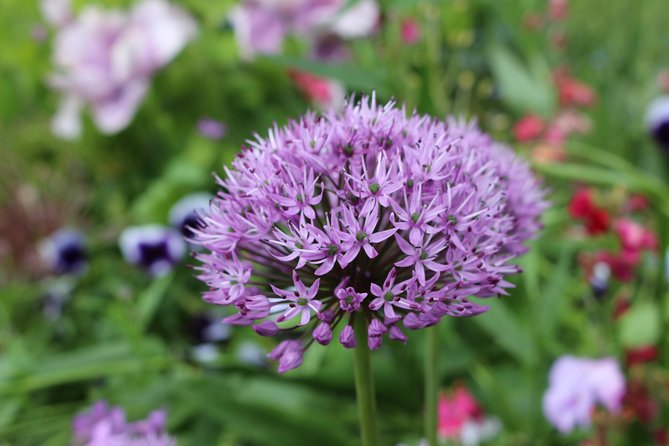
Crowds are the biggest variable at Giverny. The gardens are popular for good reason, and high season can bring a steady flow along the narrow paths. September can still be very busy. Even spring, when the flowers are at their strongest, is not a quiet time.
For a calmer visit, consider an afternoon departure or a later-season date. Late October has brought smaller crowds and pleasing autumn light, though you should expect a different display from the famous spring and summer scenes.
Season changes the experience:
- Spring and summer offer the fullest flower displays and the classic garden photographs.
- Early autumn can bring attractive light and strong colors, though the site may still be busy.
- Late October may be quieter, but some summer flowers will have faded.
- August can be hot and crowded, with some blooms past their peak.
Weather matters because much of the visit takes place outdoors. A sunny day can make the pond and flower beds glow, but heat makes waiting and walking less pleasant. Bring water, since food and drinks are not included.
Is the $102.57 price fair?

At $102.57 per person, this is not a bargain-priced outing. You are paying for round-trip coach transport, entrance to the house and gardens, priority admission, and either a live guide or audio support.
The value depends on what you want to avoid. If you are comfortable arranging your own transport and admission, an independent visit may cost less. If you value a direct coach from central Paris, a planned entry, and help making sense of the property, the price is easier to justify.
The half-day format also has value. You can visit Giverny without giving up an entire day in Paris. That makes it practical for a short stay, especially if Monet is one of your top priorities but you also want time for Paris museums and neighborhoods.
The main limit is time. You may feel the cost more sharply if the garden is so crowded that you cannot move freely, or if a delayed coach or bus problem cuts into the visit. One bus experienced an air-conditioning issue that reduced the available time and made the ride uncomfortable. Such problems may not be typical, but they are worth keeping in mind.
What is not included and what to bring
Hotel pickup and drop-off are not included. You need to reach the meeting point and return from it. Food and drinks are also your responsibility, so plan around the scheduled coach times.
Bring:
- Comfortable walking shoes
- Water and weather protection
- A fully charged phone if using the audio app
- Your own headphones
- Extra time to find the meeting point
- A small amount of room in your bag for purchases
The souvenir shop is unusually appealing for an attraction shop. You can find reproductions of Monet’s paintings, pottery, table settings in the home’s blue-and-yellow colors, and flower seeds. It also offers a useful break from the heat, with comfortable seating and air conditioning.
Who should book this Giverny tour?
I would choose this tour if you are visiting Paris for the first time, want a simple half-day trip, and prefer not to organize countryside transport. It is also a good fit for Monet fans, garden lovers, and anyone who wants to see the Japanese bridge and water-lily pond in person.
Families and older visitors may appreciate the coach and mostly level paths, though the walking and standing can still be tiring. Anyone sensitive to heat or crowds should choose the timing carefully and avoid expecting a peaceful private garden.
I would hesitate if you want a slow, solitary visit, a long lunch in Giverny, or detailed art instruction at every stop. In that case, an independent full-day visit may suit you better.
Should you book it?
Book it if convenience matters and Giverny is high on your Paris list. The coach, included admission, and compact schedule make the trip easy to fit into a busy visit, while the garden and pond provide the kind of direct connection to Monet that no reproduction can match.
Choose the live guide if you want background on Monet’s life and help handling the crowds. Choose the audio option if you prefer to wander independently. Aim for the afternoon or a later-season date if you want a better chance of breathing room.
The tour is not perfect. Crowds can be intense, time can feel short, and guide quality may shape the visit. But with realistic expectations, it offers a practical and rewarding way to see Monet’s home, studio, Japanese prints, and unforgettable garden from Paris.
FAQ
How long does the Giverny tour take?
The experience lasts approximately 5 hours and 15 minutes, including the coach journey from Paris and the visit to Monet’s property.
Where does the tour start?
It starts at 45 Avenue de la Bourdonnais, 75007 Paris, France, near public transportation and the Eiffel Tower area.
Does the tour return to the same meeting point?
The stated end point is back at the meeting point. Since one experience involved a different drop-off location, confirm the return arrangements before making a tight onward plan.
Is admission to Monet’s house and gardens included?
Yes. The package includes entrance to Monet’s house and gardens, along with priority admission.
Can I choose between a live guide and an audio guide?
Yes. You can select an audio-guided option or a live-guided option when booking, depending on availability.
What languages are available for the audio guide?
The downloadable audio app is available in Chinese, English, French, German, Italian, Japanese, Korean, Portuguese, Russian, and Spanish.
Are headphones included?
No. Headphones are not included with the audio-guided option, so bring your own and make sure your phone is fully charged.
Is food included?
No. Food and drinks are not included. You should plan your own refreshments around the tour schedule.
How many people can join the tour?
The group size is limited to a maximum of 30 people.
Can I cancel for a full refund?
Yes. You can cancel at least 24 hours before the start time for a full refund. Cancellations or changes made less than 24 hours before departure are not accepted for a refund.
More Audio Tours in Normandy
- Paris: Louvre Museum Hosted Entry and Mona Lisa Audioguide
★ 4.6 · 5,235 reviews - Paris: Eiffel Tower Access w/ Audioguide and Optional Cruise
★ 4.0 · 1,630 reviews - Paris: Catacombs Entry & Seine River Cruise with Audio Guide
★ 4.4 · 1,150 reviews - Paris: Catacombs, Audio Guide, and River Cruise Option
★ 4.6 · 966 reviews
Just added around Normandy
- From Le Havre: D-Day Beaches Shore Trip with Packed Lunch★ 4.9 · 101 reviews
- Bike tour from Vernon to Giverny with local guide★ 4.7 · 47 reviews
- Bayeux: Normandy D-Day Landing Beaches Full-Day Guided Tour★ 4.8 · 158 reviews
- Bay of Mont Saint-Michel : Quicksands And Discovery★ 4.9 · 168 reviews
- Bayeux: 2-hour tour of the D-Day beaches, by vintage sidecar★ 4.9 · 64 reviews
- Bayeux: Band Of Brothers Full-Day Tour★ 4.9 · 53 reviews
- From Paris: 2-Day Normandy & Brittany Tour★ 4.5 · 93 reviews
- Small-Group Giverny and Van Gogh’s Room in Auvers from Paris★ 4.9 · 168 reviews
Giverny & Monet's Gardens, compared.

Giverny Day Trip with Audio Guide or Live Guide
Read our review →
Giverny, Monet’s House, & Gardens Half-Day Trip
Read our review →
Versailles Palace and Giverny Monet House Visit with Lunch
Read our review →
Giverny Monet’s Home and Gardens Half Day Tour from Paris
Read our review →
Giverny Small-Group Half Day Trip with Monet’s Gardens from Paris
Read our review →
Giverny and Versailles Palace Guided Day Trip
Read our review →
Giverny and Versailles Small Group Day Trip from Paris with Lunch
Read our review →
From Paris: Guided Day Trip to Monet’s Garden in Giverny
Read our review →Browse the lists this tour appears in