
Reviewed · WINE TOURS
Make your own cuvée of Bordeaux wine
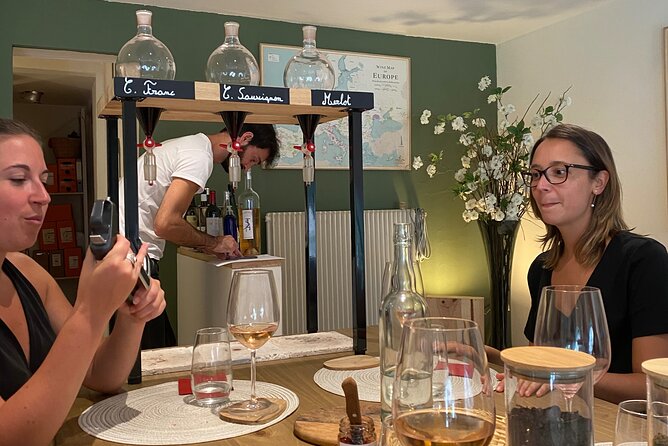
The clever part of this Bordeaux workshop is that you do not just taste finished wine. You test how Merlot, Cabernet Sauvignon, and Cabernet Franc change a blend, then create a bottle to suit your own palate. James leads the session, while some dates are presented by brothers Pierre and Geoffroy.
I like the hands-on use of tubes and pipettes, which turns a wine lesson into a small experiment. I also like the relaxed cellar setting, Basque cheese and charcuterie, and the chance to leave with a bottle carrying your name. One point to check before booking: a few sessions have been mistaken for a simple tasting, and some participants found them shorter than the advertised two and a half hours.
Key points to know before booking
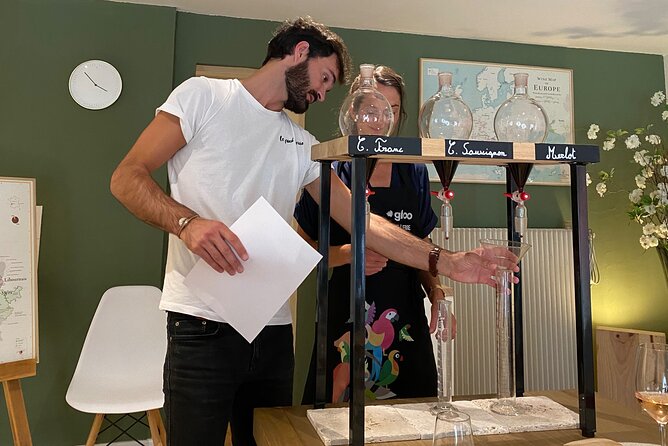
- You make a personal Bordeaux blend: Combine single-varietal wines and bottle your chosen cuvée.
- The main grapes are Merlot, Cabernet Sauvignon, and Cabernet Franc: Each brings a different mix of fruit, tannin, structure, and aroma.
- The lesson goes beyond a quick sip: Expect regional geography, tasting technique, aromas, soil samples, and a blind tasting.
- The setting is small and social: The group limit is 12 people at Le Pied à Terre, a wine shop and tasting cellar.
- Basque food is served: Cheese and charcuterie accompany the tasting.
- The format is not for white-wine fans: This is a red Bordeaux-focused session.
Why blending is the point of this Bordeaux workshop
Bordeaux wine is often sold by château and appellation, but the finished bottle may contain more than one grape variety. That is the idea this workshop makes clear. Instead of treating a bottle as a single flavor, you learn how several components work together.
Merlot can bring softness and fruit. Cabernet Sauvignon can add tannin and structure. Cabernet Franc can contribute aroma and freshness. The point is not to memorize a textbook formula. It is to taste the parts separately, then see what changes when you mix them.
That makes this a useful choice if you have already visited a château or taken a standard tasting. Many Bordeaux tastings explain where the wine comes from, then pour a few finished bottles. Here, you get to work with the building blocks.
The session also helps if you are used to wines labeled by grape variety. In the United States and other markets, a bottle may be sold mainly as Cabernet Sauvignon or Merlot. Bordeaux often asks you to think instead about place, producer, and blend. This workshop gives you a practical way to understand that difference.
More Wine Tours in Bordeaux
- Bordeaux: Cité du Vin Entry Ticket and Wine Tasting
★ 4.6 · 3,885 reviews - Bordeaux: River Garonne Cruise with Glass of Wine and Canelé
★ 4.5 · 3,630 reviews - From Bordeaux: Afternoon Saint-Emilion Wine Tasting & snack
★ 4.8 · 1,581 reviews
Starting at Le Pied à Terre on Rue Judaïque
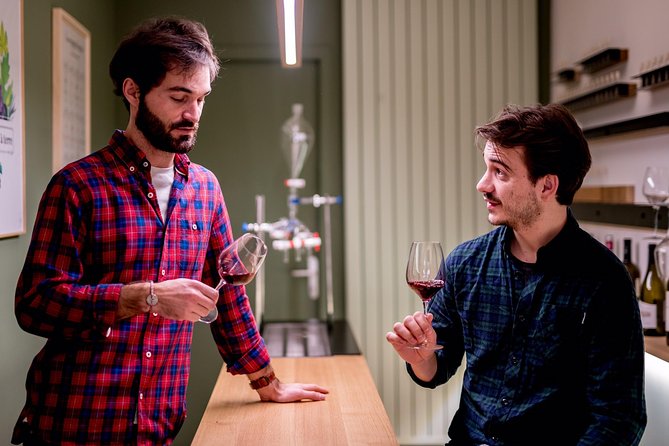
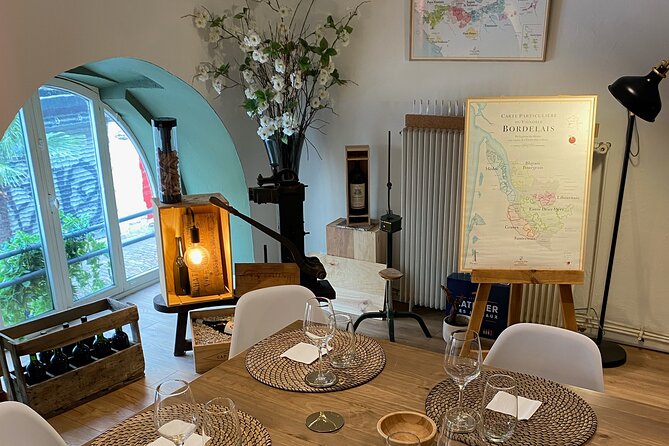
The meeting point is Le Pied à Terre, at 22 Rue Judaïque in Bordeaux. It is both a wine shop and a tasting cellar, so the setting fits the subject without requiring a trip into the countryside.
That city-center location matters. You can fit the workshop into a Bordeaux sightseeing day without arranging a full-day excursion to the Médoc, Saint-Émilion, or another wine area. The venue is near public transportation, and the activity begins and ends at the same address.
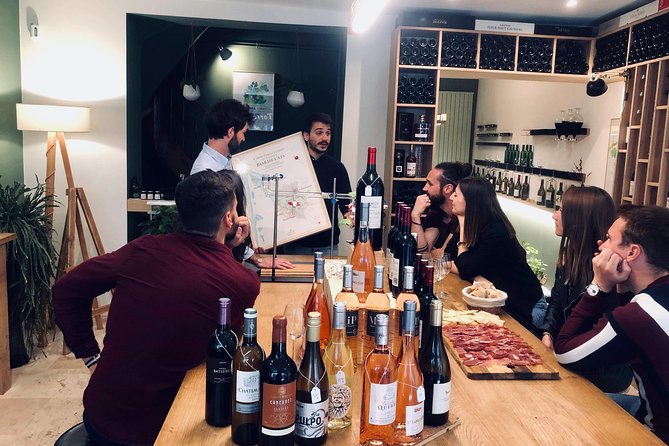
The group limit is 12 people. That is small enough for the practical part to work well, since everyone needs room to handle tasting samples and blending equipment. It also gives the session a social feel. You are likely to share the table with other visitors who are curious about wine, rather than sit through a large lecture.
The cellar atmosphere is described as warm and informal. That is helpful here. Blending wine can sound technical, but the format is meant to be playful as well as instructional. You do not need to arrive with a professional vocabulary.
Learning Bordeaux through grapes, banks, and soil
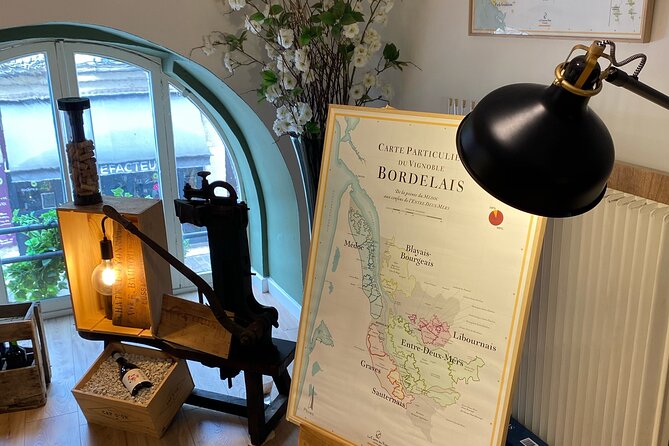
The opening section introduces Bordeaux’s main wine areas, including the Left Bank, Right Bank, and Entre-Deux-Mers. This geographic framework is useful because Bordeaux labels can feel confusing even after you have tasted the wines.
The session connects regional style with grape choice and growing conditions. Soil samples are used as a visual aid, giving you something concrete to examine while you learn why different parts of Bordeaux favor different grapes. It is a small detail, but it makes the geography easier to remember.
You also work through the basics of tasting. The program covers aromas, flavor, acidity, tannins, and the way a wine feels in your mouth. This is not presented as a test you can pass or fail. It is a way to give you words for what you are already sensing.
I especially like the teaching order. You first learn how to look at and smell wine, then taste several styles, then try a blind tasting. That last step asks you to use the information rather than simply listen to it. If you are new to wine, this can build confidence. If you already attend tastings, it gives you a chance to check your instincts.
The exact presenters may vary. James is named as the guide, and Pierre and Geoffroy are also associated with the sessions as the two brothers who lead them. Across the descriptions, the hosts are presented as friendly, energetic, and comfortable teaching in English.
Tasting three Bordeaux components with Basque food
The tasting includes three wines made from different grape varieties. The samples are served with cheese and charcuterie from the Basque Country, a regional pairing that gives the session more substance than a quick taste at a counter.
The food is also practical. Cheese and cured meats let you see how wine changes alongside salt, fat, and savory flavors. You do not need to treat the pairing like a formal meal, but it adds a welcome pause and helps make the two-and-a-half-hour schedule feel less rushed.
The pours are intended for tasting rather than drinking several full glasses. One disappointing session was described as offering about three ounces of each of three wines, so you should set your expectations accordingly. This is a workshop with controlled samples, not an open-ended wine party.
That said, other session descriptions note generous pours. The amount may depend on the particular day and presenter. If you are seeking a substantial lunch or dinner, this is not the place to rely on for a full meal. Have something else planned if you need more than a snack.
Same trip, a completely different kind of day:
- Medoc or Saint Emilion Wine Tasting and Chateau from Bordeaux
★ 5.0 · 1,415 reviews - Saint Emilion Day Trip with Sightseeing Tour & Wine Tastings from Bordeaux
★ 5.0 · 1,120 reviews - Saint-Émilion: Grand Cru Classé Winery Visit and Tasting
★ 4.6 · 1,118 reviews - Saint Emilion Half-Day Trip with Wine Tasting & Winery Visit from Bordeaux
★ 4.5 · 1,034 reviews
The blind tasting puts your new skills to work
The blind tasting is one of the strongest parts of the format. After the introduction, you are asked to assess wine without depending on the label. That shifts your attention to aroma, tannin, body, acidity, and finish.
Blind tasting can feel intimidating, but the workshop is designed for ordinary wine drinkers. The earlier explanation gives you a set of clues to use. You are not expected to identify an exact château or vintage. The useful lesson is learning how to compare wines with more care.
This section also keeps the class from becoming a one-way talk. You are doing something with the information while it is still fresh. That makes the later blending exercise easier, since you have already started to think about what each wine contributes.
If you have several Bordeaux visits planned, consider booking this workshop late in your stay. It works well as a review of ideas you may have picked up at château tastings, and it can help you make more sense of the bottles you encounter afterward.
Building your own cuvée with pipettes
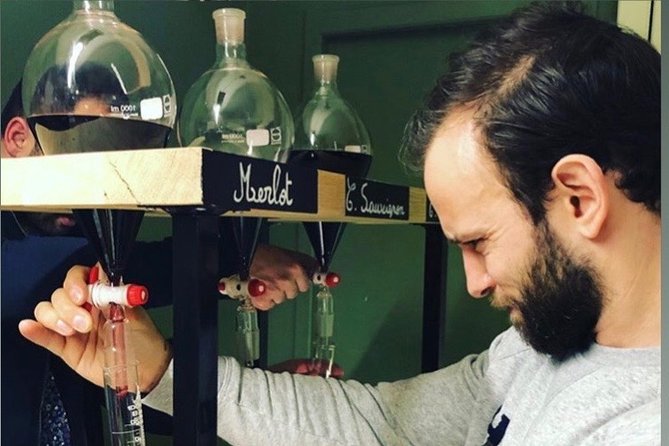
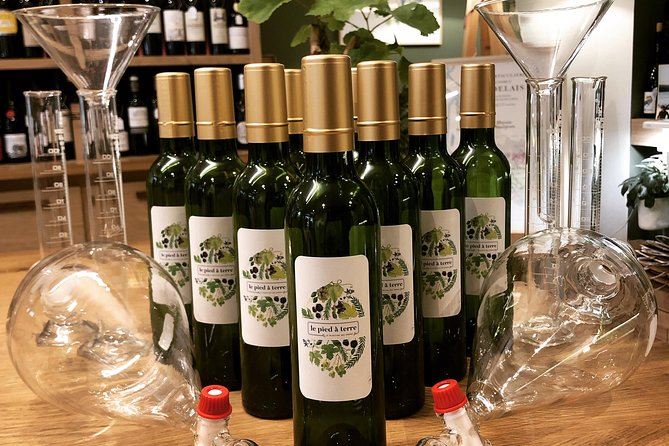
The main activity begins when you mix your own blend. You work with the individual wines, measure proportions using tubes and pipettes, and adjust the recipe to your taste.
This is not the same as making wine from grapes. The wines have already been produced. You are acting more like a blender, deciding how much of each component belongs in your personal cuvée. That distinction is important, especially because the title can lead some people to expect fermentation, barrels, or a full winery visit.
The exercise is still genuinely hands-on. You can see how a small change in the proportion of Cabernet Sauvignon affects structure, or how Merlot changes the feel of the blend. Cabernet Franc gives you another tool for aroma and balance. The goal is not to produce an objectively perfect Bordeaux. It is to make one that reflects your preferences.
A useful tip is to taste the three varieties side by side if possible, rather than only one after another. Direct comparison makes the differences easier to notice. It also helps when you decide whether your blend needs more softness, tannin, aroma, or freshness.
Some participants have wished for a fourth or fifth blending option, perhaps a small amount of Petit Verdot, Malbec, Pinot, or Gamay. The standard format centers on three Bordeaux varieties, so wine hobbyists looking for a large blending bench may find the choices limited. For most first-time tasters, though, three components are enough to show how blending works without turning the activity into a chemistry lab.
Taking home a bottle with your name on it
The final reward is the possibility of bottling your blend and taking it home with a label bearing your name. This gives the workshop a personal souvenir that a standard tasting cannot provide.
The bottle also carries the lesson forward. You can taste it later and remember the proportions you chose, the wines you compared, and the reasons behind your decision. For couples, families, or friends, it can be fun to compare several bottles made during the same session.
Do not think of it as a rare collector’s bottle. Its value is personal and educational. You made the blend during a short workshop, not over years of vineyard work and cellar aging. Still, it is a far more meaningful souvenir than a generic bottle bought at an airport shop.
The bottling step is also fairly quick. It does not turn the session into an all-day production tour, which suits visitors who want an activity that fits around Bordeaux sightseeing.
Is $71.20 good value for two and a half hours?
At $71.20 per person, this is not the cheapest way to taste Bordeaux wine. You can buy a bottle for much less, and some wine bars offer a short tasting at a lower price.
The value comes from the teaching and the practical work. You receive an introduction to Bordeaux regions and grape varieties, guided tasting instruction, a blind tasting, food, and the opportunity to create a personal bottle. The group size of up to 12 also gives the session more attention than a large commercial tour.
I would consider the price fair for someone who wants to understand Bordeaux rather than simply drink it. It is especially worthwhile if you value an activity you can remember and discuss afterward. The cost is harder to justify if your main goal is a large quantity of wine or a full meal.
The advertised duration is about two hours and 30 minutes, though one session was reported as lasting less than two hours and another as closer to three hours. Plan for roughly an afternoon activity, but do not book a tight connection or restaurant reservation immediately afterward.
Who will enjoy this, and who may not
This workshop suits first-time Bordeaux visitors who want a clear introduction without leaving the city. It also works for experienced wine drinkers who have already toured estates and want something more active.
You do not need to know wine in advance. The teaching begins with basic tasting ideas and builds from there. English is offered, and the guide is described as a native English speaker in at least one session.
It is a good pick for couples, friends, and families with older children who can take part in a tasting. The small group and shared food make it easy to meet others without forcing a formal social activity.
You may want to skip it if you only drink white wine. The format is focused on red Bordeaux, particularly Merlot, Cabernet Sauvignon, and Cabernet Franc. It is also not the best match if you expect to make wine from fresh grapes or tour vineyards and production rooms.
Service animals are allowed, and the venue is near public transportation. Confirmation is provided when you book. Free cancellation is available up to 24 hours before the start time, but late cancellations and last-minute changes are not accepted. If poor weather or a failure to reach the minimum group size cancels the activity, you are offered another date or a full refund.
Should you book this Bordeaux blending workshop?
I would book it if you want a friendly, city-based lesson that lets you do more than taste. The strongest reasons are the clear explanation of Bordeaux’s regions, the blind tasting, the hands-on blending, and the named bottle you may take home.
Before paying, make sure your expectations match the format. You are not making wine from grapes, and the samples are tasting portions. The listed duration is approximate, and the exact guide may be James, Pierre, Geoffroy, or another member of the team.
For $71.20, it makes the most sense as an educational activity with wine included, not as a bargain drinking session. If that sounds right, this is a smart way to spend a few hours in Bordeaux and leave with a better grasp of what a blend actually does.
FAQ
Where does the Bordeaux wine blending activity begin?
It begins at Le Pied à Terre, at 22 Rue Judaïque, 33000 Bordeaux, France.
Where does the activity end?
It ends back at the meeting point, Le Pied à Terre.
How long does the workshop last?
The advertised duration is approximately two hours and 30 minutes. Individual sessions may run shorter or longer.
What is the price?
The listed price is $71.20 per person.
Which grape varieties are used?
The workshop focuses on Merlot, Cabernet Sauvignon, and Cabernet Franc.
Is the activity offered in English?
Yes. English is an offered language, and one session is described as being led by a native English-speaking host.
Is food included?
Yes. The sample menu includes cheese and charcuterie from the Basque Country.
Can I take home a bottle?
The activity includes the possibility of creating a cuvée and taking home a bottle labeled with your name.
What is the cancellation policy?
You can cancel at least 24 hours before the start time for a full refund. Cancellations or changes made less than 24 hours before the start are not accepted. If the activity is canceled because of weather or because the minimum number of participants is not reached, you are offered another date or a full refund.
Just added around Bordeaux
- Discovery visit of Château Rol Valentin with tasting★ 5.0 · 34 reviews
- Saint-Émilion: 2 hours – Visit of the vineyard, the cellar and tasting★ 5.0 · 33 reviews
- Virtual Room Bordeaux – 1st team virtual reality experience★ 5.0 · 47 reviews
- Saint Emilion Full Day Wine and Bike Tour★ 5.0 · 167 reviews
- Luxurious full day Bordeaux wine tour in a Tesla★ 4.5 · 31 reviews
- Private Bordeaux History Tour with a glass of Bordeaux wine.★ 5.0 · 28 reviews
- Bordeaux bike tour “The Best of Bordeaux”★ 5.0 · 164 reviews
- Medoc Afternoon Wine Tour – 2 Wineries, tastings & delicacies★ 4.5 · 74 reviews
Wine Tours, compared.
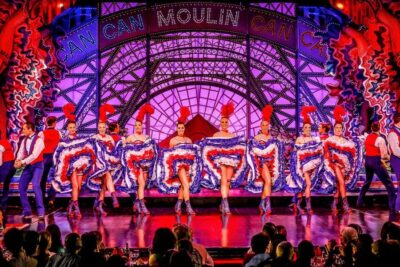
Moulin Rouge Cabaret Show Ticket with Champagne
Read our review →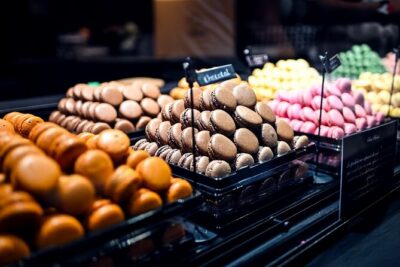
Authentic Parisian Gourmet Food Tour with 10 Local Dishes & Wines
Read our review →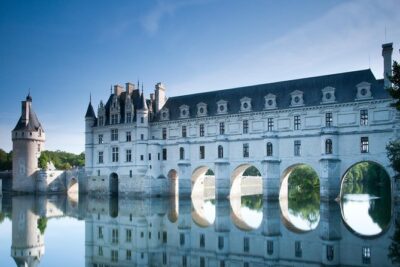
Loire Valley Castles Day Trip from Paris with Complementary Wine
Read our review →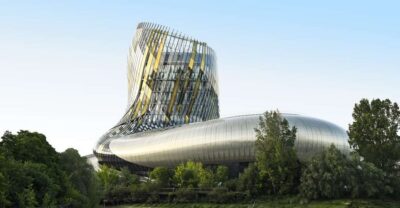
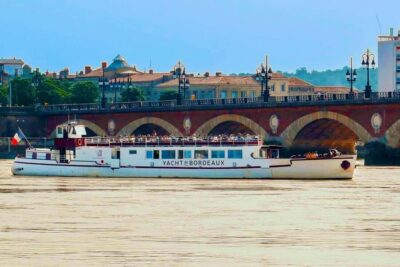
River Garonne Cruise with Glass of Wine and Canelé
Read our review →
Montmartre Hill French Gourmet Food and Wine Tasting Walking Tour
Read our review →
Montmartre Cheese, Wine & Pastry Guided Walking Tour
Read our review →
Paradis Latin Cabaret Show with Optional Champagne
Read our review →Browse the lists this tour appears in