
Reviewed · DESSERT TOURS
Paris: Choux Pastry and Chocolate Éclair Making Class
Paris is a fine place to eat pastry, but this class lets you learn what makes those glossy éclairs and airy cream puffs work. At Le Foodist in the Latin Quarter, you spend about two hours mixing, piping, and baking before sitting down with tea or coffee to enjoy the results. The small group format gives the instructor room to help with tricky steps, and the finished pastries go home in a box.
I like the class for two clear reasons: you learn several useful French pastry basics instead of making one item on repeat, and the setting near Notre-Dame makes it easy to pair with a day of sightseeing. I also like the human touch. Instructors such as Florence, Stephane, Stefan, and Anne bring humor and patience to the kitchen. The main drawback is the price: at $151 per person, this is a serious splurge for three hours, especially if you mainly want to sample Parisian pastry rather than learn to make it.
Key points at a glance
- Learn three core techniques: Make pâte à choux, crème pâtissière, and Chantilly, then use them in several pastries.
- Practice piping by hand: You pipe éclairs and cream puffs, learning a basic skill used throughout French pâtisserie.
- Work near Notre-Dame: Le Foodist is at 59 rue Cardinal Lemoine in the Latin Quarter, a short walk from the cathedral.
- Keep the group small: Classes are limited to eight, with the stated class size usually between three and seven people.
- Enjoy a French tea break: Tea, coffee, or organic fruit juice accompanies stories about French food and culture.
- Take your baking with you: You receive a box of your own pastries plus printed and electronic recipes in English.
Why choux pastry is worth learning in Paris
Pâte à choux is one of the most useful building blocks in French baking. It becomes light and hollow in the oven, which makes it suitable for éclairs, cream puffs, and more elaborate shapes. The recipe looks simple on paper, but the texture depends on small choices involving heat, mixing, and moisture.
That is where a class has more value than a cookbook. You can see how the dough should look at each stage and ask for help before a small mistake turns into a flat pastry. The class also covers crème pâtissière and Chantilly, two fillings that appear in many French desserts.
You are not simply decorating premade shells. You work through the main components yourself, then pipe them into recognizable Parisian pastries. For a home baker, that practical sequence is more useful than a polished demonstration where you only watch.
More pastry and chocolate tours in Paris:
- Paris: Day or Sunset Cruise with Drink, Ice Cream or Dessert
★ 4.4 · 4,225 reviews - Paris: Montmartre Cheese, Wine & Pastry Guided Walking Tour
★ 4.8 · 2,255 reviews - Award-Winning Paris French Bakery Experience — Le Marais, 4th Arr
★ 4.5 · 1,186 reviews
Arriving at Le Foodist in the Latin Quarter
The class takes place at Le Foodist, 59 rue Cardinal Lemoine, in the 5th arrondissement. The location is near Notre-Dame de Paris, so it fits well into a day that includes the cathedral, the Île de la Cité, or a walk through the Latin Quarter.
You should allow time to find the address and arrive ready to begin. The activity lasts three hours, but only about two hours are described as hands-on kitchen work. The remaining time includes the welcome, the tea and stories, and the final tasting and packing.
The room is set up for a small group, with cooking equipment and aprons supplied. Classes are limited to eight people, and the stated working group is usually three to seven. That size matters. You are not lost in a large demonstration, and the instructor can give individual help with mixing or piping.
Several instructors have led this class. Florence is described as especially good at explaining the process from scratch, while Stephane and Stefan are noted for clear instructions, patience, and energy. Anne brings a witty style to the session. Your instructor will depend on the date, but the teaching language is English.
The welcome sets an easy pace
The class begins with a welcome refreshment and a chance to meet the other people at the table. This is a useful start for a hands-on lesson because it gives you time to settle in before working with ingredients and equipment.
The tone is social rather than formal. You can attend with a friend, as a family group with an eligible child, or on your own. The small format makes solo attendance practical. You are paired with other people who have come to learn, and the cooking itself gives you an easy subject for conversation.
The class has also worked for mixed skill levels. Serious home cooks, teenagers, and first-time bakers can take part, although children under 12 cannot enter the kitchen. Participants aged 12 to 16 must be accompanied by an adult who is also taking part. Unaccompanied minors are not allowed.
Making pâte à choux from the beginning
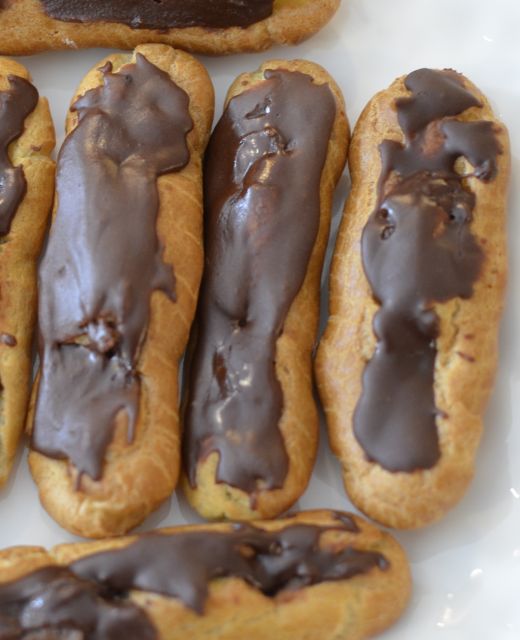
The main kitchen portion starts with pâte à choux. This dough is unusual because it is cooked on the stovetop before it goes into the oven. That step helps create the structure needed for the pastry to puff.
You follow hands-on instructions rather than standing at the back of a room. The instructor explains the process and the reasons behind the steps, which helps you understand what you are looking for instead of copying motions without context.
This is also where patience matters. The dough must reach the right consistency for piping. Too loose and it may spread; too firm and it can be hard to pipe into even shapes. The class gives you a chance to practice under supervision, which is useful if you have tried choux pastry at home and had mixed results.
You also work on savory delicacies during the session. The supplied details do not specify every savory recipe, so you should think of these as an added part of the lesson rather than a separate meal. The main focus remains choux pastry, éclairs, cream puffs, and their fillings.
A few more Paris half-days worth comparing
- Paris: Louvre Museum Timed-Entrance Ticket
★ 4.6 · 71,977 reviews - Disneyland® Paris 1-Day Ticket
★ 4.6 · 49,412 reviews - Paris: Versailles Palace and Gardens Full Access Ticket
★ 4.6 · 41,579 reviews - Paris: Evening River Cruise with Music
★ 4.4 · 22,721 reviews
Piping éclairs and cream puffs
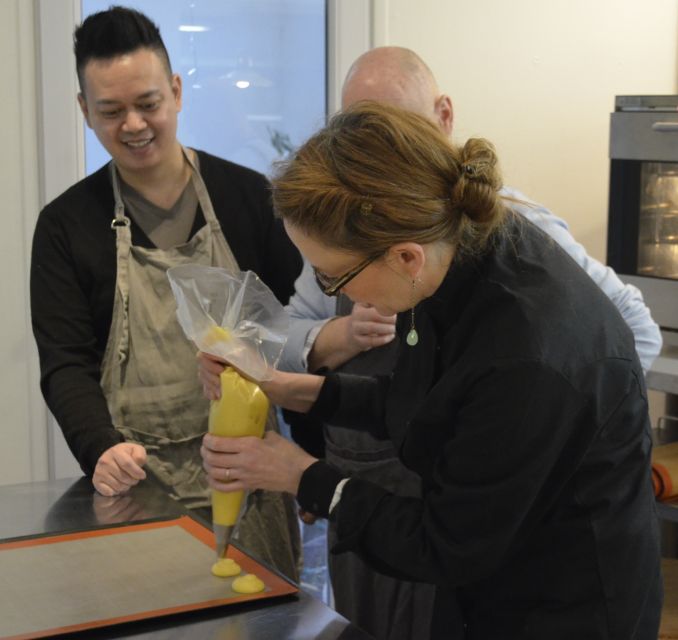
Piping is one of the central skills in this experience. You use a piping bag to shape the dough into éclairs and puffs, then fill or finish the baked pastries later. The technique requires steady pressure and a little confidence, but the instructor can correct your grip and pace.
This part gives the class a satisfying hands-on feel. You are not just learning a recipe. You are learning how the dough becomes a familiar pastry shape, and you can see the difference between a neat pipe and an uneven one.
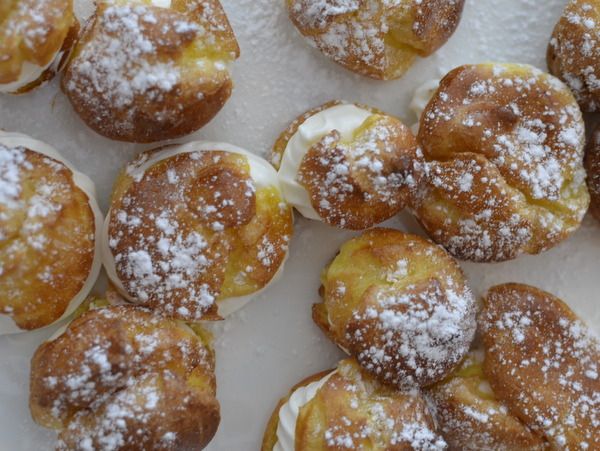
The class includes chocolate éclairs and cream puffs, along with several pastry variations. One particularly memorable option is the old-fashioned swan, a decorative choux design that recalls the elaborate shapes once displayed in French pâtisseries. It adds a playful artistic element without changing the basic dough technique.
Do not expect every pastry to look like it came from a shop window. The point is to practice. The instructors focus on clear guidance and individual attention, so you can improve as you work. The uneven result of a first attempt is part of the fun, and the pastries still become very good eating.
Crème pâtissière and Chantilly make the difference
Choux shells need filling, and this class teaches two classic options: crème pâtissière and Chantilly. Crème pâtissière is a cooked pastry cream with a rich, smooth texture. Chantilly provides a lighter contrast.
Learning both gives you more flexibility at home. You can use the same basic choux recipe with different fillings and finishes, creating a pastry that feels different without starting from scratch. The class also helps you understand how the components fit together, from shell to filling to chocolate finish.
The recipe handouts are supplied in both printed and electronic form, in English. That is a useful detail for anyone who wants to repeat the lesson after returning home. You are not forced to rely on memory, quick notes, or a photograph of a demonstration.
Tea, coffee, and French pastry stories
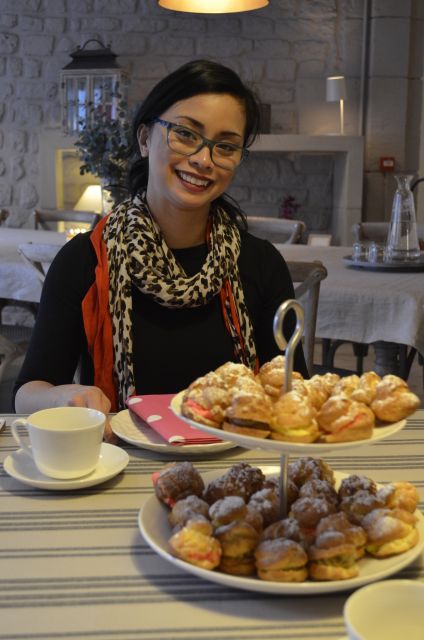
After the main baking work, the class shifts into a relaxed tea-time session. You can have tea, coffee, or organic fruit juice while hearing stories about French culture and pâtisserie from a native Frenchman. The stories are described as tongue in cheek, so expect humor rather than a formal lecture.
This break gives the class a distinctly social rhythm. You have spent time concentrating on dough and piping, then get to sit down and taste what you made. The stories also connect the technique to French food culture, which adds context without turning the session into a history lesson.
The tasting is not only decorative. It lets you judge the texture of the pastry while the work is fresh. You can see how the filling, shell, and chocolate topping function together. For many people, that final table is the most relaxed part of the afternoon.
What you take home at the end
You leave with a box of your own pastries. This is a practical benefit, especially because you will likely make more than you can eat during the tasting. The box lets you share the results with friends or family, or save them for the next day.
Pastries are best enjoyed fresh, so treat the box as a short-term souvenir rather than something to carry around all day. If you plan to keep sightseeing after the class, consider arranging your day so you can return to your accommodation soon afterward.
The recipes are the more lasting takeaway. A pastry box disappears quickly, but the English instructions can help you repeat the method later. The value of the class rests partly on this chance to turn a Paris activity into a skill you can use at home.
Is $151 a fair price?
At $151 per person, the class costs much more than buying a chocolate éclair at a bakery. That comparison is fair, but it misses what you are paying for. The price includes three hours of instruction, ingredients, equipment, an apron, refreshments, recipes, a small group setting, and a box of pastries.
The strongest value comes if you want to learn. You receive direct practice with several components, not just a tasting or a short demonstration. The instructor can answer questions and help you correct your technique while you work.
The value is weaker if your main goal is simply to eat excellent pastry. Paris offers plenty of less expensive ways to do that. You should also consider that the session focuses on a specific pastry family. If you would rather learn croissants, macarons, or a full French meal, another class may fit your interests better.
For a special occasion, a parent and adult child outing, or a food-focused Paris itinerary, the cost can make sense. For budget-conscious visitors, it is best treated as a paid activity and skill lesson, not as a cheap meal.
Who should book this class?
I would recommend it most to people who enjoy working with their hands and want a clear introduction to French pastry. First-time bakers can follow along, while experienced home cooks will have room to ask about technique and texture.
It also suits a parent and child pairing, provided the child is at least 12 and participates with an adult. The class has included teenagers and adults with different levels of experience, so you do not need to arrive as a trained baker.
Solo visitors can also fit in well. The small class gives you a natural social setting, and the cooking keeps the time moving. If you dislike group activities or prefer to watch rather than handle ingredients, this may not be your best Paris choice.
The class is especially useful for a short Paris visit because it combines food, conversation, and a central location. You can place it near sightseeing in the Latin Quarter and around Notre-Dame. Just remember that the pastries and the recipe lesson are the main event, not a broad tour of French cuisine.
Final call: book it for the skill, not just the sweets
Book this class if you want to leave Paris knowing how choux pastry, pastry cream, Chantilly, and piping fit together. The small group, English instruction, personal help, and recipes make it more useful than a simple pastry tasting.
Skip it if $151 feels too high for a three-hour activity or if you would rather spend your food budget sampling several bakeries. For everyone else, this is a focused and friendly way to turn a famous French treat into something you can make yourself.
FAQ
Where does the Paris choux pastry class take place?
The class takes place at Le Foodist, 59 rue Cardinal Lemoine, 75005 Paris, in the Latin Quarter near Notre-Dame de Paris.
How long does the class last?
The full experience lasts three hours. About two hours are hands-on work in the kitchen, followed by refreshments, stories, tasting, and packing your pastries.
What pastries will I make?
You will make pâte à choux, chocolate éclairs, and cream puffs. The session also covers crème pâtissière, Chantilly, piping, and some pastry variations, including an old-fashioned swan shape.
Is the class taught in English?
Yes. English is the listed teaching language, and the recipes are provided in English in both printed and electronic formats.
Can children participate?
Children under 12 cannot enter the kitchen. Participants aged 12 to 16 must be accompanied by an adult who is also participating. Unaccompanied minors are not allowed.
What is included in the price?
The price includes the hands-on class, cooking equipment, an apron, English recipes in printed and electronic form, tea, coffee, or organic fruit juice, pastry stories, and a box of your own creations to take home.
Just added around Paris
- Paris: Croissant Baking Class with a Chef★ 5.0 · 201 reviews
- Cooking Class with a Parisian Chef★ 5.0 · 46 reviews
- Cocktails lessons in Speakeasy★ 4.5 · 72 reviews
- Paris: Classic Sites Tour by Vintage Citroen 2CV★ 4.6 · 189 reviews
- Paris: Cheese and Wine Class in a 17th Century Cellar★ 4.8 · 91 reviews
- Paris: Romantic Photoshoot for Couples★ 4.9 · 131 reviews
- Paris: Bread and Croissant-Making Class★ 4.8 · 206 reviews
- Paris Bike Tour: Eiffel Tower, Place de la Concorde & More★ 4.7 · 193 reviews
Dessert Tours, compared.

Paris: Day or Sunset Cruise with Drink, Ice Cream or Dessert
Read our review →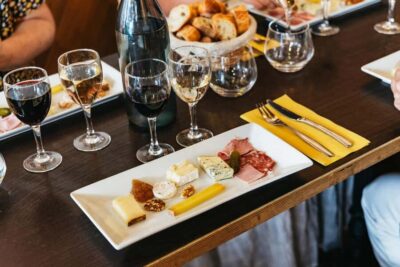
Montmartre Cheese, Wine & Pastry Guided Walking Tour
Read our review →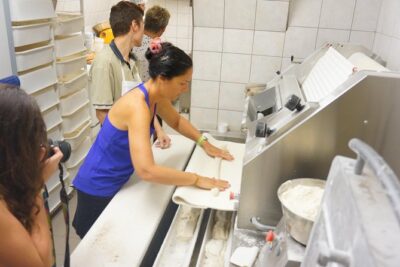
Award-Winning Paris French Bakery Experience — Le Marais, 4th Arr
Read our review →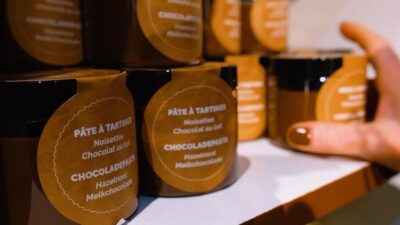
Private Montmartre Food Tour with Wine, Cheese & Pastries
Read our review →
Paris French Sweets Tasting Tour with Pastries and Chocolates
Read our review →
Paris Croissant Small-Group Baking Class with a Chef
Read our review →
Browse the lists this tour appears in