
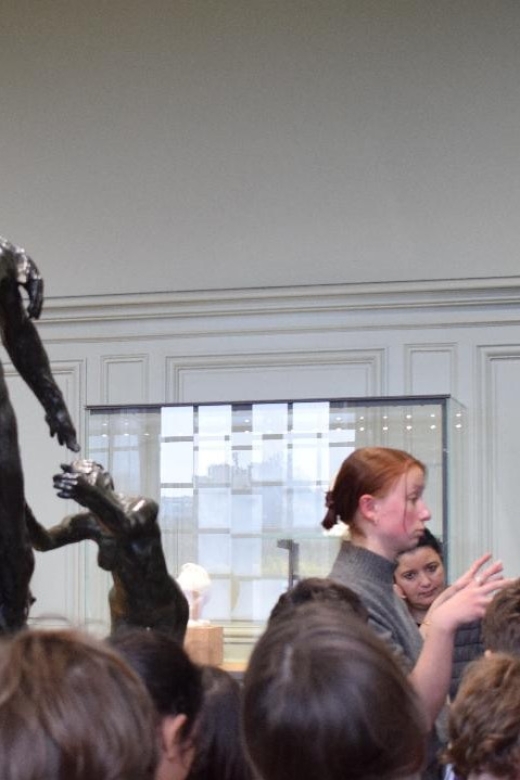
Reviewed · MUSEUMS
Paris: Rodin Museum Guided Tour with skip-the-line tickets
Rodin’s work is more than bronze bodies frozen in place. At the Musée Rodin, you can see how he broke from polished academic sculpture and made rough surfaces, movement, and unfinished forms part of the art. The tour brings you face to face with The Thinker, The Kiss, and The Gates of Hell, then puts them in the political and artistic world that shaped them.
I like the small group, limited to eight guests, because a guide can keep the discussion personal instead of shouting across a crowd. I also like the mix of indoor galleries, Rodin’s former studio, the rococo building, and the French gardens. The main caution is the price: at $116 per person, you are paying for interpretation and convenience, not just admission. If you prefer to wander alone, two hours with a guide may feel too structured.
Key points
- See Rodin’s major works in context: The Thinker, The Kiss, Balzac, The Philosopher, and The Gates of Hell all receive attention.
- Enter Rodin’s studio: The tour connects the rooms and objects to his working methods and avant-garde ideas.
- Walk through French gardens: Outdoor sculptures offer different views of the museum and the surrounding grounds.
- Keep the group small: The semi-private tour allows up to eight people, with more room for questions and discussion.
- Meet at 77 Rue de Varenne: Your guide holds a Connecting France sign in front of the museum.
- Plan for a walking museum visit: Comfortable shoes are useful, and large bags or luggage are not allowed.
Why Rodin’s Museum Works Best With Context
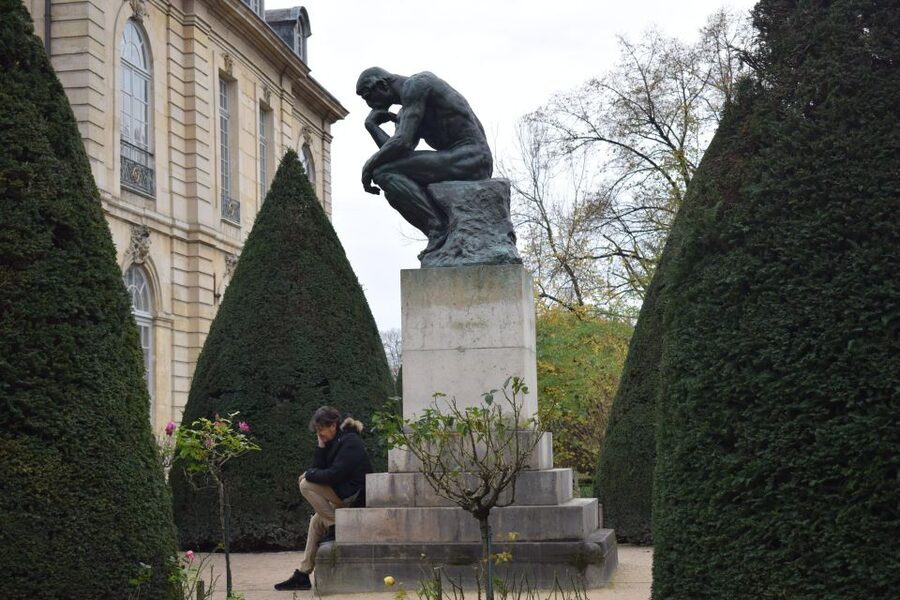
The Musée Rodin is not simply a room-by-room display of famous sculptures. It is a place where Rodin’s art, work space, architecture, and garden setting fit together.
A guide helps you connect the pieces. You may already recognize The Thinker or The Kiss, but recognition is not the same as understanding. The tour explains how late 19th-century political, artistic, and philosophical ideas shaped Rodin’s choices and helped push sculpture in a new direction.
That context matters because Rodin did not treat sculpture as a perfectly smooth object viewed from one fixed angle. His surfaces can appear rough, his figures can seem caught in motion, and some works feel almost unfinished. The guide points out how those choices changed the way modern artists thought about the medium.
The English-language tour lasts two hours. That is long enough for a serious introduction without turning your whole day into a lecture. You will still need time if you want to study every room or linger in the gardens after the guide leaves.
More museums and galleries in Paris:
- Paris: Louvre Museum Timed-Entrance Ticket
★ 4.6 · 71,977 reviews - Louvre Museum Masterpieces Guided Tour with Access
★ 4.5 · 12,023 reviews - Paris: Louvre Museum Entry Ticket With Host and River Cruise
★ 4.6 · 9,926 reviews
Meeting at 77 Rue de Varenne
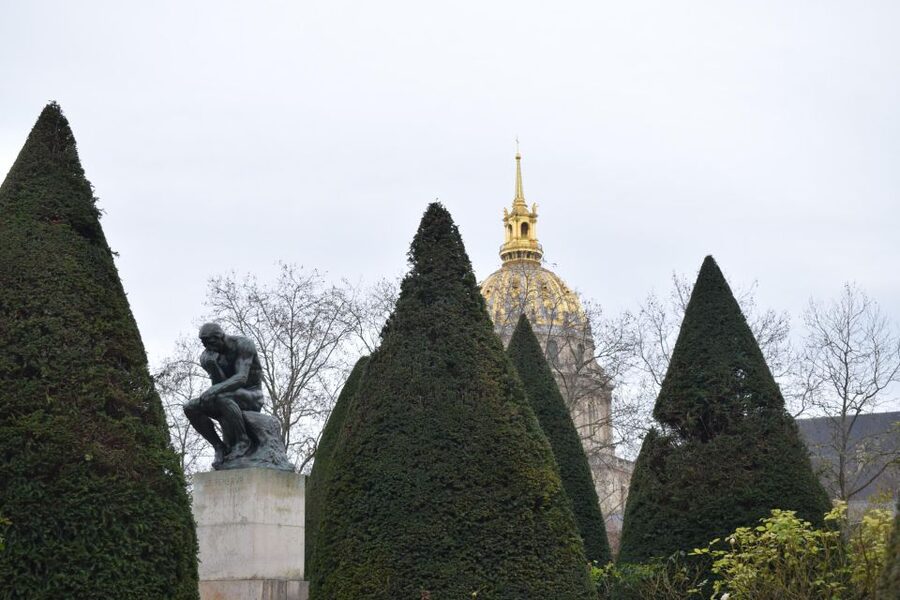
The meeting point is directly in front of the museum at 77 Rue de Varenne, 75007 Paris. Look for a guide holding a Connecting France sign.
This is a practical arrangement, but give yourself time to arrive. The activity does not include transportation from your hotel, and the guide cannot collect you at your accommodation. The tour begins at the museum, so you should already be in the area when the start time arrives.
You will need a passport or identity card, and comfortable shoes are a sensible choice. Large bags, luggage, and umbrellas are not allowed, so pack lightly. That rule can affect your plans if you are visiting between hotels or arriving from a train station.
The ticket includes skip-the-line museum entry. This is especially useful when the museum is busy, since you can spend your limited Paris time inside rather than waiting at the ticket entrance. Skip-the-line access does not mean you can ignore the meeting time. You still need to join the guide at the stated start.
The Main Galleries: From The Thinker to The Gates of Hell
The gallery portion is the heart of the experience. Your guide introduces major works such as The Thinker, The Kiss, The Philosopher, Balzac, and The Gates of Hell, along with less famous pieces that help fill out Rodin’s artistic story.
The value here is comparison. One sculpture may look smooth and carefully finished, while another keeps traces of the making process. One figure may appear calm and self-contained, while another seems pulled apart by emotion or movement. A good guide helps you notice those differences instead of treating each work as an isolated celebrity.
The tour also looks at Rodin’s techniques. You will hear how his approach challenged established ideas about what a finished sculpture should look like. The stated focus is not just on biography, but on the effect of artistic, political, and philosophical change on his work.
That makes this a good choice if you want more than a list of dates and names. The guide may ask you to look closely and form your own interpretation. Blerta, one of the guides associated with this experience, is also an artist, and that background has been especially useful for guests who want to discuss how a sculpture is built and read.
The pace appears designed to alternate explanation with viewing time. You are not expected to stare at one work for two hours, but you should be ready to listen, look closely, and take part in discussion. If you have teens or companions with short attention spans, a lively guide can make a real difference. Blerta has been praised for keeping a good pace and drawing people into the conversation.
Rodin’s Studio and His Working Methods
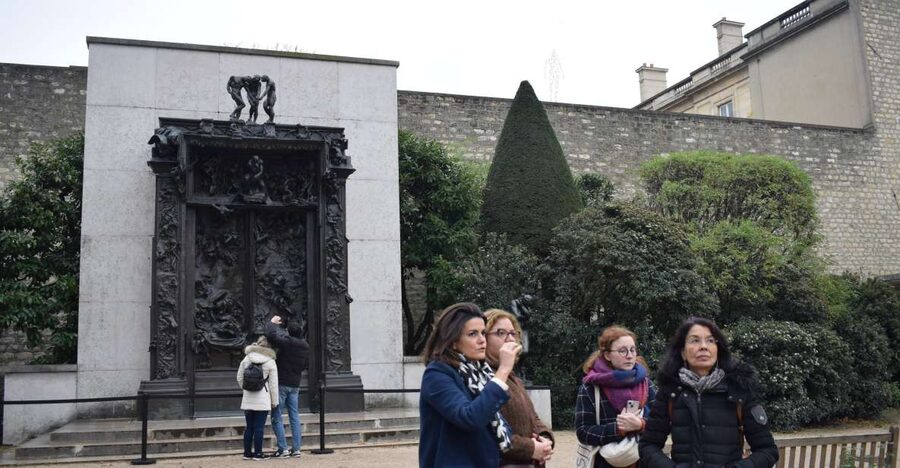
The studio section adds something a standard museum walk-through may miss. You are not only seeing finished objects. You are getting a closer look at the place and working world connected to Rodin’s practice.
Your guide uses this stop to explain his avant-garde vision and techniques. That can help you understand why repetition, fragments, rough surfaces, and unusual poses appear across his work. The studio also gives the tour a more personal scale after the larger impact of the major gallery pieces.
This part will appeal most to you if you like process. Many museum visitors focus on the final bronze, marble, or plaster form. Here, the guide encourages you to think about decisions made before the final object reached the gallery.
The details will depend on the guide and the day’s museum conditions, so do not expect a hands-on workshop. This is an interpretive visit, not a sculpture lesson. Still, the studio gives the tour a useful change of rhythm and makes Rodin feel less like a distant historical name.
More skip-the-line tickets in Paris:
- Versailles: Skip-the-Line Tour of Palace with Gardens Access
★ 4.7 · 9,778 reviews - Versailles: Skip-the-Line Guided Palace Tour and Full Access
★ 4.6 · 5,214 reviews - Louvre Museum: Skip-the-Line Small Group Guided Tour
★ 4.6 · 3,960 reviews - From Paris: Versailles Skip-the-Line Tour & Gardens Access
★ 4.7 · 3,011 reviews
The Rococo Building Is Part of the Visit
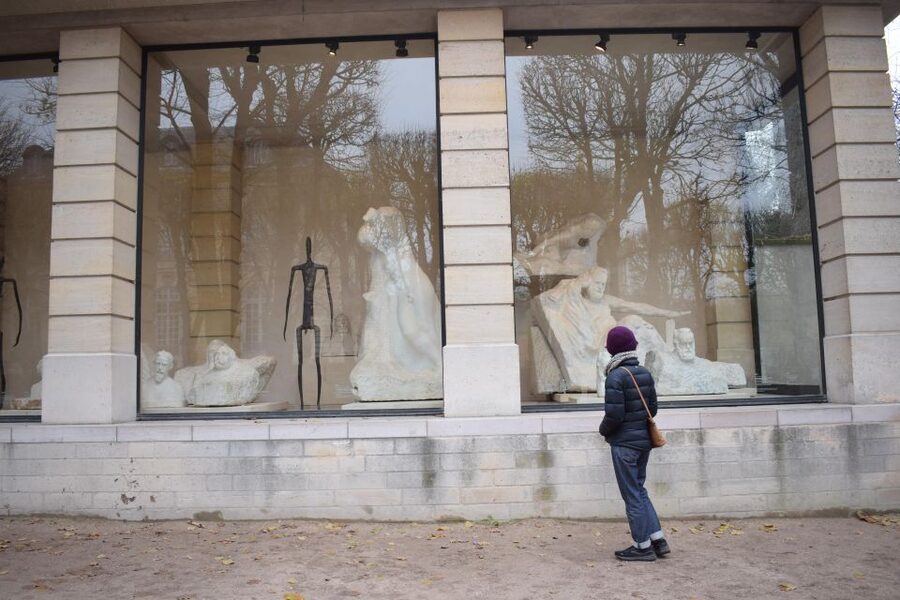
The museum’s architecture receives its own attention. Your guide explains the rococo character of the building, adding another layer to the visit.
That matters because the setting can shape your response to the sculptures. Rodin’s forceful bodies and expressive surfaces are displayed inside an older, decorative structure, creating a contrast between the building and the modern direction of his art. The tour does not treat the mansion as a neutral box.
Architecture also gives you a welcome pause from looking at sculpture. If you are not a dedicated art student, these changes of focus help keep the two-hour visit lively. You move from artistic ideas to the building, then outside to the gardens, rather than spending the entire time in one type of gallery.
Do not expect a full architecture tour. The building is one part of the larger experience, not the sole subject. It is best understood as an added perspective that helps explain how the museum presents Rodin’s work.
French Gardens and Outdoor Sculptures
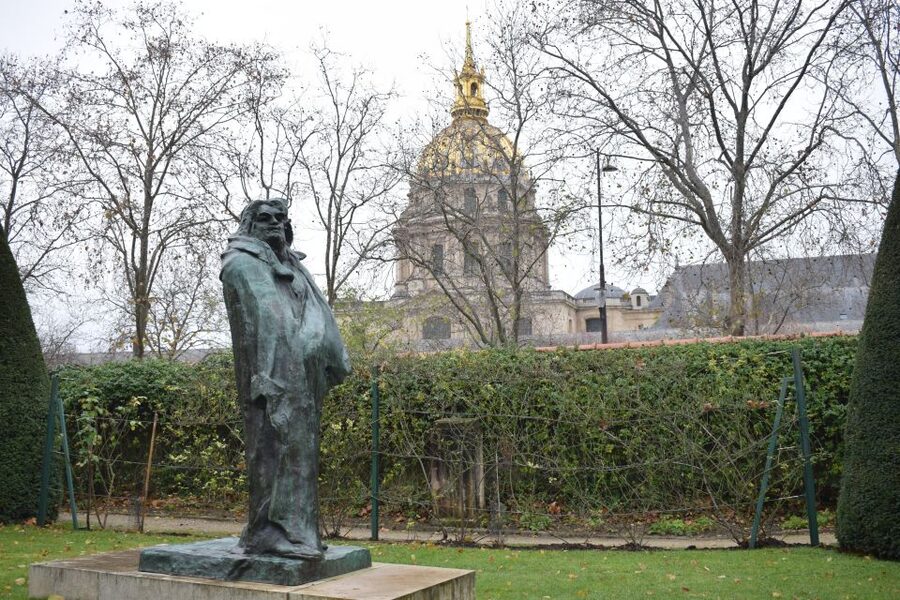
After the indoor collections, the tour moves into the French gardens. This is one of the most enjoyable parts for anyone who likes to see art in open air.
The gardens provide changing views of the museum and place additional sculptures in a less formal setting. You can see how distance, trees, paths, and daylight affect the way a work feels. A sculpture that seems compact in a gallery may have a different presence outdoors.
The garden walk also gives you breathing room after the gallery discussion. You can continue asking questions while moving through the grounds, and the outdoor section helps the visit feel like a complete place-based experience rather than a series of rooms.
Weather will affect your comfort, so dress for the day and wear shoes suited to walking. The tour description does not promise a particular garden route or a long free period outdoors. Think of it as an essential part of the two-hour guided visit, followed by the option to spend more time exploring if museum access allows.
A Small Group Makes the Difference
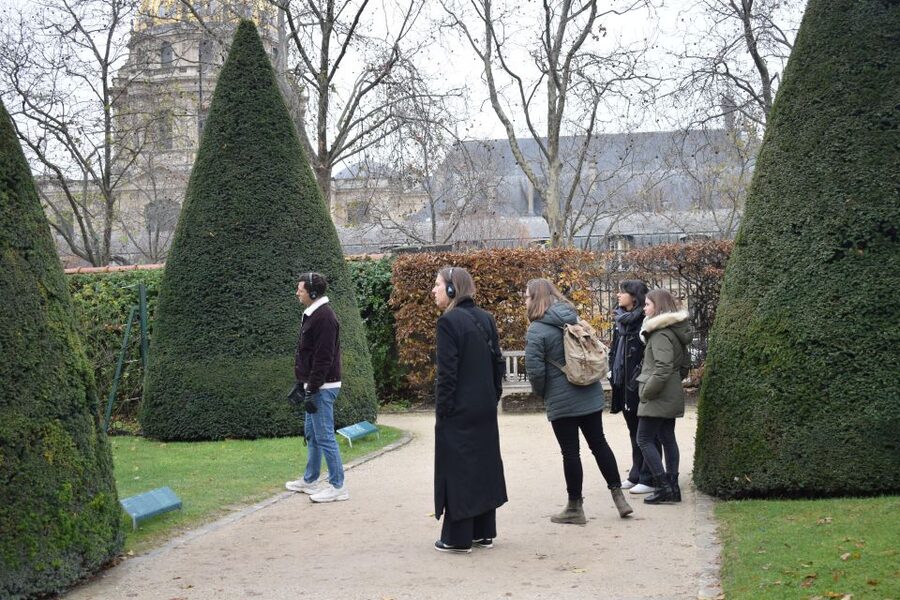
The group is limited to eight participants, described as a semi-private format. That is a useful middle ground. You receive more attention than on a large coach tour, but you do not pay for a fully private guide.
Small numbers matter most in galleries. You can hear the guide without standing at the back of a crowd, and you have a better chance to ask about a particular sculpture. A guide can also adjust the explanation to the group, spending more time on The Kiss if everyone is interested or moving on when the group has had enough.
The strongest guide comments focus on clear explanations, humor, enthusiasm, and an engaging pace. Blerta has been praised for bringing Rodin’s era and artistic vision to life, while Vincent has been valued for his art history background, personable style, and excellent English. These details suggest that the guide is a major part of what you are buying.
That also means the experience can vary in feel from one departure to another. The provider uses professional English-speaking local guides, but you may not receive a particular person. If a named guide is important to you, ask when booking rather than assuming.
Is $116 a Fair Price?
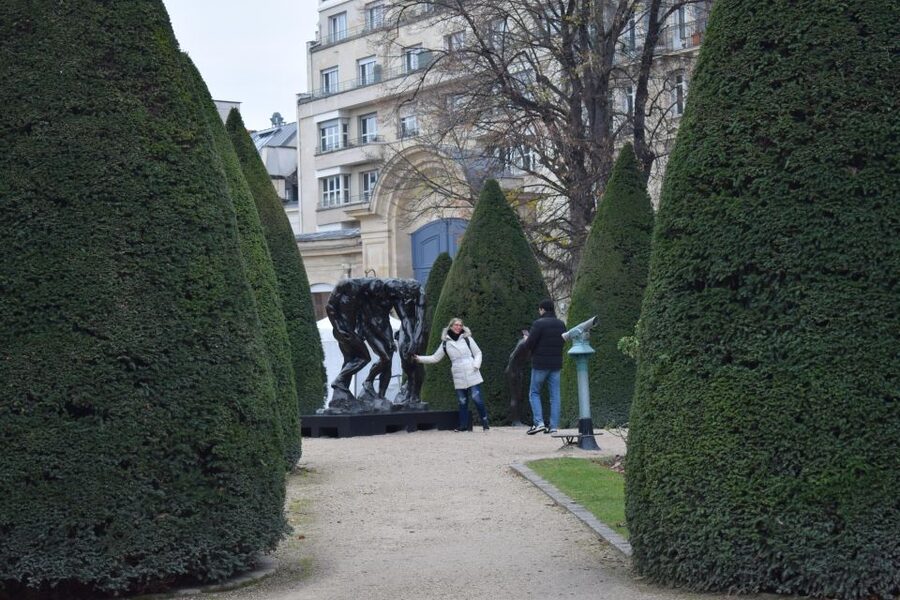
The cost is $116 per person, which puts this well above a basic museum admission. The value rests in three things: skip-the-line access, a two-hour guided visit, and a small group capped at eight.
For an art lover, that can be a fair trade. You are paying to understand what you are seeing, save time at the entrance, and ask questions in a group small enough for real interaction. A strong guide can also help you avoid wandering past important works without knowing why they matter.
For a casual visitor, the calculation is harder. If you mainly want a quick look at The Thinker and The Kiss, you may prefer independent admission and your own pace. The tour is better suited to someone who wants the ideas behind the sculptures, not just photographs of famous objects.
The price does not include food, drinks, souvenirs, personal shopping, transportation, or access to temporary exhibitions. Make sure you understand that the guided visit covers the museum galleries and gardens described here, not every special exhibition on the property.
Who Will Enjoy This Tour Most?
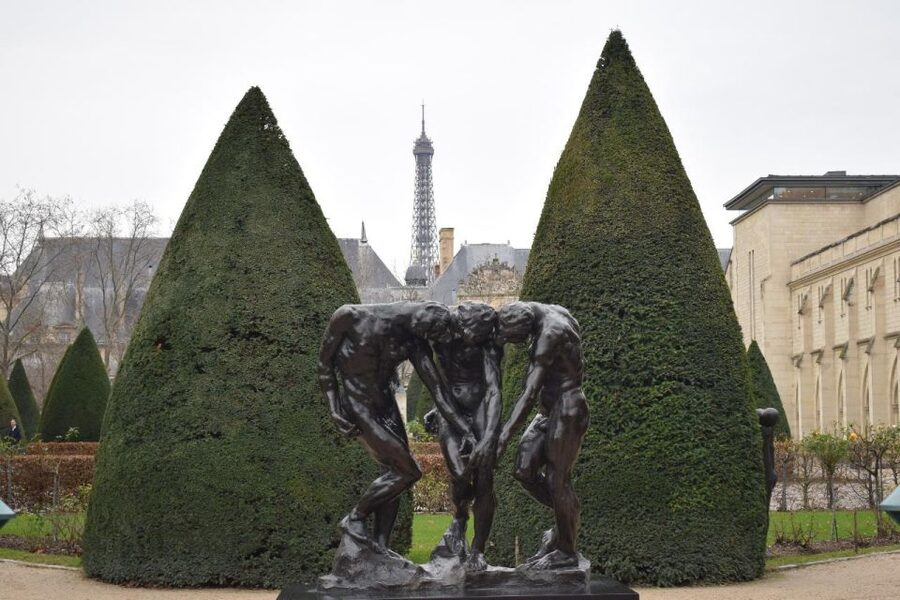
I would choose this tour if you enjoy museums more when someone gives you a framework for looking. It is particularly well suited to art lovers, students, first-time visitors to the Musée Rodin, and anyone curious about how modern sculpture developed.
It also works well for families with older children or teens if they respond to stories, questions, and visual detail. The guide’s pace and humor can help, but two hours still requires a reasonable interest in art.
You may want to skip it if you prefer complete independence, dislike scheduled visits, or have only a few minutes for the museum. The tour is not built around a quick photo stop.
Mobility requires careful planning. Wheelchair tours are available only on request, while the activity information also says it is not suitable for people with mobility impairments or wheelchair users. That is a significant inconsistency. Contact Connecting France before booking to confirm whether your needs can be accommodated, rather than relying on the general inclusion note.
Practical Details Before You Book
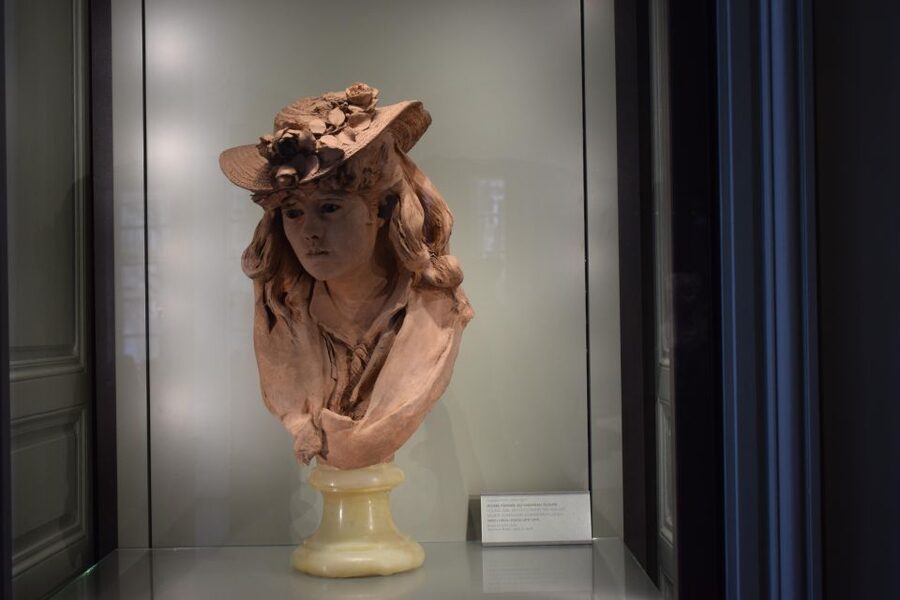
The tour is offered in English and lasts two hours. Starting times vary, so you need to check availability for your chosen date.
Cancellation is free up to 24 hours before the activity for a full refund. You can also reserve now and pay later, which helps if your Paris schedule is still changing.
Bring identification and comfortable shoes. Leave luggage and large bags behind, and do not plan to bring an umbrella into the activity. Since pickup and drop-off are not included, arrange your own route to 77 Rue de Varenne.
The museum visit includes skip-the-line entrance, but temporary exhibitions are not included. If a special show is a priority, plan for a separate ticket or confirm the details before booking.
Should You Book the Rodin Museum Tour?
Book it if you want Rodin explained through his ideas, methods, studio, building, and gardens, not just presented as a row of famous statues. The small group and strong record of lively guides such as Blerta and Vincent make the $116 price easier to justify for serious museum visitors.
Skip it if you are happy exploring alone or mainly want the lowest-cost way into the museum. Also confirm accessibility in advance if anyone in your party has mobility needs.
For the right visitor, this is a focused Paris art experience with enough variety to keep two hours moving: major sculptures, working methods, architecture, and an outdoor garden walk.
FAQ
How long is the Rodin Museum guided tour?
The guided visit lasts two hours.
Where does the tour meet?
Meet your guide in front of the museum at 77 Rue de Varenne, 75007, Paris. The guide will hold a Connecting France sign.
What language is the tour conducted in?
The tour is conducted in English with a live English-speaking guide.
How many people can join the group?
The small group is limited to eight participants, described as a semi-private tour.
Does the price include museum admission?
Yes. Skip-the-line museum entrance tickets are included.
Are temporary exhibitions included?
No. Access to temporary exhibitions is not included in the guided tour.
What should I bring?
Bring a passport or identity card and wear comfortable shoes.
Are luggage and large bags allowed?
No. Luggage and large bags are not allowed, and umbrellas are also listed as prohibited.
Can I cancel for a refund?
Yes. You can cancel up to 24 hours in advance for a full refund. Reserve now and pay later is also available.
Just added around Paris
- Paris at the First Lodges – Ducasse sur Seine dinner cruise★ 4.0 · 165 reviews
- Paris at the First Lodges – Ducasse sur Seine Lunch Cruise★ 4.5 · 70 reviews
- Disneyland® Paris 1 Day with Round-Trip Train Tickets from Paris★ 4.0 · 50 reviews
- Explore speakeasies and hidden bars, sip meet & socialize★ 4.5 · 47 reviews
- Disneyland® Paris Express Shuttle with Admission Ticket from Central Paris★ 3.5 · 172 reviews
- Paris Cheeses and Wines Tour de France with Tasty Games★ 5.0 · 32 reviews
- Musée Orsay Highlights Tour – Best of Impressionism & Hidden Gems★ 5.0 · 27 reviews
- Private Tour: Discover Paris with Local, 3 hours on a Segway★ 5.0 · 71 reviews
Museums, compared.

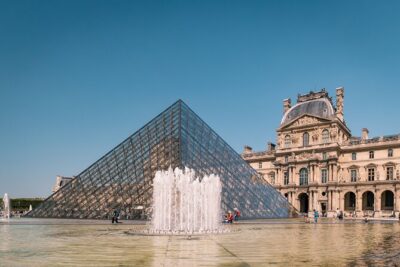
Louvre Museum Masterpieces Guided Tour with Access
Read our review →
Louvre Museum Entry Ticket With Host and River Cruise
Read our review →
Les Invalides: Napoleon’s Tomb & Army Museum Entry
Read our review →
Louvre Museum – Exclusive Guided Tour (Entry Included)
Read our review →
Louvre Museum Hosted Entry and Mona Lisa Audioguide
Read our review →
Louvre Museum Tour Mona Lisa & Iconic Masterpieces
Read our review →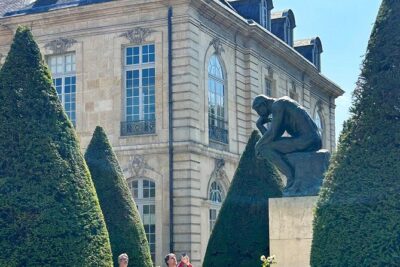
Browse the lists this tour appears in