
Reviewed · WINE TOURS
Paris: Wine Tasting Experience with 6 Wines and Cheese Board
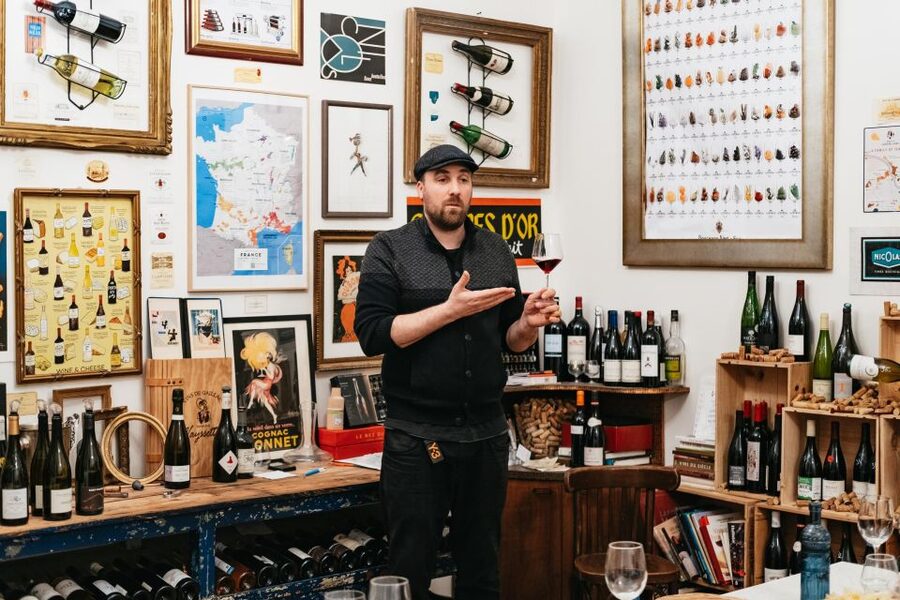
French wine makes far more sense once you stop treating France as one wine country. At this Paris Wine Co tasting, sommelier Nico guides you through six wines from different regions, pairing each with French cheese and bread while explaining how place, grape, and local rules shape the glass.
I like the clear regional comparisons and the practical way the session links wine to food. I also like the warm, social setting: the retro-style boutique, a small cheese board, and a host who welcomes questions. The main consideration is the price, $84 per person, and the fact that selections can vary. You are paying for instruction as much as for the wine.
Key points at a glance
- Six French wines in two hours: Sample wines from several parts of France rather than focusing on one bottle or region.
- Nico leads the tasting: The host explains French wine in English, with humor, structure, and plenty of time for questions.
- Cheese is part of the lesson: A cheese platter and baguette show you how different flavors work together.
- The five S’s are covered: You learn basic tasting technique, including how to hold and assess a wine glass.
- A boutique setting: The Paris Wine Co space has a retro Parisian feel instead of a formal classroom atmosphere.
- Useful for future purchases: The regional and appellation lessons can help you read French wine labels after you leave.
Six wines, one map of France
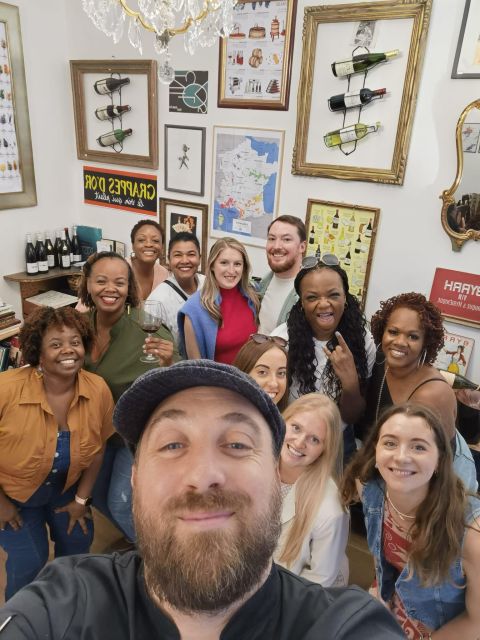
The heart of this experience is variety. You taste six wines from across France, with possible selections connected to regions such as Alsace, Beaujolais, Bordeaux, Champagne, Chablis, Côtes du Rhône, Languedoc-Roussillon, the Loire Valley, and Burgundy.
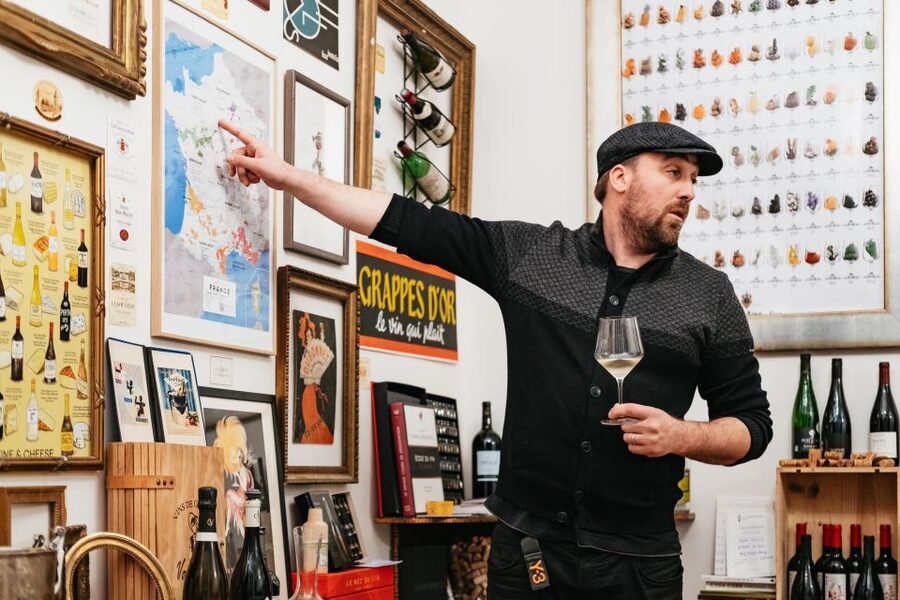
That list matters because French wine is often organized by place first and grape second. A bottle label may highlight an appellation rather than the grape variety you recognize. The tasting gives you a way to compare those places side by side, instead of trying to understand them from a shop shelf.
You might move from a fresh wine associated with the Loire Valley to a fuller red from Bordeaux, or compare the character of Burgundy with a wine from the Rhône. The exact six pours are not specified in advance, so you should not book this expecting a fixed menu. That flexibility can be a strength, since the host can shape the session around available bottles and the group’s questions.
The goal is not to drink six large glasses. It is to notice differences. You will consider the aroma, taste, structure, finish, and the way each wine behaves with food. Even if you know little about wine, the format gives you a useful vocabulary without requiring you to arrive as an expert.
More Cheese Tastings in Paris
- Paris: Montmartre Cheese, Wine & Pastry Guided Walking Tour
★ 4.8 · 2,255 reviews - Private Montmartre Food Tour with Wine, Cheese & Pastries
★ 5.0 · 1,027 reviews - Paris Le Marais Food Tour With 10+ Tastings, Cheese, Wine & More
★ 5.0 · 985 reviews
Nico’s five S’s and a practical lesson
Nico is described as a Parisian local and a passionate sommelier. The most useful part of his approach is its structure. You learn how to hold a glass, how to look at the wine, and how to assess it rather than simply deciding if you like it.
The tasting also introduces the five S’s, a simple exercise for paying attention to wine. The supplied details do not spell out every step, so you should expect an organized tasting method rather than a formal certification class. That distinction is important. This is designed for curious drinkers who want useful skills, not for professional wine training.
Nico’s style also appears to be a major part of the experience. The session is described as informative, funny, interactive, and easy to follow. He explains French standards, appellations, sub-regions, and provenance, then brings the subject back to the glass in front of you.
That combination is valuable in Paris. Wine talk can become overly technical very quickly. A good guide gives you enough detail to understand the choices, then lets you enjoy the wine. Here, the emphasis is on questions, stories, and conversation rather than a lecture delivered at you.
French cheese and baguette are part of the education
The cheese board is not just a snack between pours. It is a working part of the tasting. You try French AOC-quality cheeses with baguette and learn how a wine can change when paired with something salty, creamy, firm, or rich.
The exact cheeses are not listed, so you should not expect a promised set menu. You can expect a selection intended to match the wines. Several people particularly praised the pairings, and one session was described as including six compatible cheeses. That suggests the food portion can be substantial, though the official inclusions remain a cheese platter, baguette, and water.
I like this approach because food gives you a direct answer to a common wine question: why does a bottle taste different at the table than it did on its own? You do not need to memorize every technical term. Notice what happens when you take a bite of cheese, sip the wine, and compare the finish.
The baguette also keeps the experience grounded in everyday French eating. This is not a luxury meal, and it is not advertised as dinner. If you arrive hungry, the bread and cheese will help, but you should still plan another meal if you need a full lunch or supper.
A retro Paris boutique instead of a formal wine school
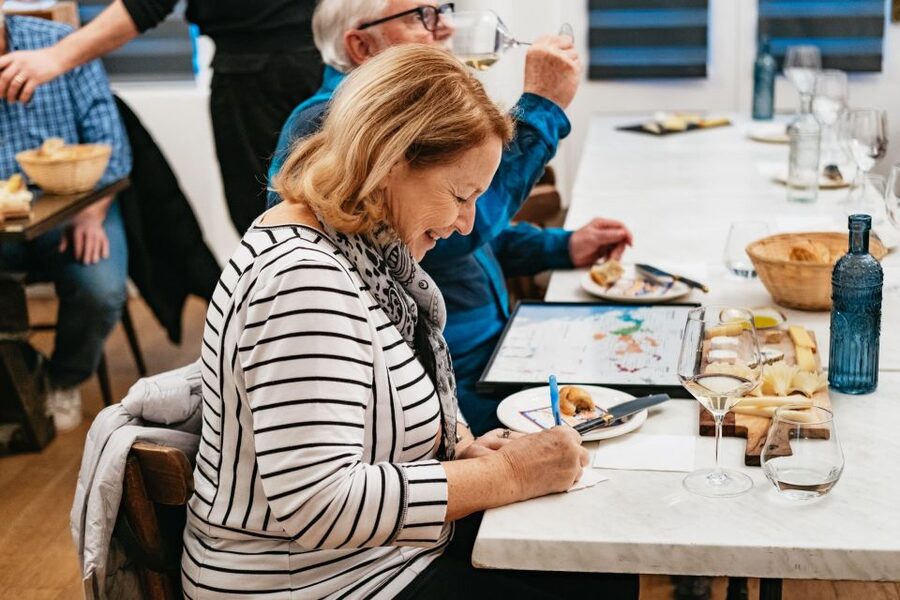
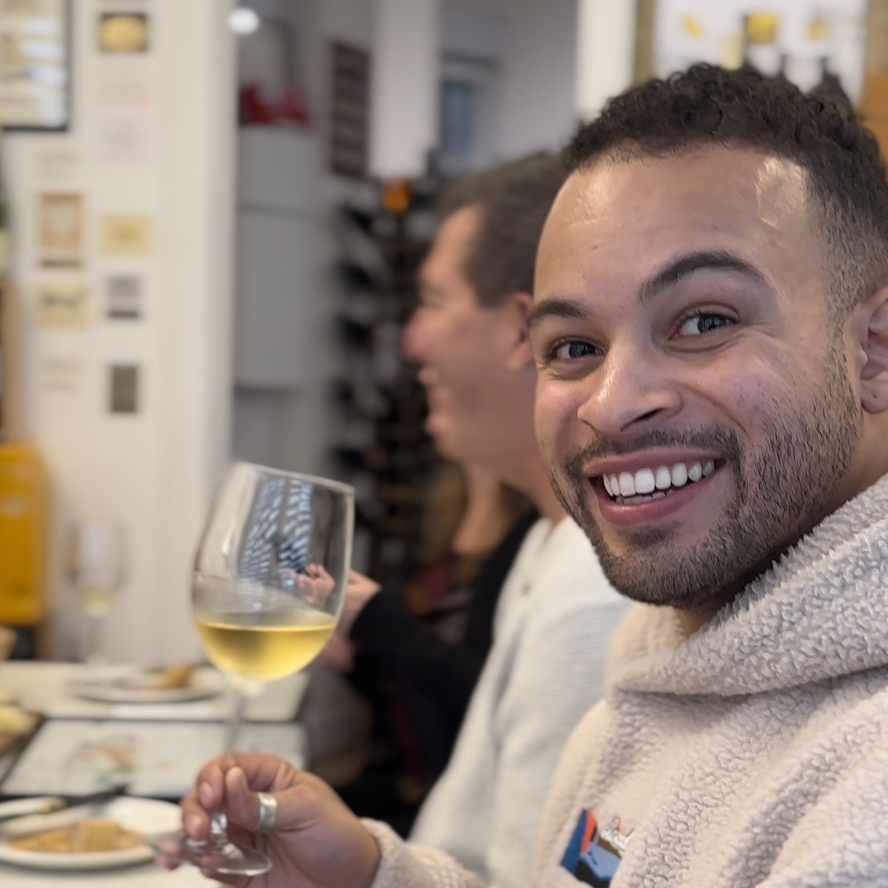
You meet your host at the Paris Wine Co boutique. The space is described as stylish, retro, and decorated with typical Parisian flair. That setting should make the two hours feel more like a local wine conversation than a classroom with rows of desks.
The location is in Paris, in the Île-de-France region. The supplied information does not give a street address or nearby Metro stop, so check the exact meeting details before setting out. You meet at the boutique itself, not at a separate restaurant or a vineyard outside the city.
This stationary format is a practical choice. You do not lose time to transport, and the host can focus on the wines, cheese, and discussion. It also makes the experience easy to fit into a Paris day, provided you allow time to find the meeting point.
The atmosphere seems designed for conversation. If you enjoy asking why one region uses a certain rule or how to pair a bottle with dinner, you will get more from this than someone who wants a quick tasting with no explanation.
More Wine Tours in Paris
- Paris: Moulin Rouge Cabaret Show Ticket with Champagne
★ 4.7 · 16,088 reviews - Authentic Parisian Gourmet Food Tour with 10 Local Dishes & Wines
★ 5.0 · 4,754 reviews - Montmartre Hill French Gourmet Food and Wine Tasting Walking Tour
★ 5.0 · 2,588 reviews - Paris: Paradis Latin Cabaret Show with Optional Champagne
★ 4.6 · 2,231 reviews
What the two-hour session feels like
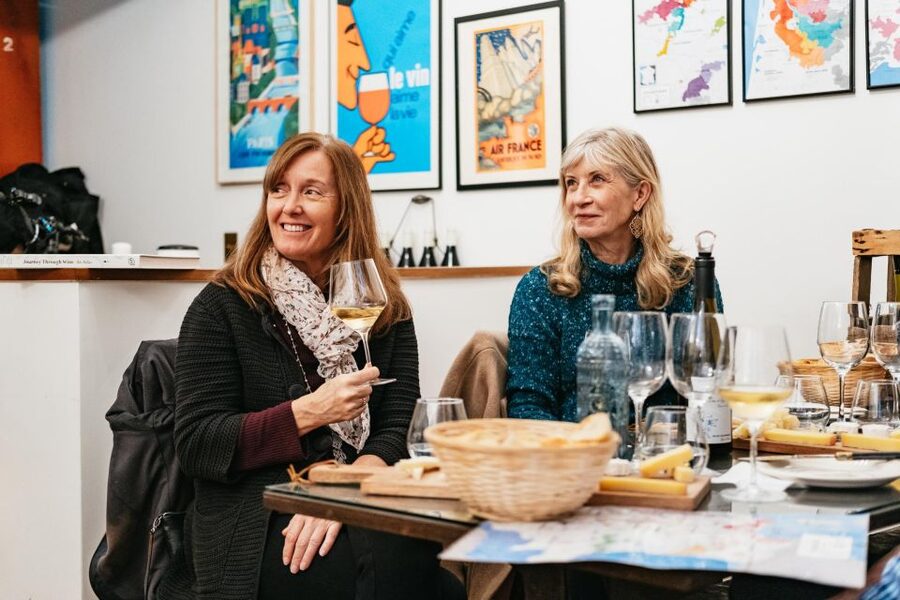
The experience lasts two hours, though one supplied account describes a tasting that stretched much longer. Treat the advertised two hours as the planning time. If the discussion runs over, that is a pleasant possibility, not something you should count on when arranging dinner or another timed activity.
You begin by meeting the sommelier and settling into the boutique. Nico introduces the tasting approach, then starts working through the wines and their regional context. Expect the session to mix tasting, explanation, questions, and food pairing rather than moving through six silent pours.
As the wines arrive, you compare styles and origins. The discussion may touch on Champagne, Chablis, Bordeaux, Burgundy, Beaujolais, Alsace, the Loire, the Rhône, or Languedoc-Roussillon. Since the final selection is not fixed in the information provided, the precise order and bottle names can change.
The pace appears friendly and interactive. You may learn about appellations and French wine standards, then turn to a practical question such as what to look for when buying a bottle. The tasting is not only about naming flavors. It is about understanding why the wine tastes as it does.
By the end, you should have sampled six wines, eaten cheese and baguette, and gained a clearer way to approach a French wine list or shop. You may not leave able to identify every appellation blind. You should leave less intimidated by the labels.
What makes the regional lesson useful
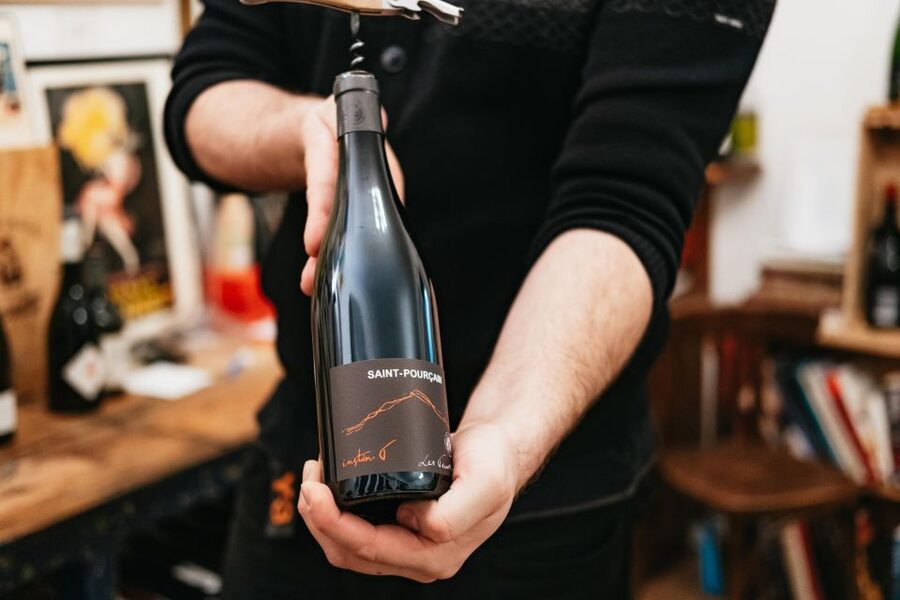
French wine regions are not simply marketing labels. They reflect local climate, soil, grape traditions, and production rules. The session explains these differences in a way that links them to actual bottles.
Bordeaux, Burgundy, Champagne, and the Rhône are famous names, but fame alone does not tell you what to order. A tasting helps you connect a place to a style. Chablis, for example, gives you a reference point for a French white with a strong sense of origin, while Beaujolais provides a different lesson in red wine. The point is not to declare one region best. It is to understand the range.
Alsace, the Loire Valley, and Languedoc-Roussillon broaden the picture. These areas can show how varied French wine is beyond the handful of names most visitors know. You also hear how appellations and sub-regions work, which is often the key to reading a French label.
I would pay close attention to the reasons behind each selection. One of the strongest features of the session is not simply receiving a list of famous regions. It is learning why a particular wine is worth considering and what makes a local shop’s choice different from a random bottle marked French wine.
Price, value, and what is included
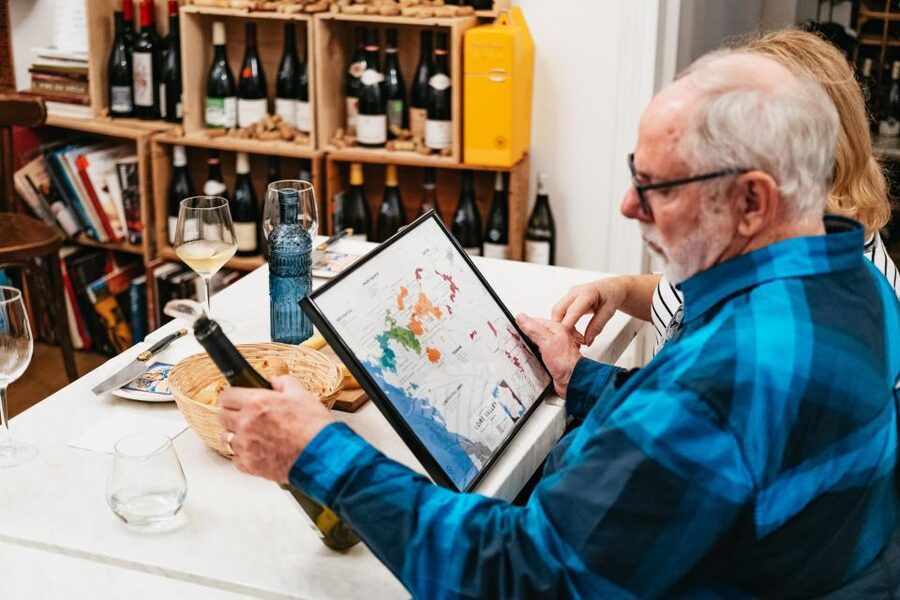
The cost is $84 per person. That is not a bargain tasting, especially if you are comparing it with a casual glass of wine and a snack. It becomes more reasonable when you count the six wines, cheese platter, baguette, water, and two hours with a sommelier who explains the choices.
The value depends on your aim. If you only want to drink French wine, you can do that for less. If you want a guided introduction to French regions, appellations, tasting technique, and food pairing, the instruction is a central part of what you are buying.
The sessions are also described as highly personal and generous with questions. That matters more than the number of bottles. A large tasting with little explanation may offer more wine but teach you less. Here, the practical payoff is that you may feel more confident ordering or buying wine later in your trip.
Still, keep your expectations sensible. The experience does not promise a full meal, rare vintages, or a fixed list of six prestigious labels. The wines are described as excellent and diverse, but exact bottles are not guaranteed. For most people, the educational value and cheese pairing are the reason to pay the price.
Who should book this tasting
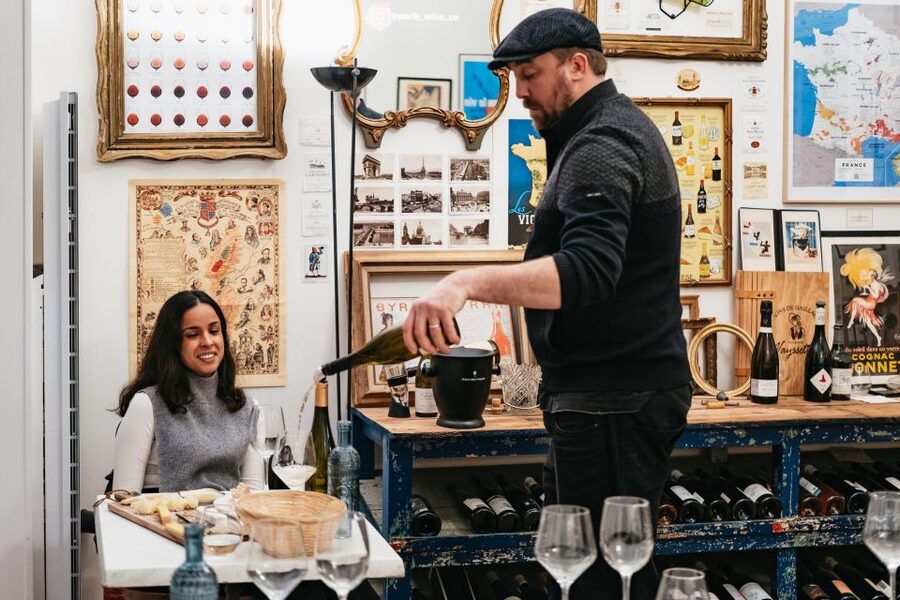
I would recommend it to adults who want a friendly introduction to French wine without leaving central Paris. It suits couples, solo visitors, and small groups. Going alone should not be a problem, since the format encourages conversation and makes it easy to meet others at the table.
It is especially useful early in a Paris stay. Take what you learn into restaurants, wine bars, and shops for the rest of your visit. You may not remember every appellation, but you will have a better sense of what questions to ask.
This is also a good choice for someone who enjoys food as much as drink. The cheese and baguette are not an afterthought, and the pairing lesson gives the tasting a clear purpose.
You should skip it if you dislike wine, want a full meal, or prefer an unstructured social drink. It is also not suitable for anyone under 18. The official language is English, and the experience is wheelchair accessible.
The host or organizer may contact you if numbers are low and the session needs to change. Keep that in mind if your schedule is tight. Free cancellation is available up to 24 hours before the experience, and you can reserve now and pay later.
What the praise tells you to expect
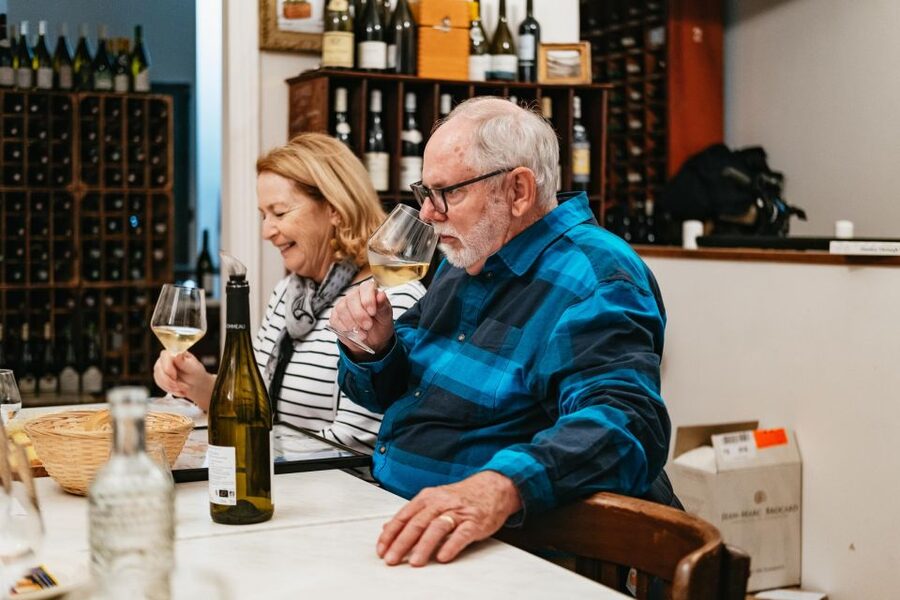
The strongest pattern is the host. Nico, also referred to as Nicolas in some details, is repeatedly described as funny, attentive, welcoming, and generous with information. The teaching style seems to be the main reason the tasting earns such strong marks.
The second strong point is the match between wine and cheese. The pairings are described as carefully chosen, and the cheeses receive nearly as much attention as the bottles. If you enjoy learning through food, that is a real advantage.
The session also appears to work for different levels of experience. Beginners can learn how to approach a glass, while more experienced drinkers can ask about regions, appellations, and provenance. You do not need to arrive knowing the difference between Burgundy and Beaujolais.
One practical tip: do not plan to rush out at the two-hour mark. The tasting is built around discussion, and questions may keep the group talking. Also, eat lightly beforehand if you want to enjoy the cheese board, but do not treat it as a guaranteed full meal.
Should you book Paris Wine Co?
Book it if you want more than a quick sample of French wine. The six-wine format, regional comparisons, cheese pairings, and Nico’s lively teaching style make this a useful Paris activity for adults who want to understand what they are drinking.
At $84, it is best viewed as a short wine class with food, not simply a tasting flight. The selection can vary, and the cheese board is not a substitute for dinner. But if you want practical guidance you can use in French restaurants and shops, this is a strong choice. I would schedule it near the start of your Paris stay and keep the rest of that afternoon flexible.
FAQ
Where does the wine tasting take place?
You meet your host at the Paris Wine Co boutique in Paris, in the Île-de-France region.
How long does the experience last?
The advertised duration is two hours. The exact start time depends on availability.
How many wines do you taste?
The experience includes six French wines from a range of regions and styles.
Which French regions may be represented?
The selections may include wines connected with Alsace, Beaujolais, Bordeaux, Champagne, Chablis, Côtes du Rhône, Languedoc-Roussillon, the Loire Valley, and Burgundy.
Is cheese included?
Yes. The experience includes a cheese platter with French AOC-quality cheese, along with baguette and water.
Who leads the tasting?
A local sommelier leads the session. The host is identified as Nico or Nicolas in the supplied experience details.
What language is the experience in?
The host or greeter language is English.
Is the experience suitable for children?
No. It is not suitable for children under 18.
Is the boutique wheelchair accessible?
Yes. The activity is listed as wheelchair accessible.
Can I cancel or pay later?
You can cancel up to 24 hours in advance for a full refund. The reserve-now, pay-later option lets you book without paying at the time of reservation.
Just added around Paris
- Guided and Private Tour of Paris by Golf Cart★ 5.0 · 33 reviews
- Guided Tour of Sacré-Coeur and Montmartre★ 3.5 · 74 reviews
- Paris – Guided Visit & Tasting in a Royal Wine Cellar★ 4.5 · 221 reviews
- Paris E-Scooter Tour with fun & informative guide (small groups)★ 5.0 · 184 reviews
- Paris Pass with over 90 Top Attractions including Notre Dame Tour★ 3.0 · 121 reviews
- 10+ tastings Gourmet Food & Wine Tour in the Heart of Paris★ 5.0 · 88 reviews
- Seine River Direct Access Guided Cruise★ 4.0 · 188 reviews
- Paris Like a Local: Full-Day Custom Tour with Private Guide★ 5.0 · 62 reviews
Wine Tours, compared.
Moulin Rouge Cabaret Show Ticket with Champagne
Read our review →
Authentic Parisian Gourmet Food Tour with 10 Local Dishes & Wines
Read our review →
Loire Valley Castles Day Trip from Paris with Complementary Wine
Read our review →
River Garonne Cruise with Glass of Wine and Canelé
Read our review →
Montmartre Hill French Gourmet Food and Wine Tasting Walking Tour
Read our review →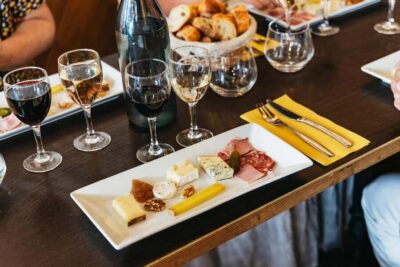
Montmartre Cheese, Wine & Pastry Guided Walking Tour
Read our review →
Paradis Latin Cabaret Show with Optional Champagne
Read our review →Browse the lists this tour appears in