
Reviewed · D-DAY BEACHES TOURS
Small-Group Canadian Normandy D-Day Juno Beach from Paris
Juno Beach is not simply a wartime museum stop. You walk the same shore where Canadian troops came under fire on June 6, 1944, then visit the graves of soldiers who never made it home. I especially like the small group of no more than eight and the way the tour stays focused on Canada’s role in Normandy. The guides use maps, photos, and personal stories to make the military decisions easier to follow.
I also like the chance to see more than the beach itself, including Hell’s Corner and Abbey d’Ardenne, places tied to the Canadian advance and German command. The drawback is the length: 13 hours means roughly three hours each way from Paris, and the day can feel rushed if you want long museum visits or a leisurely lunch.
Key points to know before booking
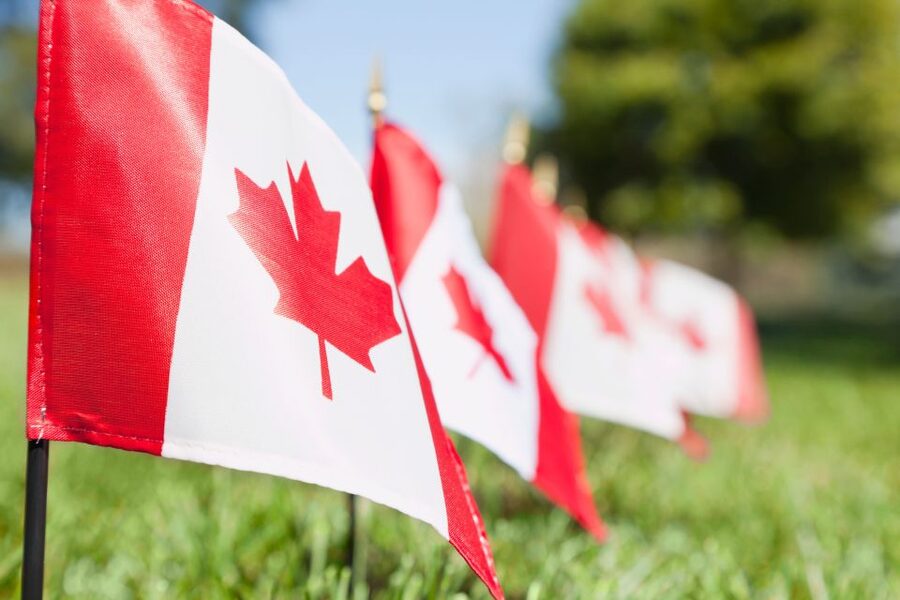
- Juno Beach on foot: Walk along the sand where Canadian forces landed on D-Day.
- Canadian Cemetery: Pay your respects among the graves at Beny-sur-Mer.
- Small minibus group: A maximum of eight people allows for easier questions and a more personal day.
- Strong guide element: Guides including Aaron, Julien, Enzo, Mathieu, HP, and Brun are praised for history knowledge, clear English, and good pacing.
- A full day from Paris: Departure is at 7:00 AM, with a return around 8:00 PM, traffic permitting.
- Weather matters: The tour runs rain or shine, and the coast can be cold and windy even in spring.
Why Juno Beach deserves a full day from Paris

The Canadian landing at Juno Beach is often overshadowed by the larger D-Day story. This tour corrects that imbalance. More than 14,000 Canadian soldiers landed or parachuted into France on June 6, 1944, facing German defenses built into and behind the coast.
I find the Canadian focus useful because it gives the day a clear thread. You are not trying to absorb every Allied operation in Normandy at once. Instead, you follow the Canadian troops from the shoreline toward their furthest advance inland, while your guide explains the obstacles, decisions, and human cost.
The day is not light sightseeing. The beach is open and attractive, but the history beneath it is grim. You will need to be comfortable with military history, battlefield losses, and cemetery visits. That emotional weight is part of the reason this experience stays with you.
More D-Day landing beach tours:
- Normandy D-Day Sites & Cemetery Day Trip from Paris with Lunch
★ 5.0 · 6,877 reviews - Normandy D-Day Small-Group Day Trip with Omaha Beach, Cemetery & Cider Tasting
★ 5.0 · 2,786 reviews - Normandy D-Day Beaches and American Cemetery Day Trip from Paris
★ 4.5 · 2,673 reviews
Leaving Paris at 7:00 AM in a group of eight
The meeting point is Café Dada Ternes. You need to arrive at least 15 minutes before departure, since the tour leaves sharply and late arrivals cannot be accommodated. The gray minibus usually arrives about 10 minutes before the scheduled start.
The small vehicle is a major advantage over a large coach. You can ask questions without shouting across rows, and the guide can adjust explanations to the group. Several guides have also been praised for friendly conversation during the long drive. Mathieu, for example, was noted for explaining the statistics and events of June 6 clearly while making the journey feel easy and companionable.
The drive takes about three hours each way. That is a lot of road time, but it is the unavoidable price of reaching Normandy on a day trip from Paris. One guide took a scenic route through smaller towns and country roads rather than using the highway for the entire journey, giving the ride more local character.
Still, plan honestly. This is not a relaxed coastal outing with hours to spare. It is a long historical day squeezed into one schedule. If you want several museums, a slow meal, and time at multiple beaches, you should stay in Normandy instead.
Walking the shore at Juno Beach
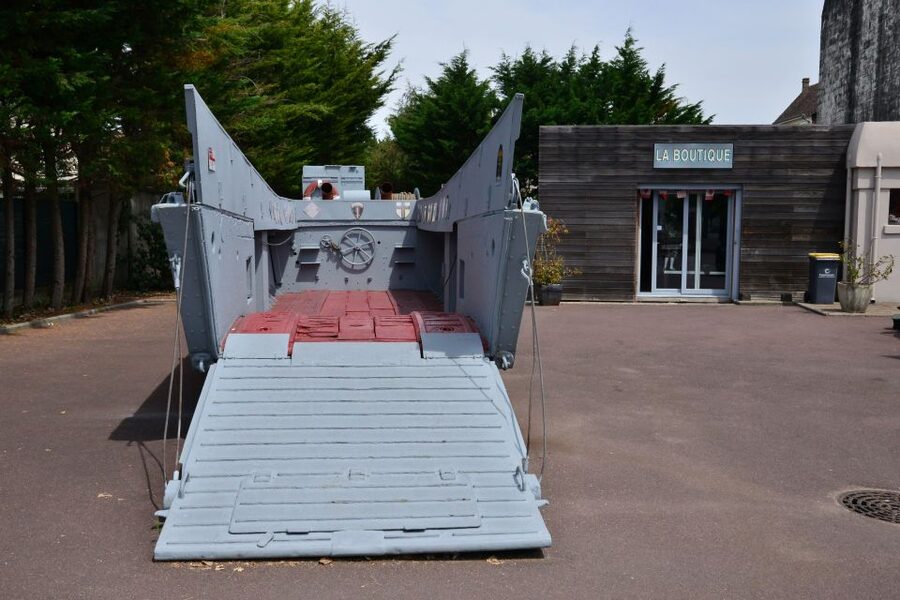
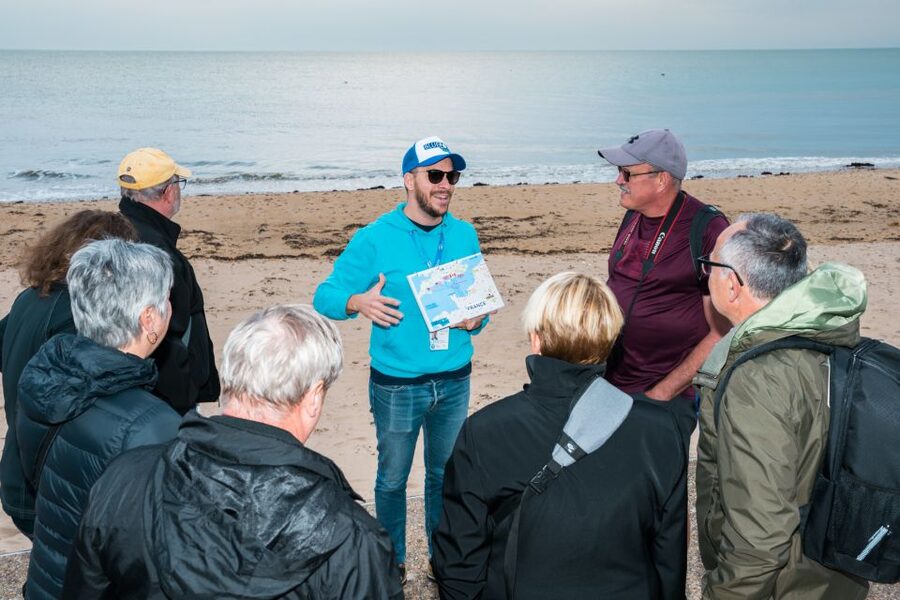
The most important moment is the walk at Juno Beach. Your guide helps you picture the Canadian troops coming ashore under fire, moving across exposed sand while German positions protected the coast.
Walking here matters because the setting gives scale to the story. A map can show distances, but standing on the beach helps you understand how open the approach was and how much ground the soldiers had to cover. Wind, changing weather, and the broad shore can also make the conditions feel less abstract.
The beach itself is not a staged battlefield. It is an ordinary stretch of coast today, which is precisely what makes the visit powerful. You may see families, houses, and modern life nearby, while your guide explains what happened in the same place more than 80 years ago.
Allow for difficult weather. One April visit was cold and windy, and the practical advice is simple: bring a warm jacket and hat. The tour operates in rain or shine, so a waterproof layer is sensible too. On the other hand, hot weather can be uncomfortable in the minibus. A summer visit received criticism because the air conditioning did not work well in 34-degree heat.
The Juno Beach Centre and the Canadian story
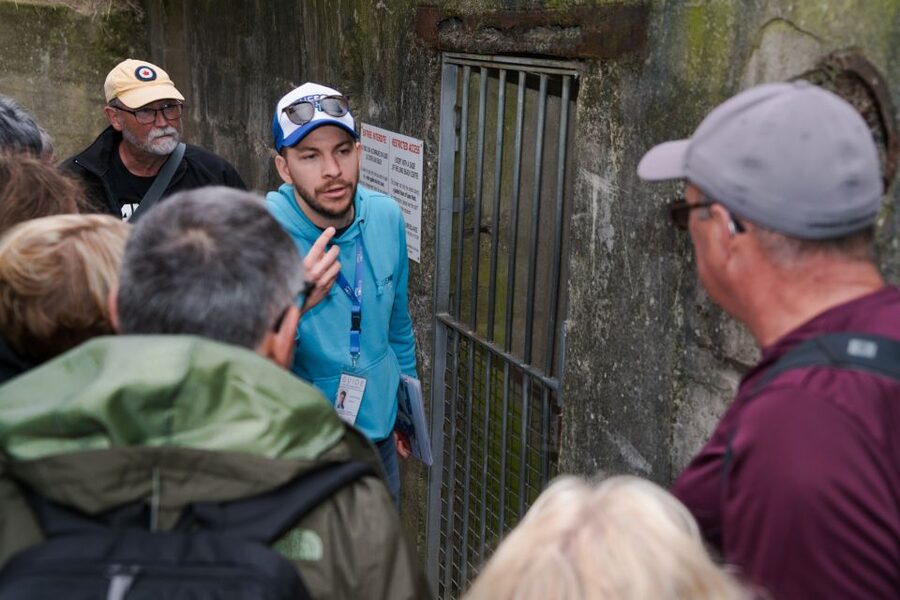
The Juno Beach Centre is the main museum stop and the most direct place to learn about the Canadian landings. Entrance is included, and the schedule normally provides useful time inside, though some people have found the pace too tight for browsing every display.
I would treat the museum as the tour’s central teaching stop. The beach gives you the physical setting, while the centre supplies the wider story: the Canadian military role, the preparation for the landing, and the human lives behind the operation.
Your guide’s approach can make a big difference here. Julien has used stories, maps, and audio excerpts to add texture to the explanations. Other guides, including Aaron, Brun, Emma, and Clements, have been praised for combining military detail with a more personal account of the soldiers involved.
The museum visit is also where you may wish for more independence. The guide needs to keep the whole day on time, so you cannot assume unlimited browsing. If a particular exhibit matters to you, ask early how much time you will have.
A few more Normandy half-days worth comparing
- Day Trip to Mont-Saint-Michel from Paris
★ 4.5 · 4,876 reviews - Mont Saint Michel Day Trip from Paris with English Speaking Guide
★ 4.5 · 2,750 reviews - From Paris: Giverny Day Trip with Audio Guide or Live Guide
★ 4.3 · 2,372 reviews - From Paris: Giverny, Monet’s House, & Gardens Half-Day Trip
★ 4.5 · 2,174 reviews
The Canadian Cemetery at Beny-sur-Mer
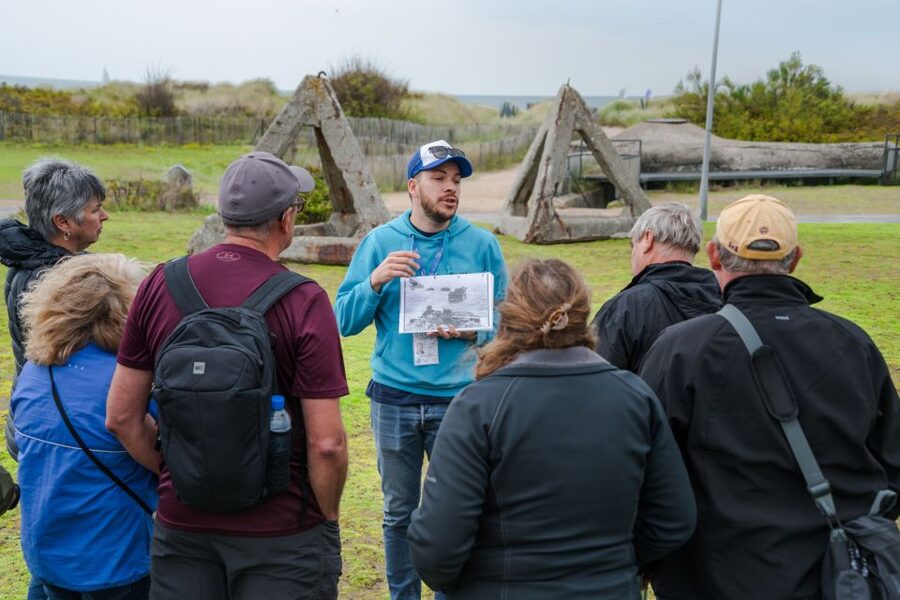
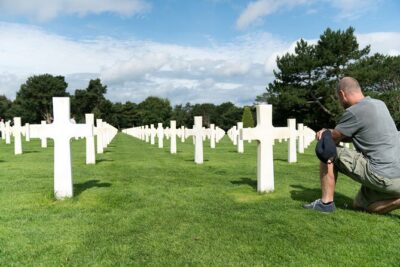
The Canadian Cemetery at Beny-sur-Mer offers a sharp change in mood. After the activity of the beach and museum, you move among rows of graves and have time to pay your respects.
I consider this one of the most important stops because it brings the numbers down to individual names. The D-Day story can become a list of troop movements and casualty figures. A cemetery makes the cost personal and quiet.
Your guide may explain how the cemetery connects to the fighting around Juno Beach and the advance inland. You should expect a respectful visit rather than a long lecture. The setting is peaceful, but the reason for being there is sobering.
Wear shoes suitable for walking on grass and paths, especially after rain. The tour includes several outdoor stops, and Normandy weather can change quickly.
Hell’s Corner and the advance toward Caen
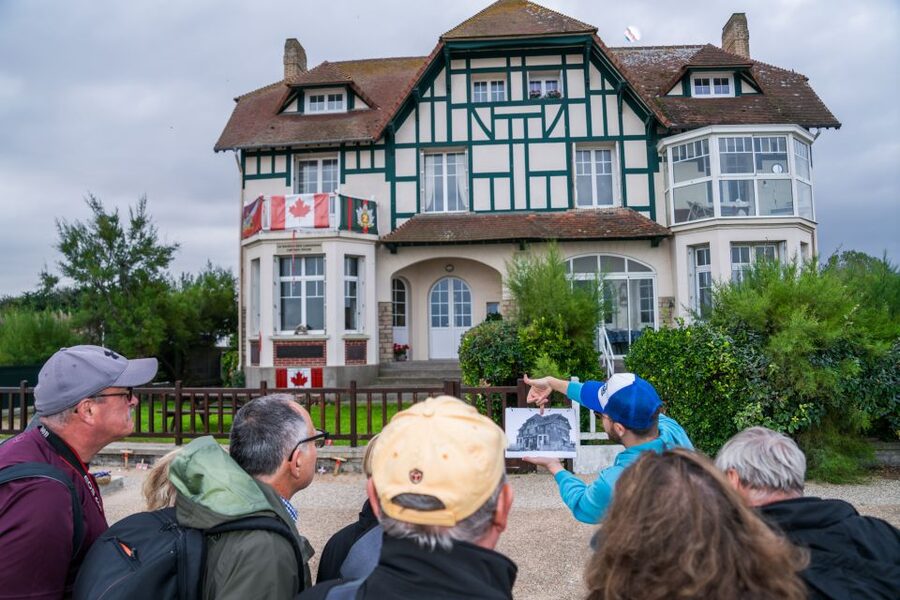
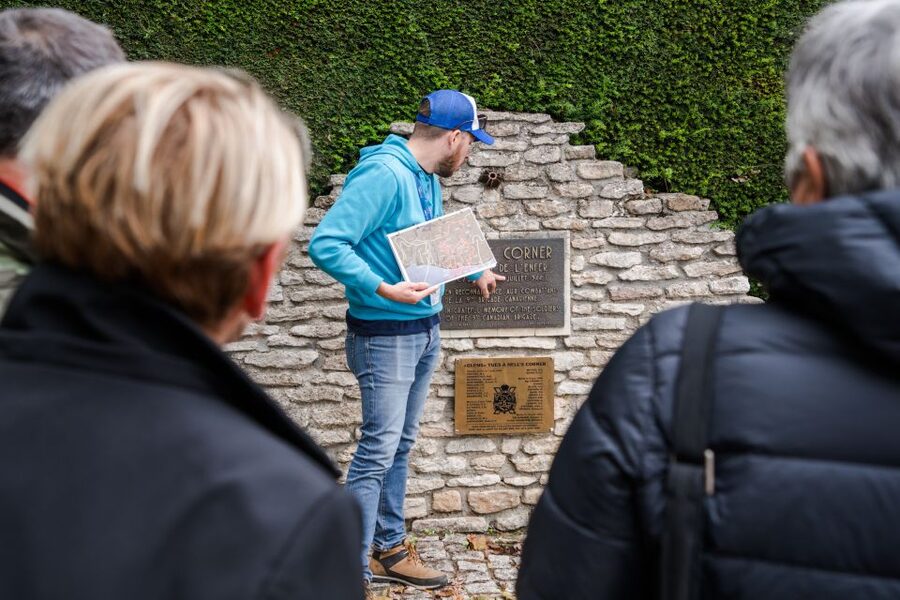
The tour also visits Hell’s Corner, described as the furthest advance inland reached by Canadian troops on D-Day, about five miles from Caen. This stop helps you understand that the operation did not end at the waterline.
The beach landing was only the first stage. Canadian troops had to move inland, deal with German resistance, and hold ground under pressure. Seeing where the advance reached gives the day a wider frame and prevents Juno Beach from feeling like an isolated event.
The exact experience at Hell’s Corner can vary with the guide and the day. Some departures have included a meeting at Canada House with its owner, Madame Hoffer, or a visit to a private family collection of German and Canadian ammunition. These personal connections are not guaranteed parts of every departure, but they show how local stories can add meaning beyond the formal sights.
One especially memorable account involved a family home in the Hell’s Corner area that was used first by German forces and later by Canadians. Details like this turn a military route into a lived-in place, where civilians endured occupation, combat, and liberation.
Abbey d’Ardenne and the harder side of the story
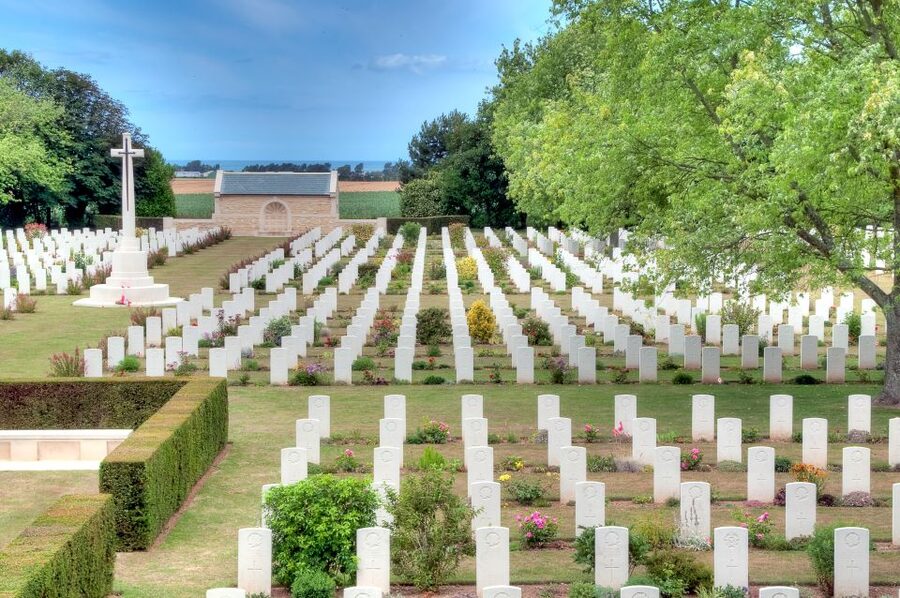
The tour includes Abbey d’Ardenne, a German headquarters point linked to the fighting. It is an important reminder that the Canadian advance met organized defenses and that the aftermath of the landings was brutal.
This is not a polished parade of heroic stops. The guide may explain the role of German command positions and the danger faced by Canadian troops after leaving the beach. The site adds context to the wider battle for Normandy.
Some departures also include bunker visits or other nearby military remains. The exact mix can depend on timing and local conditions. If you are especially interested in fortifications, ask your guide questions as you go, since the amount of detail and time at each site can vary.
How the guides shape the day
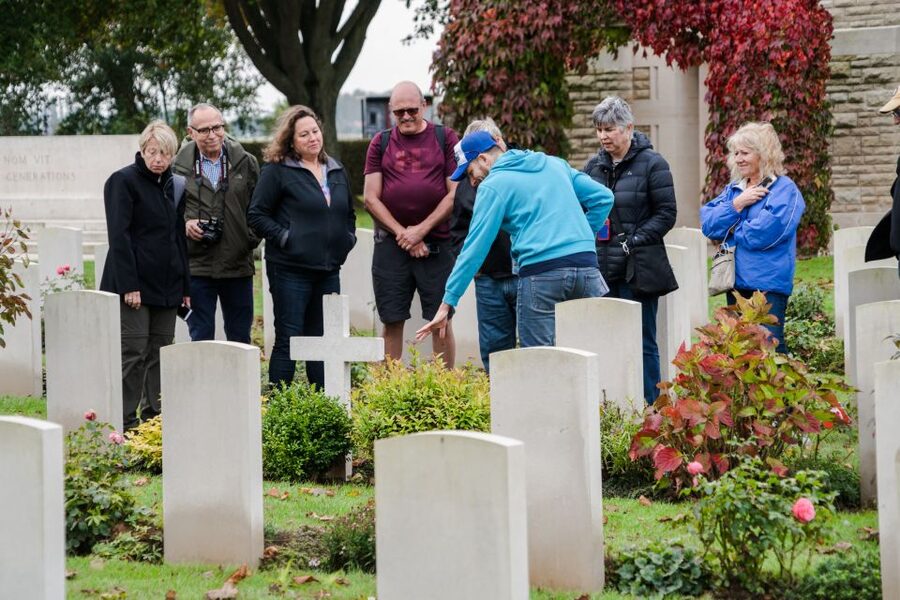
The guide is the tour’s biggest variable, and also its strongest feature. The route has real historical value, but a flat commentary would make a long day feel much longer.
The guides praised most often include Aaron, Julien, Enzo, Mathieu, HP, Brun, Gabriel, Jonathan, Olivier, and Clements. Their strengths differ. Aaron is described as passionate and clear, Julien as thoughtful and well prepared, Enzo as charismatic and accommodating, and Mathieu as friendly, articulate, and a careful driver.
HP has been singled out for combining good humor with sensitivity to the importance of Juno Beach for Canadians. Brun has used family stories and helped organize a bakery stop for lunch. Clements has been praised for presenting the history with care, leaving room for questions and emotional reactions.
You cannot select the guide with certainty, so book this experience for the structure and subject, not for one particular person. Still, the very high 4.9 rating from 132 reviews suggests that guide quality is consistently strong.
English is the tour language. Most feedback describes the guides as easy to understand, though one person found it difficult to hear or follow a guide through the microphone. If you have hearing concerns, sit near the front and ask the guide to speak up.
Lunch, timing, and what to bring
Food is not included. Guides may stop at a bakery or arrange a restaurant, and one departure included lunch near the beach. You should budget separately and expect the meal plan to depend on the day’s route.
Do not expect a long restaurant break. The schedule has a lot to cover, and some people have wished for more time at Canada House, the museum, or the bunkers. I would bring water and a small snack even if you plan to buy lunch locally.
Useful items include:
- A warm layer and hat
- Waterproof clothing
- Comfortable walking shoes
- Water and a snack
- A phone charger
- Cash or a card for food
The tour returns to Paris at around 8:00 PM, but traffic can push that later. Do not book a tight evening reservation, train, or flight after the tour.
Is $283 a fair price?
At $283 per person, this is not a cheap day trip. But the price includes transportation from central Paris, an English-speaking guide, entrance fees, and a small group capped at eight people.
The value depends on what you compare it with. A large coach tour may cost less, but the minibus format gives you more access to the guide and avoids the impersonal feel of a crowded group. A private tour would offer more control, but likely at a much higher total price.
For me, the strongest value comes from combining transport with interpretation. Reaching Juno Beach independently from Paris would require arranging your own train or car, local transport, museum admission, and battlefield planning. You would also need to understand where the Canadian sites fit together.
The price is harder to justify if you want a slow day at one museum or beach. It is easier to justify if you have only one day in Normandy, care about the Canadian story, and value a guide who can explain what you are seeing.
Who should book this Juno Beach tour?
I would recommend it to Canadians visiting Paris, families tracing a relative’s military service, and anyone who wants a focused introduction to D-Day without planning a Normandy route alone. It also suits people who enjoy asking questions and learning from a guide during the drive.
It can work for families with older children and teenagers, especially those studying the Second World War. The subject is serious, but guides often bring warmth and humor to the day without making light of the losses.
I would hesitate if you dislike early starts, long drives, outdoor walking, or fixed schedules. You may also prefer an overnight stay in Normandy if you want more time at the museums, more than one beach, or a slower pace.
Cancellation is free up to 24 hours before departure, and you can reserve now while paying later. Those policies help if your Paris plans are still shifting, but the punctual departure remains firm.
Should you book it?
Book this tour if you want the Canadian D-Day story told in a personal, place-based way. Walking Juno Beach, visiting the cemetery, and following the advance toward Caen create a far fuller picture than a museum visit alone.
Skip it if the 13-hour day sounds exhausting or if you need complete freedom at each stop. For everyone else, especially Canadians with family ties to the war, the combination of a small minibus, thoughtful guides, and meaningful sites makes this a strong use of one demanding day from Paris.
FAQ
Where does the tour meet in Paris?
The meeting point is Café Dada Ternes. You should arrive at least 15 minutes before the official departure time.
What time does the tour leave and return?
The tour departs every day at 7:00 AM. It usually returns to Paris around 8:00 PM, depending on traffic.
How large is the group?
The tour has a maximum of eight participants and uses a minibus.
Is lunch included?
No. Food is not included, so you should budget for lunch. Depending on the day, the guide may stop at a bakery or arrange a local restaurant.
What language is the tour conducted in?
The live tour is conducted in English by an English-speaking guide.
What happens if it rains?
The tour operates rain or shine. Bring suitable outdoor clothing, since the itinerary includes walking at Juno Beach and visiting the Canadian Cemetery.
Just added around Normandy
- Normandy D-Day Beaches with Juno Beach, bunkers & Canadian Cemetery from Paris★ 5.0 · 296 reviews
- Normandy D-Day Landing Beaches Private Day Trip from Paris★ 5.0 · 50 reviews
- Normandy D-Day Tour with Mont Saint-Michel Day Trip from Paris★ 4.5 · 58 reviews
- Giverny Day with Monet Foundation Audio Guided Tour from Paris★ 3.5 · 30 reviews
- Giverny & Versailles Audio Guided Day Trip with Lunch from Paris★ 3.5 · 38 reviews
- Normandy D-Day Beaches All-American Private Day Tour from Paris★ 5.0 · 27 reviews
- 3 Days Trip to Normandy, Loire and Mont Saint Michel from Paris★ 4.5 · 86 reviews
- Normandy 2Days Trip Landing Beaches and Mont St Michel from Paris★ 4.0 · 219 reviews
D-Day Beaches Tours, compared.
Normandy D-Day Sites & Cemetery Day Trip from Paris with Lunch
Read our review →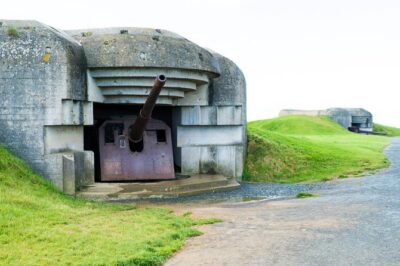
Normandy D-Day Small-Group Day Trip with Omaha Beach, Cemetery & Cider Tasting
Read our review →
Normandy D-Day Beaches and American Cemetery Day Trip from Paris
Read our review →
Normandy American D-Day Beaches Full Day Tour from Bayeux
Read our review →
Normandy American D-Day Experience – Group tour from Bayeux
Read our review →
Omaha Beach D-Day Experience – Afternoon group tour from Bayeux
Read our review →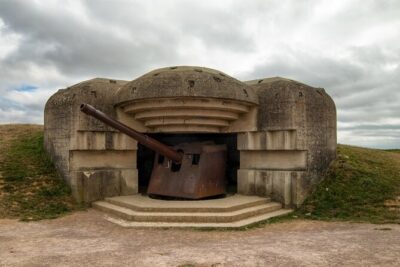
Browse the lists this tour appears in