
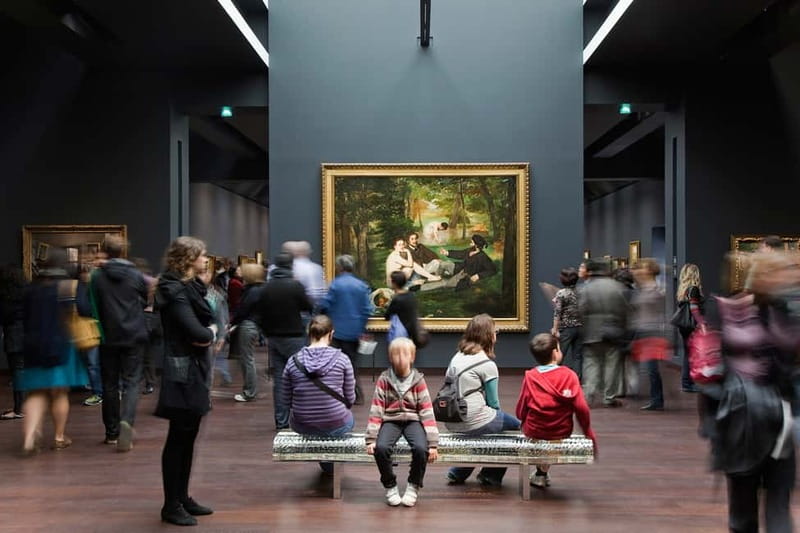
Reviewed · MUSéE D'ORSAY TICKETS
Paris: Orsay Museum Masterpieces Guided Tour
The best thing about this tour is the way it turns a huge museum into a clear two-hour story. Inside the old railway station, you’ll see famous works by Monet, Renoir, Van Gogh, and Cezanne, while your guide explains how these artists challenged the rules of their day.
I like the reserved entry, which cuts out the ticket line, and the choice between a group of six and one of up to 25 people. Guides such as Anais, Hamish, Blerta, Abed, and Erwan have earned praise for making art history lively, answering questions, and adding useful details about technique and politics.
The main drawback is that two hours only gives you the museum’s main sights. The galleries can also be crowded, some rooms are not air-conditioned, and the tour cannot accommodate wheelchair users, strollers, or baby carriages.
Key points to know before you book
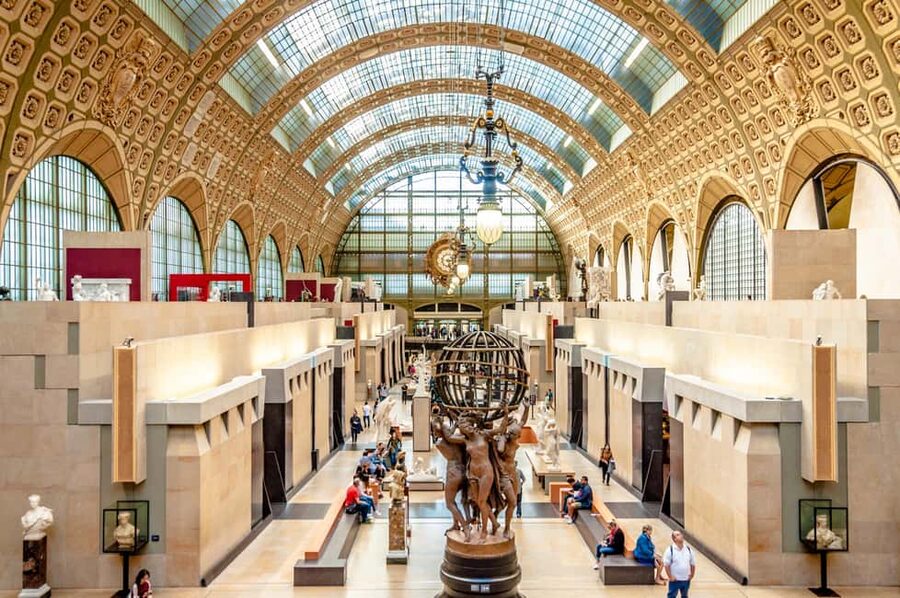
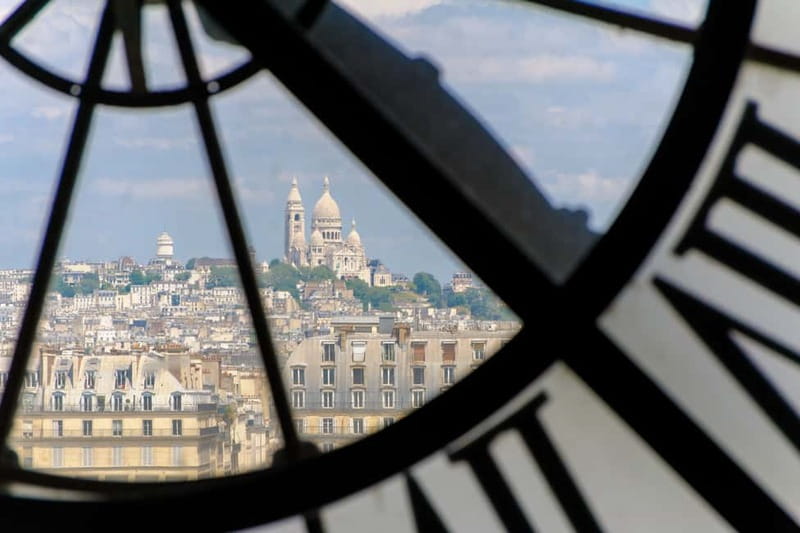
- The old railway station is part of the experience: Musée d’Orsay’s Beaux Arts setting, giant clocks, and open central hall make a memorable frame for the art.
- You get a focused route: The guide takes you to key Impressionist and Post-Impressionist works instead of leaving you to wander a very large museum.
- The art comes with context: Expect discussion of French history, artistic politics, painting methods, and the personalities behind the canvases.
- You can choose your group size: The semi-private option holds six people, while the standard group can reach 25.
- The meeting point is precise: Find the guide in the courtyard by the large elephant statue, holding a company sign.
- Plan for walking and crowds: Wear comfortable shoes, leave large bags behind, and expect busy galleries during popular hours.
Why Musée d’Orsay works so well for a guided tour
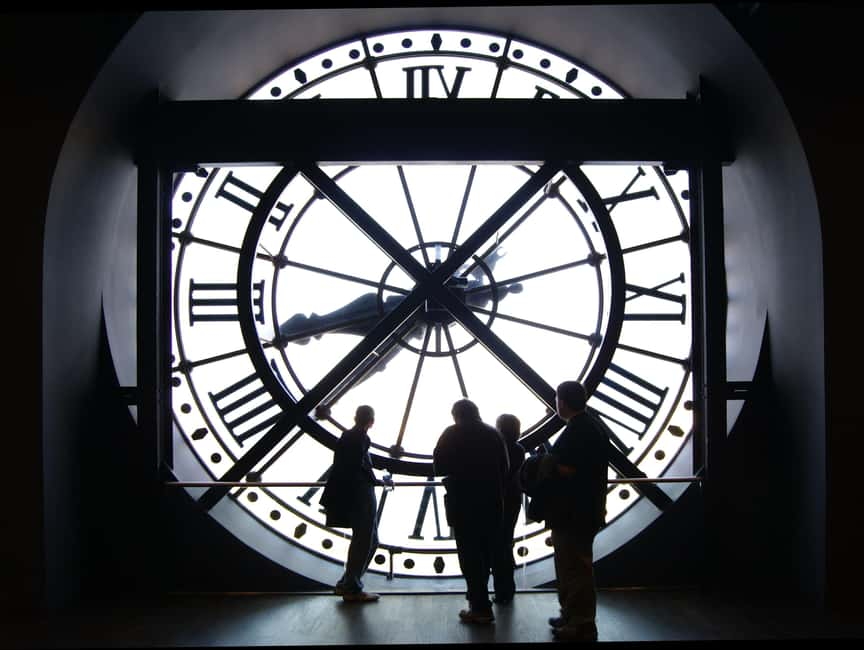
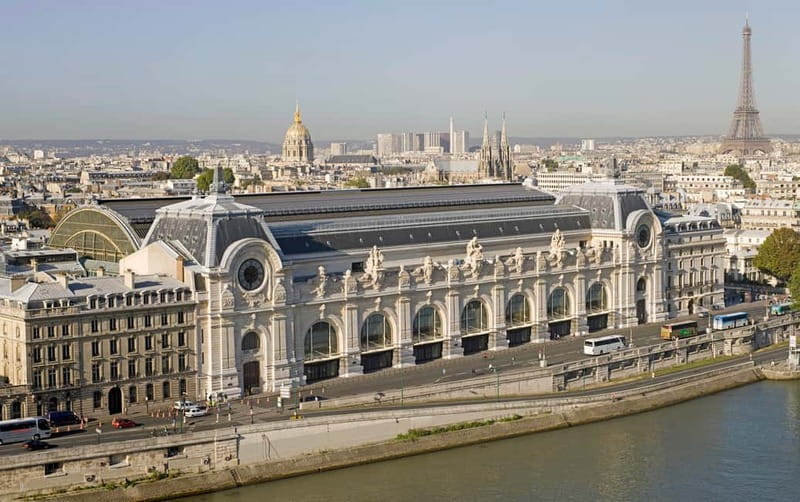
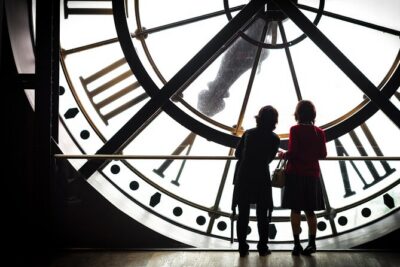
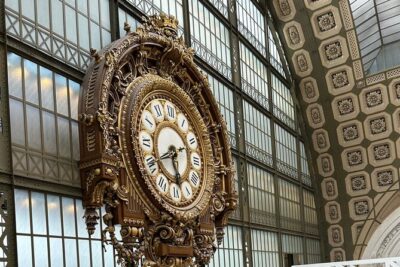
Musée d’Orsay occupies a former railway station on the Seine. That detail matters. You are not entering a plain white box built only for paintings. You walk into a grand Beaux Arts structure with a vast central hall and two large clocks facing the river.
The building gives the visit a sense of place before the guide says a word. Its original purpose also fits the art inside. The Impressionists painted modern life, new city scenes, leisure, movement, and changing light. A former train station is a fitting home for art born during a period of rapid change.
The museum’s collection centers on French art from a major period of experimentation. The tour focuses on Impressionist and Post-Impressionist works, with stops connected to artists such as Monet, Renoir, Manet, Degas, Cezanne, and Van Gogh.
If you visit alone, it is easy to spend too long in one room or miss works that matter. A guide gives you a route and a reason for each stop. I find that especially useful at Orsay, where the building itself can distract you from the art.
More Musee d'Orsay tickets and tours:
- Paris in a Day: Louvre or Orsay, Eiffel Tower, City Walk & Cruise
★ 5.0 · 1,956 reviews - Paris: Musée d’Orsay Entry Ticket and Seine River Cruise
★ 4.6 · 1,344 reviews - Paris: Musée d’Orsay Skip-the-Line Tour with Expert Guide
★ 4.5 · 1,145 reviews
Meeting the guide by the elephant statue
You meet in the courtyard in front of the main entrance at 5 Rue de la Légion d’Honneur. Look for the large elephant statue and the guide holding a company sign. This is a better meeting point than simply being told to find the museum, since the building has more than one prominent side.
The nearest public transport stop is Musée d’Orsay on RER Line C. You can also take Metro Line 12 to Solferino, leave via exit 2 marked Musée d’Orsay, and walk up Rue de Bellechasse. By taxi, ask to be dropped at the museum entrance.
If you arrive on foot, look for the large building beside the Seine on Quai Anatole France. The river-facing side has two big clocks. The courtyard is between the river and Rue de la Légion d’Honneur.
Arrive with enough time to identify the elephant statue without rushing. The activity begins and ends at this same point, and transportation is not included.
The two-hour route through the museum
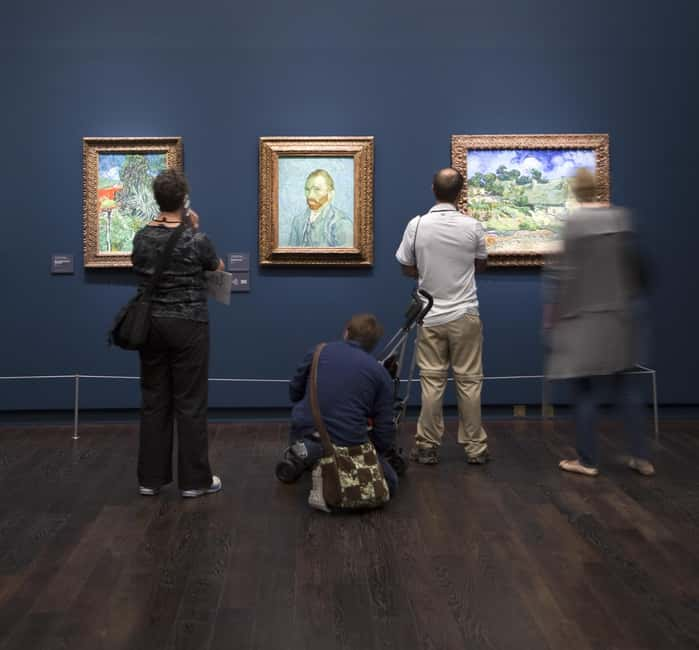
The tour lasts two hours and covers the museum’s main artistic story. You are not getting a room-by-room survey, and that is a good thing. Orsay is too large for a serious look at everything in such a short visit.
Instead, the guide leads you to major works and links them through people, place, and technique. The route includes famous names, but the value comes from the explanations around them. You learn why the art caused trouble, how artists worked differently, and how their pictures relate to French life and history.
The tour is conducted in English. Headsets are provided when needed, which can make a real difference in crowded rooms. One guide may be speaking while visitors move around you, so clear audio helps you keep up without standing shoulder to shoulder with the guide.
Guides vary, but the strongest examples from this experience include Anais, Hamish, Blerta, Abed, Erwan, Florence, and Addy. Anais is praised for explaining painting techniques and historical context. Blerta brings an artist’s eye to her discussion of methods. Abed and Erwan are especially strong at connecting art with politics, history, and the artists’ personal worlds.
That variation is worth noting. The company assigns the guide, so you cannot count on a particular person unless the booking process specifically allows it. Still, the repeated pattern is clear: the guide’s skill has a major effect on the experience.
The Impressionist stars you will see
The tour includes works by Renoir, Monet, Manet, Degas, Cezanne, Van Gogh, and other major figures. It is designed for someone who wants the museum’s essential names without spending a full day working out a route.
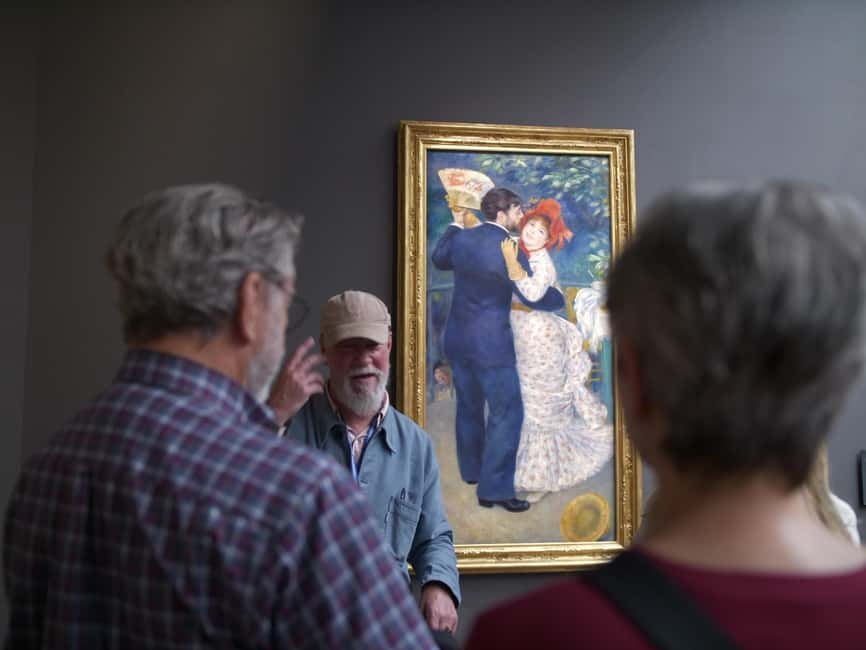
Van Gogh’s Starry Night over the Rhône is one of the key sights. The picture gives the guide a chance to discuss color, brushwork, and the emotional force of the night scene. You also see Renoir’s Dance at Le Moulin de la Galette, a famous view of Parisian social life on a Sunday.
These works are popular for good reason, but the guide helps you look past their fame. You may hear how a painting was received, what the artist was trying to change, or how a technique differs from earlier academic practice.
Monet and the other Impressionists are central to the tour. Their work makes more sense when you understand the criticism aimed at them. The artists were not simply painting pretty outdoor scenes. They were challenging accepted ideas about finish, subject matter, light, and the proper role of painting.
Manet, Degas, and Cezanne widen the story. They do not all paint in the same way, and the guide’s job is to show the differences. The best part of a highlights tour is often this comparison: you see how one artist’s choices make another artist’s work easier to understand.
More museums and galleries in Paris:
- Paris: Louvre Museum Timed-Entrance Ticket
★ 4.6 · 71,977 reviews - Louvre Museum Masterpieces Guided Tour with Access
★ 4.5 · 12,023 reviews - Paris: Louvre Museum Entry Ticket With Host and River Cruise
★ 4.6 · 9,926 reviews - Les Invalides: Napoleon’s Tomb & Army Museum Entry
★ 4.6 · 9,185 reviews
What the guides add to the paintings
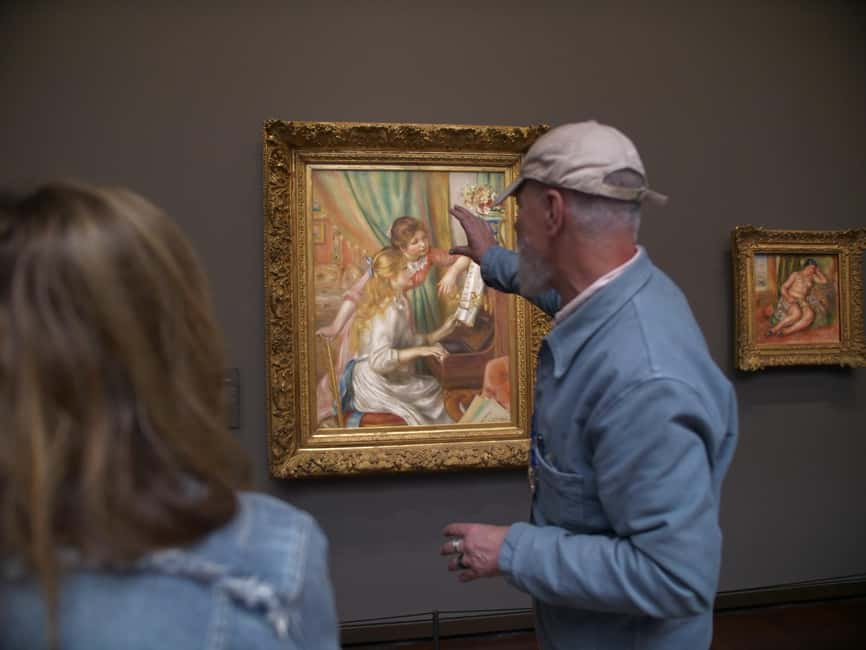
A museum label can tell you an artist’s name, title, and date. A good guide adds the human and artistic reasons behind the work.
You can expect discussion of the artists’ personalities, their working methods, and the historical setting around them. Guides have also used humor, personal opinions, and questions to keep the group involved. Addy, for example, was especially attentive to children and brought them into the discussion without forcing the pace.
That matters if you are visiting with family. Art museums can become tiring when every painting receives the same formal treatment. A guide who varies the pace and asks questions can make the visit easier for children and adults alike.
English clarity is another practical point. Most of the feedback about the guides is strongly positive, but one person found the guide’s English somewhat hard to follow. That is not unusual on international tours, and headsets help, but anyone who needs very simple spoken English should keep this possibility in mind.
The strongest guides also handle small problems calmly. Hamish received praise for managing faulty audio equipment with patience. Equipment can fail in a busy museum, so a calm guide helps protect the mood of the tour.
Group size, pace, and crowd conditions
You can choose a semi-private tour for up to six people or a regular group with a maximum of 25. The smaller option should appeal to you if you want more room for questions and a closer connection with the guide.
The larger group is likely to feel less personal, but it can still work well if your main goal is an organized route through the museum. A maximum of 25 is not enormous, though you will need to stay close to the guide in busy rooms.
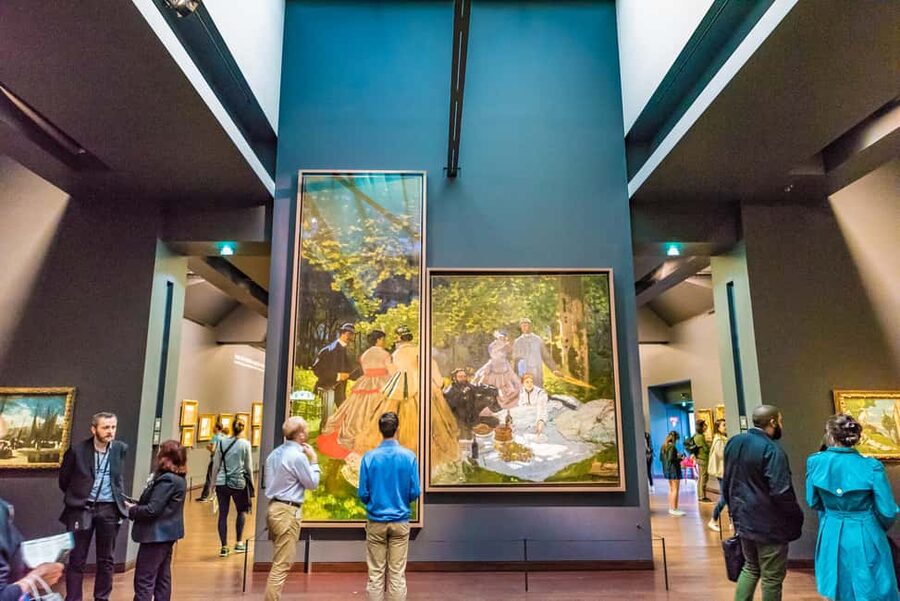
The museum can be crowded during standard opening hours. Reserved entry helps you avoid the long ticket line, but it does not give you empty galleries. You may still need to wait for a clear view of a famous painting or adjust your position while other people pass.
That is why the guide’s route matters. Florence was praised for moving a group through crowded areas while still pointing out important works. A strong guide knows how to keep the tour moving without turning it into a race.
The pace is active. You will walk and stand for much of the two hours, so comfortable shoes are essential. If you like to linger silently in front of one painting, this tour may feel too brisk. If you want a well-organized first visit, the pace should suit you.
Is $60 a fair price?
The price is $60 per person. That includes museum admission, reservation fees, an English-speaking art historian, and a headset when needed. Transportation, food, and other personal costs are not included.
The value depends on how much help you want inside the museum. If you already know the artists and prefer to explore at your own pace, buying entry alone may suit you better. You will have more freedom and can spend as long as you like with one painting.
I think the tour makes the most sense for a first visit or a short Paris stay. You are paying for three useful things: a planned route, reserved entry, and interpretation. The guide also helps you make sense of a difficult artistic period instead of simply pointing out famous pictures.
The semi-private version costs more in time quality, not necessarily in the listed base price, since the supplied price is $60 per person and the exact option should be checked when booking. A six-person group offers a better chance to ask questions. The larger group may be the more practical choice if you mainly want a structured introduction.
Practical limits you should consider
This tour is not suitable for wheelchair users, and the activity cannot accommodate people who need special assistance. Strollers and baby carriages are not allowed on group tours.
Do not bring luggage or large bags. Backpacks are also listed as prohibited, along with flash photography. A small personal bag may still be subject to museum security rules, so pack lightly and check current museum requirements before you go.
Some parts of the museum are not air-conditioned. France does not generally use air-conditioning in the same way as some other countries, and warm weather can make a long indoor visit feel stuffy. Wear light, comfortable clothing when conditions call for it.
Cancellation is free up to 24 hours before the activity for a full refund. You can also reserve now and pay later, which helps if your Paris schedule is still shifting.
Who should book this Musée d’Orsay tour?
I would recommend it to first-time visitors who want to see the famous Impressionist works but do not want to plan a museum route. It also suits you if art history feels more useful when a person explains the story in front of the painting.
Families can benefit from the guide’s questions, humor, and ability to keep children involved. The semi-private group is the better choice if your party wants to ask many questions or needs a more personal pace.
You should think twice if you dislike guided schedules, need wheelchair access, want to bring a stroller, or plan to spend a full day studying a small number of works. The two-hour format is a highlights tour, not a complete visit to every section.
For many people, the best plan is to keep time after the tour for a second look. The guide gives you a map of the museum in your head. You can then return to the artists you liked most without trying to understand the entire collection from scratch.
Should you book it?
Book this tour if you want a clear introduction to Musée d’Orsay, especially if your Paris schedule is tight. The old station, reserved entry, major Impressionist works, and strong art-history commentary give you a lot in two hours.
Choose the semi-private option if questions and personal attention matter most. Pick the larger group if you mainly want a well-planned route at the listed $60 price.
Skip it if you prefer wandering alone or if the mobility and bag restrictions create a problem. For everyone else, this is a practical way to meet Monet, Renoir, Van Gogh, and their artistic circle without losing half the day to museum logistics.
FAQ
How long does the Musée d’Orsay tour last?
The guided tour lasts two hours. Starting times vary, so check availability when you book.
What is the price?
The listed price is $60 per person.
What does the price include?
It includes museum admission, reservation fees, an English-speaking art historian guide, and a headset when needed.
Is transportation included?
No. You must make your own way to the meeting point and back.
Where does the tour begin?
Meet in the courtyard in front of Musée d’Orsay’s main entrance at 5 Rue de la Légion d’Honneur. The guide waits near the large elephant statue with a company sign.
Which public transport stops are closest?
The nearest stop is Musée d’Orsay on RER Line C. You can also use Metro Line 12 to Solferino and leave through exit 2 marked Musée d’Orsay.
What group sizes are available?
You can choose a semi-private group of up to six people or a regular group of up to 25 people.
What language is the tour conducted in?
The live guided tour is in English.
Can I bring a stroller or large bag?
No. Baby strollers, baby carriages, luggage, large bags, and backpacks are not allowed according to the activity information.
Is the tour accessible to wheelchair users?
No. The activity is not suitable for wheelchair users or people requiring special assistance.
What happens if I need to cancel?
You can cancel up to 24 hours in advance for a full refund. Reserve now and pay later is also available.
Just added around Paris
- Paris at the First Lodges – Ducasse sur Seine dinner cruise★ 4.0 · 165 reviews
- Paris at the First Lodges – Ducasse sur Seine Lunch Cruise★ 4.5 · 70 reviews
- Disneyland® Paris 1 Day with Round-Trip Train Tickets from Paris★ 4.0 · 50 reviews
- Explore speakeasies and hidden bars, sip meet & socialize★ 4.5 · 47 reviews
- Disneyland® Paris Express Shuttle with Admission Ticket from Central Paris★ 3.5 · 172 reviews
- Paris Cheeses and Wines Tour de France with Tasty Games★ 5.0 · 32 reviews
- Musée Orsay Highlights Tour – Best of Impressionism & Hidden Gems★ 5.0 · 27 reviews
- Private Tour: Discover Paris with Local, 3 hours on a Segway★ 5.0 · 71 reviews
Musée d'Orsay Tickets, compared.
Paris in a Day: Louvre or Orsay, Eiffel Tower, City Walk & Cruise
Read our review →
Musée d’Orsay Entry Ticket and Seine River Cruise
Read our review →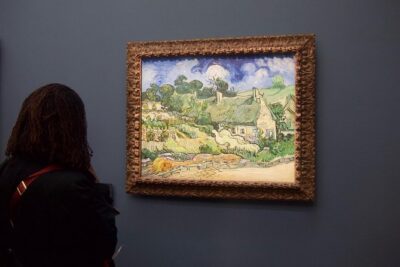
Musée d’Orsay Skip-the-Line Tour with Expert Guide
Read our review →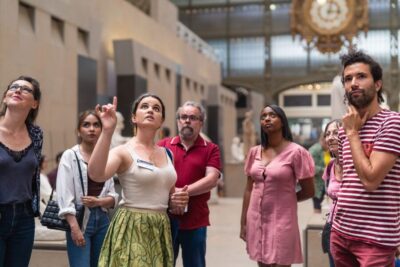
Musée d’Orsay Skip-the-Line Tour with Expert Guide
Read our review →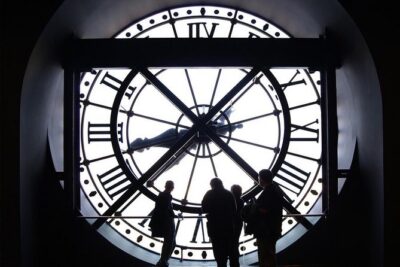
The Musée d’Orsay Guided Tour Orsay Museum Semi-Private 6ppl Max
Read our review →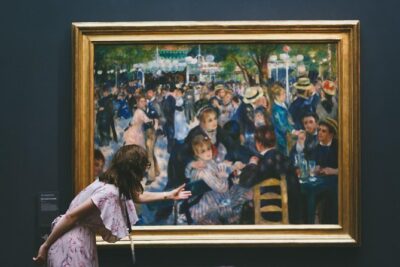
Louvre & Musée d’Orsay Guided Museum Tour Semi-Private 6ppl Max
Read our review →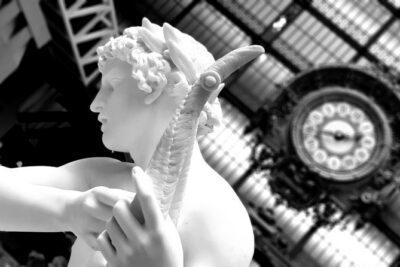
Browse the lists this tour appears in