
Reviewed · BURGUNDY TOURS
Visit of our 15th century cellars
Maison Champy gives you something many Beaune wine stops cannot: 15th-century cellars beneath one of Burgundy’s oldest wine estates. The visit connects old stone, modern winemaking, and the famously precise world of Côte de Beaune wine in about 90 minutes.
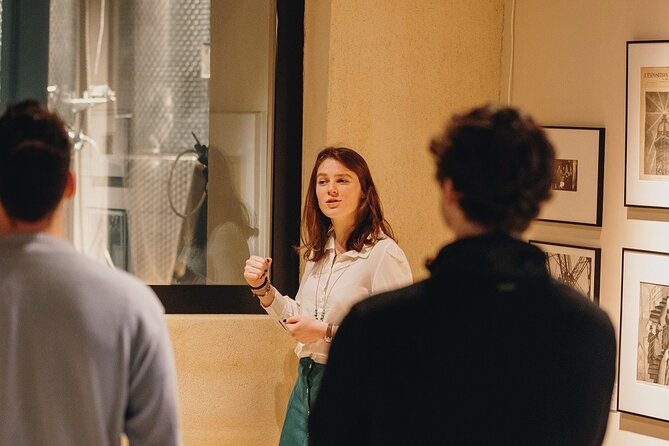
I like the small group of no more than eight, which leaves room for questions, and I like the clear English explanations from guides such as Mathis and Cyriane. The tasting is the main reward, with Maison Champy’s Grand Cru reputation and wines such as Corton-Charlemagne providing useful context for what you are drinking.
The main consideration is the short format. You get a focused introduction rather than a full day among vineyards, and the visit centers on one Beaune producer. If you already know Burgundy well, you may want a longer, more technical wine program.
Key points to know before booking
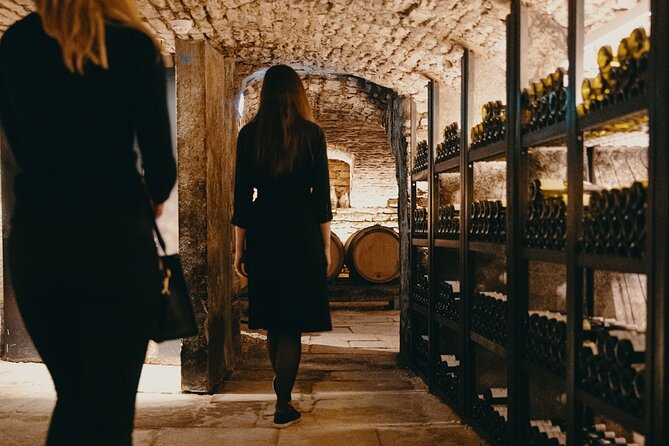
- 15th-century cellars: The tour takes place beneath Maison Champy in central Beaune, giving the tasting a real sense of place.
- Burgundy’s first wine estate: Maison Champy was founded in 1720 and remains tied to the region’s long winemaking tradition.
- Small English-speaking group: A maximum of eight people makes it easier to follow the guide and ask questions.
- Grand Cru focus: Maison Champy is especially known for wines including Corton-Charlemagne.
- Historic architecture: The estate includes a building inspired by the Eiffel School and listed as a Historic Monument.
- Simple timing and flexible booking: The visit lasts about 1 hour 30 minutes, includes admission, and allows free cancellation up to 24 hours before the start time.
Entering Maison Champy in central Beaune
The first pleasure here is location. Maison Champy sits in the heart of Beaune, so this is an easy addition to a day spent walking the old town. You do not need to commit to a distant vineyard excursion or give up half a day to sample Burgundy wine.
Maison Champy dates to 1720 and is regarded as the first wine estate established in Burgundy. That fact matters because the visit is not simply a tasting room presentation. The setting links the wines to a working estate with centuries of local connection.
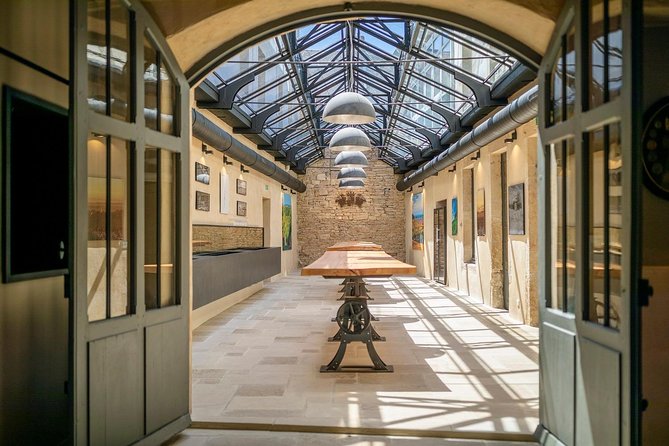
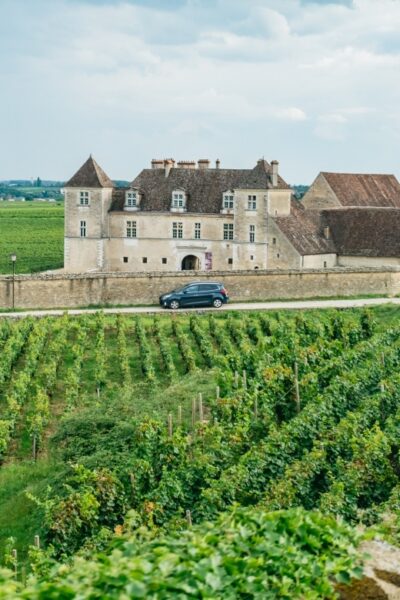
The property includes historic cellars and a building influenced by the Eiffel School. Both are listed as Historic Monuments, so you are seeing more than storage space and sales counters. The architecture gives the visit a second subject alongside wine.
You should allow around 90 minutes. That is long enough for a guided explanation and tasting, but short enough to fit before lunch, after a museum visit, or between trains and other Beaune plans. Since the tour is conducted in English, it also works well for anyone who wants wine information without having to translate technical French terms on the spot.
A few more Beaune half-days worth comparing
- Burgundy Bike Tour with Wine Tasting from Beaune
★ 5.0 · 674 reviews - Beaune: Wine Tasting at Château de Pommard
★ 4.4 · 277 reviews - From Beaune: Burgundy Day Trip with 14 Wine Tastings
★ 4.8 · 248 reviews
What the 15th-century cellars add to the visit
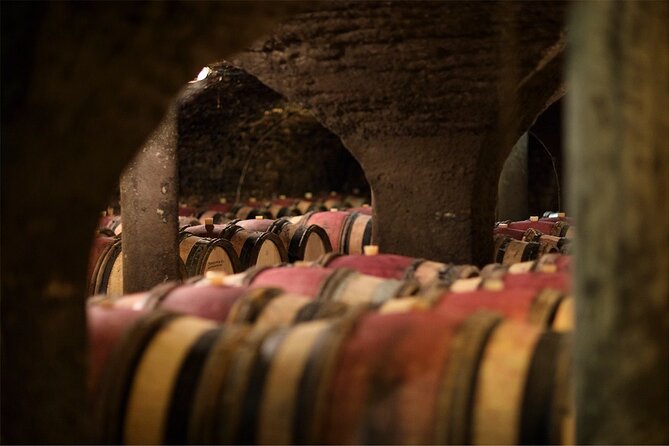
The cellars are the heart of the experience. Their age gives you a physical link to Burgundy’s wine culture, and the atmosphere helps explain why a producer might choose to preserve this kind of space. You are not only hearing about old methods in an abstract way. You are walking through the historic part of the estate where wine has been part of the building’s identity for generations.
The available information does not promise a long cellar route or a detailed look at every stage of production, so you should not book this expecting a full winery workday. Instead, think of the cellar visit as a compact introduction to Maison Champy, followed by a tasting that puts the explanation into your glass.
One detail that adds interest is the connection between the cellar setting, the Eiffel-inspired architecture, and a historical touch involving Pasteur. The visit brings together wine, buildings, and scientific or industrial heritage rather than treating Burgundy as only a scenic backdrop.
I like this mix because it gives nonexperts several ways into the subject. If grape varieties and vineyard classifications seem confusing, the old building and the stories around it provide an easier starting point. If you already enjoy wine, the historic setting adds texture to the tasting.
Understanding Maison Champy’s Burgundy vineyards
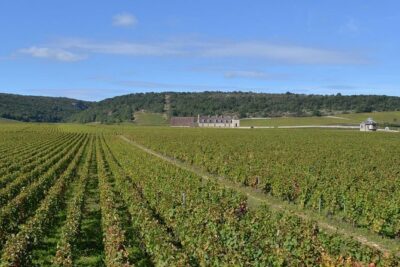
Maison Champy owns 21 hectares of vineyards on the Côte de Beaune. That is large enough to give the estate a varied selection of parcels, while still being a manageable size for a focused visit. The guide can explain why wines from nearby parts of Burgundy may taste different, even when the distances between vineyards are small.
The key Burgundy idea is the importance of place. The estate’s wines reflect individual parcels and their growing conditions, often discussed through the French concept of terroir. You will hear about the difference between wines made from different sites, rather than receiving only a broad lesson on red versus white wine.
A large part of Maison Champy’s vineyards is cultivated using organic farming methods. The stated aim is to preserve and enhance the qualities of each parcel. This is useful context when you taste the wines because the discussion moves beyond production technique and toward how vineyard choices affect the final bottle.
The estate is particularly known for Grand Cru wines, including Corton-Charlemagne. That name is important for anyone trying to understand Burgundy’s classification system. Grand Cru wines occupy the highest level of the region’s vineyard hierarchy, so tasting a wine from this category can help you place Maison Champy within Burgundy’s quality structure.
The tour will not turn you into a Burgundy expert in one sitting. It can, however, give you a framework for reading labels and understanding why one bottle costs more than another. For a first introduction to Beaune wine, that practical context is more useful than a long list of grape names.
The English explanations from Mathis and Cyriane
The strongest part of the visit is likely to be the guide. Mathis has been praised for being helpful and patient, especially when a group booked at short notice. Cyriane has also led the tour in English, explaining Maison Champy’s past and the differences between wines made in Burgundy.
Those details matter because wine tours can vary widely depending on how well the guide adjusts to the group. A patient guide makes room for basic questions, while a more advanced group can ask about vineyards, production, or classification. The small group limit supports that exchange.
You should expect an explanation aimed at both newcomers and people with some wine experience. The tour covers the estate, Burgundy wine, and the wines being tasted. It is not presented as a private master class, but the maximum of eight participants gives it a more personal feel than a large cellar presentation.
The English option is also a practical advantage. Wine vocabulary can be hard enough in your own language, and the guide’s role is to make the differences between Burgundy wines understandable. If you are new to the region, ask about the terms you see on labels and the reasons behind the estate’s reputation.
The guide names are not guaranteed for every departure. Mathis and Cyriane are associated with the experience, but the person leading your tour may vary. The important point is that the program is designed to be guided in English, not simply handed over as an audio explanation or printed sheet.
Same trip, a completely different kind of day:
- Burgundy Grand Crus Route Day Tour – 14 Wines Tastings in Domains
★ 5.0 · 223 reviews - Beaune: Maison Champy Guided Cellar Tour with Wine Tasting
★ 4.7 · 213 reviews - Private excursion to Côte de Beaune and Côte de Nuits (full day)
★ 5.0 · 166 reviews - Skip the Line: Abbaye de Fontenay Admission Ticket
★ 4.5 · 117 reviews
The tasting, from regional bottles to Grand Cru reputation
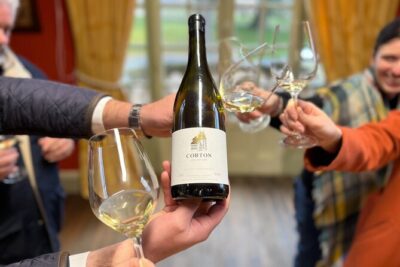
The tasting gives the cellar visit its payoff. Maison Champy is internationally known for the quality of its wines, especially Grand Crus such as Corton-Charlemagne. That makes the tasting more than a token sample at the end of a building tour.
The exact wines served can vary, so you should avoid booking with one specific bottle in mind. What you can expect is a tasting tied to the estate’s Burgundy identity, with the guide explaining what makes the wines different and how they relate to the region’s vineyards.
The tasting is particularly useful for someone beginning a Beaune trip. It gives you a reference point before you visit other wine merchants, restaurants, or estates. Once you have tasted a few Burgundy examples and heard the vocabulary explained, later choices become less intimidating.
I also like that the tasting is connected to the cellar and the estate’s vineyard holdings. The wines are not floating free of context. You have just heard about Maison Champy’s 21 hectares, organic farming methods, historic buildings, and Grand Cru production, so the glass becomes part of a larger story.
That said, anyone hoping for a large number of samples should check expectations. The supplied details do not specify the number of wines poured or the precise lineup. The value comes from the quality of the explanation and the setting as much as from the quantity of wine.
Is the $30.17 price good value?
At about $30.17 per person, this is reasonably priced for a guided wine visit in central Beaune, especially since admission is included and the program lasts around 90 minutes. You are paying for access to a historic estate, an English-speaking guide, a cellar visit, and a tasting in one compact package.
The value is strongest if you are new to Burgundy. A clear introduction can prevent you from spending money on bottles you do not understand or choosing a vineyard visit that is too advanced. The guide’s explanations help you connect a famous name such as Corton-Charlemagne with the broader Burgundy classification system.
The value is less obvious if your main goal is a full vineyard day. This tour does not include a stated drive through the Côte de Beaune, a vineyard walk, or a multi-estate comparison. You are paying for a historic Beaune cellar and one producer’s point of view.
For me, the central location helps justify the cost. You can combine the visit with other Beaune sights without arranging extra transportation. The mobile ticket also keeps the booking simple, particularly if you are planning several short activities in town.
The tour is often booked about 11 days ahead, which suggests that planning a little early is sensible during busy periods. You do not need to reserve months in advance based on the information provided, but waiting until the last hour could leave you with fewer choices.
Who will get the most from this 90-minute visit?
I would recommend Maison Champy to first-time Burgundy wine drinkers, couples looking for a short cultural activity, and anyone who wants a well-located tasting with some historical substance. The English format and small group make it approachable without stripping away the regional detail.
It also suits mixed groups. A serious wine enthusiast can ask about Grand Cru production and organic farming, while a beginner can focus on the basic differences between Burgundy wines. The cellar and architecture give non-drinkers something to appreciate, although the tasting remains the main purpose.
Families or groups with a short schedule may also find the timing useful. The activity lasts about 1 hour 30 minutes, so it does not demand a full afternoon. Most people can participate, and the tour is near public transportation.
I would hesitate if you want an expansive vineyard experience, extensive food pairings, or a detailed comparison of several producers. None of those features is promised. Maison Champy gives you one estate, one guided visit, and a concise look at Burgundy wine.
The small group is a real advantage, but it also means limited capacity. If the experience fits your plans, booking ahead is sensible. Free cancellation is available up to 24 hours before the start time, while cancellations or changes made later are not refunded.
How to decide before you book
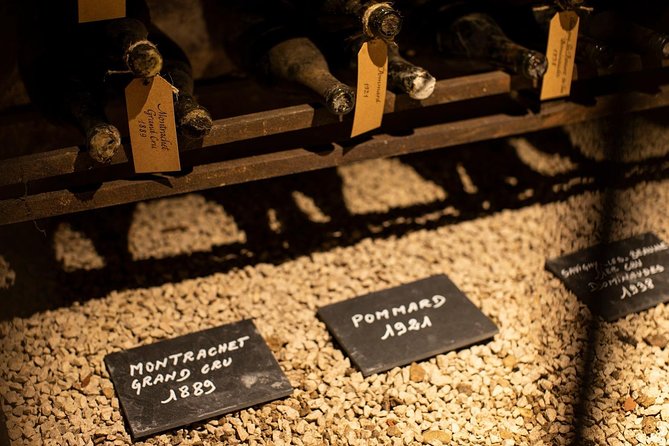
Ask yourself what you want from a Beaune wine activity. If you want to step into old cellars, learn how Burgundy’s vineyard system works, and taste wines from a respected estate without leaving the town center, Maison Champy is a strong choice.
If you already have a packed schedule of vineyard visits, this may feel repetitive. The cellar is the special setting, and Maison Champy’s Grand Cru reputation gives the tasting weight, but the visit remains short and focused.
I would book it near the start of a Beaune stay if possible. The explanations can give you a useful base for later tastings, and the central location makes it easy to fit into your first day. The guide may be Mathis, Cyriane, or another English-speaking member of the team, so book for the estate and format rather than one guaranteed individual.
FAQ
Where does the Maison Champy tour take place?
The tour takes place at Maison Champy in the heart of Beaune, France.
How long does the experience last?
The visit lasts approximately 1 hour 30 minutes.
Is the tour offered in English?
Yes. The experience is offered in English.
How many people can join the tour?
The tour has a maximum of eight participants.
What is included in the price?
Admission to the Maison Champy visit is included. The experience also includes the guided cellar visit and wine tasting.
Can I cancel for a full refund?
Yes. You can cancel up to 24 hours before the experience start time for a full refund. Cancellations or changes made less than 24 hours before the start time are not accepted for a refund.
Just added around Beaune
- Private Wine Tasting Tour – Burgundy Uncorked!!★ 5.0 · 74 reviews
- Private Guided Sidecar Tour in Burgundy from Meursault★ 5.0 · 31 reviews
- From Beaune: Full day the most of Burgundy, with lunch★ 4.5 · 30 reviews
- Discovery of the world of Truffles and tasting★ 4.5 · 66 reviews
- Private Tasting in Beaune : The Best of Burgundy Wines★ 5.0 · 66 reviews
- Full Day Private Tour 10 Premiers & Grands Crus, The Best of Burgundy★ 5.0 · 36 reviews
- Luxury Luxury Wine Tour Experience★ 5.0 · 69 reviews
- Discovery by bike & Tasting in the vineyards★ 4.5 · 36 reviews
Burgundy Tours, compared.
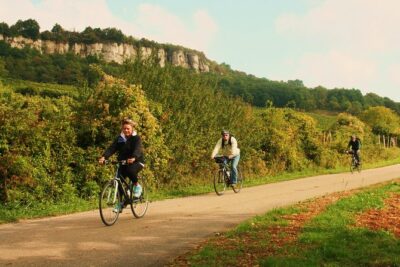
Burgundy Bike Tour with Wine Tasting from Beaune
Read our review →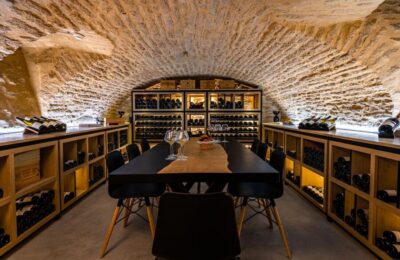
La Cave du Palais Burgundy Wine Tasting Experience
Read our review →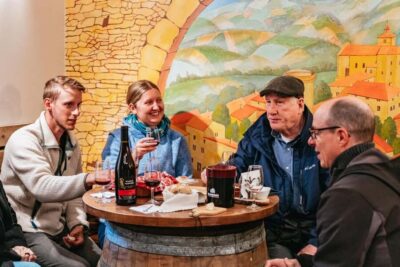
Small-Group Full-Day Tour of Côte de Nuits, Côte de Beaune Vineyards and Beaune Historical District
Read our review →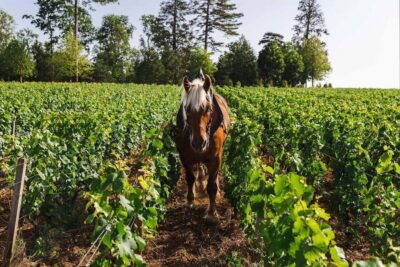
Burgundy Grand Crus Route Day Tour – 14 Wines Tastings in Domains
Read our review →
Maison Champy Guided Cellar Tour with Wine Tasting
Read our review →Browse the lists this tour appears in